2024-04-15 13:11
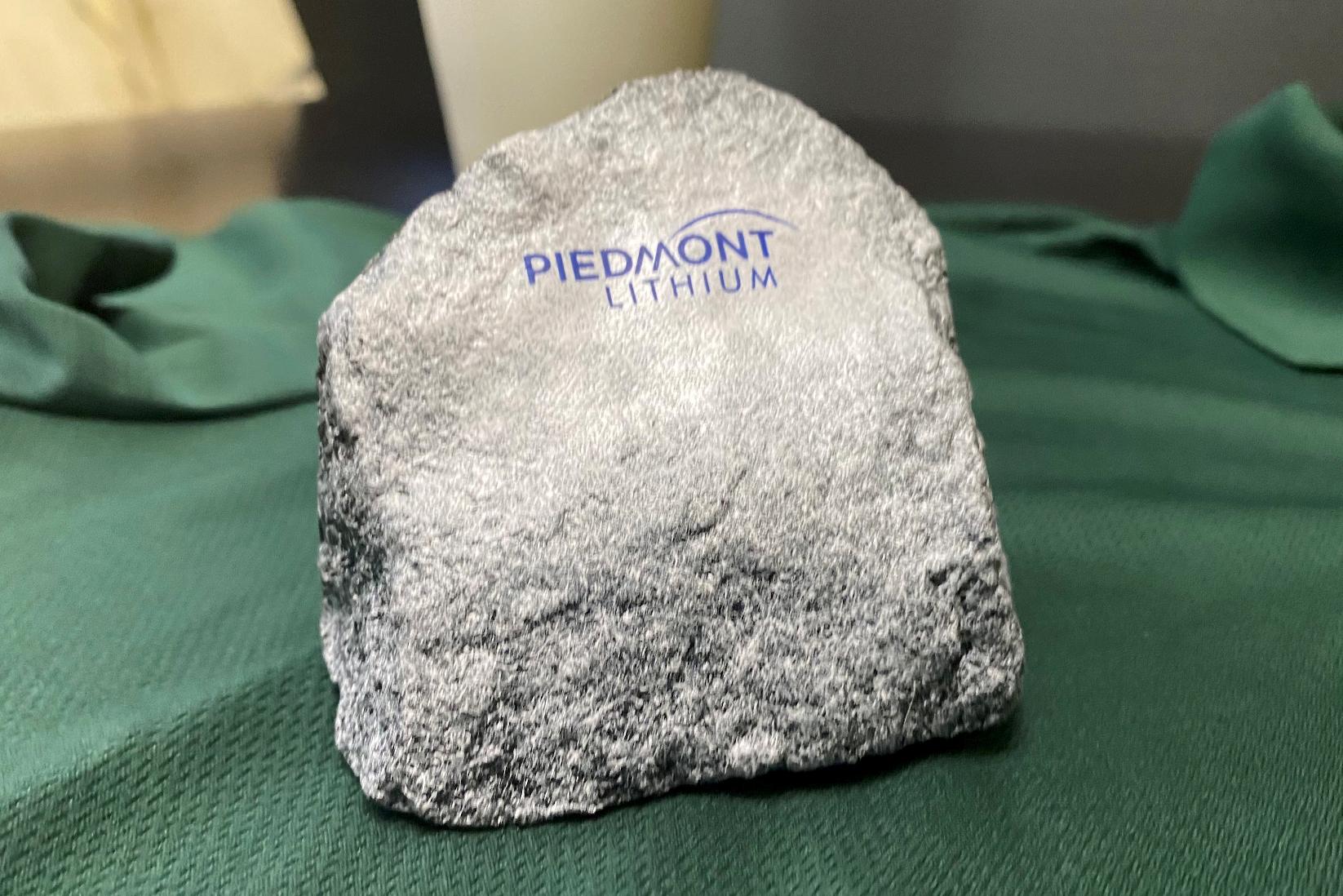
April 15 (Reuters) - North Carolina regulators have approved a state mining permit for Tesla (TSLA.O) New Tab, opens new tab supplier Piedmont Lithium (PLL.O) New Tab, opens new tab to develop one of the largest U.S. sources of the key electric vehicle battery metal, although key financing and local regulatory challenges remain. The approval from the North Carolina Department of Environmental Quality, which was announced by the company on Monday and is conditional on the posting of a $1 million reclamation bond, removes one major hurdle to Piedmont's plans to tap a large lithium deposit just outside Charlotte. Shares in the company, which first applied for the permit in August 2021, rose 15.9% to close at $14.68 on Monday. The state in 2022 had turned down an application from an unrelated company to expand a quarry. The go-ahead for the 500-foot-deep mine comes despite widespread opposition from neighbors worried about water, noise pollution and other potential problems. The years-long opposition to the project, which would become one of the few lithium-producing sites in the U.S, illustrates broadening tension in the country, as resistance to living near a mine clashes with the potential of EVs to mitigate climate change. Piedmont must still obtain a local zoning variance and financing for the project, estimated to cost more than $1 billion. The company has applied for U.S. Department of Energy loans via a program through which rivals ioneer (INR.AX) New Tab, opens new tab and Lithium Americas (LAC.TO) New Tab, opens new tab have already obtained financing. Asked when Piedmont would pay the reclamation bond, Piedmont CEO Keith Phillips told Reuters that the company is "taking steps to put the bond in place as soon as possible." Piedmont agreed to a deal with Tesla last year to supply spodumene concentrate, a key raw material for making batteries, to the auto giant through 2025, with an option to renew it for another three years. CHANGES TO DESIGN The state review process involved the submission of thousands of pages of documents, multiple requests for additional information, and at least three deadline extensions for Piedmont. As a condition of obtaining the permit, state officials are requiring the company to conduct regular water quality and water table levels tests, and to line a waste storage pit with a synthetic liner, a departure from the typical requirement for an earthen liner. State officials had expressed "many concerns" about Piedmont's plans to discharge chemicals into the public sewer system, according to regulatory filings. Piedmont, which also is working on lithium projects in Tennessee, Ghana and Quebec, must still obtain state air quality and wastewater permits, both of which are routine for mining projects in the state. Importantly, Piedmont must also receive a zoning variance from officials in Gaston County, where the project has been opposed by several county commissioners. Phillips told Reuters the company plans to "consider the timing of our re-zoning effort in the context of multiple variables," including financing as well as "the window of opportunity with the current Gaston County Board of Commissioners." Four of the board's seven members have terms that will end this December. Phillips on Sunday had phoned Chad Brown, chair of the county board of commissioners, to discuss the state's decision and ask for a meeting. Brown said he was open to meeting with Piedmont, but that the board would not consider the zoning variance until July at the earliest due to the county's annual budget review process. "We will not rush into anything. We'll listen to Piedmont, and we'll see what happens," Brown told Reuters. "This mine would have a big economic impact on the county, but it also could have tremendous environmental impacts." Despite spending years buying acreage, hiring investment bankers and inking a supply deal with Tesla, Piedmont did not approach county commissioners until July 2021 with its plans. The company also did not apply for a state mining permit until the following month. Those strategic missteps have fueled mistrust across the county of roughly 220,000. Brown said he has not spoken to Phillips since that 2021 meeting. Low lithium prices may also hobble Piedmont's financing attempts, analysts said. "Finding external capital for a new lithium project could prove difficult at current lithium prices, though it will help that Carolina Lithium is very low on the cost curve," said brokerage TD Cowen on Monday. Meanwhile Albemarle (ALB.N) New Tab, opens new tab, the world's biggest lithium miner, is hiring staff and buying land in a neighboring North Carolina county amid plans to re-open a mothballed spodumene lithium mine that would compete directly with Piedmont. The Reuters Daily Briefing newsletter provides all the news you need to start your day. Sign up here. https://www.reuters.com/business/piedmont-lithium-gets-mining-permit-north-carolina-project-2024-04-15/
2024-04-15 13:06
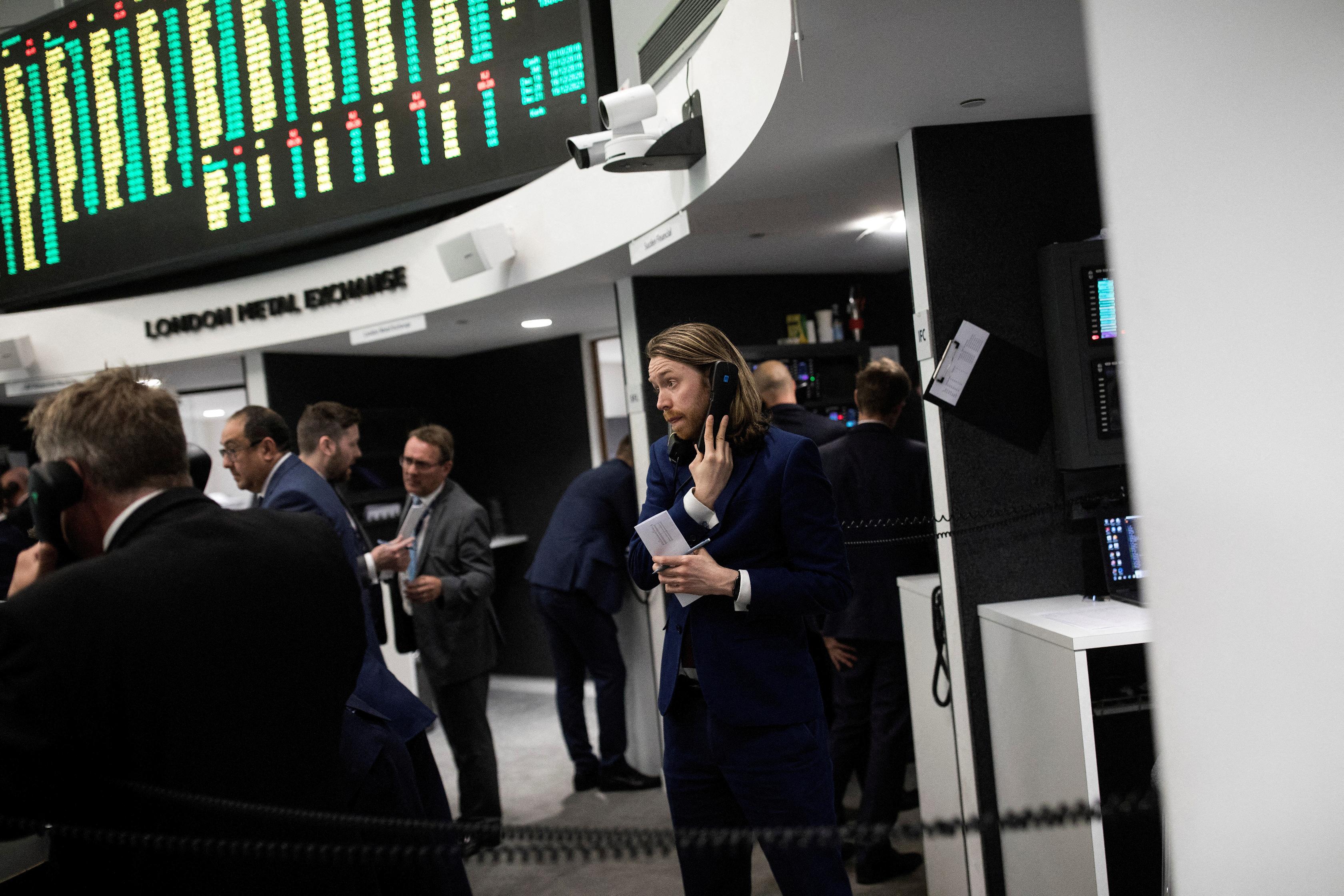
LONDON, April 15 (Reuters) - Washington and London on Friday prohibited the London Metal Exchange (LME), Chicago Mercantile Exchange (CME) and other global exchanges from accepting new aluminium, copper and nickel produced by Russia. The two countries also barred the import of the metals into the United States and Britain. Below are key points about the move and its significance: THE CUT-OFF POINT The LME, the world's largest and oldest forum for trading metals, and CME have already complied with the new sanctions. It is unclear if the Shanghai Futures Exchange (SHFE) will follow. Aluminium, copper and nickel made in Russia on or after April 13, 2024 will not be accepted for delivery to LME-registered warehouses or CME-owned facilities. Trade of Russian metals outside of the exchanges' system is not restricted by the sanctions. EXISTING STOCKS AND METAL PRODUCED BEFORE APRIL 13 The sanctions are aimed at minimising Russian export revenue amid Moscow's ongoing war in Ukraine while also reducing the risk of market disruption. As a result, existing stocks of Russian metal on global exchanges are exempt from the new measures. They can still be traded and withdrawn from warehouses. This is especially important for the LME as 40% of its available metal stocks are Russian-made. The share of available aluminium stocks of Russian origin in LME-registered warehouses stood at 91% in March, while the proportion of copper stood at 62%. Russian nickel in LME warehouses amounted to 36% of the total. If an owner of Russian metal can provide evidence that it was produced before April 13, it can still be put on LME warrant - a title document conferring ownership, the LME said. There are, however, special regimes for the UK for such warrants: the Russian warrants which existed as of April 12 can be cancelled and withdrawn by UK persons. The warrants issued on or after 13 April are subject to restrictions that prevent UK LME members and clients from cancelling or withdrawing the corresponding metal unless they are doing so for the account of a non-UK client. The CME does not disclose the origin of metal it has in store, but also said aluminium of Russian origin produced prior to April 13 would continue to be eligible for warranting and delivery against its futures contract. RUSSIAN PRODUCTION AND GLOBAL SUPPLY Russia is a major metals producer. Its share in global production is 5% of aluminium, 6% of refined nickel and 4% of copper. The U.S. and UK officials hope the latest sanctions will increase a discount for trade of Russian metal off exchanges. Russian aluminium producer Rusal (RUAL.MM) New Tab, opens new tab said the new sanctions would have no impact on its ability to supply aluminium. Russian nickel and copper producer Nornickel (GMKN.MM) New Tab, opens new tab declined to comment. US IMPORT BAN AND PREVIOUS MOVES Physical supplies of Russian metals to the UK had already dried up as Britain banned imports in 2023. Supplies to the United States have also been tiny as Washington imposed high tariffs on imports of Russian metals last year. In response, Rusal and Nornickel, which have not been directly targeted by the Western sanctions, have redirected a significant part of their sales from the Western countries since 2022. Asia is now Nornickel's largest sales market and accounts for 38% of Rusal's revenue. The European Union still accepts Russian primary aluminium, though some consumers have self-sanctioned and have not been buying from Rusal. Europe contributed 28% to Rusal's revenue in 2023, and industry group European Aluminium has been calling for the EU to impose sanctions on aluminium supplied from Russia in future sanctions packages. The latest measures by the U.S. and UK exclude metals of Russian origin that have been substantially transformed outside the country into a foreign-made product. METALS MARKET RESPONSE LME aluminium and nickel futures jumped to multi-month highs in the Asian hours on Monday but have calmed since. Benchmark aluminium was last up 3% at $2,572.5 a metric ton from an earlier session high of $2,728, and nickel was up 1.6% at $18,085, below a session peak of $19,355. Copper was up 0.8%. The LME's daily limit for price moves is 15% for nickel and 12% for aluminium and copper. The reaction in spreads between the LME aluminium cash and the 3-month contracts has been also volatile on Monday due to the uncertainty. Get a look at the day ahead in U.S. and global markets with the Morning Bid U.S. newsletter. Sign up here. https://www.reuters.com/markets/commodities/washington-london-ban-exchange-trading-new-russian-metal-2024-04-15/
2024-04-15 12:57
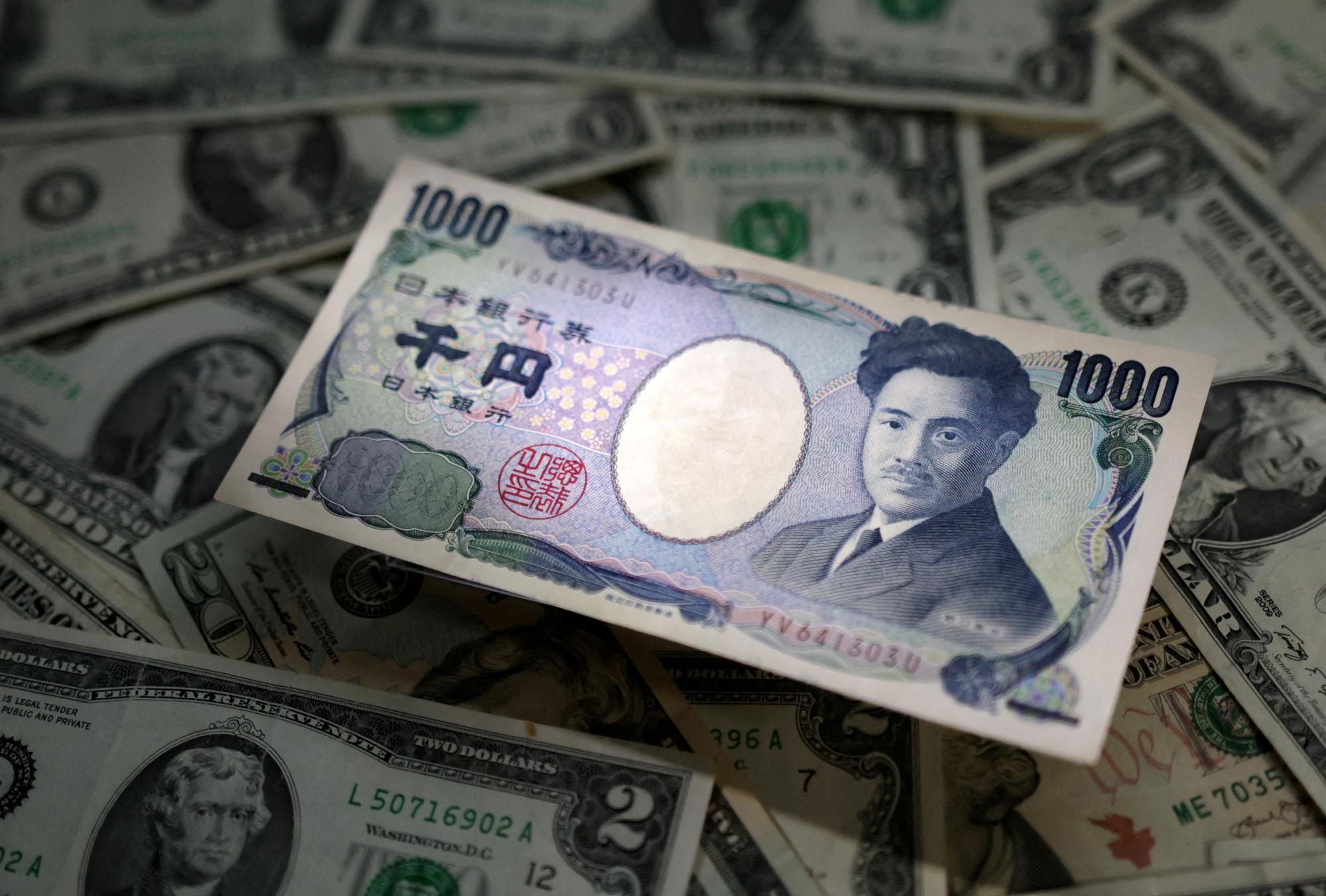
April 15 (Reuters) - The yen weakened on Monday, pushing the dollar to its highest against the Japanese currency since June 1990, with markets alert to any signs of intervention from the Japanese authorities to prop up the yen. The decline in the yen comes amid a broadly stronger dollar underpinned by economic data that has pushed out the expected timing of the first Fed rate cut to September from June and escalating tensions in the Middle East. The dollar extended gains on Monday after stronger-than-expected March retail sales data. The yen's slide against the dollar has revived anticipation of currency intervention. Japanese Finance Minister Shunichi Suzuki said he was watching currency moves closely, and that Tokyo is "fully prepared" to act. The dollar was last up 0.66% at 154.28 yen, its strongest since 1990. Keep up with the latest medical breakthroughs and healthcare trends with the Reuters Health Rounds newsletter. Sign up here. https://www.reuters.com/markets/currencies/japans-yen-falls-lowest-since-1990-dollaryen-up-06-2024-04-15/
2024-04-15 12:39
NEW DELHI, April 15 (Reuters) - India's merchandise exports fell for the first time in four years in 2023/24, official data showed on Monday, hit by factors including geopolitical tensions and export curbs on foodstuffs such as rice to curb domestic inflation. India's goods exports in the fiscal year to March 31 fell to $437 billion, compared with $451 billion in the previous year - the first yearly decline since 2020/21 when trade was affected by the COVID-19 pandemic. Rice exports fell 6.5% in the fiscal year ended March 31 to $10 billion, while other cereals dropped 57% to $518 million. Exports of ready-made garments shrank 10% to $14.5 billion and exports of petroleum products fell 13.7% to $84.1 billion. The country's imports also fell about 5% year-on-year to $677 billion, due to lower shipments of fertilisers, cotton and vegetable oil. India's overall deficit in merchandise trade stood at $240 billion as against a deficit of $265 billion a year ago. In the month of March, India's merchandise trade deficit fell to $15.6 billion, much lower than $18.55 billion economists were expecting and the lowest level in 11 months, due to low imports particularly of gold. Gold imports more than halved to $1.5 billion compared with the same period last year. "This is expected to augur well for the current account number," said Aditi Nayar, economist at ICRA, who added that the current account may witness a small surplus of $1 billion-$2 billion in the January-March quarter. India's merchandise exports stood at $41.68 billion in March, while imports were $57.28 billion, the data showed. By comparison, in March 2023 merchandise exports were $41.96 billion, while imports were $60.92 billion. Services exports in March were $28.54 billion, while imports were $15.84 billion, compared with $30.44 billion and $16.96 billion respectively in the same month last year. The Reuters Daily Briefing newsletter provides all the news you need to start your day. Sign up here. https://www.reuters.com/world/india/indias-march-merchandise-trade-deficit-156-bln-2024-04-15/

2024-04-15 12:14
April 15 (Reuters) - EQT (EQT.N) New Tab, opens new tab will sell 40% interest in its non-operated natural gas assets in northeast Pennsylvania to Equinor USA in exchange for Equinor's onshore asset in the Appalachian basin and $500 million in cash, the companies said on Monday. Non-operating positions give holders a cut from the hydrocarbons sold without taking charge of drilling or other operations, although they must contribute their share of costs. Natural gas prices have pummeled to three-year lows, forcing producers to curb output and spending on drilling activity. Reuters reported last year that EQT was exploring a sale of a portfolio of minority stakes in wells in Pennsylvania's Marcellus shale formation. "We plan to opportunistically divest the remaining portion of our non-operated assets in northeast Pennsylvania," EQT CEO Toby Rice said on Monday. EQT's plan to exit the position comes as the company tries to accelerate cutting its $5.9 billion debt pile and boost shareholder returns. "This (deal) also means that we have now fully exited all operated positions onshore U.S.," Philippe Mathieu, executive vice president for Exploration and Production International at Equinor, said. The Reuters Power Up newsletter provides everything you need to know about the global energy industry. Sign up here. https://www.reuters.com/business/energy/eqt-sell-some-natgas-assets-northeast-pennsylvania-equinor-usa-2024-04-15/
2024-04-15 12:01
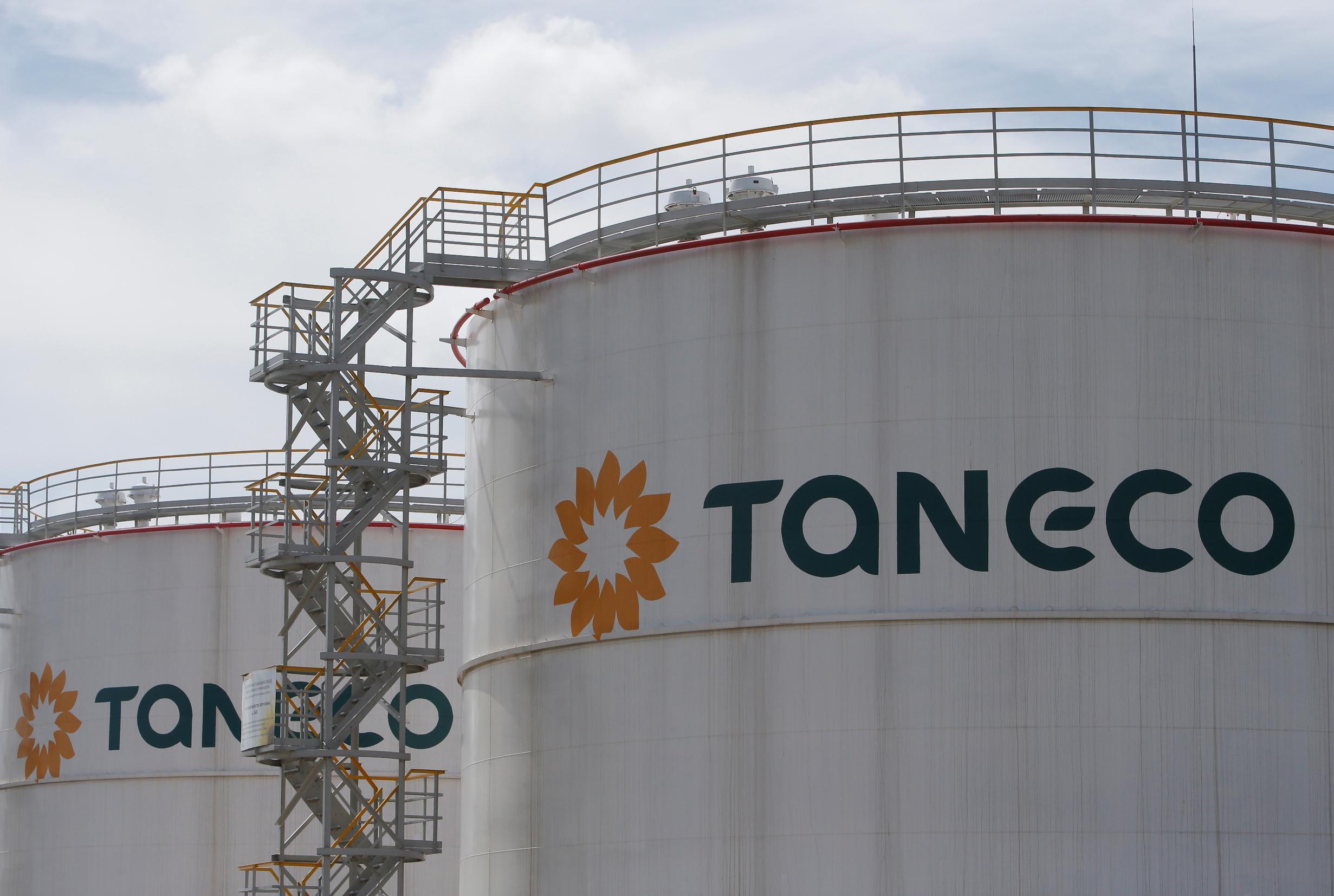
MOSCOW, April 15 (Reuters) - Russia has been able to swiftly repair some of key oil refineries hit by Ukrainian drones, reducing capacity idled by the attacks to about 10% from almost 14% at the end of March, Reuters calculations showed. Ukraine stepped up drone attacks on Russian energy infrastructure since the start of the year, hitting some major oil refineries across the world's second largest oil exporter in attacks that sent up oil prices. Russia says the drone attacks amount to terrorism. Ukraine says its drone attacks on Russia are justified because it is fighting for survival as Russia has made "massive retaliatory" strikes on Ukrainian energy infrastructure. There have been no reports of successful attacks on Russian large refineries since the Taneco plant was hit on April 2. Russia is repairing its refineries fast, despite difficulties in obtaining Western know-how. That includes Rosneft-owned Ryazan plant, which put back he CDU-4 and main CDU-6 primary oil refining units into operation, as well as Kuibyshev refinery repairing CDU-4 and Syzran's CDU-5 and previously idled for maintenance CDU-6. According to Reuters calculations, total Russian primary oil refining capacity, idled by drones, was reduced to 90,500 metric tons per day (660,000 barrels per day) from around 123,800 tons per day (907,000 bpd) previously. However, in total, Russia's cumulative primary oil refining capacity, put offline due to various outages and maintenances, is expected at 4.4 million tons in April, up from 4.1 million tons in March. The respite in Ukraine's strikes comes after criticism from the United States, the world's top energy consumer, where high fuel prices is high up on the agenda in the run up to presidential election on Nov. 5. Replying to Republican U.S. Senator Tom Cotton on why Joe Biden administration was discouraging Ukrainians from the attacks on Russia's "war-making capabilities", Defence Secretary Lloyd Austin told the Senate Armed Services committee last week that the attacks could harm global energy markets. "Certainly, those attacks could have a knock-on effect in terms of the global energy situation, and ... but quite frankly, I think Ukraine is better served by going after tactical and operational targets that can directly influence the current fight," he said. The Reuters Daily Briefing newsletter provides all the news you need to start your day. Sign up here. https://www.reuters.com/world/europe/russia-restoring-oil-refining-capacity-knocked-out-by-drones-2024-04-15/