2024-04-15 11:58
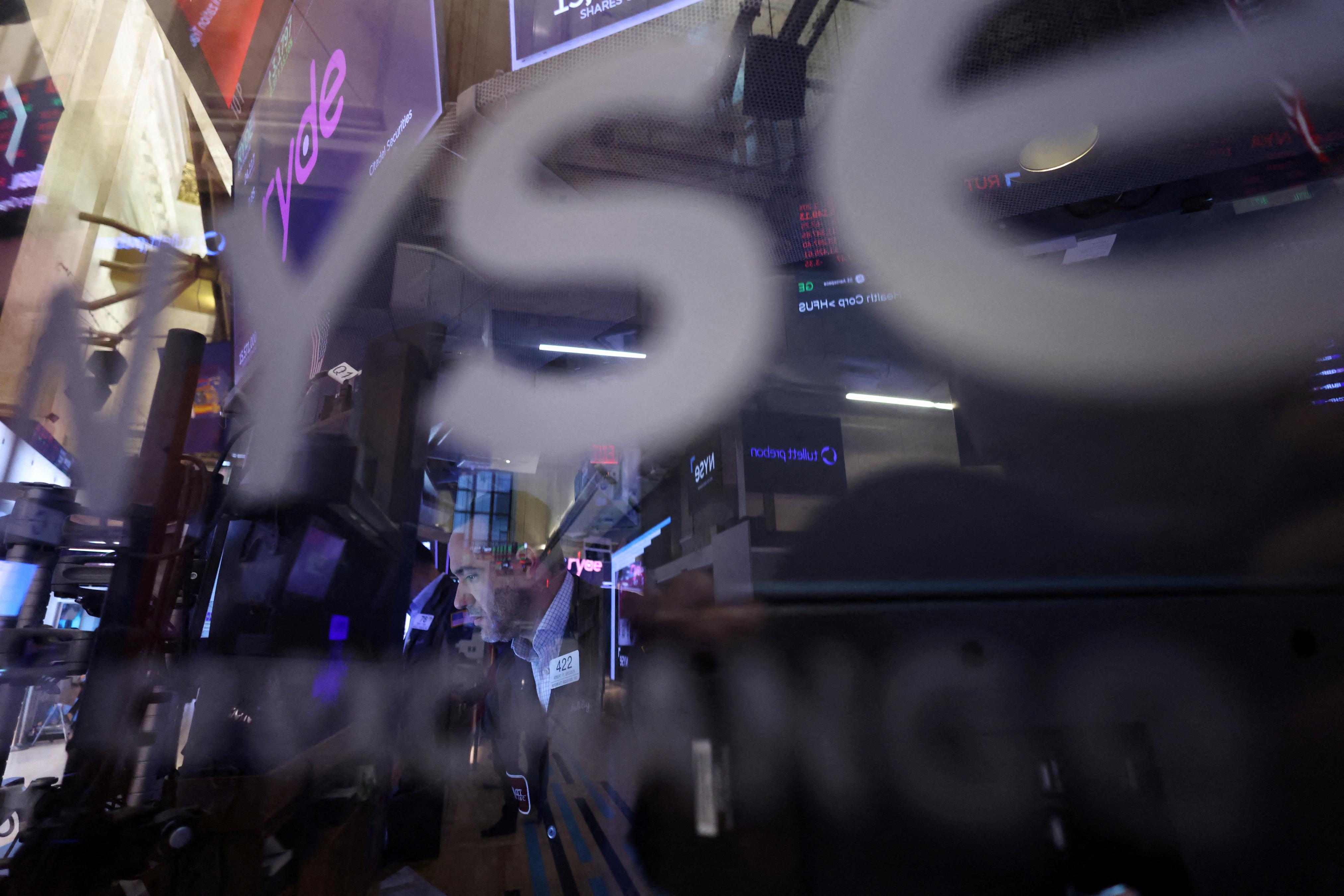
Stocks reverse earlier gains, Nasdaq down 1% Dollar hits highest since Nov; yen hits lowest since 1990 U.S. retail sales breezes past expectations Graphic: World FX rates NEW YORK, April 15 (Reuters) - Wall Street ended sharply lower on Monday amid rising U.S. Treasury yields as simmering tensions in the Middle East helped curb investor risk appetite. The three major U.S. stock indexes reversed initial gains to extend Friday's sell-off, while the yen fell to its lowest level in 34 years, reviving intervention fears. U.S. retail sales data for March blew past analyst expectations, provided the latest evidence in the case for the resilience of the American consumer but also suggested the U.S. Federal Reserve could hold off on cutting its key policy rate for longer than previously anticipated. "Market expectations have transitioned from three expected rate cuts this year down to fewer than two," said Bill Merz head of Capital Market Research at U.S. Bank Wealth Management in Minneapolis. "That’s the concern that markets are reflecting while the equity rally has stalled in recent weeks." On the geopolitical front, over the weekend Iran launched a missile and drone attack against Israel in retaliation for a suspected attack on its embassy, and calls for restraint regarding Israel's response appeared to be calming helping tensions in the region. "I would say that the level of uncertainty is higher than it was a week ago on the geopolitical stage and it’s understandable to see higher market volatility in the current environment," Merz added. The Dow Jones Industrial Average (.DJI) New Tab, opens new tab fell 248.13 points, or 0.65%, to 37,735.11, the S&P 500 (.SPX) New Tab, opens new tab lost 61.59 points, or 1.20%, to 5,061.82 and the Nasdaq Composite (.IXIC) New Tab, opens new tab dropped 290.08 points, or 1.79%, to 15,885.02. European shares ended modestly higher as weak energy shares capped gains in industrial stocks, while cautions investors kept close watch on developments in the Middle East. The pan-European STOXX 600 index (.STOXX) New Tab, opens new tab rose 0.13% and MSCI's gauge of stocks across the globe (.MIWD00000PUS) New Tab, opens new tab shed 1.01%. Emerging market stocks lost 1.12%. MSCI's broadest index of Asia-Pacific shares outside Japan (.MIAPJ0000PUS) New Tab, opens new tab closed 1.06% lower, while Japan's Nikkei (.N225) New Tab, opens new tab lost 0.74%. Yields for 10-year U.S. Treasuries rose, hitting their highest level since November after a robust Retail Sales report suggested the Fed could hold its key policy rate in restrictive territory for longer than expected. Benchmark 10-year notes last fell 29/32 in price to yield 4.6158%, from 4.499% late on Friday. The 30-year bond last fell 63/32 in price to yield 4.7323%, from 4.603% late on Friday. The dollar touched its highest level since early November against a basket of world currencies as the yen dipped to a 34-year trough. The yen move helped revive anticipation of the possibility of intervention on the part of Japanese authorities. The dollar index (.DXY) New Tab, opens new tab rose 0.15%, with the euro down 0.17% to $1.0624. The Japanese yen weakened 0.60% versus the greenback at 154.23 per dollar, while Sterling was last trading at $1.2445, down 0.04% on the day. Crude oil prices inched lower after Iran's weekend attack on Israel proved less damaging than anticipated. U.S. crude dipped 0.29% to settle at $85.41 per barrel, while and Brent settled at $90.10 per barrel, down 0.39% on the day. Gold surged on rising on safe-haven demand sparked by geopolitical tensions. Spot gold added 1.8% to $2,385.39 an ounce. Get a look at the day ahead in U.S. and global markets with the Morning Bid U.S. newsletter. Sign up here. https://www.reuters.com/markets/global-markets-wrapup-4-pix-2024-04-15/
2024-04-15 11:46
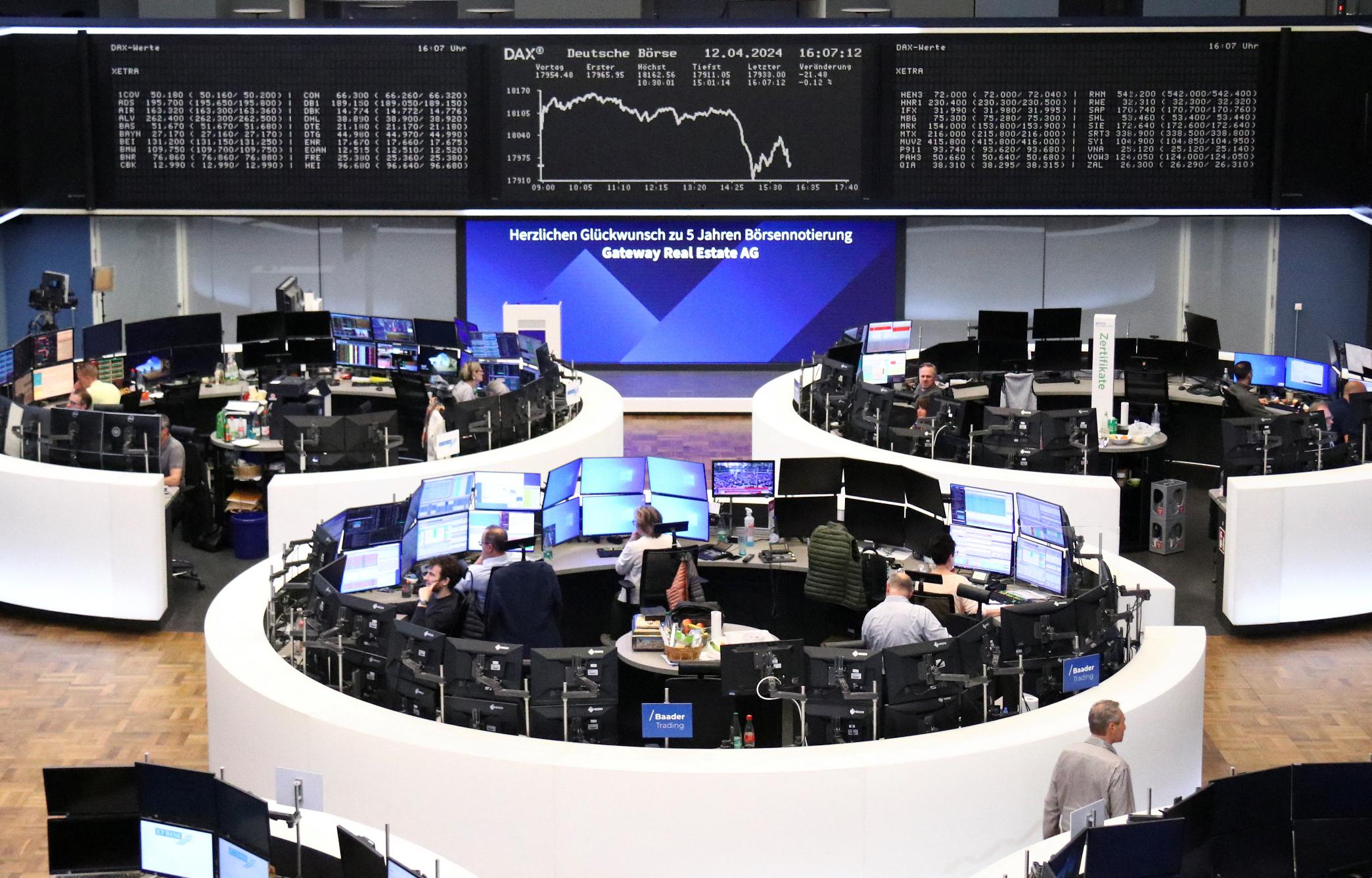
BRUSSELS, April 15 (Reuters) - Most European Union countries are set to commit more support to help Europe's ailing solar panel manufacturers on Monday, but steer clear of restrictions on cheap panel imports from China, a draft document showed. While Europe is installing new solar panels at record speed, most come from China, and Europe's few panel manufacturers are struggling to compete, prompting some to cut production or make plans to shift investments to the U.S. A draft 'European Solar Charter' set to be signed by the European Commission and most EU countries on Monday said governments would consider using more EU funding and national aid to back solar manufacturing projects. "Further urgent action is needed in the short term to address the crisis in the European manufacturing industry," said the draft document, seen by Reuters. EU officials said more than 20 of the EU's 27 countries were set to sign up to it. The governments said they would add criteria like cybersecurity and sustainability requirements to their renewable energy auctions to help local manufacturers, and quickly apply EU rules to speed up permits for manufacturing facilities. The draft said the European Commission would work with the European Investment Bank to support projects, and consider launching a cross-border European solar manufacturing project. It steered clear however of any commitments on EU trade tariffs or restrictions on solar panel imports. European solar panel manufacturers have previously asked the EU to consider trade safeguards on Chinese imports, but Brussels and governments including Germany have warned broad curbs on Chinese supply could stunt Europe's fast expansion of clean energy. The vast majority of solar panels and parts installed in Europe come from China – in some cases 95%, International Energy Agency data show. Utilities and panel installers generally do not support import curbs. The EU has so far taken more targeted actions, looking at individual instances of Chinese subsidies, as it attempts to help European clean tech manufacturers compete with foreign suppliers. Brussels launched two investigations this month into whether Chinese bidders benefited excessively from subsidies in their offers in a European public tender. The EU said last week it will also investigate subsidies received by Chinese wind turbine suppliers. The Reuters Daily Briefing newsletter provides all the news you need to start your day. Sign up here. https://www.reuters.com/sustainability/eu-countries-pledge-help-solar-sector-no-trade-curbs-china-draft-shows-2024-04-15/
2024-04-15 11:46
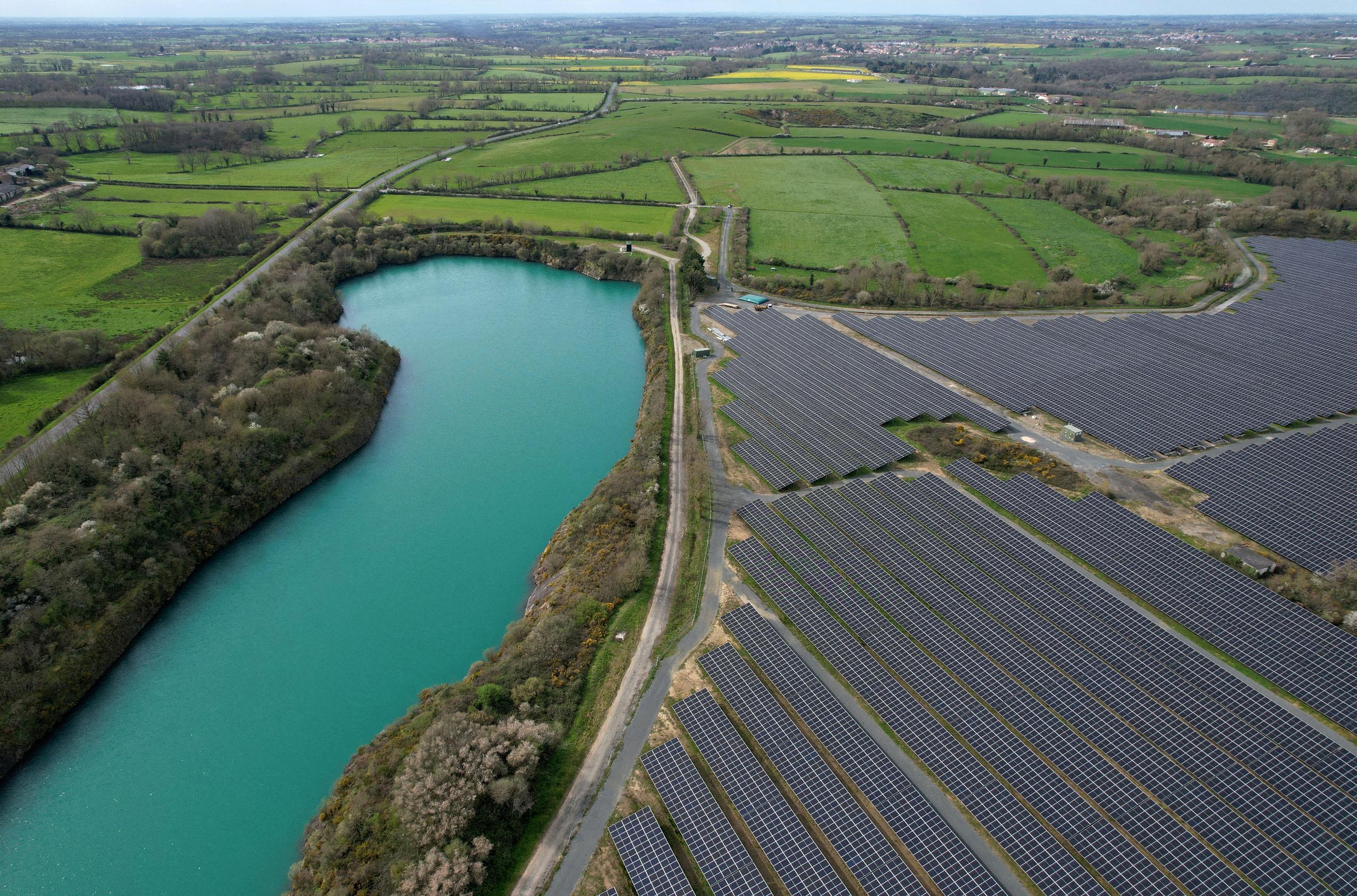
WASHINGTON, April 15 (Reuters) - The FBI said on Monday it opened a criminal probe into the collapse of a Baltimore bridge in March when a ship crashed into a bridge support, while local officials confirmed the recovery of a fourth body from the incident. FBI agents boarded the cargo ship Dali to conduct court-authorized law enforcement activity regarding the crash, an FBI spokesperson said. The spokesperson said there was no other public information available and the bureau will have no further comment. The body of a fourth victim was recovered on Monday after divers spotted what they believed to be a missing construction vehicle, inside which they found the body, the Key Bridge Unified Command said in a statement. Details surrounding the victim's identity were not made public at the request of family. The Francis Scott Key Bridge collapsed into the Patapsco River in the early morning of March 26, killing six men who were working on the span at the time, after the massive container ship lost power and crashed into a support pylon. The bodies of two victims are still missing. The investigation into the collapse will focus in part on whether the crew of the Dali left the port knowing the freighter had serious problems with its systems, the Washington Post reported earlier. Safety investigators have recovered the ship's "black box" recorder, which provides data on its position, speed, heading, radar, and bridge audio and radio communications, as well as alarms. The city of Baltimore said on Monday it hired two law firms - DiCello Levitt and Saltz Mongeluzzi Bendesky Trial Lawyers - as it considered litigation against the owner, charterer and operator of the ship. The registered owner of the Singapore-flagged ship is Grace Ocean Pte Ltd. Synergy Marine Group managed the ship and Maersk (MAERSKb.CO) New Tab, opens new tab chartered the vessel. The head of the U.S. National Transportation Safety Board separately told Congress last week that its investigators had interviewed key cargo ship personnel as part of its probe. Work to clear the wreckage and restore traffic through the Baltimore port's shipping channel continues. Replacing the bridge will likely take years, but authorities have opened two temporary channels to allow some shallow-draft vessels to move around the stricken container vessel. The U.S. Army Corps of Engineers said two weeks ago that it expected to open a new channel to the Port of Baltimore by the end of April. When the crash occurred, the Dali was leaving Baltimore en route to Colombo, Sri Lanka, with a crew of 21, plus two pilots on board to guide it out of the port. The same ship was involved in an incident in the port of Antwerp, Belgium, in 2016, when it hit a quay as it tried to exit a North Sea container terminal. An inspection in June 2023 carried out in San Antonio, Chile, found the vessel had propulsion and auxiliary machinery deficiencies, according to data on the public Equasis website, which provides information on ships. According to Singapore's Maritime and Port Authority, the vessel passed foreign-port inspections last June and September. Get weekly news and analysis on the U.S. elections and how it matters to the world with the newsletter On the Campaign Trail. Sign up here. https://www.reuters.com/world/us/fbi-opens-criminal-probe-into-maryland-bridge-collapse-washington-post-says-2024-04-15/
2024-04-15 11:37
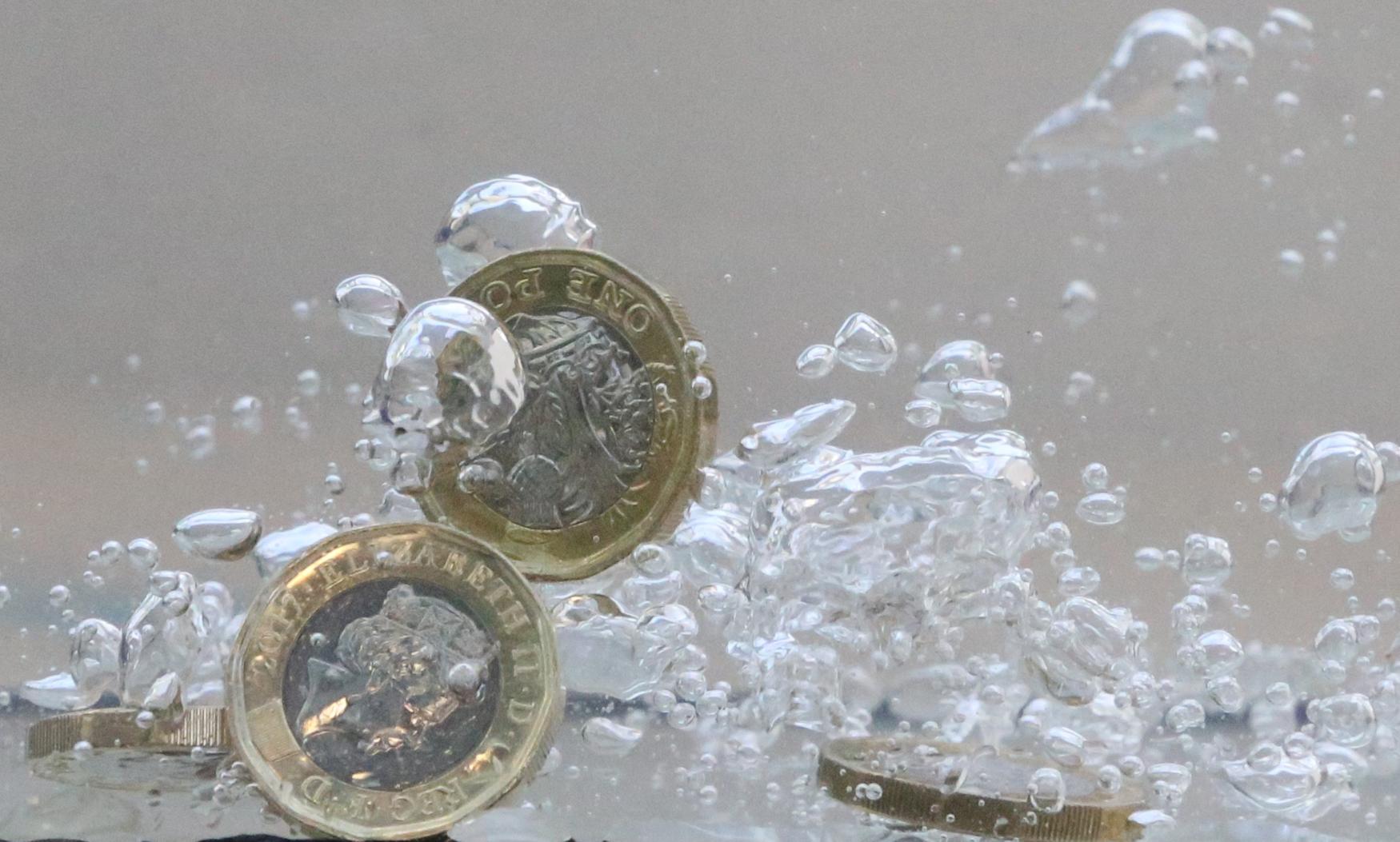
LONDON, April 15 (Reuters) - The British pound rebounded on Monday from its biggest weekly fall against the dollar since July, bouncing from a five-month low hit on Friday as markets prepare for a data-heavy week that could influence Bank of England policy in the coming months. Labour market data on Tuesday and inflation figures on Wednesday will be key to determining how soon the BoE can cut interest rates, with markets pricing August as the most likely start date for policy easing. Traders are pricing just under a 50% chance of an interest rate cut in June, while only two quarter-point rate cuts are priced this year, which ING strategists say could leave sterling vulnerable if the data causes markets to price in looser policy. "Any downside surprise on wages or services data could hit sterling quite hard," ING head of markets Chris Turner said in a note. The pound was last up 0.4% against a broadly softer dollar at $1.24965, above its lowest since November of $1.24265 reached on Friday. Sterling was at 85.34 pence per euro , up around 0.2%. Eyes were also on heightened geopolitical tensions after Iran launched an attack on Israel over the weekend, although market moves were generally muted across asset classes. "The market has been reluctant to react too strongly to geopolitical risks of late," said Kyle Chapman, FX markets analyst at Ballinger Group. "A stronger escalation in the Middle East is being treated more as a tail risk rather than the main theme being traded on," Chapman added. Traders were also watching commentary from BoE officials this week, with the next deputy governor for monetary policy, Clare Lombardelli, scheduled to take questions from Parliament's Treasury Select Committee on Tuesday. Keep up with the latest medical breakthroughs and healthcare trends with the Reuters Health Rounds newsletter. Sign up here. https://www.reuters.com/markets/currencies/sterling-rebounds-five-month-low-eyes-data-2024-04-15/
2024-04-15 10:38
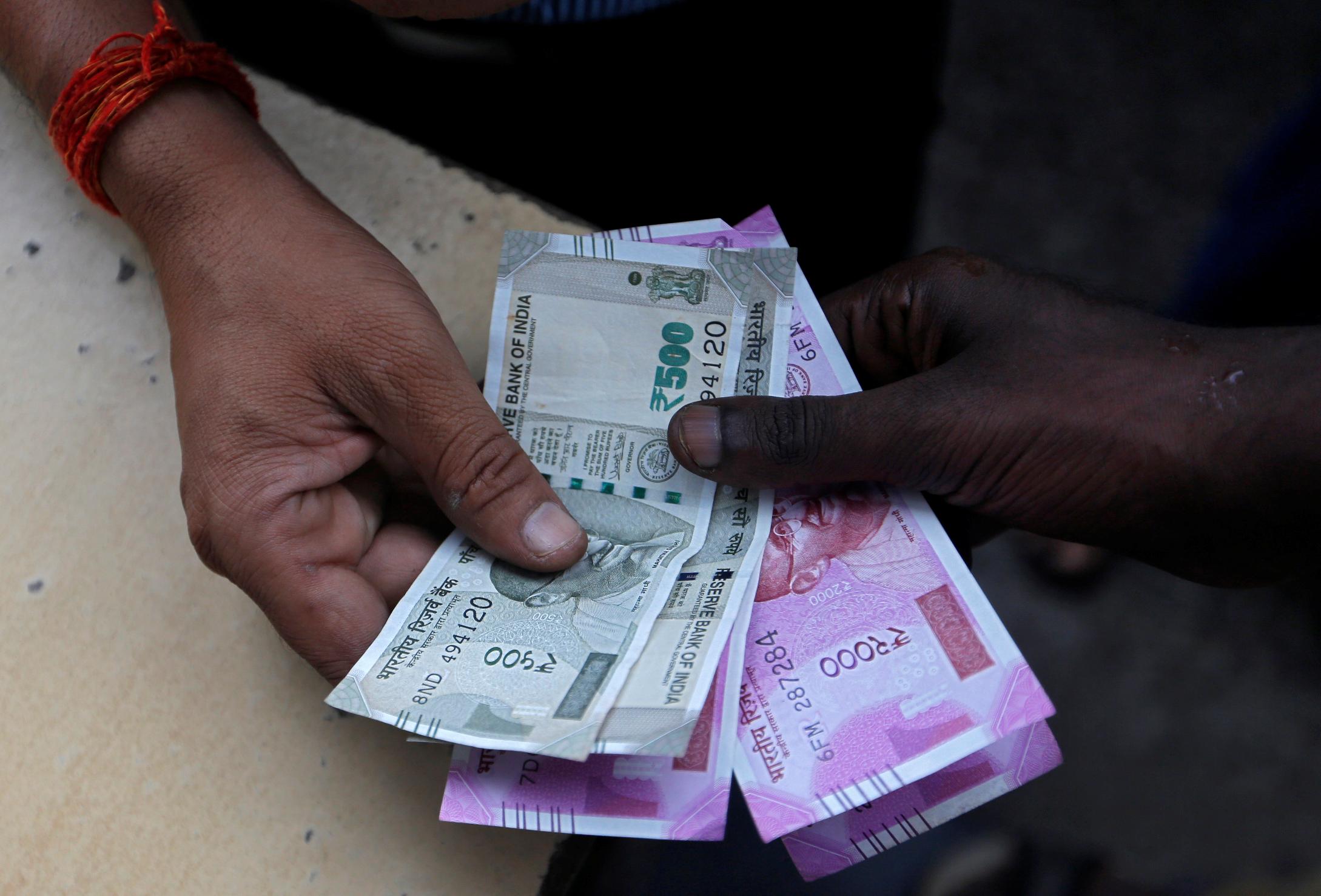
MUMBAI, April 15 (Reuters) - The Indian rupee fell to its weakest closing level on record on Monday as rising Middle East tensions weighed on Asian currencies and risk assets but potential dollar sales by the Reserve Bank of India helped curb the local unit's losses. The rupee ended at 83.4500 per U.S. dollar compared with 83.4125 at close on Friday. The domestic currency had touched its lifetime low of 83.4550 earlier this month. "Foreign inflows have been robust, which is helping... while the central bank has also been actively intervening in the markets to curb volatility in the local unit," said Sugandha Sachdeva, founder of SS WealthStreet, a New Delhi-based research firm. However, if the situation in the Middle East deteriorates, there could be "increased pressure" on the rupee, she said, adding that the outlook for the domestic unit hinges "significantly" on Israel's response to the recent attack by Iran. Asian currencies were mostly lower following Iran's retaliatory attack on Israel over the weekend. The war in Gaza, which Israel invaded after an attack by Hamas on Oct. 7, has ratcheted up tensions in the region. The dollar index, which measures the greenback against a basket of six major currencies, was trading near 106. Apart from the crisis in the Middle East, investors will be eyeing movement in U.S. Treasury yields. The 10-year U.S. Treasury yield inched higher amid changing Federal Reserve policy expectations after higher-than-expected U.S. inflation data. Investors now see only about two rate cuts this year. "We no longer think policymakers will gain the confidence they (Fed) need to start cutting in June, or even at the following three meetings, absent clear signs of labour market deterioration," BofA Securities said in a note. "We now expect the Fed to start cutting rates in December." Keep up with the latest medical breakthroughs and healthcare trends with the Reuters Health Rounds newsletter. Sign up here. https://www.reuters.com/markets/currencies/rupee-ends-record-closing-low-amid-mideast-tensions-likely-cenbank-support-aids-2024-04-15/
2024-04-15 10:03
A look at the day ahead in U.S. and global markets from Mike Dolan A rush to traditional financial havens on Friday on fears over Iran's widely-flagged retaliatory strike on Israel has partly reversed since Saturday's drone attack was largely foiled - but markets remain jittery as the situation unfolds. Most notably U.S. crude oil prices fell back sharply from their pre-weekend pop to new 2024 highs and recoiled to the lowest in almost two weeks. Iran's attack involved more than 300 missiles and drones, and was the first on Israel from another country in more than three decades, raising concerns about a broader regional conflict affecting oil traffic through the Middle East. But the attack, which Iran called retaliation for an airstrike on its Damascus consulate, caused only modest damage, with missiles shot down by Israel's "Iron Dome" defense system. Israel, which is at war with Iran-backed Hamas militants in Gaza, has neither confirmed nor denied it struck the consulate. While stock markets in Asia were mixed - as many caught up with Friday's late sell-off on Wall Street - there was a clear bounceback in U.S. stock futures first thing on Monday and European stocks were higher too. Hampered additionally by a dour take on JPMorgan's otherwise forecast-beating first quarter results, the S&P500 (.SPX) New Tab, opens new tab recorded its worst day since January on Friday as the Middle East tension went up several notches. The central fear is an escalating regional conflict could seed another energy shock and further roil U.S. markets already on edge about stubborn inflation readings and possible Federal Reserve hesitation in cutting interest rates over the remainder of the year. But Friday's broader market moves appeared more like classic uncertainty trades - amid fears of dislocated prices as events took place while markets were shut over the weekend. And while there were some hopes the standoff between Israel and Iran may stop short of a direct conflict between the two regional military powers, the uncertainty could persist for several weeks or more. Gold prices , which have been rising sharply to record highs over the past six weeks, spiked more than 2% on Friday, but have largely unwound that latest move since. Even U.S. Treasuries - often one of the key liquid havens sought in such a crisis - received a safety bid on Friday despite a turbulent week of inflation concerns and despite the jump in oil prices. The debate among many investors is whether a bigger Middle East conflagration would ultimately act as an inflationary spur or depress world business confidence and growth - or perhaps even both. U.S. 2-year Treasury yields fell back as much as 15 basis points from Thursday's new year highs above 5% - but they have firmed back up to 4.92% on Monday. As the March U.S. retail sales report tops the economic calendar on Monday - with Goldman Sachs the latest of the big bank earnings to hit - there was some attempt to recalibrate Friday's index prices. The International Monetary Fund's Spring meeting also kicks off in Washington and it releases its latest World Economic Outlook on Tuesday. Inevitably, some sector rotation was afoot surrounding the likelihood of continued Middle East tension - with defense stocks lifted in Europe and airline stocks hit. The dollar, which had already been pumped up by the relative interest rate outlook between the Fed and European central banks, was a big beneficiary of the safety bid too. And its index (.DXY) New Tab, opens new tab has retained much of that move to a 2024 peak on Monday after its best week since 2022. Dollar/yen continued to surge to 24-year highs close to 154 despite warnings of official intervention. China's mainland stocks (.CSI300) New Tab, opens new tab had a good start to the week ahead of first-quarter GDP data on Tuesday as investors interpreted new guidelines on the country's capital market as a positive signal for the stock market. China's securities regulator issued draft rules on Friday to strengthen the supervision of company listings, delistings and computer-driven programme trading, in a move to improve the stock market and protect investors' interests. Key diary items that may provide direction to U.S. markets later on Monday: * US corporate earnings: Goldman Sachs, M&T Bank * US March retail sales, April NAHB housing index, NY Fed's April manufacturing survey, Feb business/retail inventories, * Dallas Federal Reserve President Lorie Logan and San Francisco Fed chief Mary Daly speak * US Treasury sells 3-, 6-month bills Get a look at the day ahead in U.S. and global markets with the Morning Bid U.S. newsletter. Sign up here. https://www.reuters.com/markets/us/global-markets-view-usa-2024-04-15/