2024-04-15 09:38
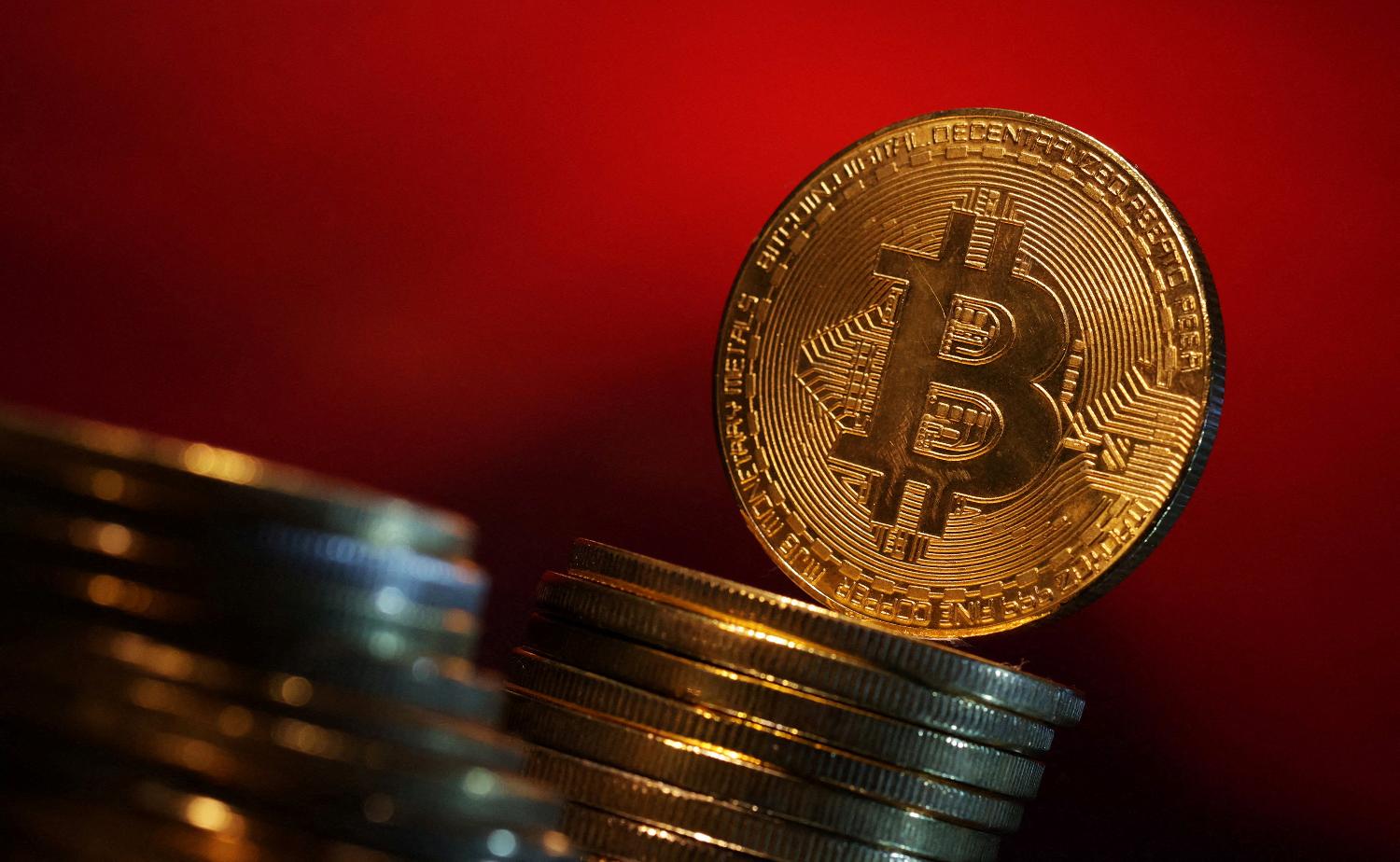
HONGKONG/SHANGHAI, April 15 (Reuters) - Hong Kong conditionally approved its first spot bitcoin and ether exchange traded funds (ETFs) on Monday, money managers said, paving the way for the city to become Asia's first to accept the cryptocurrencies as a mainstream investment tool. At least three offshore Chinese asset managers will launch the virtual asset spot ETFs soon. The Hong Kong units of Harvest Fund Management and Bosera Asset Management said in separate statements they had received conditional approvals from the Hong Kong Securities and Futures Commission (SFC) to launch the ETFs. Meanwhile, the Hong Kong unit of China Asset Management - ChinaAMC (HK), said it had received regulatory approval on Monday to provide virtual asset management services, and the firm was developing spot ETFs of bitcoin and ether. Replying to Reuters' questions, the SFC said it issues a conditional authorisation letter to an ETF application if it generally satisfies its requirements, subject to various conditions, including fee payments, filing of documents and the Hong Kong Stock Exchange's (HKEX) listing approval. The regulator didn't comment on the details of virtual asset spot ETFs. The step comes just three months after the U.S. launched its first ETFs to track spot bitcoin. Those ETFs have already drawn roughly $12 billion in net inflows. While cryptocurrency is banned in mainland China, Hong Kong has been promoting the city as a global digital asset hub, as part of a drive to boost its attraction as a financial centre. "The introduction of the virtual asset spot ETFs not only provides investors with new asset allocation opportunities but also reinforces Hong Kong's status as an international financial centre and a hub for virtual assets," Bosera Asset Management (International) said in its statement. Bosera will launch its product in partnership with Hong Kong-based HashKey Capital. Virtual asset spot ETFs in Hong Kong will introduce an "in-kind" subscription mechanism that allows investors to buy into ETF shares using bitcoin or ether directly, Bosera added. Chinese financial institutions, faced with faltering Chinese equity markets in recent years, have been keen to participate in crypto asset development in Hong Kong. The conditional approval will help Harvest Global's goal of promoting industry innovation and meet diverse demand among investors, Harvest Global Investments CEO Han Tongli said. Bitcoin has gained more than 50% this year and hit an all-time high of $73,803 in March. It was trading at around $66,000 on Monday. Keep up with the latest medical breakthroughs and healthcare trends with the Reuters Health Rounds newsletter. Sign up here. https://www.reuters.com/markets/currencies/hong-kong-gives-initial-approval-first-bitcoin-ether-spot-etfs-say-funds-2024-04-15/
2024-04-15 08:09
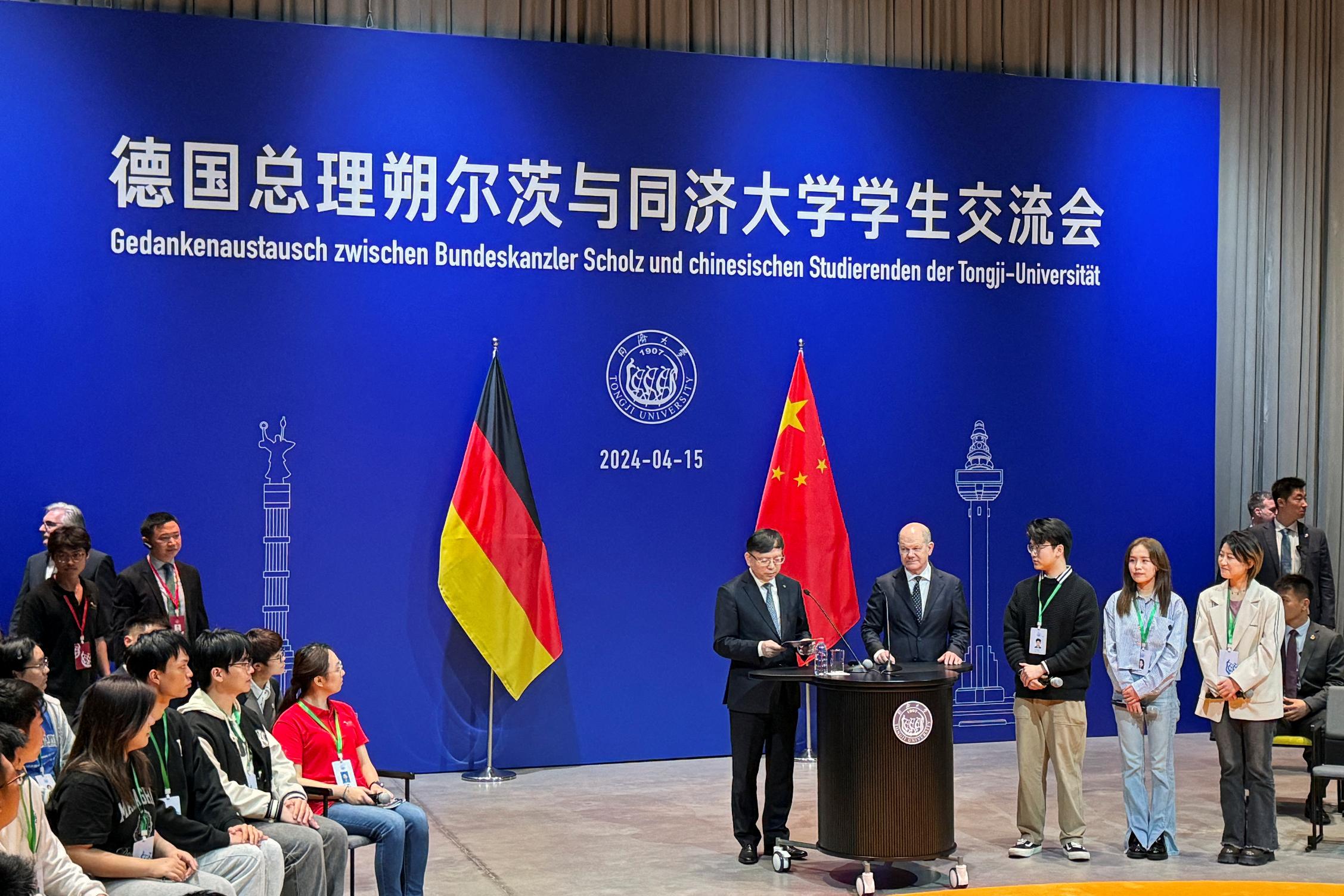
SHANGHAI, April 15 (Reuters) - Chancellor Olaf Scholz on Monday reassured Chinese students in Shanghai that they did not have to smoke cannabis if they studied in Germany and that Germany had legalised cannabis hoping that consumption would go down. Scholz made the comments in response to a question from a student at Tongji University, who asked whether he would have to smoke cannabis if he studied in Germany, as the drug was not legal in China. Germany passed legislation to legalise cannabis in February, allowing individuals and associations to grow and possess limited quantities of cannabis. "We don't want more people to consume cannabis, we want fewer people to consume cannabis, we want there to be more public education about it," Scholz said. "The answer is very simple: don't smoke. I'll be 66 this year and I've never smoked cannabis." The chancellor, who is on a visit to China and will meet leaders in Beijing on Tuesday, said Germany wanted to bring cannabis "out of the grey area". Some 4 million people consumed cannabis in Germany in 2022, according to health ministry data. The Reuters Daily Briefing newsletter provides all the news you need to start your day. Sign up here. https://www.reuters.com/world/we-dont-all-smoke-weed-germany-scholz-assures-chinese-students-2024-04-15/
2024-04-15 08:05
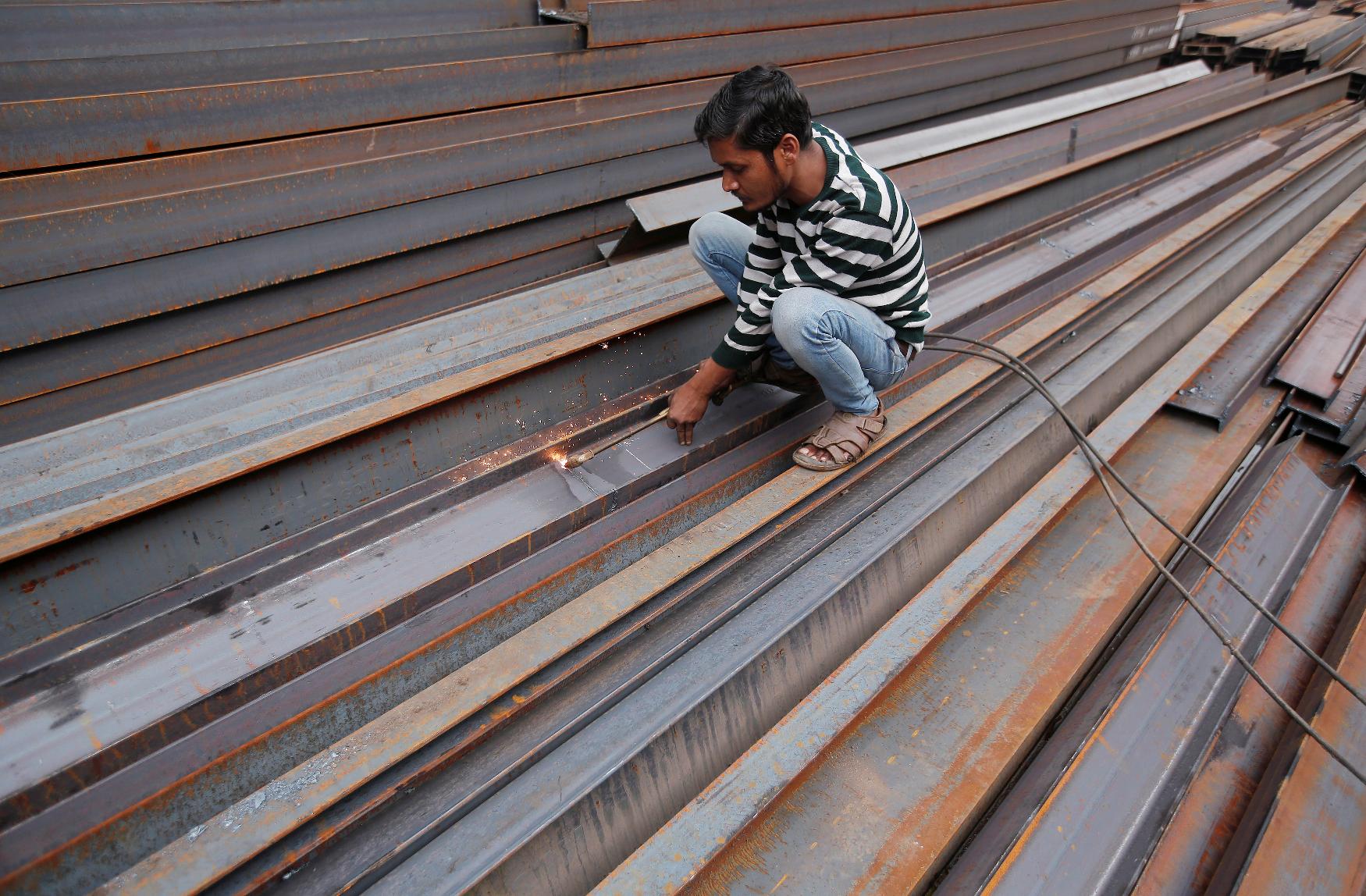
NEW DELHI, April 15 (Reuters) - Leading Indian steelmakers fell short of an investment target for the fiscal year to March 2024 due to a delay in importing machinery from China and securing visas for Chinese experts, according to a government document reviewed by Reuters and sources. Under a production-linked incentive programme, launched in 2020, 27 steelmakers including JSW Steel Ltd (JSTL.NS) New Tab, opens new tab, Tata Steel Ltd (TISC.NS) New Tab, opens new tab, and ArcelorMittal Nippon Steel Ltd [RIC:RIC:ESRG.UL] signed 57 agreements with the government, promising to invest 210 billion rupees ($2.52 billion) in the 2023/24 fiscal year. But steel companies managed to invest only 150 billion rupees, according to two sources with knowledge of the matter, slowing down capacity expansion in the world's second-biggest crude steel producer even as domestic demand remained strong. Steel companies have been facing difficulties in importing machinery from China and ensuring visa clearances for Chinese experts for more than six months, according to the government and the sources. Some of the steel mills that managed to get equipment on time failed to get experts from China to work on new projects, one of the sources said. The sources did not wish to be named as they were not authorised to talk to the media. India's foreign ministry has issued guidelines to facilitate visa clearances for Chinese engineers, according to the document and one of the sources. India's foreign and steel ministries did not respond to Reuters emails seeking comment. Bilateral ties between China and India have been strained, especially since 2020, when 20 Indian soldiers and four Chinese soldiers were killed during a border clash. Indian and Chinese soldiers again clashed at least two times in 2022 along their Himalayan frontier, according to new details that emerged earlier this year. A spurt in economic activity and a revamp of broader infrastructure have encouraged steelmakers to ramp up investment and boost capacity to take advantage of rising demand in India. Consumption is falling in Europe and the United States. Prime Minister Narendra Modi's government is keen to boost the production of high-end speciality steel and value-added steel products such as coated and alloy steel and electrical steel used in defence, space, power, automobile, and capital goods among others. ($1 = 83.43 rupees) Get a look at the day ahead in U.S. and global markets with the Morning Bid U.S. newsletter. Sign up here. https://www.reuters.com/markets/commodities/indias-steelmakers-fall-short-investment-target-due-delays-linked-china-2024-04-15/
2024-04-15 08:02
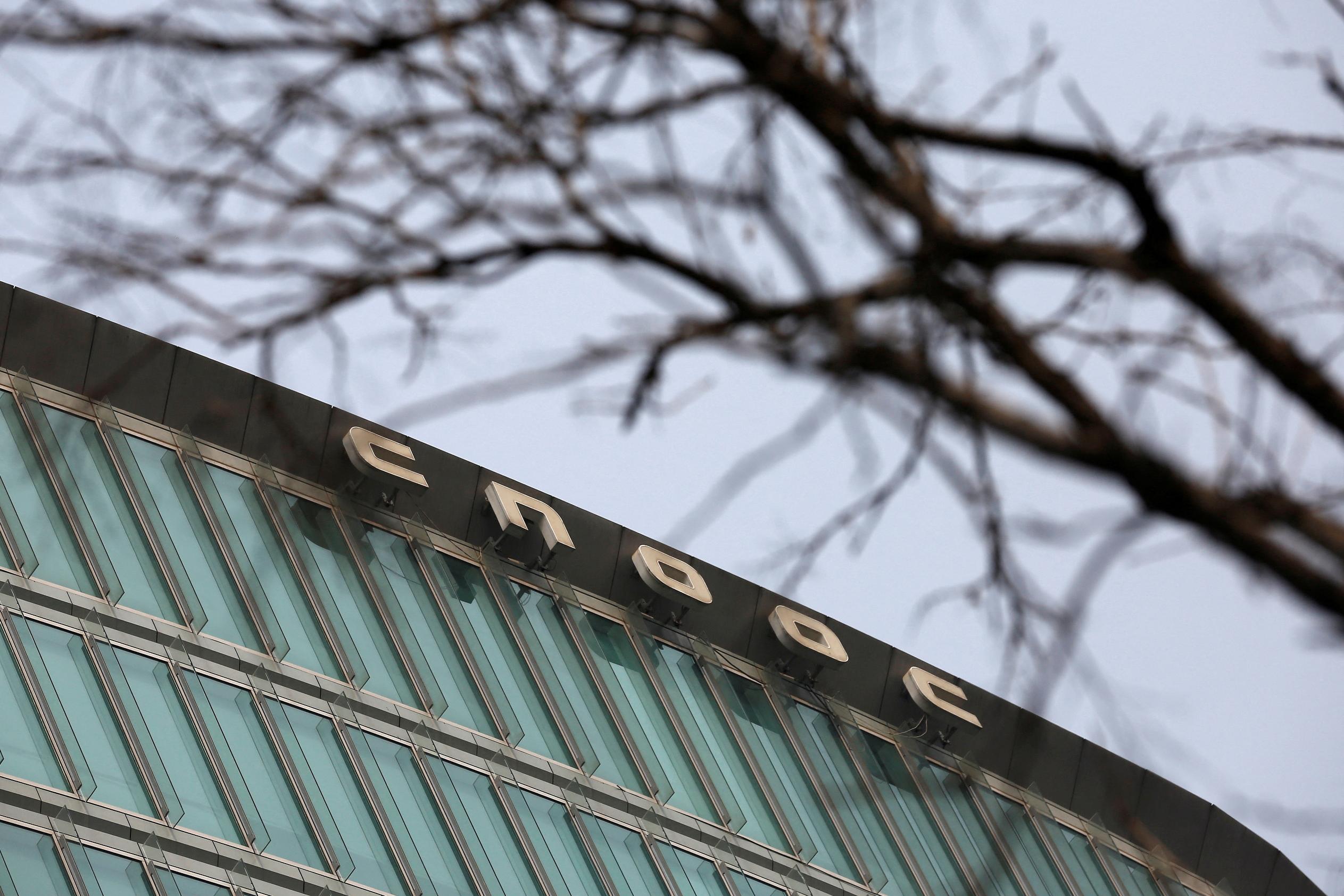
CNOOC ramps up ESPO imports since November, traders, Vortexa say Stores over 10 mln bbls ESPO oil at Dongying reserve base, Vortexa says China's ESPO crude imports to hit record 28.7 mln bbls in March, Kpler data shows SINGAPORE, April 15 (Reuters) - State-run China National Offshore Oil Co, one of the country's top importers of Russian oil, has in recent months been pumping shipments of ESPO blend from Russia's Far East into a newly launched reserve base, according to traders and tanker trackers. This is the first time stockpiling of Russian ESPO blend crude at CNOOC's new reserve base has been reported. CNOOC did not have an immediate comment. The stockbuild, estimated at more than 10 million barrels by tanker tracker Vortexa Analytics, helped lift China's seaborne imports of the flagship Russian export grade to a record high in March, supporting prices of the ESPO blend despite tepid demand from independent Chinese refiners. Though less than China's crude consumption in a day, the stockbuild cements Russia's position as China's top oil supplier and comes as sales to India, Moscow's No.2 oil client since the war in Ukraine, slowed due to western sanctions-driven difficulties over payments and shipping. CNOOC began pumping the Russian crude last November into the 31.5 million-barrel storage base it has built in east China's Dongying port, according to trading sources and Vortexa. "ESPO discharges into Dongying began surging ... after the port put into use three new berths able to dock Aframax vessels," said Emma Li, Vortexa's senior China oil analyst. Each ESPO cargo is about 100,000 metric tons or 740,000 barrels and the oil is typically carried in Aframax-sized tankers. Vortexa did not specify whether the 10 million barrels were part of CNOOC's commercial stockbuild or for China's strategic petroleum reserve, but two senior traders who closely track ESPO flows said Beijing has been boosting its emergency stockpile. "This is part of what the government has repeatedly called for, which is to hold the bowl of energy security firmly in our own hands," one of the traders said on condition of anonymity given the sensitivity of the matter. China, the world's largest crude oil buyer, tightly guards information on its emergency government stockpile. Russian oil arrivals into China, including via pipelines under long-term contracts, rose one quarter last year to a record 2.14 million barrels per day (bpd), making Moscow its top supplier for a second straight year, ahead of former top provider Saudi Arabia's 1.72 million bpd. China's National Food and Strategic Reserves Administration did not respond to a Reuters request for comment. 'SAFEGUARD NATIONAL ENERGY SECURITY' Overall, about 29 million barrels of ESPO blend were discharged between November and March into Dongying port, of which 19 million barrels were sold to independent refiners known as teapots while the rest was stockpiled, according to Vortexa. At 10 million barrels, the stockpile would occupy one-third of the capacity at the CNOOC-built Dongying storage site, which began operation in February 2023. China processes roughly 15 million barrels of crude oil a day. The 6.4 billion yuan ($885 million) tank farm is a tie-up to "jointly safeguard national energy security", the Shandong provincial government said last year when the storage site was launched. The site, situated near CNOOC's offshore oilfields, also helps CNOOC market its own production to Dongying, home to 32 independent refineries. Before last November, the Dongying site was used mostly to store offshore crude and fuel oil, Vortexa's Li said. China's overall seaborne ESPO imports hit a record 28.7 million barrels in March, data from analytics firm Kpler showed. Of that, CNOOC purchased a record 8.5 million barrels in March, of which 7.4 million barrels were imported at Dongying, Kpler data showed. This compares with 5.2 million barrels imported at Dongying each in January and February, 3.7 million barrels in December, and 1.4 million barrels in November when ESPO imports to the site began. "Lower demand from India prompted more Russian oil sales to China as really there are not many countries that can take Russian oil now," an ESPO dealer said. ($1 = 7.2330 Chinese yuan) The Reuters Power Up newsletter provides everything you need to know about the global energy industry. Sign up here. https://www.reuters.com/business/energy/chinas-cnooc-stockpiles-russian-oil-new-reserve-base-traders-tanker-trackers-say-2024-04-15/
2024-04-15 07:51
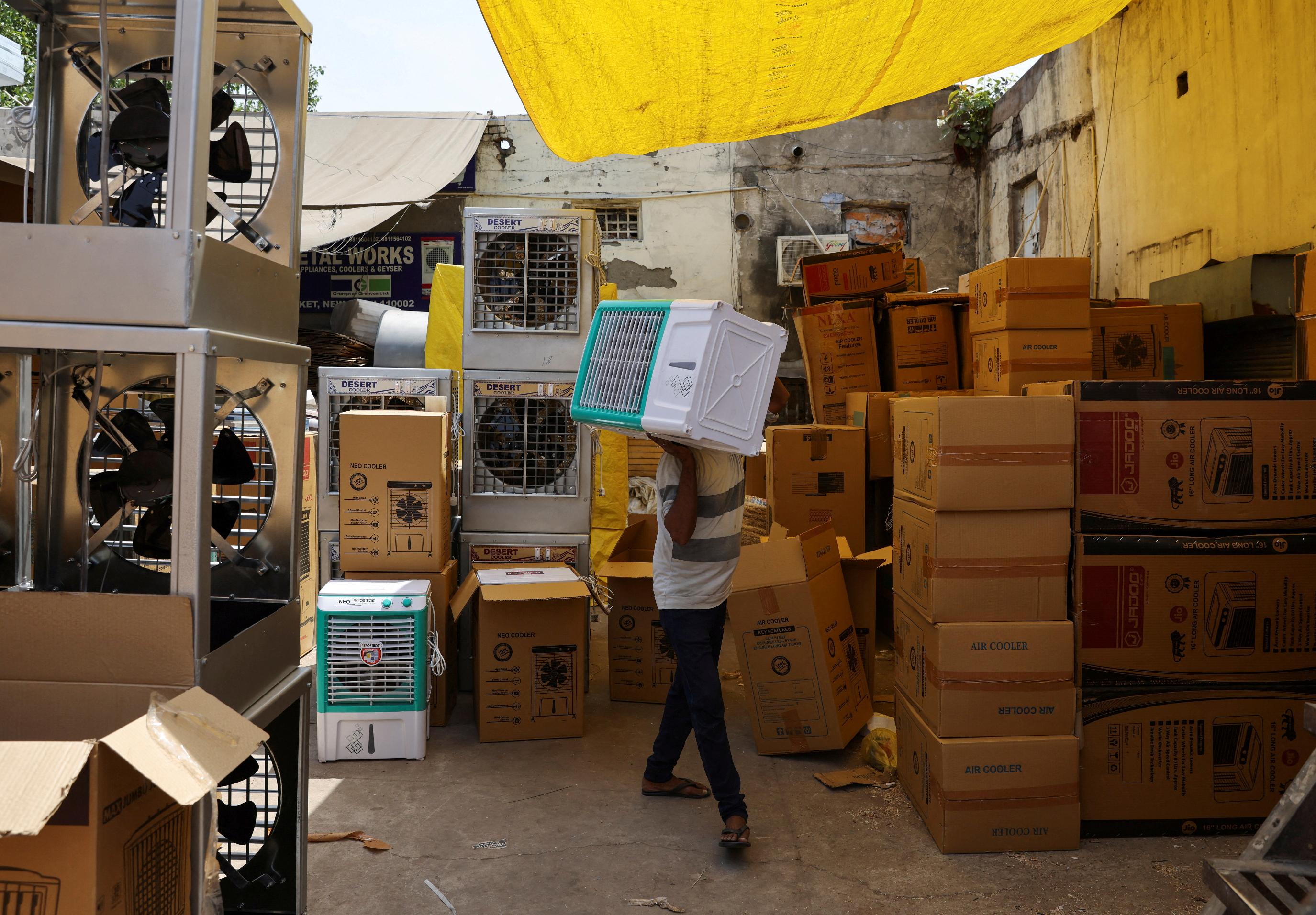
CHENNAI/BENGALURU, April 15 (Reuters) - Indian consumer goods companies such as makers of cooling systems, beer and ice cream are attempting to capitalise on a hotter-than-usual summer season by cranking up output, launching new products and ramping up spending on marketing. The world's most populous nation expects 10 to 20 heatwave days, which it describes as New Tab, opens new tab temperatures hitting at least 40 degree Celsius in the plains, from April through June this year, versus the normal four to eight days. Already temperatures have crossed 40 degrees in a few cities in the western Maharashtra and Gujarat states. The searing heat is why appliances maker Blue Star (BLUS.NS) New Tab, opens new tab has launched dozens of new home airconditioner products as it targets a 25% jump in revenue from that business this summer versus just a 5% increase last year, according to its Managing Director B. Thiagarajan. And U.S.-based ice cream brand Baskin Robbins has launched 20 new products in India ahead of the summer season. "An unusually hot year will significantly impact the sector and uplift consumer discretionary companies' demand for selling airconditioners, fans, fridges, etc," said Akshay Mokashe, senior research analyst at Axis Securities, adding that they will report robust growth numbers for the first quarter of the current fiscal year. Cooling systems providers are one of the main beneficiaries of summer, with the season contributing up to 60% of their annual revenue. While the industry has previously estimated that less than 10% of Indian households have airconditioners, the hotter summer season and new product launches from companies such as appliances maker Voltas (VOLT.NS) New Tab, opens new tab and Johnson Controls-Hitachi Air Conditioning India (JCHA.NS) New Tab, opens new tab are expected to lift that number. "People generally plan for airconditioner purchases a couple of months in advance. But harsher summer expectations have triggered fence-sitters also into buying," said Deepak Jasani, head of retail research at HDFC Securities. Roughly nine in 10 customers this year are first-time buyers as they long for airconditioners after getting used to temperature-controlled spaces in offices, banks and theaters, Blue Star's Thiagarajan told Reuters. G. Hariharan is one of them. The software engineer from Thiruvananthapuram city in the southern state of Kerala bought his family of four their first airconditioner last month. "We have always muscled through the hot January-May months, but this year, it is too hot, and it has become too difficult to sleep," Hariharan said. "Even two fans are not enough." Ceiling fans are India's go-to during summer, while airconditioners are still considered a luxury for its majority. Companies are stretching their production and distribution capabilities to meet the increase in demand. Graviss Foods, which runs Baskin Robbins stores in India, is ensuring its "factory is running at full throttle" after opening more distribution centres to reach retailers and distributors faster, said CEO Mohit Khattar. Advertising budgets are also up this summer, partly because slots on the popular Indian Premier League cricket games have become more expensive as they coincide with India's massive general elections. Blue Star is nearly tripling its summer advertising budget to 400 million rupees, while Baskin Robbins' marketing budget is being raised by up to a quarter as it aims to reach twice the number of people through TV and online advertising. SUMMER BUMP It is not just manufacturers that are cashing in on the summer, but delivery and other services companies too. Grocery delivery app Zepto shows a banner on its home page to highlight "hydration heroes" with images of tender coconut, watermelon, and muskmelon, while rivals Swiggy and Zomato's (ZOMT.NS) New Tab, opens new tab Blinkit are doubling down on fruits, beverages, and ice creams. Swiggy has seen a 28% surge in demand for cold drinks and juices, along with a 43% increase in orders for ice cream since the summer began, according to its spokesperson, while orders for instant drink mixes and ice cubes have shot up. Demand for beer is likely to go up as well. "With the arrival of summer, beer consumption naturally increases, necessitating careful planning in production and distribution ... as brewery capacities are stretched to their limits," Carlsberg India Managing Director Nilesh Patel said. The harsher weather is expected to increase the prices of vegetables, which could eat into discretionary budgets, and curtail outdoor spending. Some analysts, nevertheless, expected consumers to find ways to spend on the small joys. "Drinking beverages or eating ice cream gives some sort of a satisfaction, although temporary, to people," HDFC Securities' Jasani said. The Reuters Daily Briefing newsletter provides all the news you need to start your day. Sign up here. https://www.reuters.com/world/india/india-consumer-firms-gear-up-cash-sizzling-summer-2024-04-15/
2024-04-15 07:48
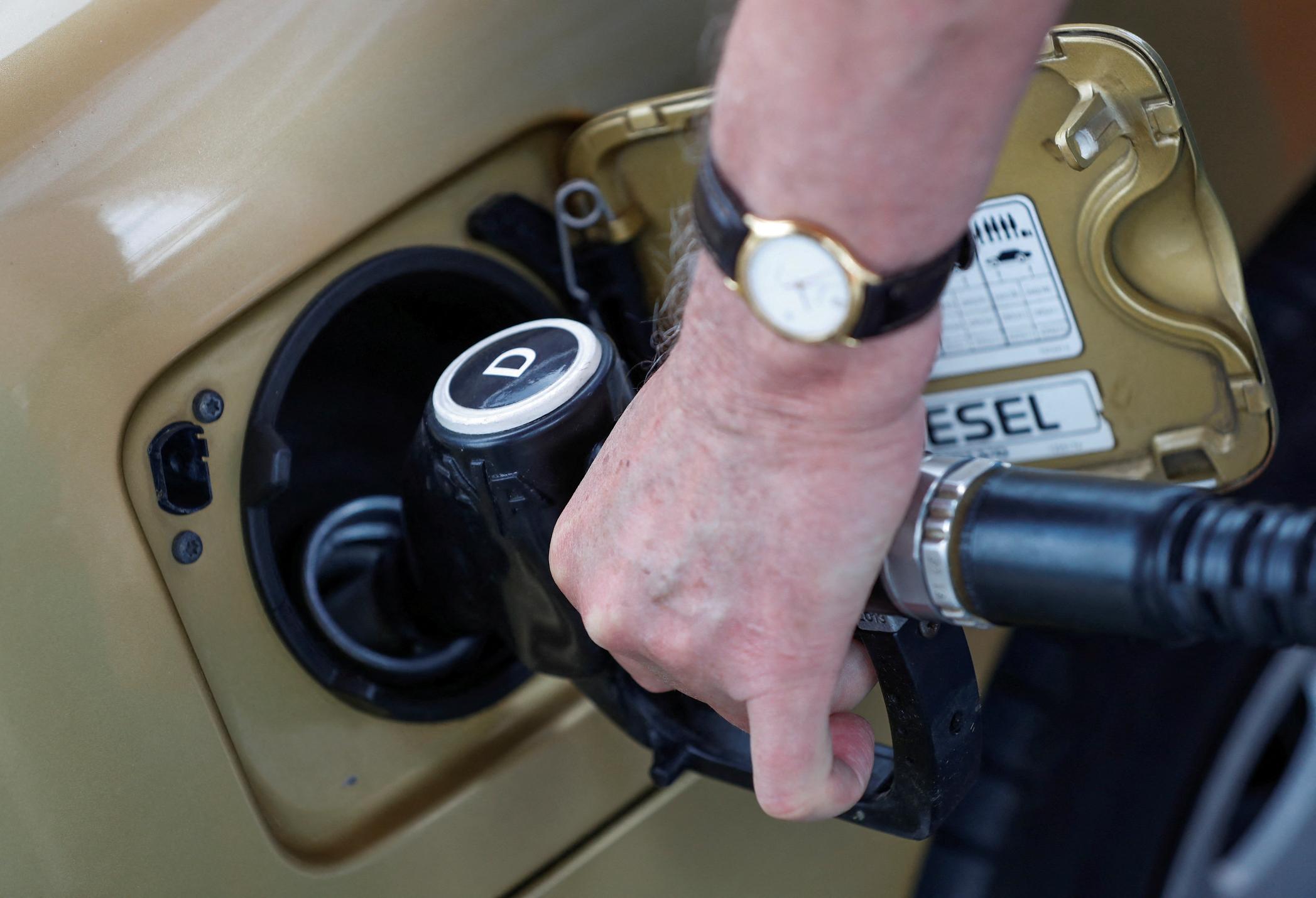
BUDAPEST, April 15 (Reuters) - Hungary's government will consider whether to enforce lower fuel prices after a review by the Central Statistics Office (KSH) of regional average price levels, Economy Minister Marton Nagy told business daily Vilaggazdasag. Nagy last week put pressure on fuel suppliers to cut petrol station prices closer to the central European average as part of wider government price-setting intervention after the worst inflationary surge in the European Union. "The government's patience is running out ... We think that local fuel prices are 7% to 9% higher than the regional average," Nagy said in the interview. The minister called the representatives of Hungary's Petrol Association and oil and gas group MOL to a meeting last Thursday after petrol prices in Hungary rose to 642 forints ($1.75) per liter, above the regional average. The KSH will publish fuel prices and averages in neighbouring countries this month, Nagy said in the interview. "After that the government will be able to make a decision about whether to intervene in the fuel market or not," he said. Hungary's government scrapped its fuel price cap in December 2022 after a lack of imports and panic buying led to fuel shortages and promised it would intervene again in the market if fuel prices rose above the regional average. ($1 = 367.5 forints) The Reuters Power Up newsletter provides everything you need to know about the global energy industry. Sign up here. https://www.reuters.com/business/energy/hungary-consider-fuel-price-intervention-says-economy-minister-2024-04-15/