2024-04-11 17:15
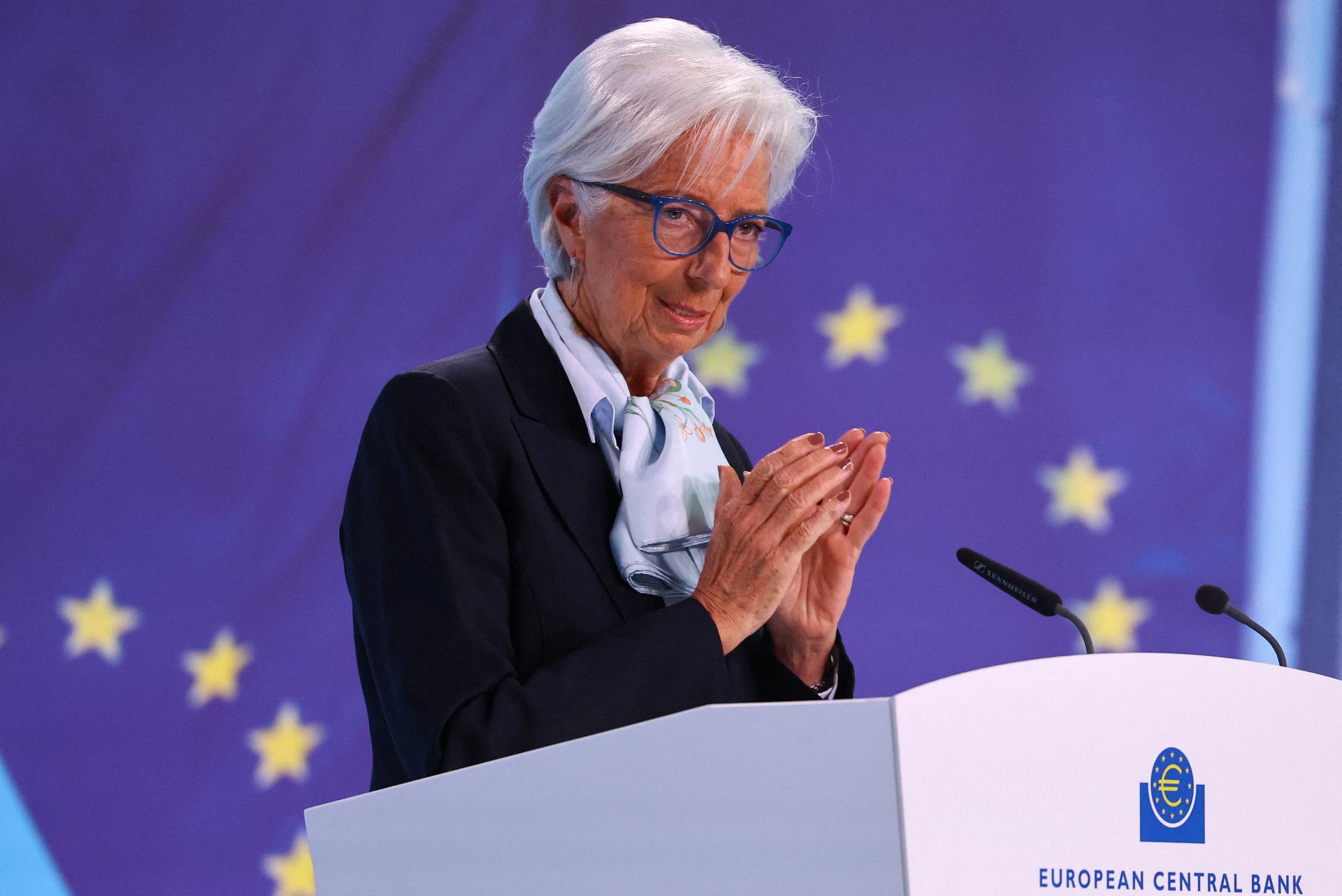
Traders hold onto ECB rate cut bets, while slashing Fed expectations Moves should support euro zone bonds, hurt the euro Weaker euro not seen limiting ECB cuts for now April 11 (Reuters) - Traders' bets on multiple ECB interest rate cuts this year have barely been shaken by hot U.S. inflation that slashed Federal Reserve easing expectations this week, highlighting a growing investor focus on the divergence between the two regions. The European Central Bank cemented that conviction on Thursday, signalling that it may soon start cutting rates. President Christine Lagarde stressed the ECB is "data-dependent, not Fed-dependent." The bank said a cut would be appropriate if its updated assessment of the economic outlook, due in June, adds to its confidence that inflation is easing. Highlighting a dovish outlook, some policymakers even thought it was already time to loosen policy on Thursday, Lagarde noted. The ECB met a day after a third strong month of U.S. inflation prints roiled global markets and underscored the strength of the world's largest economy. In the euro area, meanwhile, inflation has cooled fast and the economy is sluggish. European markets took their fair share of Wednesday's bond market selloff, but traders still see just over a 75% chance of an ECB June rate cut from around 90% before that data. By the end of 2024 they expect around 75 basis points of cuts, compared with 90 bps previously. Yet in sharp contrast, traders pushed their bets on a first Federal Reserve Rate cut to September from June and now see just 40 bps of cuts by the end of the year, down from nearly 70 before the U.S. data. UK rate cut bets were also dialled back , , meaning traders are more confident the ECB will move first. Big central banks' rate cycles usually move in sync. "The picture in the euro area is a lot cleaner. The narrative in the euro area is a lot easier to read. The data isn't complicating the ECB's assessment of what comes next in a way that data in the U.S. is complicating things for the Fed," said Peter Goves, head of developed market debt sovereign research at MFS Investment Management. Markets maintaining their conviction in the ECB leading the Fed and cutting rates more sharply is good news for euro zone bonds, but a headwind for the euro. Euro zone government bonds, while delivering losses so far this year, have continued to outperform their U.S. peers. The bloc's bonds (.MEREG00) New Tab, opens new tab have lost investors 1.3% this year, compared with 2.8% in U.S. Treasuries (.MERG0Q0) New Tab, opens new tab, ICE BofA indexes show. Germany's 10-year bond yield, the euro area benchmark, has risen around 40 bps this year, compared with 70 bps in U.S. peers. Bond yields move inversely with prices. In the clearest sign of divergence, the closely watched gap between 10-year U.S. and German government bond yields rose to its highest since 2019 at more than 210 bps on Wednesday. Levels above 200 bps hold in the longer term only when Fed and ECB policy paths diverge, ING said. "Government bonds adore misery and Europe (the economy) is definitely slower than the U.S. which would argue for a better performing bond market in Europe," said Insight Investment's head of investment specialists April LaRusse. Still, U.S. Treasury prices could recover especially if investors underestimate how much the Fed will cut, she added. CURRENCY HEADACHE? The picture is more complicated for the euro . It fell to a two-month low on Thursday at around $1.0706. The currency also tumbled 1% on Wednesday in its biggest daily drop in more than a year as the dollar surged on the inflation data. The post-inflation jump in Treasury yields now implies the euro dropping to levels below $1.05, MUFG said. But for now, analysts reckon euro weakening won't hold back the ECB. "I didn't think the U.S. data would shift the course for the ECB, it would only matter if the euro collapses," said Nordea chief market analyst Jan von Gerich. The euro dropped below parity against the dollar for a short period during 2022's energy crisis. But as a weak euro can potentially feed into euro zone inflation, it's one to watch at a time when oil prices have risen around 7% since the end of February. It would have been a bigger problem when inflation was higher, so a weaker euro could become a concern if oil prices increase further, emphasizing their impact, Rabobank senior FX strategist Jane Foley said in a note. In one sign that more caution is warranted, assuming the ECB does cut rates in June, traders now price in around a 20% chance of a subsequent cut in July, down from around 50% before Wednesday's U.S. inflation data. Indeed, some policymakers think the case for a July pause is becoming stronger following the U.S. data, sources told Reuters on Thursday. "Longer term if the Fed doesn’t go then that might induce a bit of caution in terms of the degree to which they (the ECB) are willing to cut rates," said Jason Simpson, senior fixed income strategist at State Street Global Advisors SPDR ETF business. Get a look at the day ahead in European and global markets with the Morning Bid Europe newsletter. Sign up here. https://www.reuters.com/markets/europe/traders-bet-ecb-will-chart-its-own-rate-cut-path-2024-04-11/
2024-04-11 16:30
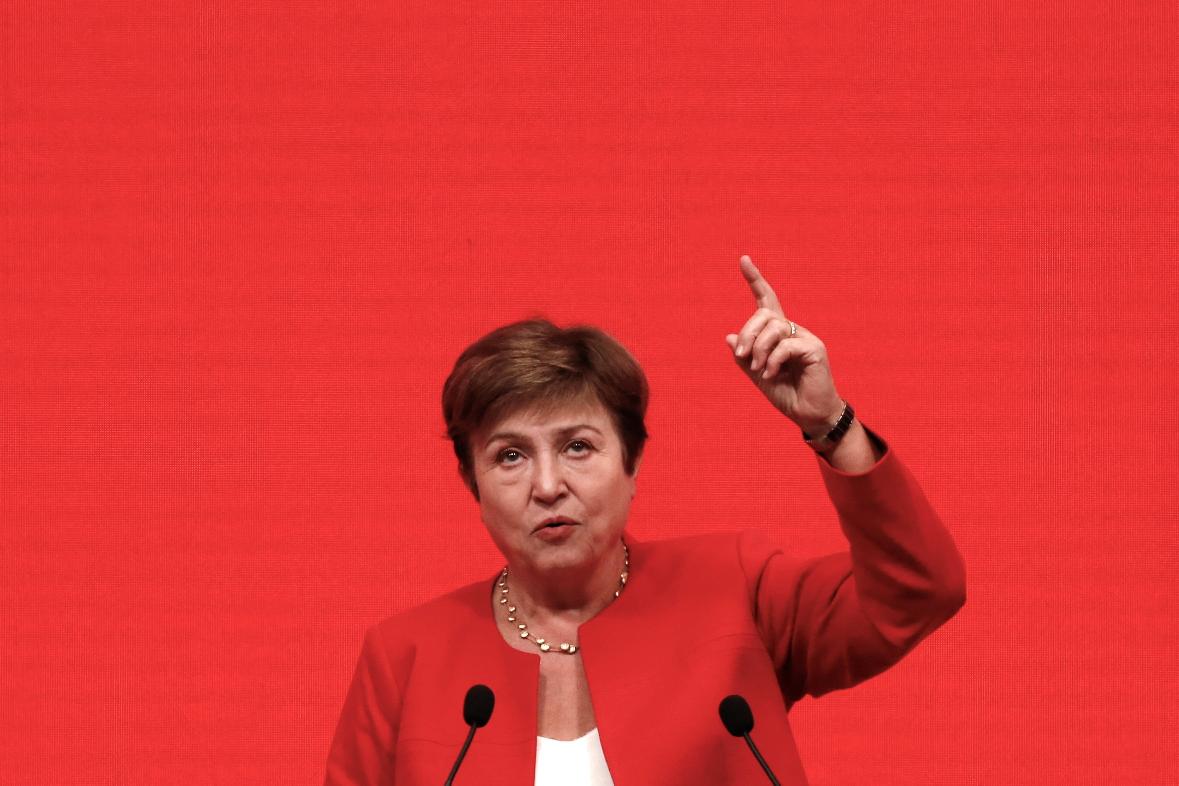
WASHINGTON, April 11 (Reuters) - IMF chief Kristalina Georgieva on Thursday said higher U.S. interest rates were not great news for the rest of the world and could become a worry if they continued for a long time, but she thought the U.S. Federal Reserve was acting prudently. Georgieva, speaking at an event hosted by the Atlantic Council, said the U.S. government could also look at taking other measures to ensure that the U.S. economy was not overheating, but gave no details. "Higher interest rates for the rest of the world is not great news. Higher interest rates make the U.S. more attractive so financial flows come here and that leaves the rest of the world somewhat struggling," she said. Higher rates also drove the value of the dollar higher, which meant other countries' currencies were weaker. "If it continues for a long time, it could become a bit of a worry in terms of financial stability," she said. Consumer level inflation data for March released on Wednesday was unexpectedly strong, casting further doubt on the Fed’s current forecast of rate cuts at some point later this year. The unfavorable price pressure data comes as other reports also pointed to sturdier inflation over the start of the year, challenging the Fed’s most recent projections that penciled in three rate cuts this year. Minutes from the U.S. Federal Reserve showed officials worried that progress on inflation may have stalled, and a longer period of tight monetary policy would be needed to tame it in the world's largest economy. Investors who had earlier expected a rate cut in June now see September as a likelier timing for the easing cycle to begin, following a third consecutive stronger-than-forecast reading on consumer inflation. Georgieva said the U.S. economy had been successful because it was more innovative, opening space for entrepreneurship at a time of accelerating technological change. The U.S. labor market had also held up well, with labor supply boosted by immigration, which in turn helped keep wage growth under control, she said. The Biden administration's Inflation Reduction Act and earlier COVID aid had helped support growth, she said, adding that the International Monetary Fund saw some scope for the U.S. government to address lingering inflation and work toward a soft landing for the economy. "So fasten your belts," she said. "At some point we will be landing." Get a look at the day ahead in U.S. and global markets with the Morning Bid U.S. newsletter. Sign up here. https://www.reuters.com/markets/imf-head-says-higher-us-rates-could-become-worry-if-they-persist-2024-04-11/
2024-04-11 14:01
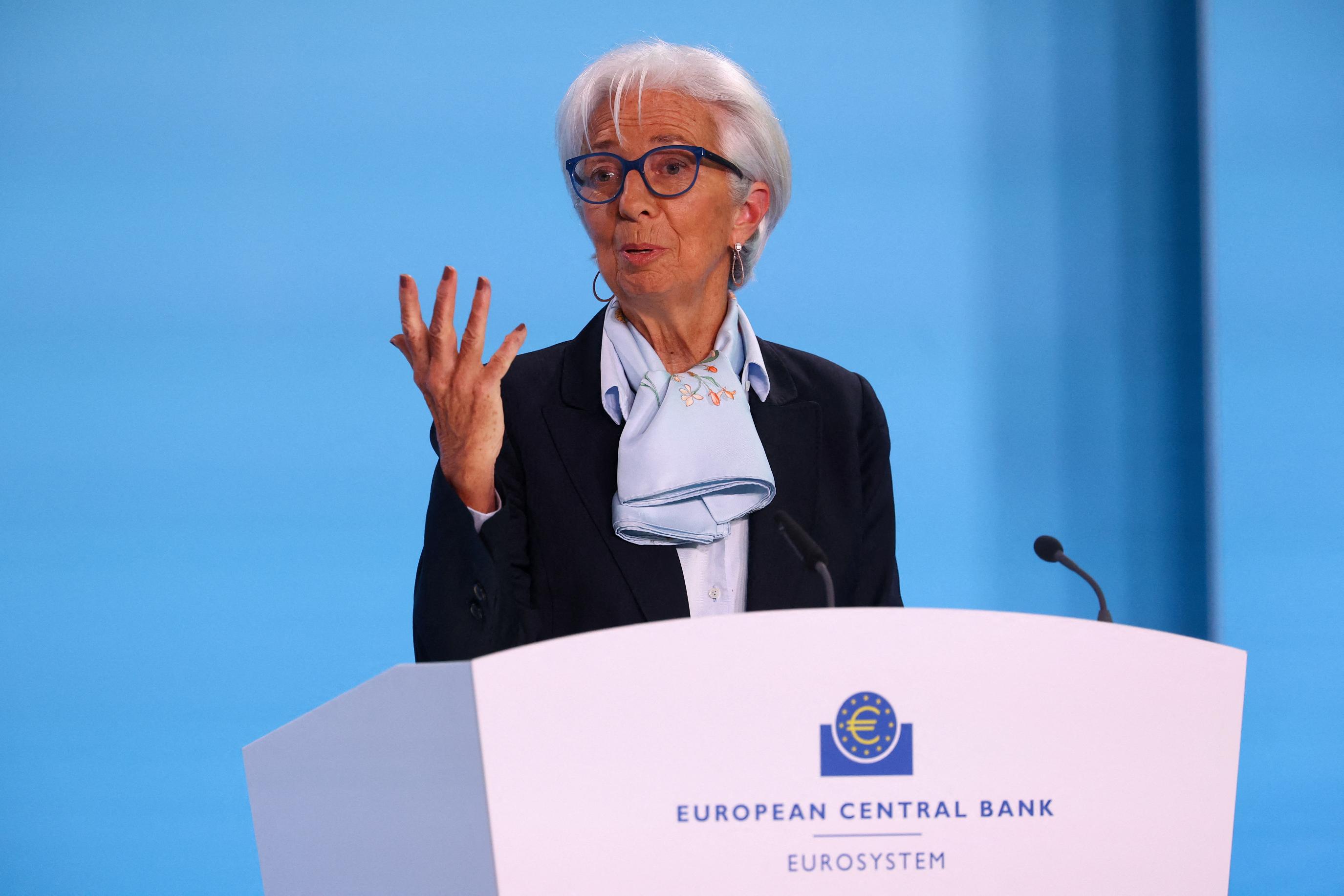
LONDON, April 11 (Reuters) - Big central banks have ended their historic monetary tightening cycle but predictions about who will cut rates next, and how deeply, are diverging fast. Markets, that a month ago expected coordinated easing in June, have been thrown into disarray as Wednesday's hot U.S. inflation pushed forecasts for the first Federal Reserve cut out to September. The European Central Bank has signalled it will soon call time on its battle with inflation, while Australia and Norway have more to worry about. Here's how big central banks stand: EARLY CUTTER 1/ SWITZERLAND The Swiss National Bank cut rates by 25 bps to 1.50% in March, a surprise move that has helped send the franc to 10-month lows against the euro. It was the SNB's first rate cut in nine years and with inflation having stayed within its 0-2% target range for months, traders expect another quarter point rate at the SNB's June 20 meeting. COULD BE NEXT 2/ SWEDEN Sweden's central bank left its key rate steady at 4% in March and signalled that if inflation keeps falling towards toward its 2% target a series of rate cuts might start in May. Markets view a Riksbank cut on May 7 as a coin toss after Governor Erik Thedeen warned a weaker Swedish crown could push inflation higher. 3/ EURO ZONE The ECB on Thursday left rates steady as expected but sent its clearest signal yet that is preparing to cut as inflation nears its 2% target. With the euro at a two-month low of around $1.07, some analysts believe a weak currency along with higher oil prices will deter the ECB from cutting too deeply. Traders see a two-thirds probability of a first cut in June, with 75 bps worth of easing in total priced in by year-end. 4/ CANADA The Bank of Canada left rates unchanged at 5% on Wednesday but gave strong clues it was ready to ease. Money markets fully price in a July rate cut, with almost 50% odds of a move in June. The BoC downgraded its 2025 economic growth forecast from 2.4% to 2.2% and said inflation would hit its target next year. IN THE MIDDLE 5/ BRITAIN The BOE kept rates at a 16-year high of 5.25% in March, with governor Andrew Bailey saying the economy was "moving in the right direction" for cuts. But BoE policymakers are divided New Tab, opens new tab over when to loosen monetary conditions. Traders expect the BoE will start lowering borrowing costs by August. 6/ NEW ZEALAND After the Reserve Bank of New Zealand held its cash rate at a 15-year high of 5.5% on Wednesday, investors stuck to their bets for an August cut. Following 525 bps of hikes since October 2021, New Zealand has entered a technical recession. LATER STILL 7/ UNITED STATES The Fed has kept rates in the 5.25% to 5.5% range since July 2023 and in March reaffirmed its forecast for three 25 bp cuts this year. But traders now expect the central bank to cut by far less than it said it would just a month ago. That's because of Wednesday's hot March inflation data. Money markets now price just 42 bps of cuts for 2024, with the first most likely in September . Hours before that report, which followed strong U.S. jobs data, traders expected 67 bps of Fed cuts this year with 50-50 odds of a first move in June. 8/ AUSTRALIA The Reserve Bank of Australia held rates at a 12-year high of 4.35% in March as the economy slowed. Investors are debating whether the RBA will hike again, as tax cuts and a tight jobs market threaten to boost inflation. Markets expect just 20 bps of easing this year and the RBA to stay on hold until November at least. 9/ NORWAY Norway's central bank left rates unchanged at 4.50% in March and Governor Ida Wolden Bache predicted just one cut this year, with markets pricing it as most likely for November. Inflation eased more than expected in March, to 3.9%, but risks rising again because of strong wage growth and a brightening economic outlook. FOREVER THE OUTLIER 10/ JAPAN The Bank of Japan continues to plough its own furrow. It has ended eight years of negative rates, taking borrowing costs up to a range of 0-0.1%, and abandoned yield curve control -- where it purchased Japanese government bonds to ease financial conditions. The yen is still flailing, however, trading close to a 34-year low against the dollar. BoJ Governor Kazuo Ueda has ruled out using rate hikes to support the currency. The April 25-26 BOJ meeting should provide further clues about its next move. The Reuters Daily Briefing newsletter provides all the news you need to start your day. Sign up here. https://www.reuters.com/markets/rates-bonds/markets-grapple-with-shifting-central-bank-rate-cut-bets-2024-04-11/
2024-04-11 13:37
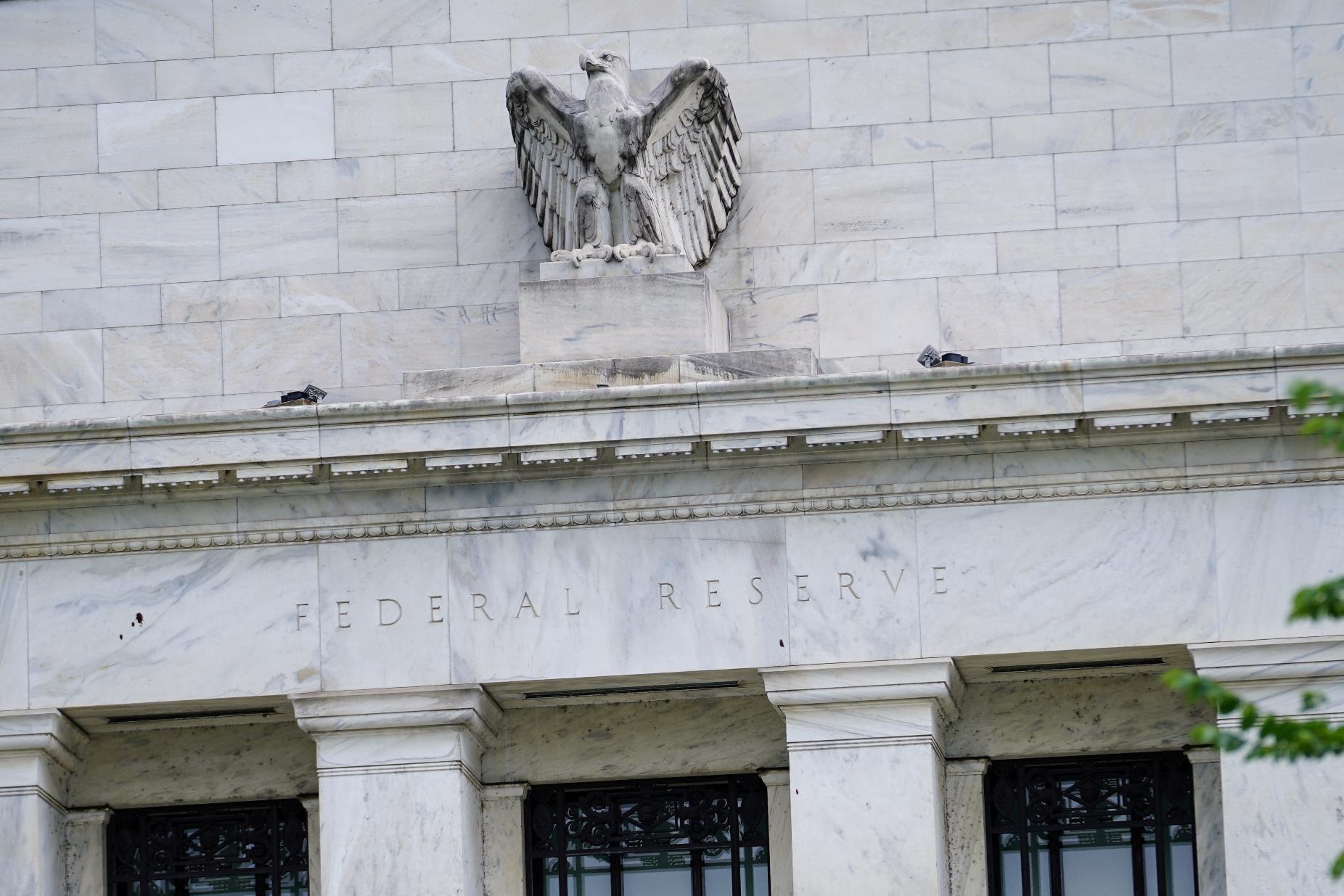
April 11 (Reuters) - The Federal Reserve could start interest-rate cuts as early as its late-July meeting, traders bet on Thursday, after a government report showed producer prices in March rose a bit less than expected. On Wednesday a higher-than-expected reading on March consumer prices -- the third upside surprise in a row on the monthly inflation readings -- prompted traders to push out expectations for a first Fed rate cut to September, from an prior view that cuts would start in June. The downside surprise in the wholesale price data on Thursday sparked a partial reversal, with traders of futures tied to the Fed's policy rate now seeing about an equal chance of a July start to policy easing, versus September. New York Federal Reserve Bank President John Williams, in remarks prepared before Thursday's data was released, said he expects further progress on inflation, though with bumps along the way. The Reuters Daily Briefing newsletter provides all the news you need to start your day. Sign up here. https://www.reuters.com/markets/rates-bonds/july-start-fed-rate-cuts-back-view-after-data-2024-04-11/
2024-04-11 13:28
NEW YORK, April 11 (Reuters) - Federal Reserve Bank of New York President John Williams said Thursday that banks need to be prepared to use the Fed's discount window before trouble arrives. Williams, speaking in New York before a banking group, said bank stress from last year showed many banks were not ready to tap Fed liquidity, and the central bank is working to rectify this situation now. Get a look at the day ahead in U.S. and global markets with the Morning Bid U.S. newsletter. Sign up here. https://www.reuters.com/business/finance/feds-williams-banks-should-be-prepared-use-discount-window-if-needed-2024-04-11/
2024-04-11 13:08
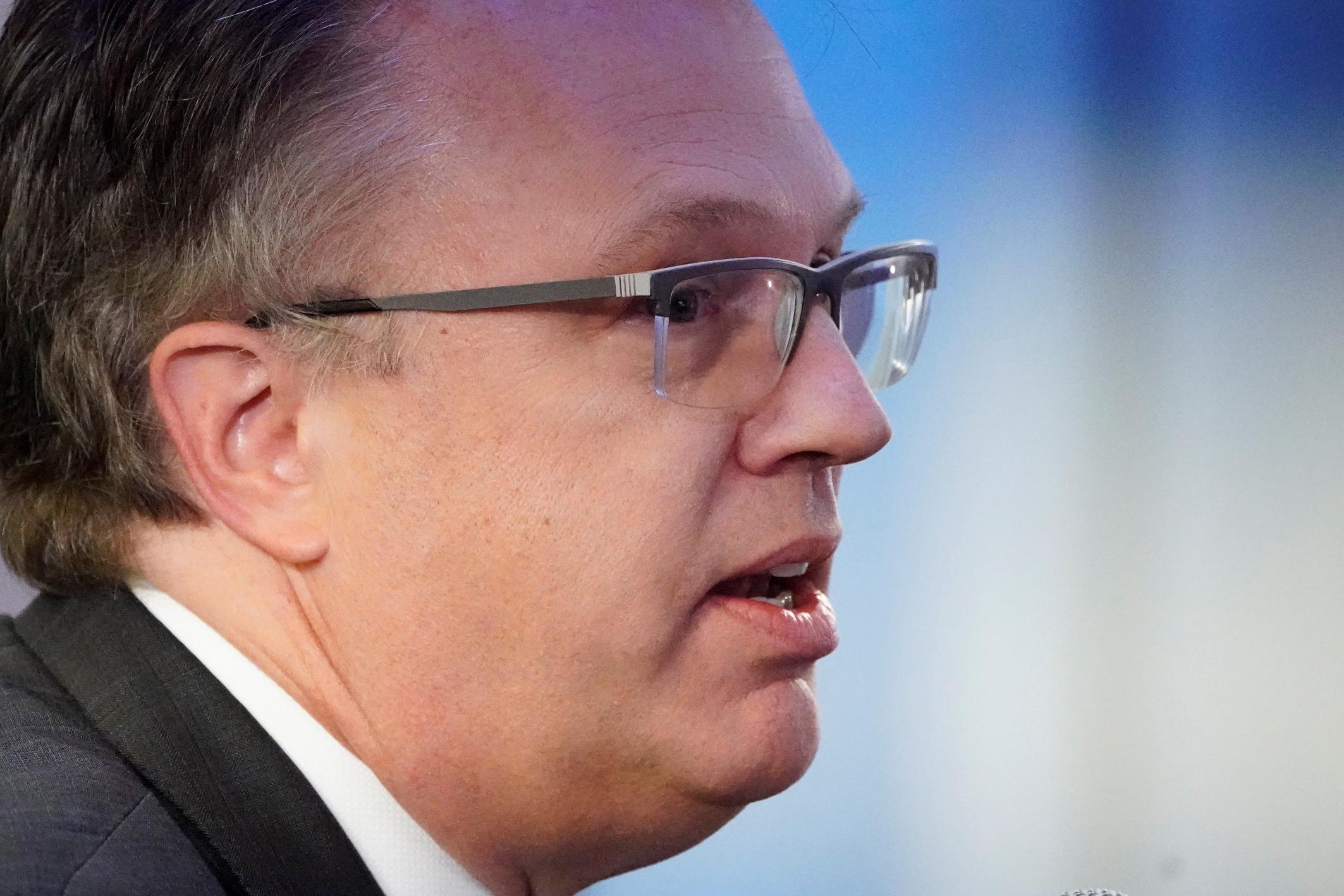
April 11 (Reuters) - Exxon Mobil (XOM.N) New Tab, opens new tab paid Chief Executive Officer Darren Woods $36.9 million in total compensation for 2023, up nearly 3% from a year earlier, the oil major said in a regulatory filing on Thursday. The median pay for an Exxon worker rose New Tab, opens new tab 8% last year to $185,376. Rival oil major Chevron's CEO Michael Wirth also saw total compensation increase by 12.2%. He was paid $26.5 million in 2023. The salary hikes come even as profits from oil majors have been down in 2023 by about a third from record levels in 2022, as oil and gas prices retreated after spiking when Russia invaded Ukraine. Exxon ended 2023 with a $36 billion profit versus $55.7 billion it earned a year earlier. The Reuters Power Up newsletter provides everything you need to know about the global energy industry. Sign up here. https://www.reuters.com/business/energy/exxon-mobil-ceo-woods-pay-climbs-369-mln-2023-2024-04-11/