2024-04-11 04:04
US Producer Price Index rose 0.2% Data showed March US CPI increased more than expected April 11 (Reuters) - Gold prices firmed on Thursday after softer-than-expected U.S. producer prices data boosted hopes for U.S. rate cuts this year, while persistent geopolitical concerns added to the metal's shine. Spot gold rose 1.1% to $2,360.52 per ounce, as of 2:15 p.m. EDT (1815 GMT). Bullion prices hit an all-time high for an eighth straight session on Tuesday. U.S. gold futures settled 1% higher at $2,372.7. A Labor Department report showed the Producer Price Index (PPI) rose 0.2% month-on-month in March, compared with a 0.3% increase expected by economists polled by Reuters. "The PPI data came a bit cooler than expected and this keeps alive the hopes of possible rate cuts by year-end — as a result gold is up," said David Meger, director of metals trading at High Ridge Futures. "Central bank buying and geopolitical uncertainty continue to be the pillars of support for the gold market," Meger added. The Fed could start interest-rate cuts as early as its late-July meeting, traders bet, after the inflation data. Gold is traditionally known as an inflation hedge but higher interest rates reduce the allure of holding non-yielding gold. Meanwhile, data on Wednesday showed that U.S. consumer prices increased more than expected in March. Recent data suggest it may take more time than previously thought to gain greater confidence in inflation's downward trajectory, before beginning to ease policy, Boston Fed President Susan Collins said on Thursday. "For the next leg higher (in prices), we still need to see a return of gold exchange-traded-fund (ETF) demand and that requires the Fed indicating a rate cut," said UBS analyst Giovanni Staunovo. Spot silver gained 1% to $28.24 per ounce. Platinum rose 2.1% to $980.15 and palladium lost 0.9% to $1,041.62. Elsewhere, diversified miner Sibanye Stillwater said it could cut over 4,000 jobs as it restructures its South African gold operation. It has already cut about 2,000 jobs at its platinum group metal operations. Get a look at the day ahead in U.S. and global markets with the Morning Bid U.S. newsletter. Sign up here. https://www.reuters.com/markets/commodities/gold-drifts-higher-geopolitical-tensions-lift-safe-haven-appeal-2024-04-11/

2024-04-11 03:00
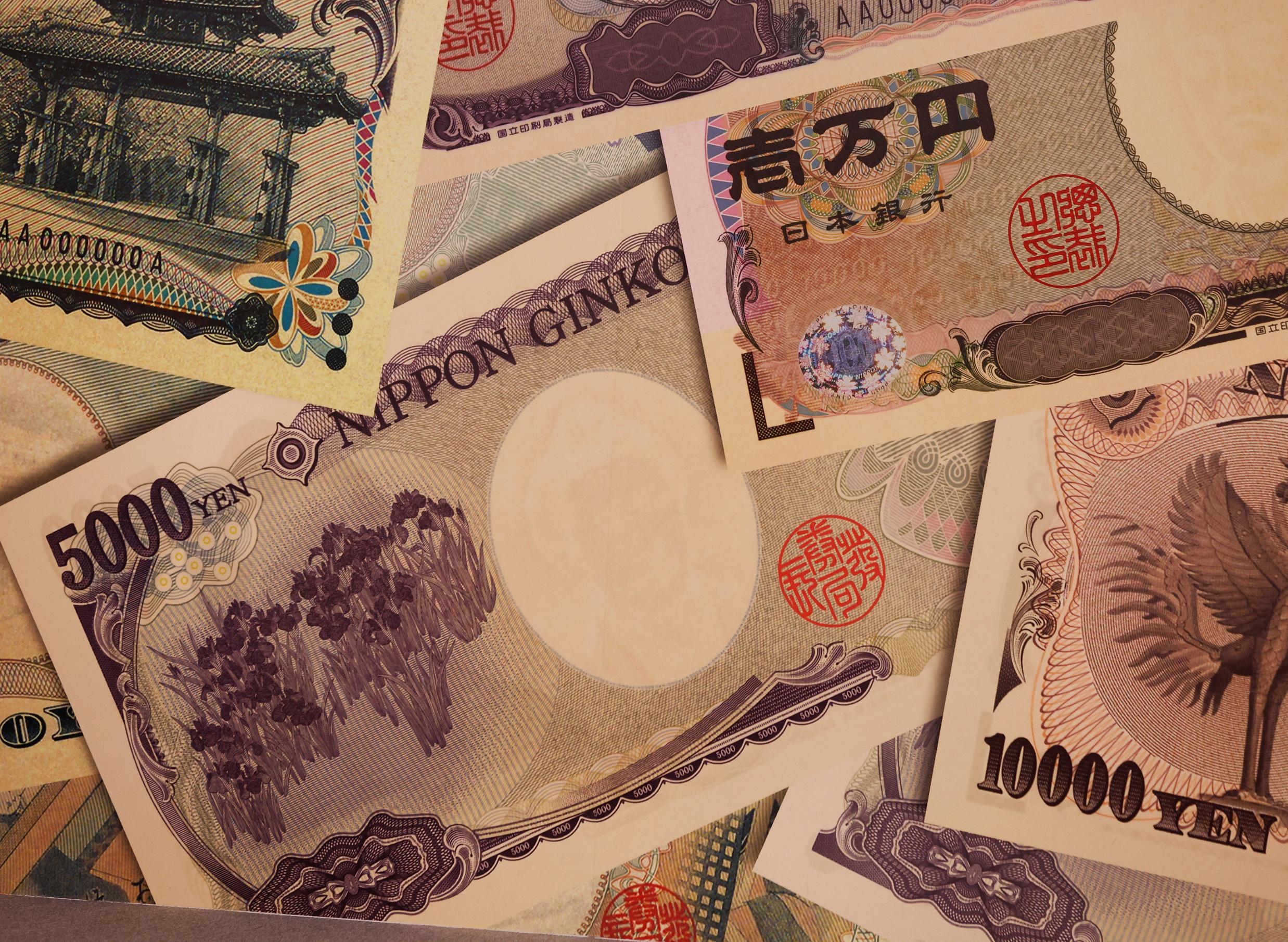
TOKYO, April 11 (Reuters) - Japanese Finance Minister Shunichi Suzuki said on Thursday that authorities would not rule out any steps to deal with excessive exchange-rate swings after the dollar surged to a 34-year high against the yen. "We are not just looking at (dollar/yen) levels themselves such as 152 yen or 153 yen (per dollar) but also analysing their background," Suzuki told reporters. "We are looking with a high sense of urgency," he added. Suzuki also said excessive currency moves are not desirable and that it was important for currencies to move in a stable manner reflecting fundamentals. Speaking in parliament, Suzuki later said while the weak yen had both merits and demerits, he was always concerned about its impact on prices. His comments came after the yen weakened past 153 per dollar, the lowest since 1990, following Wednesday's release of strong U.S. inflation data. The dollar stood at 152.90 yen in Asia on Thursday. Market participants have been on alert for any signs of yen intervention from Japanese authorities. Japan last intervened in the currency market in 2022, first in September and again in October, to prop up the yen. Earlier in the day, Japan's top currency diplomat Masato Kanda said recent yen moves were rapid and that he would not rule out any steps. But Suzuki and Kanda both declined to say whether the yen's overnight falls were deemed excessive and did not escalate his warning to take "decisive action" against sharp yen declines. "I don't have any particular (dollar/yen) level in mind but excessive volatility has a negative impact on the economy," Kanda, who is vice finance minister for international affairs, told reporters. "Recent moves are rapid. We'd like to respond appropriately to excessive moves, without ruling out any options," he said. "We are always prepared to respond to any situation," Kanda said when asked whether authorities were preparing to intervene in the currency market to prop up the yen. "Compared with 2022 when Japan intervened to stem a weak yen that broke past 145 to the dollar, Japanese authorities seem to lack determination to defend the yen this time around," Masafumi Yamamoto, chief FX strategist at Mizuho Securities, said. "Given that the dollar's strength reflects a solid U.S. economy and interest rate differentials between Japan and the United States are wide open, Japanese authorities may feel it would be useless even if they intervene now." Keep up with the latest medical breakthroughs and healthcare trends with the Reuters Health Rounds newsletter. Sign up here. https://www.reuters.com/markets/currencies/japan-says-it-wont-rule-out-any-fx-action-yen-hits-34-year-low-2024-04-11/
2024-04-11 00:29
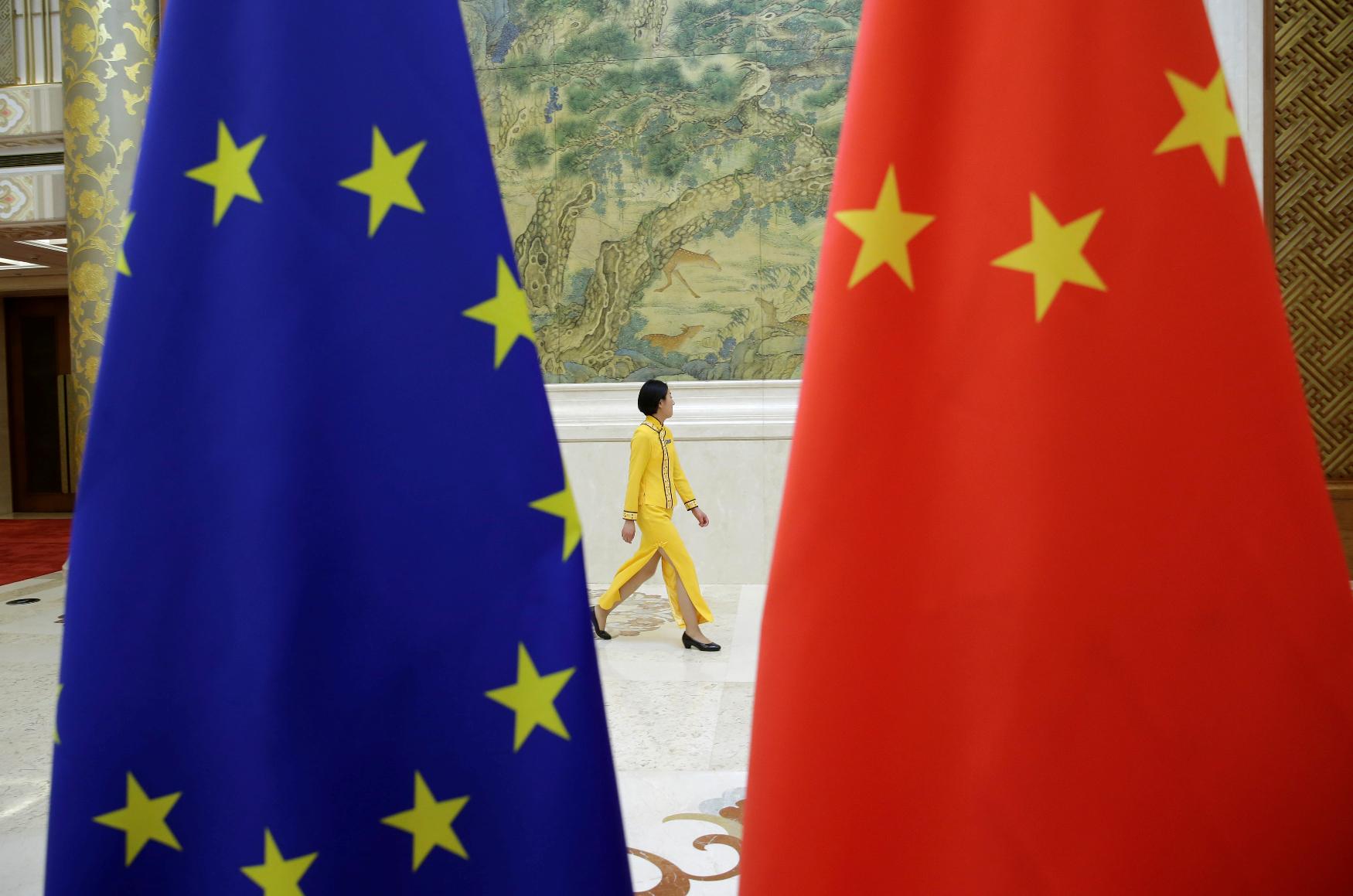
BEIJING, April 11 (Reuters) - Subsidy investigations started by the European Union interfere with the mutually beneficial cooperation between China and Europe, and China resolutely opposes them, a Chinese commerce ministry official said. The official, who was not identified in a statement released by the department on Thursday, believes the probes launched by the European Union so far are all aimed at Chinese new energy-related enterprises, which will seriously damage the confidence of its firms in carrying out investment and trade cooperation in the EU. The remarks came from the head of the Trade Remedies Bureau of the Chinese Ministry of Commerce in a meeting with Martin Lukas, director general of the trade defence department of the European Commission, in Brussels, according to the statement. In the latest move involving China, the European Union said it would investigate subsidies received by Chinese suppliers of wind turbines destined for its countries. The Chinese commerce official said it would be the fourth investigation initiated by the European Union in the past two months using foreign subsidies legislation against Chinese companies. The official also said in the course of the investigations, the EU "wantonly distorted the definition of subsidies, and the procedural standards were not open and transparent, which is a protectionist act that harms the level playing field in the name of fair competition." On Tuesday, EU competition chief Margrethe Vestager said the Commission was investigating the conditions for wind park development in Spain, Greece, France, Romania and Bulgaria, without giving further details about why these countries in particular were highlighted. The Reuters Daily Briefing newsletter provides all the news you need to start your day. Sign up here. https://www.reuters.com/world/china/china-says-eu-subsidy-probes-interfere-with-china-europe-cooperation-2024-04-11/
2024-04-10 23:30
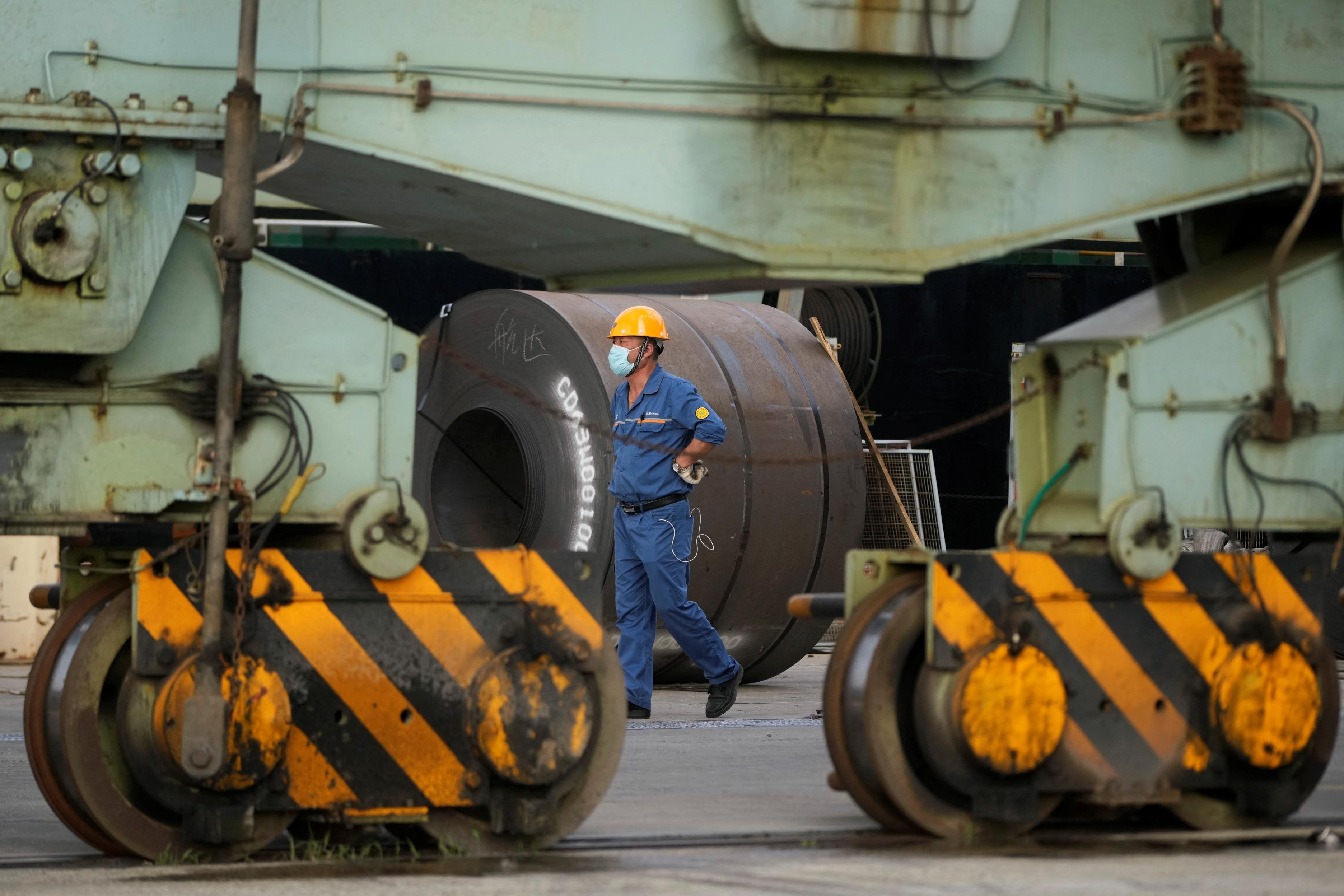
Yellen complains about excess industrial capacity in China China unapologetic about rise of its new industries Analysts see more trade tensions ahead For a web version of this story with more charts, click on BEIJING, April 11 (Reuters) - The last day of U.S. Secretary Janet Yellen's trip to China coincided with the strongest retort yet from Beijing officials over her claims that China is flooding global markets with cheap goods, particularly in the new green industries. As Yellen laid out plans to formalise dialogue with China over excess industrial capacity in electric vehicles (EVs), solar panels and batteries, saying Washington would not accept U.S. industry being "decimated", the Chinese finance ministry issued a statement saying it had already "fully responded" to her concerns. Commerce Minister Wang Wentao, at a roundtable meeting with Chinese EV makers in Paris on Monday, said U.S. and European assertions of excess capacity were groundless, adding China's rise in these industries was driven by innovation and complete supply chain systems, among other factors. China's latest response, analysts say, centres on the idea that its production system is simply more competitive, a sharp change in tone from only a month ago when officials including Premier Li Qiang sounded their own warnings on overcapacity. The strong pushback from Beijing contrasts with the generally warm interactions between Yellen and Chinese officials during her trip, leaving the two largest economies further apart on the hottest dispute in global trade, which could add to tensions. "They cannot win the race, so they try to slow it down," said Li Yong, chief researcher at D&C Think, a Chinese think tank, referring to the West's rhetoric on overcapacity. "We just do our things, they can do whatever they want -- the knife is in their hands." Both sides believe they have solid, data-supported arguments not to back down. The core criticism coming primarily from Washington and Brussels is that state-led support for manufacturers, coupled with depressed domestic demand, is pushing excessive Chinese supply onto global markets. This drives down prices. Consequently, it threatens U.S. and EU firms which survive on profits rather than what Western officials argue is a drip-feed of state resources in China. And, it can complicate longer-term investment decisions. While China denies subsidies and points to U.S. and EU government programmes to support their own industries, its critics take a wider view of state support that incorporates cheap loans, land use, huge infrastructure investment and other benefits that span across a fully-integrated supply chain. EU trade officials have singled out the huge resources redirected by China's state-dominated financial system from the ailing property sector to its sprawling manufacturing complex, as Beijing looks for other economic growth drivers. For its part, China says industrial overcapacity is not unique to the world's second-largest economy. "The so-called 'overcapacity' is a manifestation of the market mechanism at work, where supply-demand imbalance is often the norm," vice finance minister Liao Min told local media. "This can occur in any market economy system, including in the United States and other Western countries, where it has happened multiple times in history”. Industrial capacity utilisation in China is lower than in the United States or Europe, but not by much. Also, China asserts supply and demand should be viewed from a global perspective, particularly given Western criticism focuses on industries key to climate goals for the entire planet. That argument resonates. "I'm very sceptical about this idea of overcapacity," Nicholas Lardy, senior fellow at Peterson Institute told a financial forum in Hong Kong. "If you think about it, it means every country should only produce what it consumed itself. That means no trade. Where would we be if there was no trade?" It's not a new debate. More than a decade ago, Washington complained that the U.S. rust belt was crippled by Chinese overproduction of steel, which had forced China to dump it at very low prices. But China can argue its output is more in tune with global demand than it was back then. China's inventory levels have ticked up during the COVID-hit years, but remain well below levels seen in the 2010s. China views the "new three" industries of electric vehicles, batteries and solar power as key for its development. In 2023, exports of the "new three" totalled 1.06 trillion yuan ($146.6 billion), up 29.9% year-on-year, official data showed. But they accounted for only 4.5% of China's total yuan-denominated exports last year, so those on Beijing's side of the debate see the West's focus on them as hypocritical. "U.S. and Europe have a bit of a gangster logic," said Wang Jun, chief economist at Huatai Asset Management. In the automotive sector, China argues overcapacity is concentrated in combustion-engine cars rather than EVs and says market mechanisms will eventually weed out weak players. Moreover, some models by Chinese EV maker BYD sell in Germany for more than double their price in China - an argument that critics use against Europe's concerns over unfair pricing. China also says many of its firms are more innovative, hence more competitive. It can point to surpassing the United States as world leader in patent applications. One industry where global demand does not keep up with Chinese production, though, is solar. Xuyang Dong, China energy policy analyst at Climate Energy Finance in Sydney, estimates China's wafer, cell and module capacity coming online in 2024 is sufficient to meet annual global demand now through to 2032. "If you think of it from this perspective, the Chinese government is subsidising the whole world's green transition," said Yue Su, principal China economist at the Economist Intelligence Unit. "Whether this is fair to EU manufacturers or workers is a different question." "Having said that, even if the West increases tariffs, I still foresee that China is going to dominate in many of these industries." ($1 = 7.2327 Chinese yuan renminbi) The Reuters Daily Briefing newsletter provides all the news you need to start your day. Sign up here. https://www.reuters.com/world/china/what-overcapacity-china-says-its-industries-are-simply-more-competitive-2024-04-10/
2024-04-10 23:09
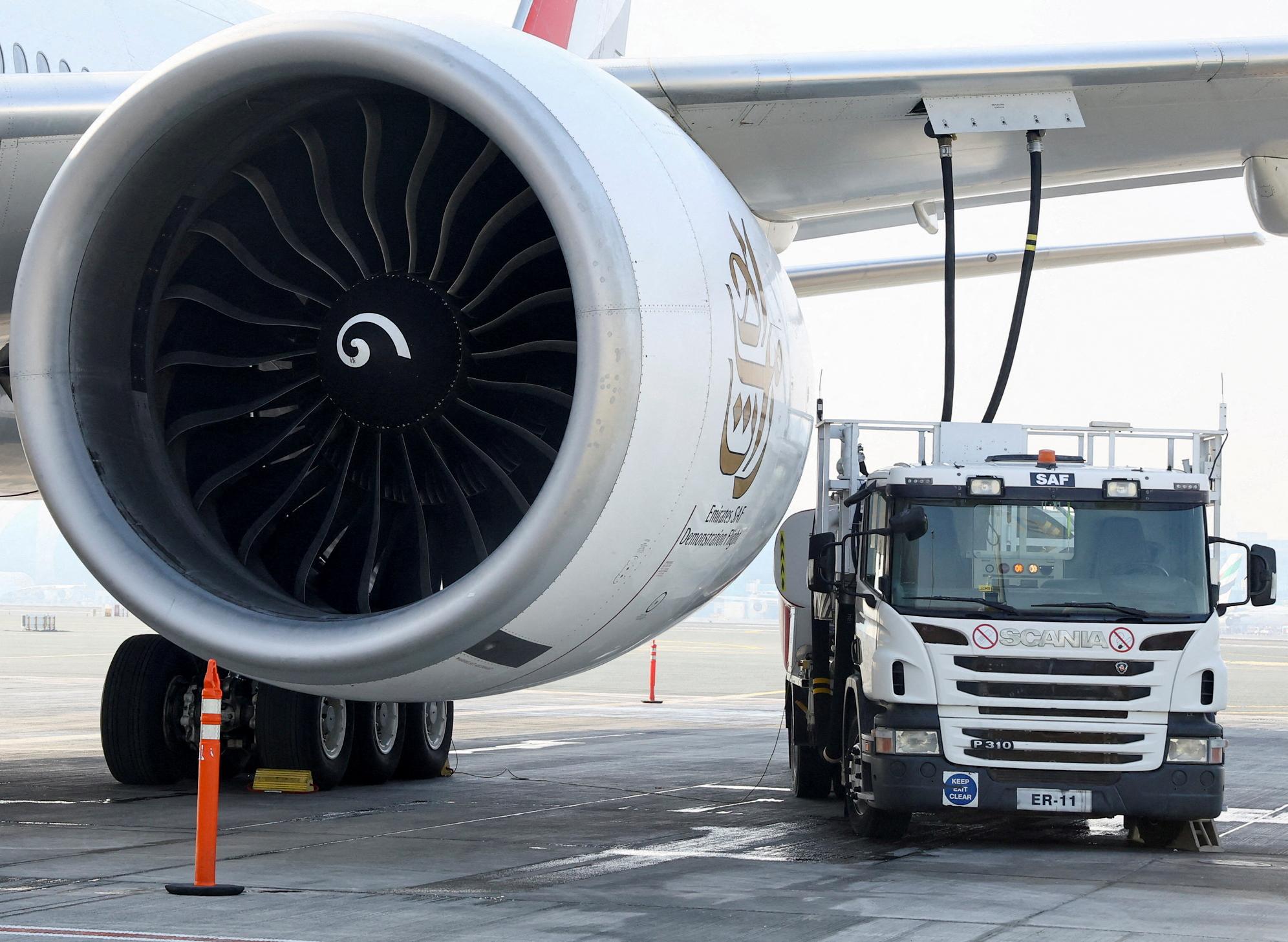
SANTIAGO, April 10 (Reuters) - Chile aims to start producing sustainable aviation fuel (SAF) in a large plant by 2030 and use the fuel made from oils, fats, and biological and municipal waste for half of its aviation needs by 2050, a government report released on Wednesday said. The "2050 SAF Roadmap" report was presented by Fernanda Cabañas, program coordinator for Chile's public-private "Clean Flight" project that aims to decarbonize the country's airline industry, at an aviation conference in Santiago. Chile expects air traffic to double by 2040 and SAF is essential in helping the country meet its decarbonization goals, the report said. SAF can be mixed with conventional jet fuel to reduce emissions by up to 80% without engine modifications. "More than 50% of carbon emissions reductions are going to be done through SAF," Cabanas said in an interview on the sidelines of the conference. "It plays a predominant role in our net zero goals." No estimates are available on how much the factory would produce in 2030, Cabanas said. Airlines are rushing to purchase SAF to meet sustainability goals but supply is scarce and production methods are costly, so the fuel costs three to five times more than traditional jet fuel. Cabañas noted strong competition in the region for SAF sources, and said the program had met with local forestry, agriculture and hydrogen industry representatives to determine how much raw material they could supply. A full study on the viability and economic projections of how much SAF, and from what sources, Chile can produce is expected in about six months. Cristina Segura, head of the Concepcion University's bioenergy department, said on a conference panel that her department was aiming to produce the country's first liter of SAF. U.S. President Joe Biden's administration is expected to release a preliminary climate model for the United States' SAF subsidy model in the coming weeks. The subsidies to farmers and other raw material suppliers are designed to help the U.S. produce 3 billion gallons of SAF, up from its current 15.8 million. The Reuters Daily Briefing newsletter provides all the news you need to start your day. Sign up here. https://www.reuters.com/sustainability/climate-energy/chile-aims-have-first-large-scale-sustainable-aviation-fuel-factory-by-2030-2024-04-10/
2024-04-10 22:36
PARIS, April 10 (Reuters) - French mining group Eramet (ERMT.PA) New Tab, opens new tab said on Wednesday it had reached an agreement with the French government to continue its subsidiary SLN's mining operations in New Caledonia's Northern Province. Under the agreement, Eramet could extend financial guarantees granted to SLN, the mining group said, in a move that would effectively avert the risk of a stoppage on its troubled New Caledonian nickel subsidiary's operations. SLN has been locked in a dispute with local authorities over financial guarantees after the provincial government rejected a short extension of the guarantees, which are required to cover potential environmental restoration, Eramet earlier said in an emailed statement. SLN has always operated with lodged financial guarantees, Eramet said, adding that the financial guarantees needed to be provided to relevant Caledonian provinces to ensure the restoration and rehabilitation of mining sites after their definitive closure. Eramet has provided such guarantees since 2020 for SLN given that the nickel producer has been unable to do so itself, the group said. SLN, which processes its mined nickel at a smelter in southern New Caledonia, is involved in wider discussions to salvage the loss-making nickel industry in the South Pacific territory. The French government has been negotiating a rescue package for the industry, involving hundreds of millions of euros in loans and subsidies in return for a revamp of mining permits, exports and energy infrastructure. But an end-March deadline set by Paris to sign off the deal was missed as New Caledonian parties continue to debate the proposals amid wider political tensions divided between pro-independence and loyalist parties. Get a look at the day ahead in European and global markets with the Morning Bid Europe newsletter. Sign up here. https://www.reuters.com/markets/europe/eramet-reaches-agreement-continue-slns-new-caledonia-operations-2024-04-10/