2024-04-10 10:27
BOT votes 5-2 to hold key rate at 2.50% PM has called repeatedly for rate cut BOT revised down 2024 GDP forecast to 2.6% from 2.5%-3.0% Market sees rate cut in June review BANGKOK, April 10 (Reuters) - Thailand's central bank left its key interest rate unchanged for a third straight meeting on Wednesday, resisting repeated calls by the government to lower borrowing costs to help revive Southeast Asia's second-largest economy. The Bank of Thailand's (BOT) monetary policy committee voted 5-2 to hold the one-day repurchase rate (THCBIR=ECI) New Tab, opens new tab at 2.50%, the highest in more than a decade. It had raised the rate by 200 basis points since August 2022 to curb inflation. "The majority of the committee deems that the current policy interest rate is conducive to safeguarding macro-financial stability, and that the effectiveness of monetary policy on resolving structural impediments is limited," the BOT said in a statement. Of 26 economists in a Reuters poll, 16 forecast a hold on Wednesday while the other 10 had forecast a quarter-point cut. The key rate remains neutral and does not hinder growth, Assistant Governor Piti Disyatat told a briefing, but added that rates would be adjusted if the outlook changes. The BOT lowered its 2024 GDP growth forecast to 2.6% from 2.5%-3.0% seen earlier. However, the government projects 4% growth this year. The decision came moments after the government secured funding for its signature $13.8 billion handout scheme, which it said would help boost growth to 5% next year. Prime Minister Srettha Thavisin has repeatedly urged the central bank to cut rates, saying the current level is hurting businesses and investor sentiment and that the economy is in "crisis". Miguel Chanco, chief emerging Asia economist at Pantheon Macroeconomics, said the PM's stance had done little to budge a central bank keen to maintain its independence. "We've been expecting the BOT to keep rates higher than necessary for a bit longer, just to demonstrate its independence as an institution amid the government's explicit pleas for cuts as soon as possible." "Our core belief is that the start of gradual easing is imminent, with GDP growth soft and weakening, and CPI still in outright deflation". The Thai baht was largely unchanged at 36.31 to the dollar. The baht is one of the worst-performing emerging Asia currencies, having lost nearly 6% since the start of the year. BOT Governor Sethaput Suthiwartnarueput said last month the central bank must ensure the policy was appropriate for supporting long-term growth while the risk of deflation was low. Markets expect two rate cuts for the rest of the year starting at the next rate review on June 12. Some analyst say the case for a rate cut to support the recovery is building, especially as inflation continues trending lower. "The weak economy will eventually force the central bank to loosen policy, most likely at its next meeting in June," Gareth Leather of Capital Economics said in a note. Headline consumer inflation has been below the central bank's 1% to 3% target range for nearly a year, driven by energy subsidies. The central bank said it expects headline inflation to be 0.6% this year versus a previous forecast in February of nearly 1%. Overall, BOT said tourism and public expenditure were due to improve through 2024, but exports would recover only gradually, in the second half. It slashed 2024 export growth to 2% from 2.6% projected in February. "Structural impediments, particularly deteriorating competitiveness in the exports and manufacturing sectors, as well as global excess capacity limit the benefits of the global economic recovery on the Thai economy," it said. The Reuters Daily Briefing newsletter provides all the news you need to start your day. Sign up here. https://www.reuters.com/markets/rates-bonds/thai-central-bank-holds-key-rate-defies-government-calls-cuts-2024-04-10/
2024-04-10 10:19
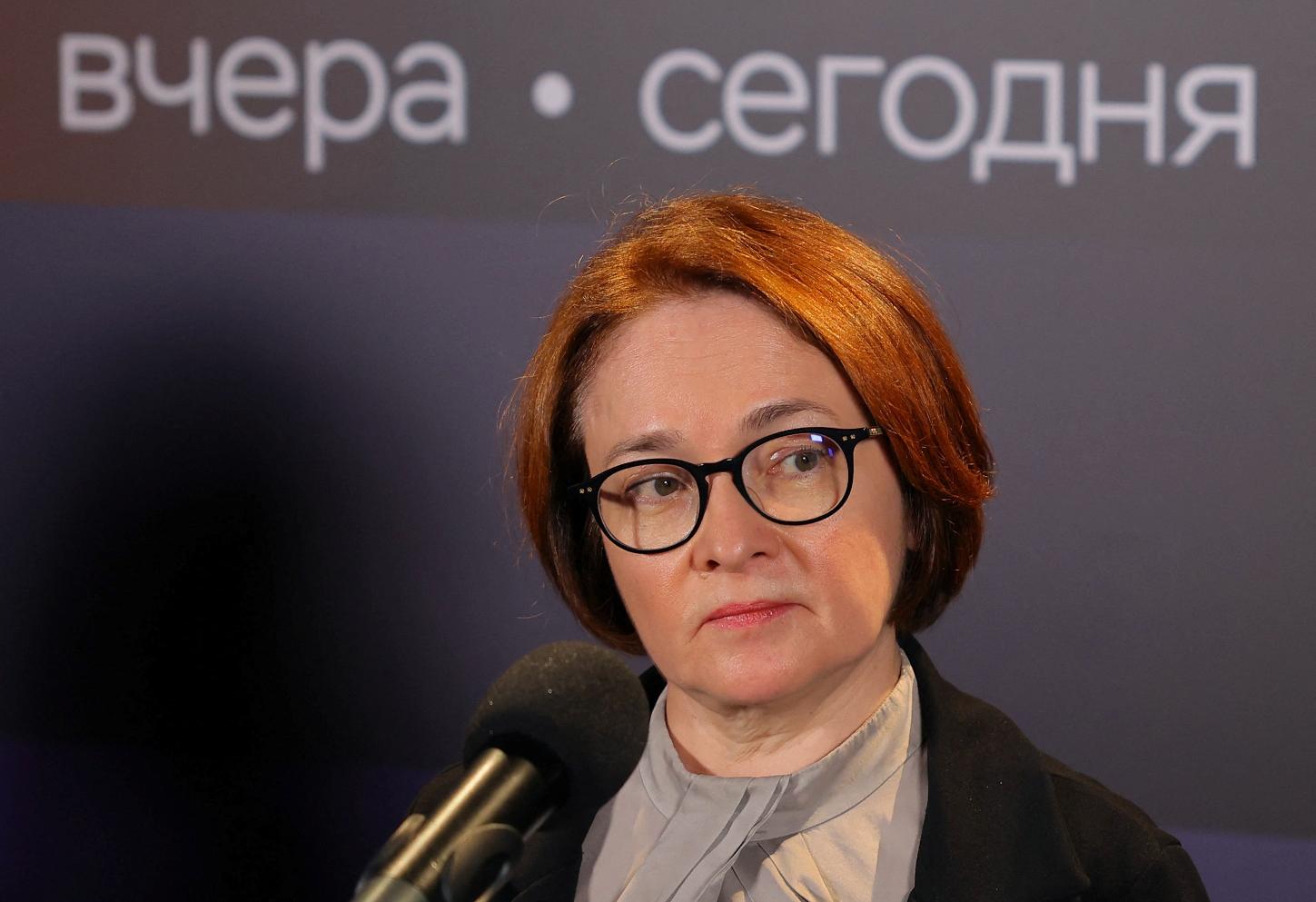
This content was produced in Russia where the law restricts coverage of Russian military operations in Ukraine MOSCOW, April 10 (Reuters) - Russia's inflation peak has passed, Central Bank Governor Elvira Nabiullina said on Wednesday, although the slowdown is not yet sufficient for interest rates to start to fall. Russia's central bank is expected to hold its key rate at 16% at its next rate-setting meeting on April 26, as it did in February and March after five rate hikes in a row, a Reuters poll showed last month. Nabiullina told lawmakers in the State Duma, Russia's lower house of parliament, that the central bank's tight monetary policy in response to strong consumer demand and rouble weakening last year was having an effect. "If we had not raised the key rate, then inflation would have been much higher than the 7.4% we had for last year," Nabiullina said. "Moreover, it would have continued accelerating even now." "We will start lowering the key rate, when we are convinced that the slowdown in inflation has reached the required speed," Nabiullina said, without specifying what this speed was. The bank in March said it was too early to judge the future speed of disinflationary trends. Analysts polled by Reuters expect rates to end this year at 12.5%. The central bank's inflation target is 4%. Nabiullina noted that fiscal policy was making a big contribution to domestic demand. Russia is spending heavily this year, particularly on the defence sector, to finance the conflict in Ukraine. Get a look at the day ahead in European and global markets with the Morning Bid Europe newsletter. Sign up here. https://www.reuters.com/markets/europe/russian-inflation-has-peaked-central-bank-governor-says-2024-04-10/
2024-04-10 10:18
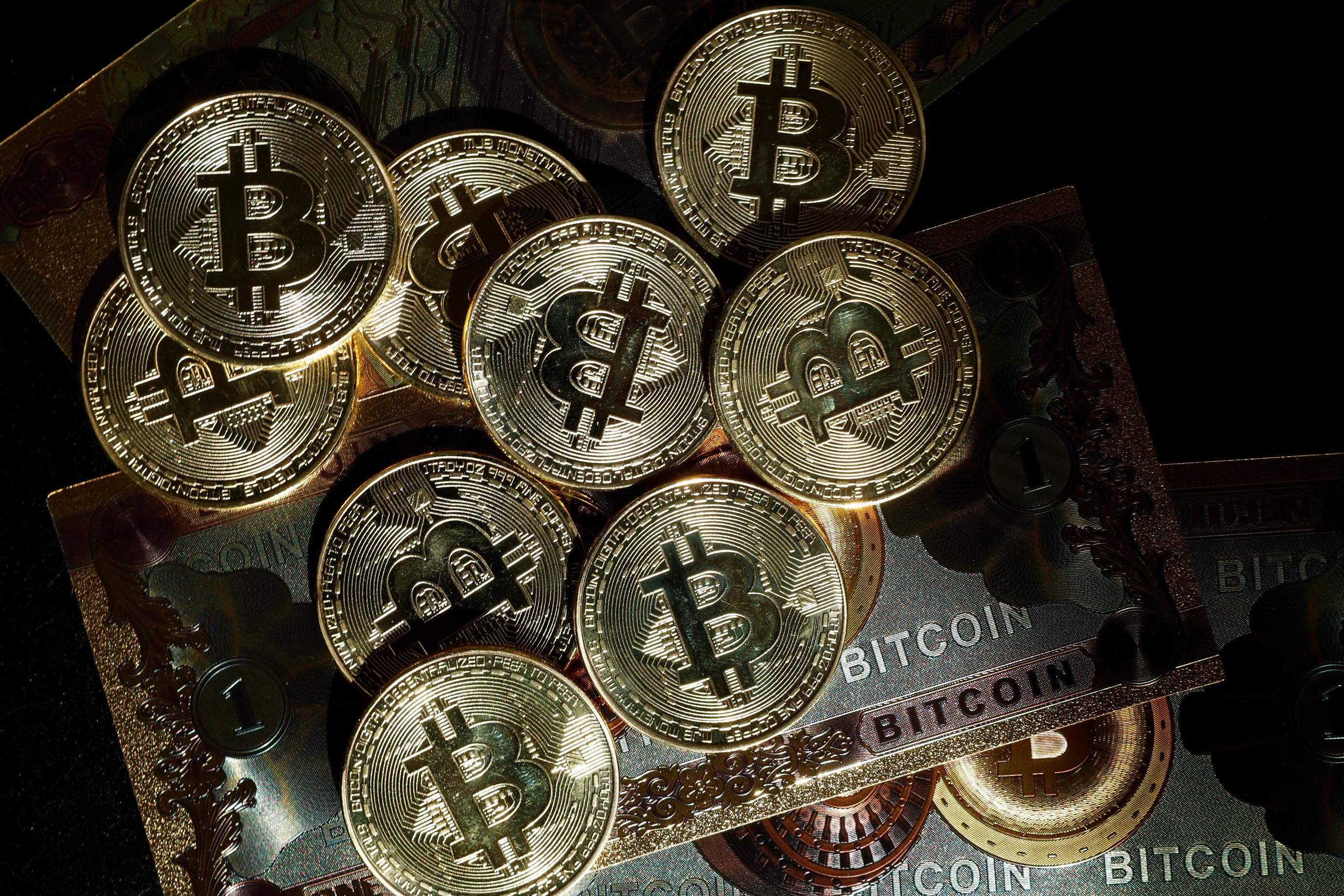
April 10 (Reuters) - Outflows from the Grayscale Bitcoin Trust (GBTC.P) New Tab, opens new tab may be reaching an equilibrium after months of investor selling, Michael Sonnenshein, CEO of crypto asset manager Grayscale Investments, told Reuters on the latest episode of Inside ETFs. Grayscale has battled to retain dominance of the bitcoin exchange-traded fund (ETF) market since rival offerings from nine other issuers emerged in January, after the U.S. Securities and Exchange Commission (SEC) approved the launch of the products after a decade-long tussle with the crypto industry. Total outflows from Grayscale Bitcoin Trust (GBTC) in the last three months topped $15 billion, according to data from BitMEX Research, although the surge in bitcoin's value has helped ensure that Grayscale's assets under management have dipped only slightly to $23.13 billion. “We do believe that the fund has started to reach a little bit of an equilibrium where some of those anticipated outflows, whether it was some of the bankruptcy selling, some investors perhaps undertaking switch trades, (are) largely behind us,” Sonnenshein said. Some of those outflows were the result of selling connected to the bankruptcy settlements of FTX and other defunct crypto companies, Sonnenshein told Reuters, as well as investors selling the Grayscale ETF only to immediately buy another. Many crypto companies that filed for bankruptcy in 2022 and 2023 had shares of Grayscale's then-trust on their balance sheets and looked to sell those shares once the product converted to an ETF in order to repay creditors. That has yet to be fully reflected in flows data. While daily outflows currently fall well below the $600 million or so seen in March, they're still solidly in the red. On Monday, Grayscale saw outflows of $303 million, according to BitMEX Research. "As we look ahead, again, it's more about bringing more investors into the ecosystem (and) continuing to innovate on the product front," Sonnenshein said. Sonnenshein suggested that Grayscale may take steps to compete with newer rival offerings from BlackRock (BLK.N) New Tab, opens new tab, Fidelity and others. BlackRock's iShares Bitcoin Trust (IBIT.O) New Tab, opens new tab, which has a fee of 0.12%, has pulled in some $17.8 billion in assets. Last month, Grayscale said it will seek approval from the U.S. Securities and Exchange Commission to spin off a still-unspecified portion of the ETF's assets into a new, lower-fee Bitcoin Mini Trust. The company has declined to comment on what those fees would be. Currently, Grayscale levies a 1.5% percentage fee on its converted ETF, substantially larger than the average fee of about 0.25% charged by most of its newer rivals, with waivers reducing that still further. "Over time, as markets mature, we anticipate that GBTC's fees will come down," Sonnenshein said. Bitcoin , the world's largest cryptocurrency, has enjoyed a boost since the ETFs hit the market, and is up more than 60% this year. Grayscale also hopes to win SEC approval to convert another of its products into a spot ether ETF. The SEC must rule on other similar proposals by late May. Grayscale sued the SEC after it rejected its application for a spot bitcoin ETF in 2022. An appeals court sided with Grayscale, ordering the SEC to reexamine its decision, which paved the way for the bitcoin ETF approvals in January. "We're optimistic that the SEC will be on the right side of history here and also permit those products to come to market," Sonnenshein said. The Technology Roundup newsletter brings the latest news and trends straight to your inbox. Sign up here. https://www.reuters.com/technology/grayscale-ceo-sees-bitcoin-etf-outflows-reaching-equilibrium-2024-04-10/
2024-04-10 10:08
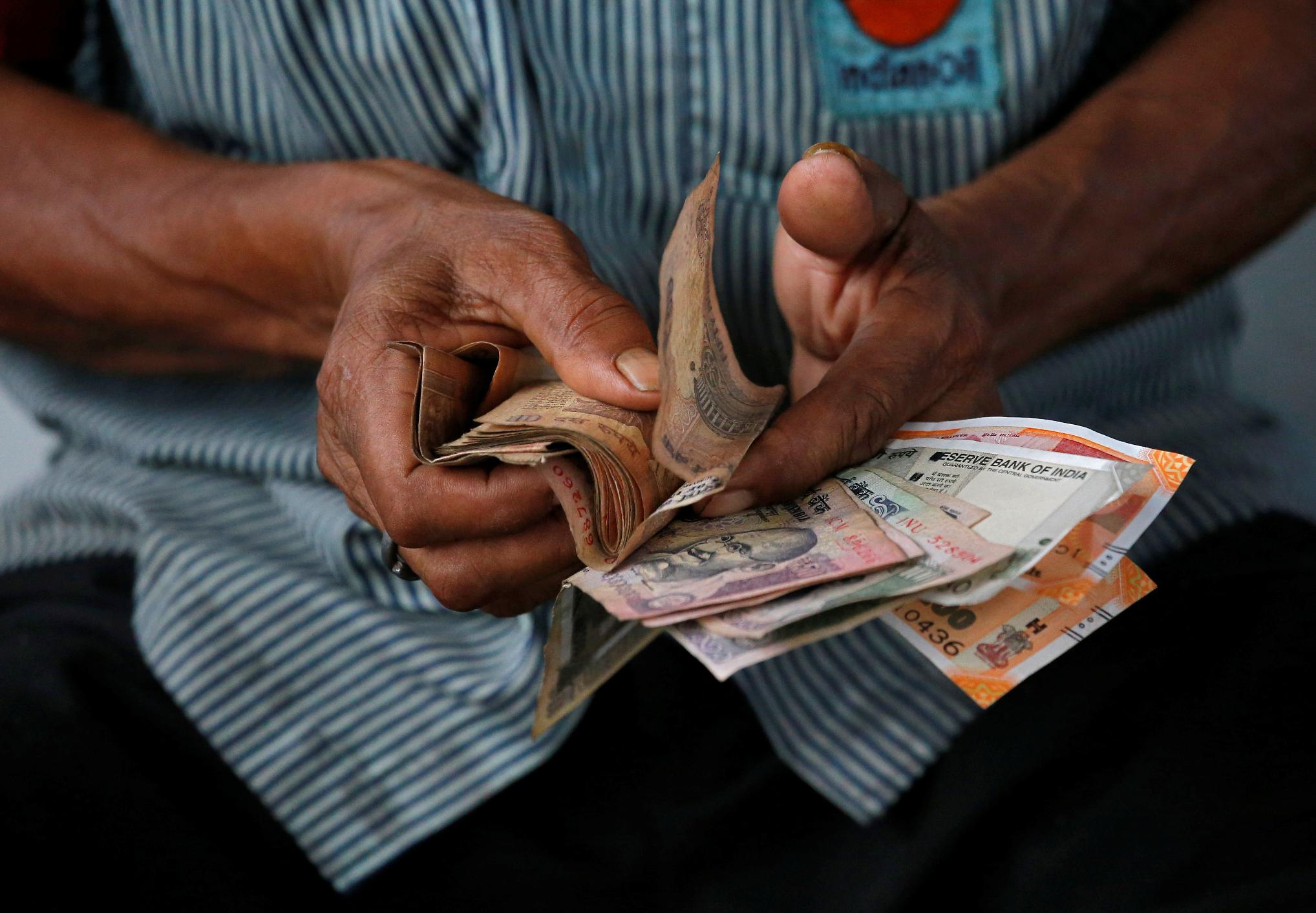
MUMBAI, April 10 (Reuters) - The Indian rupee closed higher on Wednesday, aided by likely inflows and lower U.S. bond yields, while state-run banks' dollar appetite constrained the local currency's gains after it touched the strongest level in nearly three weeks. The rupee closed at 83.1850 against the U.S. dollar, up 0.16%, compared with its previous close at 83.3150. The currency rose to an intra-day high of 83.16, its strongest level since March 21. The dollar index edged lower to 104.06. Asian currencies were mixed, with the Thai baht down 0.2% while the Indonesia rupiah gained 0.3%. Earlier in the session, "bunched-up dollar inflows" on account of the currency and debt markets being shut on Tuesday aided the rupee, a foreign exchange trader at a foreign bank said. But dollar bids from state-run banks eroded some of the early gains, the trader added. U.S. consumer inflation data due later in the day remained the key focus as it is expected to impact expectations of when the Federal Reserve would start easing policy rates. Odds of a June rate cut by the Fed have declined to 54%, down from about 73% a month earlier, according to CME's FedWatch tool. The inflation data is expected to show core consumer price inflation (CPI) rose 0.3% month-on-month in March, down from the 0.4% rise in the previous month, according to economists polled by Reuters. A substantial upside surprise on U.S. inflation data could push the rupee to weaken towards 83.30-35, said Gaurang Somaiya, a foreign exchange research analyst at Motilal Oswal Financial Services. Investors will also keep an eye on the minutes of the Fed's March policy meeting and remarks from Fed policymakers later in the day. Indian financial markets will be closed on Thursday for a local holiday. Keep up with the latest medical breakthroughs and healthcare trends with the Reuters Health Rounds newsletter. Sign up here. https://www.reuters.com/markets/currencies/rupee-closes-stronger-state-run-banks-dollar-buys-erode-gains-2024-04-10/
2024-04-10 08:46
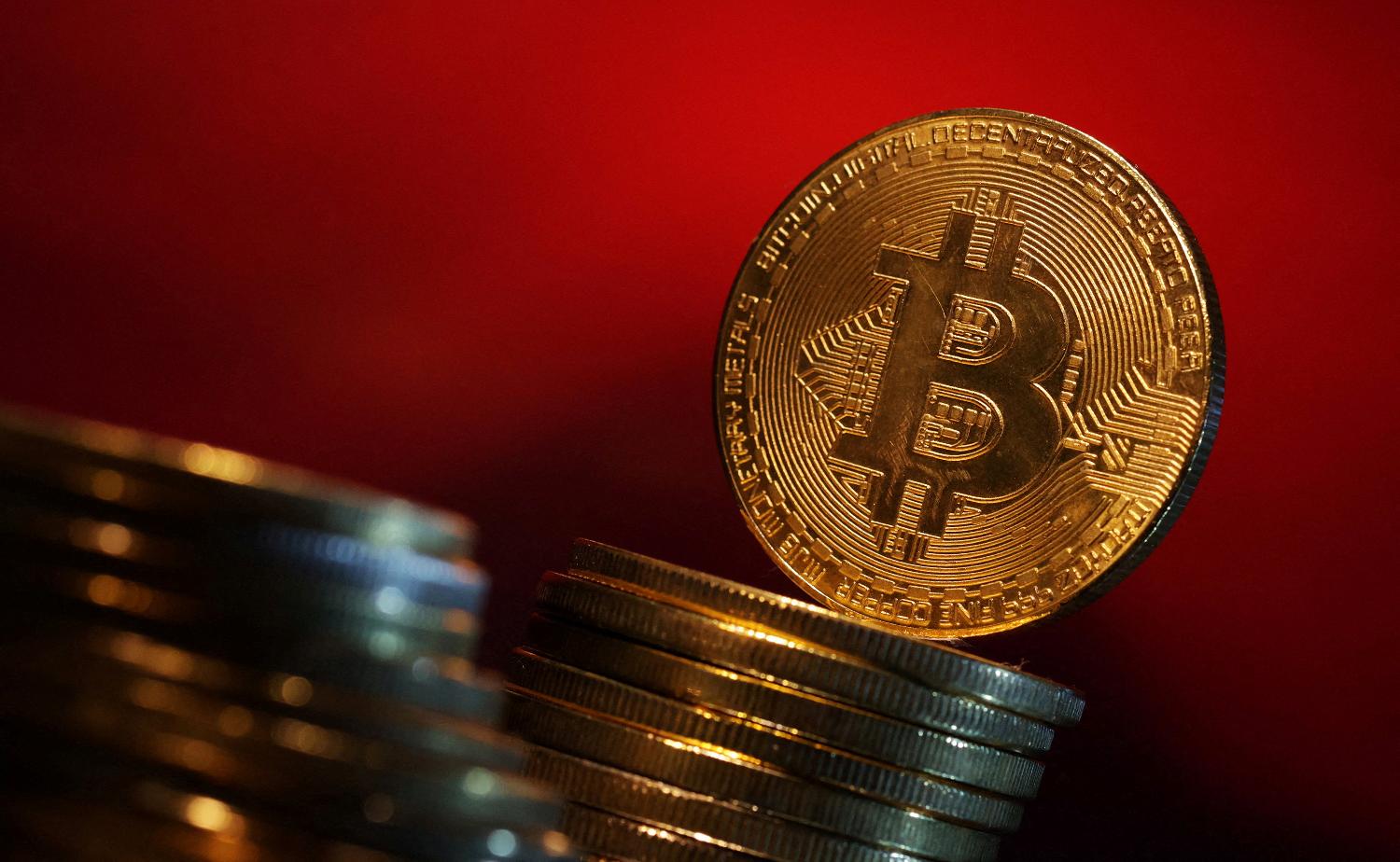
HONG KONG, April 10 (Reuters) - Spot bitcoin exchange-traded funds could be launched in Hong Kong this month with the first approvals likely to be announced next week, two people familiar with the matter said. That timeline would make Hong Kong Asia's first city to offer the popular ETFs and is much faster than industry expectations of launches sometime this year. Regulators have sped up the approval process, according to one of the people. Having lost much of its shine as a global financial hub due to restrictions during the pandemic, China's faltering economy and Sino-U.S. tensions, Hong Kong authorities have been keen to do what they can to improve the city's attractiveness for financial trading. "The significance of Hong Kong ETFs is far-reaching as it could bring in fresh global investment as well as pushing crypto adoption to a new height," said Adrian Wang, CEO of Metalpha, a Hong Kong-based crypto wealth manager. The U.S. launched the first U.S.-listed exchange-traded funds (ETFs) to track spot bitcoin in January, drawing roughly $12 billion in net inflows, data from BitMEX Research shows. Bitcoin has gained more than 60% this year and hit an all-time high of $73,803 in March. It was trading at around $69,000 on Wednesday. At least four mainland Chinese and Hong Kong asset managers have submitted applications to launch the ETFs, the two sources said. The Hong Kong units of China Asset Management, Harvest Fund Management and Bosera Asset Management are among the applicants, according to the two people and a third source. The sources were not authorised to speak to media and declined to be identified. Hong Kong's Securities and Futures Commission (SFC) and the three Chinese companies declined to comment. China Asset Management and Harvest Fund Management's Hong Kong units obtained approval this month to manage portfolios that invest more than 10% in virtual assets, according to the SFC's website. Their parent companies are among the biggest mutual fund firms in China, with each managing over 1 trillion yuan ($138 billion) in assets. Although cryptocurrency trading is banned in mainland China, offshore Chinese financial institutions have been keen to participate in crypto asset development in Hong Kong. Hong Kong approved its first ETFs for cryptocurrency futures in late 2022. The largest one - the CSOP Bitcoin Futures ETF (3066.HK) New Tab, opens new tab - has seen its assets under management swell seven times since September to around $120 million. Hong Kong-based Value Partners has also said it is exploring launching a spot bitcoin ETF. It has not disclosed if it has submitted an application. ($1 = 7.2305 yuan) Get a look at the day ahead in U.S. and global markets with the Morning Bid U.S. newsletter. Sign up here. https://www.reuters.com/business/finance/hong-kong-set-approve-its-first-spot-bitcoin-etfs-april-sources-say-2024-04-10/
2024-04-10 07:48
BEIJING, April 10 (Reuters) - Growth in China's battery storage capacity could slow down in 2024, according to an industry association, as energy storage struggles with low profitability. Under conservative estimates, China will add 30.1GW of new energy storage, primarily lithium ion battery storage, in 2024, down from 34.5GW of new capacity in 2023, according to a China Energy Storage Alliance (CNESA) white paper released on Wednesday. Under a more "ideal" scenario, the association sees China's new energy storage capacity installations rising 19% year-on-year to 41.2GW, the white paper found. That estimate lags the expected growth in sales of energy storage products, which will rise 35% year-on-year globally, according to the white paper. Grid-connected battery farms back up renewables when the sun is not shining or the wind is not blowing and are considered important to help integrate clean energy into power grids. This is particularly important for China, which has minimal natural gas capacity, a more flexible power source than slow-ramping coal plants. CNESA forecast improvements in the economics of battery energy storage in China this year, without providing specifics. Industry sources say energy storage projects are largely unprofitable to operate because of high upfront costs. They also face difficulties in securing grid connections and selling electricity into China's power markets based largely on long-term contracts. Some projects have to wait over six months for grid connections, said Wu Jiamao, senior deputy general manager of Sungrow Power, China's biggest provider of energy storage systems, at the Energy Storage International Conference and Expo on Wednesday. He cited the degradation of batteries over time as another issue and called for further technical advances. Globally, geopolitics and Europe's carbon regulations will pose challenges to China's international shipments. "In 2024, the entire world is in a stage of reconfiguring supply chains, geopolitics are bringing new challenges to supply chains," CNESA said in the white paper. Shu Yinbiao, a researcher with the Chinese Academy of Engineering, said at the conference that Chinese batteries are facing "green trade barriers" with the carbon footprint of Chinese products being overestimated in Europe's carbon border adjustment mechanism. The Technology Roundup newsletter brings the latest news and trends straight to your inbox. Sign up here. https://www.reuters.com/technology/chinas-battery-storage-capacity-growth-likely-slow-2024-2024-04-10/