2024-04-08 18:20
April 8 (Reuters) - Utility firm Xcel Energy (XEL.O) , opens new tab said on Monday it was working to restore service to customers in Colorado after it voluntarily shut off power over the weekend to reduce wildfire concerns. Parts of Central U.S., including Colorado, faced an elevated risk of fires over the last two days due to dry weather and high wind speeds. The company initiated a shutoff of power to 55,000 customers in areas at highest risk and de-energized 600 miles of power lines. Xcel said currently 49,000 customers are without power and expects to resolve 80% to 90% of the outages by the end of the day. The utility faces hundreds of lawsuits , opens new tab in Colorado for the 2021 Marshall Fire, which destroyed nearly 1,100 homes and killed two people. The company maintains that its power lines were not to blame for the fire. The Reuters Power Up newsletter provides everything you need to know about the global energy industry. Sign up here. https://www.reuters.com/business/energy/xcel-energy-working-restore-power-colorado-after-weekend-outages-2024-04-08/

2024-04-08 17:08
VIENNA, April 8 (Reuters) - Russia's ambassador to the U.N. nuclear watchdog said on Monday his country had called an emergency meeting of the watchdog's 35-nation Board of Governors over what it says are Ukrainian attacks on the Zaporizhzhia Nuclear Power Plant (ZNPP). "Russia requested an extraordinary session of the Board with regard to the recent attacks and provocations of the armed forces of Ukraine against the #ZNPP," Mikhail Ulyanov said , opens new tab on social media platform X. The Board's rules , opens new tab state that any country on it, such as Russia, can call a meeting. The Reuters Daily Briefing newsletter provides all the news you need to start your day. Sign up here. https://www.reuters.com/world/europe/russia-says-it-calls-emergency-iaea-board-meeting-zaporizhzhia-attacks-2024-04-08/

2024-04-08 16:57
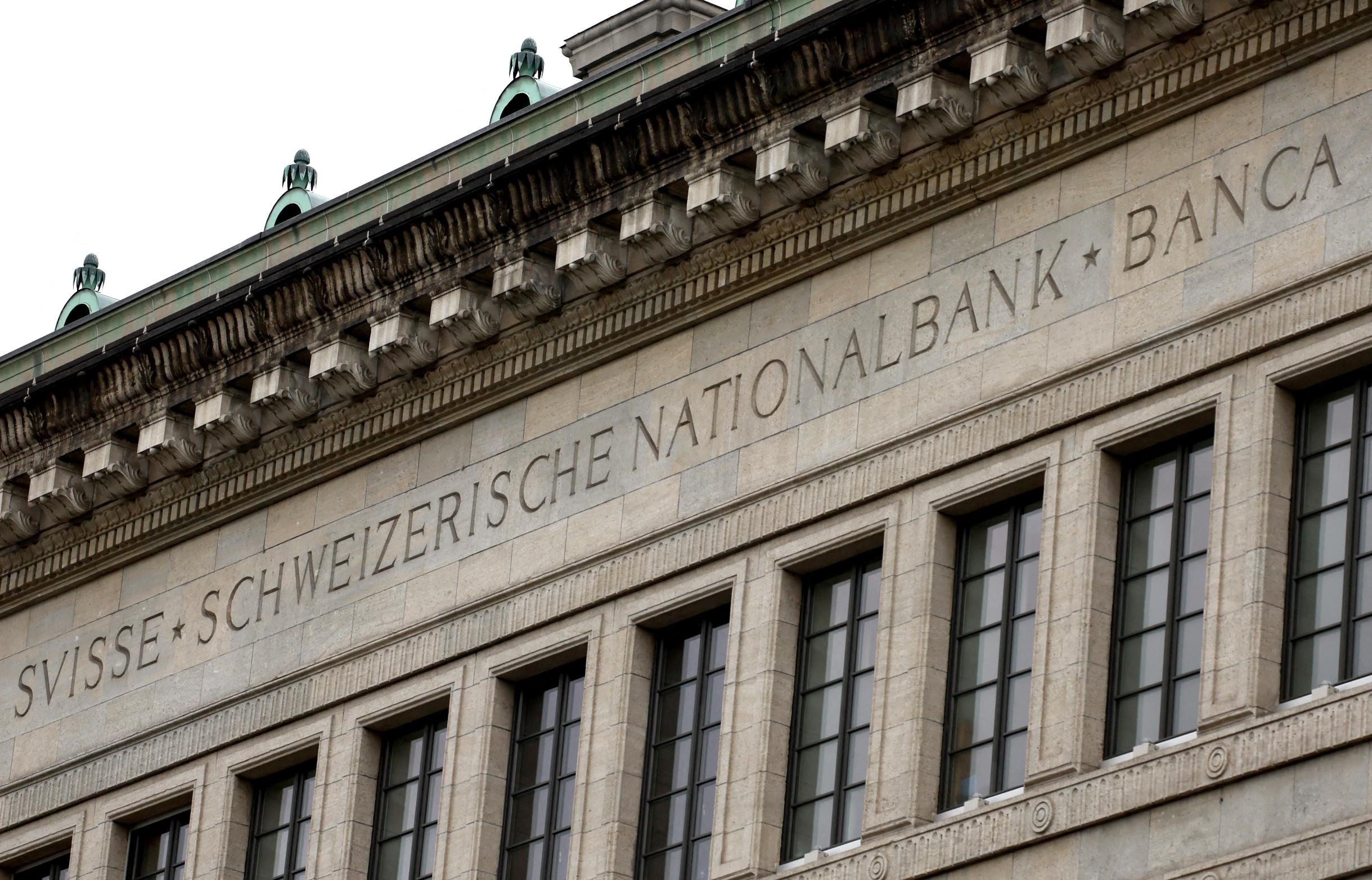
ZURICH, April 8 (Reuters) - The Swiss National Bank sees no need for a central bank digital currency (CBDC) to be issued to the general public, Chairman Thomas Jordan said on Monday. "Consumers and businesses already have access to a wide range of efficient and innovative payment instruments offered by the private sector," Jordan told an event in Zurich, in remarks that addressed a product known as a retail CBDC. "Retail CBDC could fundamentally alter the current monetary system and the role of central banks and commercial banks, with far-reaching consequences for the financial system," he said, with the risks outweighing any potential benefits. Still, the SNB has been trialling a scheme using wholesale CBDC - which enables payments using central bank money between commercial banks - to speed up and make payments cheaper. The central bank last year launched a pilot project using CBDC for financial institutions, with UBS (UBSG.S) , opens new tab and Zuercher Kantonal Bank among those participating. Four bond issuances, from the cantons of Basel-Stadt and Zurich and the cities of Lugano and St Gallen, were successfully settled with wholesale CBDC as part of the pilot. The trial, called Project Helvetia III, showed there were benefits from using central bank money to settle transactions, Jordan said. "Swiss franc wholesale CBDC can be issued on a third-party platform and used to settle tokenised assets safely and efficiently," he said. Still, questions remained before a decision could be made on whether a wholesale CBDC should be introduced generally in Switzerland, Jordan said. Issues to be resolved included whether Swiss franc digital central bank money could be held overnight, how it would be remunerated, and which financial institutions should have access. The SNB is also looking into how operations such as repos or SNB Bills could be settled using Swiss franc wholesale CBDC, Jordan said. Keep up with the latest medical breakthroughs and healthcare trends with the Reuters Health Rounds newsletter. Sign up here. https://www.reuters.com/markets/currencies/swiss-national-banks-jordan-against-issuing-retail-cenbank-digital-currency-2024-04-08/
2024-04-08 16:56
LONDON, April 8 (Reuters) - (This April 8 story has been corrected to fix the bitcoin record high in paragraph 7) Consumers are becoming slightly less sceptical about bitcoin, a Deutsche Bank survey published on Monday showed, although just under a third of those questioned still expect its price to drop sharply by the end of 2024. WHY IT'S IMPORTANT Although people have poured billions of dollars into bitcoin, hoping for returns if its price rises, top regulators have said it has no inherent value and presents risks. BY THE NUMBERS Deutsche Bank said it surveyed more than 3,600 consumers, with 52% of respondents saying cryptocurrencies will be an "important asset class and method of payment transactions" in future. Less than 40% said that when surveyed in September 2023. A third of U.S. respondents expect bitcoin to drop below $20,000 by the end of 2024. This group is getting slightly smaller. It was 35% in February and 36% in January. The number of people who think cryptocurrencies are "just a fad that will eventually fade" dropped to less than 1%. Still, only 10% of respondents expect bitcoin to be above $75,000 by year-end. CONTEXT Bitcoin hit a three-week high on Monday. It reached an all-time high of $73,803.25 in March, recovering from a dramatic plunge in 2022. The recent revival is due to excitement about spot bitcoin ETFs and expectations of rate cuts, analysts say. WHAT'S NEXT Some analysts see bitcoin's recent recovery above $70,000 as a sign that investors are shrugging off the warnings. Deutsche Bank analysts said expect bitcoin's price to be supported by the upcoming "bitcoin halving", as well as by regulation, central bank rate cuts, and expectations that the SEC will approve spot ethereum ETFs. Keep up with the latest medical breakthroughs and healthcare trends with the Reuters Health Rounds newsletter. Sign up here. https://www.reuters.com/markets/currencies/crypto-survey-shows-less-consumer-scepticism-third-expect-bitcoin-price-fall-2024-04-08/

2024-04-08 14:15
BUENOS AIRES, April 8 (Reuters) - Argentina economic and markets analysts expect a busy week: a potential further slowdown in monthly inflation from its sky-high level and a possible rate cut as the government grows bolder about its progress reining in prices. The embattled South American country's government has said monthly inflation should have cooled to around 10% in March, with official figures released at the end of the week, marking another deceleration from a peak over 25% in December. That's raised the prospect of a further cut to the benchmark interest rate after it was trimmed to 80% last month from 100%. Libertarian President Javier Milei reposted an article on social platform X on Sunday that suggested a rate cut was coming. "If inflation shows another sign of strong deceleration, it is very likely that there will be another rate cut," said local economist Roberto Geretto. "If the CPI (consumer price index) for March...is around 10% as the government says, it would be lower than expected and mark a notable improvement." Argentina is battling to bring down one of the world's highest inflation levels, with the annual rate over 275%, even as it faces growing poverty, stalling economic activity and the impact of strict capital controls that stymie business. Milei's tough economic medicine, however, has gone down well with markets, propelling bonds and helping stabilize the peso currency. He faces, though, a challenge to get the economy going again before economic hardship sparks social unrest. The Reuters Daily Briefing newsletter provides all the news you need to start your day. Sign up here. https://www.reuters.com/markets/rates-bonds/argentina-analysts-watch-inflation-reading-possible-rate-cut-2024-04-08/

2024-04-08 13:13
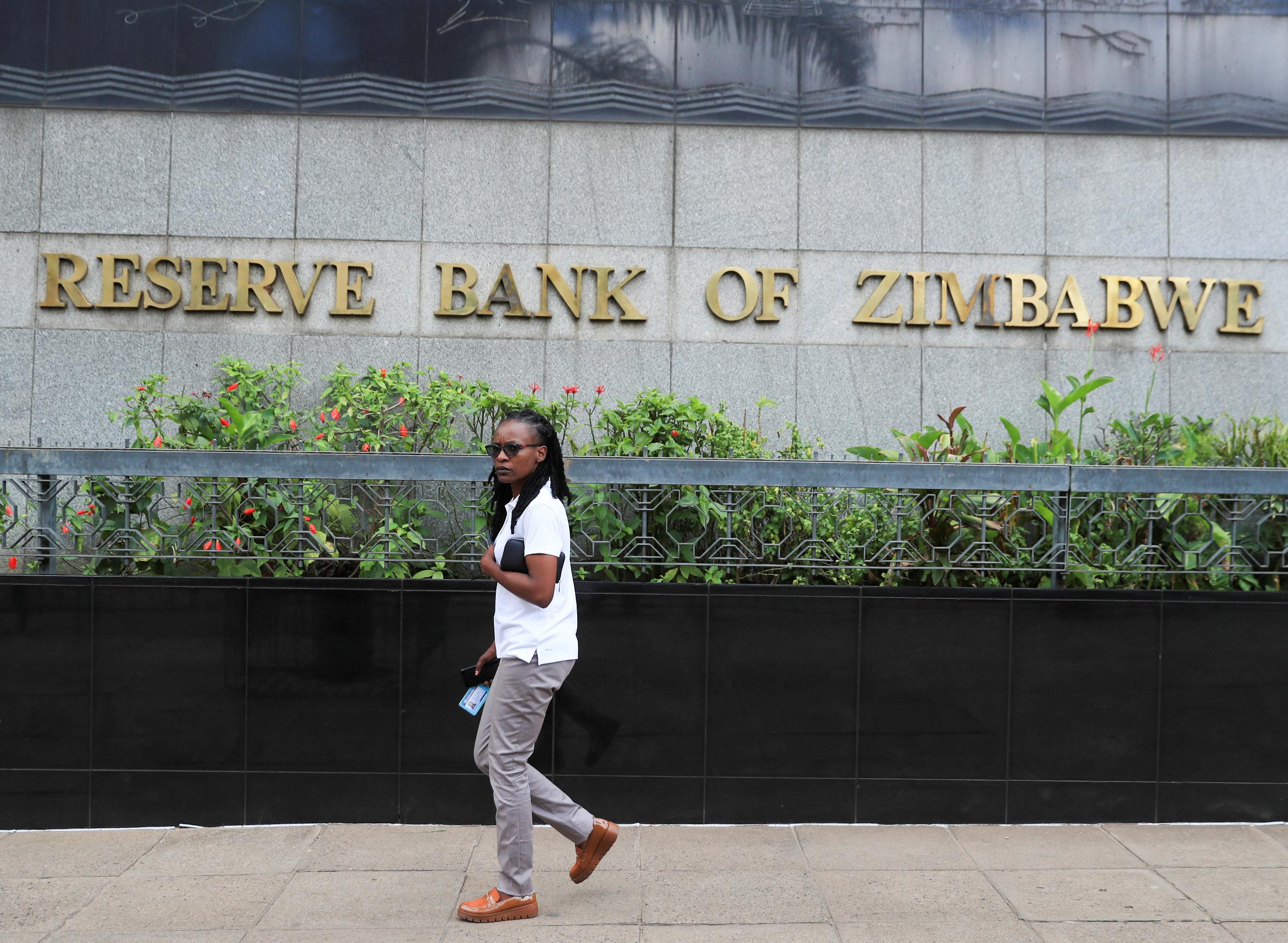
HARARE, April 8 (Reuters) - Zimbabwe's new gold-backed currency started trading on Monday amid doubts that the country's third such re-launch in a decade will have any more success in ending repeated, crippling bouts of high inflation. The Zimbabwe Gold (ZiG) was announced on Friday by the central bank with an initial rate of 13.56 to $1, replacing the Real Time Gross Settlement Dollar (RTGS), which had lost about 80% of its value this year and had been trading at 28,720 to $1 before the change. Bank balances were transferred into the new currency over the weekend while their customers will have 21 days to do so, and the new banknotes will enter circulation at the end of this month, according to the Reserve Bank of Zimbabwe. The RTGS, also known as the Zimdollar , was launched in 2019 after a decade of dollarisation, which included so-called bond coins and bond notes, notionally pegged to the U.S. dollar and introduced in 2014 and 2016 respectively. However, the Zimdollar struggled to gain trust and this year's precipitous slide pushed annual inflation above 55% in March , raising fears of a return to the 2007-2009 era of hyperinflation under former president Robert Mugabe. "There was dire need for drastic change in the Zimbabwean monetary system," Jacques Nel at research firm Oxford Economics said in a note to clients. The central bank statement on Friday correctly identified the most pressing problems, said Nel. "A lack of credibility in both the domestic currency and the framework that governed it - but it is that same lack of credibility that casts doubt over the effectiveness of these new measures," he added. Commercial banks were using the new official exchange rate on Monday, according to Reuters enquiries. It was not immediately clear whether the currency, which the central bank described as "structured" and "anchored by a composite basket of foreign currency and precious metals (mainly gold) held as reserves", would be able to retain this value. Nor was it given that companies and citizens would accept it as a form of payment and a store of value. Some 80% to 85% of transactions are currently carried out in foreign currencies, according to the central bank. "Zimbabwe has an insufficient $285 million of hard currency and gold reserves," Hasnain Malaik of research firm Tellimer said in a note. "To fix the economy, Zimbabwe needs to address these root causes of its problems." These problems include central bank funding of government, unsustainable fiscal deficits, debt arrears and Western sanctions, and Malaik said it was not clear whether any would be addressed under the current ruling ZANU-PF party. Keep up with the latest medical breakthroughs and healthcare trends with the Reuters Health Rounds newsletter. Sign up here. https://www.reuters.com/markets/currencies/zimbabwes-new-zig-currency-starts-trading-credibility-doubts-linger-2024-04-08/