2024-04-08 11:32
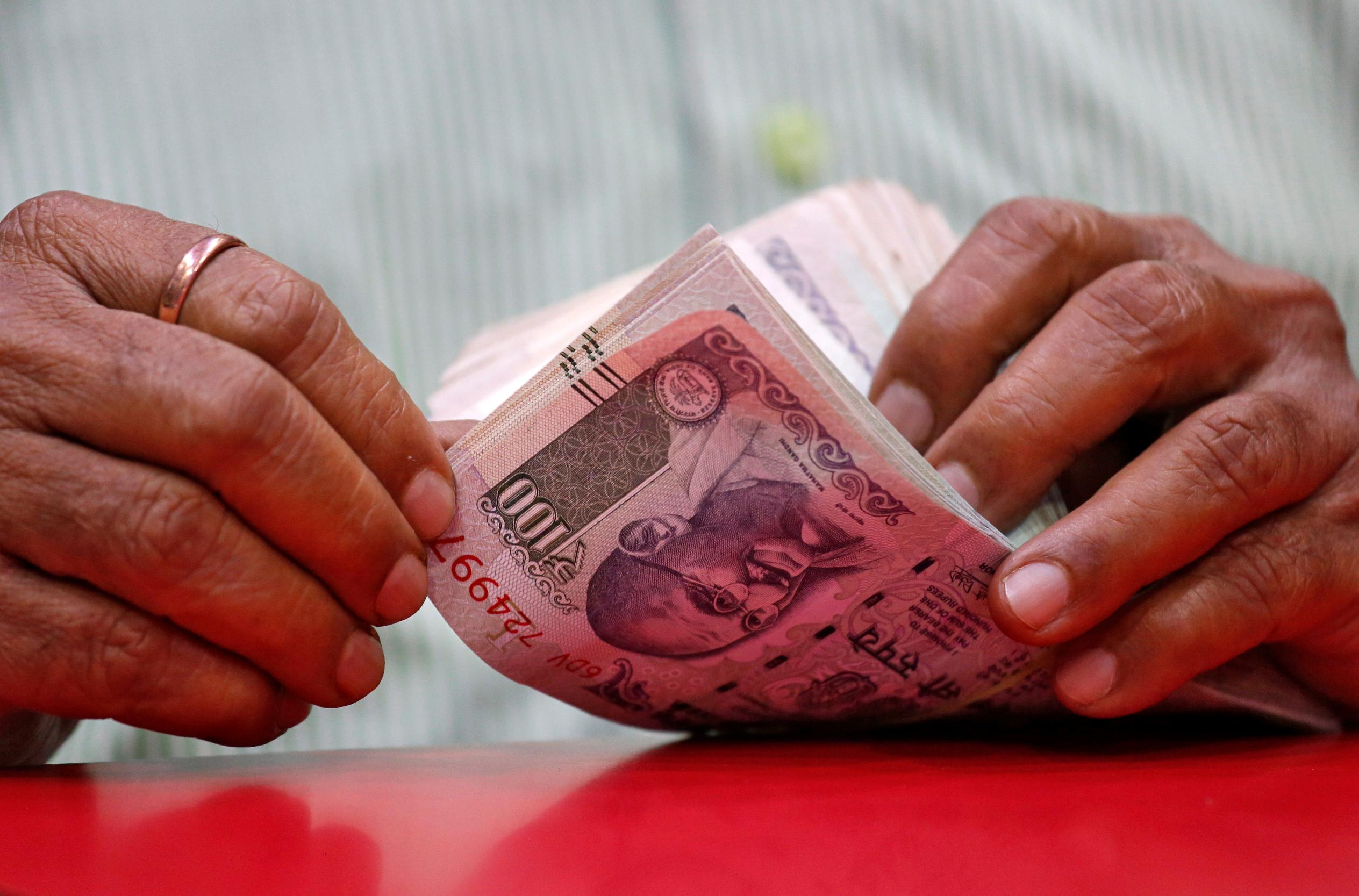
MUMBAI, April 8 (Reuters) - The Indian rupee closed marginally weaker on Monday as dollar demand from state-run banks, likely on behalf of importer clients, eroded early gains in the local unit. The rupee ended at 83.3150 against the dollar, slightly weaker from its close at 83.2950 on Friday. The dollar index inched higher to 103.4 while most Asian currencies slipped. U.S. bond yields extended gains on Monday, boosted by a pullback in expectations of a June rate cut after data showed that the U.S. economy created more jobs than expected in March. The 10-year yield rose to a peak of 4.45%, its highest since late-November, while the 2-year yield climbed to 4.78%. Odds of the Federal Reserve keeping rates unchanged in June have risen to about 52% from 42% a week earlier, according to CME's FedWatch tool. While the rupee rose to an intraday high of 83.23, dollar bids from state-run banks ate into those gains, a foreign exchange trader at a private bank said. Meanwhile, dollar-rupee forward premiums slipped, with the 1-year implied yield down 2 basis points at 1.65%, pressured by higher U.S. yields. "Relatively small appreciation could be on the cards for the rupee this week," Dilip Parmar, a foreign exchange research analyst at HDFC Securities said. Crude oil prices and consumer inflation data due in the U.S. and India this week will be key to watch this week, Parmar added. The U.S. will report consumer inflation data on Wednesday, while India's inflation print is due on Friday. India's rupee and bond markets will be closed on Tuesday. Brent crude futures fell 0.6% to $90.58 per barrel, on easing geopolitical tensions in the Middle East. Keep up with the latest medical breakthroughs and healthcare trends with the Reuters Health Rounds newsletter. Sign up here. https://www.reuters.com/markets/currencies/rupee-ends-slightly-lower-pressured-by-state-run-banks-dollar-demand-2024-04-08/
2024-04-08 11:00
MOSCOW, April 8 (Reuters) - Russia has asked Kazakhstan to stand ready to supply it with 100,000 tons of gasoline in case of shortages exacerbated by Ukrainian drone attacks and outages, three industry sources told Reuters. One of the sources said a deal on using reserves for Russia has already been agreed. Russian and Kazakhstan's energy ministries did not immediately reply to requests for comments. Neighbouring Belarus has already agreed to help Russia with gasoline supply. Drone attacks had knocked out some 14% of Russian primary oil refining capacity as of end-March. So far authorities have said the situation on domestic fuel markets is stable and stockpiles large enough. Russia is usually a net exporter of fuel and a supplier to international markets but the refinery disruptions have forced its oil companies to import. The sources said Moscow asked Kazakhstan to set up an emergency reserve of 100,000 metric tons of gasoline ready to supply to Russia. Moscow imposed a gasoline export ban for six months from March 1 to prevent acute fuel shortages, although it does not apply to the Moscow-led Eurasian economic union, including Kazakhstan, as well as some countries, such as Mongolia, with which it has inter-government deals on fuel supplies. However, traders said the ban could be widened if the situation in Russia worsens. Last week, the Orsk oil refinery in the Urals halted production due to widespread floods, which also affected Kazakhstan. Kazakhstan, the world's largest land-locked country, has also restricted fuel exports until the end of the year, apart from for humanitarian purposes. According to the sources, Kazakhstan's reserves of Ai-92 gasoline stood at 307,700 tons as of April 5 and Ai-95 gasoline stockpiles at 58,000 tons. Diesel reserves were 435,300 tons and jet fuel inventories totalled 101,000 tons. The Reuters Power Up newsletter provides everything you need to know about the global energy industry. Sign up here. https://www.reuters.com/business/energy/russia-seeks-gasoline-kazakhstan-case-shortages-sources-say-2024-04-08/

2024-04-08 10:57
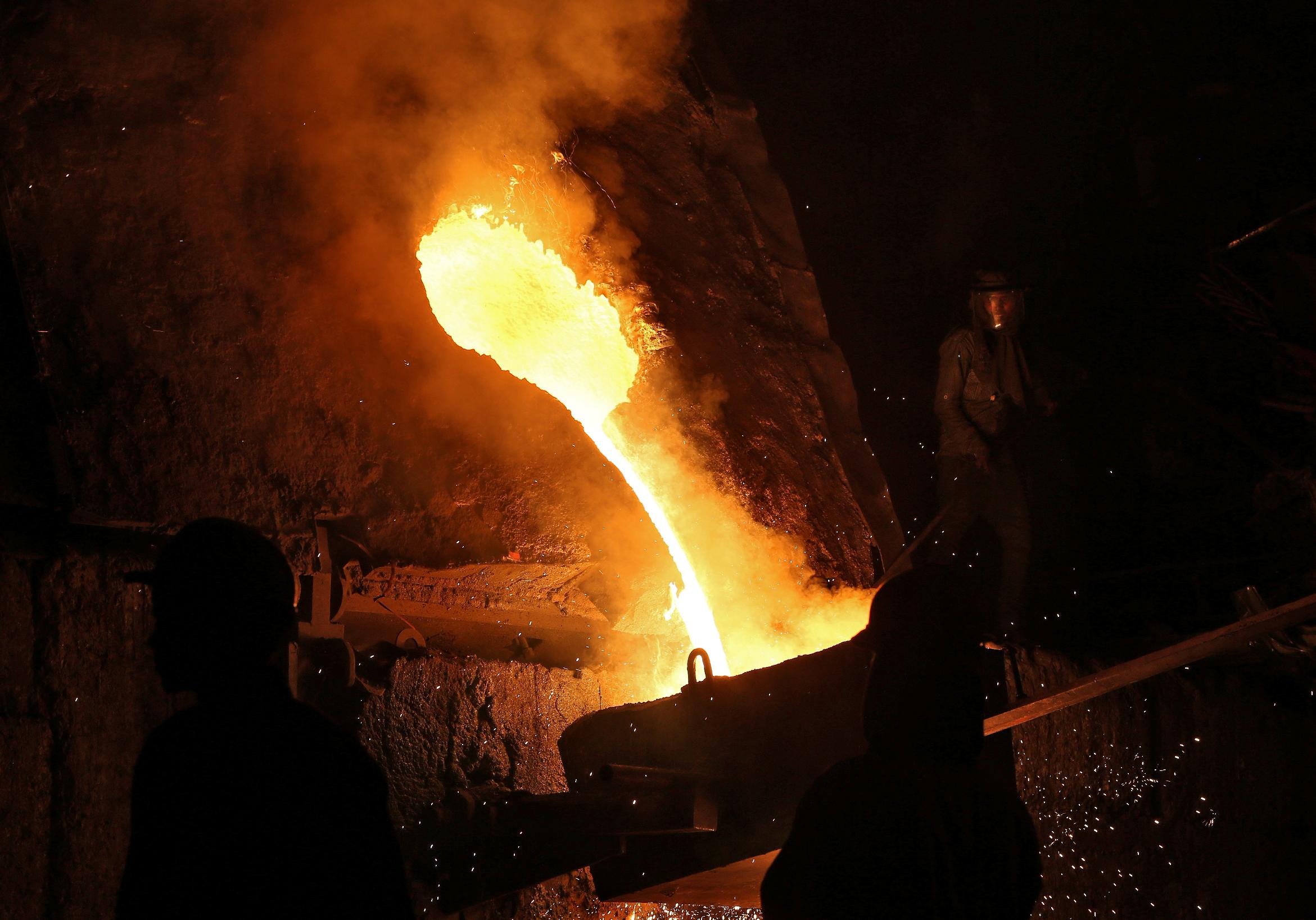
NEW DELHI, April 8 (Reuters) - India was a net importer of finished steel during the 2023/24 financial year that ended on March 31, according to provisional government data seen by Reuters on Monday. The country imported 8.3 million metric tons of finished steel between April and March, up 38.1% from a year earlier, the data showed. India's steel mills have called for government interventions and safeguard measures against surging imports. However, the federal Ministry of Steel has resisted calls for curbs, citing strong local demand. The world's second-biggest crude steel producer remains a bright spot globally with robust demand from its construction and automotive sectors. Steel consumption in India jumped 13.4% to 136 million metric tons during the period, reflecting buoyant demand for the alloy in one of the world's fastest-growing economies. India's steel demand is likely to stay strong as the government expects economic growth will outpace the global economy in the next fiscal year. During 2023/24, India's finished steel exports were at 7.5 million metric tons during 2023/24, up 11.5% on year. Crude steel output stood at 143.6 million metric tons, up 12.9% from a year earlier, data showed. Finished steel output during 2023/24 was 138.5 million metric tons, up 12.4% on year, data showed. Get a look at the day ahead in U.S. and global markets with the Morning Bid U.S. newsletter. Sign up here. https://www.reuters.com/markets/commodities/india-turns-net-importer-finished-steel-202324-data-shows-2024-04-08/
2024-04-08 10:31
BEIJING, April 8 (Reuters) - China's top coal-producing province of Shanxi plans to reduce output for the first time in seven years, a local government work plan shows, after closures linked to a series of fatal mining accidents and as weak demand led to a fall in prices. Shanxi's coal output will reach 1.3 billion metric tons in 2024, according to a Sunday post on the provincial government's WeChat account. That would be down 4% from last year's 1.36 billion tons. Shanxi, which mined 29% of China's coal last year, will voluntarily reduce output for the first time, according to a report in state-run media outlet Xinhua. "China's energy-rich provinces are experiencing a profound transformation in their industrial structure and energy mix as they strive for high-quality growth," Xinhua said. China's coal market is largely oversupplied in part because weakness in the property sector has reduced demand for coal in steel and cement manufacture. Mining accidents, meanwhile, shut down some production in the first quarter, although that output was in part restored by late March. Shanxi's work plan called for stable production, including maintaining operations during holidays and major events and avoiding widespread mine shutdowns after accidents. As a result of the disruption, Inner Mongolia overtook Shanxi to become China's top coal producing province. Inner Mongolia's production was up 1.7% year-on-year, while Shanxi's fell 18.1%, dragging overall production down by 4.2%, statistics bureau data showed. In February, coal miners in Shanxi were asked to reduce output and carry out safety checks from March to May. An industry group has forecast China's overall coal output will be about 1% higher in 2024, just topping last year's record high of 4.66 billion tons. Get a look at the day ahead in U.S. and global markets with the Morning Bid U.S. newsletter. Sign up here. https://www.reuters.com/markets/commodities/chinas-top-coal-province-shanxi-cut-output-first-time-seven-years-2024-04-08/

2024-04-08 10:29
April 8 (Reuters) - Slovakia's government will tax sweetened soft drinks and raise taxes on tobacco-related products as part of a 1.4 billion euro ($1.52 billion) budget consolidation package for 2025, Prime Minister Robert Fico said on Monday. The central European state faces the euro zone's biggest budget deficit, forecast at over 6% of GDP in 2024, as spending has jumped amid energy price rises and higher pension obligations. The plans indicate a possible acceleration of deficit reduction by Fico's leftist-nationalist government, which took power late last year vowing a gradual process to protect the economy and the living standards of the 5.4 million population. Finance Minister Ladislav Kamencky said the deficit would be lowered to below 3% of GDP, the ceiling set in European Union rules, with next year's tax increases and spending cuts worth 1% of GDP - higher than previously mooted plans for 0.5% per year. Further savings and income rises aimed at 2026 are worth 1.5 billion euros, he said. The taxes on sweetened drinks and tobacco-related products will be worth around 100 million euros next year and 243 million euros in 2026, just a small portion of the necessary amount. Fico also said the ruling coalition would discuss job cuts in the state sector as part of its plans, but added he was against raising the high-yielding value-added-tax. Slovakia has faced pressure to begin putting debt levels on a downward path. The International Monetary Fund has forecast government debt will grow to 59.3% of gross domestic product in 2024, from an estimated 57.9% last year, before climbing past 60% in the coming years. In early December, Fitch ratings agency cut Slovakia's debt rating by one notch to 'A-' with a stable outlook, citing deteriorating public finances and an unclear consolidation path. ($1 = 0.9238 euros) Get a look at the day ahead in European and global markets with the Morning Bid Europe newsletter. Sign up here. https://www.reuters.com/markets/europe/slovak-government-plans-soft-drinks-tax-part-eur-14-bln-deficit-reduction-2024-04-08/
2024-04-08 10:26
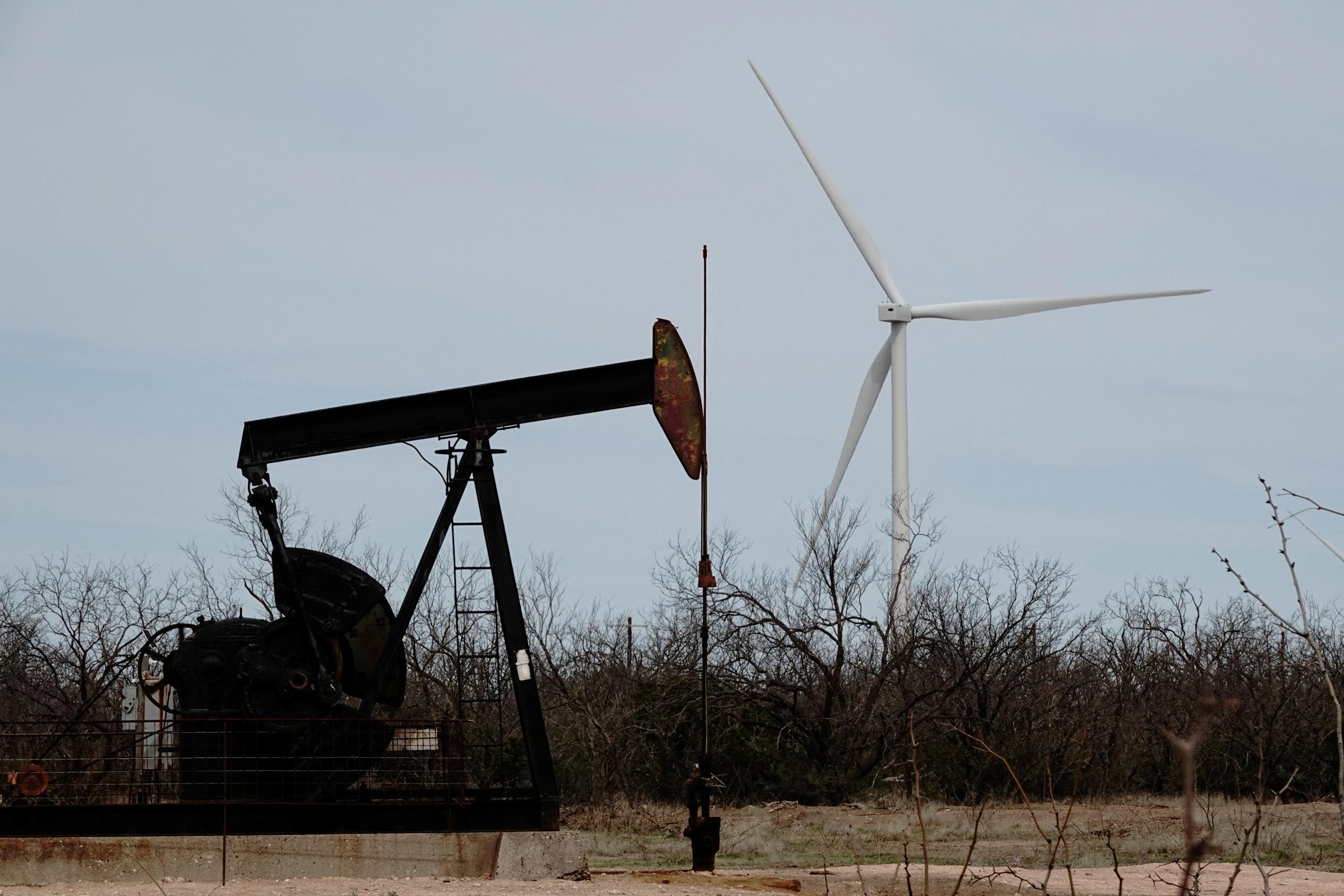
April 8 (Reuters) - U.S. crude oil prices last week climbed to their highest this year, but a weak natural gas market, steeper costs and a focus on shareholder returns over new production are keeping shale drillers from big output increases in the world's top oil and gas producer. The global Brent oil benchmark last week was trading above $91 a barrel, while in the U.S., West Texas Intermediate (WTI) futures were over $86 a barrel, their highest since October. The price gains reflect supply risks from attacks on Russian oil infrastructure and global shipping, as well as ongoing output cuts by the Organization of the Petroleum Exporting Countries and allies (OPEC+). Bank of America in early April increased its 2024 Brent and WTI price outlook to $86 and $81 per barrel, respectively, and said both were likely to peak around $95 a barrel this summer. Those higher prices so far have not been enough to entice U.S. drillers to boost production, operators and service firm executives said, as many are grappling with a steep decline in the value of gas produced alongside their oil. In Texas, Louisiana and New Mexico, producers were already cutting output in the first quarter as costs climbed. The breakeven price to drill a new well in the Permian, the top U.S. shale field, rose $4 per barrel in the last year, according to a survey by Federal Reserve Bank of Dallas. Now, low gas prices are creating new challenges. Henry Hub futures , the benchmark for U.S. gas, are trading below $1.80 per million British thermal unit (mmBtu), and earlier this year dropped to a 3-1/2-year low on warm weather and oversupply. "We need gas prices to get to $2.50 for an overall increase in activity. The Permian customers that have associated gas are seeing awful differentials," said Mark Marmo, CEO of oilfield firm Deep Well Services. In West Texas producers are paying to have shippers to take their gas. Prices at the region's Waha hub have been below zero in several trade sessions since March, a sign that supply is sharply outpacing demand and pipeline capacity. Producers can respond by reducing their output or pay to keep pulling gas out of the ground. "Constrained gas pipeline and gas processing plant capacity has acted as a choke point on oil production in parts the Permian Basin," said Tim Roberson, president of Permian producer Texas Standard Oil. "If oil prices are high enough, the gas price becomes less of a consideration in the overall drilling economics," he added. RIGS PLATEAU U.S. oil production is expected to grow by 260,000 barrels per day (bpd) this year, to a record 13.19 million bpd, but far behind the over 1 million bpd of growth it saw between 2022 and 2023, according to the U.S. Energy Information Administration. U.S. shale production has persistently exceeded recent estimates, but market analysts have not been tempted to raise their growth forecasts in response to higher prices. Energy tech firm Enverus, this week said it sees U.S. production rising 255,000 bpd this year. "Rig activity levels continue to plateau suggesting that these price levels have not generated an activity response," said Alex Ljubojevic, an analyst with Enverus. The U.S. oil drilling rig count last week was at 508, down 82 from year-ago levels, while the number of active gas rigs was at 110, its lowest since January 2022, according to data from Baker Hughes. Less access to financing and investor pressures to deliver higher returns also are restraining oil production expansions, said Brad James, CEO of contract driller Enterprise Offshore Drilling. Potential fees on producers for methane releases above certain thresholds are being watched closely by producers as another cost. The fees would start this year at $900 per metric ton and rise to $1,500 per ton in 2026. "The methane detection enforcement procedures for small producers is a looming crisis," one energy executive told a Dallas Fed survey last month. In all, 80% of the 129 executives surveyed by the Dallas Fed said the methane fee was slightly or significantly negative to their business. "Access to capital is limited because of ESG (environmental, social and governance), politics, energy transition, bias against fossil fuels," James added. "The result of diminished access to capital is that our clients exhibit much more capital discipline than they did in years past." The Reuters Power Up newsletter provides everything you need to know about the global energy industry. Sign up here. https://www.reuters.com/business/energy/despite-90-crude-us-oil-output-capped-by-weak-natgas-prices-2024-04-08/