2024-04-05 05:08
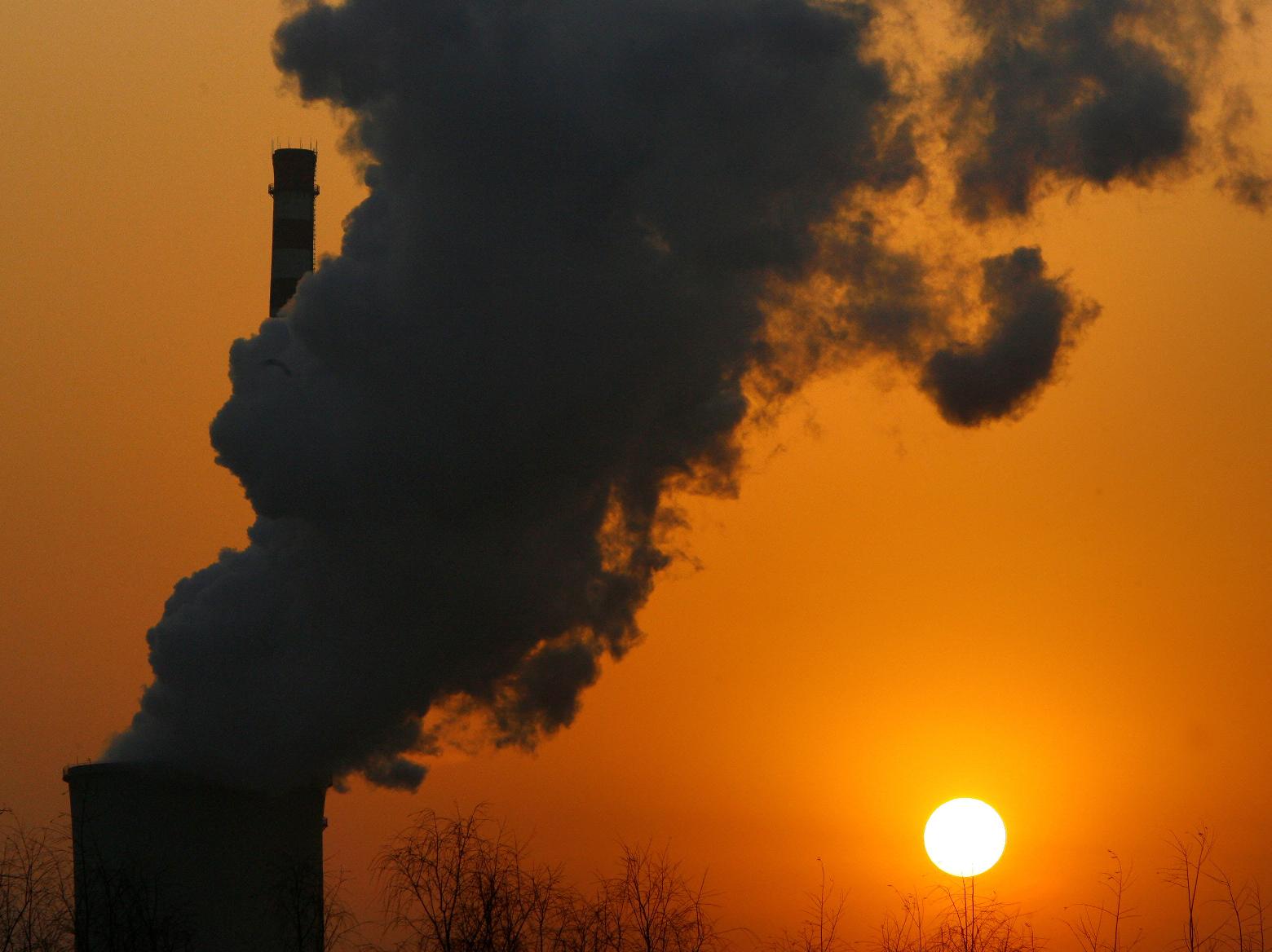
Regulators pushing to grow, standardise market Market leader Puro sees 400,000 credits certified in 2024 Finance, aviation seen buyers as market broadens SAN FRANCISCO/LONDON, April 5 (Reuters) - Demand for credits reflecting the engineered removal of carbon dioxide from the atmosphere is expected by some to surge as market-friendly incentives lure buyers from sectors as diverse as technology and finance, chemicals and aviation. Many scientists believe extracting billions of tons of carbon dioxide (CO2) from the atmosphere annually, by using nature or technology, is the only way to meet goals set under the U.N. Paris climate agreement to curb climate change, as efforts to cut emissions are not happening fast enough. To meet this challenge small startups are in the nascent stages of deploying new technologies to suck up the planet-warming gas and generate tradable carbon removal credits that companies can buy to offset their emissions. So far, widespread use is years away and costs are much higher compared to more traditional ways to generate credits, such as through projects that preserve forests or fund renewable power projects. Despite sceptics' arguments that carbon removal could encourage firms to keep polluting and is unlikely to reach huge scale quickly, the U.S. Inflation Reduction Act seeks to financially turbo-charge the market through tax incentives, helping to draw in buyers from a range of sectors. The European Commission has also proposed a framework to certify carbon removals generated in Europe. Around 4.6 million tons of credits from a range of engineered removal projects were purchased in 2023, data from industry tracker CDR.fyi showed, of which around 118,000 tons were delivered, backstopped by confirmation from external certification companies that the carbon had been removed. So far, a small group of firms are creating standards to assess the credits. The firms, including market leader Puro.earth owned by Nasdaq and Isometric hope to give buyers more confidence to invest. "We need trustworthy monitoring, reporting, and verification systems that generate high-quality carbon removal credits... This is how we unlock private investment for speed and scale," said Anu Khan, a carbon removal expert at Washington-based non-profit Carbon180. The bulk of the delivered credits in 2023, around 93%, were for biochar, CDR.fyi said, a scientifically simpler process of locking carbon emissions away by turning agricultural waste into charcoal, with most of the certifications provided by Puro. Puro now plans to set standards around more exotic engineered technologies, such as 'advanced weathering' of rocks to help them absorb carbon and the use of chemicals to suck carbon out of ambient air. Isometric, meanwhile, has done the same for 'bio-oil', which turns waste into a liquid that can be injected into the ground. All in, Puro , opens new tab currently accounts for around 80% of the certified engineered removal credits. Retirements, where a credit is officially recorded as being used to offset a company's emissions, almost doubled in 2023 to 65,026 tons. Puro expects its certifications will hit 400,000 this year, CEO Antti Vihavainen said. "We are going to see, you know, 100% or nearly 100% compound average growth rates during the next three years," he said. Among companies to retire credits in 2023 include German chemical company Bayer (BAYGn.DE) , opens new tab, Finnish airports operator Finavia, Microsoft (MSFT.O) , opens new tab, Swedish telecom Telia (TELIA.ST) , opens new tab and U.S. lender JPMorgan (JPM.N) , opens new tab, the Puro data showed. HIGH COST While large technology companies have paid a thousand dollars or more a ton to help grow the market, including for the more nascent technology of 'direct air capture' (DAC), that remains too high for many buyers. Biochar credits are cheaper, at around $140 a ton, while bio-oil credits can cost around $600 a ton. All are more expensive than traditional carbon offsets which represent avoided emissions from projects such as renewable energy and can cost less than $10 a ton. Some see regulatory involvement as a sign the market for carbon removal credits is viable. "Given the structure of IRA and other regulatory proposals that are on the table, it's a good indication that there's going to be investment in carbon removal... which should help support the demand these companies need to grow," said Taylor Wright, who heads up the carbon management team at JPMorgan Chase (JPM.N) , opens new tab, which has bought Puro-certified credits. Peter Reinhardt, the CEO at Charm Industrial, which turns agricultural waste into bio-oil, said he had also seen more buyers join in. "It definitely started in tech and then kind of moved into finance... We see a little bit of broadening into air travel and a few other industries," said Reinhardt, who is working with Isometric. Germany-listed airline Lufthansa (LHAG.DE) , opens new tab, for example, last month said it has entered a long-term strategic partnership with direct air capture project developer Climeworks but did not give details on the value of the deal. Bill Goldie, senior carbon adviser at environmental markets group Redshaw Advisors, said airlines would only likely remain a small market for engineered removals for now. "Typically, for compliance markets, large emitters are looking to comply at the cheapest cost so it's unlikely airlines would seek to use engineered removals to meet all of their requirements," he said. The Reuters Daily Briefing newsletter provides all the news you need to start your day. Sign up here. https://www.reuters.com/sustainability/climate-energy/policy-push-carbon-removal-credits-lures-finance-aviation-2024-04-05/
2024-04-05 04:30
A look at the day ahead in European and global markets from Rae Wee European stocks are in for a rocky start on Friday with futures pointing to the sharpest daily percentage fall in months, rattled by escalating tensions in the Middle East. Israeli Prime Minister Benjamin Netanyahu's comments that the country would harm "whoever harms us or plans to harm us" stoked fears of a wider war. Israel is bracing for the possibility of a retaliatory attack for Monday's presumed Israeli air strike on Iran's embassy. That took the shine off Wall Street's stellar run in a late fall on Thursday, which left Asian shares a sea of red and sent oil prices jumping. Europe's unlikely to be spared too, with the EURO STOXX 50 index futures already down more than 1.5% - a large move for Asian time. Britain's FTSE futures likewise fell more than 1.4%. The risk of a prolonged Israel-Hamas war - once overshadowed by the global rate cut cheer - has come back to the fore. That's proving to be a wild card for central bankers just as markets reassess their expectations of Federal Reserve rate cuts this year. Minneapolis Fed President Neel Kashkari, a known hawk, went as far as to say that rate cuts may not even be needed at all this year if the progress on inflation continues to stall. Brent futures above $90 a barrel probably aren't helping the case for easing either. All this comes ahead of a key U.S. jobs report due later on Friday that could make or break the case for a first Fed rate cut in June, which seems to have turned into a cat-and-mouse game. Surprise growth in U.S. manufacturing at the start of the week helped propel the dollar to an over four-month high as traders pared bets of an imminent Fed easing cycle, only to backtrack after a downbeat U.S. services sector survey released days later. Expectations for Friday's data are for nonfarm payrolls to have increased 200,000 jobs in March, along with tentative signs that labour market conditions in the world's largest economy are easing, albeit at a moderate pace. Key developments that could influence markets on Friday: - Euro zone retail sales (February) - Germany import prices (February) - Reopening of 1-month, 3-month and 6-month UK government debt auctions - U.S. nonfarm payrolls (March) Get a look at the day ahead in European and global markets with the Morning Bid Europe newsletter. Sign up here. https://www.reuters.com/markets/europe/global-markets-view-europe-2024-04-05/

2024-04-05 04:25
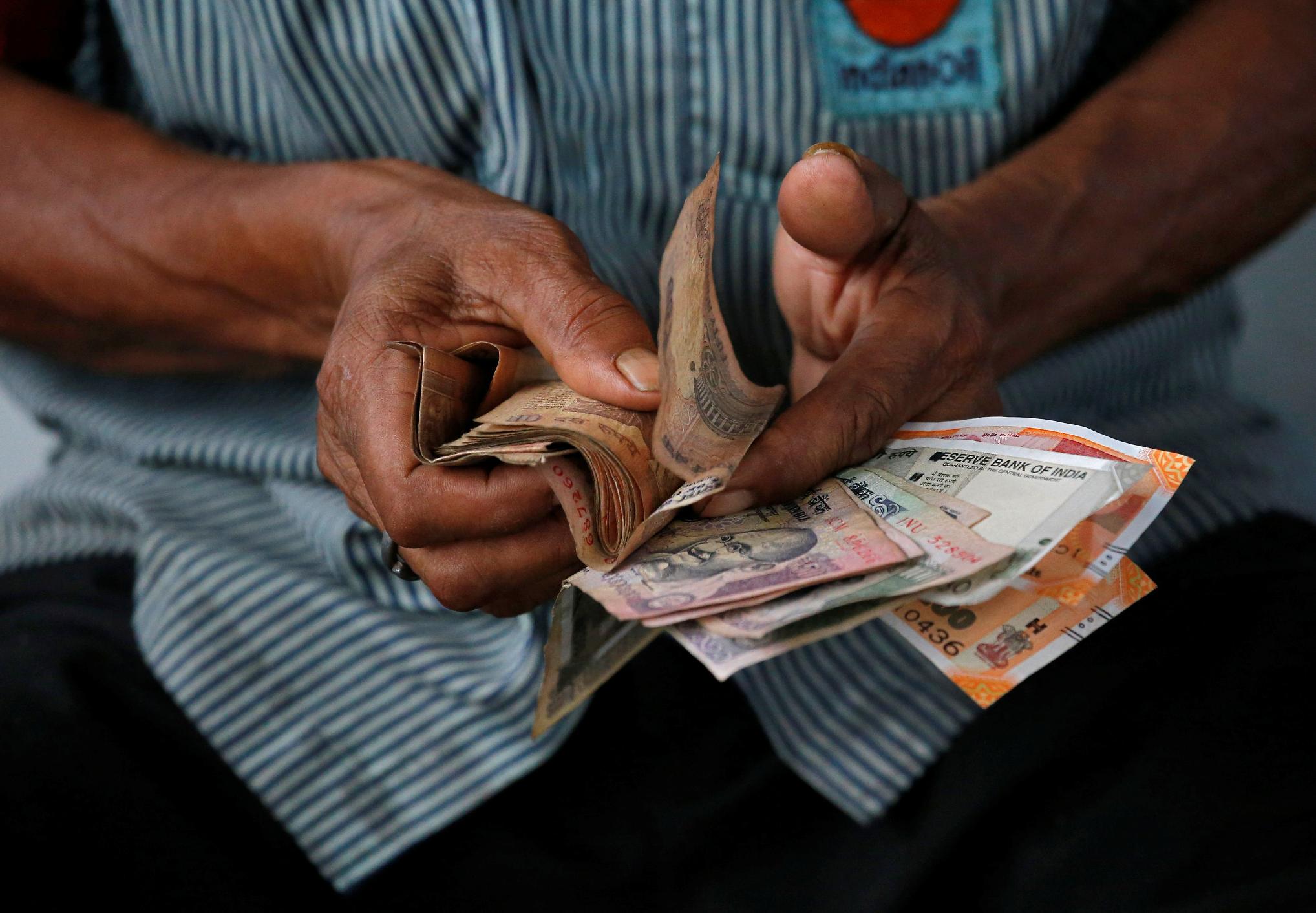
MUMBAI, April 5 (Reuters) - The Indian rupee was little changed on Friday amid expectations that the country's central bank will intervene, which countered weak risk appetite, a stronger U.S. dollar and rising oil prices. The rupee was at 83.4150 to the dollar at 9.52 a.m. IST compared with its previous close of 83.4375 and the 83.4550 record low hit on Thursday. Asian currencies and equities were down, while Brent crude futures settled at its highest levels since October. That the rupee "is holding" in the face of these factors is "obviously down to the belief" that the Reserve Bank of India (RBI) will yet again intervene, a trader at a bank said. The RBI had sold dollars when the rupee dipped to a record low on Thursday. Asian currencies struggled on Friday and risk assets retreated amid hawkish comments from Federal Reserve officials and mounting tensions in the Middle East. Some Fed officials have adopted a more cautious tone on rate cuts this year in light of a resilient U.S. economy. Minneapolis Fed President Neel Kashkari said inflation continues to stall, no cuts may be required at all this year. Fed funds futures have prices in 75 basis points of rate cuts this year with a first cut expected in June. Focus turns to the RBI's monetary policy decision at 10:00 a.m. IST and the U.S. monthly jobs report due later in the day. "Arguably (payrolls) is the most influential number for markets. It sets the tone not just for Friday, but for the month ahead," ING Bank said in a note. Keep up with the latest medical breakthroughs and healthcare trends with the Reuters Health Rounds newsletter. Sign up here. https://www.reuters.com/markets/currencies/rupee-avoids-record-low-despite-slew-negative-cues-2024-04-05/
2024-04-05 04:22
SINGAPORE, April 5 (Reuters) - Japan's Mitsui O.S.K. Lines Ltd (9104.T) , opens new tab (MOL) has started commercial operations of its floating storage and regasification unit (FSRU) to supply liquefied natural gas to a power plant in West Java, Indonesia, the company said on Friday. This project is Asia's first gas-to-power project using an FSRU, MOL said. The operations of the FSRU, called Jawa Satu, began on March 29. MOL owns Jawa Satu, through PT Jawa Satu Regas, jointly established by PT Pertamina (Persero), Marubeni Corporation (8002.T) , opens new tab, Sojitz Corporation (2768.T) , opens new tab and other partners. With a storage capacity of 170,000 cubic meters and a regasification capacity of 300 million standard cubic feet per day (MMcsfd), Jawa Satu will receive LNG for power generation from LNG carriers via ship-to-ship transfer before supplying it to the Jawa 1 power plant. The plant, which also began operations on March 29 by PT Jawa Satu Power, has a generating capacity of 1,760 megawatts and is located in Cilamaya, West Java, the company added. It is also jointly owned by Pertamina, Marubeni and Sojitz. Electricity generated by the power plant will be supplied to Indonesian state-owned electricity company PT PLN (Persero) for 25 years. The Reuters Power Up newsletter provides everything you need to know about the global energy industry. Sign up here. https://www.reuters.com/business/energy/japans-mitsui-osk-starts-fsru-operations-indonesian-gas-fired-power-plant-2024-04-05/

2024-04-05 02:40
MUMBAI, April 5 (Reuters) - The Indian rupee is likely to kick off Friday's session near its all-time low as crude oil prices extended their rise on heightened geopolitical tensions and potential supply risks. Non-deliverable forwards indicate the rupee will open at around 83.45-83.46 to the U.S. dollar compared with its close of 83.4375 in the previous session. The rupee hit a record low of 83.4550 on Thursday. Brent crude oil futures rose above $90 per barrel for the first time since October on Thursday and were last up 0.4% at $90.98 following reports of growing tensions between Israel and Iran. Geopolitical tensions have spurred some risk-off sentiment globally which may hurt the rupee, a foreign exchange trader at a private bank said. The dollar index was slightly higher at 104.32 and Asian currencies declined, with the Korean won down 0.4% and leading losses. The rupee may fall below the 83.50 mark today "if the RBI doesn't intervene or if it does mild intervention as it has been over the last few days," the trader added. Investors will also be keeping an eye on the Reserve Bank of India's (RBI) monetary policy decision due at 10:00 a.m. IST on Friday. The central bank is widely expected to keep rates unchanged, for a seventh consecutive meeting, according to a Reuters poll of economists. "We maintain our call for the (RBI) rate cut cycle to start at the tail end of 2024, with a cautious central bank's tone to be rupee-supportive in the near term," DBS Bank said in a note. Meanwhile, U.S. Federal Reserve officials struck a cautious tone on Thursday, with Minneapolis Fed President Neel Kashkari stating that if inflation continues to stall, no rate cuts may be required this year. KEY INDICATORS: ** One-month non-deliverable rupee forward at 83.54; onshore one-month forward premium at 7.75 paisa ** Dollar index at 104.3 ** Brent crude futures up 0.4% at $9.98 per barrel ** Ten-year U.S. note yield at 4.31% ** As per NSDL data, foreign investors sold a net $150.4 million worth of Indian shares on April 3 ** NSDL data shows foreign investors sold a net $438 million worth of Indian bonds on April 3 Keep up with the latest medical breakthroughs and healthcare trends with the Reuters Health Rounds newsletter. Sign up here. https://www.reuters.com/markets/currencies/rupee-set-open-near-record-low-oil-prices-climb-rbi-decision-awaited-2024-04-05/
2024-04-05 00:23
Oil prices jump amid geopolitical tensions Levi Strauss gains after co raises FY profit forecast Weekly jobless claims increase more than expected Indexes: Dow down 1.4%; S&P 500 down 1.2%, Nasdaq down 1.4% NEW YORK, April 4 (Reuters) - The three major U.S. stock indexes fell more than 1% each and the S&P 500 had its biggest daily percentage drop since Feb. 13 on Thursday as Federal Reserve officials took a cautious approach in comments on the outlook for interest rate cuts, and investors braced for Friday's U.S. monthly jobs report. Investors also digested comments from U.S. President Joe Biden, who called for an immediate ceasefire in a call with Israel Prime Minister Benjamin Netanyahu over the Gaza war. Oil prices climbed amid the geopolitical tensions. All of the major S&P 500 sectors fell on the day, led by a 1.7% drop in technology (.SPLRCT) , opens new tab, while defense-related shares like Lockheed Martin (LMT.N) , opens new tab gained. Among the comments by Fed officials, Minneapolis Fed Bank President Neel Kashkari said that at the U.S. central bank's meeting last month he penciled in two rate cuts this year but that if inflation continues to stall, none may be required this year. Earlier on Thursday, Richmond Fed President Thomas Barkin said the U.S. central bank has "time for the clouds to clear" on inflation before starting to cut rates. On Wednesday, Fed officials including U.S. central bank chief Jerome Powell stuck with a cautious rate-cut strategy. "It's a very careful, measured approach," said Paul Nolte, senior wealth adviser and market strategist for Murphy & Sylvest in Elmhurst, Illinois. In addition, he said, "there's some nervousness coming into that (jobs) report" on Friday. The Cboe Volatility index (.VIX) , opens new tab posted its highest close since Nov. 1. Stocks were higher early in the day following U.S. jobless claims data that helped to underpin rate-cut hopes. The data showed the number of Americans filing new claims for unemployment benefits increased more than expected last week. The Dow Jones Industrial Average (.DJI) , opens new tab fell 530.16 points, or 1.35%, to 38,596.98, the S&P 500 (.SPX) , opens new tab lost 64.28 points, or 1.23%, to 5,147.21 and the Nasdaq Composite (.IXIC) , opens new tab dropped 228.38 points, or 1.4%, to 16,049.08. Friday's jobs data could hold more clues on the labor market and inflation. Economists polled by Reuters expect the nonfarm payrolls for March to fall to 200,000 from 275,000 in February, while the unemployment rate will likely remain steady at 3.9%. Money markets still currently expect a near 60% chance of at least a 25 basis-point rate cut in June, according to the CME Group's FedWatch tool. On the plus side, Levi Strauss (LEVI.N) , opens new tab shares jumped 12.4% after the apparel maker raised its annual profit forecast, citing savings from its recent cost-cutting measures and fewer discounts. Volume on U.S. exchanges was 11.99 billion shares, compared with the 11.73 billion average for the full session over the last 20 trading days. Declining issues outnumbered advancing ones on the NYSE by a 1.76-to-1 ratio; on Nasdaq, a 1.69-to-1 ratio favored decliners. The S&P 500 posted 55 new 52-week highs and 6 new lows; the Nasdaq Composite recorded 108 new highs and 98 new lows. Get a look at the day ahead in U.S. and global markets with the Morning Bid U.S. newsletter. Sign up here. https://www.reuters.com/markets/us/futures-drift-higher-recent-data-bolsters-rate-cut-hopes-2024-04-04/