2024-04-04 11:38
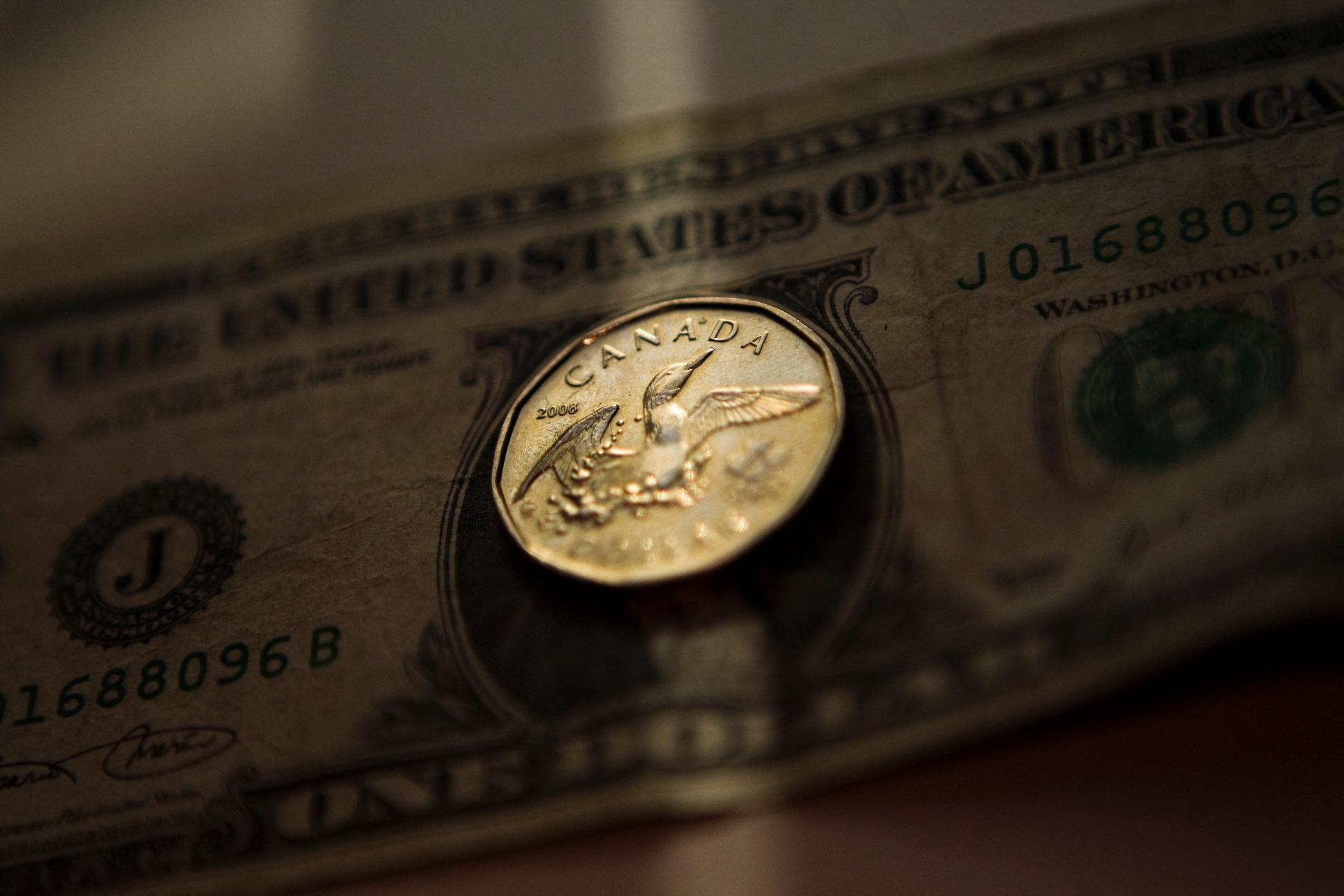
TORONTO, April 4 (Reuters) - The Canadian dollar is set to strengthen less than previously thought over the coming year as sticky inflation potentially delays Federal Reserve interest rate cuts and uncertainty grows ahead of the U.S. presidential election, a Reuters poll found. According to the median forecast in the March 28-April 3 poll of more than 40 foreign exchange analysts, the loonie will strengthen 0.9% to 1.34 per U.S. dollar, or 74.63 U.S. cents. That would match the forecast in last month's poll, but the currency was then predicted to advance to 1.31 in a year, stopping short of the 1.30 forecast one month ago. "There's still some risk here that we see U.S. inflation not co-operate and the (U.S.) dollar could be a little stronger into mid-year," said Erik Nelson, a macro strategist at Wells Fargo Securities in London. Fed Chair Jerome Powell reiterated on Wednesday the U.S. central bank has time to deliberate over its first rate cut given the strength of the economy and recent high inflation readings. U.S. President Joe Biden faces former President Donald Trump in the November presidential election. Trump has vowed to increase tariffs on Chinese imports, potentially triggering a new trade war. "Trade is an important thing on everyone's mind and if we do see former President Trump re-elected, the focus will likely be on the trade measures he could enact," Nelson said. Canada is a major producer of commodities, including oil, so its economy is particularly dependent on trade, particularly with the United States where it sends 75% of its exports. RBC Capital Markets' Chief Technical Strategist George Davis also expects the U.S. dollar to remain strong, at least through the second quarter. "Soggy domestic growth is expected to define economic activity in Canada during this time as elevated interest rates continue to weigh on the highly indebted Canadian consumer," he said. Canadian household debt stands at more than 180% of disposable income compared to about 100% in the United States, OECD data shows, driven by participation in an undersupplied housing market. The Bank of Canada has raised its benchmark interest rate to a 22-year high of 5% to cool inflation. Investors expect the central bank to maintain that setting at a policy decision next Wednesday, but to then begin a rate-cutting campaign in June or July. (For other stories from the April Reuters foreign exchange poll:) (This story has been refiled to specify the time period, in paragraph 2) Keep up with the latest medical breakthroughs and healthcare trends with the Reuters Health Rounds newsletter. Sign up here. https://www.reuters.com/markets/currencies/less-canadian-dollar-upside-seen-us-election-nears-2024-04-04/
2024-04-04 11:08
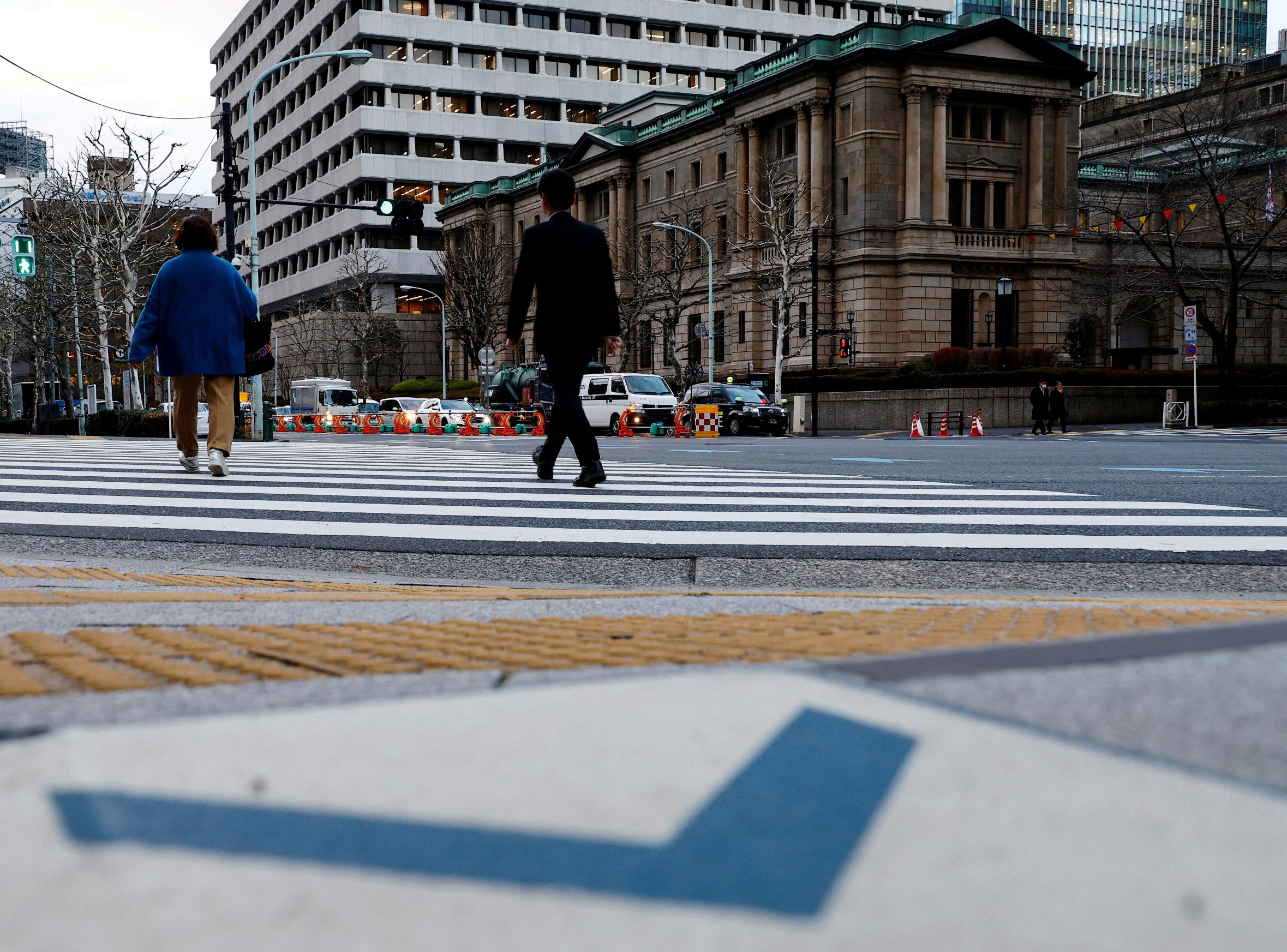
TOKYO, April 4 (Reuters) - Japanese authorities will likely intervene in the currency market if the yen breaks out of a range it has been in for years and falls well below 152 per dollar, former top currency diplomat Tatsuo Yamazaki said on Thursday. Once the dollar climbs above 152 yen, the pair's rise could accelerate and offer an opportunity for authorities to intervene, Yamazaki told Reuters in an interview. "If authorities leave such dollar/yen rises unattended, they would put their credibility at stake," he said. The fact Japanese authorities have described recent yen declines as driven by some "speculative moves" suggest the authorities are seriously contemplating whether to step in or not, said Yamazaki, who oversaw Japan's 35 trillion yen intervention campaign to weaken the currency in 2003 through 2004. Tokyo likely wouldn't face much heat for intervening in the market to prop up the yen as doing so would not put the country's exports at a competitive advantage against that of other countries, he said. The yen has been on a downtrend despite the Bank of Japan's decision last month to end eight years of negative interest rates, as traders interpreted its dovish language as signalling that the next rate hike would still be some time away. Markets remain on alert for the chance of intervention by Tokyo as the dollar hovers near the 34-year high of 151.975 hit on Wednesday of last week. When the dollar hit that high Finance Minister Shunichi Suzuki said authorities were ready to take "decisive steps" to counter speculators in the strongest hint that yen-buying intervention could be imminent. Yamazaki said the BOJ's lack of confidence in the policy outlook, which is reflected in Governor Kazuo Ueda's dovish message, was likely giving speculators an excuse to sell the yen. The BOJ governor should have said more clearly that the bank will raise interest rates at least once more this year, to keep yen bears at bay, Yamazaki said. Keep up with the latest medical breakthroughs and healthcare trends with the Reuters Health Rounds newsletter. Sign up here. https://www.reuters.com/markets/currencies/japan-likely-intervene-if-yen-falls-well-below-152-vs-dlr-says-ex-fx-diplomat-2024-04-04/
2024-04-04 11:03
KHARKIV, Ukraine, April 4 (Reuters) - A Russian drone attack struck residential buildings in the Ukrainian city of Kharkiv and an energy facility in the surrounding region on Thursday, killing four people and severing power for 350,000 residents, officials said. By evening, power supply limitations had been introduced in six Ukrainian regions due to the latest attacks on grid infrastructure and higher electricity consumption, grid operator Ukrenergo said. It described the limitations as "moderate". Ukraine's second-largest city, which lies some 30 km (20 miles) from the Russian border, has been bombed heavily during the 25-month war and been one of the worst afflicted as Russia has renewed its missile and drone attacks on the energy system. Governor Oleh Synehubov said three rescue workers had been killed in a repeat strike after they reached a residential block hit in one attack. Writing on the Telegram messaging app, he said 12 people were injured, with three in serious condition. One of the killed rescuers was a 52-year-old firefighter whose son, also a firefighter, had been putting out a fire several buildings away, Interior Minister Ihor Klymenko said. Realizing his father had been killed, the son, Volodymyr, knelt on the ground and wept as two emergency workers consoled him, video shared by Klymenko showed. Under floodlights in the night, rescuers raced to free a resident trapped under rubble and ladders reached up from fire trucks to shattered apartments at the top of high-rise blocks. "Windows, all of the glass, everything was knocked out. There's nothing left," Zhanetta Kravchenko, a 77-year-old resident, told Reuters. "We are alive, at least, and I'm grateful for that." President Volodymyr Zelenskiy called the attack "despicable and cynical" in a statement on X, repeating his call to Ukraine's allies to supply more air defences. In his nightly video address, Zelenskiy said commanders had discussed defending Kharkiv "specifically in terms of air defence" and added it was a "task for all our diplomats" to persuade Ukraine's partners to provide more effective systems. The president said top commander Oleksandr Syrskyi had reported "on all points where the Russian army had expected to have success". The military, he said, had stabilised the situation despite ammunition shortages and a "significant slowdown in supplies" from Ukraine's allies. AT LEAST 15 DRONES Regional governor Synehubov said Russia used at least 15 drones in the Kharkiv attacks, Synehubov said. The military shot down 11 Shahed drones out of 20 launched at the country overnight, the General Staff said. Broadcaster Suspilne reported that one of the strikes caused serious damage to apartments on three floors of a 14-storey building. It said emergency crews had been unable to work for at least an hour for fear of further strikes. Residential buildings, stores, a medical facility and cars were damaged in the attack, Kharkiv prosecutors office said. Drones also hit the Zmiivska thermal power plant in the region, Synehubov said, keeping up pressure on an energy system that has come under attack from air strikes in recent weeks. "In Kharkiv and areas of the region, around 350,000 consumers have been disconnected," Ukrenergo said. "Shahed attacks on energy facilities take place almost every day," Volodymyr Kudrytskyi, head of national grid operator Ukrenergo, told a news conference. "The intensity of the attacks has increased." Russian forces also hit a solar power plant in Dnipropetrovsk region, causing a fire which was later put out, the Energy Ministry said. Some limits on energy consumption were put in place in the region in the morning, the officials said. The latter strike likely marked the first targeted attack on a solar power plant by Russian forces, Kudrytskyi said. Russia targeted Ukraine's energy infrastructure with more than 150 missiles and over 240 Shahed drones between March 22-29 of this year, according to a statement from parliament's committee on energy, housing and utilities services. These attacks damaged or destroyed at least eight power plants and several dozen substations, cutting off over 2 million citizens from electricity, heat and water supply, the statement said. Restoration of the facilities will likely take months. Reuters was unable to verify the accounts. Russia denies deliberately targeting civilians in the war in which it is focusing on capturing eastern and southern parts of Ukraine. The Reuters Daily Briefing newsletter provides all the news you need to start your day. Sign up here. https://www.reuters.com/world/europe/three-rescue-workers-killed-russian-drone-attack-ukraines-kharkiv-officials-say-2024-04-03/

2024-04-04 10:53
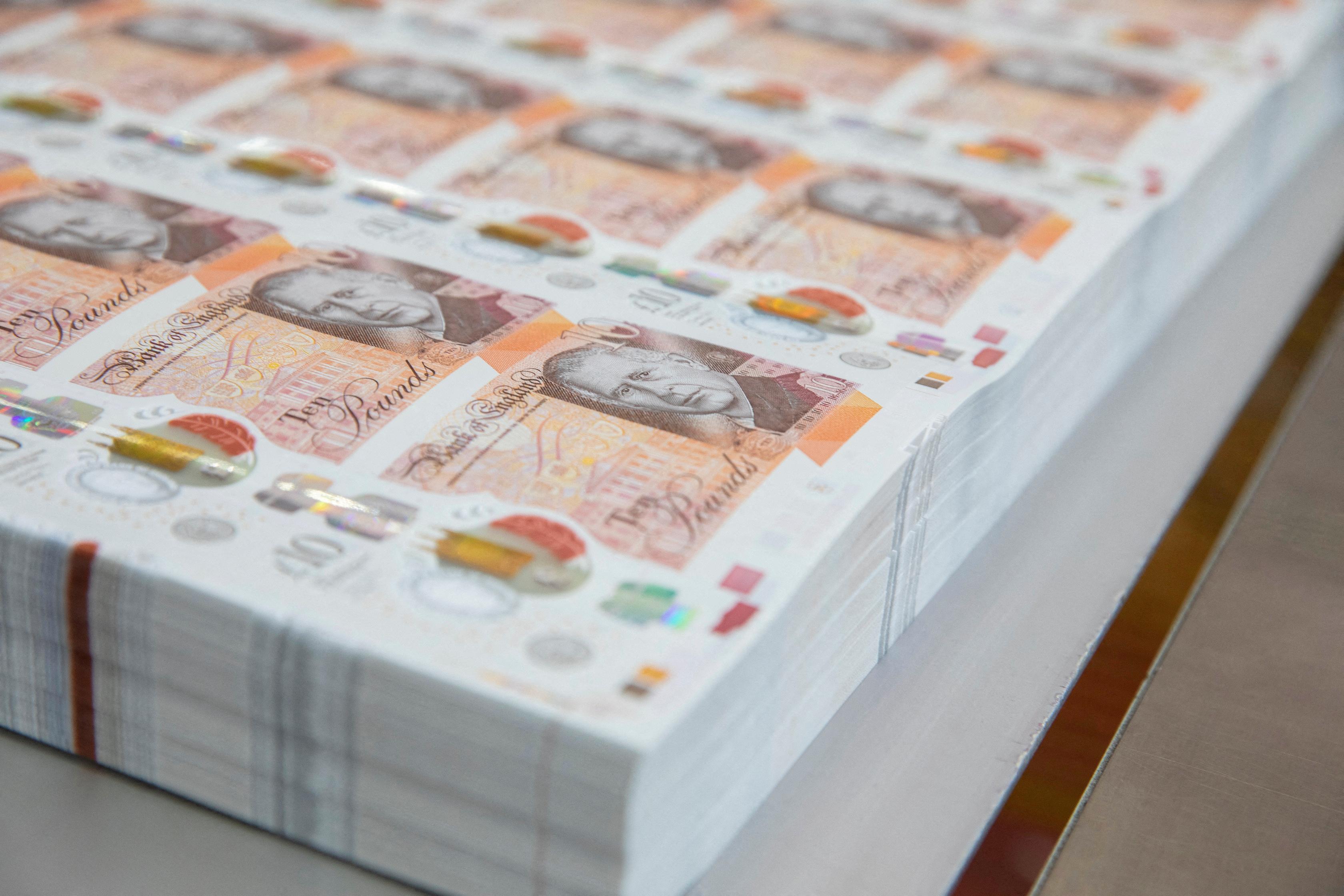
April 4 (Reuters) - Sterling edged higher against a weakening dollar and dropped versus the euro on Thursday, with investors focused on the Bank of England's policy path and the economic outlook. The pound jumped versus the greenback the day after U.S. data showed services industry growth slowed further in March, while a measure of prices paid by businesses for inputs dropped to a four-year low, which bodes well for the inflation outlook and increases the chances of quick rate cuts by the Fed. Sterling rose by 0.05% at $1.265 versus the greenback on Thursday after hitting a fresh one-week high at 1.2667. It dropped 0.12% against the euro at 85.74 pence per euro. "Our concerns are the point at which this favourable backdrop of low volatility and strong cross-border flows begins to turn," said Kamal Sharma, a forex strategist at BofA. "At that point, we see genuine risks of a more sizeable retrenchment in GBP." Recent data showed that "the deficit of the balance of payment is consistent with the long-term average, but net portfolio and investment flows are weaker than the long-term average," he argued. Investors were also focused on the sterling cross against the Swiss Franc after the Swiss National Bank surprised markets by cutting rates a couple of weeks ago. The pound jumped from 1.089 against the Swiss franc in early February to 1.1485, its highest since June 2023. The GBPCHF spot has reached our target and faces a significant technical resistance level of around 1.15, said Dean Turner, economist at UBS. "This should limit (but not rule out) further upside potential from here." He mentioned the possibility of Europe or the UK entering a deeper or more protracted recession as risk factors against this outlook. Economic data showed on Thursday that British companies' expectations for selling prices and wage increases in the year ahead were cooling in March, while the British economy looked on track to exit recession. "Similarly, a blue sky economic scenario with the BoE holding on to high rates for longer could result in a continued rally," UBS' Turner added. Keep up with the latest medical breakthroughs and healthcare trends with the Reuters Health Rounds newsletter. Sign up here. https://www.reuters.com/markets/currencies/sterling-hits-one-week-high-vs-dollar-focus-rally-against-swiss-franc-2024-04-04/
2024-04-04 10:44
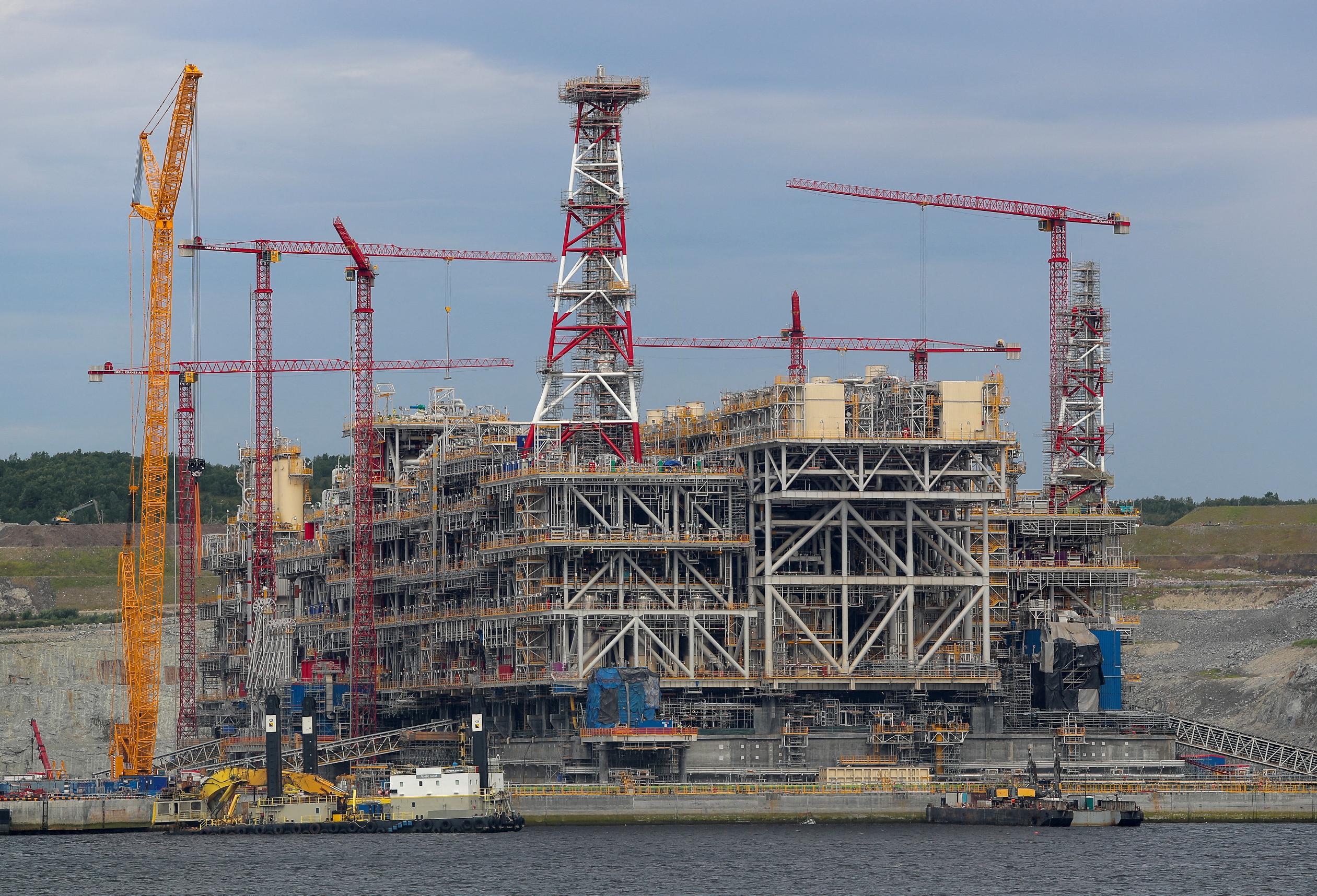
Two, not three, trains could be built for Arctic LNG 2 - sources Novatek is faced with sanctions, lack of ice-class tankers Murmansk port is ice-free MOSCOW, April 4 (Reuters) - Russia's Novatek (NVTK.MM) , opens new tab is being forced to scale back its huge Arctic LNG 2 project after Western sanctions curbed its access to ice-class tankers, and will focus instead on developing its project at the ice-free port of Murmansk, industry sources said. Russia has been focusing on developing global sales of seaborne LNG to make up for a drop in pipeline gas exports to Europe, which have plummeted to post-Soviet lows amid a severe rift with the West over Ukraine. The possible scaling back of the Arctic LNG 2 plant in the Gydan peninsular would complicate Moscow's goal to boost its share of the global LNG market to a fifth by 2030-2035 from around 8% currently. The project had been due to become Russia's largest such plant with eventual output of 19.8 million metric tons per year of LNG and 1.6 million tons per year of stable gas condensate from three trains. Novatek did not respond to a Reuters request for comment on its plans. The company began liquefied natural gas (LNG) production at Arctic LNG 2's first train in December, but has been behind schedule in supplying its first cargoes of super-cooled gas from the project amid shortages of ice-class gas carriers. Sources have said the conversion of methane into a liquid at a temperature of minus 163 Celsius (minus 261 Fahrenheit) has now been suspended at the plant. Its second and third lines were due to begin operations in 2024 and 2026 respectively, with its second production train currently being built at a plant in Belokamenka in the Murmansk region. However, the third train could be used instead at the Murmansk LNG plant announced by Novatek last June. "An option is being considered is to send a second gravity platform for Arctic LNG-2 in the summer, and to use a third one for Murmansk LNG," a source familiar with the plans said. The Murmansk LNG project is slated to be even larger than Arctic LNG 2, with eventual output of 20.4 million tons per year. It is projected to start production at its first two trains by the end of 2027, with a last line scheduled to start operations in 2029. One of the advantages of the Murmansk project in comparison to Arctic LNG 2 would be its access to the ice-free port in the Barents Sea. "All attention now is on Murmansk, the ice-class tankers are not necessary there," a source said. The plans for Arctic LNG 2 were complicated last year when it was included in Western sanctions over Russia's conflict in Ukraine, prompting foreign shareholders to freeze participation and Novatek to issue a force majeure. Novatek has also failed to secure enough ice-class gas carriers as foreign partners were scared off by sanctions. The head of Arctic LNG 2 stakeholder TotalEnergies (TTEF.PA) , opens new tab said in February that the project's third train had been put on hold but the second train was likely to be installed. The Reuters Power Up newsletter provides everything you need to know about the global energy industry. Sign up here. https://www.reuters.com/business/energy/russias-novatek-may-scale-back-arctic-lng-2-focus-murmansk-sources-say-2024-04-04/
2024-04-04 10:35
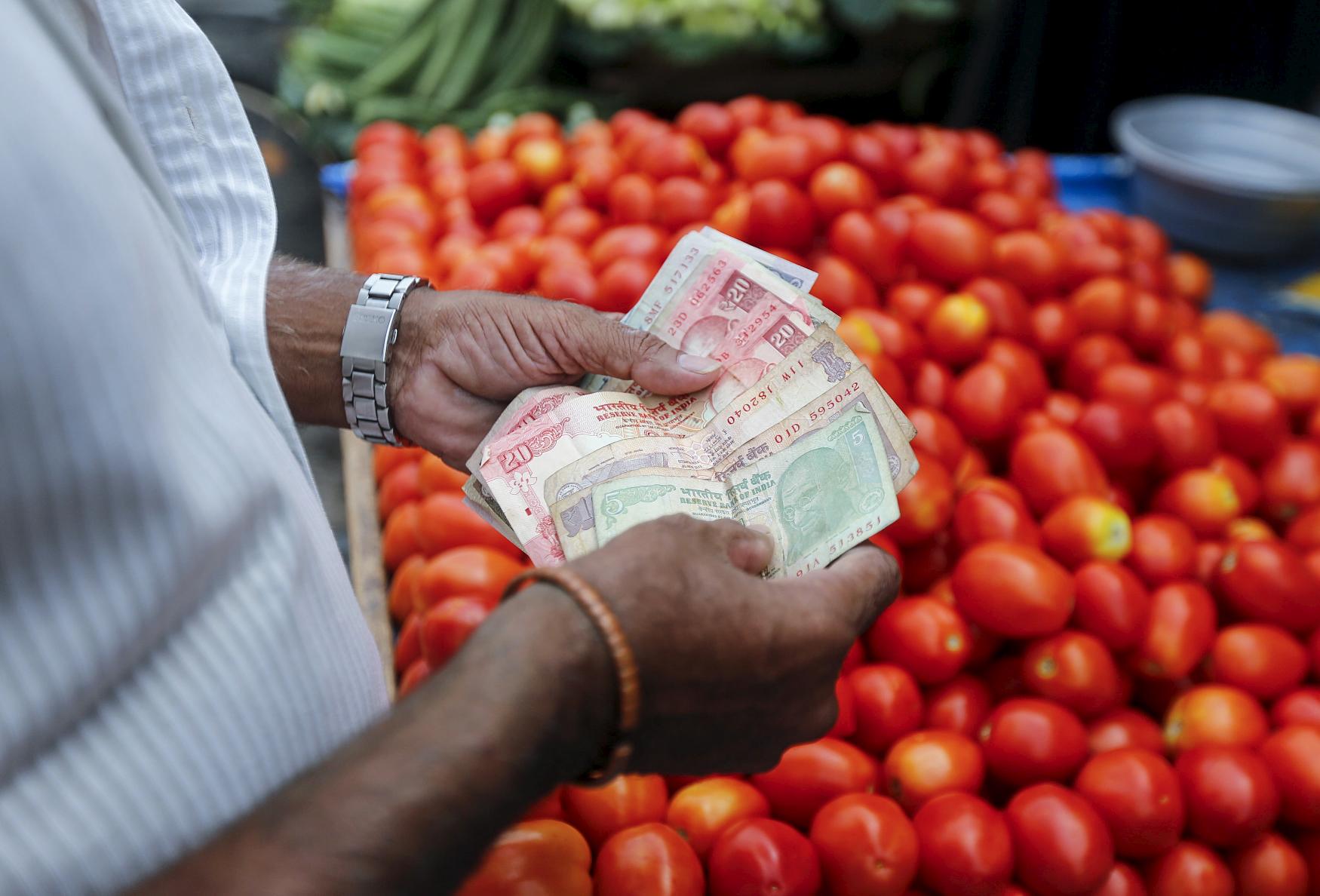
MUMBAI, July 19 (Reuters) - The rupee fell to its weakest closing level on record on Friday even as likely intervention from the Reserve Bank of India helped limit the pressure from a decline in its Asian peers and persistent dollar bids from two large foreign banks pressured the currency, traders said. The rupee closed at 83.6625 against the U.S. dollar, marginally lower compared with its close of 83.65 in the previous session. The currency was down 0.1% week-on-week. The Reserve Bank of India likely intervened in the non-deliverable forward (NDF) market to cap deprecation in the currency, which had hit its all-time low of 83.6650 on June 20. The RBI has intervened in the NDF market on multiple occasions previously, close to the time when the local over-the-counter market opens in order to help the rupee, traders said. The central bank "has been present" in the NDF market but doesn't appear keen to push the rupee higher, a trader at a foreign bank added. The trader expects the RBI to allow gradual weakness in the currency but it's likely to be limited near 83.70-83.75. Asian currencies were mostly weaker, with the Thai baht down nearly 0.5% and leading losses. The dollar index was up 0.2% at 104.3, having recovered from its weakest level in four months hit earlier in the week. Meanwhile, the benchmark Indian equity index Nifty 50 (.NSESN) , opens new tab dropped more than 1% on Friday. While a widespread IT outage impacted trading in oil, stocks, currencies and bonds globally on Friday, volatility was largely contained in the foreign exchange markets. Investors now await remarks from Federal Reserve policymakers later in the day and will also keep an eye on political developments in the United States amid growing odds of a second presidential term for Donald Trump. "Remarks about greater confidence in the (U.S.) disinflation process could be mildly negative for the dollar," ING Bank said in a note. Sign up here. https://www.reuters.com/markets/currencies/rupee-ends-record-closing-low-likely-rbi-intervention-helps-cap-losses-2024-07-19/