2024-04-04 06:06
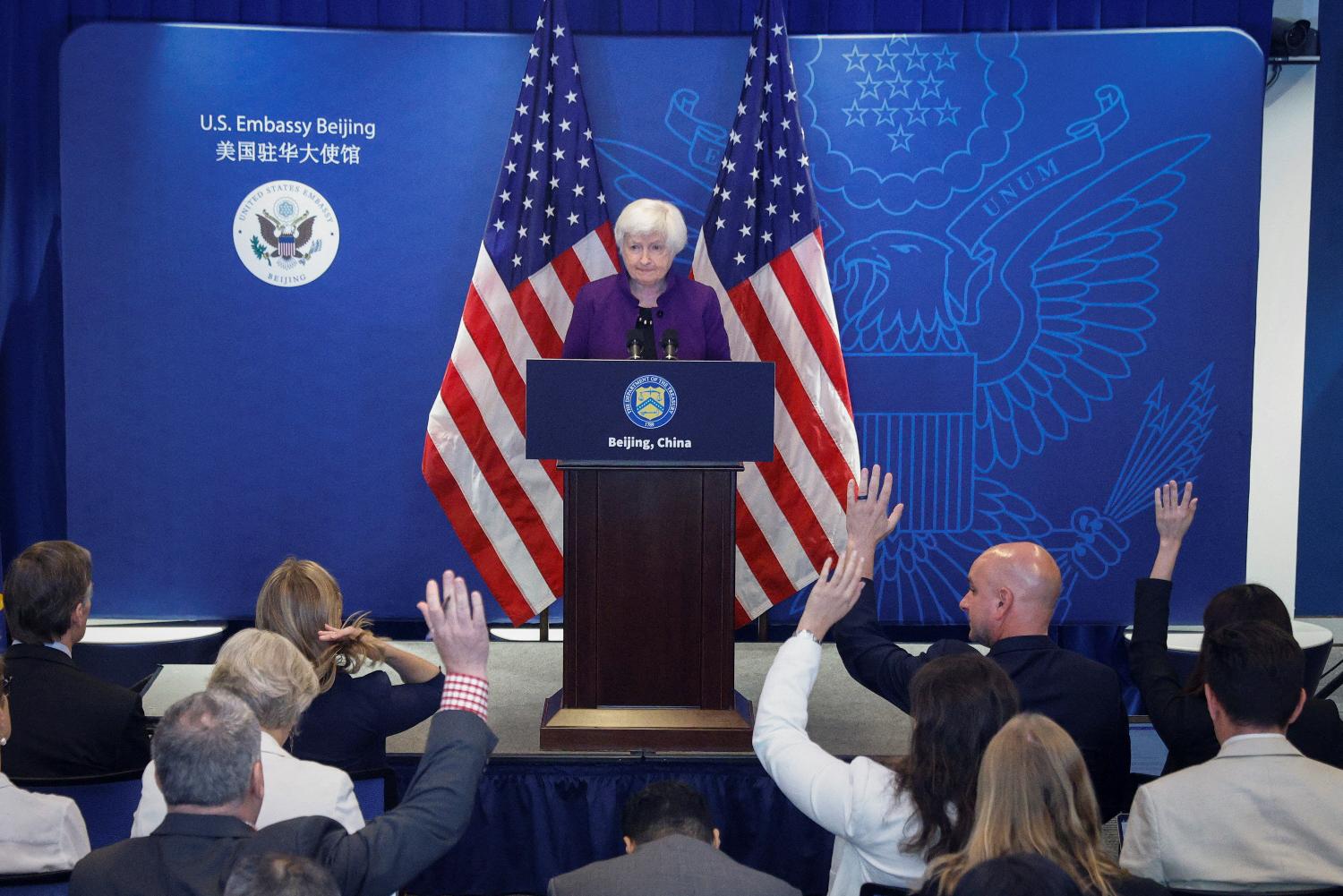
GUANGZHOU, China, April 4 (Reuters) - U.S. Treasury Secretary Janet Yellen arrives in China's southern factory hub of Guangzhou on Thursday with a tough message to Chinese officials: you're producing too much of everything, especially clean energy goods, and the world can't absorb it. China is unleashing a flood of electric vehicles (EVs), batteries, solar panels, semiconductors and other manufactured goods onto global markets, the result of years of massive government subsidies and weak demand at home. Global prices for many goods are tanking, pressuring producers in other countries. "We see a growing threat of money losing firms that are going to have to sell off their production somewhere," a senior U.S. Treasury official said of overproduction in key Chinese sectors. In a series of meetings with top Chinese economic officials from Friday through Monday, Yellen will seek to convey her view that the excess production is unhealthy for China and that there is a growing drumbeat of concern about it in the U.S., Europe, Japan, Mexico and other major economies. The official, who spoke on condition of anonymity, added that Yellen would explain: "If there are trade actions around the world, it's not an anti-China thing, it's a response to their policies." But Beijing appears to be doubling down on investing in more manufacturing capacity in favored high-technology sectors, a stance that also is increasingly at odds with the European Union, Japan, Mexico and other major economies. "I do think the stage is set for renewed tensions with China," said Brad Setser, a former trade official at both the U.S. Treasury and the U.S. Trade Representative's office. "It's an intrinsic question whether other countries want to import China's distortions." Setser added that Yellen's warnings about Chinese overproduction may be an initial step by the Biden administration towards new tariffs or other trade barriers on Chinese EVs, batteries and other goods. En route to Guangzhou, Yellen declined to say whether she would raise the threat of new tariffs in her meetings in Guangzhou and Beijing with Chinese Vice Premier He Lifeng and Guangdong Province Governor Wang Weizhong, who has also presided over hundreds of billions of dollars worth of recent new projects. But she said that the Biden administration was determined to develop American supply chains in EVs, solar power and other clean energy goods with investment tax credits and would not "rule out other possible ways in which we would protect them." In March, China's leadership pledged to follow through on President Xi Jinping's new mantra of unleashing "new productive forces" in China by investing in developing technology industries including EVs, new materials, commercial spaceflight and life sciences - areas where many U.S. firms hold advantages. FACTORY FIRST The results of China's prior investment binges are staggering. Including EVs and combustion-engine cars, China by the end of 2022 had the capacity to produce 43 million vehicles annually, but its plant utilisation rate - a measure closely linked to profitability - was just under 55%, according to data from the China Passenger Car Association. Bill Russo, the Shanghai-based founder and CEO of advisory firm Automobility, estimated that this translates to excess auto production capacity of about 10 million vehicles a year, or roughly two thirds of North American auto output in 2022. The Rystad Energy research group estimates that China will soon be able to meet all global demand for lithium-ion vehicle batteries, even as dozens of battery and component plants spring up across the U.S. And new entrants are still coming into an increasingly cut-throat Chinese EV market. Mobile phone maker Xiaomi on Tuesday launched sales of its sporty new Speed Ultra 7 (SU7) EV. SOLAR DOMINANCE The situation in China's solar panel sector may be worse, where overproduction pushed prices down 42% last year to levels 60% below the cost of comparable U.S.-made products. China now accounts for 80% of global production capacity, and major solar producers are continuing to build factories, backed by provincial and local subsidies. At the end of 2023, China had the capacity to build 861 gigawatts of solar modules per year, more than double the global total installed capacity of 390 million gigawatts. Another 500-600 gigawatts of annual capacity is forecast to come online this year -- enough to supply all global demand through 2032, according to energy research firm Wood Mackenzie. The Reuters Power Up newsletter provides everything you need to know about the global energy industry. Sign up here. https://www.reuters.com/business/energy/yellen-faces-tough-road-chinas-excess-capacity-problem-2024-04-04/
2024-04-04 05:59
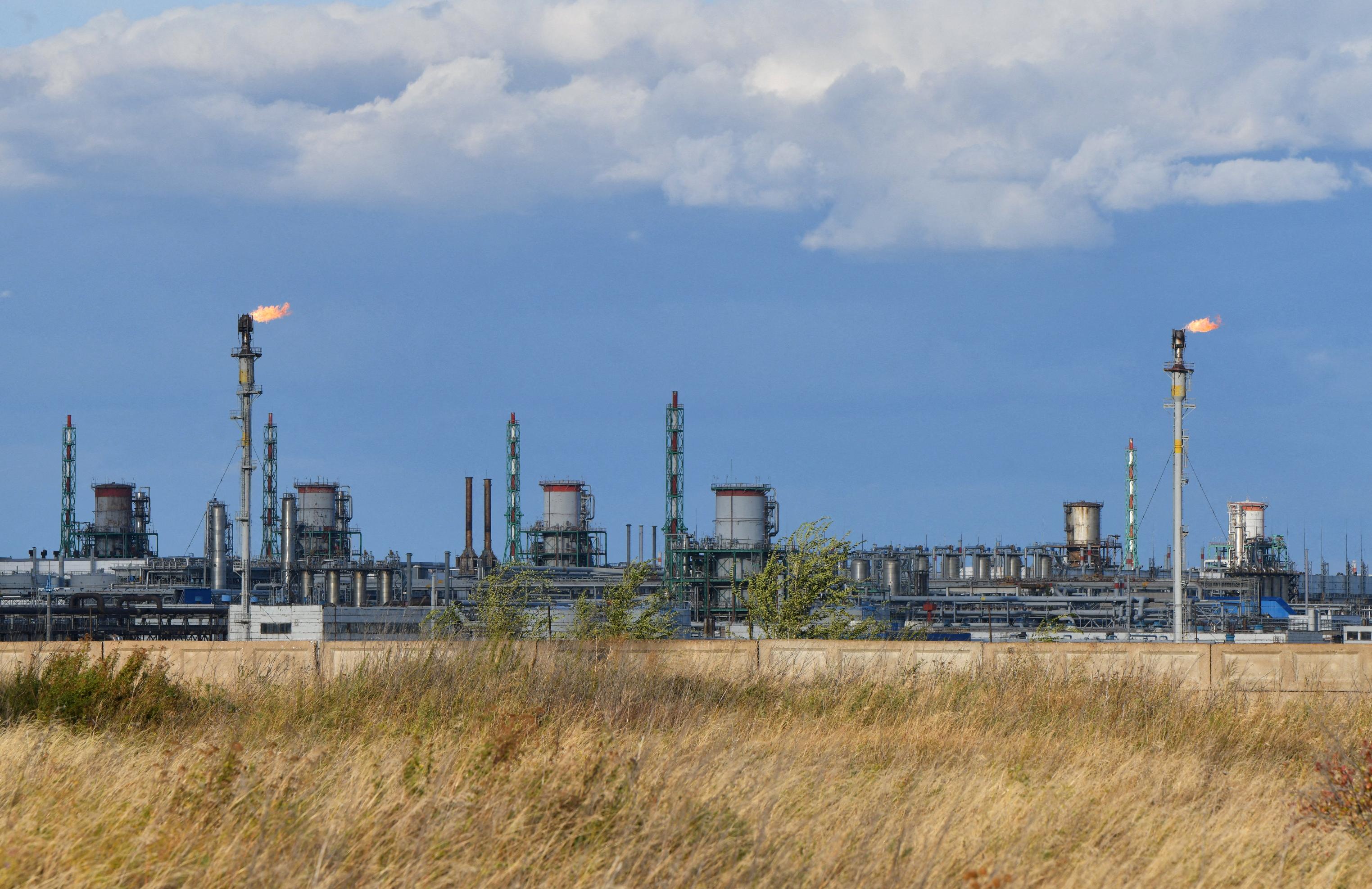
Emissions traced to fossil fuel, cement producers Most companies expanded production since 2016 CO2 data already being used in climate lawsuits BRUSSELS/BERLIN, April 4 (Reuters) - The vast majority of planet-warming carbon dioxide emissions since 2016 can be traced to a group of 57 fossil fuel and cement producers, researchers said on Thursday. From 2016 to 2022, the 57 entities including nation-states, state-owned firms and investor-owned companies produced 80% of the world's CO2 emissions from fossil fuels and cement production, said the Carbon Majors report by non-profit think tank InfluenceMap. The world's top three CO2-emitting companies in the period were state-owned oil firm Saudi Aramco (2222.SE) , opens new tab, Russia's state-owned energy giant Gazprom (GAZP.MM) , opens new tab and state-owned producer Coal India (COAL.NS) , opens new tab, the report said. Saudi Aramco declined to comment. Coal India and Gazprom did not immediately respond to requests for comment. The report found most companies had expanded their fossil fuel production since 2015, the year when nearly all countries signed the U.N. Paris Agreement, committing to take action to curb climate change. Since then, while many governments and companies have set tougher emissions targets and rapidly expanded renewable energy, they have also produced and burned more fossil fuels, causing emissions to rise. Global energy-related CO2 emissions hit a record high last year, the International Energy Agency has said. InfluenceMap said its findings showed that a relatively small group of emitters were responsible for the bulk of ongoing CO2 emissions, and it aimed to increase transparency around which governments and companies were causing climate change. "It can be used in a variety of cases, ranging from legal processes seeking to hold these producers to account for climate damages, or it can be used by academics in quantifying their contributions, or by campaign groups, or even by investors," InfluenceMap Program Manager Daan Van Acker said of the report. A previous edition of the Carbon Majors database was cited last month in a legal case brought by a Belgian farmer against French oil and gas company TotalEnergies (TTEF.PA) , opens new tab. The farmer argued that as one of the world's top 20 CO2-emitting companies, TotalEnergies was partly responsible for damage to his operations from extreme weather. The database was first launched in 2013 by the non-profit research organisation Climate Accountability Institute. It combines companies' self-reported data on coal, oil and gas production with sources like the U.S. Energy Information Administration, national mining associations and other industry data. Carroll Muffett, CEO of the non-profit Center for International Environmental Law said the database would improve investors' and litigators' ability to track companies' actions over time. The Reuters Daily Briefing newsletter provides all the news you need to start your day. Sign up here. https://www.reuters.com/sustainability/climate-energy/majority-recent-co2-emissions-linked-just-57-producers-report-says-2024-04-04/
2024-04-04 05:46
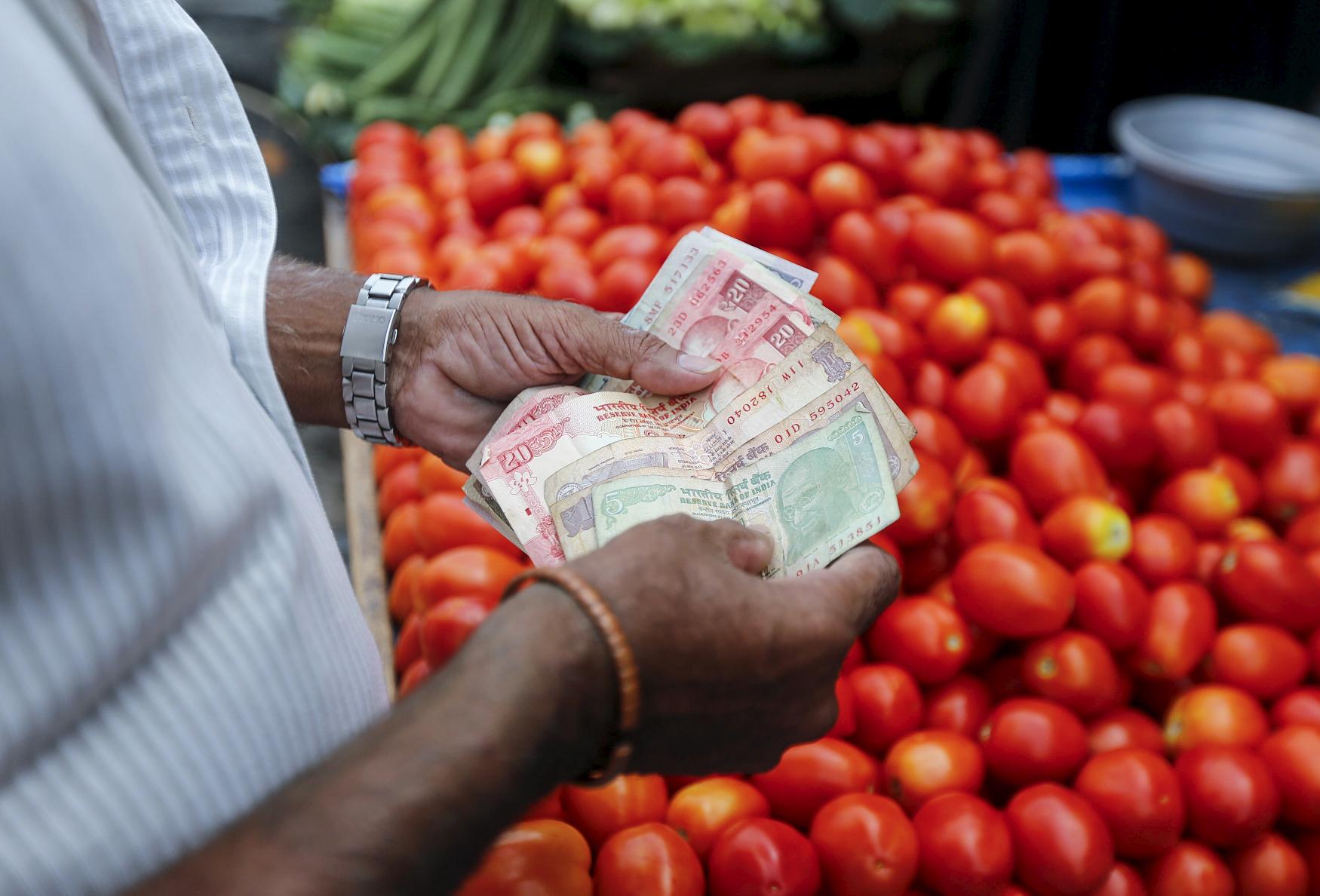
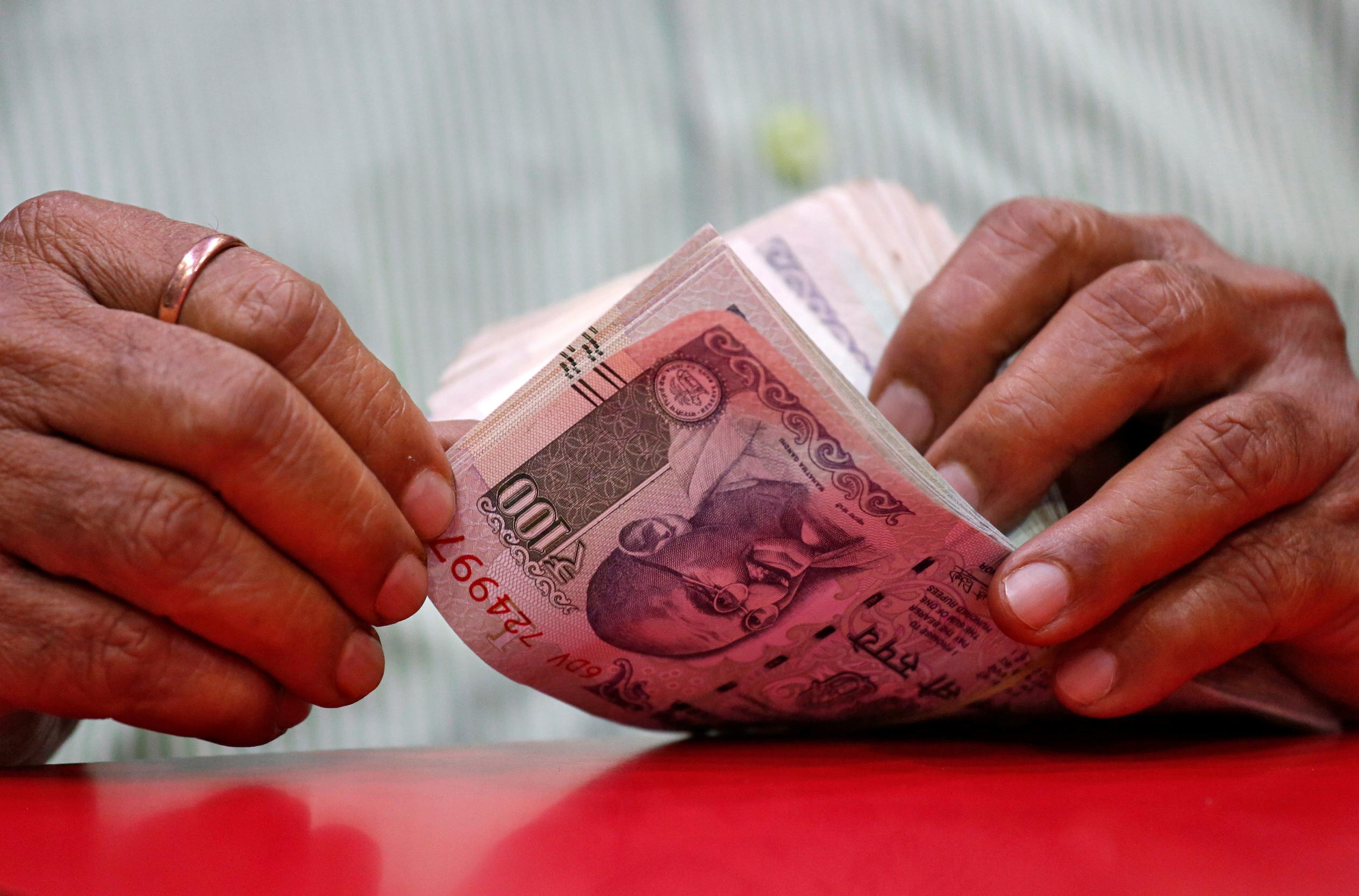
MUMBAI, April 4 (Reuters) - The Indian rupee declined to a record low on Thursday, hurt by sustained dollar demand from local importers and high crude oil prices. The rupee was at 83.4525 against the U.S. dollar at 11:04 a.m. IST, inching past its previous low of 83.45 hit last Wednesday. There is persistent dollar demand, which is most likely from importers, a foreign exchange trader at a private bank said. Keep up with the latest medical breakthroughs and healthcare trends with the Reuters Health Rounds newsletter. Sign up here. https://www.reuters.com/markets/currencies/indian-rupee-hits-record-low-importer-hedging-2024-04-04/
2024-04-04 05:00
KAMPALA, April 3 (Reuters) - Uganda will commission its first tin refining plant in the southwestern region next month, a senior mining ministry official said, as part of efforts to expand capacity and add value domestically to its minerals. President Yoweri Museveni wants to maximise the benefits of exports to the East African nation, where several gold refineries are operating, and Chinese-backed Sunbird Resources was recently licensed to mine limestone for cement production. "We are preparing to launch our very first tin processing facility," Irene Bateebe, a top official of the energy and mineral development ministry, told Reuters on Wednesday, adding the launch would take place next month. Woodcross Resources, a Uganda-based mining and mineral trading company, owns the plant. "They will be refining tin to over 99% in terms of its purity," Bateebe added, without revealing the size of the investment. Woodcross did not immediately respond to a request for a comment. On its website, Woodcross says it has a tin mining licence covering 40 square km (15 sq miles) in western Uganda and its tin refining plant has annual capacity of more than 1,000 tonnes. The Reuters Daily Briefing newsletter provides all the news you need to start your day. Sign up here. https://www.reuters.com/world/africa/uganda-launch-first-domestic-tin-processing-plant-next-month-2024-04-04/

2024-04-04 04:53
MUMBAI, April 4 (Reuters) - The Indian rupee was little changed on Thursday but was hovering near its record low, as dollar sales from foreign banks and an uptick in Asian peers helped cap its decline. The currency was at 83.4375 against the U.S. dollar of 10:15 a.m., barely changed from its close at 83.4350 in the previous session. The rupee slipped to an all-time low of 83.45 last week. Foreign banks were seen offering dollars in early trading which helped ease some of the pressure on the rupee, a foreign exchange trader at a state-run bank said. Still, the rupee is likely to "continue depreciating slowly" in the near-term, Apurva Swarup, vice president at Shinhan Bank India said. The dollar index was at 104.2 after falling 0.5% on Wednesday, as Federal Reserve Chair Jerome Powell maintained his baseline outlook that rates will fall "later this year". U.S. bond yields also slipped after rising initially as U.S. private payrolls rose more than expected in March. The 10-year U.S. Treasury yield rose to a peak of 4.42%, its highest level since late-November, on Wednesday but was last at 4.36%. Meanwhile, Atlanta Fed President Raphael Bostic said that rates should likely not be reduced until the fourth quarter of 2024 and that he anticipates only one quarter-percentage-point cut will be appropriate over the year. Expectations of a June rate cut by the Fed were largely unchanged at slightly above 60% following the remarks. Most Asian currencies ticked up with the Malaysian ringgit, up 0.3%, leading gains. Investors will now keep an eye on U.S. jobless claims data and remarks from a slate of Fed officials, who speak on Thursday. Keep up with the latest medical breakthroughs and healthcare trends with the Reuters Health Rounds newsletter. Sign up here. https://www.reuters.com/markets/currencies/rupee-just-shy-record-low-foreign-banks-dollar-sales-support-2024-04-04/
2024-04-04 04:52
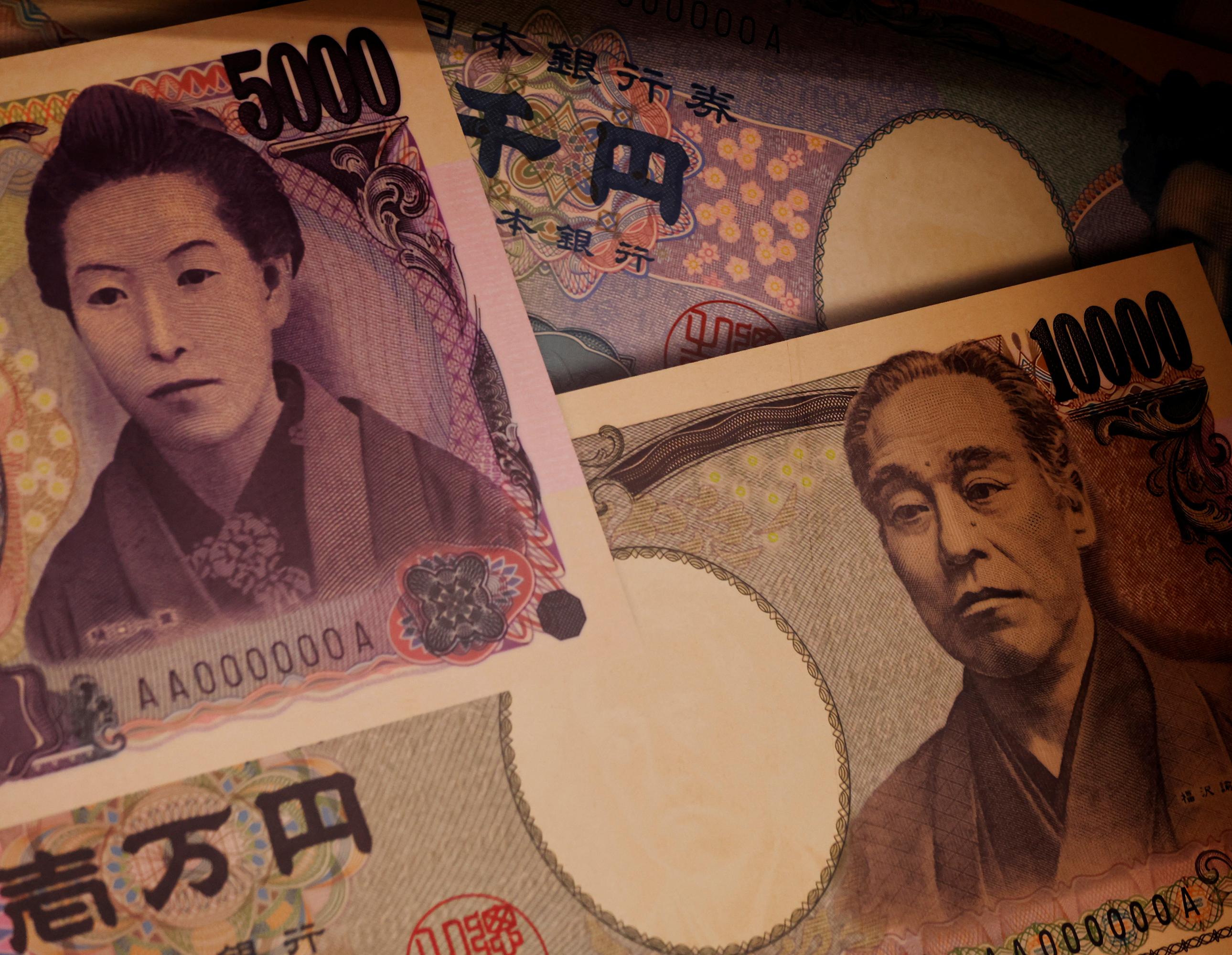
TOKYO, April 4 (Reuters) - Japanese authorities likely won't intervene in the currency market unless the yen plunges below 155 to the dollar, former top currency diplomat Hiroshi Watanabe said on Thursday. Markets are on alert for the chance of yen-buying intervention by Japanese authorities as the currency slides near the 152 level, where they last stepped into the market in 2022. But Watanabe, who oversaw Japan's currency policy from 2004 to 2007, said the chance of intervention was slim for now since the yen's declines have been within a broad range unlike in 2022, when the currency was falling more sharply. While markets may be focusing on whether the dollar will rise above 152 yen, Japanese authorities likely won't see any break above that level alone as a strong enough reason to intervene, he told Reuters in an interview. "At current levels, I don't think authorities will intervene. They probably won't step in unless the yen makes a sudden plunge below 155 to the dollar," said Watanabe who, as vice finance minister for international affairs oversaw Japan's currency policy from 2004 to 2007. The 155 line would be a psychologically important level and a break above it would draw a lot of media attention, thereby heightening the chance of intervention especially if the yen's declines are big, Watanabe said. "The dollar/yen is likely to move in a range of 145-155 for the time being," partly because the interest-rate gap between the United States and Japan will remain wide, he said. The yen has been on a downtrend despite the Bank of Japan's decision last month to end eight years of negative interest rates, as traders interpreted its dovish language as signalling that the next rate hike will be some time away. The dollar stood at 151.70 yen on Thursday, hugging a tight range after last week's spike to a 34-year high of 151.975 yen that triggered warnings by Japanese authorities on the chance of intervention. With the BOJ likely to hold off on raising rates aggressively, Japanese borrowing costs will remain low and keep the yen under downward pressure, Watanabe said. There were other reasons that could prevent a sharp yen rebound including the fact that many Japanese firms no longer repatriate the profits they earn overseas, and instead spend them on investment abroad, he said. "Even if Japan's economy improves, that won't necessarily lead to a strong yen," Watanabe added. Keep up with the latest medical breakthroughs and healthcare trends with the Reuters Health Rounds newsletter. Sign up here. https://www.reuters.com/markets/currencies/japan-wont-intervene-unless-yen-slides-below-155-says-ex-fx-diplomat-watanabe-2024-04-04/