2024-04-02 05:38
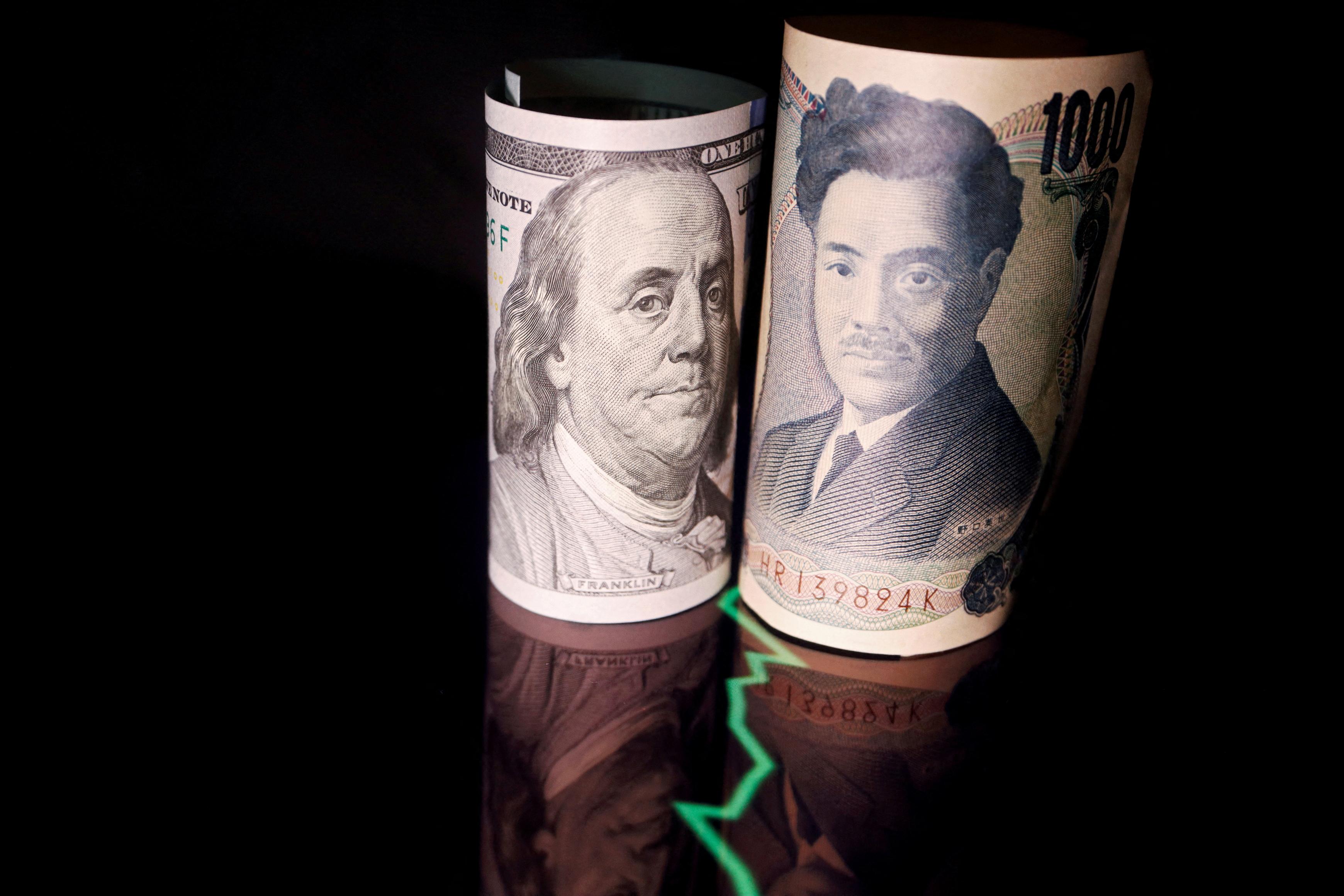
NEW YORK, April 2 (Reuters) - The U.S. dollar was down on Tuesday after earlier hitting its highest in almost five months, following a new report that showed U.S. job openings held steady at higher levels in February. The Japanese yen was last up at 151.605 per dollar, after earlier dipping to 151.79. It has traded in a tight range since reaching a 34-year trough of 151.975 on Wednesday, which spurred Japan to step up warnings of intervention. The dollar index rose to 105.1 on Tuesday, its highest level since Nov. 14, adding to sharp gains on Monday after U.S. data unexpectedly showed the first expansion in manufacturing since September 2022, causing traders to pare rate bets. The dollar index last stood at 104.81, down 0.181% after a report from the Labor Department showed that job openings edged up to 8.756 million on the last day of February, slightly higher than expectations, as traders also digested a February increase in factor orders. The Commerce Department's Census Bureau on Tuesday said new orders for U.S.-manufactured goods rebounded more than expected in February, boosted by demand for machinery and commercial aircraft as manufacturing regains its footing. Monday's U.S. ISM manufacturing survey data featured a sharp rise in a measure of prices in the sector, adding to investors' concerns that inflation will be slow to fall back to 2%, delaying the Federal Reserve's first rate cut. "Really the dollar over the last nine months or so has been driven by Fed policy expectations -- when the probability of a cut increases sooner, the dollar tends to weaken, and vice versa," said John Velis, Americas macro strategist at BNY Mellon. Fed Chair Jerome Powell on Friday said the central bank was in no hurry to lower borrowing costs after data showed a key measure of inflation rose slightly in February. On Tuesday, Japanese Finance Minister Shunichi Suzuki reiterated that he would not rule out any options to respond to disorderly currency moves. Japanese authorities intervened in 2022 when the yen slid toward a 32-year low of 152 to the dollar. The yen's decline has come despite the Bank of Japan's first interest rate hike since 2007 last month, with officials cautious about further tightening amid a fragile exit from decades of deflation. "The fact that they didn't last week to me suggests that it's going to take a break above 152 for Japanese policymakers to start getting involved, and in retrospect, I think maybe that's prudent of them because intervention loses its significance each time you enter the market," said Matt Weller, head of market research at StoneX. Still, officials are "wary of backing themselves into a corner by drawing a line in the sand at 152," said Nicholas Chia, Asia macro strategist at Standard Chartered. "The rationale of jawboning and intervening in FX markets is mainly to buy time for the JPY in the hopes that USD strength wanes and recedes," he said. Elsewhere, China's yuan fell to a 4-1/2-month low as a strong dollar offset selling of the U.S. currency by state-owned banks. The yuan fell to a low of 7.2364 per dollar on the day, its weakest level since mid-November. The euro fell to its lowest since mid-February at the end of the Asian session but was last up at $1.0763 . Data on Tuesday showed that the euro zone factory downturn deepened again in March. Sterling ticked up from near its lowest since December to $1.2569 after data showed its manufacturing sector brightened last month. Bitcoin declined 5.36% to $66,027 after earlier declining to as low as $64,550. The Swiss franc hit its lowest since the start of November at 0.909 to the dollar. It has dropped around 2.5% since the Swiss National Bank unexpectedly cut interest rates on March 21. Keep up with the latest medical breakthroughs and healthcare trends with the Reuters Health Rounds newsletter. Sign up here. https://www.reuters.com/markets/currencies/dollar-ascendant-fed-cut-bets-pared-jawboning-props-up-yen-2024-04-02/
2024-04-02 05:06
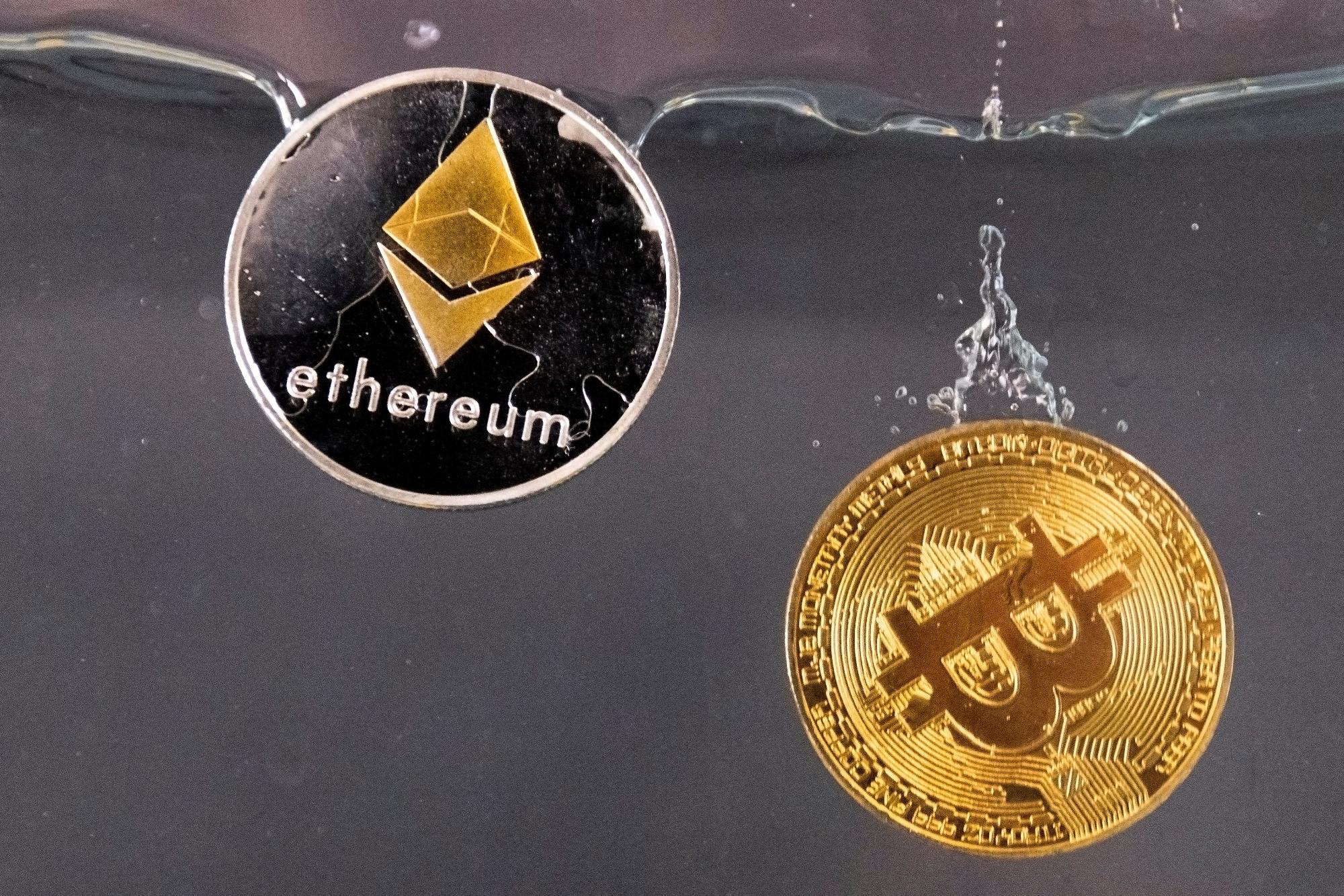
April 2 (Reuters) - Cryptocurrency ether is struggling to keep pace with soaring big brother bitcoin. The no. 2 cryptocurrency, which commands less than a fifth of the $2.7 trillion crypto market, has not done poorly. But ether is up just around 53% in the first three months of this year, compared with bitcoin's 65%. Bitcoin scaled new peaks last month. Trading around $3,612 on Monday, ether is at least 26% below its Nov. 2021 all-time high of $4,867.60. Even a recent technical upgrade of the Ethereum blockchain, which is used to build applications, barely made a splash beyond the circle of crypto enthusiasts, in contrast to the excitement ahead of bitcoin's "halving" next month, a technical change designed to slow the coin's supply. In a typical case of markets selling the fact, ether dropped 12% after the underlying blockchain's Dencun upgrade on March 13 aimed at lowering transaction fees on its ecosystem. "Ethereum is persistently dogged by its lack of name recognition among non-endemic investors," said Joseph Edwards, head of research at London crypto firm Enigma Securities. "There's a lot more economic activity on it compared to 2020... but it reaching all-time highs will likely come fairly late." Much depends on whether the U.S. Securities and Exchange Commission (SEC) approves spot ether ETFs. For, it was the approval and launch of several U.S. spot bitcoin ETFs that spurred institutional demand and drove it to record highs. Ether ETFs too are waiting, with VanEck's filing first in line for a decision on May 23. Standard Chartered Bank expects U.S. ether ETFs to be approved on May 23, propelling it to $8,000 by end-2024 and $14,000 by end-2025. COMMODITY OR SECURITY? Not everyone is as optimistic about the U.S. regulator greenlighting a spot ether ETF. Lawyers and industry sources have said ether's legal status is ambiguous and they expect regulators to move cautiously. The SEC has said bitcoin is a commodity, but has not ruled on ether. Unlike bitcoin, ether is traded on a so-called 'proof-of-stake' blockchain that allows users to earn yield in exchange for locking up tokens for a period of time. And because ether is often 'staked', or deposited, it could be deemed a security, which will entail stricter rules around disclosure that fly in the face of cryptocurrency's ethos of bypassing the traditional gatekeepers of finance, such as banks and exchanges. But that complicates the calculus for ETFs, as the yield on staked ether is often higher than that of just plain passive tokens. "Getting the SEC on board to allow staked ether ETFs will be a very tough bargain and is, for now, extremely unlikely," said Anders Helset, head of research at digital assets analytics firm K33 Institutional demand for ether has been a fraction of that for rival bitcoin. Digital asset funds tracking ether have seen outflows of $46.4 million in the month to March 23, according to CoinShares data, versus inflows of over $4 billion for products tracking bitcoin. Some market participants believe in focusing on ethereum technology, which forms the backbone of much of the internet's 'Web3' vision and powers applications involving crypto offshoots such as decentralised finance and blockchain gaming. BlackRock (BLK.N) , opens new tab unveiled its first tokenized fund , opens new tab on the ethereum blockchain last month, sparking conversation around the platform's use in broader tokenisation of real world assets. So far over $2 billion worth of commodities and government securities, among other traditional assets, have been tokenized on several networks, of which 80% are on the ethereum blockchain, according to Swiss cryptocurrency manager 21Shares. The Technology Roundup newsletter brings the latest news and trends straight to your inbox. Sign up here. https://www.reuters.com/technology/cryptoverse-ether-fettered-by-fate-spot-etf-proposals-2024-04-02/
2024-04-02 04:56
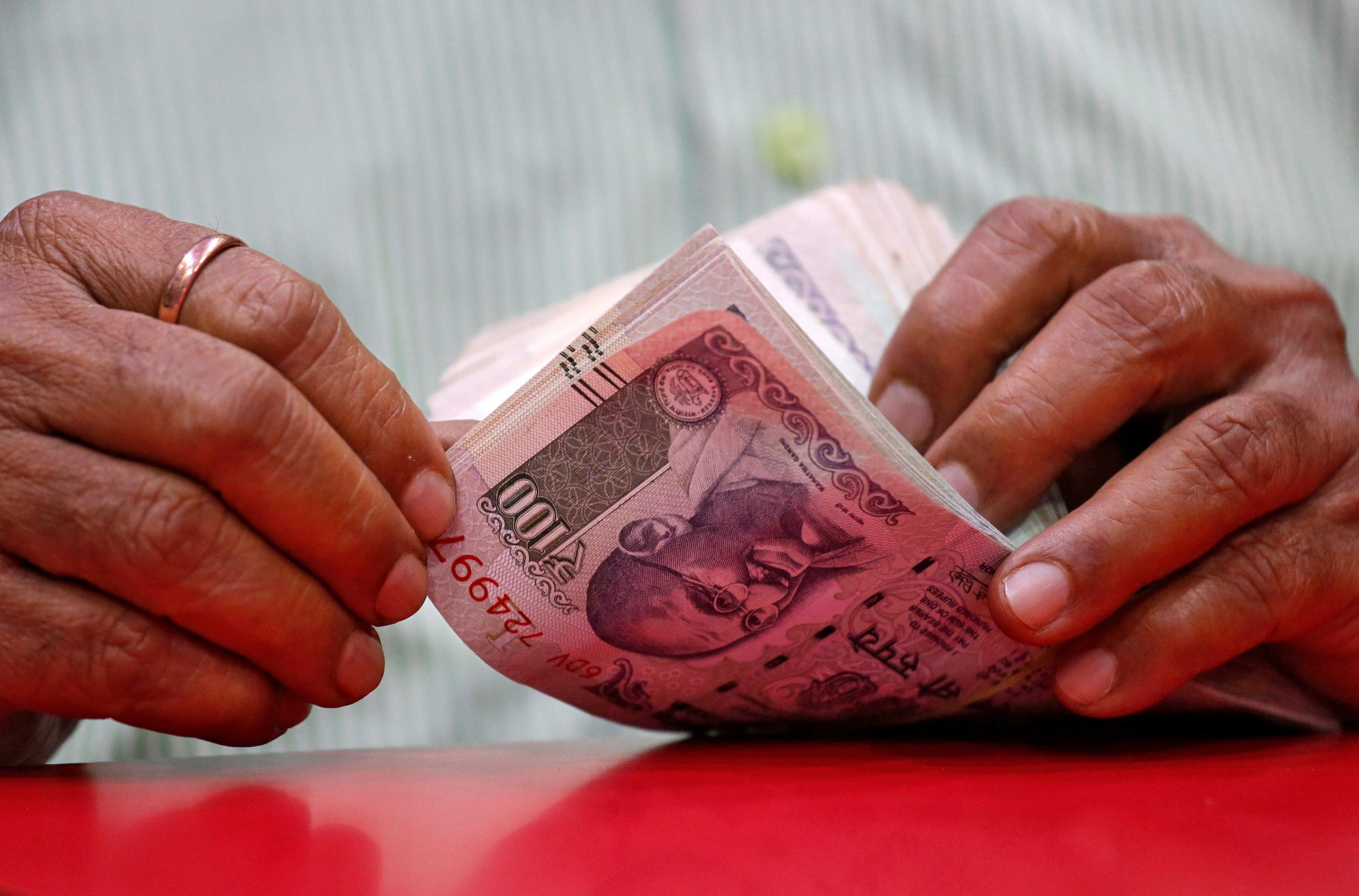
MUMBAI, April 2 (Reuters) - The Indian rupee gained on Tuesday, ducking the weakness in its Asian peers and instead finding support from exporters' mild dollar sales and expectations of the central bank's intervention. The rupee was at 83.3625 against the U.S. dollar as of 10:05 a.m. IST, mildly stronger than its close of 83.40 on Thursday. The markets were closed on Friday and Monday. The rupee is likely to be range-bound, with the Reserve Bank of India "expected to keep a tab on rupee weakness by selling dollars," said Anil Bhansali, head of treasury at Finrex treasury advisors. The dollar index was at 105.06, close to its highest since mid-November, after having risen over 0.4% on Monday due to stronger-than-expected U.S. ISM manufacturing PMI data. Asian currencies declined, led by the Malaysian ringgit's 0.4% drop. The Chinese yuan also weakened to a four-and-a-half-month low, prompting the country's state-run banks to sell dollars. The dollar-rupee pair is likely to trade with a "buy on dips" bias and gains are likely to be limited near 83.40-42, a foreign exchange trader at a private bank said. Mild dollar sales by exporters also aided the rupee in early trading, the trader added. Meanwhile, dollar-rupee forward premiums edged lower, with the 1-year implied yield down 1 basis point at 1.62%, pressured by an uptick in U.S. bond yields as investors pared expectations of a Federal Reserve rate cut in June. The 1-year U.S. treasury yield inched up to 5.09% in Asia trading hours after having risen 5 basis points on Monday. Investors await remarks from multiple Fed officials slated to speak through the week, including Fed Chair Powell on Wednesday, for further cues on policymakers' thinking about the trajectory of policy rates. Keep up with the latest medical breakthroughs and healthcare trends with the Reuters Health Rounds newsletter. Sign up here. https://www.reuters.com/markets/currencies/rupee-inches-up-side-stepping-pressure-asian-peers-forward-premiums-slip-2024-04-02/
2024-04-02 03:42
MUMBAI, April 2 (Reuters) - The Indian central bank's soon-to-be-implemented regulation saying exchange-traded rupee derivative transactions can be used only for hedging will cause volumes to plunge more than 80%, dealing a major blow to the segment, six brokers said. Since the regulation was mooted in January, brokers have feared that several proprietary traders and individual investors, accounting for over three-quarters of the volume, will not be able to meet the underlying exposure requirement. "Once this rule comes into effect, we expect a more than 90% fall in our volumes. The market volumes will likely drop by a similar margin," said Arnob Biswas, head forex research at SMC Global Securities. "From our point of view, this market is practically over, at least for the time being." The Reserve Bank of India said it would allow exchanges to offer forex derivative contracts involving the rupee only for contracted exposure, or hedging, compared the current allowance of up to $100 million without any explicit underlying exposure. Small clients typically use the forward market via banks to hedge their currency exposures and will always have an underlying, a source aware of the central bank's thinking said on the condition of anonymity. "Only large speculators may stand to lose some business opportunity," this person added. The rule, which comes into effect from April 5, was reiterated by exchanges on Monday following concerns raised by brokers about its impact on volumes. The RBI did not immediately reply to a request for comment. "The unintended consequence of this will be that liquidity will dry up significantly and the small and medium sized companies - the hedgers - will lose access to risk management tool," said Anindya Banerjee, head research - FX and interest rates at Kotak Securities. USD/INR April futures open interest dropped by $833.6 million, or 18.5%, on Tuesday. An official at a large brokerage pointed out that only a small portion of their clients - corporates and foreign portfolio investors - would be able to meet the hedging specification. According to a recent publication by NSE, India's leading exchange for currency derivatives, corporates accounted for just 3.9% of the currency derivatives turnover based on notional turnover in February while foreign investors contributed 6.2%. Proprietary traders and individual investors were responsible for 80% of the turnover. "These were the market markers and the liquidity providers. With them out, who will provide prices to the hedgers?," the official said. The official further noted that hedging activity for foreign investors might shift to the local over-the-counter and non-deliverable forward markets. "This is completely unforeseen and it is difficult to understand what bought this on," said SMC's Biswas. Exchange-traded rupee derivatives, first introduced in 2008, have seen average daily trading volumes on dollar/rupee futures climb to $2.5 billion from $142 million in 2008, making this an important segment for India's forex markets. Keep up with the latest medical breakthroughs and healthcare trends with the Reuters Health Rounds newsletter. Sign up here. https://www.reuters.com/markets/currencies/indian-rupee-exchange-derivative-volumes-plummet-cenbanks-hedging-rule-brokers-2024-04-02/
2024-04-02 03:02
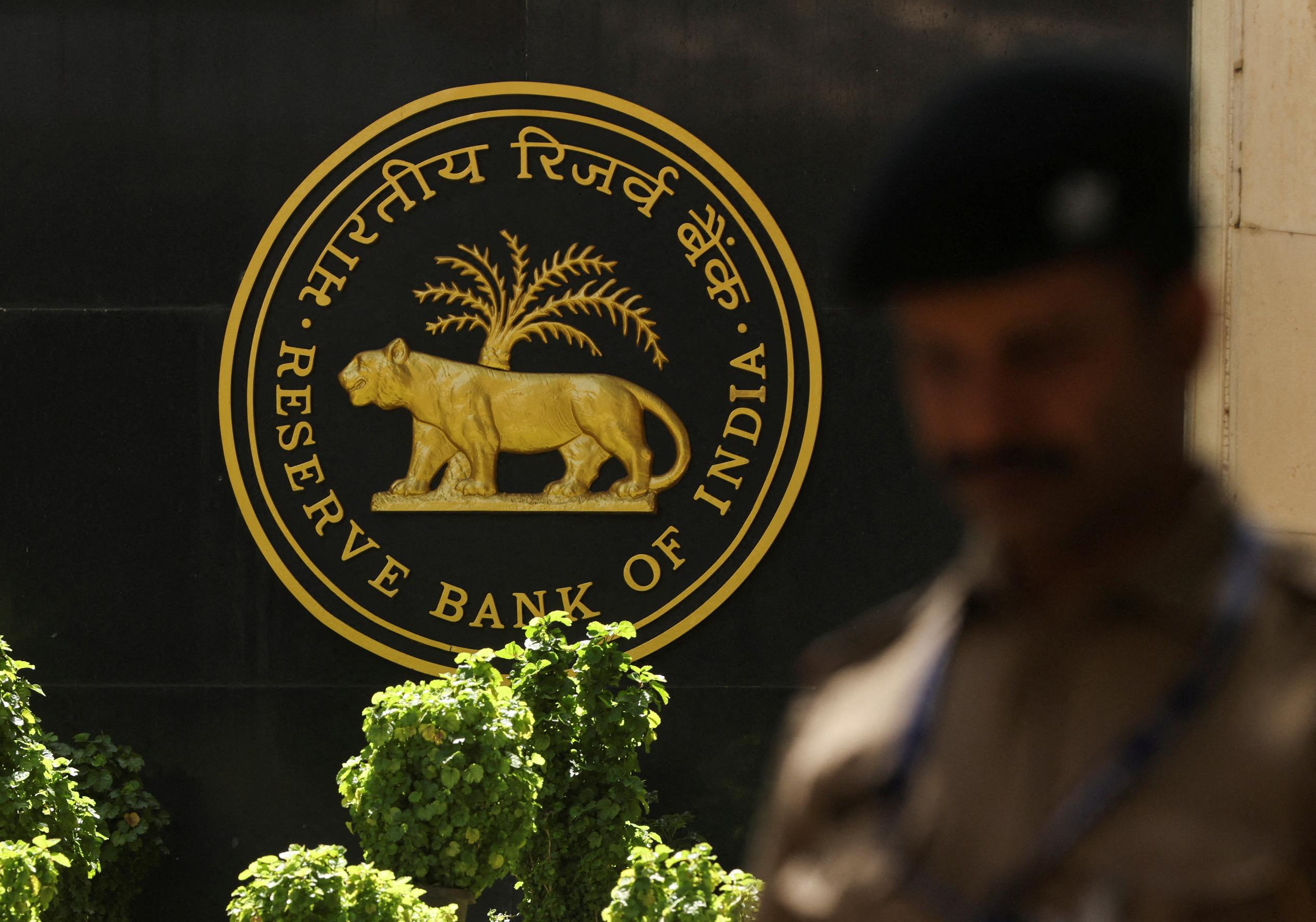
MUMBAI, April 2 (Reuters) - The Indian rupee will be counting on the central bank's assistance on Tuesday to avoid declining to a record low, after robust U.S. manufacturing data pushed the dollar index to its highest level in more than four months. Non-deliverable forwards indicate rupee will open flat to slightly weaker to the U.S. dollar from 83.40 on Monday. The local currency last Wednesday touched a record low of 83.45, which bankers said prompted the Reserve Bank of India (RBI) to intervene. "You would expect the RBI to sell (USD/INR) and the opening price action will reflect that," a forex trader at a private sector bank said. "However, with the way dollar and U.S. yields are, dips (on USD/INR) will not amount to much." The dollar index rallied in the New York session and inched up further in Asia, after an unexpected expansion in U.S. manufacturing activity prompted investors to dial back odds of a Federal Reserve rate cut at the June meeting. A cut at the May meeting has already been priced out. The Institute for Supply Management's (ISM) U.S. manufacturing PMI increased to 50.3 last month, from 47.8 in February and compared to estimates of 48.3. This was the first time since September 2022 that the PMI crossed 50, a level that separates expansion and contraction. "The ISM manufacturing index surprised everyone by moving into growth territory," ING Bank said in a note. The market's interpretation is that it reduces the chances of meaningful Fed rate cuts, it said. U.S. Treasury yields surged and the dollar index climbed past 105 for the first time since November. The S&P 500 Index dropped and futures on the gauge were lower in Asia. KEY INDICATORS: ** One-month non-deliverable rupee forward at 83.46; onshore one-month forward premium at 5.75 paise ** Dollar index up at 105.04 ** Brent crude futures up 0.4% at $87.8 per barrel ** Ten-year U.S. note yield at 4.31% ** As per NSDL data, foreign investors bought a net $485.1 mln worth of Indian shares on March 27 ** NSDL data shows foreign investors bought a net $173 mln worth of Indian bonds on March 27 Keep up with the latest medical breakthroughs and healthcare trends with the Reuters Health Rounds newsletter. Sign up here. https://www.reuters.com/markets/currencies/rupee-rely-central-bank-help-counter-surging-dollar-2024-04-02/
2024-04-02 00:39
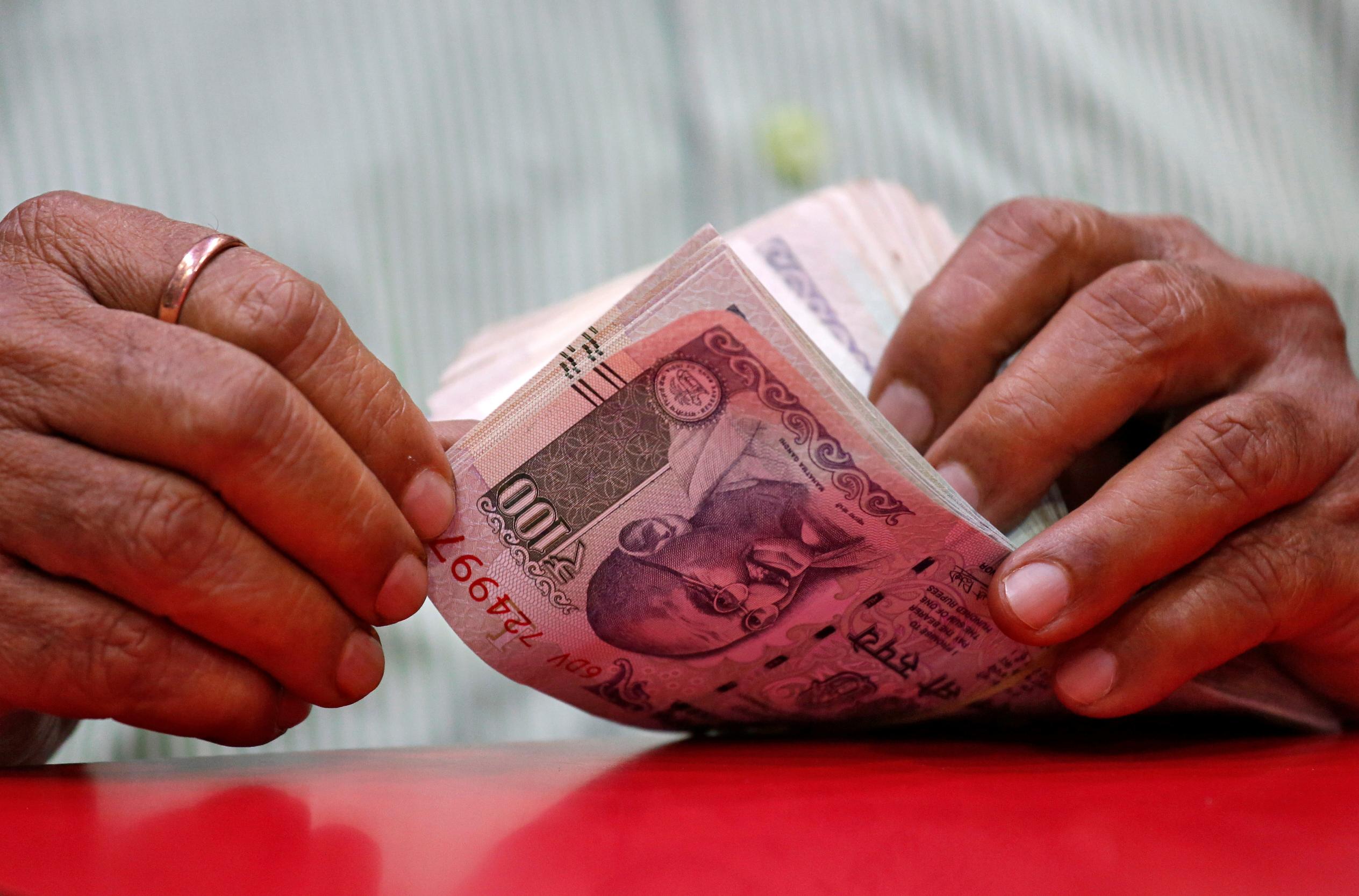
TOKYO, April 2 (Reuters) - Japanese Finance Minister Shunichi Suzuki said on Tuesday that authorities were ready to take appropriate action against excessive currency market volatility, without ruling out any options. "We are carefully watching daily market moves," Suzuki told a news conference after a regular cabinet meeting, when asked about the yen's continued declines. "We are watching currency moves with a strong sense of urgency," he said. The yen has been on a downtrend despite the Bank of Japan's decision on March 19 to end eight years of negative interest rates, and hit a 34-year low against the dollar at 151.975 last week. It stood at 151.655 in Asia on Tuesday. With the BOJ's policy rate still stuck around zero, expectations the gap between U.S. and Japanese interest rates will remain wide are giving traders an excuse to keep selling the yen, analysts said. Suzuki said monetary policy was only among many factors that affect currency moves, such as each country's current account balance, price developments, geo-political risks, market sentiment and speculative moves. "It's important for currency rates to move stably reflecting fundamentals. Excessive volatility is undesirable," he said. Suzuki declined to comment when asked whether Japan would intervene heavily in a single blow to unwind speculative positions, or conduct intervention in several stages to smooth volatile moves. Keep up with the latest medical breakthroughs and healthcare trends with the Reuters Health Rounds newsletter. Sign up here. https://www.reuters.com/markets/currencies/japan-ready-take-action-vs-excessive-yen-volatility-says-finance-minister-2024-04-02/