2024-03-29 06:23
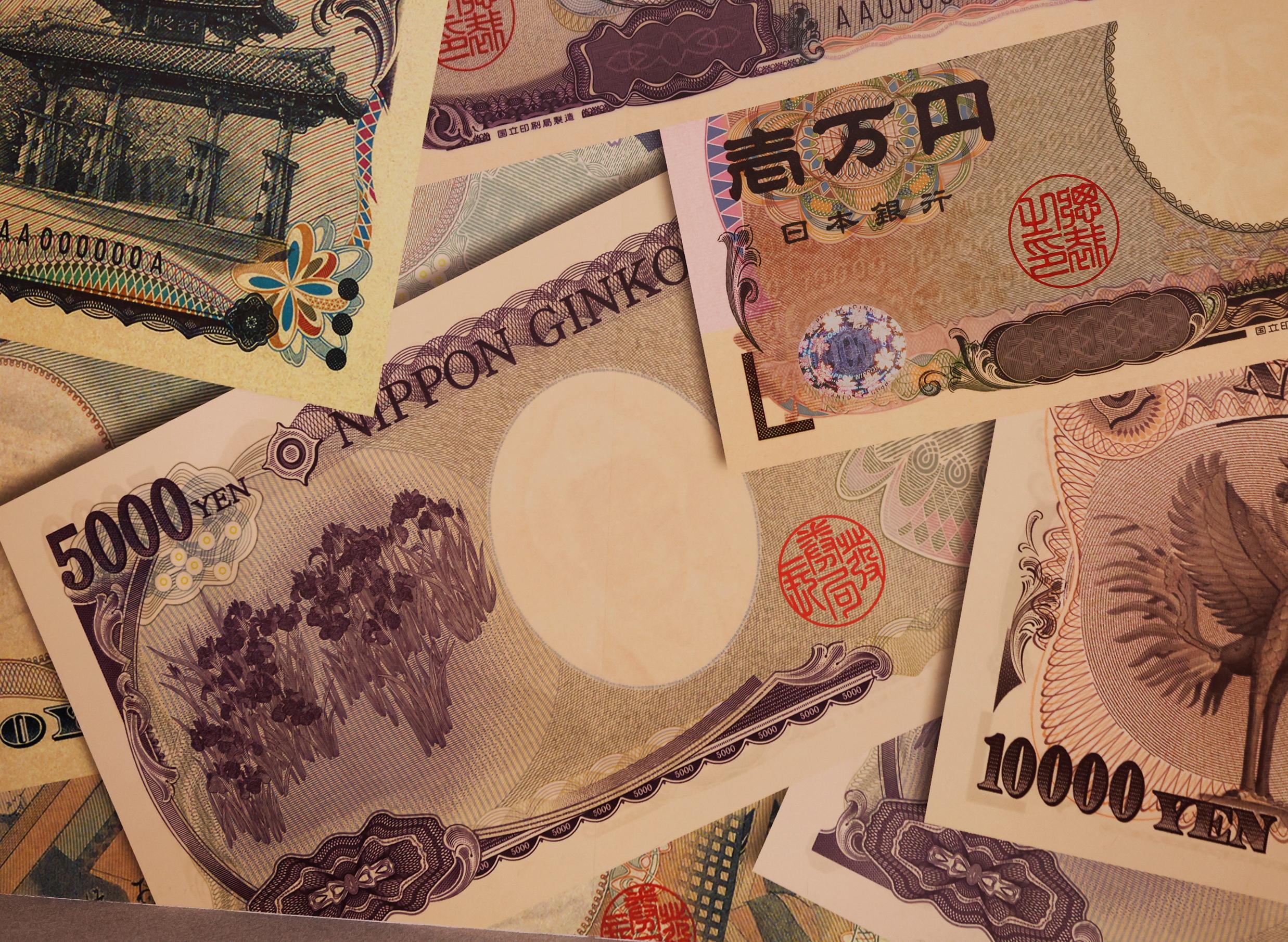
TOKYO, March 29 (Reuters) - Japanese monetary authorities made a last-minute decision to bring forward to Wednesday an emergency meeting on the weak yen that was originally scheduled for Thursday, to maximise the impact of arresting sharp yen falls, a source with knowledge of the matter told Reuters. The meeting, consisting of executives from the Ministry of Finance (MOF), Bank of Japan and Financial Services Agency, is typically held in times of market turbulence partly as a gesture of authorities' alarm of unwelcome, sharp currency moves. As the meeting is considered as a sign Tokyo is moving a step closer to intervening in the currency market, traders were on the lookout for any signs it could be held again as the yen slid toward three-decade lows against the dollar. The MOF remained mum on the timing of the meeting as it calibrated the right moment. The announcement came less than an hour before the meeting began on Wednesday evening. The meeting, originally planned to be held on Thursday, was brought forward to Wednesday to maximise the psychological impact on markets, said the source, who spoke on condition of anonymity due to the sensitivity of the matter. "It worked," the source said on the decision to push forward the timing of the meeting. "If we waited until Thursday, it could have caused the yen to plunge." The timing proved crucial as the yen was accelerating its pace of decline to hit a 34-year low of 151.97 to the dollar late Wednesday afternoon. That was weaker than the 151.94 level at which Japan last stepped into the market to prop up the currency in October 2022 and where markets were expecting some sign of action from authorities. Shortly after the news of the meeting, the yen rebounded to around 151.00, and has hugged a tight range since then. The dollar stood at 151.30 yen on Friday. "The three-party talks came at an appropriate time because otherwise, the yen could have slumped sharply," said Yoshimasa Maruyama, chief market economist SMBC Nikko Securities. The MOF was not immediately available to comment. The source denied a report by Reuters, which ran hours before the meeting, citing a senior Japanese official as saying there was no need to hold a three-party meeting. He said the meeting was an important venue to signal authorities' resolve to address excessive currency moves. The three-party meeting was first held in 2016, originally with the aim of signalling authorities' alarm over excessive rises in the yen that hurt Japan's export-reliant economy. But the yen's downtrend since 2022 has become a headache for Tokyo authorities, inflating the cost of importing raw material and fuel. Shortly after a three-party meeting held in September 2022, Japan carried out yen-buying intervention for the first time in 24 years. Japan has stayed out of the currency market since it last intervened in October 2022. Keep up with the latest medical breakthroughs and healthcare trends with the Reuters Health Rounds newsletter. Sign up here. https://www.reuters.com/markets/currencies/japan-brought-forward-emergency-yen-meeting-maximise-market-impact-source-2024-03-29/
2024-03-29 06:07
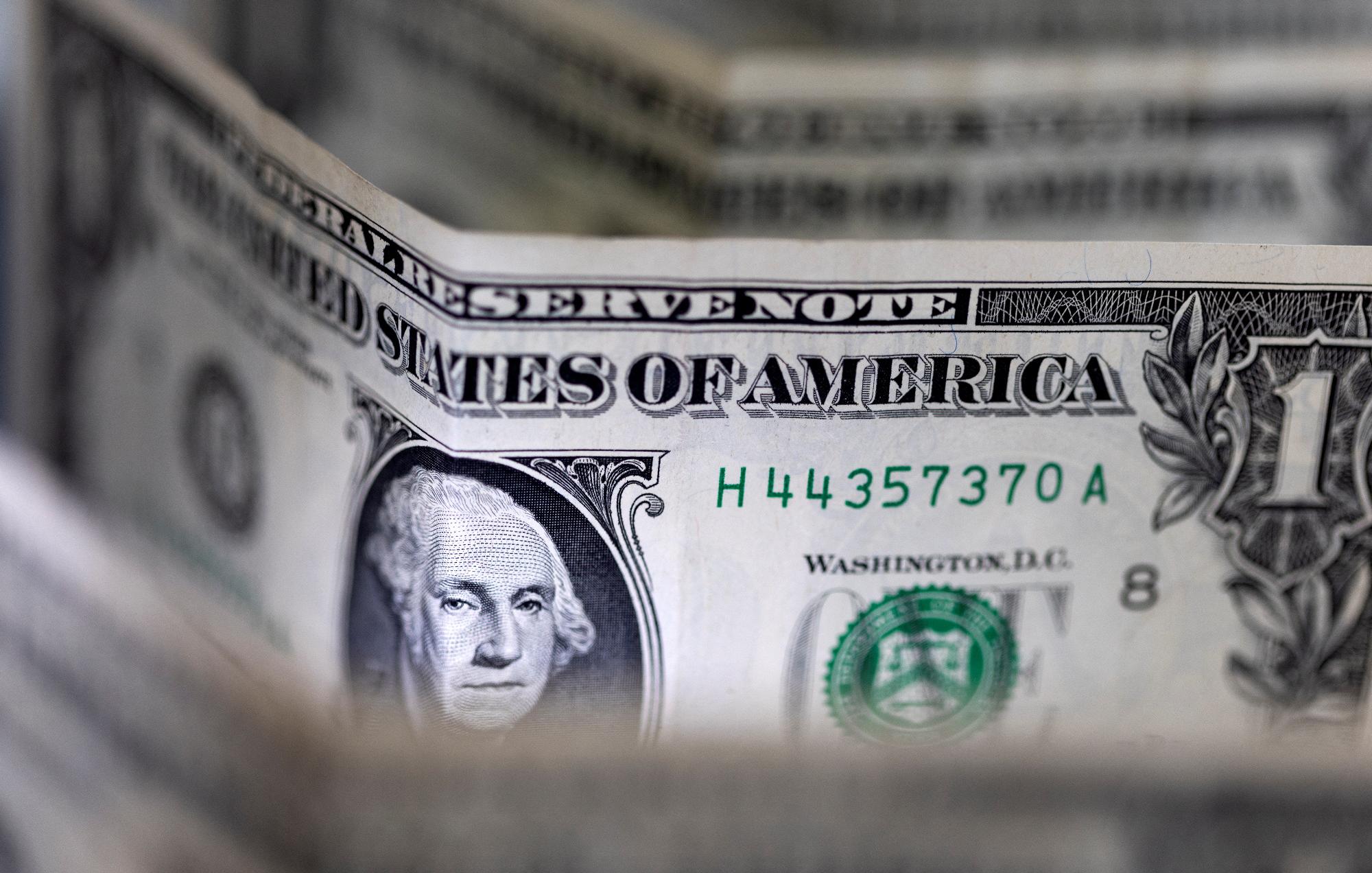
LONDON, March 29 (Reuters) - A tumultuous first quarter is coming to an end and the "buy everything" party is in full swing across markets, but the coming week has a few reality checks that even the most avid bulls may not be able to overlook. The strong dollar is giving major Asian central banks a headache and there are big questions to answer over the state of growth in the United States, China and the euro zone - the world's three largest economic blocs. Some big data releases might answer them. Here's your weekahead primer in world markets from Lewis Krauskopf in New York, Rae Wee in Singapore and Dhara Ranasinghe and Amanda Cooper in London. 1/ SCORES ON THE DOORS The dawn of Q2 is different to the first quarter. In January, markets priced in almost six rate cuts from the Federal Reserve this year - a total of nearly 150 basis points. Now, just three are baked in. Confidence in a soft landing has ignited an "everything rally" that has swept stocks, gold and cryptocurrencies to record highs. The dollar, meanwhile, is riding high against almost every major currency, pushing central banks, including those of Japan, China and India, to intervene, or consider intervening, to bolster their currencies. With the shift in the global interest-rate cycle, low yielding assets are out and everything with a whiff of yield is in. The coming quarter will be the ultimate litmus of whether this view is right. 2/ JOBS DAY The April 5 U.S. jobs report will test investor confidence that the economy will be able to avoid a recession even as inflation cools off. Non-farm payrolls are expected to have climbed by 200,000 in March, according to economists polled by Reuters. That would be a step down from the 275,000 jobs added in February. Hopes for a "soft landing" for the U.S. economy appeared to grow after the Fed at its March meeting backed its view of three rate cuts this year while raising its economic growth estimate. But concern remains about a potentially too-hot economy, with consumer price data earlier in the year coming in higher than expected. 3/ INTERVENTION WATCH Monetary authorities in Japan and China are on high alert as their currencies weaken past levels that they've been defending for months, largely thanks to the resurgent dollar. With the yen faltering towards the 152 per dollar level and the yuan struggling to break above the stronger side of 7.2 per dollar, officials have stepped up efforts to stem any further depreciation. In Japan, that means verbal warnings, while in China it has been state banks buying yuan and selling dollars. Given how much the two big Asian currencies have fallen, there's a growing school of thought that Beijing could have grown more tolerant of a weak yuan to maintain its competitive edge against the yen. It's hard to say for sure, and what comes next for both is as much of a mystery. The answers lie in Tokyo and Beijing. 4/ HOW CONFIDENT? Markets are certain the ECB will likely cut rates by a quarter point come June. Yet there's some doubt as to whether big central banks will be able to ease policy as much as anticipated overall. So, while the ECB has more or less pre-committed to a June cut, Wednesday's flash March inflation number could be telling for the rate outlook. Spain's consumer price index rose 3.2% in March from a year earlier, in line with economists' forecasts but up from 2.8% in February, preliminary data showed this week. Inflation needs to fall further to allow the ECB to deliver a summer rate cut, making the next three inflation prints key for markets (and the ECB). If inflation surprises higher, rate cut bets will be pushed out further still. Don't rule that out. 5/ STILL WAITING A strong rebound in China's economy has been a long time coming and investors may take some heart from the latest set of Purchasing Managers' Index (PMI) figures. The Caixin manufacturing PMI showed activity expanded at its fastest pace in 13 months in March, continuing its divergence with the official reading - overall offering a mixed outlook for the world's No.2 economy. While upbeat industrial profits may have offered some relief, a property crisis and various domestic headwinds are keeping foreign money on the sidelines. Also in an attempt to restore business confidence, President Xi Jinping met American business leaders in Beijing, though there was little detail of what was discussed. Still, investors want China to walk the talk. Calls for further monetary and fiscal stimulus are still met with much reticence, and that's hurting stocks and the yuan. Make sense of the latest trends in financial markets with the Global Investor newsletter. Sign up here. https://www.reuters.com/business/take-five/global-markets-themes-graphic-2024-03-29/
2024-03-29 04:07
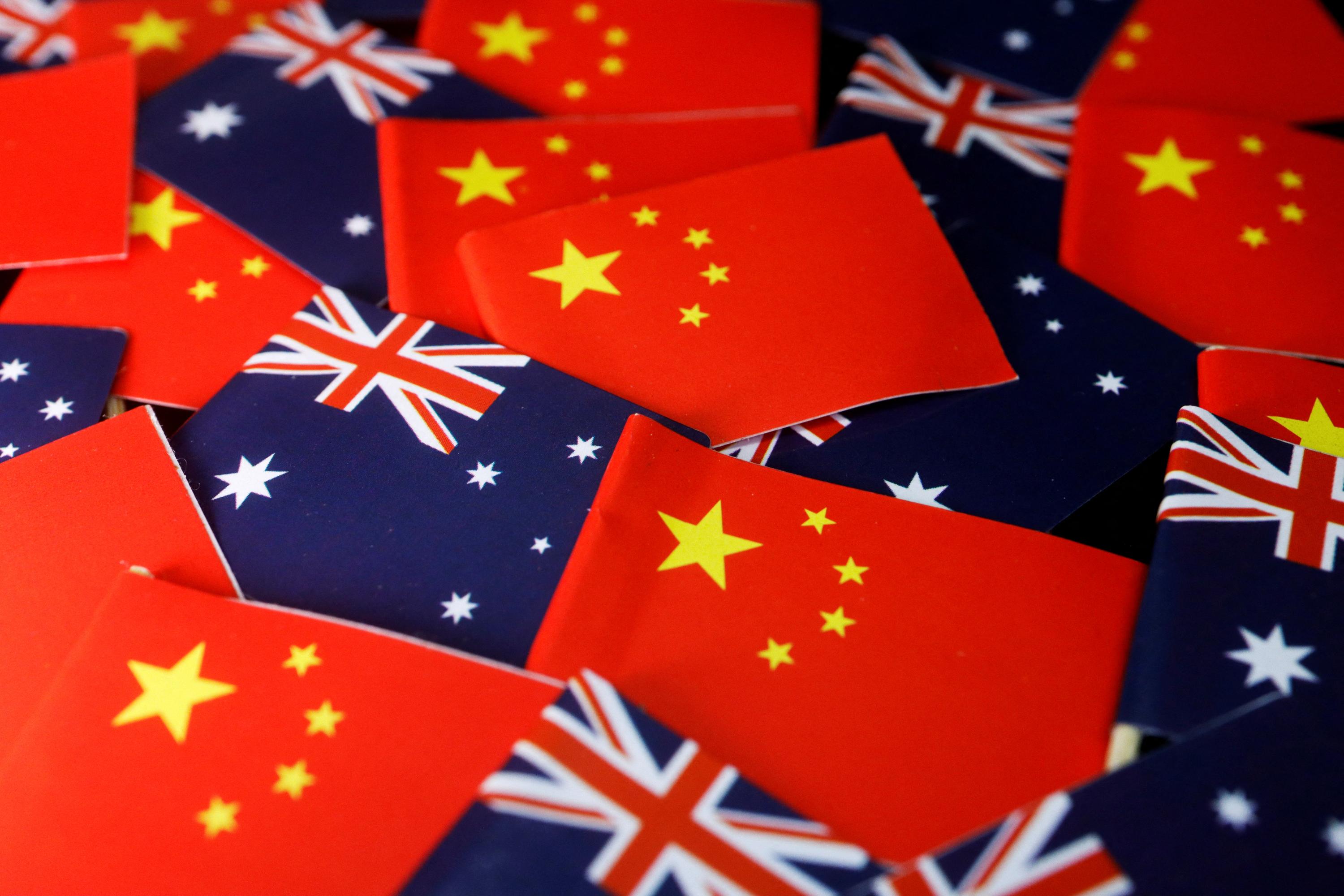
SYDNEY, March 29 (Reuters) - Australia is focused on removing impediments to exports to China for live lobsters and beef from some suppliers, a government official said, one day after Beijing said it would lift tariffs on Australian wine. Australia and China, its largest trading partner, are rebuilding ties after a period of strained relations which hit a low in 2020 after Canberra called for an independent investigation into the origin of COVID-19. Trade spats over barley, coal and now wine have been resolved but a Chinese ban on exports of Australian live lobsters is still in place as is a ban on shipments from eight meat export establishments. "There is progress still to made in relation to beef, progress still to be made in relation to some categories of seafood," Assistant Trade Minister Tim Ayres told a media briefing. "We are going to keep the focus on those sectors at official level and at ministerial level to resolve those differences," he said. Get a look at the day ahead in U.S. and global markets with the Morning Bid U.S. newsletter. Sign up here. https://www.reuters.com/markets/commodities/china-lifts-tariffs-australian-wine-bilateral-ties-recover-2024-03-28/
2024-03-29 03:21
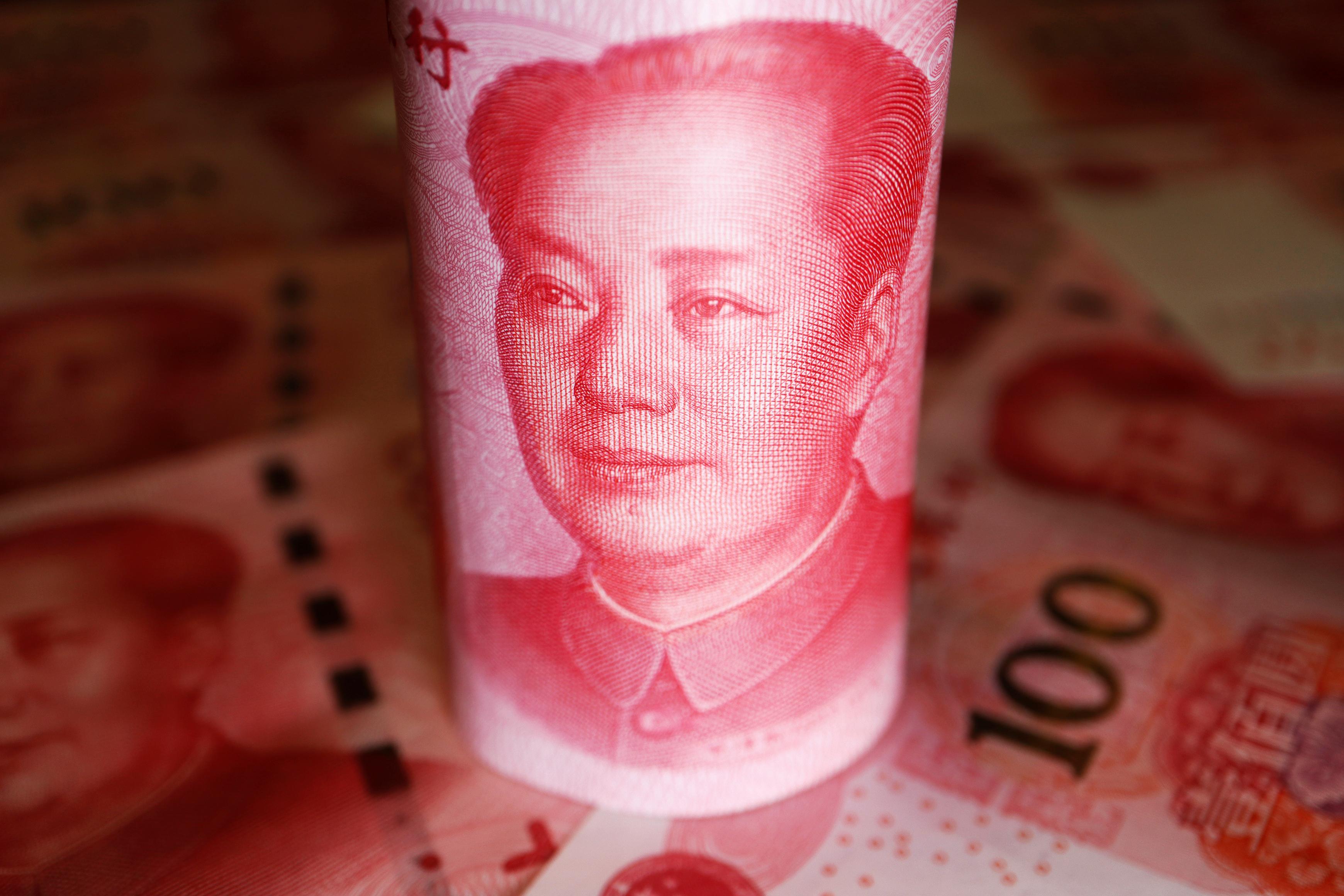
BOAO, China,March 29 (Reuters) - China will make it easier to move capital in and out of the country and promote financial market deregulation, a senior forex regulator said on Friday, as Beijing seeks to woo foreign investors amid heightened geopolitical tensions. "We will steadily push forward two-way capital market opening, and strengthen the connectivity between domestic and overseas financial markets," Xu Zhibin, deputy head of the State Administration of Foreign Exchange (SAFE), said at the annual Boao forum for Asia. "We will expand the variety and scope of investments to attract more investors to invest in China's financial markets." Xu also vowed to support high-quality Chinese companies to sell shares and bonds in overseas markets, and encourage sovereign wealth funds and other institutional investors to invest offshore "in an orderly manner." Many global investors have left, or diversified away from China over the past few years, amid concerns over China's economic health, policy orientations, and Sino-U.S. tensions. Meanwhile, overseas listings by Chinese companies have slumped, thanks to tighter scrutiny over national and data security by both Chinese and Western governments. Get a look at the day ahead in U.S. and global markets with the Morning Bid U.S. newsletter. Sign up here. https://www.reuters.com/business/finance/china-will-further-enhance-capital-account-opening-fx-official-says-2024-03-29/
2024-03-28 23:48
SAO PAULO, March 28 (Reuters) - Brazilian exchange operator B3 (B3SA3.SA) , opens new tab said on Thursday it received a green light from the country's securities regulator to offer bitcoin futures, with trading to start on April 17. B3, which currently offers exchange-traded funds (ETFs) and receipts of ETFs related to cryptoassets, said the official date of the launch could still change. The company said in a statement the bitcoin futures will be tied to the Nasdaq Bitcoin Reference Price, with each contract set at 10% of bitcoin's price in Brazilian reais. "The launch meets the demand for a derivative that allows a hedge against bitcoin's price fluctuations or a directional exposure to the asset," B3's superintendent of swap rates and currency products, Felipe Goncalves, said in the statement. B3 said the futures contract will have a financial settlement, with no buying or selling of actual bitcoin. Get a look at the day ahead in U.S. and global markets with the Morning Bid U.S. newsletter. Sign up here. https://www.reuters.com/business/finance/brazil-exchange-operator-b3-offer-bitcoin-futures-april-2024-03-28/

2024-03-28 23:12
Comm services, tech, energy lead quarterly sector gains US fourth-quarter growth revised up; weekly jobless claims fall Walgreens gains after quarterly earnings Indexes: Dow up 0.12%, S&P 500 up 0.11%, Nasdaq down 0.12% NEW YORK, March 28 (Reuters) - The S&P 500 closed out the week with slight gains on Thursday, with the benchmark index notching its strongest first quarter in five years, as investors digested the latest batch of economic data while looking towards the next inflation reading. Each of the three main U.S. indexes recorded solid quarterly gains, led by a climb of 10.16% for the S&P 500, aided by optimism over artificial intelligence (AI) related stocks and expectations the U.S. Federal Reserve will begin to cut interest rates this year. The blue-chip Dow (.DJI) , opens new tab sits less than 1% away from breaching the 40,000 level for the first time. Data on Thursday showed the U.S. economy grew faster than previously estimated in the fourth quarter, partly due to strong consumer spending, while a separate report showed initial jobless claims indicated the labor market remains on solid footing. "The economy is in pretty good shape, the consumer is in pretty good shape and still spending, unemployment is still on the low side, and there continues to be pockets where the economy is thriving ... So there's money that is wanting to be spent in a variety of different ways," said George Young, portfolio manager at Villere & Company in New Orleans. "And then you've got that carrot that the Fed's kind of holding out there saying, we may just be lowering and we may just be lowering, and everybody's trying to parse their words." While U.S. equity markets will be closed for the Good Friday holiday, the focus will be on the release of the Personal Consumption Expenditures Price Index (PCE), the Fed's preferred inflation gauge, for clues on the timing and size of rate cuts this year from the central bank. The Dow Jones Industrial Average (.DJI) , opens new tab rose 47.29 points, or 0.12%, to 39,807.37, the S&P 500 (.SPX) , opens new tab gained 5.86 points, or 0.11%, to 5,254.35 and the Nasdaq Composite (.IXIC) , opens new tab lost 20.06 points, or 0.12%, to 16,379.46. For the week, the Dow rose 0.84%, the S&P 500 advanced 0.39% and the Nasdaq slipped 0.3%. In March, the Dow climbed 2.08%, the S&P gained 3.1% and the Nasdaq added 1.79%. For the quarter, the Dow gained 5.62%, the S&P 500 shot up 10.16% and the Nasdaq rallied 9.11%. Overnight, Fed Governor Christopher Waller said recent disappointing inflation data affirms the case for the central bank to hold off on cutting its short-term interest rate target, but did not rule out trimming rates later in the year. Markets are pricing in a roughly 64% chance the Fed will cut rates by at least 25 basis points (bps) in June, according to CME's FedWatch Tool , opens new tab. While communication services (.SPLRCL) , opens new tab, energy (.SPNY) , opens new tab and tech (.SPLRCT) , opens new tab were the best performing of the 11 major sectors this quarter, only real estate (.SPLRCR) , opens new tab suffered a decline. Walgreens Boots (WBA.O) , opens new tab shares rose 3.19% after its quarterly earnings in which it recorded an impairment charge on its investment in clinic operator VillageMD. Home Depot (HD.N) , opens new tab slipped 0.59% after the home improvement retailer said it would buy building materials supplier SRS Distribution in an $18.25 billion deal in its largest acquisition. Advancing issues outnumbered decliners by a 1.87-to-1 ratio on the NYSE. On the Nasdaq, advancing issues outnumbered decliners by a 1.42-to-1 ratio. The S&P 500 posted 91 new 52-week highs and no new lows while the Nasdaq recorded 275 new highs and 52 new lows. Volume on U.S. exchanges was 11.17 billion shares, compared with the 12.07 billion average for the full session over the last 20 trading days. Get a look at the day ahead in U.S. and global markets with the Morning Bid U.S. newsletter. Sign up here. https://www.reuters.com/markets/us/futures-range-bound-ahead-long-weekend-break-2024-03-28/