2024-03-27 05:18
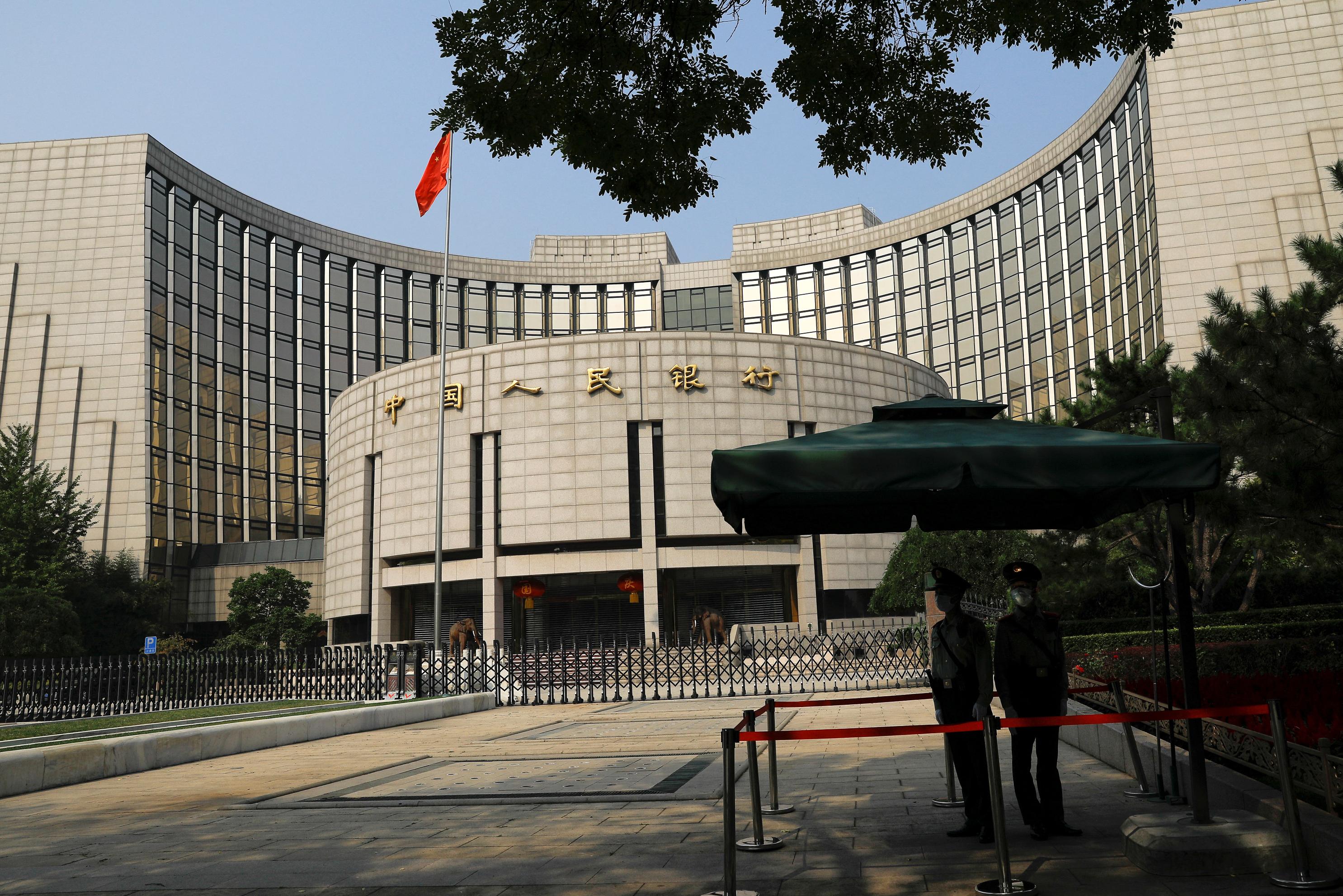
BOAO, China, March 27 (Reuters) - China's central bank will continue to promote currency swaps and strengthen monetary cooperation with Asian economies to maintain regional financial stability, the bank's governor said on Wednesday. Bilateral currency swaps can facilitate trade and investment and are a useful addition to the global financial safety net, Governor Pan Gongsheng told the annual gathering of the Boao Forum for Asia. "Bilateral currency swaps can provide emergency liquidity support in times of turmoil in international financial markets and banking crises in some countries," he said. The central bank has signed bilateral local currency swap agreements with the central banks and monetary authorities of 29 countries and regions, with the total size of about 4 trillion yuan ($553.49 billion), according to Pan. Asian countries should also push reforms of quotas and voting shares of the International Monetary Fund (IMF) to enhance the treatment of emerging markets, said Pan. "China's bilateral currency swaps with selected countries also formed an important part of IMF-led international bailout relief package," Pan added. Argentina had planned to tap several billion dollars in disbursements from the IMF to repay China part of the money it borrowed through a currency swap line, Reuters reported last year. ($1 = 7.2269 Chinese yuan) The Reuters Daily Briefing newsletter provides all the news you need to start your day. Sign up here. https://www.reuters.com/world/china/china-promote-currency-swaps-strengthen-monetary-cooperation-2024-03-27/
2024-03-27 05:06
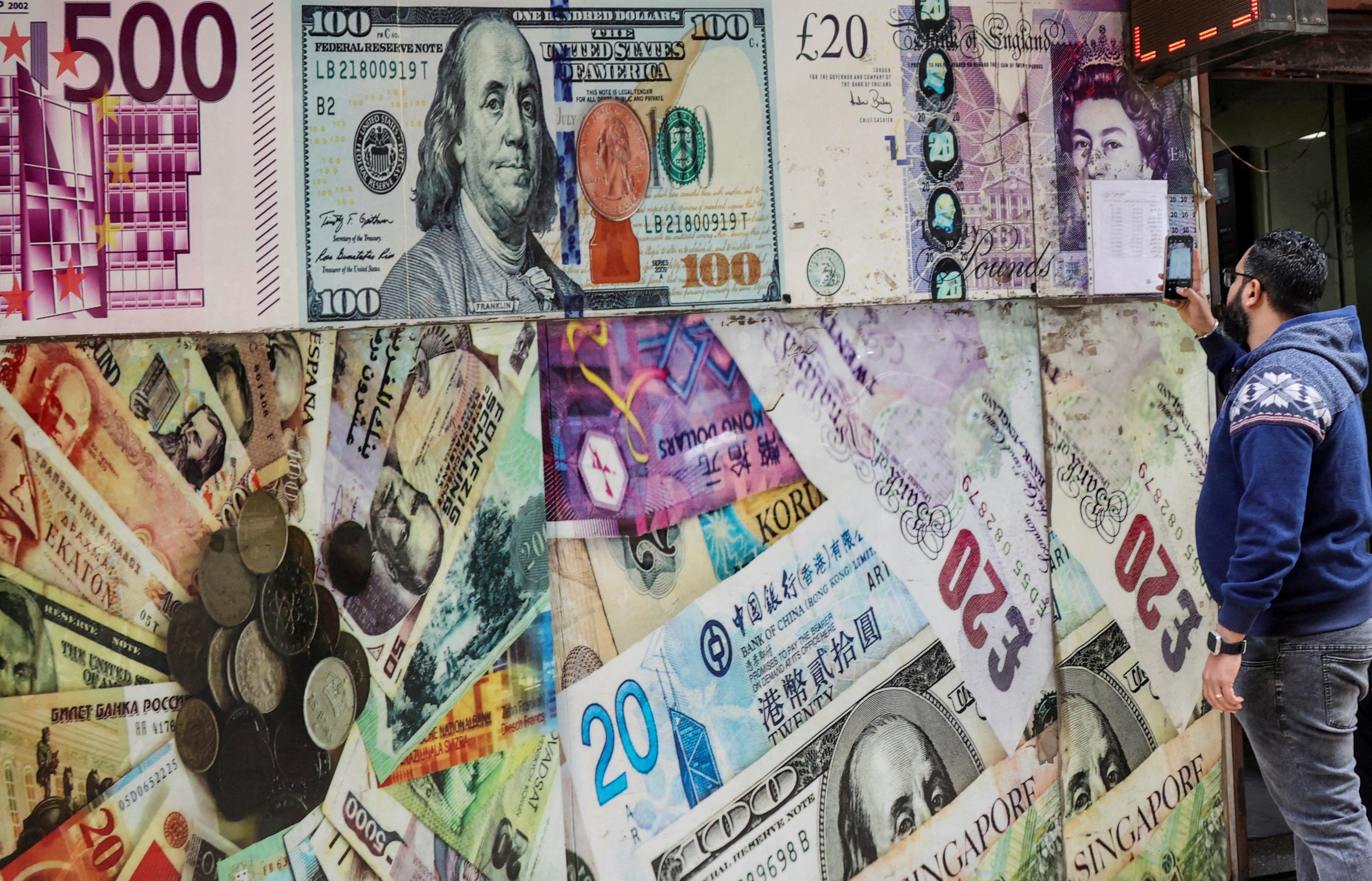
NEW YORK, March 27 (Reuters) - An unusual calm enveloping foreign exchange markets is extending the life of a lucrative trade beyond what many had expected. The so-called carry trade, which involves borrowing in a low interest-rate currency to invest in a higher-yielding currency, had been expected to fade as major central banks pivot away from hiking rates toward easing policy. However, a major shift has yet to happen, keeping currency markets calm and the trade, which relies on such stability, an easy winner. "The carry trade is often known as picking up nickels in front of steam rollers, but speculators have been picking up bundles of $100 bills over the last year," said Karl Schamotta, chief market strategist at payments company Corpay. "The returns are outstripping virtually everything else." The strategy provided bumper returns for those who played it right, a Corpay Global Payments analysis showed. Buyers of the high-yielding Mexican peso who sold the Japanese yen would have reaped gains of about 44% over the last 12 months. Other popular carry currencies have also yielded similarly outsized returns. A Deutsche Bank index, with elements that include the carry performance of 21 emerging market currencies, rose 6.6% in 2023, its best year since 2017. The DB EM FC Equally Weighted Total Return index, as it is called, has climbed nearly 1% over the last month. The tide may be turning, however. Retreating inflation in emerging markets paves the way for central banks to ease policy in 2024, narrowing the rate difference between the highest- and lowest-yielding currencies. Mexico recently joined Brazil, Chile and Colombia in cutting rates, easing for the first time since it began tightening in mid-2021. "The carry trade is likely to run out of steam and while these currencies could see some further gains, those tailwinds that propelled them to large gains in 2023 look to have run their course," said Jonathan Petersen, senior markets economist at Capital Economics. Last week, Fed policymakers indicated they still expect to reduce rates by three-quarters of a percentage point by the end of 2024. However, the Fed and the European Central Bank are unlikely to match the scale and speed of easing in emerging markets. Carry traders need to be more picky as a result, said Aaron Hurd, senior portfolio manager, currency, at State Street Global Advisors. "It's not quite an all clear environment that you had over the past year and a half," he said. "We're generally moving in the direction of being more cautious ..., trying to take the higher quality or lower-risk carry trades now." Hurd is shifting from using the yen as a funding currency, saying it is vulnerable to a sharp move, toward the stable Swiss franc. He favors buying the Indian rupee while selling the Chinese yuan. VOLATILITY IS KEY Central banks moving in sync has helped to curb interest rate volatility. Deutsche Bank's CVIX index (.DBCVIX) , opens new tab, a weighted average of expected volatility in nine major currency pairs, recently sank to a near 2-1/2 year low. That means investors are not ready to abandon carry trades soon. "I think markets expected January or February to be more volatile months, where we would have seen a decline in U.S. data that would have warranted maybe Fed rate cuts already in March or in May," said Francesco Pesole, forex strategist at ING in London. Instead, there were two months of strong U.S. data, he noted. "We can definitely see another few weeks where carry remains relatively popular," Pesole said. Despite notable interest rate moves in the last few weeks, including a surprise a cut by the Swiss National Bank and the Bank of Japan's long-awaited move away from negative interest rates, volatility has stayed low. Three-month dollar/yen implied volatility , a measure of the cost of options contracts that traders use to hedge positions, is near its lowest in about three months. However, it would not take much to roil markets and unsettle the carry trade, analysts said. "It's really hard to imagine things getting even calmer in FX markets," Capital Economics' Petersen said. Surprises could come from central bank policy actions, economic data, geopolitical upheavals and elections around the world this year, including in the U.S., he noted. "The bottom line is that the bar is very low for volatility to creep higher from here." Keep up with the latest medical breakthroughs and healthcare trends with the Reuters Health Rounds newsletter. Sign up here. https://www.reuters.com/markets/currencies/lucrative-foreign-exchange-trade-sustained-by-low-volatility-2024-03-27/
2024-03-27 00:00
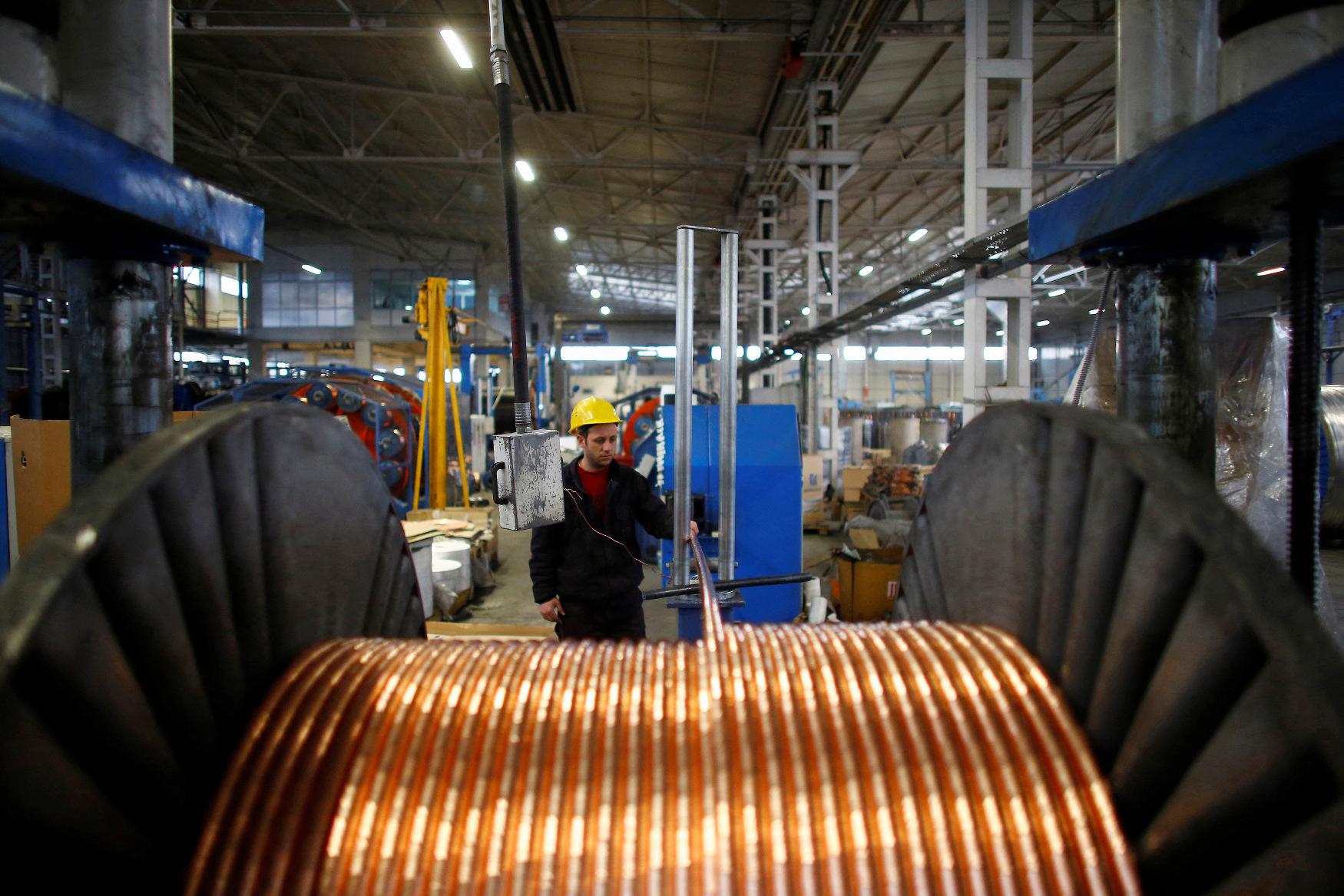
LONDON, March 26 (Reuters) - Fund managers have rushed to buy copper after the price broke up out of its one-year trading range earlier this month. Activity has surged on all three global exchanges with money managers lifting bullish bets on both the London Metal Exchange (LME) and the CME (CME.O) , opens new tab copper contracts. Market open interest on the Shanghai Futures Exchange (ShFE) has jumped to life-of-contract highs. Much of the investment community had stayed away from copper's sideways churn over the last year but funds are now clearly re-entering on the long side after LME three-month metal leapt to an 11-month high of $9,164.50 per metric ton on March 18. A fresh technical picture and signs of supply stress have served to rekindle copper's bullish flames. However, they could yet be doused if the market can't hold its recent gains. BULL STAMPEDE Money manager long positions on the CME copper contract jumped by 43% to 99,829 contracts in the week to March 18, according to the latest Commitments of Traders Report (COTR). It's the largest outright fund long position since May 2021. Net long positioning of 39,270 contracts is the most bullish it's been since this time last year when the market was still pinning its hopes on a post-lockdown growth surge in China. The bulls have been stampeding into the London market as well. Investment fund long positions soared to 70,293 contracts in the week to March 15. It's the heaviest cumulative bet on higher prices since the LME started publishing its COTR in 2018. There are still plenty of fund shorts around and net long positioning of 37,863 contracts is the highest in "only" two years. Positioning in the LME's "Other Financial" category, which includes commodity index providers and insurance companies, has also started turning more bullish. The net long position has grown to 11,693 contracts, also a near two-year high. There is no comparable COTR in China but it's clear that copper's break of trading range has put it on the radar of the local investment community. Market open interest on the Shanghai copper contract rocketed from 388,000 contracts at the start of the month to 566,000 on March 15. It has since retreated marginally to 533,000 contracts. KEY PRICE LEVEL The trigger for all the excitement in the previously torpid copper market was a commitment by Chinese smelters to restrain output in the face of a tighter-than-expected raw materials market. What exactly this means for the supply-demand balance in the refined segment of the supply chain remains uncertain. There is a good deal of scepticism among analysts as to how many smelters will actually cut production rather than re-schedule maintenance shutdowns or defer new capacity. It has, though, refocused attention on copper's stretched supply dynamics, a feature of the market that has been overshadowed by a weak demand picture over the last year or so. Clearly, plenty of fund managers are buying into the change of narrative but whether others will join them depends on whether copper can consolidate its chart gains. The most recent COTRs capture the build in long positions just before copper peaked above $9,000 per ton. Much of the money entering the market was likely reacting to the chart break and the resulting upwards price momentum. LME three-month copper has since retraced all the way to a current $8,860 per ton, a key technical level that acted as resistance in the previous year-long trading range and which, bulls hope, will now provide support for a new higher range. If that resistance-turned-support thesis holds, heavier-weight money may well follow the shorter-term technical funds into the market. If, however, copper can't hold its gains and falls back into the old range, some of its new fund friends may disappear as quickly as they came. The opinions expressed here are those of the author, a columnist for Reuters Get a look at the day ahead in European and global markets with the Morning Bid Europe newsletter. Sign up here. https://www.reuters.com/markets/europe/funds-stampede-into-copper-price-breaks-higher-2024-03-26/
2024-03-26 23:20
NEW YORK, March 26 (Reuters) - The Colonial Pipeline Company on Tuesday paused nominations to ship fuel on cycles 15 and 16 on Line 32, which delivers products to its Curtis Bay facility in the port of Baltimore, according to a notice seen by Reuters. To move refined products on the 5,500-mile Colonial system, shippers submit nominations, or requests for space they want. A freeze on nominations indicates that the requests exceed capacity, and the pipeline will begin allocating the space to shippers over the coming days. The freeze comes after the Port of Baltimore, one of the busiest in the United States, was forced shut due to a ship knocking down large sections of the Francis Scott Key Bridge earlier on Tuesday. With the port shut, Baltimore's fuel market is likely to increase its reliance on Colonial shipments, said Charles Bonner, director at maritime and commodity data firm Marhelm. Colonial delivers refined products including gasoline and diesel from the U.S. Gulf Coast to markets across the East Coast. Get a look at the day ahead in U.S. and global markets with the Morning Bid U.S. newsletter. Sign up here. https://www.reuters.com/markets/commodities/colonial-pipeline-freezes-nominations-baltimore-section-2024-03-26/

2024-03-26 23:10
HOUSTON, March 26 (Reuters) - Activist investor Elliott Investment Management has accepted the performance improvement plan that U.S. oil refiner Phillips 66 (PSX.N) , opens new tab laid out to boost shareholder returns and share price, Chief Executive Mark Lashier said in an interview on Tuesday. "They've bought into our plans that we already had in place," the CEO of one of the largest U.S. oil refiners said at its Houston headquarters. Elliott sent a letter to the company's board last fall, disclosing a $1 billion stake in the company, and calling for additions to its board of directors and a focus on improving its oil refining business. Last month, Phillips 66 appointed Robert Pease, a veteran refining executive, as a director, and said it was looking to add a second candidate. Elliott had urged the company last fall to add directors with refining experience that could address underperformance in refining and speed up cost-cutting efforts. Since the activist firm publicly disclosed its recommendations, Phillips 66 shares have climbed 32%, to $156.37 per share, compared to a 15% increase in the S&P 500 Index. "Elliott sees the progress. I think they've done quite well as any investor has that entered the shares over the last couple of years," he said. A person familiar with Elliott's thinking said Lashier is correct in saying the hedge fund supports the company's performance improvement targets, as it said in its letter last year. But the person cautioned that significant work lies ahead to execute on those goals. It has yet to be determined how much progress has been made in reaching those targets, said the person who is not permitted to speak publicly about the private discussions. He also noted the company's stock price continues to lag that of rivals Marathon Petroleum and Valero on a multi-year and year-to-date basis. A representative for Elliott declined to comment. The oil refiner and pipeline operator's performance improved in 2023's fourth quarter after a two-year period in which the company's overall earnings lagged rivals. Despite the share price gains, Lashier said the company is undervalued by investors waiting for it to deliver on profit targets. Phillips is ahead of schedule on a plan to repurchase $6 billion to $8 billion in shares by year-end, he said. The company has committed to deliver $13 billion to $15 billion in total shareholder returns by the end of 2024. Phillips 66 remains in discussions with potential buyers on a goal of raising $3 billion from asset sales, but is in no hurry to sell, Lashier added. The company is in the final stages of converting its oil refinery in Rodeo, California, to produce about 50,000 barrels a day of sustainable aviation fuel and renewable diesel after it stopped processing crude oil in February, he said. The facility will ramp up across the second quarter and expect to be in full operation by the end of the second quarter, Lashier added. Get a look at the day ahead in U.S. and global markets with the Morning Bid U.S. newsletter. Sign up here. https://www.reuters.com/markets/commodities/activist-elliott-has-accepted-phillips-66s-performance-goals-ceo-lashier-2024-03-26/

2024-03-26 22:40
ABUJA, March 26 (Reuters) - Nigeria's oil regulator met with producers and local refiners to fix implementation of a policy mandating crude sales to domestic refineries, the head of the agency said on Tuesday. Nigeria relies on imports for most of its fuel needs due to inadequate refining capacity, but a new 650,000-barrel-a-day plant by Africa's richest man Aliko Dangote will make it self-sufficient and able to export abroad. The Domestic Crude Oil Supply Obligation (DCSO), introduced under the petroleum industry law in 2021, aims to boost local refining capacity and reduce reliance on imported fuels. However, Nigerian Upstream Petroleum Regulatory Commission's (NUPRC) chief Gbenga Komolafe acknowledged difficulties with the policy which could threaten national oil production targets and hinder smooth implementation. Key concerns include producers' existing contracts that do not reflect the DCSO, delays in payment guarantee from refineries and logistical hurdles such as last-minute vessel changes. "Our aim is to identify and address these challenges effectively, with the ultimate goal of ensuring a seamless and efficient allocation process by the oil producers and off-take by the domestic refiners," Komolafe said on Tuesday. "Our priority is to uphold the integrity of the DCSO framework while fostering a conducive environment for the sustainable growth of Nigeria's oil and gas industry," he added, highlighting the meeting's objective to address concerns raised by oil producers and refiners, especially Dangote Refinery, the country's largest privately owned plant. While a committee with industry representatives is working on a framework for smoother DCSO implementation, Komolafe emphasized the need for direct talks with oil company chief executives "since the buck stops on your desk," he said. The Reuters Power Up newsletter provides everything you need to know about the global energy industry. Sign up here. https://www.reuters.com/business/energy/nigeria-seeks-fix-snag-domestic-oil-supply-refineries-2024-03-26/