2024-03-25 07:31
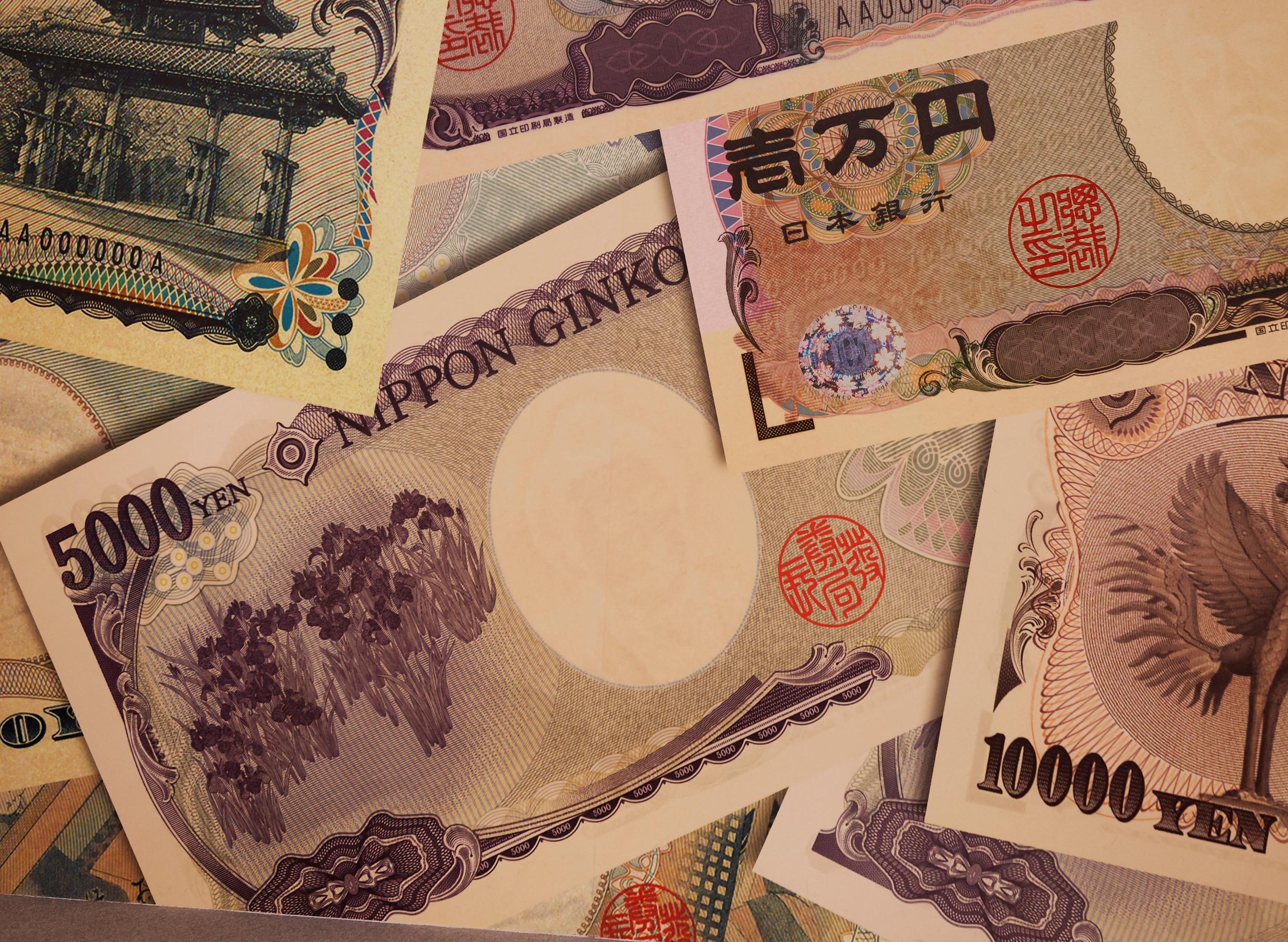
SINGAPORE, April 29 (Reuters) - Japan's yen hit a three-decade low on Monday before rebounding in a move currency traders suspected was official intervention. Support for the currency follows a years-long slide that even Japan's first interest rate hike since 2007 and broad optimism about the economy has failed to arrest. In real terms, the yen has been at its weakest since at least the 1970s. It traded at 160.245 per dollar on April 29 before rising to 155.01 per over a few hours, seemingly without any news or information in the market. A weaker yen is a boon for Japanese exporters' profits, and for tourists visiting Japan who find their currencies going further, but it squeezes households by increasing import costs. Here are some of the reasons for the slide: RATES Interest rates and momentum are powerful forces in foreign exchange markets. Both are against the yen. The Bank of Japan left short-term Japanese interest rates between 0 and 0.1% in April and did not indicate sharp or sustained rises were coming up ahead. That left the yen the lowest-rate, or yielding, G10 currency and investors are borrowing it cheaply and selling it to buy higher-yielding currencies, driving its price down. These deals, known as a "carry trades" are particularly attractive when broader market volatility (.DBCVIX) New Tab, opens new tab is relatively low, as it is right now, as the fundamental rate difference can drive the markets. Short-term U.S. rates are at 5.25-5.5% and a U.S. rate cut isn't expected until November or December. The U.S.-Japan government bond yield gap at the 10-year tenor is about 375 bps . MOMENTUM Why is the yen falling? Because people are selling it. And why are people selling? Because it is falling. Such can be the self-fulfilling loop of the market mindset. The yen has been steadily sliding for more than three years and has lost more than one-third of its value since the start of 2021 and few are game to stand in the way. The trend discourages exporters from converting foreign proceeds into yen. It encourages Japanese financial institutions to invest abroad. And it has been a boon for speculators betting against the yen, who have not been shy. Speculators' short-yen positions hit their largest since 2007 in the week ended April 23. OUTLOOK Japan's central bank made a historic shift out of negative interest rates in March. But the move was so well advertised, and has not put future sharp hikes on the table, leaving investors comfortable to add to short yen positions. The BOJ's decision to leave policy unchanged at its April meeting and to offer no fresh hints of hikes seemed to unleash a new wave of yen selling that drove the currency, briefly, weaker than 160 per dollar for the first time since 1990. The rates picture is also keeping big Japanese investors' cash abroad, where it can earn better returns. Japan Post Bank and Japan Post Insurance, among the largest financial firms, told Reuters their portfolios won't be radically changing in response to the BOJ's March shift. RESPONSE The yen rose sharply over a few hours in the Asia daytime on April 29, leading traders to suspect that after weeks of threatening to intervene, Japan had stepped in to support its currency. Japan's top currency diplomat Masato Kanda declined to comment when asked if authorities in Tokyo had intervened. In any case, the risk of intervention at these levels is high enough that few wanted to stand in the way of the yen's rebound. REAL TERMS A real effective exchange rate index value of 70.25 for the yen in February is the lowest since the Bank of International Settlements' records began in 1994 and lower than any of the Bank of Japan's retrospective projections, which date to 1970. That means tourist dollars go further than they have for generations and that has the tourism industry booming. Japan's current account has been in surplus for 13 months with help from tourism income and February's 2.79 million visitors was a record for the month. Domestic consumption, however, has been a weak spot in Japan's fragile economic recovery as households tend to be net importers and face higher prices due to a weak yen. Beyond Japan, some analysts say the yen's weakness threatens to erode the competitive advantage of Chinese manufactures, and speculate it could be behind recent falls in the yuan - though authorities in China maintain a close grip on the currency. Sign up here. https://www.reuters.com/markets/currencies/japan-hiked-interest-rates-why-is-yen-falling-2024-03-25/
2024-03-25 06:56
US PCE inflation data due on Friday Traders price in 70% chance of Fed rate cut in June March 25 (Reuters) - Gold prices rose on Monday, driven by expectations of interest rate cuts by the U.S. Federal Reserve this year, even as traders await inflation readings this week for confirmation on the timing of these reductions. Spot gold gained 0.5% to $2,174.51 per ounce as of 1:45 p.m. EDT (1745 GMT), while silver rose 0.2% to $24.71. U.S. gold futures settled 0.8% higher at $2,176.4. The weekly initial jobless claims print is due on Thursday and will be followed by the U.S. core personal consumption expenditure (PCE) price index data on Friday. Market reaction to the PCE data may only be seen next week on account of the Good Friday holiday. Gold can easily hit the $2,300 levels or higher in the second quarter, as discretionary traders and exchange-traded fund investors, who so far have not really participated in the rally, come into the market once rate cuts are confirmed, said Bart Melek, head of commodity strategies at TD Securities. But stronger economic data can prompt a retreat in gold, Melek said. The dollar also pared some of last week's gains, making bullion cheaper for overseas buyers. Gold hit record peaks last week after the Fed reiterated its view of three rate cuts in 2024. Traders are pricing in a 70% probability of a June rate cut, versus 65% before the Fed's March policy meet last week. Lower interest rates tend to make zero-yield gold more appealing. Gold also continued to draw support from strong central bank buying and safe-haven demand, analysts said. Among autocatalysts, platinum gained 1.1% to $903.59 and palladium climbed 2.3% to $1,008.08. Palladium's demand from the auto industry will be supported for longer after last week's new U.S. emissions law changes, which will effectively allow for more catalysed car sales in coming years, analysts at Heraeus wrote in a note. Get a look at the day ahead in U.S. and global markets with the Morning Bid U.S. newsletter. Sign up here. https://www.reuters.com/markets/commodities/gold-rises-hopes-fed-rate-cut-june-softer-dollar-2024-03-25/

2024-03-25 06:45
LONDON, March 22 (Reuters) - Inflation signals from the United States, Australia and Japan should be in focus in the coming days following a deluge of central bank meetings that included a historic Bank of Japan rate hike. Sweden's Riksbank could add to drama around who cuts rates now that Switzerland has kicked off easing among big central banks and Europe's IPO wheels are turning. Here's your week ahead primer in world markets from Lewis Krauskopf in New York, Rae Wee in Singapore, Anousha Sakoui and Dhara Ranasinghe in London, and Simon Johnson in Stockholm. 1/ INFLATION INTRIGUE A March 29 U.S. inflation reading is critical for markets after the Federal Reserve stuck with a view for rate cuts this year, even with a stronger economic outlook. The February Personal Consumption Expenditures Price index is expected to show a 0.4% monthly increase, according to a Reuters poll. January's PCE index rose 0.3%, while the annual increase in inflation was the smallest in three years. The Fed just upgraded its view on inflation - projecting that the PCE index excluding food and energy would rise at a 2.6% annual rate by year-end, compared with 2.4% in its December projections. It also lifted 2024 economic growth estimates. Any suggestion in the data that inflation is picking up could dash hopes that Fed easing will start soon, with a go-slow approach likely to continue. 2/ STILL VIGILANT Just as the Reserve Bank of Australia (RBA) thought inflation was finally coming to heel and the time was ripe to tone down its tightening bias, blowout employment figures have delivered a nasty shock. The RBA will likely watch Wednesday's inflation print for any upside surprises, given February's data will capture more price changes for a range of services - which has been declining at a slower pace than for goods. Across Asia, any further easing of inflation in Singapore and neighbouring Malaysia is unlikely to significantly sway policymakers, who are expected to keep monetary policy unchanged for some time. Tokyo's consumer price figures caps off a data-light week for Japan on Friday. That may be met with less excitement given that the Bank of Japan, has finally now hiked rates for the first time in 17 years. 3/ HEY JUNE! Traders love a bit of excitement, and there has been plenty lately - a BOJ rate hike and a surprise Swiss cut. The Swiss move, plus the Bank of England's hint at easing, means it is game on for June rate cuts from other big central banks. Data and central-bank speak in coming days will be watched closely. The question is the U.S. Fed. It is sticking with a plan for three rate cuts for now, but strong data and sticky inflation could derail that. Where does that leave investors? They favour government bonds in Europe and selling currencies where rate differentials with the Fed are opening up. No surprise that the Swiss franc slumped after Thursday's SNB cut and even the buoyant pound took a knock from a dovish BoE. 4/ SOMEWHERE IN STOCKHOLM Sweden's central bank, the world's oldest, is expected to keep its key rate unchanged on March 27. But it could announce that a cut, the first since it began tightening policy in spring 2022, is nearing. Headline inflation has slowed to near the Riksbank's 2% target and growth has ground to a halt as households and businesses struggle with rates at over 15 year-highs. In February, the central bank said rates had peaked and that it could even start to ease policy in the first half of 2024. Rate-setters remain worried, however, about the risks of setbacks - particularly the chance of a weaker Swedish crown if the Riksbank gets out of step with the ECB and U.S. Federal Reserve. As a result, markets see a first rate cut in May or June. 5/ IPO WHEELS TURN The launch of two of the biggest European initial public offerings of the last 12 months is in traders' sights. The market wants some equity market success to unlock a vital cog in the financial system and spur more dealmaking. CVC's perfume retailer Douglas raised around 850 million euros ($922.93 million). It priced its shares at bottom of an indicated range. They plummeted more than 12% on their debut on Thursday. But skincare company Galderma (GALD.S) , opens new tab priced its 2.3 billion swiss franc ($2.56 billion) IPO at the top of an indicated price range and soared on its first day trading Friday. A good performance might help other companies follow suit, including CVC itself. That should help release pressure building on private equity firms needing to exit investments, return capital and deploy funds. Make sense of the latest trends in financial markets with the Global Investor newsletter. Sign up here. https://www.reuters.com/business/take-five/global-markets-themes-takealook-2024-03-22/
2024-03-25 06:42
SYDNEY, March 25 (Reuters) - New Zealand said on Monday a free trade agreement with the European Union would come into effect on May 1, after the country's parliament ratified the deal. New Zealand notified the European Union it ratified the agreement earlier on Monday, Trade and Agriculture Minister Todd McClay said in a statement. Wellington and Brussels signed the deal in July 2023, with the European Parliament ratifying its side of the agreement in November. New Zealand expects the deal to benefit its beef, lamb, butter and cheese industries, as well as removing tariffs on other exports like its iconic kiwi fruit. The EU will see tariffs lifted on its exports including clothing, chemicals, pharmaceuticals and cars, as well as wine and confectionary. The EU is New Zealand's fourth-largest trade partner, according to government data, with two-way goods and services trade worth NZ$20.2 billion ($12.10 billion) in 2022. ($1 = 1.6689 New Zealand dollars) The Reuters Daily Briefing newsletter provides all the news you need to start your day. Sign up here. https://www.reuters.com/world/new-zealand-eu-trade-agreement-take-effect-may-1-2024-03-25/

2024-03-25 06:35
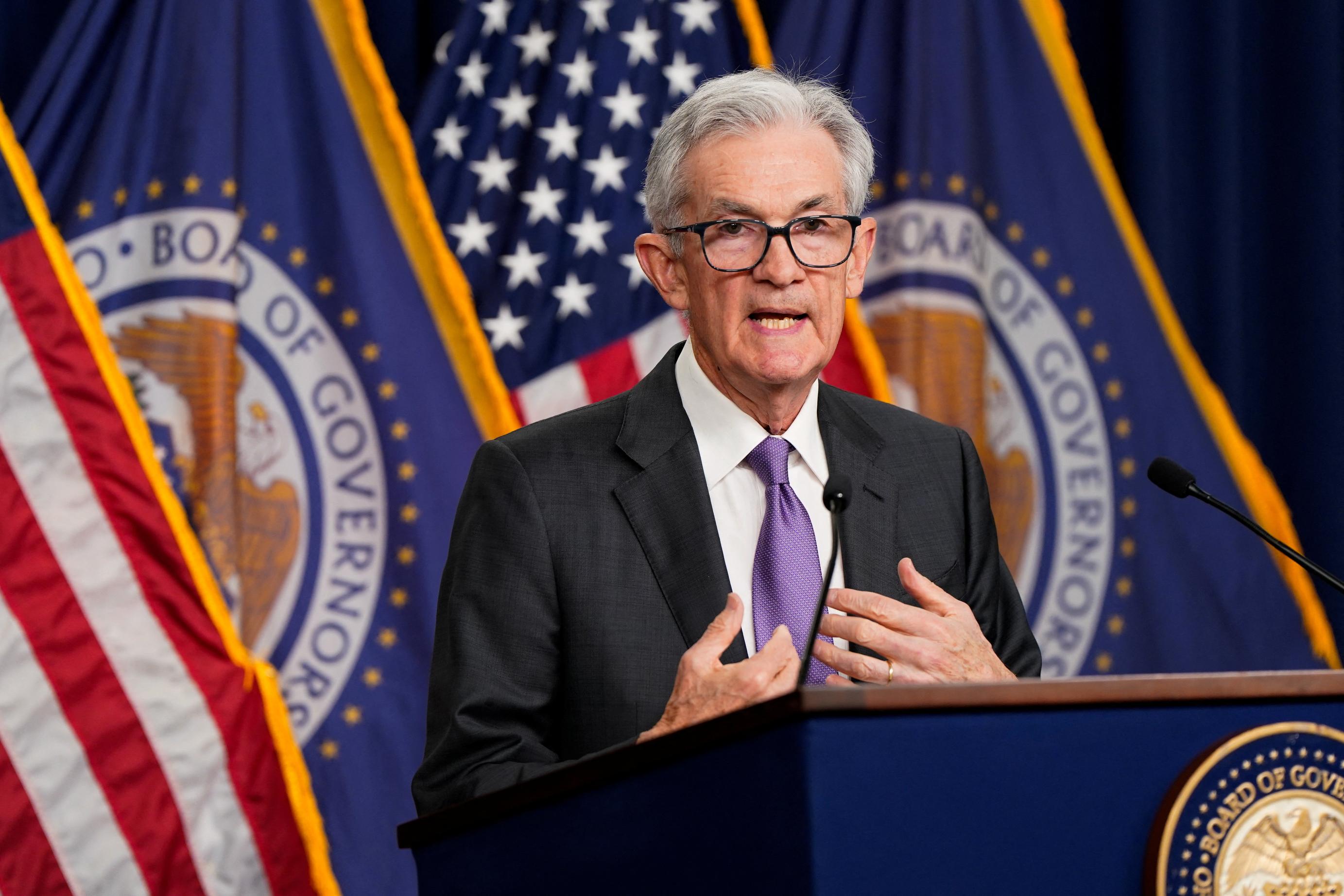
NEW YORK, March 25 (Reuters) - The yen was little changed on Monday, giving up earlier gains after Japan’s top currency diplomat warned against speculators trying to weaken the currency, while the dollar index fell from a one-month high reached on Friday. Masato Kanda, Japan's vice finance minister for international affairs, said that weakness in the Japanese currency did not reflect fundamentals, in the latest warning about the currency's "big slide" against the dollar. “He’s clearly putting traders on alert for signs of intervention,” Karl Schamotta, chief market strategist at Corpay in Toronto, said. The yen was unable to hold gains for long, however. The dollar was last up 0.03% on the day at 151.47 yen , just below a four-month high of 151.86 reached on Friday. The Japanese currency is trading near its lowest levels in three decades, having reached 151.94 per dollar in October 2022, which was then its weakest level in 32 years. Traders are watching the level around 152 for signs of possible intervention, although Schamotta noted that the government may not step in unless volatility picks up, adding that this factor may be more important than the exchange rate. “Implied volatility does continue to grind lower across most major currencies so this is a supportive environment for the carry trade - we should continue to see speculators borrow in yen and other low yielders, and invest in the emerging market high yielders,” he said, and “that could continue to put downward pressure on the yen.” The Japanese currency has dropped despite the Bank of Japan hiking interest rates out of negative territory last week. China's yuan gained in the offshore market to 7.2525, propped up by suspected selling of dollars by state-owned banks and a strong official guidance set by the country's central bank. It earlier fell to its weakest levels in four months at 7.2810. The Chinese currency has been pressured by growing market expectations of further monetary easing to prop up the world's second-largest economy. The dollar index fell 0.19% at 104.23, after hitting 104.49 on Friday, the highest since Feb. 16. Federal Reserve Chair Jerome Powell said last week that the U.S. central bank remains on track for rate cuts this year, despite stickier than expected inflation in January and February. Some Fed officials including Atlanta Fed President Raphael Bostic, however, have expressed concern about persistent inflation and stronger-than-anticipated economic data. Bostic said on Friday that he expects just a single quarter-point interest rate cut this year instead of the two he had projected. Fed officials said on Monday they had faith that U.S. inflation will ease, but acknowledged an increased sense of caution around the debate. The personal consumption expenditure (PCE) price index for February due on Friday is the next major release for further clues on Fed policy. The data will come as other markets including stocks and bonds are closed for the Good Friday holiday, which may reduce foreign exchange trading volumes. Data on Monday showed that sales of new U.S. single-family homes unexpectedly fell in February after mortgage rates increased during the month. The euro rose 0.27% to $1.0834. Sterling strengthened 0.29% to $1.2635. Bets for a June rate cut by the European Central Bank and the Bank of England (BoE) have risen substantially after the Swiss National Bank became the first major central bank to lower borrowing costs last week and BoE Governor Andrew Bailey told the Financial Times that rate cuts "were in play" this year. Elsewhere, the Australian dollar gained 0.37% versus the U.S. dollar to $0.654. Bitcoin rose more than 6% to $70,987.49, the highest since March 15. It is holding below a record high of $73,803.25 on March 14. Keep up with the latest medical breakthroughs and healthcare trends with the Reuters Health Rounds newsletter. Sign up here. https://www.reuters.com/markets/currencies/intervention-threat-curbs-dollars-ascent-towards-new-high-yen-2024-03-25/

2024-03-25 06:09
Systematic hedge funds outperformed wider industry Those taking the most risk made the most money Long cocoa positions help lift returns - investors LONDON, March 25 (Reuters) - Record cocoa prices and markets whipped around by inflation and geopolitics helped hedge funds using systematic strategies outperform their peers in the first quarter, according to industry players and investors. A systematic hedge fund manager uses coding and algorithms to determine whether to find trades strong enough to become market trends, unlike traditional managers who decide the trade themselves. These trend funds made an average gain of almost 9% in the first two months of 2024, versus the wider hedge fund industry's 2.6% gain, according to Barclays' prime brokerage, which tracked the performances of 40 "classic trend" hedge funds. Their success reflected how volatile markets had become and how market fortunes are differing globally, the sources said. The U.S. S&P 500 (.SPX) , opens new tab has risen over 11% so far this year, but Hong Kong's Hang Seng (.HSI) , opens new tab is down about 2%. Japan's Nikkei (.N225) , opens new tab has rallied over 20% and European stocks lagged with 6% gains, with China up around 3%. Commodity markets have also been mixed, but the consistency of cocoa's sustained rally to record highs has been a bonus for systematic hedge funds. Diverse performances across regions and assets are good for these funds which benefit from disparate markets, said Michael Oliver Weinberg, a professor at Columbia Business School and a hedge fund investor. "Great market for systematic managers, as they are typically equally long and short," said Weinberg. A short position bets an asset's value will fall; a long position bets on prices rising. In 2023, crowded positions in the "Magnificent Seven" U.S. tech stocks made most of the money for the wider hedge fund industry, whereas the sharp divergence this year within stocks, bonds and commodities has created the perfect environment for these specific kinds of strategies, said Weinberg. In Europe, for example, aerospace and defence stocks (.SXPARO) , opens new tab have rallied almost 28% so far this year, while utilities stocks (.SX6P) , opens new tab have fallen about 7%. HOT CHOCOLATE The highest-performing systematic strategies or trend funds took the most risk. These use different volatility thresholds to decide when trades become so risky they should be ditched. The top 10 performing trend funds, allowing almost two thirds more volatility than their peers, averaged about a 20% return for the first two months of this year, said Barclays prime brokerage data tracking hedge funds that was shared with Reuters. Remaining funds with lower risk thresholds posted an average 5% return. But even those with lower volatility allowances benefited from strong moves in agricultural commodities, currencies and energy, said several sources. Long cocoa trades held since the first half of 2023 bolstered returns, said two investment sources. Cocoa prices have more than doubled in the past year, propelled by poor crops in top producers Ivory Coast and Ghana and processors scrambling to get cocoa beans. British hedge fund firm Winton Capital allows a volatility of about a 9% on its systematic $2.8 billion CTA (commodity trading advisor) strategy. It posted a positive 9.1% for the year to March 20, with profits from cocoa, stock indices, natural gas and the yen, said a source close to the firm. Long cocoa bets and short positions on grains helped boost $5.4 billion Rotterdam-based investment manager Transtrend to about an 18% return to for the year to March 21. It also benefited from short bets against carbon emission permits, actively traded by companies needing to pay for carbon dioxide they emit, alongside speculators betting on their value. "A strong month like February, with close to a double-digit return, is typically triggered by a major event such as a war or other crisis that impacts markets across asset classes," Marc van Loo, part of Transtrend's investor relations team. But this February differed as returns were simply driven by how strong the trends have been this first quarter, he said. The $8.6 billion Aspect Capital, which returned 12% for the year to March 19, benefited from trends in cocoa, Chile's peso, the yen, stock markets and European emissions, a source close to the fund said. "What makes this macro environment so constructive is that there are multiple sources of instability driving trend formation - be it the effects of El Niño or the normalisation of interest rates, or the heightened geopolitical risks," said Razvan Remsing, director of investment solutions at Aspect Capital. He declined to comment on the returns numbers. One sticking point for these funds has been fixed income, as the timing of interest rate cuts remains elusive. "Fixed income has been trickier in 2024; there have been trends but the frequency and timing may cause some dispersion in performance and the markets got ahead of the Fed with rates falling then rising again," said Boston-based AlphaSimplex's chief research strategist Kathryn Kaminski. At the end of February, the $8 billion firm had managed about a 5% return, helped by stock positions, energies and agricultural commodities, bank research showed. The firm did not comment on the number. Get a look at the day ahead in U.S. and global markets with the Morning Bid U.S. newsletter. Sign up here. https://www.reuters.com/markets/cocoa-rally-market-tumult-hoist-systematic-hedge-funds-ahead-their-peers-2024-03-25/