2024-03-22 11:44
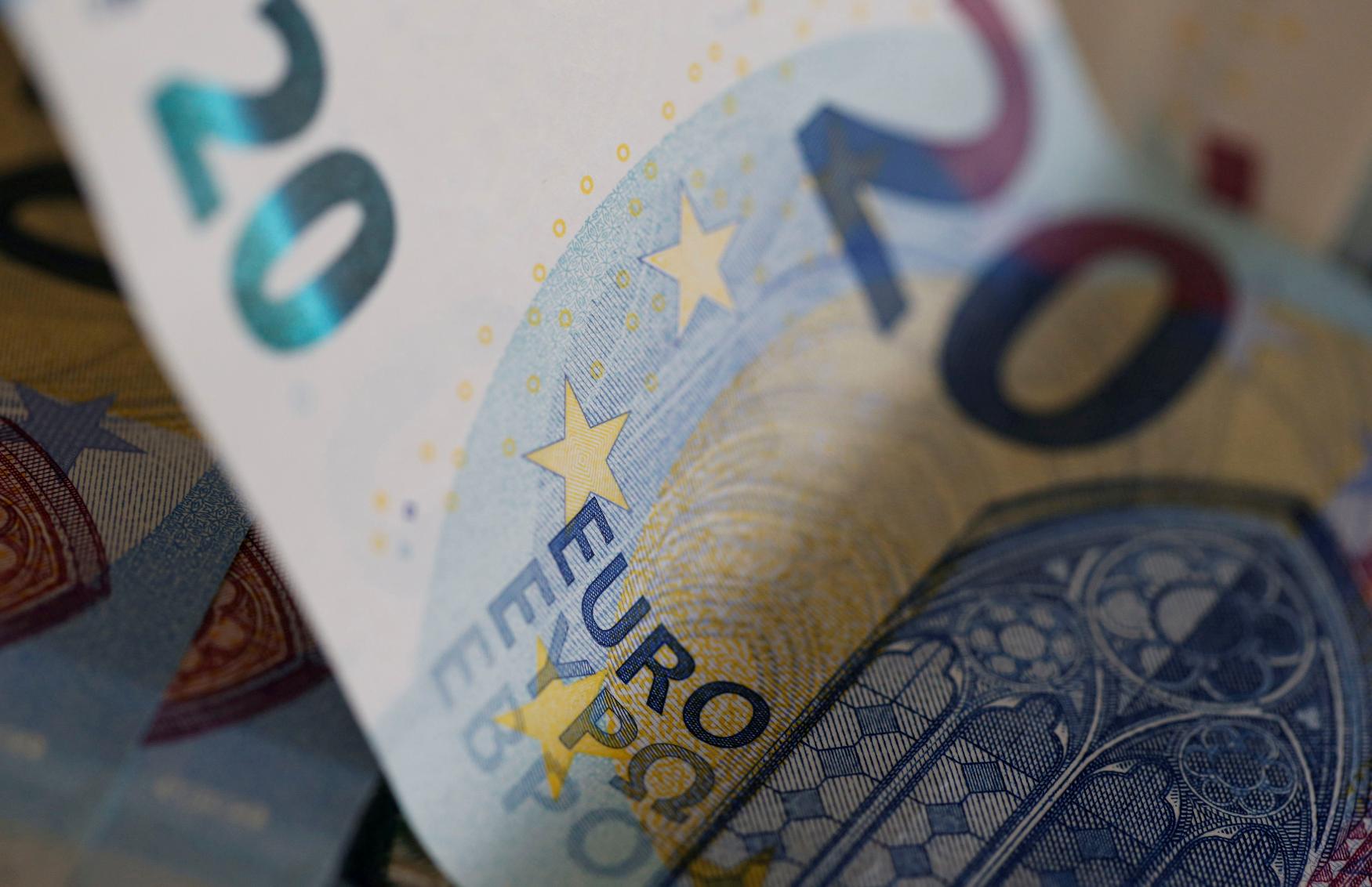
BOJ hike casts attention on Japanese foreign bond holdings Japan's investors are an important force in euro zone bonds Most outflows have likely already happened, analysts say Some inflows seen possible as BOJ hikes and ECB cuts AMSTERDAM, March 22 (Reuters) - Japanese investors are finally being paid to park their cash back home, a move that might be expected to spook euro zone markets where they're a big force but could ironically prop up demand instead as ECB rate cuts loom. Stuck with negative rates for two decades, Japanese investors have ploughed into bond markets globally. They are the biggest foreign holders of U.S. Treasuries , opens new tab. They also have a sizeable presence in the euro zone, where they hold around 1% of the overall bond markets in countries like France, Belgium and the Netherlands, BofA estimated last year. With French governments bonds a top pick, their share of that market is likely higher. So, a Bank of Japan decision to hike rates for the first time in 17 years is, on the surface, bearish for European bonds given the bloc's funding needs are high and the European Central Bank is cutting its bond holdings. But hold on. The good news, analysts say, is the worst was likely over before the BOJ even considered raising rates. Since April 2022, Japanese investors have shed half the French, German, Italian and Dutch bonds they accumulated since 2005, BofA estimates. "People are concerned about what damage there might be to global bonds from Japanese investors. A lot of that's already occurred," said Andre Severino, head of global fixed income at Japan's Nikko Asset Management, which manages $228 billion. COSTLY In 2022, hedging costs for Japanese investors buying foreign bonds surged as the BOJ held rates below 0% while others hiked, meaning it became much more expensive to buy overseas bonds on a hedged basis. Investors, such as Japanese life insurers, make derivatives agreements to protect a substantial share of their investments from currency swings when they buy foreign bonds. The cost of such hedging is driven by the gap between the BOJ and other central bank policy rates. This should become slightly more palatable as the BOJ hikes, while the ECB is seen cutting rates from June and possibly more than the U.S. Federal Reserve given a weaker economy, analysts said. The ECB's key rate is 4%, versus 0-0.1% in Japan. Markets see the ECB cutting rates to around 3% by year-end, and the BOJ hiking to 0.25%. To make French bonds competitive relative to Japanese government bonds at current yields, the hedging cost -- around 4% -- would need to decline by 220 basis points, Citi estimates. It expects that could happen over the next two years, though a fall in French yields relative to Japanese bond yields would dampen the impact. Overall, Nikko's Severino said he expects stable to positive Japanese flows into foreign bonds, including the euro zone, going forward. UNHEDGED? Following 2022's exodus, flows in and out of euro zone government bonds last year were marginal, Nordea data shows, while Japanese investors bought 122 billion euros worth of U.S. Treasuries even as rates differentials widened -- suggesting many purchases were unhedged. Treasuries should remain the top-pick for unhedged investors given higher yields and a deeper market, Citi reckons, yet French bond appeal should grow relative to Treasuries as euro zone and U.S. economies diverge. Mizuho multi-asset strategist Evelyne Gomez-Liechti said the bank's Japanese clients were not confident last year that the ECB could contain inflation, but now markets expect the ECB to be one of the first banks to ease. "So, that's probably going to be another green flag for Japanese investors to consider (European government bonds)," she said. Some inflows could come from pension funds -- often unhedged investors -- who might rebalance their investments as U.S. equities hit record highs, Gomez-Liechti added. She also expects further demand from banks, who shift their investments opportunistically with market moves. The question is how much longer-dated Japanese government bond (JGB) yields rise. Nomura chief rates strategist Naka Matsuzawa said once the 30-year JGB yield rises towards 2%, a level he expects to be hit later this year, more selling would follow. It is currently at 1.8% . "Once the 30-year JGB yield gets back to that level, the lifers no longer really have to keep money in the other markets," he said, referring to life insurers' asset-liability calculations. Matsuzawa thinks only half the repatriation has taken place so far, but expects further outflows to be gradual. Still, he senses concern in some European quarters. "The French treasury department keeps asking us what the Japanese flows are, so they must be concerned," said Matsuzawa, adding that the bank receives questions particularly around French debt auctions. France's debt management office declined to comment. The Reuters Daily Briefing newsletter provides all the news you need to start your day. Sign up here. https://www.reuters.com/markets/rates-bonds/boj-pivot-no-fright-euro-zone-bonds-2024-03-22/
2024-03-22 11:28
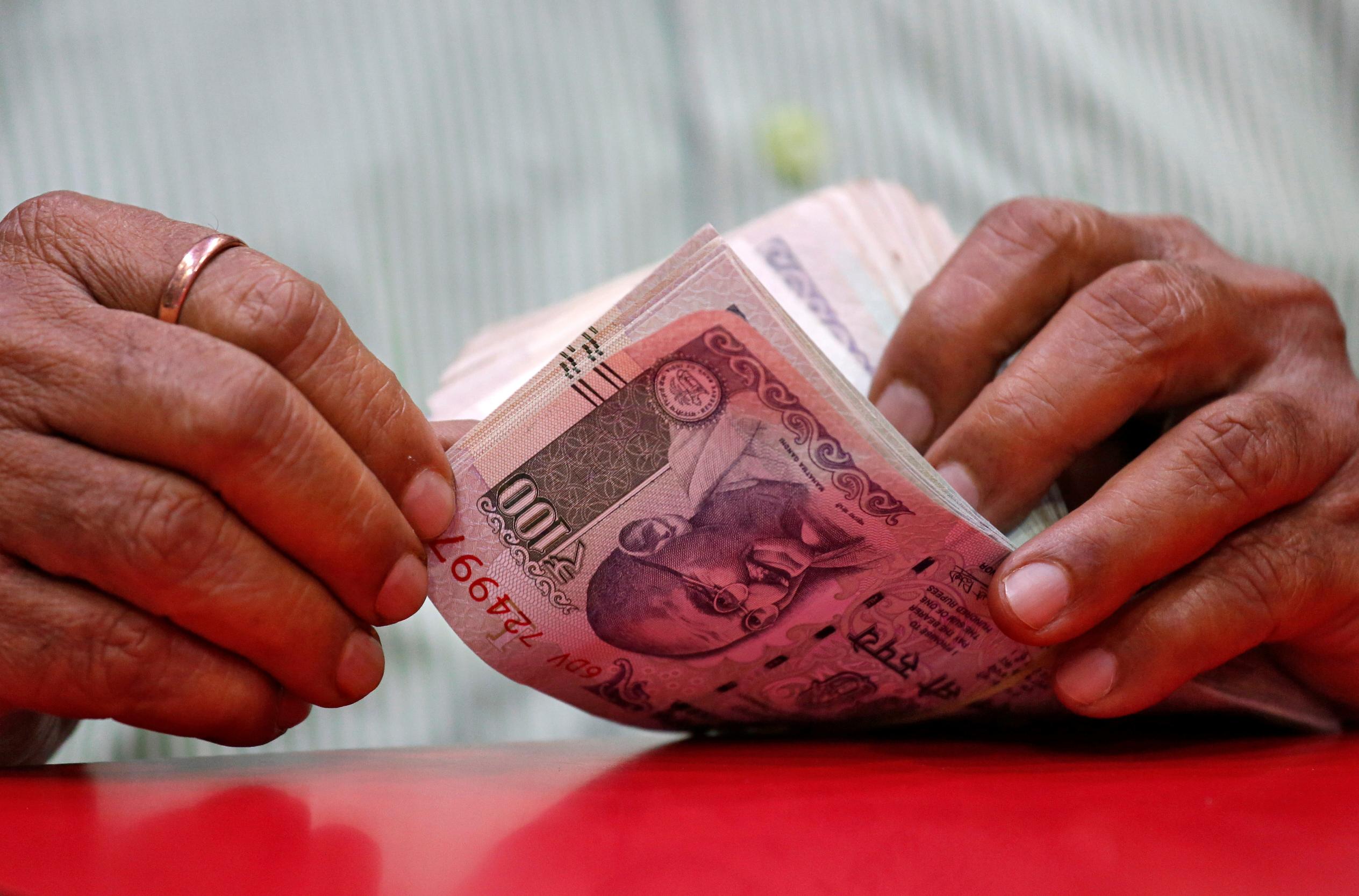
MUMBAI, March 22 (Reuters) - The Indian rupee fell to a record low against the U.S. dollar on Friday, pressured by a drop in the offshore Chinese yuan and strong local dollar demand close to the end of the session, traders said. The rupee ended at 83.4250 against the dollar - its lowest closing level on record - down 0.3% from its close at 83.1475 on Thursday. The rupee hit an all-time low of 83.43 near the end of the session and fell 0.7% this week, the steepest decline in seven months. While the weakness in the yuan was pressuring the rupee since the start of the session, aggressive dollar buying in the final few minutes drove it past previous lows, the head of treasury at a mid-sized private bank said. A lack of substantial dollar inflows and a rise in the dollar index also hurt the rupee, traders said. The dollar index was up 0.4% at 104.39 after hitting a month's high earlier in the session. Asian currencies fell, with the Korean won leading losses, down by 1.2%. The offshore Chinese yuan dropped to its weakest level since November. The yuan "weakness reflects increased jitters over geopolitical risks that have seemingly resurfaced", DBS Bank said in a note. An "artificial dollar scarcity" in the market, reflected in the depressed overnight dollar-rupee swap rate, also contributed to the rupee's losses, a trader at a foreign bank said. While the Reserve Bank of India had likely sold dollars earlier in the session near 83.38-83.39 levels, it appeared the central bank was absent towards the end of the session, traders said. The closing days of March are likely to be "critical" for the rupee after Friday's price action, Abhilash Koikkara, head of foreign exchange and rates at Nuvama Professional Clients Group, said. If the rupee continues to hover near record lows over the next few days, the bias on the unit is likely to turn negative, Koikkara said. Keep up with the latest medical breakthroughs and healthcare trends with the Reuters Health Rounds newsletter. Sign up here. https://www.reuters.com/markets/currencies/rupee-hits-record-low-posts-steepest-weekly-fall-seven-months-2024-03-22/
2024-03-22 11:18
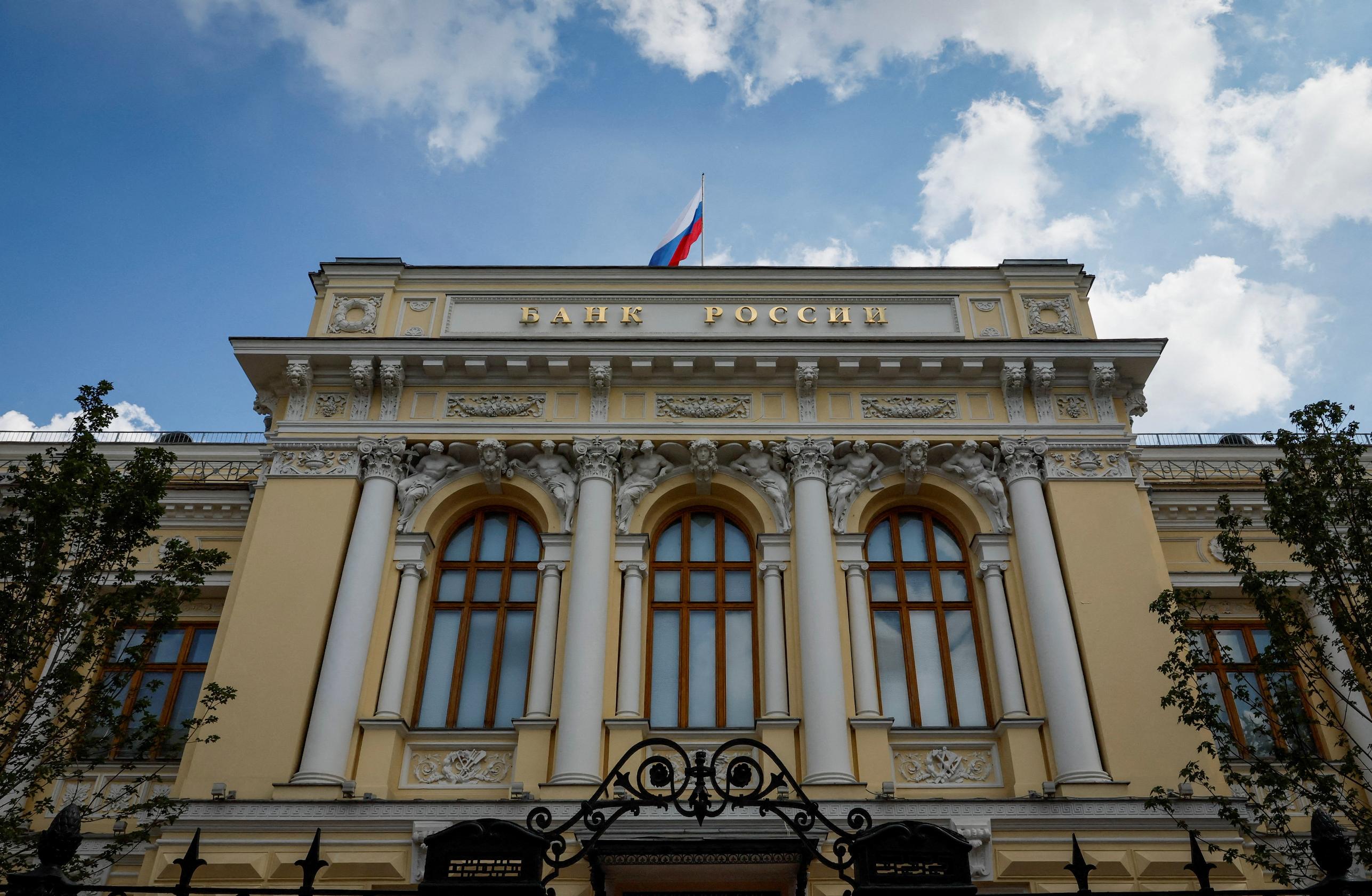
This content was produced in Russia where the law restricts coverage of Russian military operations in Ukraine MOSCOW, March 22 (Reuters) - Russia's central bank held its key interest rate at 16% on Friday, warning that inflationary pressure remained high and that tight monetary conditions would be maintained for a long time to try to return inflation to the bank's 4% target. The bank's tightening cycle may be over, but it has not yet found room to ease borrowing costs, hampered by strong consumer demand and the inflationary impact of widespread labour shortages. "Domestic demand is still outstripping capabilities to expand the production of goods and services," the bank said in a statement. "Labour market tightness has increased again. For the moment, it is premature to judge the pace of future disinflationary trends." The tone of the press release is "tight", said Yevgeny Kogan, a professor at Russia's Higher School of Economics, interpreting the statement as a sign that rates will also be kept unchanged at the bank's next meeting on April 26. Governor Elvira Nabiullina said a rate cut was more possible in the second half of the year. She said there had been broad consensus for the rate hold, with discussions focusing on the possible rate trajectory and the signal the bank should give. Inflation, the bank's main area of concern, stood at 7.4% in 2023, compared with 11.9% in 2022. Economists expect it to remain well above the central bank's 4% target this year. The central bank had raised rates by 850 basis points in the second half of 2023, including an unscheduled emergency hike in August as the rouble tumbled past 100 to the dollar and the Kremlin called for tighter monetary policy. But it has lately signalled a more dovish approach. Friday's decision was in line with a Reuters poll of analysts, most of whom expect the bank to start easing monetary policy in June. "The central bank is clearly hoping that underlying price pressures continue to soften in the coming months, which we think could open up the door for easing in Q3," said Liam Peach, Senior Emerging Markets Economist, Capital Economics. Years of high inflation have eroded Russians' living standards, and keeping a lid on price rises is a major economic challenge for President Vladimir Putin as he embarks on a new six-year term in office following last week's election. Russia's economy rebounded sharply last year from a slump in 2022, but the growth relies heavily on state-funded arms and ammunition production and masks other problems. "The personnel shortage remains a serious limitation for further production growth," Nabiullina said. The central bank forecasts GDP growth of 1.0-2.0% this year. The International Monetary Fund expects Russia's economy to grow 2.6% this year, but anticipates tough times ahead. In the first half of 2023, the central bank had cut rates as low as 7.5%, gradually reversing an emergency hike to 20% implemented in February 2022 after Moscow sent its army into Ukraine, triggering sweeping Western sanctions. The Reuters Daily Briefing newsletter provides all the news you need to start your day. Sign up here. https://www.reuters.com/markets/rates-bonds/russian-central-bank-holds-rates-16-says-policy-will-stay-tight-2024-03-22/
2024-03-22 11:13
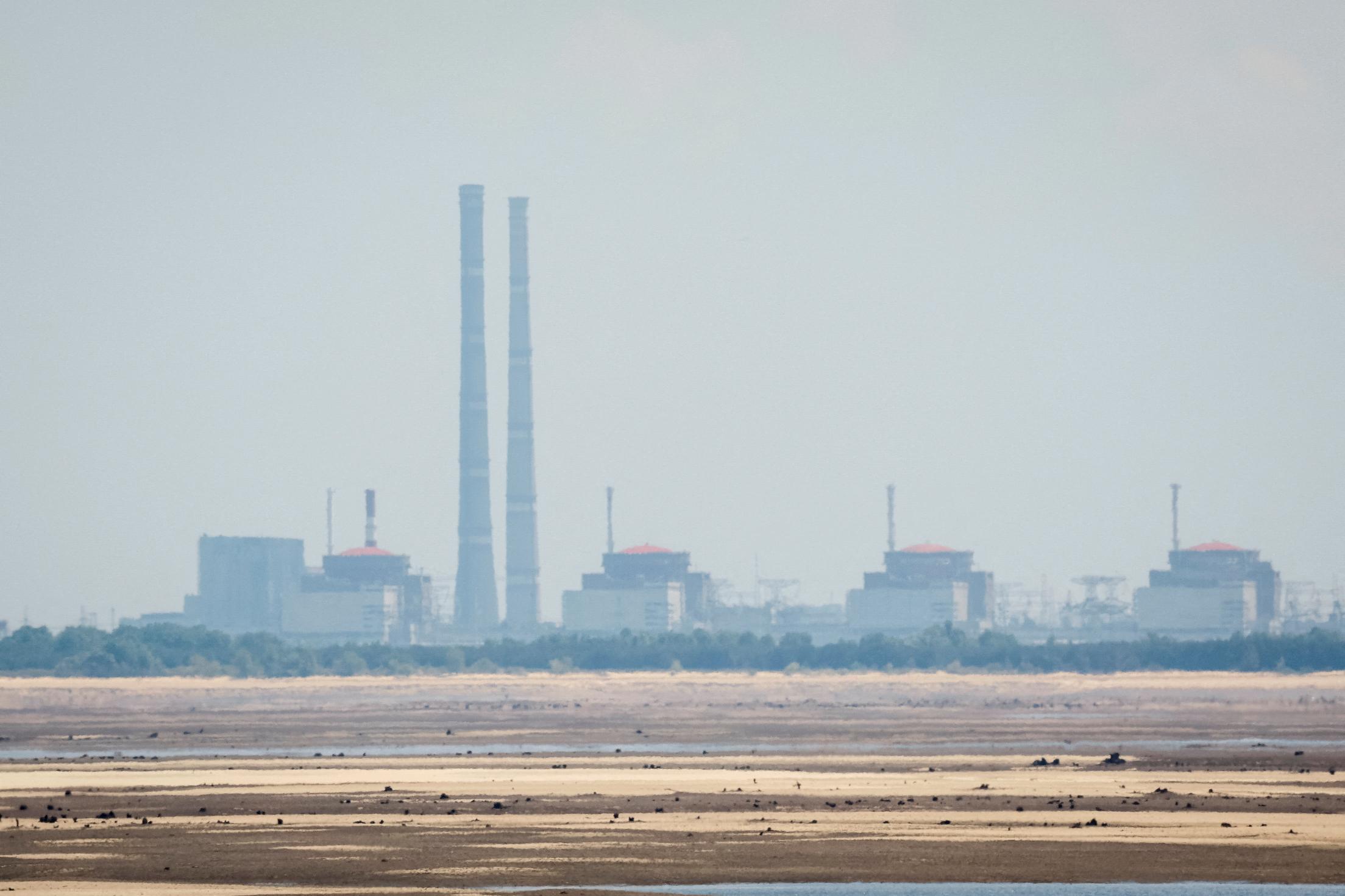
KYIV, March 22 (Reuters) - Ukrainian engineers have fixed a high-voltage power line supplying the Russian-occupied Zaporizhzhia nuclear power plant, Ukraine's nuclear power company Energoatom said on Friday, after it said earlier disruption to the cable threatened a blackout. The Russian-controlled management of the Zaporizhzhia plant, the largest in Europe, also said the line had been repaired. "On March 22, Ukrainian energy workers restored the operation of the PL-750kV Dniprovska external overhead line, which was damaged this morning during massive Russian missile strike," Energoatom said in a Telegram post. Russia launched over 150 missiles and drones overnight in an attack targeting Ukraine's power facilities, according to Kyiv. The Zaporizhzhia plant was captured by Russian forces shortly after their invasion in 2022. It is shut down and needs external power to keep its nuclear material cool and prevent a catastrophic meltdown. It is 35 miles (56 km) from Ukraine's biggest hydro-electric dam, which was hit by Russian strikes on Friday, causing blackouts. The International Atomic Energy Agency said earlier the nuclear power plant had lost connection to its main off-site power line, but that a backup power line was still working. "Such a situation is extremely dangerous and threatens to lead to an emergency," Petro Kotin, head of Energoatom, said earlier on Telegram. The plant has been cut off from power several times during the war and has in the past been forced to rely on backup diesel generators, which officials say poses an increased risk of nuclear accident. The Russian-controlled management of the plant said earlier that one of the two high-voltage lines supplying it with electricity was down but that there was no safety threat. The Reuters Daily Briefing newsletter provides all the news you need to start your day. Sign up here. https://www.reuters.com/world/europe/ukraine-says-occupied-zaporizhzhia-nuclear-power-plant-verge-blackout-2024-03-22/
2024-03-22 11:00
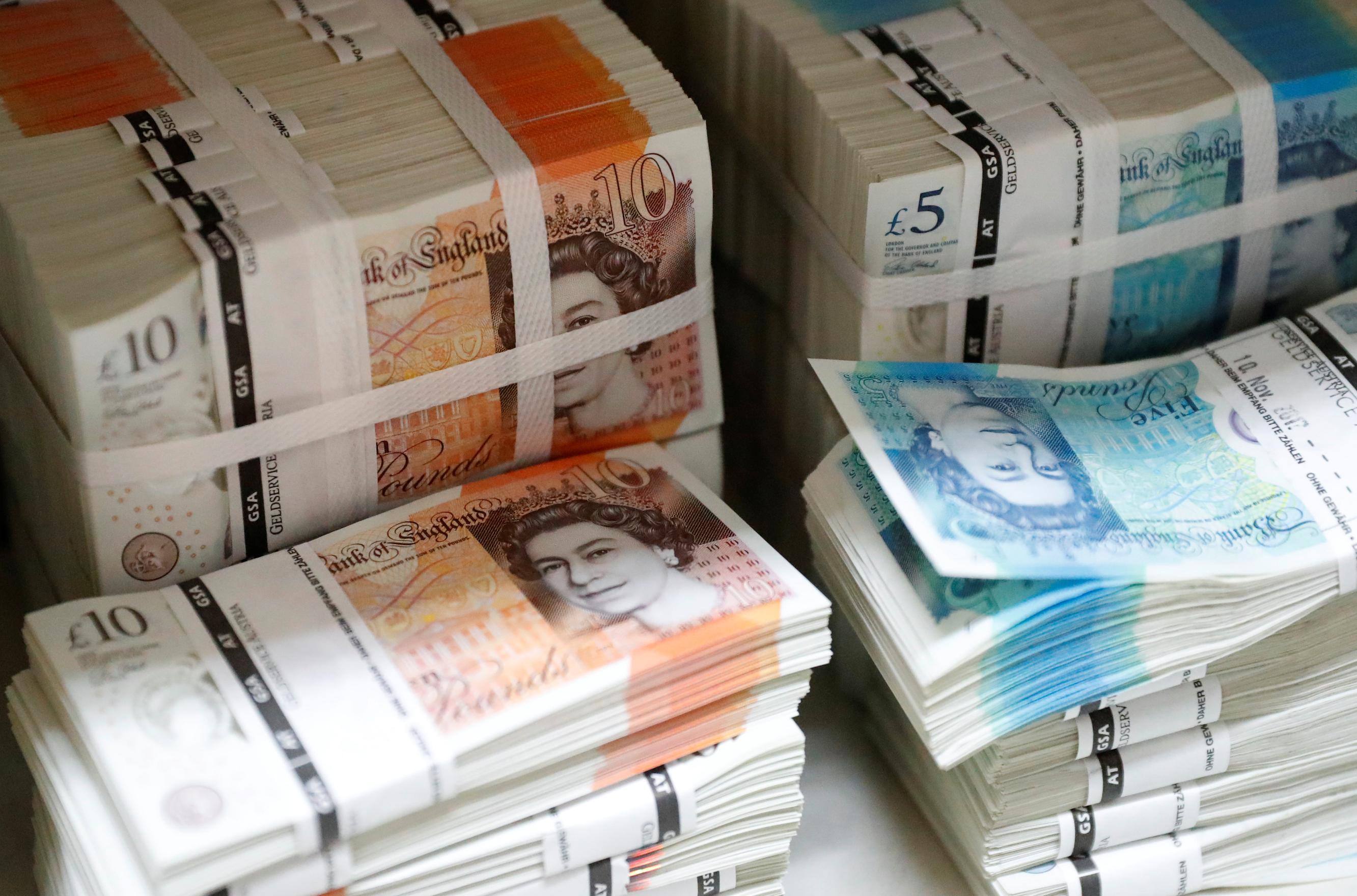
LONDON, March 22 (Reuters) - The pound fell to its lowest so far this month on Friday, after data showed UK consumer spending stagnated in February and Bank of England (BoE) Governor Andrew Bailey said rate cuts "were in play" this year. Sterling fell 0.6% to $1.262, its lowest since March 1, having dropped nearly 1% the previous day after the BoE kept rates unchanged but signalled a loosening in monetary policy was on the cards. Against the euro , the pound was down 0.2% at 85.99 pence. On Thursday, the BoE left interest rates unchanged, but in its statement, it suggested it was edging towards making a change to monetary policy. Furthermore, two members of the Monetary Policy Committee that had previously voted to raise rates instead voted to maintain them - a decision many in the market had not expected. As recently as two weeks ago, futures markets had priced in little more than two rate cuts from the BoE this year, most likely in August. Since the BoE's decision on Thursday, that has now shifted to three cuts, most likely in June, bringing the Bank more in line with the expected timing of rate cuts from the Federal Reserve and the European Central Bank. "The softness in sterling is something that we had expected given we have long been more dovish than markets on the BoE, but might have come a bit earlier than what we have anticipated," Francesco Pesole, a strategist at ING, said. "Euro/sterling may struggle to find much more support above 0.8600 as UK data still has to validate the recent repricing of the Sonia curve," he said, referring to the Sonia rate futures market. Separately, British retail sales stagnated in February after rising by a revised 3.6% January, figures from the Office for National Statistics showed on Friday. “January’s bounce in UK retail sales was short-lived, with February’s reading flat, and down by 0.4% on last year’s number. This was slightly ahead of economists’ expectations, but overall, not a great sign for the UK economy," said Michael Field, European market strategist at Morningstar. Keep up with the latest medical breakthroughs and healthcare trends with the Reuters Health Rounds newsletter. Sign up here. https://www.reuters.com/markets/currencies/pound-hits-one-month-low-boe-drops-more-rate-cut-hints-2024-03-22/
2024-03-22 10:42
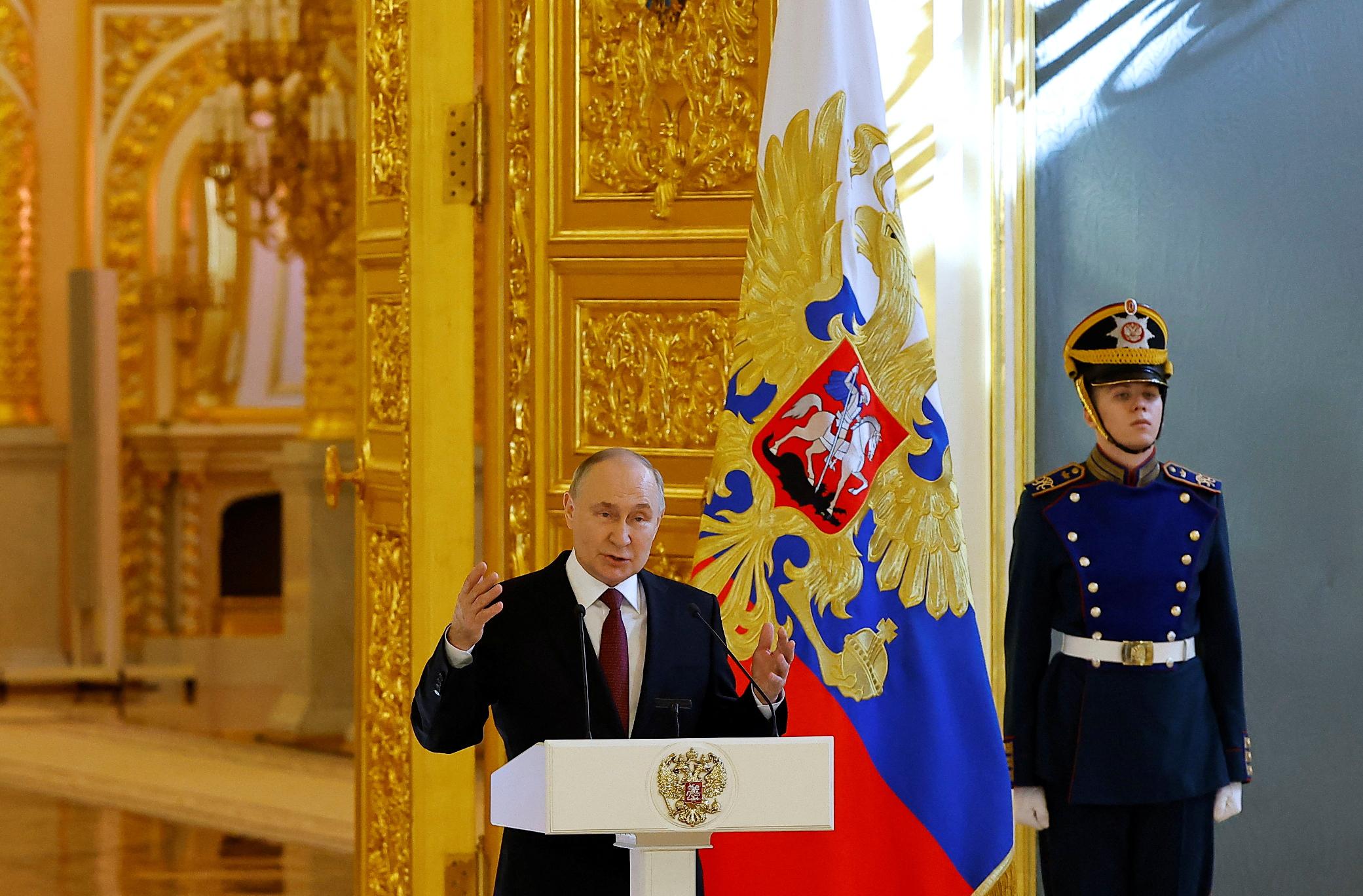
MOSCOW, March 22 (Reuters) - The Kremlin on Friday warned of "catastrophic consequences" should the EU proceed with plans to confiscate Russian assets held in Western banks. Some Western banks are lobbying against EU proposals to redistribute billions of euros in interest earned on frozen Russian assets, senior industry sources said, fearing it could lead to costly litigation. European Union leaders on Thursday agreed to move ahead with work on a plan to use up to 3 billion euros ($3.24 billion) a year to supply arms to Ukraine as they try to bolster Kyiv's fight against Russia, which would still own the underlying frozen assets. EU leaders said the proceeds could be used within a few months. "We have heard statements from Brussels that the proceeds of our assets don't belong to anyone," Kremlin spokesman Dmitry Peskov told reporters. "This is not so. They belong to the holders of the assets, the owners of the assets." Responding to Reuters' report that some banks fear that they might later be held liable by Russia if they are involved in any transfer of money to Ukraine, Peskov issued a thinly veiled warning. "The legal department of any bank understands the catastrophic consequences of such actions to expropriate assets, both for the bank, for the country as a whole and for the European economy," Peskov said. "If such decisions were realised, this would have very serious consequences for those who took and implemented them." Central Bank Governor Elvira Nabiullina on Friday weighed in on the issue as well, after the bank had held interest rates at 16%. "Regarding EU action on frozen assets, decisions will be made and we will take corresponding measures to defend our interests," Nabiullina said. ($1 = 0.9247 euros) The Reuters Daily Briefing newsletter provides all the news you need to start your day. Sign up here. https://www.reuters.com/world/europe/russia-warns-western-banks-catastrophic-consequences-over-asset-confiscation-2024-03-22/