2024-03-20 02:16
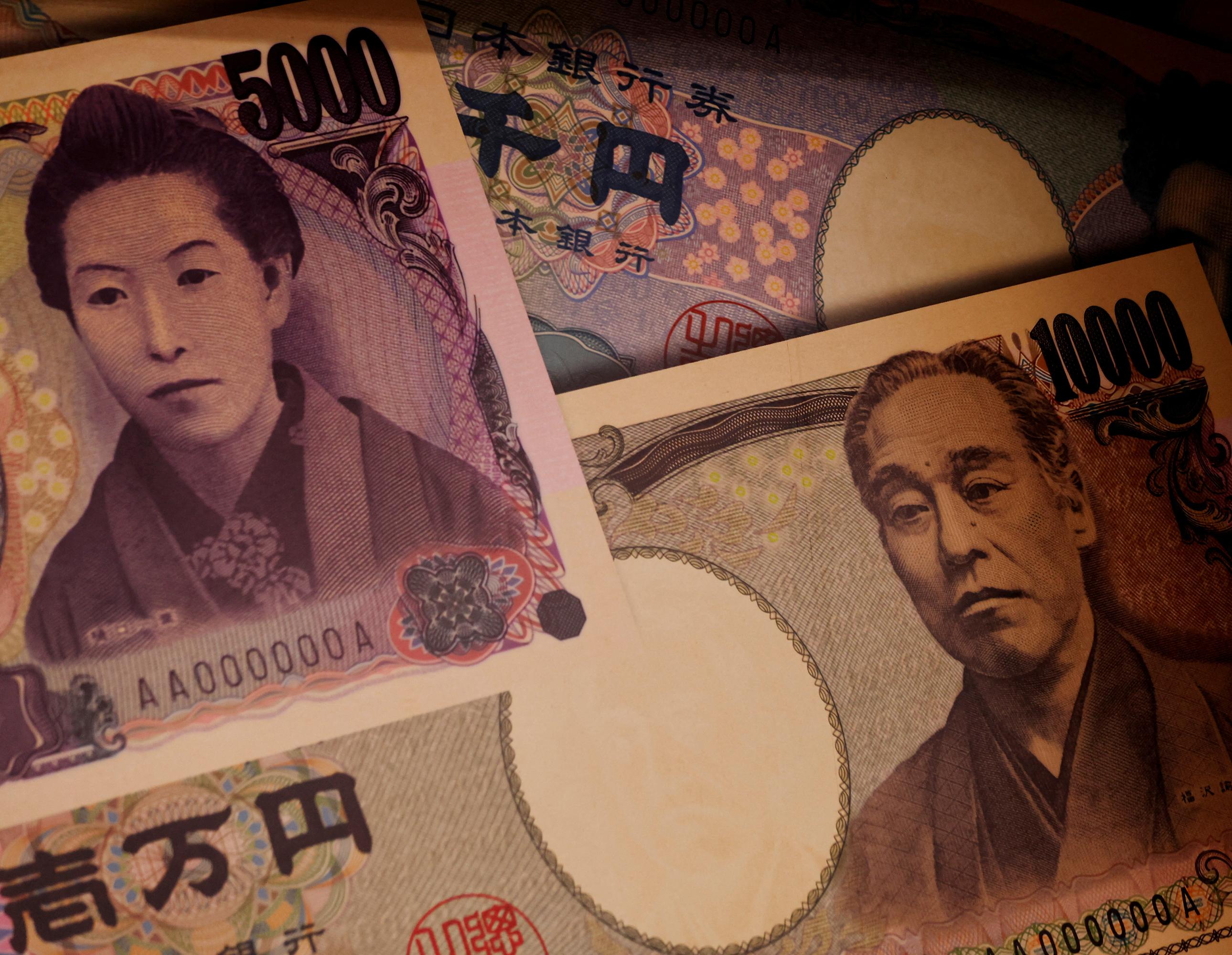
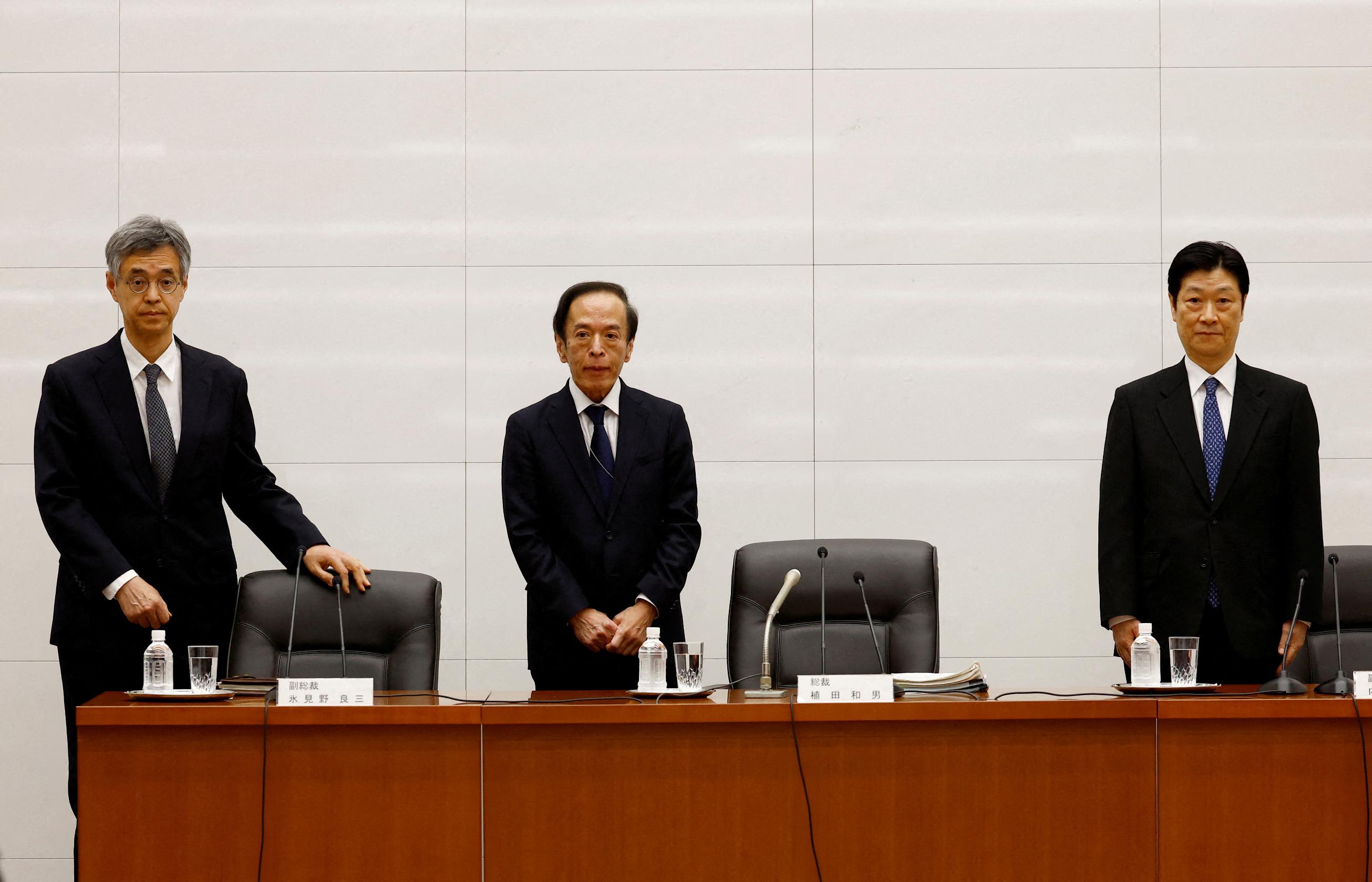
Weak data, inflation led BOJ to consider 2 options Differences between deputy governors complicate exit path End to negative rate marks watershed moment for Japan BOJ likely to keep interest rates near zero for some time TOKYO, March 20 (Reuters) - The Bank of Japan's strategy for an orderly exit from years of massive stimulus unraveled on an overcast day in December when Governor Kazuo Ueda and two deputies gathered at the bank's Tokyo headquarters. Inflation was slowing more than expected, complicating the central bank's plan to end negative interest rates by March or April and then follow quickly with further increases. The officials considered two alternatives. The first option was to wait for signs of economic improvement and then go ahead as planned. The second was to end negative rates but hold off on subsequent increases. Ultimately, the MIT-trained Ueda went with the second option, allowing Japan to shed its title as the last country with negative interest rates but leaving it short of its hoped-for normalisation and still facing years of near-zero rates that pressure the hard-hit yen. "With the economy lacking momentum, there was a growing feeling within the BOJ that inflation might not stay around 2% that long," said one person familiar with the deliberations, referring to the bank's key target. "The BOJ leadership probably realised that time was running short, if they wanted to end negative rates." The decision was also complicated by differences between Ueda's two deputies, as well as the governor's wavering on the exit timing. The existence of the two plans, and other details about the deliberations, are reported for the first time by Reuters. This account is based on interviews with 25 incumbent and former central bank officials with direct knowledge of the interactions, or familiar with the personalities and dynamics of the bank's leaders, as well as five government officials in regular contact with BOJ officials. They all spoke on the condition of anonymity as they were not authorised to discuss the matters publicly. A BOJ spokesperson said the bank would not comment on the deliberations outlined by Reuters. Reuters also spoke to five small-business owners to gauge how the policy shift could unfold across an economy battered by decline and deflation. On Tuesday, the BOJ drew the curtain on eight years of negative rates and other remnants of unorthodox policy, delivering its first increase in borrowing costs since 2007. "It's a watershed moment for Japan and for central banks across the world, as it finally puts an end to abnormal monetary stimulus," said former BOJ official Nobuyasu Atago. Still, he said, it could take several years for short-term rates to move up to even 1%. LOCAL TREMORS Even a slight rise in interest rates could send tremors through struggling local economies in Japan, reflecting how deflation and a diminishing population have squeezed demand. "The prospect of higher interest rates has become a significant concern for traditional inns," said Koji Ishida, who runs a hotel company and heads the local tourism association in Yugawara, a hot-spring resort southwest of Tokyo known for its ryokan, or traditional inns. In autumn, Ishida received a frantic call from the family that owns one of the town's most storied ryokan, saying it was nearing collapse and asking for help. "As neighbours, we needed to help them," Ishida said. He worried the failure of a prominent ryokan could tarnish the image of tourism-dependent Yugawara and trigger "a chain reaction of bankruptcies". Seiranso, a 94-year-old ryokan known for its mountainside outdoor bath at the foot of a waterfall, last month filed for bankruptcy protection with around 850 million yen ($5.7 million) in debt, including pandemic loans. Under those proceedings, it aims to turn itself around with backing from Ishida's company, according to its website. A lawyer for Seiranso declined to comment. Almost one-third of ryokan lost money in the last financial year, according to data from the Japan Ryokan and Hotel Association, an industry group. "The industry needs zero-interest rates," said Masanori Numao, whose family runs a ryokan in Kinugawa Onsen, a hot-spring resort in Nikko National Park, where their roots go back more than 300 years. Forty years ago, Kinugawa was thriving; after sunset there were "beautiful geisha", the clatter of wooden geta clogs and laughter from karaoke bars that lined the narrow streets, Numao said. Today, tourists sometimes photograph derelict hotels abandoned after the bubble economy burst in the early 1990s. Ryokan owners struggle to renovate ageing buildings because banks are unwilling to lend them more, making it difficult to attract tourists, Numao said. Higher interest rates would increase pressure on hot-spring towns like Kinugawa, he said. "The government is just watching resort towns drown." POLICY DIFFERENCES In taking over the BOJ last April, Ueda was mandated to dismantle the radical stimulus of his predecessor, Haruhiko Kuroda. Kuroda's "bazooka" approach initially helped boost stock prices. But it crushed bank margins and caused unwelcome yen declines that lawmakers feared could hurt voters through rising living costs. Ueda and his deputies were unanimous on the need for an exit, but not on the timing. Choosing the second option mended, at least momentarily, the quiet tension between the two deputy governors, career central banker Shinichi Uchida and former bank regulator Ryozo Himino. Ueda, Uchida and Himino did not respond to Reuters questions. Uchida was cautious about ending negative rates too hastily, believing that the BOJ should allow the economy to run hot by keeping ultra-low rates for a prolonged period. By contrast, Himino favoured an early exit from what he saw as excessive monetary support that could sow the seeds of a future bubble. As an outsider, Himino wasn't afraid to challenge some of the bank's traditions. At one informal meeting late last year, he complained about the BOJ's management style and suggested changes, ruffling feathers among some officials within the institution, according to two people with knowledge of the matter. Throughout the discussions, Ueda would listen silently and rarely spoke up. People who know him say the governor was neither a hawk nor a dove. Having studied under former Federal Reserve vice chairman Stanley Fischer, who also taught former central bankers Ben Bernanke and Mario Draghi, Ueda combined faith in economic models and a sense of pragmatism. However, he was not quick to make decisions, opting to analyse various options thoroughly until the last minute. "He's a pure academic who's great at comparing data and strategies," said a person who has known Ueda for decades. "But making quick, decisive decisions isn't his strength." While the two deputies rarely exhibited differences in public, it was usually Uchida who prevailed. Ueda relied heavily on Uchida's expertise on the technical aspects of the bank's monetary tools. Uchida was also the main interlocutor with officials from Prime Minister Fumio Kishida's government, sounding out their views on monetary policy and laying the groundwork for an exit. Kishida's administration had been nudging the BOJ to phase out stimulus in hope it would slow declines in the yen that were hurting households through higher food and fuel costs. "The government hopes the BOJ conducts monetary policy appropriately towards sustainably and stably achieving its price target accompanied by wage increases, with an eye on economic, price and financial developments," a spokesperson for the prime minister's office told Reuters. Once there was consensus the BOJ would go with the second option, Uchida proceeded with the next step of preparing markets. In a speech in Nara in February, Uchida hinted at what a post-negative rate monetary policy would look like. Tuesday's policy shift roughly aligned with those clues. Ueda's choice of the second option means the BOJ will keep rates at zero for a prolonged period, delaying Japan's return to normal borrowing costs, said five of the sources familiar with the bank's thinking. It will likely take years to reduce the bank's balance sheet, which had ballooned after heavy asset-buying, three analysts told Reuters. There is near-consensus among BOJ watchers that the bank will move very gradually, and allow short-term rates to rise to around 0.5% over several years. "Given Mr. Ueda's very cautious character and his focus on building consensus within the board, he will likely take plenty of time and proceed carefully in normalising policy," said former BOJ economist Hideo Hayakawa. ($1 = 148.3800 yen) Get a look at the day ahead in Asian and global markets with the Morning Bid Asia newsletter. Sign up here. https://www.reuters.com/markets/asia/how-bank-japans-plan-smooth-stimulus-exit-stumbled-2024-03-20/
2024-03-20 00:44
TORONTO, March 19 (Reuters) - Some of Canada's biggest banks have for the first time said their green financing efforts may not necessarily curtail emissions growth, after years of pressure from activists to improve transparency in their climate goals. Canadian banks, said to be one of the biggest fossil fuel financiers globally, have drawn criticism from climate activists and investors over using sustainability-linked financing (SLF) merely for the pretence of a lower carbon footprint rather than take meaningful steps in that direction. In their latest annual climate reports released during the past week, many Canadian banks have pledged billions of dollars in sustainable financing to decarbonize high-emitting sectors, while highlighting major challenges to meeting their goals. "The question for regulators will be whether it's enough for the banks to insert these brief disclaimers deep in their ESG reporting or whether they need to do a better job telling their investors and the public that these huge financial numbers they promote as green aren't necessarily adding up to emissions reductions at all," said Matt Price, executive director of Investors for Paris Compliance. In January, the group urged securities regulators to investigate major Canadian banks on their climate-related claims and alleged misleading disclosures. The complaint gave climate activists more fuel in their fight, which is part of a broader international push for accountability on corporate climate pledges. Price said the latest revelations were not enough to obviate an investigation. Canada is the world's fourth-biggest oil producer, and its energy sector contributes about 5% to the country's GDP. Despite the influence of the oil sector, the federal government has set out aggressive emissions goals that include pushing companies to cut emissions up to 38% from 2019 levels by 2030. Bank of Nova Scotia (BNS.TO) , opens new tab has given C$132 billion ($97 billion) since 2018 toward its target of C$350 billion in climate-related finance by 2030, but said that climate-related projects "may — or may not — lead to reductions in overall emissions." The bank's chief sustainability and communications officer, Meigan Terry, said it aims "to be transparent and support a clear understanding" about its climate-related financing target. Scotiabank's climate-related finance framework, released last year, includes broader categories such as biodiversity, sustainable agriculture and circular economy, which are not necessarily measured in emissions reductions. CIBC (CM.TO) , opens new tab said "sustainable financing may involve eligible green activities... but do not necessarily curtail the growth of their absolute emissions." TD said the greenhouse gas emissions impact of its business activities cannot be "reliably measured at this time." Royal Bank of Canada (RY.TO) , opens new tab, Canada's No. 1 bank, said that the target of limiting global temperatures to 1.5 degrees Celsius above preindustrial levels would be a key challenge and that just 2% of its clients have plans aligned with that goal. The bank's plans this year include tripling lending for renewable energy projects to $15 billion and boosting low-carbon energy lending to $35 billion by 2030. In a recent report, think tank InfluenceMap said between 2020 and 2022 the big five Canadian banks steadily increased their fossil fuel financing exposure to an average of 18.4% in 2022 from 15.5% in 2020. That compares with an average of 6.1% for leading U.S. banks and 8.7% for European banks across the same period. Several global banks have committed to "net-zero financed emissions" by 2050 but have drawn doubts from many investors, due to concerns over the lack of a defined goal. Regulators in the Americas and Europe have increasingly been worried about greenwashing, in which companies exaggerate their environmental credentials. ($1 = 1.3578 Canadian dollars) The Reuters Daily Briefing newsletter provides all the news you need to start your day. Sign up here. https://www.reuters.com/sustainability/sustainable-finance-reporting/canadas-big-banks-say-sustainable-finance-pledges-may-not-curtail-emission-2024-03-19/
2024-03-20 00:43
BRUSSELS, March 20 (Reuters) - The European Union reached a provisional agreement on Wednesday to grant Ukrainian food producers tariff-free access to its markets until June 2025, albeit with new limits on imports of grains. The European Commission proposed in January to suspend duties and quotas on Ukrainian farm produce for a further year, with an "emergency brake" for poultry, eggs and sugar leading to tariffs if imports exceed the average levels of 2022 and 2023. However, after months of protests from farmers over EU environmental rules and cheap imports, EU lawmakers pushed to extend the emergency list to other farm produce and add 2021 as a reference year. This was before Russia's invasion, when Ukrainian exports to the EU were curbed by tariffs and quotas. Negotiators for the European Parliament and the Belgian EU presidency agreed in the early hours of Wednesday to add oats, maize, groats and honey to the list, while keeping the limit as the average of 2022 and 2023 imports. Negotiators ensured the Commission would act within 14 days, instead of an initially envisaged 21 days, if trigger levels were reached. They also added a commitment from the Commission to monitor imports of Ukrainian wheat and other cereals and to take action if they disrupt EU markets. Ukraine's EU neighbours - Bulgaria, Hungary, Poland, Romania and Slovakia - have complained that the farm imports have upset their producers, leading to farmer protests and import bans. Shipments into those countries increased after Russia's invasion of Ukraine hindered exports via the traditional Black Sea route. Kyiv has said its farm exports are not damaging EU markets, particularly now that about 95% of Ukraine's agricultural exports go via the Black Sea. It has also said the EU's emergency brake based on average imports of 2022 and 2023 was acceptable, but that adding 2021 would have been unworkable. Wednesday's provisional agreement now needs to be approved by the European Parliament and EU governments, most likely in April. The Reuters Daily Briefing newsletter provides all the news you need to start your day. Sign up here. https://www.reuters.com/world/europe/eu-reaches-provisional-deal-grant-ukraine-tariff-free-access-its-markets-belgian-2024-03-20/

2024-03-20 00:00
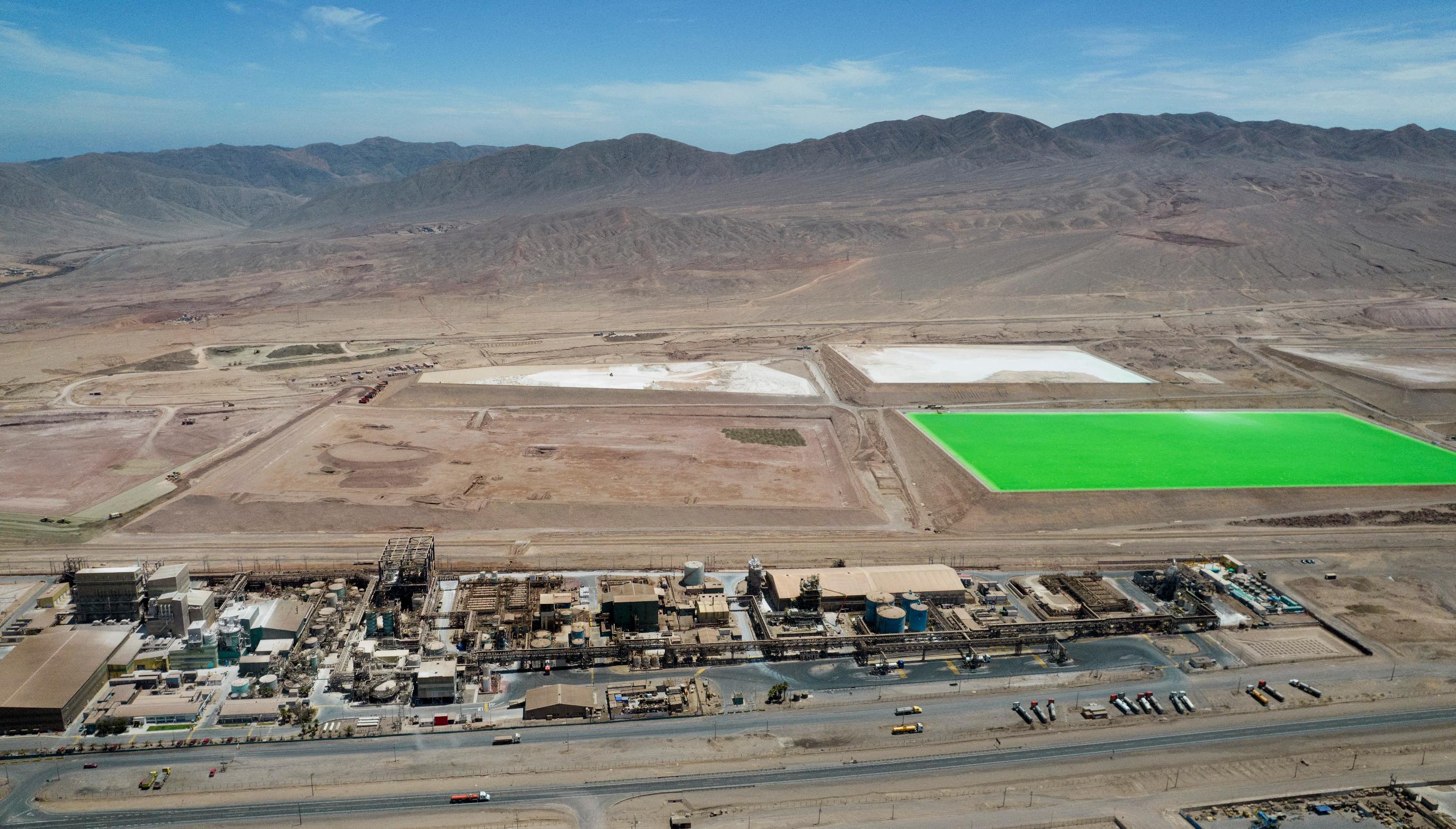
LONDON, March 19 (Reuters) - Albemarle (ALB.N) , opens new tab, the world's largest producer of lithium, has announced it will conduct a series of auctions for its products on the Metalshub digital trading platform. The first "bidding event" will be for 10,000 metric tons of spodumene ore and is scheduled for March 26. The aim, according to Albemarle's notice to customers, is to "explore price discovery while ensuring a fair and transparent process for all customers". The key word in that sentence is "transparent". The entire lithium supply chain has been rocked by the collapse in prices over the last year. But just how reliable an indicator are those prices? Albemarle's decision to conduct a series of online auctions suggests it thinks the lithium industry could do better. FRACTURED PRICING The explosive growth of the electric vehicle battery market has transformed lithium from a specialty niche product to mainstream industrial material in the space of just 10 years or so. Lithium pricing hasn't yet evolved to match the scale of that transformation. Albemarle, like most established producers, has historically sold most of its lithium on fixed-term contracts directly negotiated with buyers. That, however, only partly insulates it from the volatile spot price, which is primarily determined in China, the world's largest converter of lithium raw materials into battery-grade material. China's first futures price came in the form of the Wuxi Stainless Steel Exchange, which launched a lithium carbonate contract in July 2021. Wuxi immediately had an outsize influence on global pricing, although it was a problematic benchmark, based on spot physical trading of non-battery grade carbonate among a limited number of Chinese players. The relationship between Wuxi futures pricing and lithium reality was at best unclear. Wuxi's influence on Chinese and international prices has waned after the July 2023 launch of a lithium carbonate contract by the Guangzhou Futures Exchange (GFEX). GFEX, though, has turned out to be just as wild a price indicator as Wuxi. A wave of speculative enthusiasm saw volumes on the new contract almost double between October and November with the exchange forced to hike margins , opens new tab and expand trading limits to cope with the volatility. That hasn't stopped GFEX from rapidly becoming the accepted reference point for lithium pricing, even though non-Chinese entities will struggle to access it. Western companies looking for price management tools are currently limited to the CME's lithium hydroxide contract, which has built up impressive momentum but remains small relative to its Chinese peer. CME open interest at the end of February was 22,275 metric tons, compared with 321,329 on the GFEX. The London Metal Exchange's lithium contract has failed to trade at all, while that listed with the Singapore Exchange traded just 18 lots last year and has notched up volumes of only 30 lots so far this year. All Western futures contracts are settled against price assessments from Fastmarkets, which like fellow price reporting agency Benchmark Mineral Intelligence publishes an array of assessments intended to capture the complexity of the lithium supply chain. A THIRD WAY? It's not difficult to see why Albemarle is looking to find a third way between the wild eastern Chinese carbonate market and a Western hydroxide futures offering which rests on third-party price assessments. Ironically, the only other hard pricing reference point looks set to disappear. Pilbara Minerals (PLS.AX) , opens new tab has held regular auctions for its spodumene via the Battery Metals Exchange, generating a degree of price transparency at the upstream end of the production chain. However, Australia's largest independent miner has said it now has little uncommitted material left to sell, meaning future spot sales are "unlikely". Albemarle's spodumene auction later this month will help fill the pricing gap, but it seems highly likely that more tenders of lithium in other forms will follow. If there are enough of them, it may be possible for Metalshub to generate a price index based on the physical peer-to-peer transactions on its site. Metalshub has built its trading platform around steel alloys such as manganese and chrome. As with lithium, such metals tend not to come in standardised form and have historically not been exchange-traded but rather assessed by the likes of Fastmarkets. Metalshub has changed that dynamic and is now working with the LME to open up a forum for the trading of low-carbon nickel with the ultimate goal of producing a transaction-based "green" nickel index , opens new tab to complement the LME's standard Class I contract. Such digitalisation of markets "is becoming more relevant and Albemarle supports this development", the company said in its alert to customers about the upcoming "bidding event". DESPERATELY SEEKING STABILITY Global lithium mine production has mushroomed from 25,000 tons in 2010 to 180,000 tons last year, according to the United States Geological Survey. The world needs a lot more of the stuff if it's going to move away from the internal combustion engine to reduce global emissions. But producers' ability to finance and build new capacity has been undermined by a boom-bust pricing loop, with last year's collapse being the latest downturn of the cycle. To some extent this reflects the problems of aligning production with demand in a fast-evolving market. But the lack of a transparent benchmark price and limited ability to hedge price risk is not helping. The lithium supply chain is maturing but the metal's pricing seems trapped at the early development stage. Albemarle should be credited for trying to change that problematic price paradox. The opinions expressed here are those of the author, a columnist for Reuters. Get a look at the day ahead in U.S. and global markets with the Morning Bid U.S. newsletter. Sign up here. https://www.reuters.com/markets/commodities/albemarle-looks-shed-more-light-lithium-pricing-2024-03-19/
2024-03-19 22:21
March 19 (Reuters) - Chipotle Mexican Grill (CMG.N) , opens new tab said on Tuesday its board had approved a 50-for-1 split of its common stock, sending the burrito chain's shares about 7% higher in extended trading. The California-based company said the stock split was subject to shareholder approval at its upcoming annual meeting on June 6. If approved, shareholders of record as of June 18 will get 49 additional shares for each share held. The shares are expected to begin trading on a post-split basis at market open on June 26, in what the company described would be one of the biggest stock splits in New York Stock Exchange (NYSE) history. Its shares had closed at a record high of $2,797.56 on Tuesday and had gained more than 70% over the last 12 months. Chipotle shares have steadily risen after the company topped market estimates for quarterly profit and sales in February, helped by its relatively wealthy clientele ordering its burritos and rice bowls despite menu items getting pricier. The Reuters Daily Briefing newsletter provides all the news you need to start your day. Sign up here. https://www.reuters.com/business/retail-consumer/chipotles-board-approves-50-for-1-stock-split-2024-03-19/

2024-03-19 21:54
March 20 (Reuters) - A look at the day ahead in Asian markets. The central bank policy party rolls on into Wednesday with China and Indonesia under the spotlight in Asia ahead of the main event in Washington later in the day, as investors continue to digest the Bank of Japan's historic rate hike the day before. The yen fell to a four-month low on Tuesday, hurtling towards 151.00 per dollar as investors took the BOJ's messaging to mean any further tightening will be gradual. If so, rate and yield spreads will continue to support major currencies like the dollar at the expense of the yen. The "carry trade" dynamic could be underscored even more on Wednesday by the Federal Reserve's policy statement, updated economic projections and Chair Jerome Powell's press conference. The yen's slide on Tuesday bucked the trend among major global currencies and pushed it back within sight of the recent multi-decade lows around 152.00 per dollar. The weak yen goes hand in glove with stronger Japanese stocks - the Nikkei 225 is back above 40,000 and within touching distance of its record high 40,472 points from earlier this month. A new high on Wednesday? Markets across the continent could open Wednesday in buoyant mood and shrug off the previous day's weakness, thanks to another rise on Wall Street and fall in U.S. bond yields. Any upside could be limited, however, by investors' reluctance to take on too much exposure ahead of the Fed. And although China's economic surprises index is at a 10-month high, worries persist over the country's property crisis. This helps explain why 30-year Chinese government bond yields are down 40 basis points this year, recently hitting a record low of below 2.4% and coming within a whisker of dropping below 10-year yields, which also have hit 22-year troughs. Analysts reckon the People's Bank of China will leave its one- and five-year loan prime rates unchanged, after it left key bank lending rates on holds earlier this month. Despite the deflationary pressures still stalking the economy, monetary policy has "pretty much reached the limits of what it can do ... and so any further easing is likely to be modest," according to Win Thin at BBH. Bank Indonesia, meanwhile, is also expected to hold rates for a fifth month on Wednesday but cut in the second quarter of the year, according to a slim majority of economists in a Reuters poll. With inflation within the target range of 1.5% to 3.5% since July and the economy showing signs of a slowdown, all 31 economists in the March 8-15 poll agreed the central bank's next move would be a cut. The only issue is when. Here are key developments that could provide more direction to markets on Wednesday: - China LPR decision - Indonesia monetary policy decision - U.S. Fed policy decision Get a look at the day ahead in Asian and global markets with the Morning Bid Asia newsletter. Sign up here. https://www.reuters.com/markets/asia/global-markets-view-asia-graphic-pix-2024-03-19/