2024-03-19 05:27
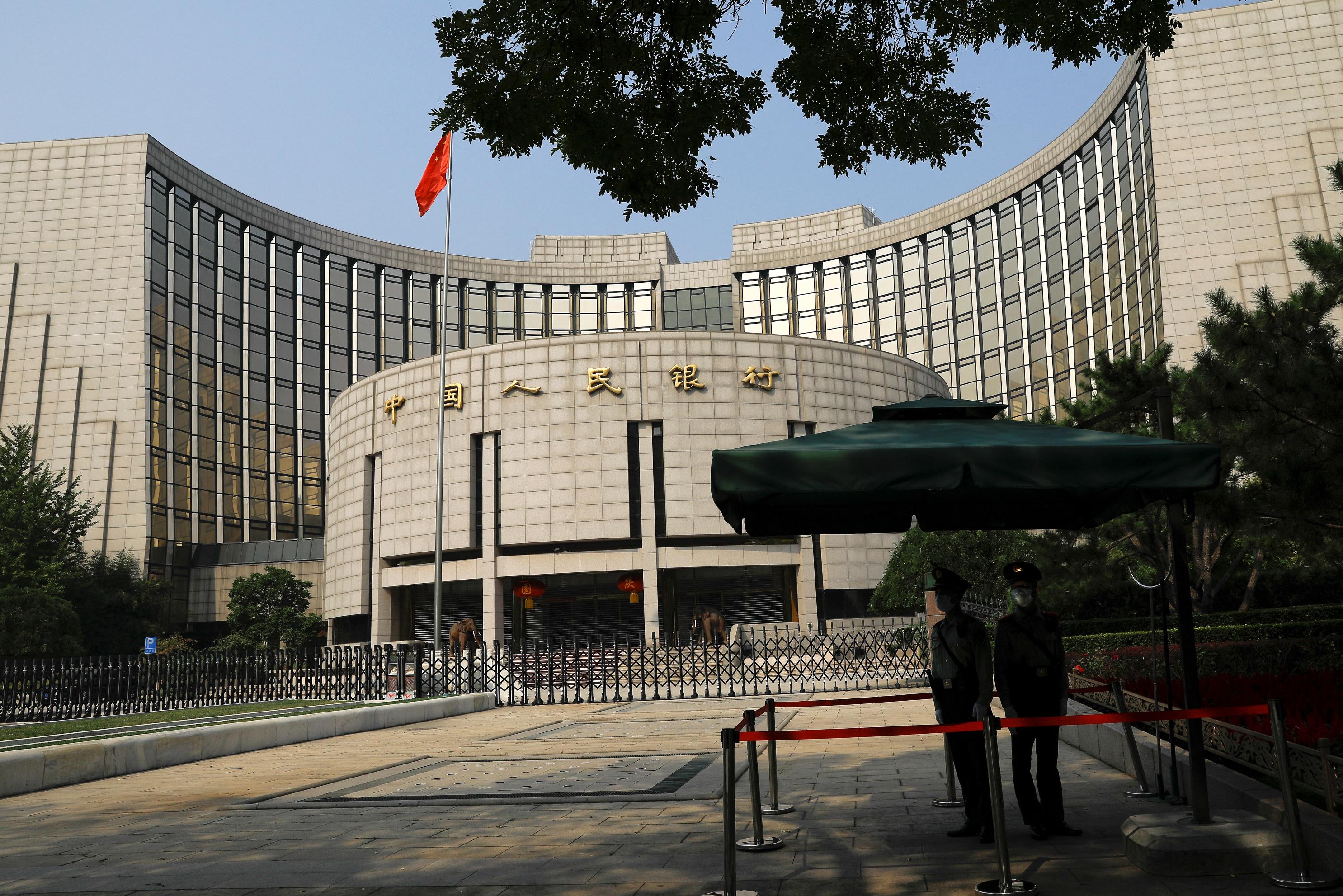
SHANGHAI/SINGAPORE, March 19 (Reuters) - China is widely expected to leave benchmark lending rates unchanged on Wednesday, a Reuters survey showed, as the central bank kept a key policy rate steady last week at a time when the broad economy is starting to show some signs of improvement. The loan prime rate (LPR) normally charged to banks' best clients is calculated each month after 20 designated commercial banks submit proposed rates to the People's Bank of China (PBOC). In a survey of 27 market watchers conducted this week, all respondents expected both the one-year and the five-year LPRs would stay unchanged. Most new and outstanding loans in the world's second-largest economy are based on the one-year LPR, which stands at 3.45%. Meanwhile, China made its biggest-ever reduction in the five-year LPR, which serves the mortgage reference rate, to 3.95% in February to prop up the struggling property market. The strong consensus of steady LPR fixings this month comes after the PBOC left the medium-term lending facility (MLF) interest rate unchanged last week, as authorities continued to prioritise currency stability. "The renminbi has weakened against the U.S. dollar this year, and a reduction at this stage could trigger additional depreciation pressure on the currency," Julian Evans-Pritchard, head of China economics at Capital Economics, said in a note. "Policymakers aim to prevent such depreciation, as indicated by their commitment to maintaining exchange rate stability in the National People's Congress (NPC) Work Report." The MLF rate serves as a guide to the LPR and markets mostly use the medium-term policy rate as a precursor to any changes to the lending benchmarks, analysts said. Activity indicators have suggested the economy might have had a better-than-expected start to the year, with China's factory output and retail sales beating expectations in the January-February period, offering some relief to policymakers even as weakness in the property sector remains a drag on the economy and confidence. Still, some traders and analysts noted that PBOC Governor Pan Gongsheng said this month the bank would keep the yuan basically stable and sent a dovish message to the market by saying China had "rich monetary policy tools at its disposal." Investors have since ramped up bets that authorities will roll out more monetary easing measures, including a further reduction to bank reserves, to support the economy. "With limited room to manoeuvre in the short term, we expect one more MLF and LPR cut in the coming months to support a broader stimulus policy push," said Lynn Song, chief economist for Greater China at ING. "However, after PBOC governor, Pan Gongsheng, hinted at more room for reserve requirement ratio (RRR) cuts ahead, we may see an RRR cut before the next MLF and LPR cut." The Reuters Daily Briefing newsletter provides all the news you need to start your day. Sign up here. https://www.reuters.com/markets/rates-bonds/china-seen-leaving-benchmark-lending-rates-unchanged-march-2024-03-19/
2024-03-19 05:08
TOKYO, March 19 (Reuters) - Nippon Steel (5401.T) , opens new tab would move its U.S. headquarters to Pittsburgh where its acquisition target U.S. Steel (X.N) , opens new tab is based if the deal goes through, an executive said, adding to the pledges from the Japanese steelmaker to secure the transaction. Nippon Steel's proposed $15-billion takeover of U.S. Steel has drawn sharp criticism in the United States where President Joe Biden said last week the asset should remain domestically owned while his opponent in November presidential vote, Donald Trump, promised to block the deal if he is re-elected. The Japanese company, the world's fourth-biggest steelmaker, has been in talks with the United Steelworkers (USW), a labour union key for Biden and Trump in the upcoming November elections and which so far was opposing the deal. "Not only are we keeping the Pittsburgh headquarters - which other bidders would not be able to do - but we are planning to move Nippon Steel's existing U.S. headquarters from Houston to Pittsburgh," Executive Vice President Takahiro Mori, Nippon Steel's key negotiator on the deal, was quoted as saying. In comments released in a U.S. Steel document to the U.S. Securities and Exchange Commission overnight, Mori said his company remained engaged with the USW and has offered a number of specific commitments on job security, investments and others. Nippon Steel would honour all agreements currently in place between U.S. Steel and the USW, will not cut jobs, close facilities or move production overseas, Mori reiterated. The basic labour agreement between U.S. Steel and the USW is expiring on Sept. 1, 2026, according to a proxy statement by U.S. Steel, and the company's shareholders are due to vote in the merger proposal on April 12. Nippon Steel plans to close the deal by September-end, keeping the U.S. Steel brand name, and has secured a $16 billion financing commitment from Japanese banks. The combined group should have 86 million tons of annual crude steel output capacity, narrowing the gap with the world's top steelmaker China Baowu Steel Group, and will advance the technological push towards carbon neutrality set for 2050. Get U.S. personal finance tips and insight straight to your inbox with the Reuters On the Money newsletter. Sign up here. https://www.reuters.com/markets/deals/nippon-steel-pledges-move-us-hq-us-steels-pittsburgh-2024-03-19/

2024-03-19 05:03
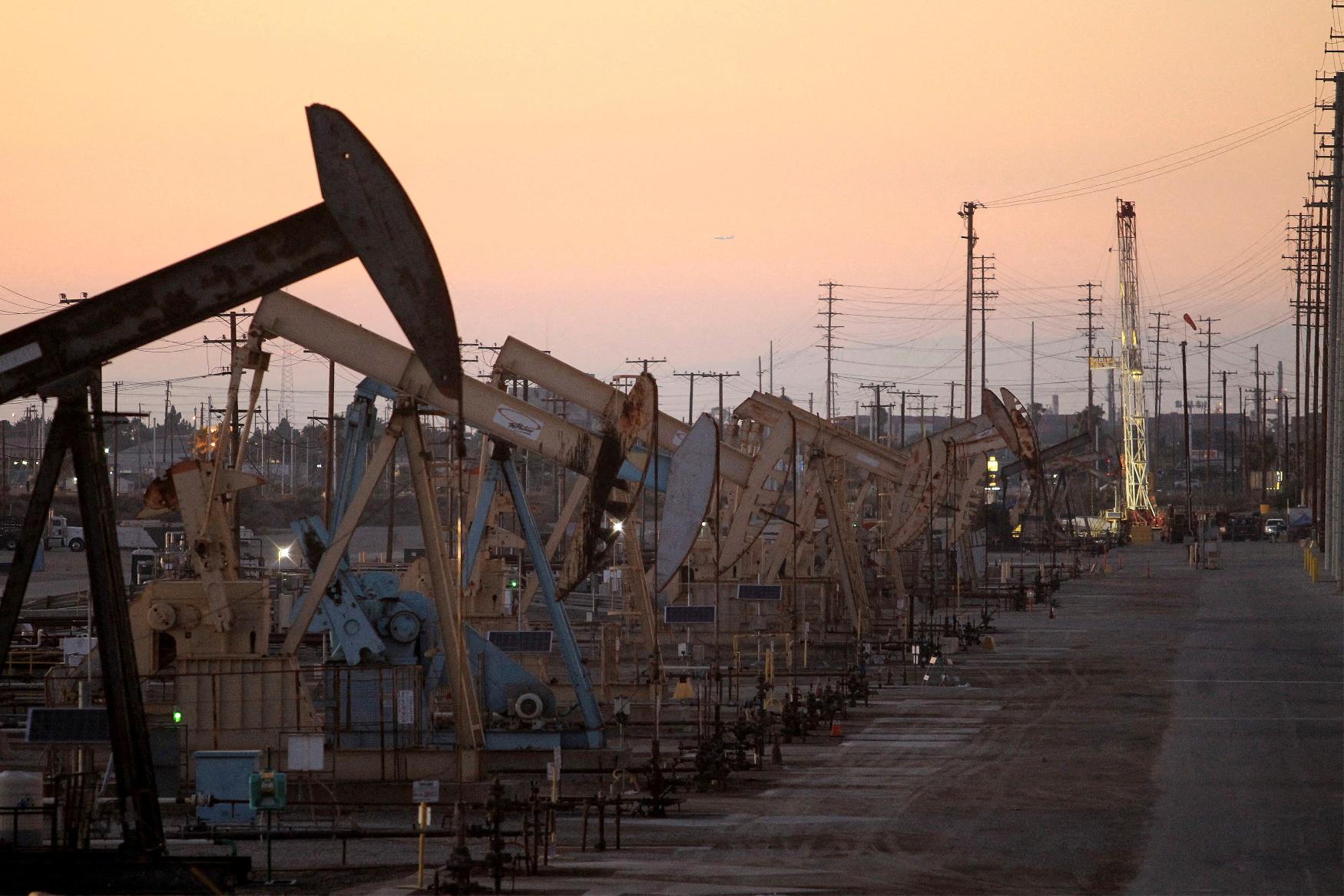
Oil futures rise to highest since late October Russian refinery issues could hit crude output -analyst Lower Saudi exports, improving demand signals support oil prices U.S. crude stocks fell last week - sources citing API NEW YORK, March 19 (Reuters) - Oil prices rose to multi-month highs for the second straight session on Tuesday as traders assessed how Ukraine's recent attacks on Russian refineries would affect global petroleum supplies. U.S. West Texas Intermediate crude futures gained 75 cents, or 0.9%, to settle at $83.47 a barrel, the highest since Oct. 27. Global benchmark Brent crude settled 0.6% higher at $87.38 a barrel, the highest since Oct. 31. Ukraine has stepped up attacks on Russian oil infrastructure this year, with at least seven refineries targeted by drones just this month. The attacks have shut down 7%, or around 370,500 barrels per day, of Russian refining capacity, Reuters calculations show. While lower refining activity has led to an increase in Russian crude oil exports, it could also lead to crude oil production cuts as the country faces storage constraints, StoneX energy analyst Alex Hodes said. Based on Hodes' calculations, the attacks on Russian refineries could result in a decrease of around 350,000 bpd of global petroleum supplies and boost U.S. crude prices by $3 per barrel. Even if the attacks do not lead to a direct loss of Russian crude supply, there is still a spillover effect for oil prices from surging refined product margins, SEB Research analyst Bjarne Schieldrop wrote on Monday. Oil gained support from declining crude exports from Saudi Arabia and Iraq, as well as signs of stronger demand and economic growth in China and the U.S. U.S. single-family homebuilding rebounded sharply in February, the Commerce Department reported. Homebuilding could boost economic growth, supporting oil demand. "Oil demand data surprising on the positive side and the extension of the voluntary OPEC+ cuts until the end of June have supported prices," UBS analyst Giovanni Staunovo said. "Brent will likely trade in an $80-90 per barrel range this year, with an end-June forecast of $86 per barrel," Staunovo added. U.S. crude oil stocks fell by 1.5 million barrels in the week ended March 15, market sources said citing American Petroleum Institute figures. A Reuters poll of analysts expected stocks to rise by about 10,000 barrels last week. Official stockpile data from the U.S. Energy Information Administration is due at 10:30 a.m. ET (1430 GMT) on Wednesday. The Reuters Power Up newsletter provides everything you need to know about the global energy industry. Sign up here. https://www.reuters.com/business/energy/oil-prices-edge-down-russia-lifts-supplies-jet-fuel-demand-stirs-caution-2024-03-19/
2024-03-19 04:36
Fed expected to stay put on interest rates on Wed Focus on Powell's comments and rate projections Palladium down over 3% March 19 (Reuters) - Gold prices drifted lower on Tuesday as the U.S. dollar firmed, while investors await remarks from U.S. Federal Reserve Chair Jerome Powell scheduled to speak after the central bank's policy meeting wraps up on Wednesday. Spot gold fell 0.3% at $2,153.19 per ounce as of 1222 GMT, hovering near its lowest levels in a week hit on Monday. U.S. gold futures eased 0.4% at $2,156.70. The dollar gained 0.5% and hit a more than two-week high, making gold more expensive for other currency holders. "With the FOMC meeting approaching and some concern of a more hawkish FOMC statement, with the dots eventually indicating less rate cuts this year, some market participants prefer to hold a more cautious stance by reducing their (gold) holdings," said UBS analyst Giovanni Staunovo. Markets widely expect the Fed to stand pat on rates at its two-day policy meeting that starts later in the day, but attention will largely focussed around comments from Powell on updated interest rate projections due on Wednesday. Gold prices fell 1% last week after data showed that U.S. consumer prices increased solidly in February and producer prices rose more than expected, reducing hopes around early Fed rate cuts. Higher interest rates reduce the appeal of holding non-yielding gold. Traders are currently pricing in an about 59% chance of a Fed rate cut in June, according to the CME FedWatch Tool , opens new tab. "Renewed gold demand via ETFs from financial investors and ongoing solid demand from central banks should allow gold to reach a new record high of USD 2,250/oz at the end of the year," Staunovo said. Meanwhile, the Bank of Japan (BOJ) ended its eight years of negative interest rates and other remnants of its unorthodox policy. Spot silver fell 0.6% to $24.88 per ounce, platinum lost 1.5% to $899.55, palladium slipped 3.4% to $996.62. Get a look at the day ahead in U.S. and global markets with the Morning Bid U.S. newsletter. Sign up here. https://www.reuters.com/markets/commodities/gold-holds-ground-investors-seek-direction-fed-2024-03-19/

2024-03-19 03:17
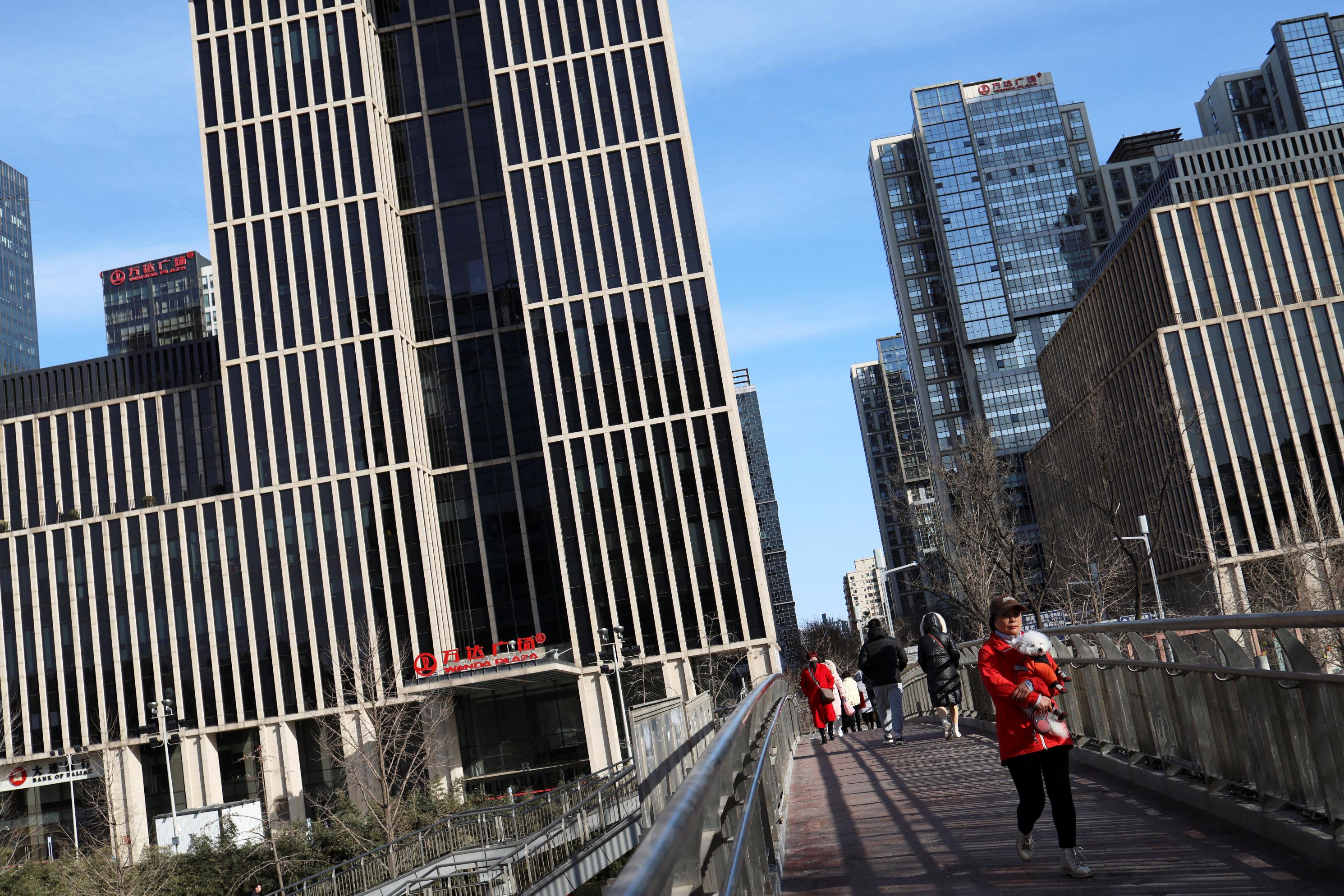
SHANGHAI, March 19 (Reuters) - A record-breaking rally in Chinese sovereign debt is hitting a fever pitch in another sign China's financial system is low on confidence and overflowing with cash and bank deposits. Yields at the longer end of China's bond market have been crunched to record lows by the weight of available money, and bankers say savings bonds are selling out almost instantly to retail investors who queue up outside branches before dawn. The moves are welcome for borrowers, especially the central government which is paying just 3% interest on 30-year debt. But they also illustrate the fragility of economic expectations - because traders see further rate cuts ahead - and of confidence, given investors of all stripes are plunging into safe financial products instead of more productive assets. Batches of savings bonds were "gone in seconds", said a state banker in Shanghai, thanks to three-year rates of 2.38%, which are only marginally better than term deposit rates. Thirty-year Chinese government bond yields are down nearly 40 basis points this year, hitting a record low of below 2.4% in March. They came within a whisker of dropping below 10-year yields, which also have hit 22-year troughs. China has been trying for years to nudge money out of banks and into growth assets with measures such as rate cuts. But those efforts have been met with resistance as a downturn in real estate has sapped appetite for all but the safest investments. One Shanghai bond brokerage trader described the situation as an "asset famine," with very little else for financial institutions to buy while deposits soar and loan growth slides. Both the trader and the banker requested anonymity as they are not authorised to speak publicly. The bond trader noted that much of the demand at the longer end was from financial institutions looking for somewhere to park deposits that nobody wants to borrow. Data published last week showed lending growth at a record low 10.1% in February. Chinese banks held a record 291 trillion yuan ($40 trillion) on deposit at the end of February, according to central bank data, and deposit growth is outpacing loans. Foreign investors have been buyers too, but own less than 3% of the market and do not tend to drive price movements. Analysts such as ANZ senior strategist Xing Zhaopeng said recent central bank market operations to drain cash from the banking system by declining to roll over policy loans showed authorities were aware of the cash logjam. A net 94 billion yuan was withdrawn through a central bank's bond instrument from the banking system in March - China's first such move since 2022. "The move echoed (wording in this year's) annual government work report to 'avoid idling funds stuck' in the banking system," said Xing, referring to a phrase last mentioned in 2020's report. China's central bank also said this month it made a routine survey of rural lenders' bond books to "guide... focus on their main responsibilities", including rural areas and small businesses. To be sure, the prices allow the central government to secure long-term funding at low cost, which it can use to benefit the country, and issuances are expected to steady the market. Yet low rates complicate efforts to support the yuan and has analysts wary - if not yet worried - of a market that's becoming inflated by so much money looking for a home. "With long duration positions congested and curves flat, we are cautious near term," said Ju Wang, head of greater China FX and rates strategy at BNP Paribas. "Medium-term, a correction in China bonds could offer opportunities to re-load duration longs as (the) monetary easing cycle is not over." ($1 = 7.1981 Chinese yuan renminbi) The Reuters Daily Briefing newsletter provides all the news you need to start your day. Sign up here. https://www.reuters.com/markets/rates-bonds/chinas-bonds-boom-investors-face-asset-famine-2024-03-19/
2024-03-19 03:16
TELUK, Indonesia, March 19 (Reuters) - Solikah, an Indonesian housewife living in the fishing village of Teluk, was in tears as she pointed to piles of trash strewn on a beach close to her home of 40 years. Teluk, in the Indonesian province of Banten on the western edge of Java island, has one of the country's dirtiest beaches as villagers said that heavy rain has led to stronger tides, bringing more trash to shore. "You can't predict the weather," 58-year-old Solikah said. Indonesia is expecting a milder dry season this year, its meteorological agency said, starting later than usual in May and June for Java. Fikri Jufri, who leads a community focus on cleaning beaches in Teluk, said the rain had led to the pile-up of trash. "Every year, the rain and wind carries trash from the sea to the shore," he said, adding mountains of plastic waste have for years made their way to the sea through rivers, but the tides bring them back ashore. Biscuit and toothbrush cases, instant noodle packages or even sandals are regularly strewn on the beach, where villagers live on the shore. Indonesia is one of the world's biggest contributors of plastic waste that ends up in the sea. A video of a group of young environmentalists raking up tons of trash in Teluk last year went viral on social media app TikTok. Despite the waste, the biggest complaint of local fishermen is how the weather unpredictability affects their livelihood. Jayadi, 33, said high tides during the rains have prevented him from going fishing, lamenting that income will be hit just as his family prepares to celebrate the Islamic Eid al-Fitr festival next month. "Many villagers will cry because they cannot buy rice if the weather continues like this," he said. "Last year around this time the sea was calmer, so we could find fish, squids." The Reuters Daily Briefing newsletter provides all the news you need to start your day. Sign up here. https://www.reuters.com/world/asia-pacific/indonesia-fishing-village-grapples-with-piles-trash-brought-by-tides-2024-03-19/