2024-03-18 10:34
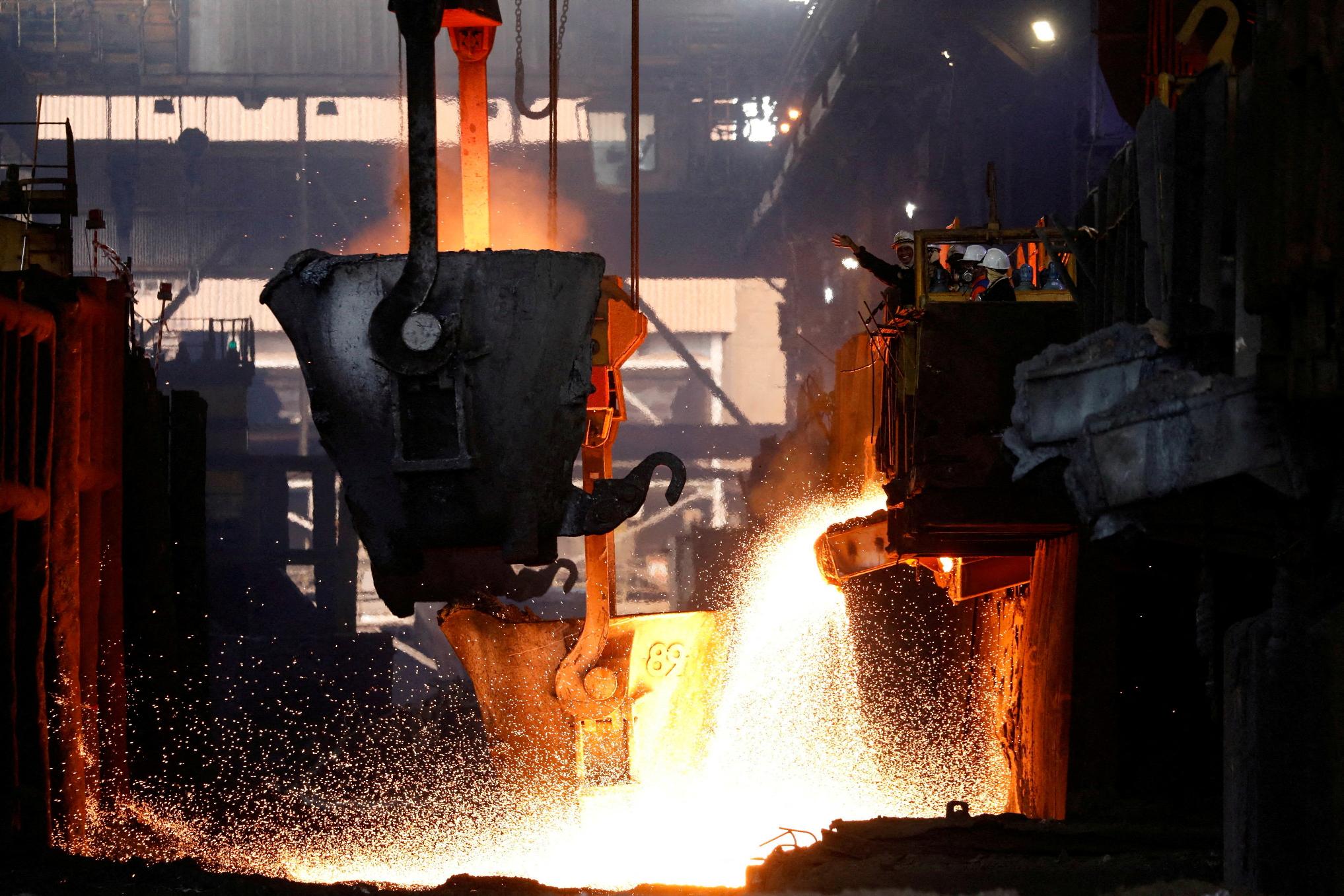
JAKARTA, March 18 (Reuters) - Nickel miner PT Vale Indonesia (INCO.JK) , opens new tab is exploring a potential investment in a high-pressure acid leaching plant in Sulawesi island, with an estimated cost of 30 trillion rupiah ($1.91 billion), its investment ministry said on Monday. The plant, named "SOA HPAL", will be the company's third such project to turn nickel ore into mixed hydroxide precipitate (MHP) - a material used to make electric vehicle batteries, according to presentation material shown by Indonesia's Investment Minister Bahlil Lahadalia. A Vale Indonesia spokesperson declined to comment. The plant could have an annual output capacity of 60,000 metric tons of nickel in MHP, the ministry said, adding Vale Indonesia is completing its final stage of exploration and it will partner with automakers. Vale Indonesia already has two HPAL plants under construction in Sulawesi Island, in Pomalaa and Sorowako. Both projects are in partnership with Zhejiang Huayou Cobalt. U.S. carmaker Ford (F.N) , opens new tab is involved in the $4.5 billion Pomalaa plant. Last month, Indonesia's state mining company MIND ID agreed to acquire a 14% stake in Vale Indonesia from Vale Canada and Japan's Sumitomo Metal Mining (5713.T) , opens new tab to become a top shareholder. ($1 = 15,685.0000 rupiah) Get a look at the day ahead in U.S. and global markets with the Morning Bid U.S. newsletter. Sign up here. https://www.reuters.com/markets/commodities/indonesia-says-nickel-miner-vale-build-another-2-bln-hpal-plant-2024-03-18/
2024-03-18 10:22
PARIS, March 18 (Reuters) - Burkina Faso reported an outbreak of highly pathogenic H5N1 bird flu on a farm located in its capital Ouagadougou, the World Organisation for Animal Health (WOAH) said on Monday. The virus, also called avian influenza, killed 441 birds out of a flock of 641, the Paris-based WOAH said in a report, citing local authorities. Make sense of the latest ESG trends affecting companies and governments with the Reuters Sustainable Switch newsletter. Sign up here. https://www.reuters.com/business/environment/burkina-faso-reports-bird-flu-outbreak-ouagadougou-woah-says-2024-03-18/

2024-03-18 10:17
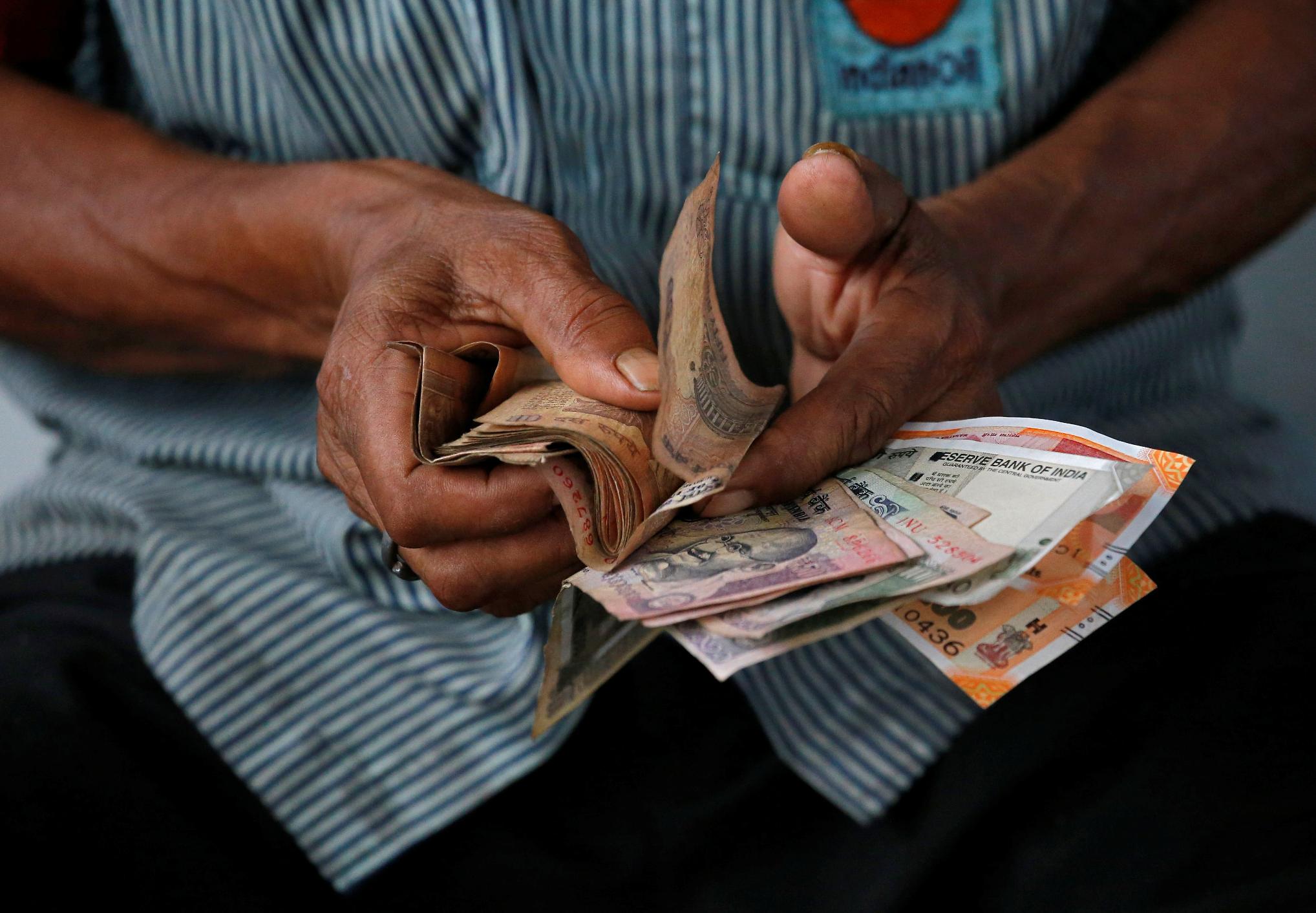
MUMBAI, March 18 (Reuters) - The Indian rupee closed lower on Monday, pressured by weakness in Asian currencies and dollar purchases by state-run banks. The rupee settled at 82.9050 to the U.S. dollar compared with 82.8775 in the previous session. The local unit traded in a 82.83 to 82.9150 band in Monday's session. "Inflows have been supportive, but dollar purchases from state-run banks have limited the rupee's rally," a trader with a private bank said. "It is difficult to determine whether these dollar purchases were on behalf of importers or the central bank." The Reserve Bank of India (RBI) has been absorbing dollars in the spot market amid persistent foreign inflows in the country's debt and equity markets, traders said. That has capped gains in the rupee over the last few trading sessions. "This (RBI) intervention is likely to continue, further contributing to the stability of the rupee against the dollar," Jateen Trivedi, vice president and research analyst at LKP Securities, said. "We expect the rupee to trade sideways in the range of 82.70 and 83.20 going into the Federal Reserve's policy." Asian currencies were mostly lower ahead of the policy outcome from two major central banks this week. The Bank of Japan's policy decision is due on Tuesday and the central bank is believed to be on the brink of ending its negative rates regime. Meanwhile, in the Fed's review on Wednesday, investors will assess if policymakers change their projections for rate cuts for the year. The Fed in December projected 75 basis points of easing in 2024. "The short-term reaction in the dollar should be primarily driven by projections on rates and other macro indicators," ING Bank said in a note. "We expect an unchanged dot plot but admit that a hawkish revision looks more likely than a dovish one." Keep up with the latest medical breakthroughs and healthcare trends with the Reuters Health Rounds newsletter. Sign up here. https://www.reuters.com/markets/currencies/rupee-falls-weak-asian-currencies-state-run-banks-dollar-purchases-2024-03-18/
2024-03-18 10:09
A look at the day ahead in U.S. and global markets from Mike Dolan A rare positive surprise from Chinese industry and retail has unnerved interest rate and energy markets some more, upping the stakes at this week's major central bank meetings. Although stock markets continue to sidestep the rebound in borrowing rates over the past week - moves seeded by both stubborn inflation readouts and brighter growth and earnings signals - the prospect of a more significant Chinese recovery may add pressure to the delicate balance. China's factory output and retail sales beat expectations in the January-February period, according to official data released on Monday, marking a solid start for 2024 and offering relief to policymakers fearful of the drag from the ongoing property bust. Industrial output rose 7% in the first two months - the quickest growth in almost two years. Retail sales slowed to 5.5% from 7.4% in December but also slightly beat forecasts. Chinese stocks <.CSI300) closed at their highest for the year and have now recaptured 12% of the past year's withering slump since the start of February. Global stocks and U.S. futures started the busy week on a more positive note as a result. But the impact of a punchier Chinese economic rebound on global oil and commodities comes at a critical juncture for inflation-watchers, central banks and bond markets. U.S. crude oil prices - irked additionally by supply factors and geopolitical concerns from Russia to Gaza - pushed further above $80 per barrel on Monday to their highest since early November. That has lifted year-on-year oil price gains to 22% - the fastest annual pace since December 2022. With Russia's predictable weekend election result tightening Vladimir Putin's 25-year grip on power, Ukraine's continuing attacks on the country's oil refineries are having an impact on energy markets at the margins too. On Saturday, one of the strikes sparked a fire at the Slavyansk refinery in Krasnodar, which processes 8.5 million metric tons of crude oil a year, or 170,000 barrels per day. A Reuters analysis found the attacks have idled around 7% of Russian refining capacity - which feeds demand from China and India - in the first quarter. The oil price irritant will do little to ease the fresh angst in Treasury debt markets, where 2- and 10-year yields , hit their highest in almost a month early on Monday ahead of this week's latest Federal Reserve meeting. U.S. Treasury exchange-traded funds are now down 2% for the year to date, with long duration versions containing 20 and 30-year bonds off about 6% for 2024. There is no hope of a Fed rate cut this week, but their new economic projections may be a wild card - potentially signalling fewer interest rate cuts and a later start to the policy easing than they previously had estimated. Futures markets are now not pricing a full Fed rate cut until July, seeing only a 50-50 chance of a move as soon as June and just 75 basis points of easing over the whole year. U.S. March homebuilder sentiment readings are due out later on Monday, but are unlikely to have much of a bearing on this week's Fed meeting - where discussions will also likely start on possible tapering of the central's bank's balance sheet rundown. The brighter growth and edgier oil and inflation outlook also ups the ante for tomorrow's Bank of Japan decision, where speculation is now rife the BOJ will end its negative interest rate policy following months of second-guessing and after news last week of the highest wage growth in more than 30 years. The Nikkei newspaper on Saturday became the latest media outlet to flag the policy move as soon as Tuesday. But Japanese markets now seem well prepared for the shift - with the yen softening to its weakest level in almost two weeks near 150 per dollar and the Nikkei stock benchmark (.N225) , opens new tab rallying more than 2% on Monday. The dollar (.DXY) , opens new tab was steady more generally. In company news, the day ahead is likely to be dominated by artificial intelligence bellwether Nvidia's (NVDA.O) , opens new tab annual developer conference. Nvidia's stock price was up 2% ahead of the bell in anticipation. Key diary items that may provide direction to U.S. markets later on Monday: * U.S. NAHB March housing index; Canada Feb producer prices * Nvidia's annual developer conference * US Treasury auctions 3-, 6-month bills Get a look at the day ahead in U.S. and global markets with the Morning Bid U.S. newsletter. Sign up here. https://www.reuters.com/markets/us/global-markets-view-usa-2024-03-18/

2024-03-18 09:53
ANKARA, March 18 (Reuters) - Turkey's central bank is expected to leave its key interest rate unchanged at 45% this week, holding steady for a second straight month, though most economists forecast another rate hike later this year, a Reuters poll showed on Monday. The central bank has recently moved to tighten policy, including action on reserve requirements, prompting some banks to either reduce loan limits or even stop offering loans. On Saturday the bank raised the maximum interest rate on credit card cash withdrawals. All but two of 22 respondents expected the bank to keep its policy rate steady in March, while two forecasted a 250 basis-point hike. The poll also showed that eight of 12 expected the bank would hike again later this year. In a previous poll conducted in February, economists were expecting some 500-750 basis points of policy rate cuts by the end of year. While the central bank held its key interest rate steady at 45% last month after an aggressive tightening cycle, Finance Minister Mehmet Simsek last week promised tighter fiscal policy to help the bank reduce inflation. Authorities are expected to take more policy steps to cool inflation after local elections on March 31, setting the stage for more pain for Turks already struggling after years of soaring prices. In an interview with broadcaster Kanal 7 on Sunday, Simsek said he believed that with additional fiscal policy measures inflation would be within the central bank's forecast range in the period ahead. "If we believe that this will not be the case, we will take additional measures. This is an issue under the central bank's responsibility," Simsek said, adding that the central bank had a free hand and would do whatever is necessary to lower inflation. After President Tayyip Erdogan's re-election in May, Turkey abandoned a years-long unorthodox low rate policy supported by the president in favour of tightening, raising its key rate to 45% from 8.5% since June. Capital Economics said in a research note to clients that the data released since February's hold decision by the central bank suggest that the disinflation process has taken a step back and the risk of a restart to the hiking cycle is growing. A rate hike "looks unlikely given how close it is to the local elections taking place on 31st March. But the statement will likely maintain a hawkish tone and the possibility of a 250-500bp hike in April is becoming more likely." Goldman Sachs, which expect the central bank to hike rates by 250 basis points this week given rising pressure on reserves and the lira, said it has already tightened policy via macroprudential measures and reserve requirements "We think the purpose of the hike will mostly be to signal that the central bank will and can hike if needed in line with its own guidance and avoid the risk that the macro prudential measures taken in response are interpreted as a return towards a less orthodox policy framework," Goldman Sachs said. On Friday, the central bank's monthly survey of market participants' expectations showed that Turkey's year-end annual inflation was seen at 44.19%, higher than the bank's own forecast of 36%. The bank will announce its rate decision at 1100 GMT on March 21. The Reuters Daily Briefing newsletter provides all the news you need to start your day. Sign up here. https://www.reuters.com/markets/rates-bonds/turkey-set-hold-rate-steady-this-week-hike-is-coming-2024-03-18/
2024-03-18 09:07
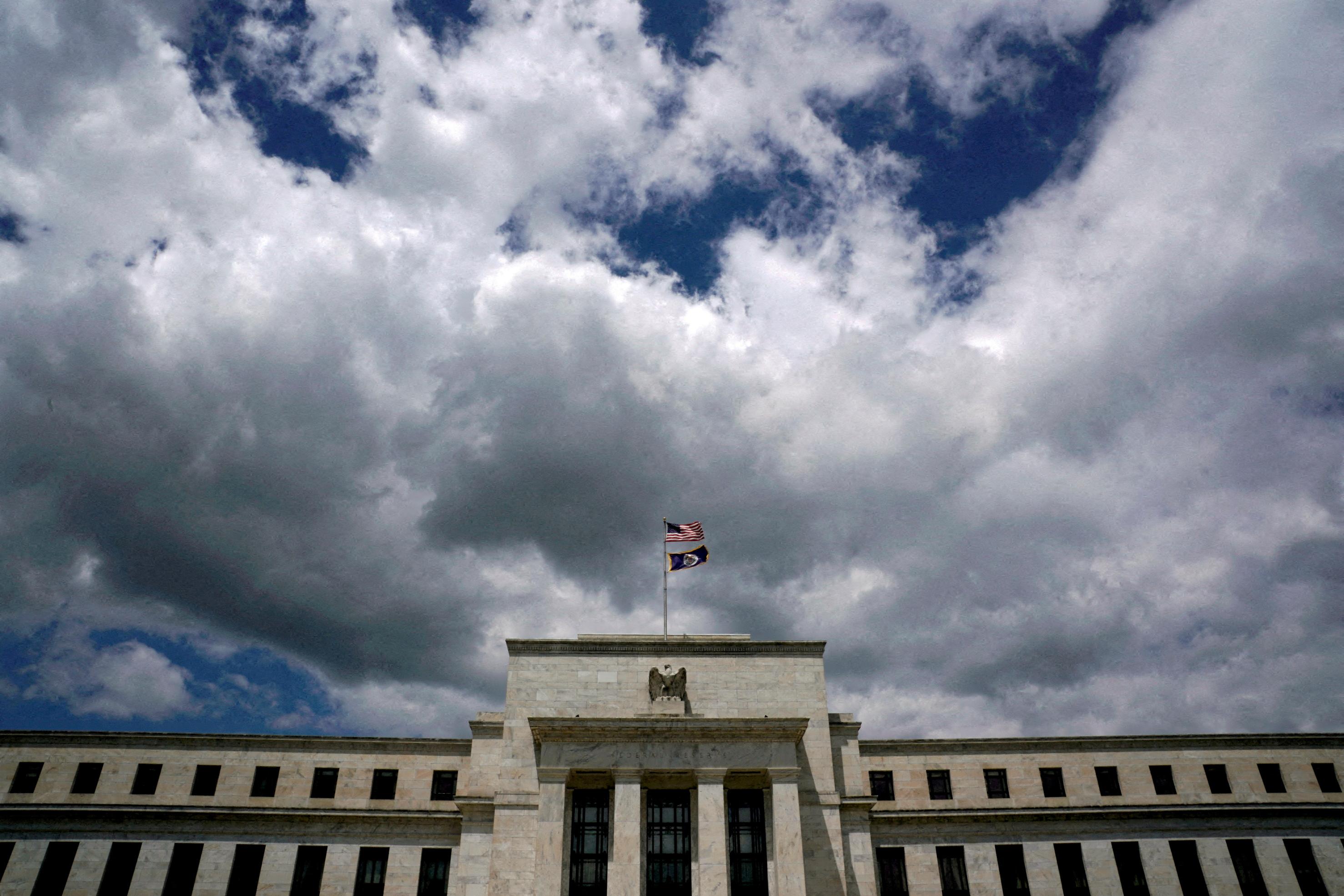
March 18 (Reuters) - U.S. central bankers are not expected to cut borrowing costs this week, but their new economic projections may be a wild card, potentially signaling fewer interest rate cuts and a later start to the policy easing than they previously had estimated. Keeping interest rates at the current high levels for a longer period of time could have big implications for American households and businesses, especially in a presidential election year when the state of the economy is already a central talking point for President Joe Biden and his Republican challenger, Donald Trump. Market bets still point to the Federal Reserve's June 11-12 meeting as the most likely start for reductions to the central bank's policy rate, which has been in the 5.25%-5.50% range since last July. But with inflation still running well above the Fed's 2% target and coming in stronger than expected in the first two months of this year, traders are pricing a 40% chance that the first rate cut only happens at the July 30-31 meeting. Bets in financial markets also point to an end-of-2025 policy rate in the 3.75%-4.00% range, a quarter of a percentage point lower than Fed policymakers forecast in December. "Two months (of higher inflation readings) is too soon to declare that all is lost, but it certainly raises the risk that you have a little bit more of an inflation problem, and in that case it makes sense to be cautious," said Jeremy Schwartz, senior U.S. economist at Nomura Securities. "You have to consider the possibility that it will take a longer period of restrictive policy." Nomura is among a minority but growing number of forecasters who believe Fed policymakers this week will trim the number of their anticipated rate cuts this year to just two quarter-percentage-point moves, from the three that U.S. central bankers projected in December. A report last week showing consumer price inflation accelerated to 3.2% in February from 3.1% in the prior month is not going to give Fed policymakers greater confidence that inflation is moving sustainably toward their 2% goal, the bar they set in January for cutting rates. "They were hoping for better, clearly ... but I'm not sure they are completely surprised by this," said Kathy Bostjancic, chief economist at Nationwide, who is among those who think Fed policymakers will stick to the quarterly forecasts issued in December. "I think it probably just validates their view that, yes, it's prudent to wait and see." Despite signs of cooling, the economy remains strong. The unemployment rate, at 3.9% in February, is up two-tenths of a percentage point from the start of the year but still below what Fed officials believe is sustainable in the long run. Businesses added 275,000 jobs last month. "The main message from them is, they can be patient," said Oscar Munoz, chief U.S. macro strategist at TD Securities. If the median expectation for this year does shift to two rate cuts, Munoz said, it would suggest they see the recent stronger inflation readings as a "game changer." Munoz expects the Fed to start cutting rates at every other policy meeting - or once every quarter, which he said implies a likely delay in the start of the policy easing to September if the central bank reduces the number of rate cuts in 2024 to two. Either way, Munoz expects policymakers to project a slightly higher inflation rate for 2024, perhaps 2.6% by the Fed's preferred inflation measure, the personal consumption expenditures price index, up from 2.4% in December. BALANCE SHEET Deutsche Bank economists likewise see an upside risk to the Fed's inflation forecast, and like Munoz they expect the Fed on Wednesday to stick to the projection of three rate cuts for this year, with a start in June. But they also believe sticky inflation likely means central bank policymakers will trim the number of rate cuts they forecast for 2025 to three, from the four seen in December. "The main message from the March summary of economic projections should be that the Fed will have little tolerance for further upside inflation surprises, and if they were to occur, expectations for policy easing this year will be dialed back (all else being equal)," they wrote. Other economists caution against reading much at all into the median projections. Gregory Daco, chief economist at EY, expects the median forecast for rate cuts to downshift to two on Wednesday, but for a resumption of softer inflation readings to require a total of four reductions in borrowing costs this year. By contrast, Tim Duy, chief U.S. economist at SGH Macro Advisors, argues that as many as eight of the Fed's 19 policymakers could pencil in fewer cuts than they did in December without shifting the median. Most analysts expect few changes to the Fed's policy statement on Wednesday, but they see more of an emphasis on the need for "careful" adjustments in Fed Chair Jerome Powell's post-meeting press conference and plenty of hedging around the timing of rate cuts. Many market participants are also hoping Powell provides a better sense of when the Fed could eventually stop shrinking its roughly $7.6 trillion balance sheet. To be ready to announce the details of that plan in May and begin slowing reductions in June, as Yelena Shulyatyeva, senior economist at BNP Paribas, predicts is the likely timeline, "they need to do a lot at this meeting," she said. Get a look at the day ahead in U.S. and global markets with the Morning Bid U.S. newsletter. Sign up here. https://www.reuters.com/markets/us/inflation-frustration-may-prompt-fed-dial-back-rate-cut-outlook-2024-03-18/