2024-03-18 07:50
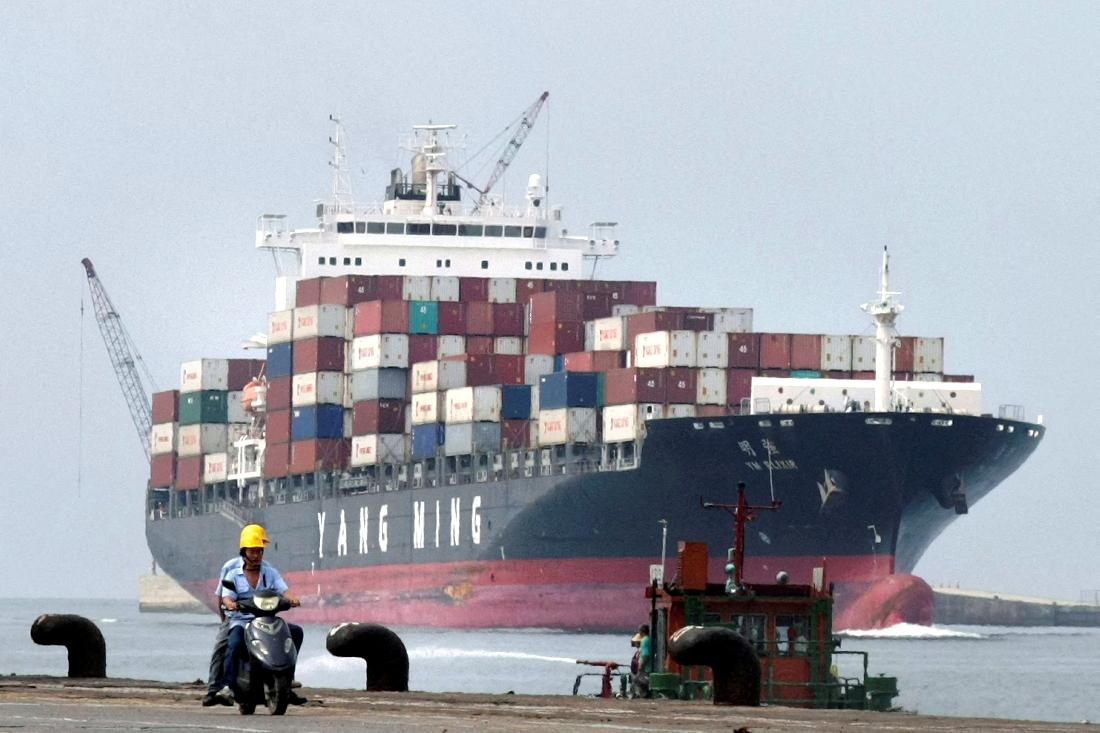
MUMBAI, March 18 (Reuters) - The Indian rupee was trading little changed on Monday, helped by persistent inflows and pegged back by weak Asian currencies and dollar buying by public sector banks. The rupee was at 82.8850 to the U.S. dollar at 11:04 a.m. IST compared with 82.8775 in the previous session. The local currency's intraday high is 82.83. Inflows will "broadly support" the rupee until "this month is over", a foreign exchange trader said. "On the other side, you have the RBI (Reserve Bank of India) and the dollar that is on the up move." The RBI has been intervening to limit the rupee's decline in the face of dollar inflows, buying the greenback via public sector banks. The banks "are again" on the bid on the dollar/rupee, though "not sure if it is for the RBI or importers", said an FX salesperson at a private bank. Other Asian currencies were mostly weaker, awaiting two key outcomes this week. The Bank of Japan policy decision is due on Tuesday and the U.S. Federal Reserve review would be a day later. The BOJ is expected to exit its negative interest rate policy, the Nikkei newspaper reported on Saturday. The odds of an exit versus no change are nearly 50:50. The Fed, meanwhile, is nearly certain to make no changes to the policy rate and the main focus will the interest rate and inflation projections. The U.S. central bank's dot plot in December indicated three rate cuts in 2024, which investor are debating whether the latest will show only two. "Our assessment is that inflation is still in line with the Fed's projections and we see no compelling reason at this stage to alter current guidance," ANZ Bank said in a note. "However, the risk of an adjustment to the dot plot needs to be highlighted." Keep up with the latest medical breakthroughs and healthcare trends with the Reuters Health Rounds newsletter. Sign up here. https://www.reuters.com/markets/currencies/rupee-supported-by-inflows-undermined-by-weak-asian-currencies-2024-03-18/
2024-03-18 07:36
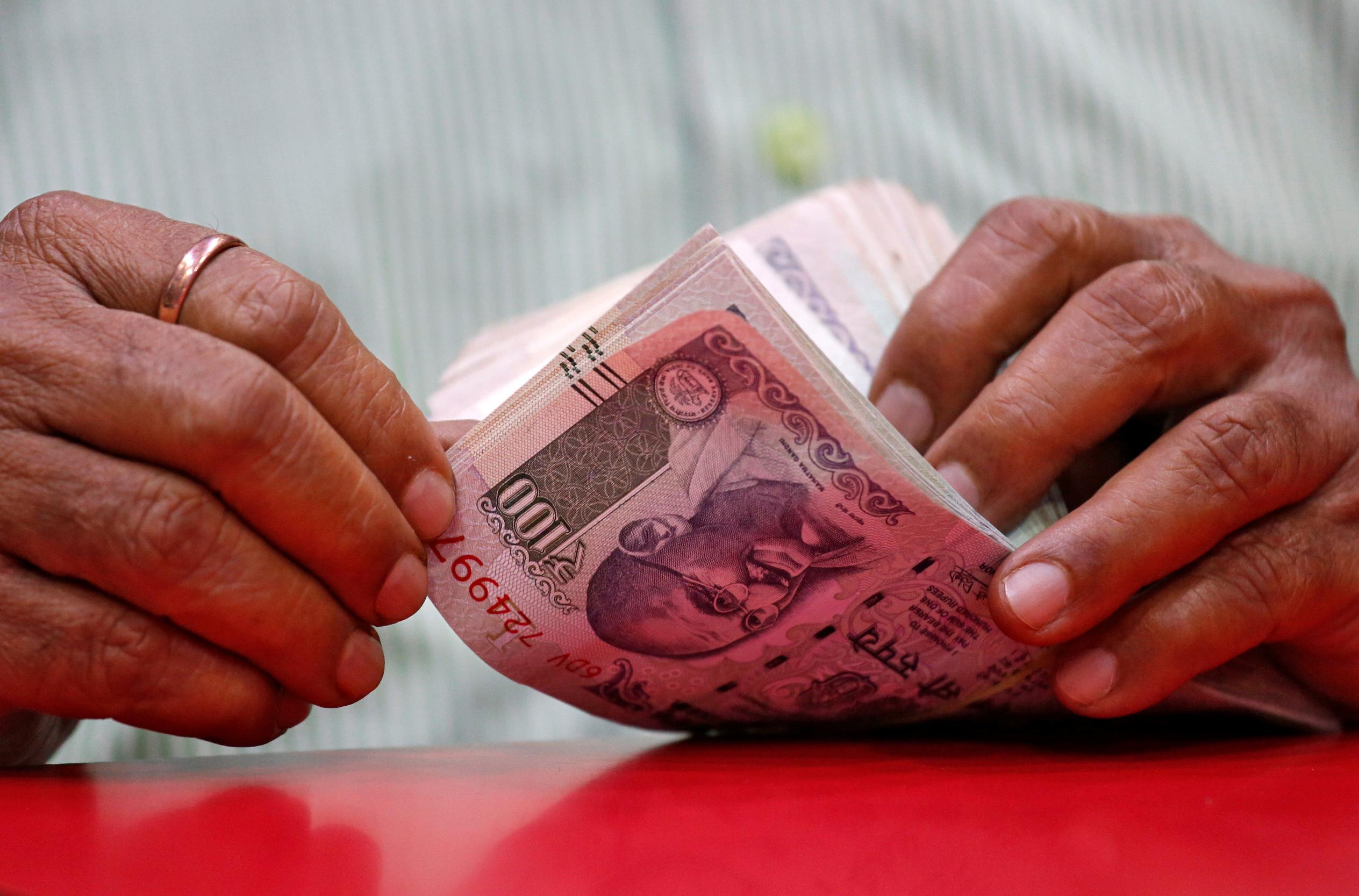
SAMANDAG, Turkey, March 18 (Reuters) - Habip Yapar felt lucky that his home in southern Turkey withstood last year's devastating earthquake. Then a text message appeared on his phone in October telling him the government was taking ownership of the apartment. The message sent to Yapar, 61, declared that the deeds for his property in Hatay province were being transferred to the Treasury under an amendment to an urban planning law set to affect thousands of earthquake survivors. Urbanisation Minister Mehmet Ozhaseki said in early February the government needed new powers established in the amendment to speed up the redevelopment of neighbourhoods in towns severely damaged by the earthquake, which flattened a swathe of the country's southeast on Feb. 6, 2023. Hatay, the southernmost region of mainland Turkey, bordering Syria, suffered the most damage in the deadliest tremor in the country's modern history. Since then, reconstruction has fallen behind ambitious deadlines set by President Tayyip Erdogan. According to the regulation, which was passed in November, the seizures were to create "reserve building areas," a temporary measure to expedite reconstruction. Those affected would be entitled to a property after paying towards the construction costs, it said, without providing details of the financial burden. While earthquake insurance is compulsory in Turkey, the rule is not always enforced and insurance often covers only a fraction of the costs of rebuilding or buying new property. Interviews with nearly two dozen residents, lawyers and local officials show that thousands of homeowners were blindsided by the seizure plans, with many learning on social media their properties would be affected. Like Yapar, dozens in his coastal home town of Samandag received text messages even before the amendment was passed in November. Five months later, the government has yet to inform affected people about how much they will pay, what happens if they are unable to, any compensation they might be entitled to, and exactly when and for how long their titles will be in the government's possession, the people Reuters spoke to said. "It's like going to a restaurant where they bring you a dish, but you don't know the price. You have to pay whatever the bill is," said Ecevit Alkan, chairman of the Environment and Urban Law Commission at Hatay Bar Association. Reuters spoke to four homeowners and two lawyers in the Hatay districts of Samandag, Defne and Antakya who have filed lawsuits with the Hatay administrative court to block the orders. The urbanisation ministry and Erdogan's office did not respond to questions from Reuters. Several opposition parties have submitted parliamentary questions requesting more information from the ministry about the new law but they remain unanswered. Yapar lives with his wife and adult son and daughter in a temporary tent shelter. At least 215,000 Hatay survivors are living in container camps or tents. The retired civil engineer had been saving money to repair his two-storey home. With ownership now being transferred to the government, he cannot start work. The house is scheduled for demolition. Yapar, among those who filed a lawsuit, denied the building was beyond repair. "We can rebuild our houses ourselves, and we do not want a cent from the state." HOMELESS IN HATAY Just over a year since the devastating earthquake killed more than 53,000 people in Turkey, hundreds of thousands of survivors remain in temporary homes such as containers and tents. Most of the affected owners have been living with acquaintances or in temporary shipping containers since the earthquake flattened or damaged their apartments and have not been told when the new buildings will be ready, residents and lawyers said. Others have been made homeless by the seizure notices. Hatice Altinoz said she and her adult son Ahmet had to move from their damaged apartment in Hatay's Antakya because the building is in a reserve area largely cleared for reconstruction. "Authorities did not provide us a container to stay in because our building had not collapsed, so I moved to my daughter's container house," Altinoz said. Antakya residents Omer and Dilay Dolar, said they learned on social media that their five properties were in a designated area, where few buildings are standing. "My family and I worked so hard to own these assets," said Dilay Dolar, 57, an entrepreneur. "But now it is unclear what the future will hold." Hatay's federal government-run governor's office said on its website in February nearly 44,000 homes will replace transferred property. It did not give figures on how many people's property will be seized in the process and did not respond to questions from Reuters. In total, Erdogan has promised 254,000 new homes for the province, but so far construction has been completed on less than 7,300 of those, data from the governor's office shows. Last year an official told Reuters limits on funds and rising prices were to blame for the delays. The bar association's Alkan said nearly 50,000 people will be affected by the property seizures, based on the population in neighbourhoods designated as reserve areas in the province. In Samandag, Mayor Refik Eryilmaz said he welcomed the government's plan for a modern bazaar and new housing in the declared reserve areas. But, he said, it was wrong for the government to send text messages to his town's property owners without explaining the project or the legal and financial arrangements. "The government authorities have failed to provide a satisfactory explanation to the public, which is problematic," Eryilmaz, from main opposition party CHP, said in an interview. Some residents see politics at play. Hatay is an opposition-run district where Erdogan is keen to make inroads in local elections on March 31. A speech he gave in the province to mark the first anniversary of the quake was widely interpreted as a veiled message that reconstruction aid would flow more smoothly with a ruling party administration. Erdogan later emphasized that reconstruction efforts did not differentiate between government supporters and opponents. LAW SUITS With information scarce, the home owners and lawyers who spoke to Reuters were mistrustful and feared the state could keep property if owners are not able to pay. The new amendment to the Law on the Transformation of Areas under Disaster Risk granted the ministry's Urban Transformation Directorate wide authority to designate private properties as reserve building areas without first getting consent from owners. Orhan Ozen, a lawyer in Samandag, said the law violates property rights and does not specify how owners will be protected after their properties are handed over to the Treasury, despite promises of a smooth rebuilding process. So far, the Urban Transformation Directorate has declared more than 200 hectares of land as reserve areas in Hatay province, official data shows. Ozen, who filed lawsuits for stays on two parcels of land in Samandag, said the designation covered the most valuable properties in town. "The balance between the public interest and the citizens is being ignored," Ozen said, adding that the lack of detail in the law has sown uncertainty, including what will happen to a new property if the owner dies before paying it off. In one plea seen by Reuters, the urbanisation ministry said the request for a stay should be dismissed on grounds that plaintiffs only have rights over individual properties, not the broader area designated by the ministerial decision. Samandag's central bazaar is among around 1.6 hectares in the district seized for renovation under the plans. Ali Tas, who runs a toy shop in the bazaar, said he was willing to work in a container for a while if the bazaar ultimately looks good. But Hasan Fehmi Cilli, a 56-year old doctor, said neither he or his neighbours whose offices and shops are operating in the bazaar but are slated for redevelopment had given their consent. He was among those who have filed a lawsuit. "There are lots of uncertainties. Will the state provide us a property in the same location, on the same plot, and of the same size?" Fehmi Cilli said, visibly angry. The Reuters Daily Briefing newsletter provides all the news you need to start your day. Sign up here. https://www.reuters.com/world/middle-east/shock-confusion-turkey-seizes-earthquake-survivors-homes-2024-03-18/
2024-03-18 07:28
TOKYO, Jan 31 (Reuters) - The fading shadow of reflationists in the Bank of Japan, and the latest addition to the board of an academic favouring an end to ultra-low interest rates, will likely bring the central bank's thinking closer to global peers taking a more conventional approach on monetary policy. The reshuffle would come at a critical time for the central bank, which raised interest rates to 0.5% in a rate-hike cycle analysts say may take short-term borrowing costs to around 1%. The following outlines the balance between the doves in the board who would prefer to take rate hikes slowly, the hawks who favour acting steadily toward policy normalisation and the neutrals who lie somewhere in between. THE HAWKS Board member Naoki Tamura, a former commercial bank executive, has been the most vocal advocate of monetary tightening. In August 2023, he signaled the chance of an end to negative rates - a move the BOJ indeed took in March 2024. In his latest speech in September, he said the BOJ must raise rates to at least 1% as soon as the second half of fiscal 2025 - becoming the first and only board member who publicly specified a level the central bank must eventually target in pushing up borrowing costs. Fellow board member Hajime Takata, a former bond strategist, also called on the need to raise rates in several stages if economic and price developments move in line with its forecast. Junko Koeda, an academic who had warned of the cost of prolonged monetary easing, has been nominated by the government to join the board, replacing Seiji Adachi. In a paper released in 2018, she argued that raising rates before inflation hits 2% won't necessarily cool growth. Among the BOJ's leadership, deputy governor Ryozo Himino is considered the most hawkish given his career as former head of Japan's bank regulator, which had long criticised the BOJ's ultra-loose policy for hurting lenders' margin. He used his public appearance in January to essentially pre-announce the bank's decision to raise rates that month. THE DOVES Toyoaki Nakamura, a former executive of electronics giant Hitachi, worries about the damage a stimulus exit could inflict on small and mid-sized firms. While he agrees on the need to push up ultra-low rates, he is cautious of doing so too soon. Former academic Asahi Noguchi, known as an advocate of aggressive monetary easing, and former economist Seiji Adachi have also been considered as among dovish members of the board. Both have called for slow, moderate rate hikes, if any. But the doves' presence is diminishing. With inflation above the BOJ's target for nearly three years, Adachi and Noguchi have shed their dovish streak and voted for raising rates in January. Adachi will see his term end in March and Nakamura in June. NEUTRALS Governor Kazuo Ueda and his career central bank-turned deputy, Shinichi Uchida, are seen as favouring gradual but steady increases in Japan's borrowing costs that remain deeply negative on an inflation-adjusted basis. Both have stressed the BOJ's resolve to continue raising interest rates if prospects of sustained wage gains heighten the chance of Japan seeing inflation move stably around its 2% goal. Junko Nakagawa, who was formerly chairperson of Japan's Nomura Asset Management, is also considered a neutral. While warning of overseas uncertainties, she said there were upside risks to Japan's price outlook due to a tight job market. Sign up here. https://www.reuters.com/markets/rates-bonds/who-are-bojs-doves-hawks-2024-03-18/
2024-03-18 06:20
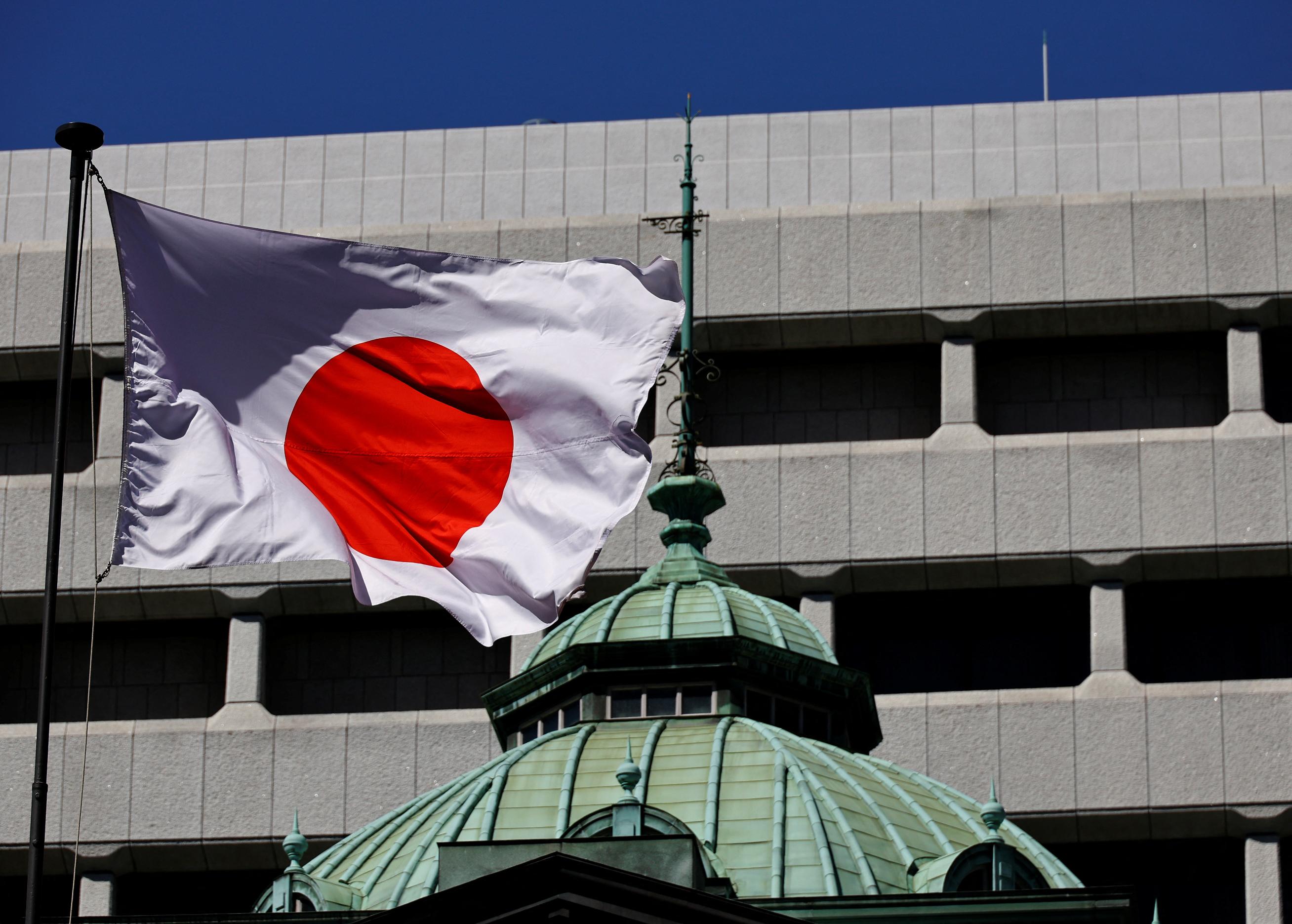
MELBOURNE, March 18 (Reuters) - BHP Group (BHP.AX) , opens new tab said on Monday some contractors at its West Musgrave nickel and copper project in Western Australia had left its operations as the global miner assesses whether it will put its nickel division on ice due to a severe price slump. The move comes after BHP said it was reviewing the mine's development timeline at its half-year results last month and as senior executives on Monday issued fresh warnings about the difficulties in the nickel sector. The company said it had cut around a quarter of the contractor workforce at the site, or about 100 people. "We continue to assess phasing and capital spend for the ongoing development of the West Musgrave project and have reduced the scope of work with some contractors," a BHP spokesperson said. Prior owner Oz Minerals, which was bought by BHP last year, estimated in December 2022 that it would cost A$1.7 billion ($1.12 billion) to develop West Musgrave, with first production expected in the second half of 2025. BHP's nickel mining and processing business in Australia whose products include nickel sulphate for the electric vehicle industry was put under review last month amid a supply surge from Indonesia that hit prices. It employs around 3,000 people. BHP's outgoing Chief Financial Officer David Lamont said separately on a call to shareholders on Monday the decision to review the division was necessary given operational losses. "To put that into context, 30% of the Australian nickel market has gone off line and another 30% is under pressure," Lamont said. BHP is grappling with the complexities of winding down its refining and smelting business in particular. CEO Mike Henry said on the same call that BHP was "committed to landing on a decision as soon as practically possible." The company flagged a $2.5 billion non-cash impairment charge in relation to the division at its half-year results. Henry has been highly critical of Australia's industrial relations laws, particularly around its incoming "same job same pay" legislation designed to ensure contractors are not paid less than employees, but he said BHP has seen "pockets" of positive government policy action being taken to shore up the sector. Henry noted "constructive engagements" in the states of Western Australia and South Australia to attract more capital to the mining industry. Western Australia has offered royalty relief to nickel miners. Federally there have also been improvements around skilled migration, he added. ($1 = 1.5235 Australian dollars) Get a look at the day ahead in U.S. and global markets with the Morning Bid U.S. newsletter. Sign up here. https://www.reuters.com/markets/commodities/bhp-lets-workers-go-australian-nickel-mine-amid-price-slump-2024-03-18/

2024-03-18 06:09
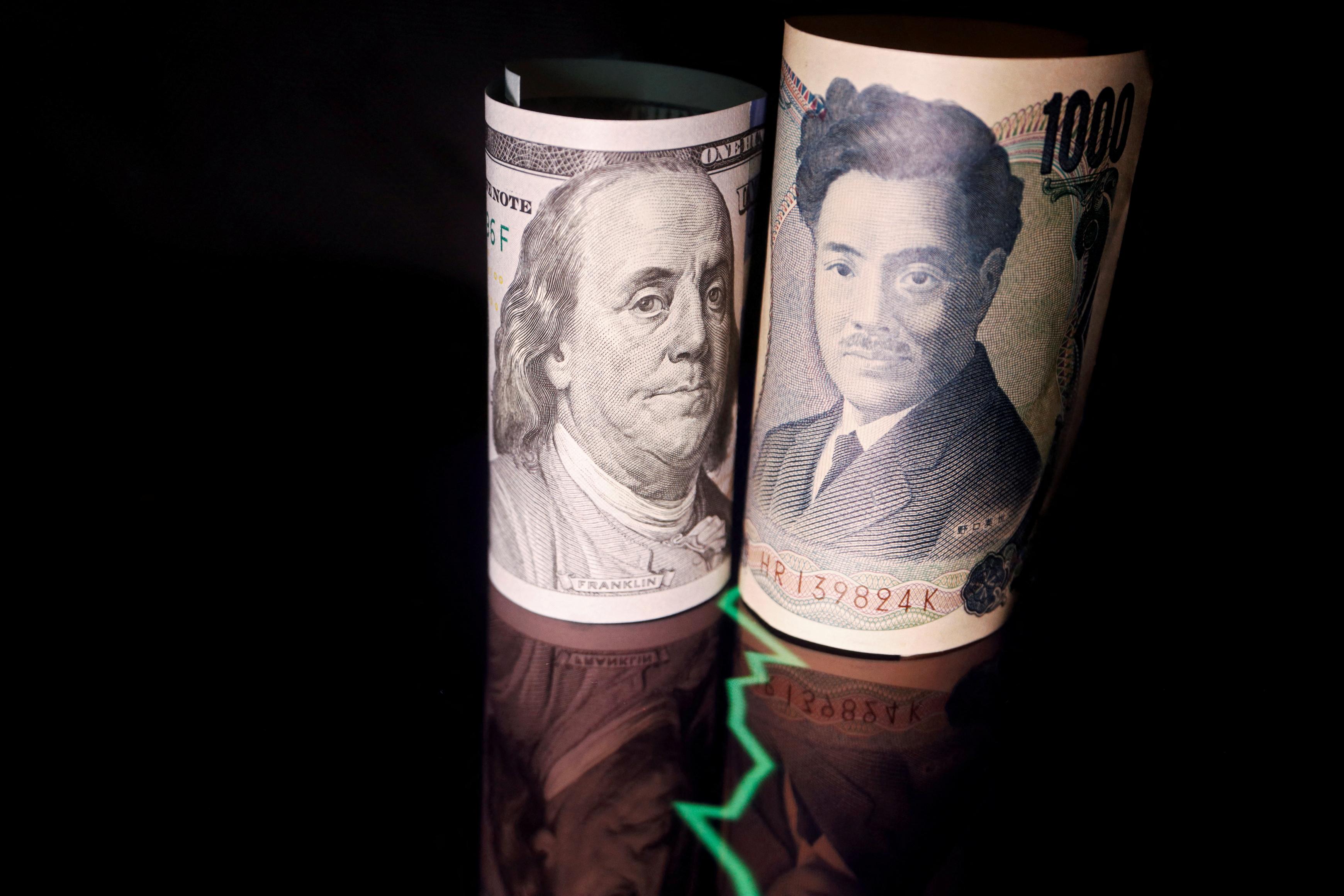
NEW YORK/LONDON, March 18 (Reuters) - The dollar edged higher on Monday ahead of a slew of central bank meetings this week, with the Bank of Japan potentially set to end negative interest rates and the market waiting for the Federal Reserve's latest projections for its rate cut plans. In addition to Japan and the United States, central banks in Britain, Australia, Norway, Switzerland, Mexico, Taiwan, Brazil and Indonesia are all due to meet this week. The dollar index , which measures the U.S. currency against six other major currencies, rose 0.145% at 103.600. It has strengthened just over 2% this year as the U.S. economy has fared better than expected, leading investors to rein in bets that the Fed will cut rates quickly and deeply this year. Markets are now pricing in less than three cuts of 25 basis points each in 2024, down from almost double that at the year's start, LSEG data shows. Futures show about a 51% chance of the first rate cut coming by June, also down sharply from earlier expectations, according to CME Group's FedWatch Tool. The yield on benchmark 10-year Treasury notes rose to a three-week high of 4.348%. The advance adds to dollar strength as the market sees rates staying higher for longer. The focus on Wednesday will be on whether Fed policymakers change their projections, or dot plots, for the economy and rate cuts for this year and the next two. The Fed in December projected 75 basis points of easing in 2024. "I think they're going to stay with three cuts, but if they change, it's more likely to be to two cuts, rather than four," said Marc Chandler, chief market strategist at Bannockburn Global Forex in New York. "One thing that could surprise people would be that the median dot goes up for unemployment." The Japanese yen traded little changed, up 0.05% at 149.16 per dollar. The yen has had a whirlwind few weeks, weakening to 150.88 to the dollar last month. It then rebounded to a one-month high of 146.48 at the start of March, on the back of stronger-than-expected economic data and rising bets that the BOJ is preparing to end eight years of negative interest rates. Bigger-than-expected pay hikes by major Japanese firms have cemented expectations that the BOJ will exit ultra-loose monetary policy, potentially as soon as at its meeting on Tuesday. "Recently there have been some signs and some statements from a few of the members of the Bank of Japan signaling that they feel this is a time to not maintain an accommodative financial environment," said Juan Perez, director of trading at Monex USA in Washington. "But this week it’s really doubtful that they’re going to make a move. They would shock markets." April was more likely for the BOJ to exit its ultra-easy monetary policy as a jump in inflation could occur when Japanese subsidies for household energy ends that month, Chandler said. The euro last bought $1.0871, down 0.15% while sterling was at $1.27245, down 0.12% ahead of the Bank of England meeting on Thursday when the central bank is expected to hold rates at 5.25%. Australia's central bank is due to meet on Tuesday and is widely expected to hold rates steady. The Australian dollar fell 0.05% against the U.S. dollar to $0.656. The U.S. dollar rose 0.52% against the Swiss franc. Some investors think the Swiss National Bank could cut interest rates on Thursday, with inflation having long been within its 0-2% target range. Keep up with the latest medical breakthroughs and healthcare trends with the Reuters Health Rounds newsletter. Sign up here. https://www.reuters.com/markets/currencies/dollar-steady-yen-soft-boj-policy-shift-beckons-2024-03-18/
2024-03-18 06:05
BRUSSELS, March 18 (Reuters) - The European Union, Canada, Japan and climate-vulnerable Pacific Island states are among 47 countries rallying support for a charge on the international shipping sector's greenhouse gas emissions, documents reviewed by Reuters showed. The documents, being discussed at an International Maritime Organization (IMO) meeting now entering a second week, outline four proposals with a combined 47 backers for imposing a fee on each tonne of greenhouse gas the industry produces. Support for the idea has more than doubled from the 20 nations that publicly supported a carbon levy at a French climate finance summit last year. Backers argue the policy could raise more than $80 billion a year in funding which could be reinvested to develop low-carbon shipping fuels and support poorer countries to transition. Opponents, including China and Brazil, say it would penalise trade-reliant emerging economies. Those countries are competing to win over the dozens of others - including most African nations - that diplomats say have yet to take a firm stance on the issue. The IMO takes decisions by consensus, but can also do so by majority support. The U.N. agency last year agreed to target a 20% emissions cut by 2030, and net zero emissions around 2050. While countries agreed in talks last week to continue negotiations on the emissions price, an official meeting summary noted they were "split on several issues" regarding the idea. Albon Ishoda, IMO delegate for the low-lying Marshall Islands, said a levy was the only credible route to meet the IMO's goals. "If this does not get passed, what are the alternatives? Because we've already agreed to certain targets," he said. "Are we going back to the drawing board?" Shipping, which transports around 90% of world trade, accounts for nearly 3% of the world's carbon dioxide emissions - a share expected to expand in the coming decades without tougher anti-pollution measures. A proposal tabled by the Marshall Islands, Vanuatu and others - which despite their high reliance on shipping for transport and trade have demanded an emissions levy for years - proposes a charge of $150 per tonne of CO2. Researchers have said , opens new tab a $150 carbon price could make investments in low-carbon ammonia-fuelled systems economic compared with conventional ships. "We need a transition of unprecedented scale and speed," Vanuatu's climate minister Ralph Regenvanu said. "Low-cost solutions, hybrid proposals aren't going to do the job." Another submission, from the 27-country EU, Japan, Namibia, South Korea, industry group the International Chamber of Shipping and others, advocates combining a price on shipping emissions with a global emissions standard for maritime fuel. An IMO meeting in September serves as a deadline for countries to decide whether to take forward both the fuel standard and an emissions price. A senior EU official said the bloc believes "only the two together can suffice" to meet the IMO's targets. Diplomats said a fuel standard, at least, is likely to be taken forward. DISAGREEMENT China, Brazil and Argentina pushed back on the idea of a CO2 levy in IMO talks last year. A study by Brazil's University of Sao Paulo found a carbon tax on shipping would cut GDP across developing countries by 0.13%, with Africa and South America among the hardest-hit regions. A Brazilian negotiator said Brazil and other developing countries were seeking a swift energy transition with the least disruptive effects on their economies, especially for countries that rely on sea-borne trade. A proposal by Argentina, Brazil, China, Norway, South Africa, the United Arab Emirates and Uruguay advocates a global fuel emissions intensity limit, with a financial penalty for breaches, as an alternative to a levy on all shipping emissions. That would mean if countries fully complied with the fuel standard, no emissions would face the fee. "We will not be in favour of a flat levy likely to hurt developing countries, but we would be in favour of a good levy only applied to the emissions over a certain benchmark," the Brazilian negotiator said. WIGGLE ROOM Despite differences of opinion, member states are still attempting to agree on global measures to avoid more countries targeting the industry on a national , opens new tab level. That would fragment the market with varying local standards, and cause a headache for firms shipping goods globally. The EU for one has said it may bring more international shipping emissions into its local CO2 market if the IMO does not agree a global emissions price by 2028. Questions over who would administer a charge, and how its proceeds would be reinvested, are also still open. Diplomats have suggested a compromise could lie in the IMO deciding on a carbon price designed to ensure it would not need to be accounted for as a tax - for example, by designing the policy for the principal aim of cutting emissions, rather than raising revenues. A proposal by Canada suggests the IMO agree the core design of an emissions price, but delay a decision on how its revenues would be spent - a politically divisive issue that scuppered previous talks. The Marshall Islands' Ishoda said he hoped disputes over the details would not prevent a deal. "If we were able to move a mile, we end up moving an inch, because we argue about everything under the sun," he said. The Reuters Daily Briefing newsletter provides all the news you need to start your day. Sign up here. https://www.reuters.com/sustainability/climate-energy/pressure-builds-charge-global-shipping-sectors-co2-emissions-2024-03-18/