2024-03-13 12:37
Net-Zero Banking Alliance updates member guidelines Aims to limit warming to 1.5 degrees Celsius Bolsters language on independence after U.S. backlash LONDON, March 13 (Reuters) - A U.N.-backed banking climate coalition on Wednesday released updated guidance for members requiring them to disclose more about how they plan to cut carbon emissions, including for the first time those from their capital markets activities. The Net-Zero Banking Alliance (NZBA) whose 143 members oversee $74 trillion in capital said the guidelines will also see more data disclosed on client transition planning and advocacy. The guidelines, which confirm a story first reported by Reuters, maintain ambition in the face of a tough political backdrop, the group said, including pressure on some members from U.S. politicians citing anti-trust concerns. "We are still here at the table, we are not watering down, we are expanding the scope, doubling down on 1.5 degrees and not moving away from that," said Remco Fischer, head of climate at the U.N. Environment Programme Finance Initiative, which acts as the secretariat for the NZBA. The 2015 United Nations Paris Agreement commits countries to limit the global average temperature rise to well below 2 degrees Celsius above pre-industrial levels and to aiming for 1.5 C (2.7 degrees Fahrenheit), a level that, if crossed, could unleash far more severe climate change effects, scientists say. While the guidelines are bolstered with references to each bank acting independently - given the U.S. backlash - they also explicitly refer to a global plan to shift from fossil fuels. As well as reporting capital markets emissions, which for some banks can be as much as those tied to their loans, the banks will be asked to disclose the coverage of each of their targets as a percentage of their exposure, to help show impact. Banks will also be asked to show the actions they have taken to advocate with regulators and policymakers for a net-zero pathway and more detail about how they assess clients' plans to do the same, including though related bank policies. Despite the pressure from some Republican politicians over banks' membership of climate-related coalitions, Sarah Kemmitt, who heads up the NZBA secretariat, said legal advice meant they were confident there was no case to answer. "We have obtained a legal view... we think we are on very safe ground as regards to antitrust." Among those banks pushing for more ambition, Netherlands-based lender Triodos Bank said it had voted against the new guidelines as it did not believe they were strict enough, but would remain in the group. "The guidelines provide too much leeway for banks to decide which guidelines to comply with and which not... Yet, we believe that global cooperation is the only way in which we have a chance to limit the climate crisis," it said in a statement. The Reuters Daily Briefing newsletter provides all the news you need to start your day. Sign up here. https://www.reuters.com/sustainability/bank-climate-group-members-report-capital-markets-emissions-2024-03-13/
2024-03-13 12:25
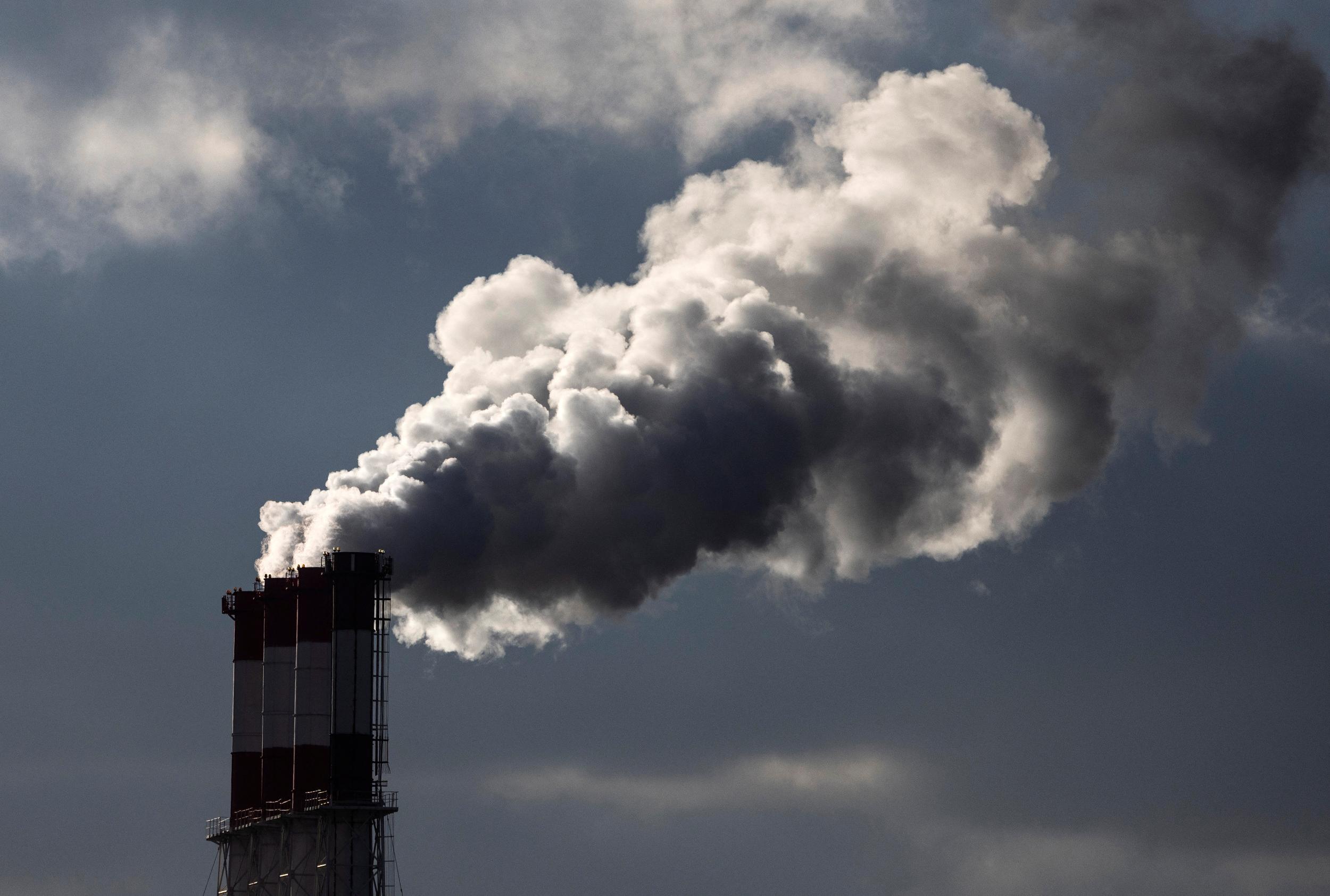
HEKINAN, Japan, March 13 (Reuters) - Japan's top power generator, JERA, plans to co-fire 20% of ammonia with coal at its Hekinan thermal power station, in what it said will be the world's first trial using a large amount of the gas at a major commercial plant. The trial, to be conducted with heavy machinery maker IHI (7013.T) , opens new tab, will take place from March 26 to June 19 and is part of JERA's decarbonisation efforts, it said. The project, which started in 2021 with small volumes of ammonia at another unit at Hekinan, is aimed at cutting carbon dioxide (CO2) emissions by replacing some coal with cleaner fuels. Ammonia is mainly made from hydrogen produced from natural gas and nitrogen from the air. It does not emit CO2 when burned, but its production releases emissions if it is made with fossil fuels. Japan, the world's fifth-biggest CO2 emitter, aims to use ammonia and hydrogen as fuels for thermal power generation to help achieve its 2050 goal of becoming carbon neutral, though environmentalists have criticized the move as a way to extend the life of dirty coal-fired power generation. "By conducting this demonstration and establishing combustion technology, we can take the first step toward promoting zero-emission thermal power plants that do not emit CO2," Katsuya Tanigawa, head of the Hekinan power station, told reporters. JERA wants to gradually increase the ammonia component with a view to eventually reaching 100% in its power plants and has high hopes of pioneering a new way of reducing CO2 emissions at coal-fired power plants that could be adopted in other countries. "We want to contribute to the decarbonisation of the entire world through the use of our technology in countries and regions where thermal power plants are needed," he said. JERA, a joint venture between Tokyo Electric Power (9501.T) , opens new tab and Chubu Electric Power (9502.T) , opens new tab, plans to use 40,000 metric tons of ammonia for the demonstration, but did not disclose where it will buy ammonia from. JERA aims to start ammonia co-firing on a commercial basis at Hekinan No.4 unit as early as 2027 and a trial of replacing 50% of coal with ammonia at No.5 unit in around 2028. While success in adapting power plants to using ammonia could be a breakthrough, even if not enough to satisfy anti-coal campaigners, significant challenges remain - costs, adequate supply of ammonia, technology to control nitrogen oxide (NOx) emissions and safety of handling high volume of toxic ammonia. Get a look at the day ahead in U.S. and global markets with the Morning Bid U.S. newsletter. Sign up here. https://www.reuters.com/markets/commodities/jera-conduct-trial-co-firing-ammonia-coal-power-plant-march-june-2024-03-13/

2024-03-13 11:42
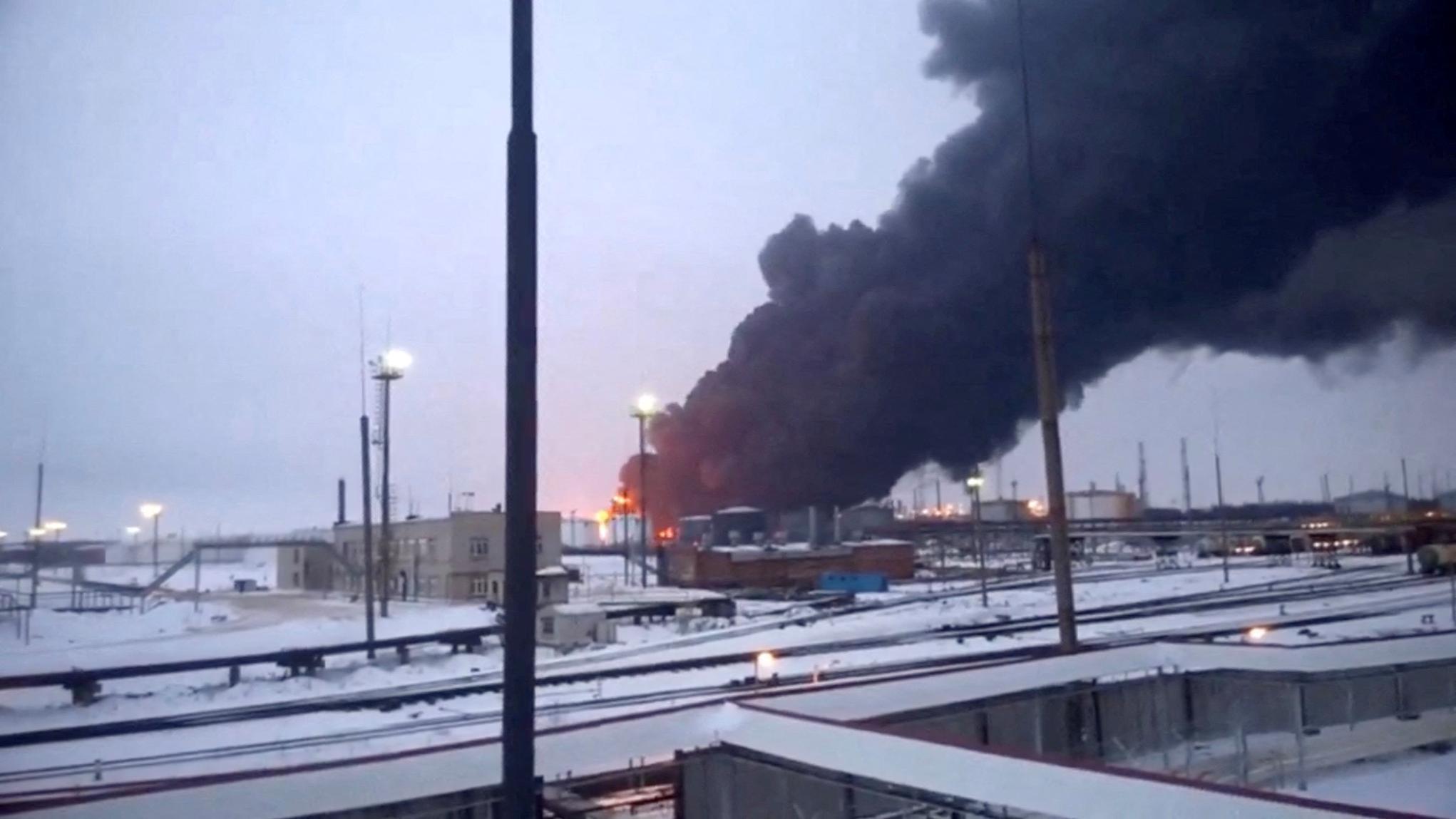
Drone causes fire at Ryazan refinery, Rosneft's biggest Rostov refinery forced to halt operation, official says Ukrainian drone downed near Kirishi refinery Putin says Ukraine trying to disrupt Russia's election MOSCOW, March 13 (Reuters) - Ukraine struck Russian oil refineries in a second day of heavy drone attacks on Wednesday, causing a fire at Rosneft's biggest refinery in what President Vladimir Putin said was an attempt to disrupt his country's presidential election this week. Russia and Ukraine have both used drones to strike critical infrastructure, military installations and troop concentrations in their more than two-year war, with Kyiv stepping up attacks on Russian refineries and energy facilities in recent months. A day after seriously damaging Lukoil's (LKOH.MM) , opens new tab NORSI refinery in Nizhny Novgorod, Ukrainian drone attacks hit refineries in the Rostov and Ryazan regions, Russian officials said. In Ryazan 180 kms (110 miles) from Moscow, a drone attack caused a fire at Rosneft's (ROSN.MM) , opens new tab refinery, Russia's seventh largest and there were initial reports of injuries, governor Pavel Malkov said. In a later update he said the fire had been extinguished. Two sources familiar with the situation told Reuters that the refinery had been forced to shut down two primary oil refining units. Rosneft did not reply to a request for comment. In Rostov, there were no casualties but the Novoshakhtinsk refinery was forced to halt operations and damage was being assessed, regional governor Vasily Golubev said. A Ukrainian source told Reuters the drone attacks were conducted by Ukraine's SBU security service. "We are systematically implementing a detailed, calculated strategy to reduce Russia's economic potential," the source said. Ukrainian defence forces, the source added, also conducted overnight drone attacks on a Russian airbase in Buturlinovka and a military airfield in Voronezh region. Strikes on oil refineries - a key source of Russia's income - have the potential to reduce the country's output of gasoline and diesel and push up prices. Russia imposed a six-month ban on gasoline exports on March 1. Putin, in remarks published on Wednesday, accused Kyiv of attempts to interfere with the March 15-17 presidential election through its attacks. "The main goal, I have no doubt about it, is to - if not to disrupt the presidential elections in Russia - then at least somehow interfere with the normal process of expressing the will of citizens," Putin told Russia's RIA state news agency and Rossiya-1 state television in a wide-ranging interview. Putin, who launched a full-scale invasion of Ukraine two years ago, is nearly certain to win the vote. DRONE WAR "I think everyone can see our drones in action. Particularly in long-range action," Ukrainian President Volodymyr Zelenskiy said in his nightly address on Tuesday. Russian media said around 60 drones had been destroyed over Russian sovereign territory over just several hours on Wednesday. Russia's RIA state news agency said four Ukrainian drones attacked the Ryazan plant in the early hours, leading to a 175 square metre blaze. Unverified video footage posted on social media showed a plume of black smoke soaring above flames at the plant, which refines about 12.7 million metric tons of oil a year, or 4.6% of the Russian total, according to industry sources. It accounts for about 6.4% of Russia's gasoline production, 4.1% of diesel, 7.7% of fuel oil and 8% of aviation fuel, according to the sources. Full Russian production figures are no longer published. A drone was destroyed by air defences on its approach to the Kirishi refinery, Russia's second largest, in the north of Russia, Alexander Drozdenko, the Leningrad region's governor, said. There was no impact on the refinery's work, he said. The Reuters Daily Briefing newsletter provides all the news you need to start your day. Sign up here. https://www.reuters.com/world/europe/ukraine-launches-drone-attacks-russia-second-night-row-officials-say-2024-03-13/
2024-03-13 11:39
WASHINGTON, March 13 (Reuters) - Two U.S. lawmakers are set to introduce legislation on Thursday to significantly expand government foreign investment reviews of real estate purchases by buyers from China and other foreign countries posing national security concerns. Representative Elissa Slotkin, a Democrat, and Republican Blake Moore are proposing to expand the authority of the Committee on Foreign Investment in the United States (CFIUS) over foreign real estate purchases. "We need to have official national security experts review these land purchases with clear-eyed expertise, and without fear or favor," Slotkin said. Congress in 2018 passed legislation to expand CFIUS oversight to explicitly include real estate transactions in close proximity to key airports, maritime ports and some military installations. CFIUS is a Treasury-led inter-agency committee that reviews some transactions involving foreign investment in the United States. Treasury in May proposed to expand the number of military installations covered. The planned legislation seeks to expand CFIUS' jurisdiction to review U.S. real estate acquisitions by designated "foreign entities of concern," including China, Russia, Iran, and North Korea, of 100 acres or more or $1 million or more in value or if CFIUS determines transactions were structured to avoid review. It would also scrutinize existing real estate holdings. In July, a group of 15 House lawmakers introduced legislation to expand CFIUS reviews to nearly all Chinese purchases and intensify CFIUS scrutiny of Chinese acquisitions around national security sites, critical infrastructure, and farmland. U.S. senators have separately been pushing legislation to limit who can own American farmland. A U.S. appeals court last month blocked Florida from enforcing a ban on Chinese citizens owning homes or land in the state against two Chinese nationals who were in the process of buying property when the law was adopted. Lawmakers in several Republican-led states including Texas, Louisiana, and Alabama are considering similar restrictions on Chinese citizens owning property. China's foreign ministry said last year that such laws "violate the rules of market economy and international trade rules." In October, Arkansas ordered Syngenta to sell 160 acres (65 hectares) of farmland in the U.S. state within two years on Tuesday because the company is Chinese-owned, drawing a sharp rebuke from the global seeds producer. Get a look at the day ahead in U.S. and global markets with the Morning Bid U.S. newsletter. Sign up here. https://www.reuters.com/markets/us-lawmakers-propose-legislation-seeking-more-scrutiny-chinese-real-estate-2024-03-13/

2024-03-13 11:39
WARSAW, March 13 (Reuters) - Polish farmers protesting at the Dorohusk border crossing with Ukraine will let all trucks stuck there pass through as a gesture of goodwill, a protest leader told state news agency PAP on Wednesday. Farmers in Poland and across the European Union have been calling for changes to restrictions placed on them by the EU's Green Deal plan to tackle climate change, and for the re-imposition of customs duties on imports of agricultural products from Ukraine that were waived after Russia's invasion in 2022. "It's a gesture from us to the Ukrainian drivers, so that they can go back to their families and their country, which is still in a difficult situation, in the middle of a war, having to stand up to Russia," protest leader Wojciech Los told PAP. However, he said this did not mean an end to the protests. PAP reported that at 1200 GMT there would be a press conference at the Dorohusk crossing, after which it would be temporarily unblocked. It was not immediately clear how long the crossing would remain unblocked. Farmers have been protesting at the border since February, following earlier disruptions by truckers. Elsewhere, Polish farmers said they would block their country's border crossing with Slovakia at Chyzne from Friday until the end of March, PAP reported. They plan to let one truck through per hour, according to the agency. The farmers told the website Wp.pl on Tuesday that this was because they had discovered that Ukrainian and Russian agricultural products were entering Poland via Slovakia, which is also an EU state. Wp.pl reported that farmers planned to block two border crossings with Slovakia. Last Saturday, Polish Prime Minister Donald Tusk pledged to reduce a grain surplus on the domestic market at talks with farmers, but union leaders said they would press on with their protests. The Reuters Daily Briefing newsletter provides all the news you need to start your day. Sign up here. https://www.reuters.com/world/europe/polish-farmers-let-trucks-one-ukraine-border-crossing-pass-pap-reports-2024-03-13/

2024-03-13 11:22
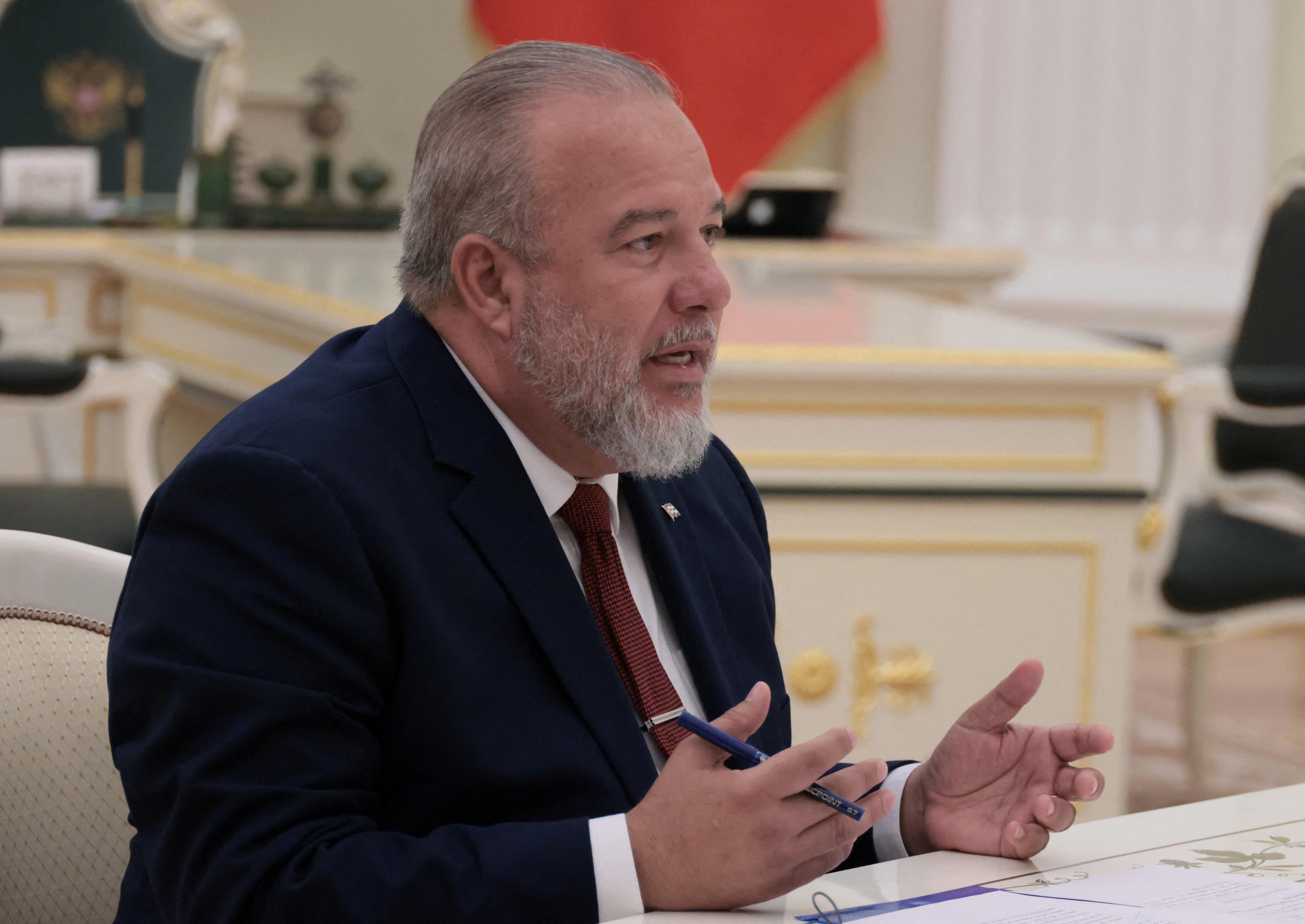
HAVANA, March 13 (Reuters) - The Cuban government has promised to take decisive action this month to halt a slide in the peso that has wiped out savings and left Cubans struggling to afford basic goods, but economists Reuters spoke to were skeptical of a quick fix. The black market peso has slid 20% far this year against the dollar, and has less then 10% of the purchasing power it had in 2019. Last month, Deputy Economy Minister Mildrey Granadillo de la Torre told a cabinet meeting that measures to tackle the weakening peso were planned for March, including an "adjustment of the exchange rate," according to state media. Prime Minister Manuel Marrero said in December a major monetary reform would take place this year. Neither official gave further details. But five Cuban economists Reuters spoke with said that changing course would be difficult. Cuba has three effective exchange rates. The government has a fixed rate of 24 pesos to the dollar, plus a "discretionary" fixed rate of 120 pesos, used for example for services for tourists and gasoline. And then there is an informal one, which was trading at around 320 pesos to the dollar on Tuesday, according to a tracker provided by independent news outlet El Toque. Marrero has said taking back control of the monetary system is part of a plan to set the stage for recovery from a crisis that has left gross domestic product 10% below its 2019 level. The government often lambasts the informal rate as illegal, speculative and part of a U.S. effort to cripple the state-dominated economy. "This practice that from another country someone using a computer sets the exchange rate must go," Marrero said in December. But the informal rate is the one that best reflects the true value of the peso, the economists said. "In reality the informal exchange rate is a reflection of the imbalances in the economy, and it is not the main cause of the problems," former central bank economist Pavel Vidal said in an interview. He said the peso's plummet this year was on the back of a record fiscal deficit, falling production and the absence of a clear stabilization program and reforms he said were needed. "The exchange rate will continue to depreciate between 5% and 9% each month," predicted Vidal, who teaches in Colombia and is the most widely read critic of Cuban monetary policy. For Cubans who have lived through two previous adjustments that did nothing to dampen inflation, demand for dollars is unlikely to decline as imported goods prices rise and people seek to leave the island or a safe haven for their savings. "I don't have much hope," said Rafael Oliva, a 28-year old who works in the private sector. "As long as the demand for dollars remains high ... the exchange rate will never go down." The Reuters Daily Briefing newsletter provides all the news you need to start your day. Sign up here. https://www.reuters.com/world/americas/cubans-await-promised-government-intervention-peso-slides-further-2024-03-13/