2024-03-13 06:08
LONDON, March 13 (Reuters) - Methane emissions from the energy sector remained near a record high in 2023 despite a raft of commitments from the oil and gas industry to plug leaking infrastructure, a report by the International Energy Agency said on Wednesday. However, the agency said it was optimistic new satellites could help improve monitoring and transparency around leaks of methane - a potent greenhouse gas responsible for roughly a third of the rise in global temperatures since the industrial revolution. "Emissions from fossil fuel operations remain unacceptably high," said IEA chief energy economist Tim Gould, although he added that 2024 could mark a "turning point." Production and use of fossil fuels put more than 120 million metric tonnes of methane into the atmosphere last year, the report said — a slight rise over 2022. Methane emissions have held around this level since 2019, according to the IEA's Global Methane Tracker , opens new tab. Large methane plumes from leaky fossil fuel infrastructure jumped by 50% in 2023 compared with 2022, according to the report. One super-emitting event, detected by satellites, was a well blowout in Kazakhstan that lasted more than 200 days. At last year's United Nations climate summit in Dubai, nearly 200 countries agreed to rapidly and substantially cut methane emissions, adding to a previous commitment made by more than 150 countries to reduce global methane emissions by at least 30% from 2020 levels by the end of this decade. Dozens of oil companies have voluntarily committed to reduce emissions through the United Nations Environment Programme's Oil and Gas Methane Partnership. Even so, countries and companies are still significantly under-reporting the extent of their oil and gas methane emissions compared with the IEA's latest estimate. Satellites could help close that gap, the IEA said. Earlier this month, a new methane-detecting satellite backed by Alphabet Inc's (GOOGL.O) , opens new tab Google and the Environmental Defense Fund went into orbit. The European Space Agency and another satellite-based tracker known as GHGSat already monitor methane emissions, but the new MethaneSAT will provide greater detail and have a much wider field of view. "2024 is going to be a watershed moment for action and transparency on methane," said Christophe McGlade, head of energy supply for the IEA. Make sense of the latest ESG trends affecting companies and governments with the Reuters Sustainable Switch newsletter. Sign up here. https://www.reuters.com/business/environment/methane-emissions-energy-sector-near-record-high-2023-iea-says-2024-03-13/
2024-03-13 06:08
LONDON/MOSCOW, March 13 (Reuters) - Azeri oil firm Socar has redeemed a $1.3 billion syndicated loan led by U.S. banks Citi and JP Morgan two years ahead of schedule, around the time the Azeri firm received a loan of a similar amount from Russian oil firm Lukoil, according to three banking and trading sources familiar with the matter. Citi, JP Morgan and Socar declined to comment on the early redemption of the U.S. bank-led loan. Lukoil and Socar have declined to respond to requests for comment on the Lukoil loan, which was previously reported by Reuters. The sources said there was no suggestion that either transaction violated U.S. or other financial sanctions against companies doing business with Russia. Nevertheless, the sources said the early redemption had the effect of allowing Moscow to resume sales of crude to Socar's Star refinery in Turkey, a major longstanding buyer, at a time when other refiners worldwide were shunning Russian oil. Around the time of the transactions, Socar resumed purchases of Russian oil at Star, which it had halted last year. The sources said the halt had been at the request of the U.S. banking consortium, which feared falling foul of sanctions following Russia's invasion of Ukraine. "Star was designed to process Russian oil, so when Western banks told it to stop Russian oil refining it became a problem," said one of the three sources, who asked not to be identified as he is not allowed to speak to media. "No loan, no problem," the source said, explaining the logic of the early redemption of the loan from U.S. banks. The Citi- and JPMorgan-led syndicate had loaned the money to Socar's Turkish unit in 2021 for five years, according to a Socar Turkey statement at the time. The redemption happened at the end of last year, around the time Lukoil loaned Socar $1.5 billion as part of a deal to resume supplies to Star via Lukoil's trading unit Litasco, the sources said. Sanctions expert Viktor Winkler, a former head of sanctions compliance at Germany's Commerzbank AG, told Reuters that the early redemption of the loan to Socar, at a time when Socar was also receiving Russian funds, should have triggered scrutiny by the U.S. banks. "Here you have Azerbaijan and Turkey, which deal a lot with Russia, and oil, the most complex industry in terms of sanctions navigation. Hence potential hidden risks look very big here, and it would be good to know what safeguards and due diligence was done by the banks," said Winkler, who was not involved in the transactions but was asked to comment on them by Reuters. "You have to first check whether U.S. and EU sanctions prohibit what you do and whether these prohibitions are applicable, second how high your sanctions risks is even without a direct prohibition, and third whether your own internal restrictions stand in the way." The Star refinery was built in 2018 and can process 200,000 barrels per day, making it one of the largest refineries built in Europe in recent years. Under pressure from Western banks, Star cut and then suspended Russian oil purchases in mid 2023. It resumed the imports in October, around the time of the loan deal with Lukoil. Turkey has become one of the biggest Russian oil buyers since international sanctions were imposed in 2022 and Europe mostly stopped buying. India and China have also become big Russian oil importers. A U.S. threat to hit financial firms doing business with Russia with sanctions has chilled Turkish-Russian trade in recent months, disrupting or slowing some payments. Ankara opposes sanctions on Moscow, despite criticising Russia's invasion of Ukraine two years ago. It has managed to maintain close ties with both Moscow and Kyiv throughout the conflict. Get a look at the day ahead in U.S. and global markets with the Morning Bid U.S. newsletter. Sign up here. https://www.reuters.com/markets/commodities/azeri-oil-firm-which-took-russian-funds-redeems-us-bank-loans-early-sources-say-2024-03-13/
2024-03-13 06:02
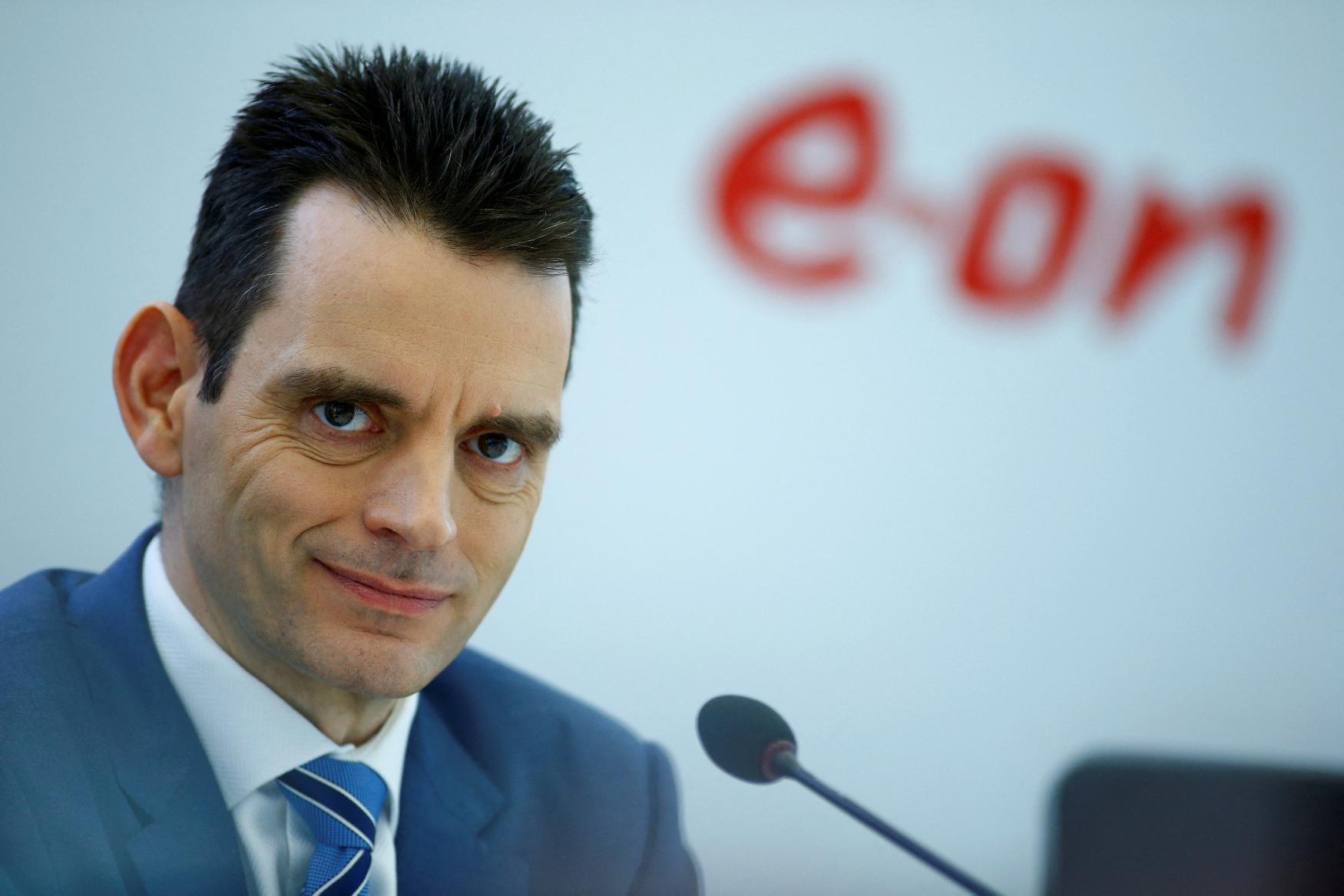
FRANKFURT/ESSEN, March 13 (Reuters) - E.ON (EONGn.DE) , opens new tab has no interest in creating a pan-European mega-utility, its CEO told Reuters, rejecting suggestions that recent energy market turmoil might spur consolidation in the sector. "Creating an Airbus equivalent would only distract us from our actual task," Leonhard Birnbaum said in an interview, referring to the planemaker part-owned by the German, French and Spanish governments. "I don't see any benefit in that." Birnbaum added he saw little chance that E.ON, Europe's biggest energy networks operator with a market value of about 32 billion euros ($35 billion), could become a bid target itself. "The best takeover defence is to get the best value out of your company and to grow," he said, on the heels of announcing plans for a big increase in investment to 42 billion euros over the next five years. "And we do both." Europe's energy sector has been undergoing major changes since once-close energy ties with Russia were severed in the wake of the Ukraine war. That sparked a crisis in supplies and a surge in prices which led several governments to rescue or take stakes in power firms and critical energy infrastructure. At the same time, oil majors have muscled into the renewables space, boosting speculation about dealmaking. Birnbaum said that while Russia's invasion of Ukraine highlighted the need for closer cooperation in Europe in areas such as cyber security, energy served as an example where that was already happening. So the merits of combining major cross-border entities are limited, the 57-year old said. Likewise, Birnbaum doesn't see much value in spending heavily on mergers himself, saying E.ON's investment push was mainly focused on growing its own businesses and acquisitions would only be made to add certain skills to the group - "not to make the organisation bigger". Birnbaum said E.ON could spend even more than the 42 billion euros planned for 2024-2028, but cautioned that depended on a favourable regulatory environment. E.ON operates 1.6 million kilometres (994,000 miles) of gas and power grids, serving around 48 million customers in Europe, a region Birnbaum said would remain its focus going forward. The company went through a revamp when it agreed to buy key assets from Innogy, a former division of RWE (RWEG.DE) , opens new tab, in 2018. Birnbaum said he was still satisfied with the structure of the group, which mainly consists of grids and low-margin retail energy operations, adding the idea of an eventual break up had lost momentum. ($1 = 0.9161 euros) The Reuters Power Up newsletter provides everything you need to know about the global energy industry. Sign up here. https://www.reuters.com/business/energy/europe-doesnt-need-airbus-equivalent-energy-says-eon-boss-2024-03-13/
2024-03-13 05:59
Dollar has yet to peak in current cycle -analyst Traders awaiting spring wage talks in Japan Rate futures slightly trim easing forecasts for June Fed meeting NEW YORK, March 13 (Reuters) - The dollar slipped on Wednesday, a day after rising on hotter-than-expected U.S. inflation data, as investors consolidated gains ahead of this week's economic data that could shed light on when the Federal Reserve might start cutting interest rates this year. In afternoon trading, the dollar index , which measures the greenback against a basket of six currencies, slipped 0.1% to 102.85. Last week it recorded its biggest weekly decline since early January. This year, however, the greenback has posted gains of 1.5%. "DXY (dollar index) continues to be largely a bet on Fed easing; in recent weeks there has been growing concern that Fed cuts will be pushed further into 2025 or that inflation will reaccelerate, forcing the Fed to hike again," wrote Skylar Montgomery Koning, director of macro strategy at TS Lombard, in a research note. "In other words, 'no landing' fears have returned," she added, referring to a scenario in which the U.S. economy avoids recession with above-trend growth and above-trend inflation. Koning further pointed out that with the U.S. economy consistently outperforming expectations, "the bias is for dollar strength, even if there are bumps along the way." Markets fretted that inflation could remain sticky for some time. The U.S. consumer price index (CPI) released on Tuesday increased solidly in February, beating forecasts and suggesting some stickiness in inflation. Although the CPI rose 0.4% in February in line with forecasts, a 3.2% year-on-year gain came in just ahead of an expected 3.1% increase. Core figures also topped estimates. Markets see little chance of a Fed cut before the summer, but expectations for rate cuts in June have eased only a touch to about a 67% likelihood versus 71% earlier in the week, according to LSEG's rate probability app. The Fed is expected to hold rates steady at its meeting next week. Investors are now looking to Thursday's U.S. retail sales data, the producer prices index (PPI) report, and jobless claims for more evidence that the economy is slowing down. Last week, Fed Chair Jerome Powell said the U.S. central bank was "not far" from gaining the confidence it needs in falling inflation to begin cutting rates. Karl Schamotta, chief market strategist at Corpay in Toronto, echoed comments by TS Lombard's Koning about the dollar not yet reaching its peak for the cycle. "A narrow path for further weakness exists under a muddle-through scenario, in which global growth rates remain modestly positive and market surprises are kept to a minimum, but renewed dollar strength remains plausible under a broader range of possible outcomes," he added. Elsewhere, sterling was flat at $1.2795 as data showed Britain's economy returned to growth in January after entering a shallow recession in the second half of 2023. The euro was up 0.2% against the dollar at $1.0951. According to a long-awaited European Central Bank framework review report, the ECB wants to wean banks off free cash but it will try to do that at a gentle pace that does not disrupt the financial system or credit creation. ECB policymaker Francois Villeroy de Galhau also said the ECB would probably start cutting rates in the spring, between April and June 21, as "victory" against inflation was in sight. Against the yen, the dollar was 0.1% higher at 147.745 yen . The Japanese currency had its biggest fall in a month on Tuesday following Bank of Japan Governor Kazuo Ueda's slightly bleaker assessment of the nation's economy. Traders are awaiting the initial estimates of spring wage negotiations on Friday. The results will be crucial for the BOJ's policy calculations on whether to exit negative interest rates at its meeting on March 18-19. Expectations are for bumper pay raises, with a number of Japan's biggest companies already saying they had agreed to fully meet union demands for pay increases. In cryptocurrencies, bitcoin hit a fresh record high of $73,678. It was last up 3% at $73.243. Ether rose 1.4% to $4,006. Keep up with the latest medical breakthroughs and healthcare trends with the Reuters Health Rounds newsletter. Sign up here. https://www.reuters.com/markets/currencies/dollar-steadies-traders-weigh-hotter-than-expected-inflation-2024-03-13/
2024-03-13 05:45
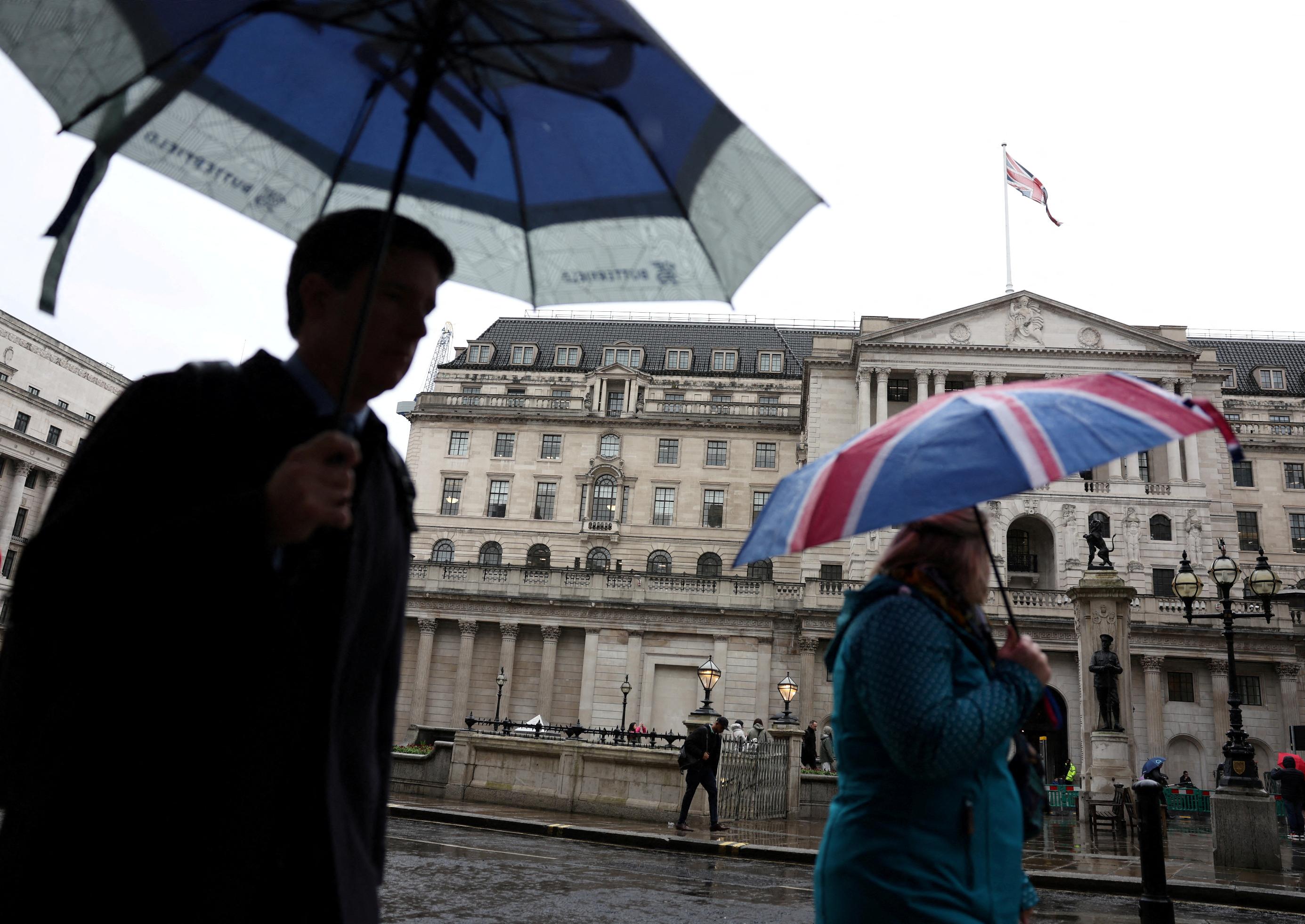
LONDON, March 13 (Reuters) - UK wage data did its best to pull sterling down from a seven-month peak on Tuesday but the economy is showing enough signs of improvement to persuade investors that the Bank of England will still have to keep interest rates higher for longer than its peers. Sterling dipped on Tuesday to around $1.277 after figures showed regular wage growth slowed slightly more than expected, to 6.1% in the three months to January from 6.2% previously, putting the pound below Friday's seven-month peak above $1.285. Yet the figures did not undermine the argument of sterling bulls, who say the employment market remains strong and the economy is recovering after slipping into a recession. The pound is still up roughly 0.4% against the dollar this year, with the prospect of interest rates higher in the UK than elsewhere making British bond yields more attractive, boosting the currency. The euro, yen and Swiss franc have all fallen. "Data is showing signs of improvement," said Kamal Sharma, senior G10 FX strategist at Bank of America, who thinks the pound is likely to rise to $1.37 by the end of the year. "The labour market remains relatively robust. Real incomes have received a boost from a couple of angles: first of all headline inflation falling, and there will be a marginal kicker from the budget," he said. "We are expecting the national minimum wage to increase in April as well. So the headwinds have turned into tailwinds." Last week's budget saw Finance Minister Jeremy Hunt unveil another two percentage point cut to a labour tax and the UK's public finance watchdog upgrade its growth predictions. The budget was met with calm in financial markets, unlike in autumn 2022, leaving investors free to re-focus on the economy and how Bank of England policy is likely to compare to that of the European Central Bank and Federal Reserve. Wage growth remains well above the rates many economists think consistent with 2% inflation. And survey data has hinted at a recovery in the economy, with private-sector growth at a nine-month high in February. Interest rate derivatives show traders think the Bank of England is most likely to hold rates at 5.25% until August, whereas June cuts are seen as more probable for the ECB and Fed. Meanwhile, high levels of government borrowing, combined with the Bank of England's active selling of its bond holdings, could keep upward pressure on Gilt yields , said Althea Spinozzi, rates strategist at Saxo Bank. "If inflation remains sticky, or even rebounds, then the sell off in Gilts can accelerate... on the basis that we have active quantitative tightening plus an increase of Gilt issuance," she said. All that said, investor expectations could quickly reverse. The UK economy is far from strong and inflation is expected to dip below 2% in the coming months as energy prices continue to drop. Morgan Stanley economist Bruna Skarica said "the chances of a second-quarter rate cut look severely underpriced to us" in a note to clients after the wage data. The Reuters Daily Briefing newsletter provides all the news you need to start your day. Sign up here. https://www.reuters.com/world/uk/uk-economy-may-be-turning-headwind-into-tailwind-sterling-2024-03-13/
2024-03-13 05:37
A look at the day ahead in European and global markets from Tom Westbrook Big Japanese companies have agreed in full to union pay demands, a sign that workers could perhaps have pushed a bit harder, but also that wage momentum could encourage a historic policy shift by the Bank of Japan. While hotter-than-expected U.S. inflation - and the risk of upside surprises elsewhere - is pushing back bets on rate cuts in much of the world, there is growing speculation that Japan will end its experiment with negative interest rates next week. Wages are front and centre as a driver of a positive feedback loop reinforcing Japanese spending and confidence. Pay rises at Toyota Motor were the biggest in 25 years and the yen drew support from signs of a sustainable revival in Japan's economy. Monthly British growth figures are due in the London morning, followed by European industrial production numbers that are expected to turn sharply negative. British monthly GDP is seen rising 0.2% for January after a 0.1% drop in December, although it is hard to read much from such frequent releases. Markets haven't fully priced a Bank of England rate cut until August this year, helping to support sterling. The British currency is testing the strong side of a range it's kept on the euro for nearly a year. Incidentally, Deutsche Bank published a report overnight noting the long decline in euro/dollar volatility. Strategist Alan Ruskin says this could be explained by reduced worries about eurozone stability since Mario Draghi promised to do "whatever it takes" to save the euro, as well as a balance in transatlantic flows and a shift of volatility elsewhere. Perhaps the allure of crypytocurrencies and the outperformance of U.S. shares are keeping gamblers out of FX bets. Key developments that could influence markets on Wednesday: Earnings: Adidas Economics: British GDP, eurozone industrial production Speeches: ECB's Cipollone Get a look at the day ahead in U.S. and global markets with the Morning Bid U.S. newsletter. Sign up here. https://www.reuters.com/markets/global-markets-view-europe-2024-03-13/