
2024-03-13 05:23
LAUNCESTON, Australia, March 13 (Reuters) - Lower spot prices for liquefied natural gas (LNG) in Asia have yet to drive a significant boost in demand for the super-chilled fuel, although there is an increase in appetite from price-sensitive buyers such as India and China. Asia's imports of LNG are estimated at 22.59 million metric tons for March by commodity analysts Kpler, slightly below the 22.69 million recorded for February. Given the seasonality of LNG demand, which peaks in the northern winter and summer, it's worth looking at the year-earlier months, and here the story is of modest import growth. The estimated imports in March are 4.2% higher than the same month in 2023, while February's arrivals were 4.6% above the same month last year. The small increase in arrivals in the world's biggest LNG importing region contrasts with the steep fall in the spot price for delivery to North Asia . The spot price was $8.60 per million British thermal units (mmBtu) in the week to March 8, up slightly from the three-year low of $8.30 reached on Feb. 23. The current spot price is 41% below the $14.50 per mmBtu that prevailed in the same week in March last year. However, given the lag between when spot cargoes are bought and physically delivered, it's worth noting that the price at the start of January 2023 was $25.00 per mmBtu, which was 55.2% higher than the $11.20 in the first week of this year. The lower spot price has driven some increased buying from countries that have historically bought more when costs drop, such as the South Asian nations of India and Bangladesh. India's LNG imports are on track to reach 2.01 million tons in March, up from 1.98 million in February, according to Kpler. March's arrivals are expected to be 9.2% higher than the same month in 2023, while February's were 56% stronger than the year-earlier month. Bangladesh is expected to import 500,000 tons of LNG in March, up 11% from the same month in 2023, while February's arrivals of 400,000 tons was an increase of 48% from the year-earlier month. China, the world's biggest buyer of LNG, is also viewed as something of a price-sensitive importer, given its mixture of both long-term contracts and spot cargoes. China's imports are estimated at 5.99 million tons in March, up 10.3% from the same month in 2023, while February saw arrivals of 5.82 million tons, a jump of 17.1% from the year-earlier month. With spot prices below the cost of crude oil-linked contracts, it's likely that China will seek to buy more spot cargoes, while using any flexibility in its term agreements to lower these volumes. CONTRACT PAIN The terms of long-term LNG contracts are rarely disclosed, but a common agreement would see LNG priced on a slope against Brent, with the average price per mmBtU running at about 13.5% the price of a barrel of oil. At the current Brent price of $81.92 a barrel, this means contract LNG would be around $11.06 per mmBtu, a premium of about 29% to the current spot cost. The difference between spot and contract prices can be seen in imports by Japan, the world's second-biggest LNG importer and a buyer that gets the bulk of its cargoes under long-term contracts. Japan's imports are estimated at 5.13 million tons in March, down 6.9% from 5.51 million in March last year, while February's arrivals of 6.07 million were 6.5% below the year-earlier month. It's a similar story for South Korea, Asia's third-biggest LNG importer and another buyer that uses mainly long-term contracts. South Korea's March arrivals are estimated at 3.08 million tons, a drop of 30% from the same month in 2023, while February's imports of 3.82 million tons were down 24.4% from the year-earlier month. The overall picture from the LNG market in Asia is that the lower spot prices are driving some additional buying by developing economies, but the higher contract prices are limiting demand in more developed markets such as Japan and South Korea. The opinions expressed here are those of the author, a columnist for Reuters. Get a look at the day ahead in U.S. and global markets with the Morning Bid U.S. newsletter. Sign up here. https://www.reuters.com/markets/commodities/softer-spot-lng-prices-see-demand-gain-contrast-with-contract-pain-russell-2024-03-13/

2024-03-13 05:20
MELBOURNE, March 13 (Reuters) - Nickel miner Wyloo, owned by Australian mining magnate Andrew Forrest, said that if the London Metal Exchange (LME) doesn't launch a green nickel contract, the industry will have to look for another trading venue. Forrest had told Australian media last month that the LME should classify its contracts into clean and dirty to give customers more choice. Wyloo is set in May to shutter two nickel mines in Australia that it bought last year for $504 million. The LME said that low carbon nickel, which it classifies as producing 20 tonnes of carbon dioxide or less per tonne of nickel, could already be traded , opens new tab on its partner MetalsHub's system. "Wyloo has been contacted by several parties seeking to develop a green nickel premium, so there is clearly demand for greater transparency and differentiation between clean and dirty nickel," Wyloo CEO Luca Giacovazzi told Reuters. "As the world’s largest metals exchange, the LME should be leading in this area," he said. "If the LME is to continue to set the standard for ethical metal supply practices, it cannot afford to take no action, or the industry will look for an alternative marketplace.” Calls for a nickel price that reflects strong environmental and governance standards have grown from high-cost producers such as Australia, where low prices have forced miners to shutter operations due to a flood of Indonesian supply, most of which is produced using coal. Get a look at the day ahead in U.S. and global markets with the Morning Bid U.S. newsletter. Sign up here. https://www.reuters.com/markets/commodities/australias-wyloo-says-industry-will-turn-lme-without-green-nickel-2024-03-13/
2024-03-13 05:16
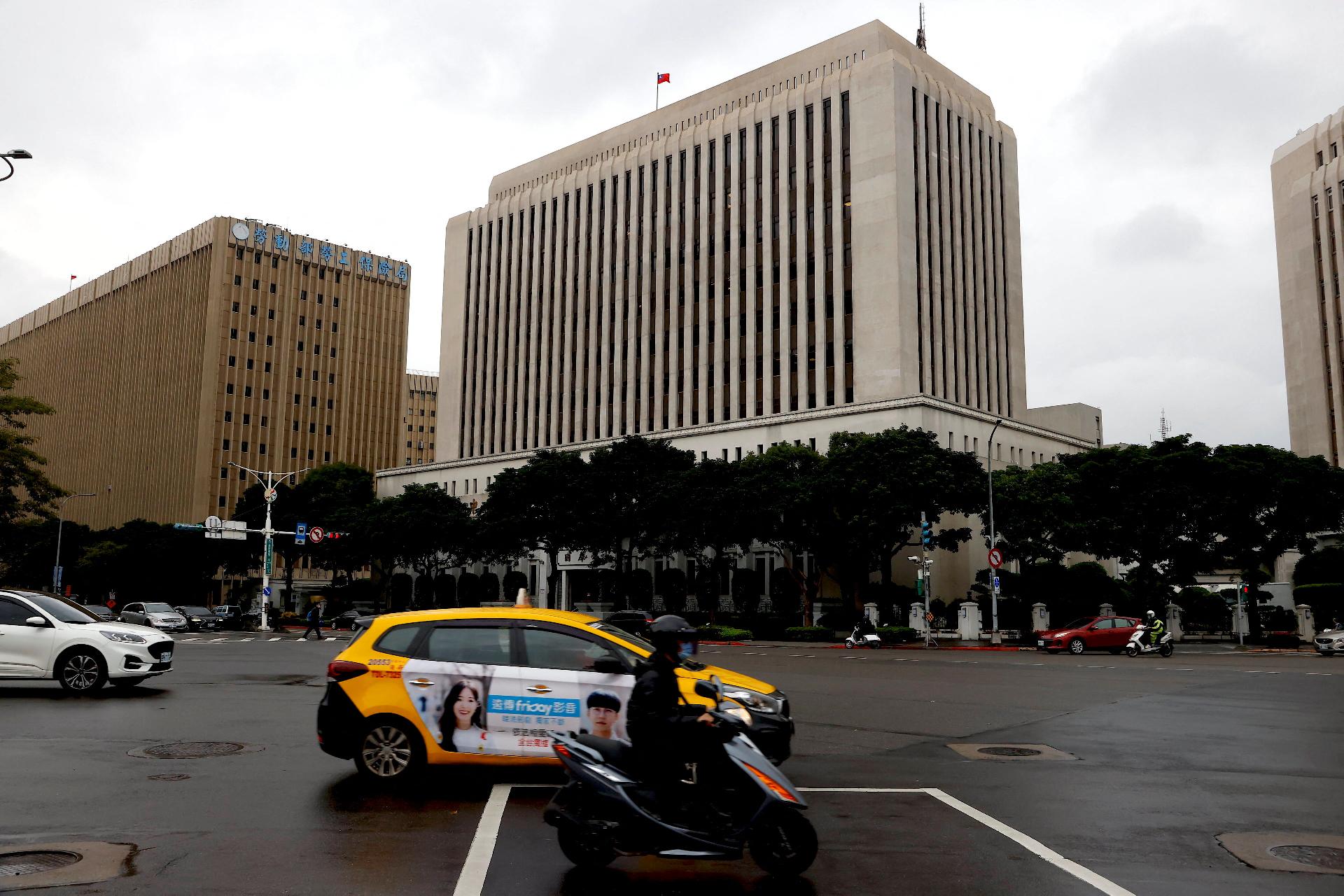
*Sees CPI rise less than 2% this year, economic growth better than 2023 *Will apply gradually moderate tightening to curb inflation expectations *Net selling of U.S. dollar for 2023 was $2.77 bln TAIPEI, March 13 (Reuters) - Taiwan's central bank said on Wednesday it expects the consumer price index (CPI) to rise less than 2% this year, and will gradually apply a moderate tightening policy to curb inflation expectations. Taiwan's CPI rose 3.08% in February to a 19-month high amid higher food prices during the Lunar New Year holiday, although the government said it sees inflation trending down and inflationary pressure easing. Curbing inflation expectations "would maintain price stability, helping the domestic economy to have stable growth", the central bank said in a report delivered to parliament. Governor Yang Chin-long will take questions in parliament on Thursday. Yang has said that Taiwan's increased interest rate cycle may not be over yet, although core inflation is expected to continue to trend down next year. Taiwan's central bank, at its last quarterly board meeting in December, unanimously decided to keep its policy rate (TWINTR=ECI) , opens new tab unchanged at 1.875%, where it has stood since last March. While acknowledging the expected downward trend for core inflation in 2024, the bank did not take the option to increase rates in the future off the table. The next rate-setting meeting is scheduled for March 21. The central bank sees the island's export-driven economic growth for this year to be better than in 2023, the report said. The bank's net selling of U.S. dollars for 2023 was $2.77 billion, it said. The Reuters Daily Briefing newsletter provides all the news you need to start your day. Sign up here. https://www.reuters.com/world/asia-pacific/taiwan-cbank-sees-cpi-rising-less-than-2-apply-moderate-tightening-2024-03-13/
2024-03-13 05:13
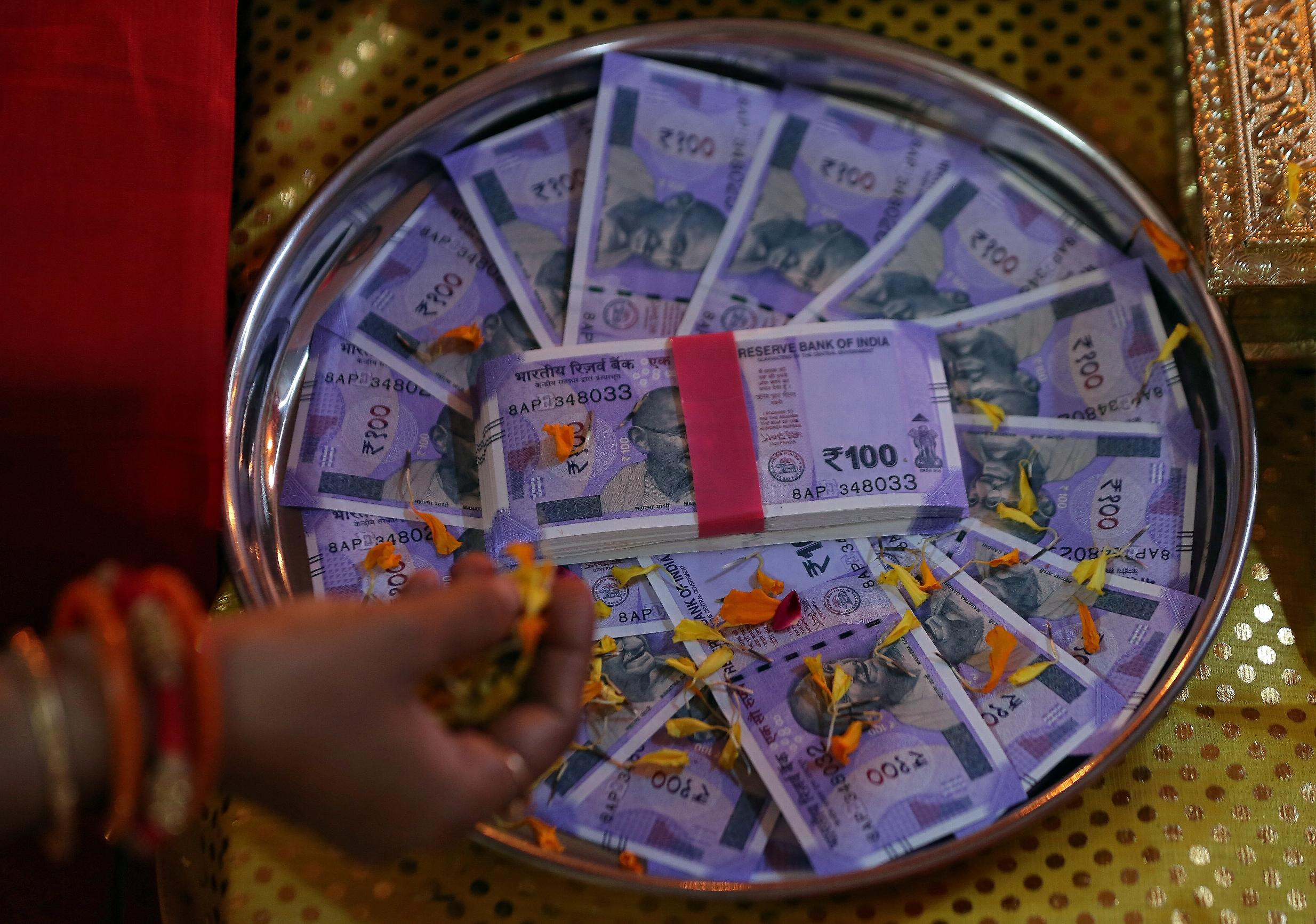
MUMBAI, March 13 (Reuters) - The Indian rupee dropped on Wednesday on the back of weakness in most Asian peers after U.S. inflation data topped expectations, but most market participants said the decline was likely a blip. The rupee was at 82.8600 to the U.S. dollar at 10:30 a.m. IST, compared with 82.7675 in the previous session. Asian currencies were mostly down following an uptick in U.S. Treasury yields after sticky inflation suggested that the Federal Reserve will wait longer to cut interest rates. An anticipated outflow of $2 billion added more pressure on the domestic currency. The rupee had reached a six-month high of 82.64 on Monday. Market participants expect the currency to resume its uptrend and climb back to that level and possibly higher. "We believe that after a slight spike (on USD/INR), perhaps towards 82.90, we may see a resumption of the downward trend towards 82.50 levels," Amit Pabari, managing director at forex advisory firm CR Forex said. Anindya Banerjee, head research - FX and interest rates at Kotak Securities, said persistent inflow of foreign portfolio investments and repatriation inflows that occur in March might mitigate the impact of any potential outflow. He expects a range of 82.60-82.90 in the near term. A foreign exchange trader at a bank said the rupee's decline "today is likely to cause only a bit of stress to short (USD/INR) positions". U.S. core consumer prices increased more-than-expected in February, indicating price pressures were proving sticky, leading to a rise in U.S. Treasury yields and the dollar index on Tuesday. The Reuters Daily Briefing newsletter provides all the news you need to start your day. Sign up here. https://www.reuters.com/world/india/rupee-uptrend-seen-largely-intact-despite-pullback-over-us-inflation-data-2024-03-13/
2024-03-13 05:07
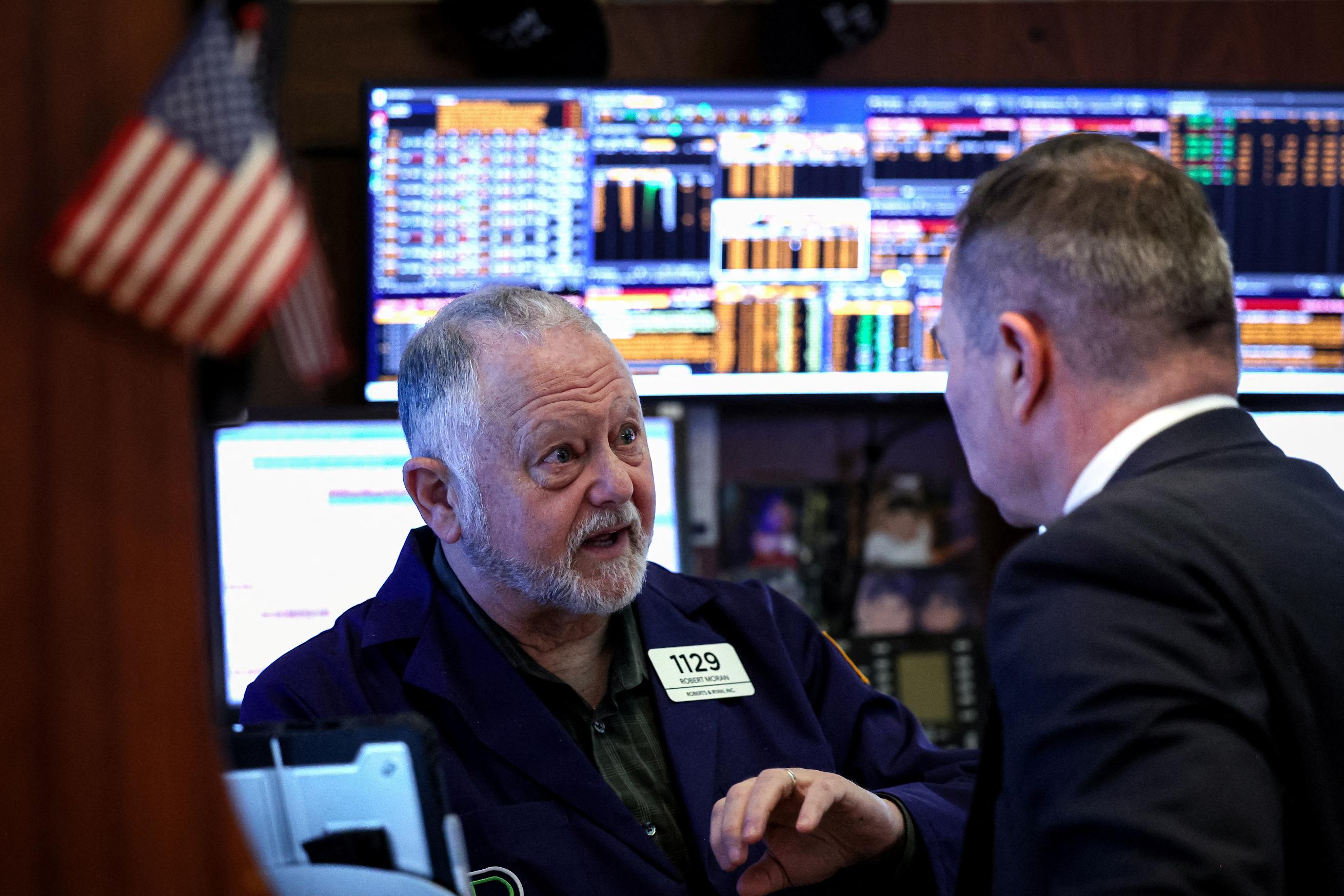
NEW YORK, March 13 (Reuters) - Some market participants believe the relentless U.S. stock rally is poised for a breather, even if it remains unclear whether equities are in a bubble or a strong bull run. The benchmark S&P 500 (.SPX) , opens new tab index is up over 25% in the last five months, a phenomenon that has occurred just 10 times since the 1930s, according to BofA Global Research. In an advance led by stunning gains in chipmaker Nvidia (NVDA.O) , opens new tab, the S&P has already made 16 record highs this year, the most in any first quarter since 1945, CFRA Research data showed. Bullish investors argue those gains stem from solid fundamentals, rather than the type of rampant speculation that has accompanied past bubbles. Oft-cited reasons include a strong U.S. economy, expectations the Federal Reserve will cut interest rates this year, and excitement over the business potential of artificial intelligence. Yet some investors believe the market's nearly uninterrupted ascent means a pullback is due. The last time the S&P 500 slid more than 5% was in October, though BofA data shows such sell-offs historically occur three times per year on average. The index is up 8.5% this year. "A lot of good news is priced into the market," said Michael Arone, chief investment strategist at State Street Global Advisors. "From my perspective that just suggests that the risks are skewed to the downside." It is not immediately clear what could cause a market sell-off. While stronger-than-expected inflation has dented expectations for how deeply the Fed will cut rates this year, many believe borrowing costs are still heading lower. Elevated consumer prices have also been seen as evidence of economic strength. Investors have largely dismissed other concerns, from pockets of instability in U.S. regional banks to China's lackluster economy. Nevertheless, some indicators are flashing a warning. The S&P 500's weekly relative strength index (RSI) - which gauges whether stocks are overbought or oversold - has climbed to just over 76, a level it has rarely topped since 2000, Miller Tabak data showed. Significant sell-offs followed the last two times the index exceeded those levels: a 10% drop in the S&P 500 in January 2018 and a 30% plunge as COVID-19 emerged after the index topped that level in January 2020. "None of this means we're looking at a major long-term top," said Matt Maley, chief market strategist at Miller Tabak. "However, it does tell me that we're getting ripe for a material pullback." Growing investor optimism has also raised concern. The percentage of investors expressing a bullish view about the six-month outlook for stocks rose to 51.7% in the latest weekly survey from the American Association of Individual Investors, only the fourth time the bullish level has topped 50% in nearly the past three years. High optimism is often viewed as a contrarian indicator because it means the bar for positive surprises is elevated. "The sentiment backdrop right now ... makes the market vulnerable to a turn lower," said Kevin Gordon, senior investment strategist at Charles Schwab. History shows the current advance may be primed for a pause. The S&P 500 erased losses from the prior bear market when it hit a record high on Jan. 19, and has advanced about 7% since then. That is in line with past rallies, when stocks kept climbing after breaching new highs. Those moves, however, were followed by declines of at least 5% in the 12 times such a situation occurred, said Sam Stovall, CFRA's chief investment strategist. BUT IS IT A BUBBLE? For some, the market's optimism - coupled with parabolic moves in shares of Nvidia and other AI-focused companies - has evoked comparisons with past periods when asset prices soared to unsustainable heights only to come crashing down, such as the meme stock rallies of 2021 and the dot-com surge of 1999. Nvidia's shares are up over 80% this year after tripling in 2023, making it the third most valuable U.S. company. Other AI-linked stocks have posted tremendous year-to-date gains, including Super Micro Computer (SMCI.O) , opens new tab, which has soared 300% and is set to join the S&P 500. Nvidia has shown a strong relationship with S&P 500 performance, JPMorgan strategists wrote. "We caution investors that this relationship is likely to work in reverse when the AI euphoria peaks," the strategists said. Others, however, note differences with bubbles of the past. Keith Lerner, co-chief investment officer at Truist, wrote that the S&P 500 technology sector's three-year outperformance against the broader S&P 500 stands at about 30%. That is roughly in line with the 30-year average and far from the peak of just above 250% in March 2000, Lerner said. And there seems to be little indication of euphoria in the new issue market, where initial public offerings have been comparatively muted. Only 54 companies had IPOs in 2023, compared with 311 in 2021, before the S&P 500 peaked in January 2022, said Nicholas Colas, co-founder of DataTrek Research. "Sentiment has warmed up on equities since mid-2023 ... but is nowhere near bullish levels of prior market peaks," wrote Savita Subramanian, equity and quant strategist at BofA Global Research. The bank recently raised its year-end target on the S&P 500 to 5,400 from 5,100. The index closed at 5,175.27 on Tuesday. "In our view, this bull market has legs," she said. Get a look at the day ahead in U.S. and global markets with the Morning Bid U.S. newsletter. Sign up here. https://www.reuters.com/markets/us/us-stocks-may-not-be-bubble-pullback-could-be-near-2024-03-13/
2024-03-13 05:03
Bullion posted its worst day since Feb. 13 on Tuesday U.S. producer price index due on Thursday March 13 (Reuters) - Gold prices edged higher on Wednesday after dropping more than 1% in the previous session, as investors digested hotter-than-expected U.S. inflation data and still banked on a Federal Reserve interest rate cut in June. Spot gold edged up 0.4% to $2,164.69 per ounce, as of 1212 GMT. Bullion posted its worst single-day drop since Feb. 13 on Tuesday. U.S. gold futures rose 0.2% to $2,170.00. "The market driver behind the decline of gold is quite clear as the U.S. CPI numbers came in higher than expected," said Carlo Alberto De Casa, a market analyst at Kinesis Money. "It's just a psychological correction after a long strike of positive days and markets are realizing that the Fed will not cut rates too quickly." Bullion slumped 1.1% on Tuesday as data indicated that U.S. consumer prices rose sharply in February, above expectations, indicating some stickiness in inflation. Higher-than-expected inflation means that the Fed will be under more pressure to keep interest rates higher for longer, weighing on non-yielding assets such as gold. However, Fed policymakers are still seen starting rate cuts in June. Traders now see about a 65% chance of a June cut, slightly lower than the 72% seen before the data, according to the CME Group's FedWatch Tool. "While physical gold demand has been holding up well since 2021, a sharp price rally is likely to temper discretionary gold buying in 2024," analysts at ANZ Research said in a note. Focus now shifts to U.S. retail sales, the producer price index, and the weekly initial jobless claims print, due on Thursday, which will provide further updates on the status of the U.S. economy. Spot platinum rose 1.2% to $935.25 per ounce, palladium gained 2.8% to $1,070.25 and silver was up 0.7% to $24.33. Get a look at the day ahead in U.S. and global markets with the Morning Bid U.S. newsletter. Sign up here. https://www.reuters.com/markets/commodities/gold-subdued-sticky-us-inflation-prompts-rate-cut-rethink-2024-03-13/


