2024-03-06 11:15
TORONTO, March 6 (Reuters) - The Canadian dollar is set to strengthen over the coming year if the Federal Reserve shifts to cutting interest rates as expected and the U.S. economy slows without slipping into recession, a Reuters poll found. In the March 1-6 poll of 40 foreign exchange analysts the median forecast was for the loonie to strengthen 1.4% to 1.34 per U.S. dollar, or 74.63 U.S. cents, in three months, matching the forecast in February's poll. It was then predicted to advance to 1.30 in a year, also matching the previous month's forecast. The expected strengthening comes as some analysts forecast broad-based declines for the U.S. dollar (.DXY) , opens new tab. "The gradual decline in USD-CAD certainly in part reflects a slowing U.S. economy and the Fed embarking on a rate cutting cycle," said Derek Halpenny, head of research, global markets EMEA and international securities at MUFG. "We also assume no hard landing (for the economy) and if risk remains broadly favourable this year that should also benefit CAD." Canada is a major exporter of commodities, including oil, so the loonie tends to be sensitive to swings in investor sentiment. Still, roughly 75% of Canada's exports go to the United States so slower U.S. growth may not be a recipe for Canadian dollar strength against Group of Ten currencies other than the greenback, say analysts. "A slowing economy in the U.S. and a weakening U.S. dollar tends to result in CAD underperformance vs other G10 currencies," Halpenny said. The Bank of Canada is also expected to begin a rate cutting campaign this year as the economy slows and inflation cools. Analysts expect the Canadian central bank to leave its benchmark interest rate on hold at a 22-year high of 5% on Wednesday and at the following policy decision in April but to then start cutting in June, a recent Reuters poll showed. (For other stories from the March Reuters foreign exchange poll:) https://www.reuters.com/markets/analysts-stick-bullish-canadian-dollar-forecasts-eye-soft-economic-landing-2024-03-06/

2024-03-06 11:15
BENGALURU, March 6 (Reuters) - The Indian rupee will trade in a narrow range against the U.S. dollar over coming months and gain slightly in a year as the Reserve Bank of India continues to intervene in currency markets, according to a Reuters poll of strategists. Unlike most emerging market currencies, the rupee has showed remarkable stability against the dollar, thanks to the RBI's hefty foreign exchange reserves (INFXR=ECI) , opens new tab of over $619 billion, which it has used to absorb excess volatility. The rupee lost around 0.6% against the dollar in 2023 but was up about 0.4% this year, a negligible gain for the world's fastest-growing major economy, showing how tightly the currency is being managed. Median forecasts in the March 1-6 poll of 45 analysts forecast the rupee trading around where it was on Wednesday by month-end, 82.90/$. It was expected to gain less than 0.1% to change hands around 82.75/$ at end-May. That outlook has been largely unchanged for several months. "We expect USD/INR to appreciate gradually over the next few months...However, the RBI is likely to absorb these additional inflows, keeping a steady hold on INR," wrote Aditi Gupta, an economist at Bank of Baroda. "India's robust domestic growth along with stable external macros have been underpinning the strength in INR in recent times...FPI (foreign portfolio investment) inflows and range-bound oil prices have also supported INR." Indian stock indices hit all-time highs this month, including on Wednesday, suggesting strong demand from foreign investors for the country's assets. The RBI is expected to cut its key repo rate by 50 basis points this year, compared to 75-100 basis points of easing due from the U.S. Federal Reserve, propping up the rupee on expected higher interest rate differentials. Although the rupee was expected to gain about 0.4% to 82.5/$ in six months and 0.8% to 82.17/$ in a year, the range of forecasts was quite narrow just like in the previous few months. Forecasts for 12 months ranged 79.00/$-84.80/$. (For other stories from the March Reuters foreign exchange poll:) https://www.reuters.com/markets/currencies/indian-rupee-remain-range-bound-near-term-inch-up-year-2024-03-06/

2024-03-06 11:13
March 6 (Reuters) - Wall Street's top regulatory body voted on Wednesday to adopt a rule that would require public companies to disclose certain climate-related risks, a first-of-its-kind regulation that was watered down from an earlier draft. It drew a mixed response, with 10 Republican-led U.S. states vowing to sue the U.S. Securities and Exchange Commission while the top U.S. business group also threatened to sue the agency. Several environmental groups applauded the rule but said they had hoped for stricter requirements. First proposed in draft form in March 2022, the SEC rule aims to set a standard for how companies communicate with investors about greenhouse gas emissions, weather-related risks, and how they are preparing for the transition to a low-carbon economy. SEC Chair Gary Gensler, whose legacy will partly be defined by this effort, said standardizing this information and turning guidance into firm rules would benefit companies and investors alike. Gensler emphasized the SEC's role as a financial regulator, using a stock market analogy for trading decisions. "You could use this disclosure to go short green or long green… it's just disclosure, we are completely neutral," he told reporters after the vote. The rule drops an earlier proposal to ask larger companies to gather and report data on planet-warming emissions from suppliers and end-users of their products, known as Scope 3 emissions, in some circumstances. Reuters first reported this change last month. In a further move away from the more prescriptive draft, it also allows those larger companies to determine whether emissions from their own operations and the power they purchase constitute information that investors need to make decisions. The two Republican commissioners voted against the rule while their three Democratic counterparts voted for it. "The Commission ventured outside of its lane and set a precedent for using its disclosure regime as a means for driving social change," said Republican Commissioner Mark Uyeda. Uyeda said the rule would force companies to spend time and money on discussing climate at the expense of "other matters that could have greater and more immediate impacts". IMPACTS ON BUSINESSES The rules are part of Democratic President Joe Biden's agenda to address climate change threats through federal agencies and would join similar requirements in Europe and California. Companies will be asked to add a note to their financial statements detailing costs stemming from severe weather events like hurricanes and wildfires, but a proposed requirement to split out the impacts of those costs was narrowed. Smaller firms, which comprise the majority of U.S companies, will be exempt from reporting their greenhouse gas emissions. Still, the Chamber of Commerce business group, which has filed a lawsuit against California's rules, said it may consider legal action. "While it appears that some of the most onerous provisions of the initial proposed rule have been removed, this remains a novel and complicated rule that will likely have significant impact on businesses and their investors," senior Chamber official Tom Quaadman said in a statement. Leah Malone, leader of the environmental, social and governance (ESG) and sustainability practice at law firm Simpson Thacher & Bartlett, said the final rule reduced the burden on companies to disclose emissions, but requires information that will give investors an "important window" into companies' approach to climate risk. "Up until now, most companies that felt they had something positive to say about their climate risk approach have included that information in a separate sustainability report," Malone said. Now, companies will need to "consider these issues seriously" and be encouraged to build processes to evaluate these risks. Some Democratic politicians and sustainability-minded investors were disappointed at the absence of stricter disclosures, but differed in their views of how effective the rule would be. Investor group Ceres said in a statement it was "thrilled with the SEC’s work in crafting a strong rule" although "the regulation notably lacks a mandate for Scope 3 greenhouse gas (GHG) emissions". But Democratic Senator Ed Markey of Massachusetts said the rules put the U.S. economy at risk. "It means big promises without any real accountability to deliver emissions reductions, despite these same entities having to provide this information in the European Union and in California starting in 2026," Markey said in a statement. If those entities captured in other jurisdictions choose to send more information to the SEC than is required, "they're expanding their scope of liability", said Abbey Raish, an ESG partner at law firm Kirkland. This is because any information thought to be erroneous or misleading could be subject to SEC enforcement actions and shareholder litigation in addition to liability under another jurisdiction, she said. https://www.reuters.com/sustainability/boards-policy-regulation/us-sec-vote-long-awaited-overhaul-corporate-climate-disclosure-rules-2024-03-06/
2024-03-06 11:11
WASHINGTON, March 6 (Reuters) - U.S. regulators are expected to significantly reduce the extra capital banks must hold under a proposed rule that has drawn aggressive pushback from Wall Street, said eight industry executives in regular contact with the agencies and regulatory officials. Bank regulators led by the Federal Reserve in July unveiled the "Basel III" proposal to overhaul how banks with more than $100 billion in assets calculate the cash they must set aside to absorb potential losses. The agencies said it would increase aggregate capital by around 16% for the roughly three dozen affected lenders. That figure is expected to fall sharply as regulators embark on a sweeping rewrite of the draft, the people said. The regulatory discussions are in their early stages and no decisions have been made, the people said. The agencies have said they are analyzing hundreds of public comments and data from banks on the impact of the proposal. The biggest capital savings will come from changes to how banks will have to calculate potential losses from operational risks, which is the costliest plank of the proposal, three people said. In that section, banks had been pushing regulators to reduce the risk weights for fee income associated with lending services, such as investment banking. Officials are also expected to scrap or reduce higher risk weights on mortgages to low-income borrowers and on renewable energy tax credits, the people said. Fed Vice Chair for Supervision Michael Barr has begun rewriting the proposal, working with Fed Chair Jerome Powell, three people said. Powell, who testified Wednesday before Congress, is seeking "significant" changes, said one government official. The official and other sources declined to be identified discussing private regulatory issues. The Fed declined to comment. On Wednesday, Powell told lawmakers he anticipates the rewritten rule will include "broad, material" changes. "We do hear the concerns," he said. While Barr has said he would consider adjustments, including to the mortgage weights and operational risk calculations, the extent of the expected capital reduction and other details of the agency discussions are being reported here for the first time. They show Wall Street is making headway in an extraordinary effort to kill the proposal, which has stirred up criticism from lawmakers including some prominent Democrats. Banks have mounted advertising and grassroots campaigns, lobbied Congress, and have signaled they may sue. They have also urged regulators to scrap the draft and re-propose it. "I don't recall anything being quite this intense at least say, in the last 25 years," said Camden Fine, former head of the Independent Community Bankers of America who had led successful campaigns to carve small banks out of post-crisis rules. Officials have not decided whether to re-propose the rule, three said, which would delay its completion and potentially push it into a new presidential administration. In his testimony, Powell did not rule out reproposing the rule, calling it a "very plausible option." Barr has said the rules will bolster the banking system against unforeseen shocks which were underscored by last year's bank failures. He has also pointed out that lenders' claims following the 2007-09 global financial crisis that higher capital rules would hurt the economy did not come true. Spokespeople for the Federal Deposit Insurance Corporation (FDIC) and the Office of the Comptroller of the Currency, which jointly drafted the rule, declined to comment. "The opposition to the Basel III Endgame proposal is coming from every sector of our economy," said Kevin Fromer, CEO of the Financial Services Forum, which represents global banks. "We would hope the agencies are hearing these concerns and are working to find a way forward that will support our economy." DISSENT The Basel proposal implements international capital standards agreed by the Basel Committee on Banking Supervision following the global financial crisis. Banks say the draft goes further than the Basel accord and overstates their risks. The Bank Policy Institute, a bank group, has hired top attorney and former Labor Secretary Eugene Scalia to build a potential lawsuit, one of the people said. The intensity of the opposition caught officials by surprise, two other sources said. Regulators are also grappling with rare dissent among the Fed's board. Governors Michelle Bowman and Christopher Waller voted against the proposal, saying it would hurt borrowers. Vice Chair Philip Jefferson and even Powell also voiced skepticism. Such dissent can also be "extremely valuable" when litigating by showing the court that even the experts are divided on the subject, Scalia said at an October event. Powell told reporters in November that the Fed would reach a final rule with broad support on the U.S. central bank board. Bankers say Fed officials, including Powell, are listening. Since September, Fed staff, Powell, Barr, Bowman and Jefferson combined held at least 50 meetings or calls with hundreds of industry executives about Basel, Fed logs show. Powell discussed Basel with the CEOs of Goldman Sachs (GS.N) , opens new tab and Barclays (BAC.N) , opens new tab, the logs show. The Fed chair also met or spoke with other top bankers in recent months, including the CEOs of JPMorgan (JPM.N) , opens new tab and Bank of America (BAC.N) , opens new tab, according to his calendars which do not say what was discussed. The banks declined or did not respond to requests for comment. Another challenge for Fed officials will be reaching an agreement with the FDIC, which is chaired by Wall Street critic Martin Gruenberg. Early Basel drafts were weaker, said two people. Another person briefed by regulators said that one of those drafts, from early 2023, envisaged a single-digit capital increase. But some officials, particularly at the FDIC, pushed for bigger capital hikes, especially after Silicon Valley Bank collapsed, all three said. Some officials hope to complete the rule by this summer, but that timeline could prove to be too ambitious, one regulatory official said. Gruenberg did not respond to requests for comment. https://www.reuters.com/markets/us/us-regulators-expected-significantly-reduce-basel-capital-burden-sources-say-2024-03-06/

2024-03-06 11:02
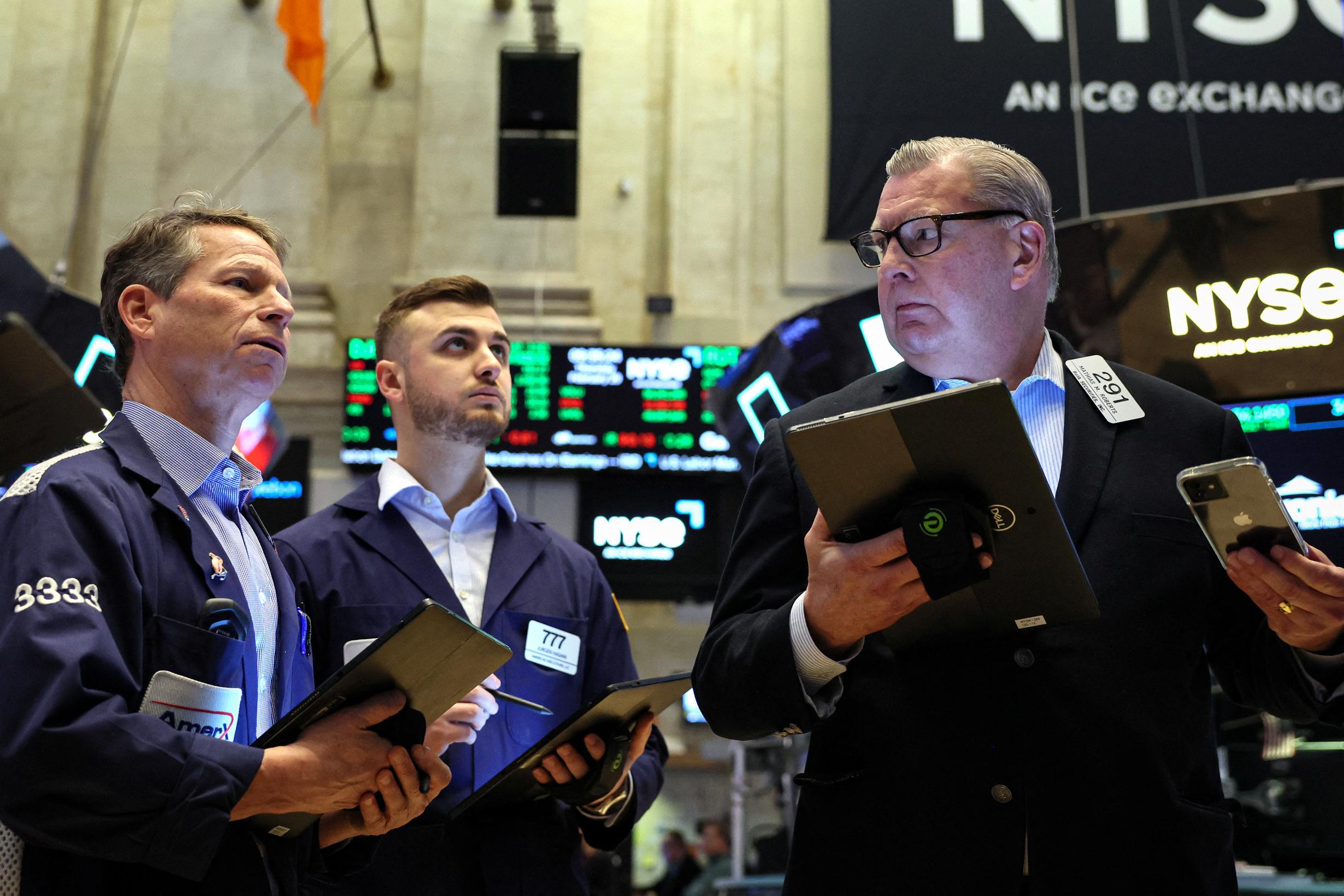
A look at the day ahead in U.S. and global markets from Mike Dolan Wall St stocks' worst day in almost three weeks sets the backdrop for Wednesday's congressional testimony from Federal Reserve chair Jerome Powell, with markets starting to get antsy about everything from Trump to Taiwan. In a packed day for major macro events - including a Bank of Canada policy decision, Britain's annual budget, key U.S. labor market updates and Super Tuesday primary results - the main market focus was likely to be on Powell's appearance. In many respects, Powell and his team have interest rate markets where they want them - and should be comfortable now that the Fed's December message on modest rate cuts later this year has been heeded at last ahead of its March 20 policymaking meeting. Tuesday's soft service sector survey for February did nudge up the amount of easing futures markets are pricing for 2024. But at 88 basis points they remain close to the most recent Fed projections for some 75bps of cuts this year and the first move is still not fully priced until July. Given that, Powell may not want to rock the boat too much - although he could nod to the risks associated with a re-acceleration of the economy or even warn on recent stock market "exuberance" in the long question-and-answer session that follows his speech on Capitol Hill. A possible rise in long run "neutral" interest rate assumptions, the pace of the Fed's balance sheet rundown and election year policy questions may also come in the exchanges. But, almost as if they were expecting a slap on the wrist, pricey U.S. megacap stocks tumbled on Tuesday ahead of the event - with a variety of reasons cited, from economic and political risks in China to antitrust moves in Europe and the Super Tuesday klaxon on the White House race. Of the so-called Magnificent Seven of leading stocks, only artificial intelligence poster child Nvidia (NVDA.O) , opens new tab managed to gain on the day. The S&P500 (.SPX) , opens new tab lost 1% and the Nasdaq (.IXIC) , opens new tab 1.7%, although futures clawed back about a third of that ahead of Wednesday's bell. In China and Taiwan, where the "Mag 7" revenue exposure is estimated to be close to 20%, the mood remained edgy after annual government plans were outlined by the National People's Congress on Tuesday. The CSI300 (.CSI300) , opens new tab edged lower again overnight, even though Hong Kong recovered some losses. Strategists puzzled over how a modest 3% budget deficit target would contain enough of a fiscal boost to meet the government's ambitious 5% economic growth target for the year. And yet surging defence spending plans and the NPC report's removal of language about Taiwan that included the phrase "peaceful reunification" were most jarring to those worried about worsening geopolitics. The prospect of Donald Trump's possible return to the White House, with promises of 60% tariffs on Chinese imports, will not have eased those concerns much as he dominated this week's slew of Republican primaries. On Tuesday, Trump won the Republican votes in a dozen states and brushed aside rival Nikki Haley to all but clinch his third consecutive presidential nomination even in the face of a litany of criminal charges. Again casting Trump as a threat to American democracy, Biden took the equivalent Democratic party nods and set up what looks to be a re-run of the 2020 election race. Elsewhere, and possibly partly related to the political uncertainties, gold and bitcoin remained well bid. Bitcoin suffered vertigo on Tuesday after briefly hitting record highs above $69,000 and retreated sharply in a wild 14% intraday swing. But it was back higher about $66,500 on Wednesday, even if still shy of the new peak. Gold prices also breached December's record peak briefly on Tuesday and held most of those gains today. The dollar index (.DXY) , opens new tab were lower more generally. With the Bank of Canada expected to leave its policy rate unchanged at 5% later on Wednesday, the focus will be on the accompanying statement as well as Governor Tiff Macklem’s post-decision interview to see if an all-clear on inflation is forthcoming. Canada's dollar was steady overnight. Britain's pound and government bond yields pushed up ahead of finance minister Jeremy Hunt's annual budget speech. Despite the fragile state of the public finances, Hunt is expected to offer tax cuts to voters ahead of this year's election - including a reported 2 percentage point cut in social security contributions. Key diary items that may provide direction to U.S. markets later on Wednesday: * Federal Reserve Chair Jerome Powell delivers semiannual monetary policy testimony before the House Financial Services Committee; Fed issues Beige Book on economic conditions; San Francisco Fed President Mary Daly and Minneapolis Fed chief Neel Kashkari speak * U.S. Feb ADP private sector jobs report, Jan JOLTS job openings data, Jan wholesale sales/inventories * Bank of Canada policy decision * British finance minister Jeremy Hunt delivers annual budget to parliament * U.S. corp earnings: Campbell Soup, Brown-Forman, JD.com etc https://www.reuters.com/markets/us/global-markets-view-usa-2024-03-06/
2024-03-06 10:49
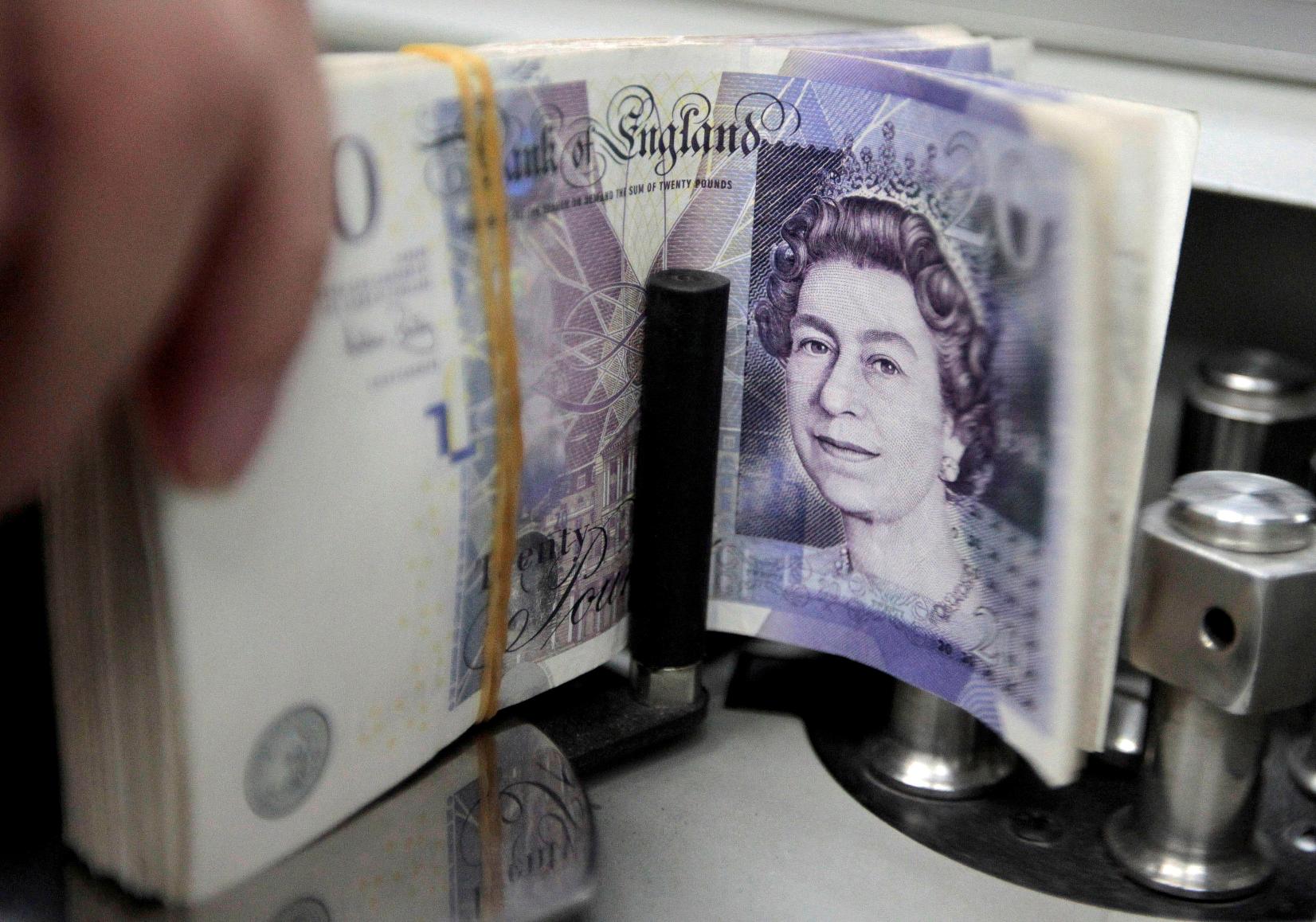
LONDON, March 6 (Reuters) - The pound edged higher against the dollar on Wednesday as traders awaited Britain's latest fiscal plans, possibly the last budget before a likely election later in the year. Sterling was last up about 0.1% at $1.2724 , just shy of a one-month top of $1.2735 reached on Tuesday, although within its narrow $1.2501-$1.2825 range since mid-November. Against the euro , the pound was little changed at 85.48 pence. Markets will be closely watching Finance Minister Jeremy Hunt's spring budget for probable tax cuts before a likely election in 2024, but with the gilt turmoil of 2022 still fresh in the memory, the leeway for sweeping fiscal easing is limited. Media reports have suggested Hunt will cut the rate of social security contributions by 2 percentage points but the tight fiscal headroom gives little room for manoeuvre. "Chancellor Hunt was brought in as a safe pair of hands to the UK Treasury and is only too aware of how much fiscal largesse he can deliver without upsetting the bond market," said Chris Turner, global head of markets at ING. Back in 2022, former Prime Minister Liz Truss's finance minister Kwasi Kwarteng announced sweeping, unfunded tax cuts and large government spending plans, sending bond markets into a tailspin and pushing the pound to a record low against the dollar. The pound has recovered since and is one of the only major currencies that has managed to keep pace with the stronger dollar this year, amid a more robust UK growth outlook and stickier inflation. That has kept the Bank of England as one of the more hawkish central banks, with markets pricing in just over 50 basis points of easing this year, the equivalent of two quarter-point cuts. In contrast, markets are pricing in 90 bps of easing from both the Federal Reserve and European Central Bank in 2024. "Some decent fiscal stimulus should only delay the Bank of England easing cycle ... and support sterling," ING's Turner said, with the bank currently pencilling in the August meeting as the likely start date for rate cuts. https://www.reuters.com/markets/currencies/sterling-edges-up-before-uk-budget-2024-03-06/