2024-03-06 06:05
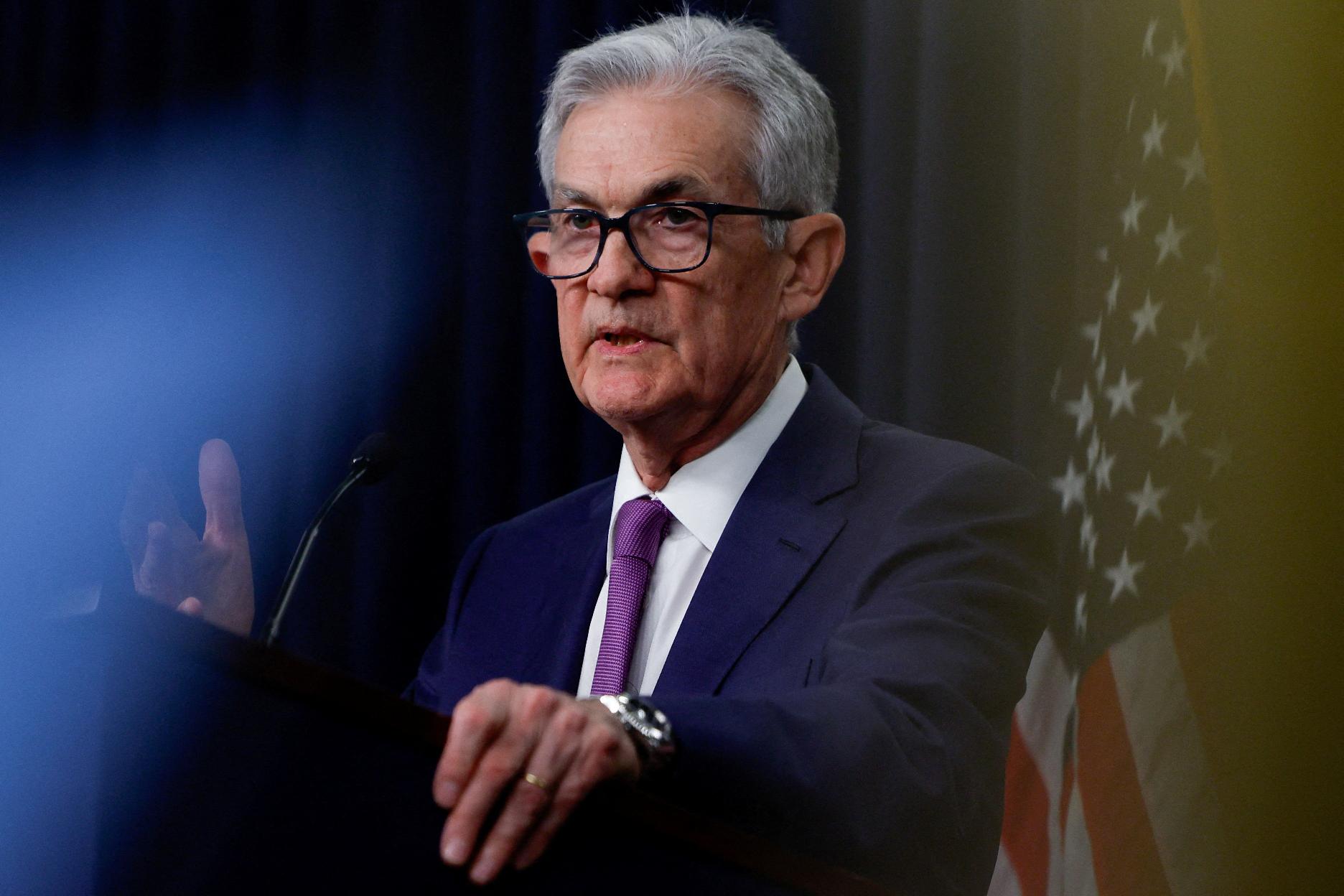
WASHINGTON, March 6 (Reuters) - With asset values from stocks to crypto to homes piling higher, inflation still considered too high, and worries of "exuberance" creeping into the conversation, Federal Reserve Chair Jerome Powell on Wednesday will update U.S. lawmakers on the economy and prospects for interest rate cuts in a politically charged election year. The landscape he'll lay out is in many ways encouraging, with the unemployment rate a low 3.7%, inflation by some measures within striking distance of the Fed's 2% target, and the economy still growing despite the tight credit conditions imposed by the central bank. But the next steps remain uncertain, with recent inflation readings stickier than expected in key ways, and some Fed officials and outside analysts concerned the U.S. economy remains too strong for price pressures to fully recede - an argument for rate cuts to be delayed further than anticipated. Powell kicks off two days of testimony with a 10 a.m. ET (1500 GMT) hearing before the House Financial Services Committee, explaining to lawmakers who face inflation-weary voters this November why he is confident price pressures will keep easing without upending the job market or conversely why the window for a "soft landing" may be narrowing. The best-case outcome "is hardly assured," Atlanta Fed President Raphael Bostic said on Monday in the last policymaker comments before Powell's House testimony. Bostic fretted "pent-up exuberance" among businesses could lead to a spending surge and renewed inflation if the Fed cuts rates too soon. The comment somewhat echoed Alan Greenspan, the former Fed chair who three decades ago called out the "irrational exuberance" driving a developing bubble in technology stocks. Now the Fed's quandary is that, even as it has held its policy rate steady since July at 5.25%-5.5%, the highest in more than 20 years, overall financial conditions have been easing and asset prices rising on expectations of Fed rate cuts, a dynamic that could make inflation harder to tame. In his House appearance and a follow-on hearing on Thursday before the Senate Banking Committee, investors will be listening closely for any effort by Powell to shift rate-cut expectations currently pointing to a June start and reemphasize the fight against inflation is incomplete. APPROACHING CUTS 'CAREFULLY' Since the Fed's Jan. 30-31 meeting, data has accumulated in a tit-for-tat fashion: Reports bolstering the soft-landing narrative, such as encouraging figures on services prices on Tuesday or signs of slowing consumer spending, have been counterbalanced by others showing inflation stuck in significant ways, such as from still-rising shelter costs, or evidence of unexpected economic strength, such as January's outsized gain of more than 350,000 jobs. Many economists feel any shift in the Fed's outlook is likely to be towards fewer and later rate cuts. Citi analysts on Tuesday noted "a much less benign environment where high inflation is increasingly likely to keep policy rates elevated until activity slows more sharply." Still, this week's hearings will contrast with Powell's previous congressional appearance last June when inflation was still double the Fed's 2% target and policymakers anticipated more rate hikes. What was likely the final rate hike was approved the following month. With the Fed's next move now seen as a rate cut, the change in tenor of the hearing will be notable. Powell has made a point as chair to cultivate ties with Democratic and Republican lawmakers alike. That has been aided by his reputation as a centrist with Republican roots who was named a Fed governor by former President Barack Obama, a Democrat, elevated to chair by former President Donald Trump, a Republican, and given a second four-year term as chair by President Joe Biden, another Democrat. While the deep U.S. cultural divide over issues like abortion and immigration may dominate the campaign, the Fed's decisions could determine whether the likely rematch between Biden and Trump occurs in an environment of low inflation, low unemployment and falling interest rates that typically favors an incumbent or in more challenging conditions. Members of a closely divided but Republican-controlled House all face voters in November. While only some members of the Democratic-led Senate panel are up for reelection, those include Chair Sherrod Brown of Ohio, who has already urged Powell to get rate cuts underway given the decline in inflation. Since late last year Powell has been laying the groundwork for rate cuts to begin, but also has been careful not to commit. "We have a strong economy. Growth is going on at a solid pace. The labor market is strong: 3.7% unemployment," Powell said in an interview with the CBS news show 60 Minutes in early February, his most recent public comments on monetary policy. "The prudent thing to do is...to just give it some time and see that the data confirm that inflation is moving down to 2% in a sustainable way...We want to approach that question carefully." https://www.reuters.com/markets/us/feds-powell-set-election-year-stage-with-testimony-rate-cuts-inflation-2024-03-06/

2024-03-06 06:02
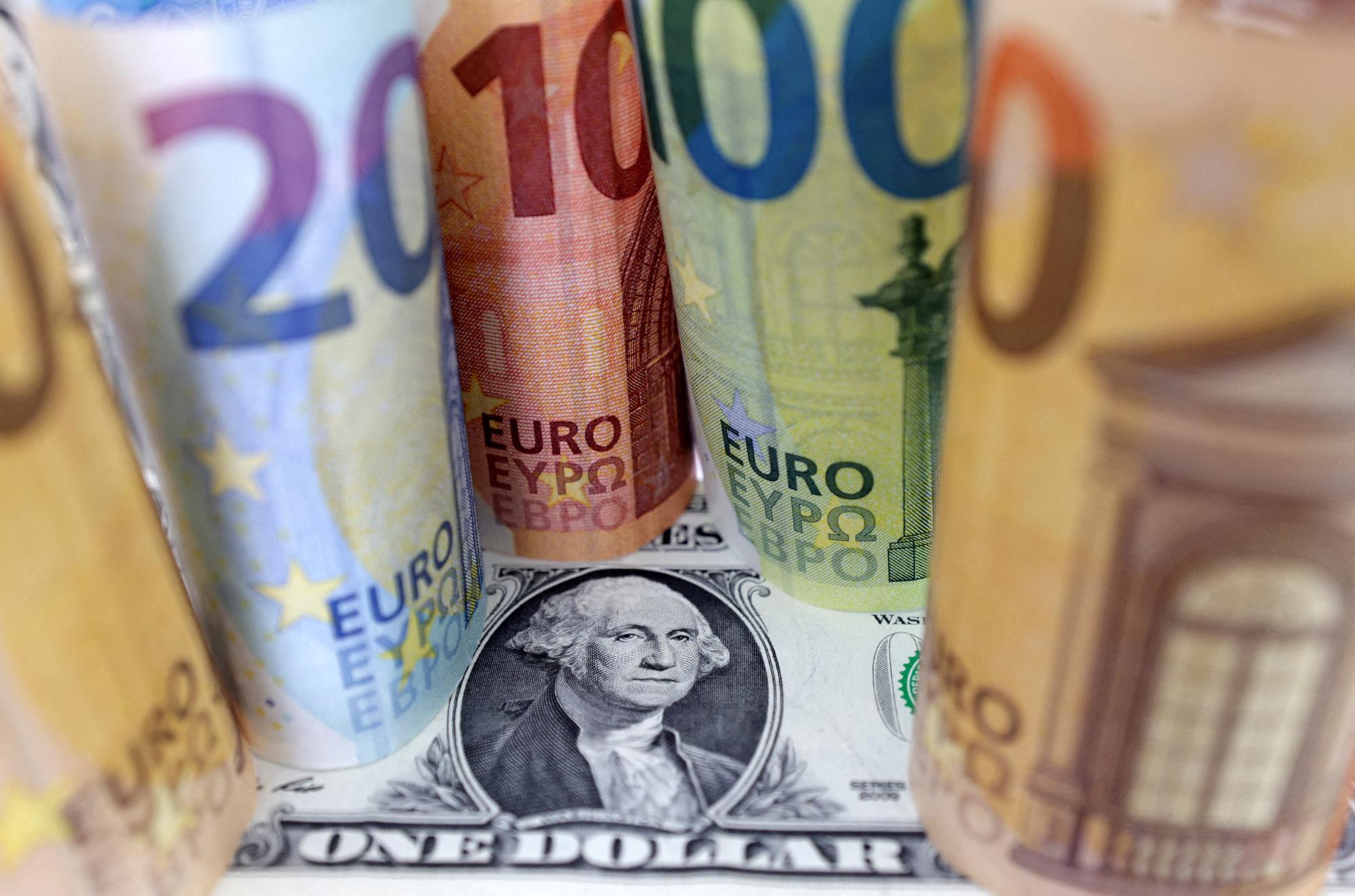
Reserve managers plan to add euros short- and long-term -OMFIF Positive rates boosting euro appeal Euro also benefits from de-dollarisation LONDON, March 6 (Reuters) - Once hurt by crises and deflation, the euro is gaining popularity among central bank reserve managers thanks to a return to positive rates and geopolitics challenging king dollar's appeal. Roughly one in five of the 75 central banks surveyed by the London-based OMFIF think-tank anticipate increasing euro holdings over the next two years, its recently published 2023 report showed. While 7% looked to decrease euro holdings, net demand was higher than for any other currency during the period and a jump from the 2021 and 2022 surveys of reserve managers controlling nearly $5 trillion. Shifts can take years to play out. The dollar, which makes up 60% of global reserves versus the euro's 20%, will not lose its crown overnight. Yet, a more positive euro outlook speaks to notable changes taking place. For starters, the European Central Bank's exit from negative interest rates in 2022 drove euro area government bond yields higher after almost a decade below 0%, and they should remain elevated even as rate cuts near. Germany's 10-year Bund yield has stayed above 1.9% since late 2022. "Now the euro is positive yielding, (reserve managers) are looking to increase their currency allocation to the euro and specifically away from the dollar," said Taylor Pearce, OMFIF senior economist. "For some central banks, because the euro wasn't yielding anything, they had held a higher share of dollars and especially dollar-denominated government bonds." Poland's central bank, whose reserves are dominated by dollar and euro-denominated assets, told Reuters that while it did not comment on changes to reserves, "medium-term expected returns for euro area government bonds have improved considerably, which certainly increases the appeal of the asset class". Romania said it planned to maintain the target weight of euros in its reserves at 40-75%; the current share is around 59%. Reuters contacted 10 central banks in Europe, Africa and Asia; two declined to detail their intentions citing market sensitivity and six did not respond. DE-DOLLARISATION While an energy shock and war in Europe has hurt the euro, the United States' rivalry with China and fallout from Russia's war in Ukraine have fuelled talk of diversification away from the dollar. The United States, Europe and others froze around $300 billion of Russian assets after it invaded Ukraine, prompting analysts in China to evaluate how it could mitigate losing access to dollars. Several currencies, including the euro, could benefit from de-dollarisation. OMFIF's survey showed a net 13% of reserve managers plan to hold more Chinese yuan over the next two years, though down from over 30% in 2022. "Europe has not really followed U.S. foreign policies against China or on the Middle East," said Eurizon SLJ Capital CEO Stephen Jen. "A shift in balance in allocations away from dollars toward euros makes a lot of sense." The dollar's share of total foreign exchange reserves declined to 59% in 2023 from around 72% in 2000, IMF data shows. The yuan's share has inched up. While still dwarfed by the $26.5 trillion U.S. Treasury market, 'safe' European assets have been boosted by surging bond sales to fund spending and joint EU bond issuance of up to 800 billion euros for the post-COVID recovery. There is talk of further joint issuance for defence. Foreign interest is growing too. Belgium saw demand from non-European investors for a 10-year bond sold via a syndicate of banks in January, double compared to a similar bond sale a year ago. Its debt agency head Maric Post said most of the foreign investors were from Asia and the rise in interest from public institutions came from central banks globally. Asian investors accounted for 34% and 27% of two of three bonds sold by supranational body European Financial Stability Facility this year, which it says is an increase from recent years. "As well as the biggest economies in Asia, some of the smaller investors also started buying, which I saw as a very positive thing, and we also started getting African investors coming into our books next to the Middle Eastern ones," said EFSF and European Stability Mechanism CFO Kalin Anev Janse. European cohesion and unity following COVID and the Ukraine war were all seen as positives by investors and analysts. "In 2011 I had difficulty selling Europe, in some investor meetings I would be thrown out if I was positive about Europe," said Anev Janse. "Now if I say I’m positive about Europe they say 'yes, we agree'. https://www.reuters.com/markets/currencies/euro-is-back-scene-global-central-banks-2024-03-06/
2024-03-06 05:34
A look at the day ahead in European and global markets from Tom Westbrook The upbeat tone that's pushed stocks higher for weeks abruptly shifted overnight and left Asia markets drifting downward on Wednesday, with traders nursing losses and awaiting their next cues from Fed Chair Jerome Powell's testimony before Congress. Powell is expected to stick to his relatively hawkish script and reinforce that policymakers aren't rushing to cut interest rates. A mixed bag of U.S. economic data on Tuesday - slower services growth but a jump in new goods orders - further clouded an already fuzzy picture for rate policy. And overnight surges in gold and bitcoin to record peaks highlight a level of discomfort with inflation and debt that is pushing investors into assets with limited supply. Central banks themselves seem to have turned gold bugs lately, some burned by paper losses in their bond portfolios, with ANZ analysts noting a near tripling of central banks' share of world gold demand to 25-30%. Spot gold flew as high as $2,141 an ounce on Tuesday and traded around $2,124 in the Asia day on Wednesday. Bitcoin broke above $69,000 before recoiling below $60,000. Bank of America suggests that U.S. national debt rising by $1 trillion every 100 days is driving investors into "debt debasement" trades such as gold and bitcoin. Around Asia, investors saw little in China's latest growth and policy plans to provoke a shift in their caution over exposure to what's been a laggard market for several years. Hong Kong stocks ticked higher and mainland stocks ticked lower. Data showed Australian economic growth slowed to a crawl in the December quarter, reinforcing market bets that the next move in interest rates down under will be lower. Results from Republican presidential nominating contests in a swathe of states showed Donald Trump brushing aside the challenge from Nikki Haley and marching on to a rematch with Joe Biden. Euro zone January retail sales figures are also due, with economists expecting a steady reading after a sharp fall in December. Key developments that could influence markets on Wednesday: - Euro zone retail sales - German trade balance - Jerome Powell appears before Congress - U.S. job openings - Bank of Canada meeting https://www.reuters.com/markets/global-markets-view-europe-2024-03-06/
2024-03-06 05:32
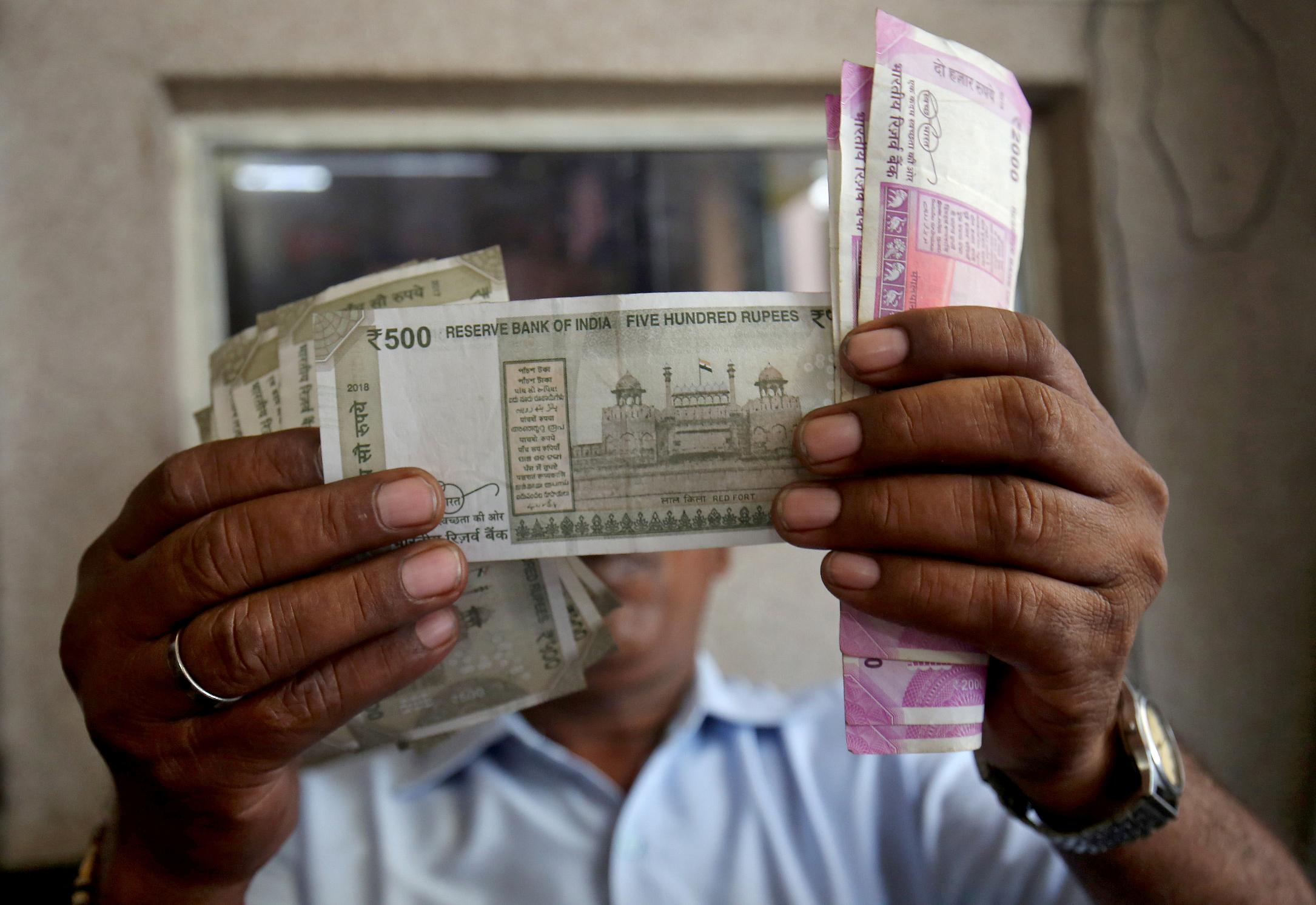
MUMBAI, March 6 (Reuters) - The Indian rupee traded in a narrow range, and forward premiums rose on Wednesday ahead of Federal Reserve Chair Jerome Powell's testimony, while the overnight swap rate remained largely unchanged. The rupee was at 82.8950 at 10:32 a.m. IST, unchanged from the previous session. The currency has been in a less-than-two-paisa range so far, with its 30-day annualised realized volatility at just 1%. "INR remains stuck in a range and is going through what is a historically unprecedented low-volatility regime," Srinivas Puni, managing director at QuantArt Market Solutions, said. "Markets are now focused on Powell’s testimony to US Congress and will parse his speech for clues on rate cut timings." Powell is largely expected to reinforce the message that the Fed is in no rush to cut interest rates. Higher January inflation and a labour market that is holding up will mean that there will be no let-up in that message, according to analysts. "Powell will confront and resist pressures from US lawmakers to cut interest rates," DBS Bank said in a daily note. Powell and other Fed officials have been advocating patience on rate cuts in the wake of the resilience of the US economy and the labour market, DBS pointed out. Before Powell's testimony, dollar/rupee far forward premiums inched up, with the 1-year implied yield up two basis points at 1.68%. The drop in U.S. Treasury yields following the slight miss on U.S ISM services data propped up premiums. Meanwhile, the dollar/rupee overnight swap rate was at 0.15 paisa, largely unchanged from Tuesday. The implied rupee yield remained below that of the overnight swap rate ahead of the Reserve Bank of India's $5 billion swap maturity. https://www.reuters.com/markets/currencies/rupee-muted-forward-premiums-inch-up-overnight-swap-rate-steady-2024-03-06/
2024-03-06 05:28
Gold hit record peak at $2,141.59 per ounce on Tuesday Focus on Powell's first day of congressional testimony Gold enters overbought zone, analysts expect a correction March 6 (Reuters) - Gold stood tall near previous session's record highs on Wednesday as markets expect Federal Reserve Chair Jerome Powell's testimony later in the day to reveal clues on a potential June rate cut. Spot gold was steady at $2,126.75 per ounce, as of 1107 GMT after hitting a historic high of $2,141.59 per ounce in the prior session. U.S. gold futures fell 0.3% to $2,135.20. Bullion has powered to record highs in other major currencies as well. Increasing expectations of interest rate cuts, which boost the appeal of non-yielding bullion, following weaker U.S. economic data recently, and fears of an imminent correction in stock markets have led to strong demand for alternative asset classes such as bitcoin and gold, said Commerzbank analyst Carsten Fritsch. Along with the bullion, the world's largest cryptocurrency, bitcoin also touched a record high on Tuesday before retreating sharply. Tuesday's rally pushed spot gold's 14-day relative strength index to 78, much above the 'overbought' levels at 70. "We think the gold price has run too far in the short term and expect a correction. U.S. labor market data on Friday could put a damper on rate cut hopes," Fritsch said. Traders see a 69% chance for a June Fed rate cut. Investors focus is also on Powell's first day of semi-annual congressional testimony on the state of the U.S. economy amidst an environment of elevated interest rates. "We expect Powell to suggest that rate cuts may be delayed but likely to start in 2024," UBS said in a note. "With a mid-year Fed rate cut as our base case, we forecast spot gold will rise to $2,250/oz by end-2024 alongside central bank buying, demand from China, and an expected revival in demand for gold exchange-traded funds." In other metals, spot silver rose 0.1% to $23.70. Platinum was up 0.9% to $888.38 per ounce, and palladium gained over 1% to $958.93. https://www.reuters.com/markets/commodities/gold-holds-above-2100-near-record-high-focus-powell-testimony-2024-03-06/

2024-03-06 05:05
March 6 (Reuters) - The U.S. solar industry is expected to continue its momentum in 2024 after accounting for over 50% of new electricity capacity additions to the grid last year, according to a report published by Wood Mackenzie and the Solar Energy Industries Association on Wednesday. Companies and residents have aimed to capitalize on U.S. President Joe Biden's Inflation Reduction Act, which provides generous tax credits for EVs and clean energy technologies such as wind and solar farms. "A high case for U.S. solar with increased supply chain stability, more tax credit financing and lower interest rates would increase our (solar installation) outlook (by) 17%," said Michelle Davis, head of Global Solar at Wood Mackenzie and lead author of the report. "A low case with supply chain constraints, less tax credit financing and static interest rates would decrease our outlook (by) 24%." The report said that an additional five gigawatts (GW) over last year's capacity could be installed in 2024. Growth-rate expectations for the commercial, community and utility-scale segments are 19%, 15% and 26% for the year, respectively. The solar sector added 32.4 GW in 2023, 51% higher from 2022, primarily due to increasing supply chain stability as a backlog of projects were completed. Solar imports had been hindered by trade actions in 2022, such as tariffs on imports from certain Southeast Asian countries and concerns around forced labor practices. Last year, Texas topped the list for total solar capacity on a rise in utility-scale solar installations, which grew 77% from 2022. California led residential and commercial installations in 2023, as consumers moved to take advantage of the state's current net metering rules before the switch to new net billing rules, known as NEM 3.0, in April this year. However, California's residential solar installation is expected to decline by 13% in 2024 on the shift to NEM 3.0, along with higher interest rates weighing in other states, the report said. https://www.reuters.com/business/energy/us-solar-installations-benefit-inflation-reduction-act-2024-report-says-2024-03-06/