2024-03-06 01:26
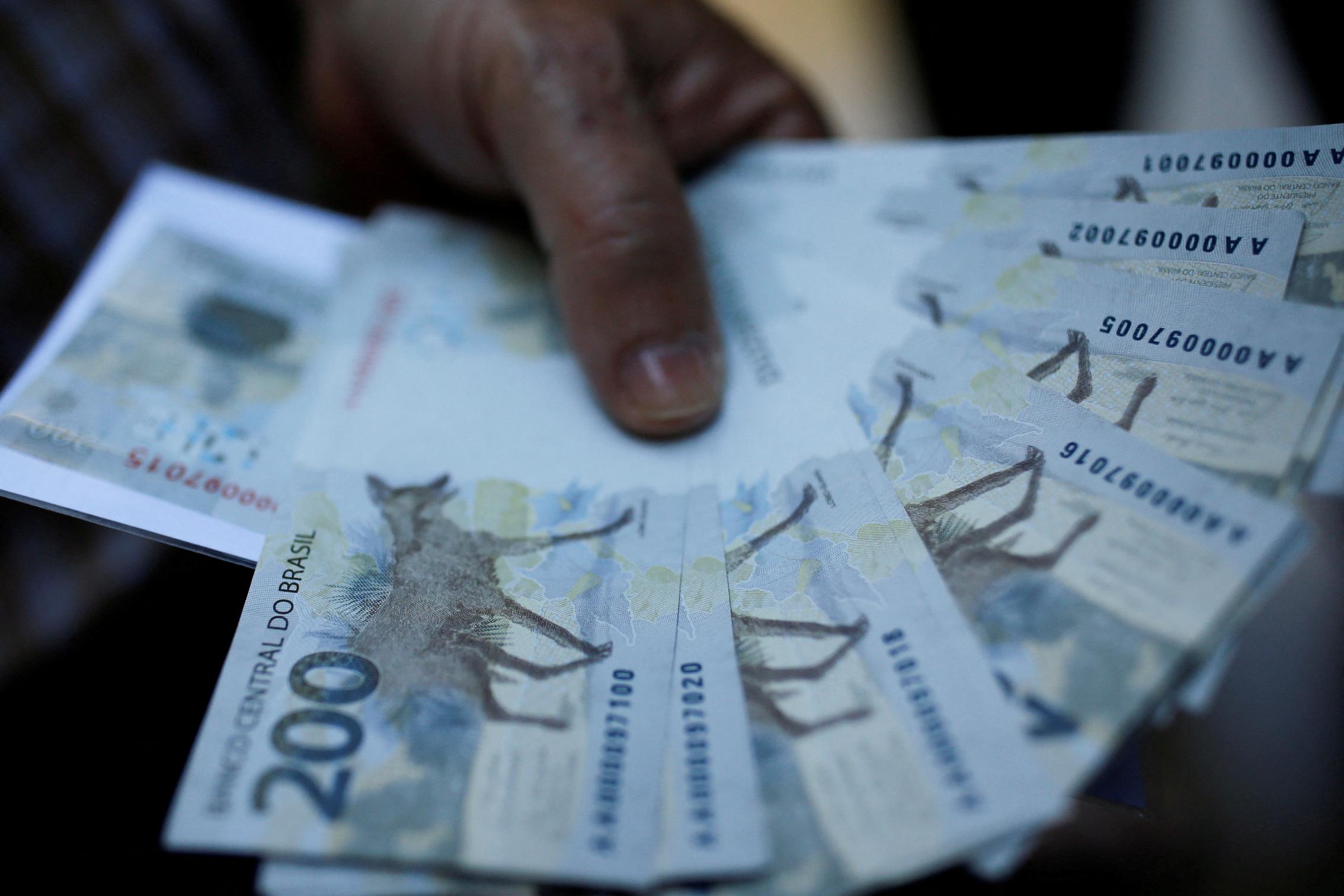
SAO PAULO, March 5 (Reuters) - Brazil's central bank monetary policy director said on Tuesday that an eventual change to its monetary easing guidance would not necessarily correlate with what the interest rate would be at the end of bank's easing cycle. In an event hosted by consultancy firm APCE, the monetary policy director, Gabriel Galipolo, said given the way that the disinflation process and the pace of rate cuts have been unfolding, an eventual change in guidance does not mean a correlation with a terminal rate. "The absence of a signal from Copom about the terminal interest rate stems from the fact that we adopted the 50-basis-point pace precisely to take advantage, gain time and see how things will unfold," he said. The central bank kicked off its easing cycle in August with a 50-basis-point cut after nearly a year of unchanged rates at a six-year high of 13.75%, aimed at combating inflation. Since then, it has consistently signaled the maintenance of the same easing pace for the meetings ahead. Galipolo highlighted that, despite the reduction in the differential between the country's interest rates and those of advanced countries, which have been delaying the start of their own interest-rate-easing cycles, Brazil's exchange rate has performed well. "Even with this differential closing, the exchange rate has remained at a good level," he said. Asked if the central bank had a target for the exchange rate, Galípolo denied the existence of a goal, arguing that a floating exchange rate is an important "line of defense." Last week, the central bank's director said that "at some point" policymakers will need to remove the use of the plural in their monetary easing guidance, which has been flagging 50 basis point cuts for the upcoming "meetings". Brazil's benchmark interest rate now stands at 11.25%. https://www.reuters.com/markets/currencies/brazils-cenbank-director-says-guidance-could-change-without-link-rate-end-easing-2024-03-06/
2024-03-06 00:54
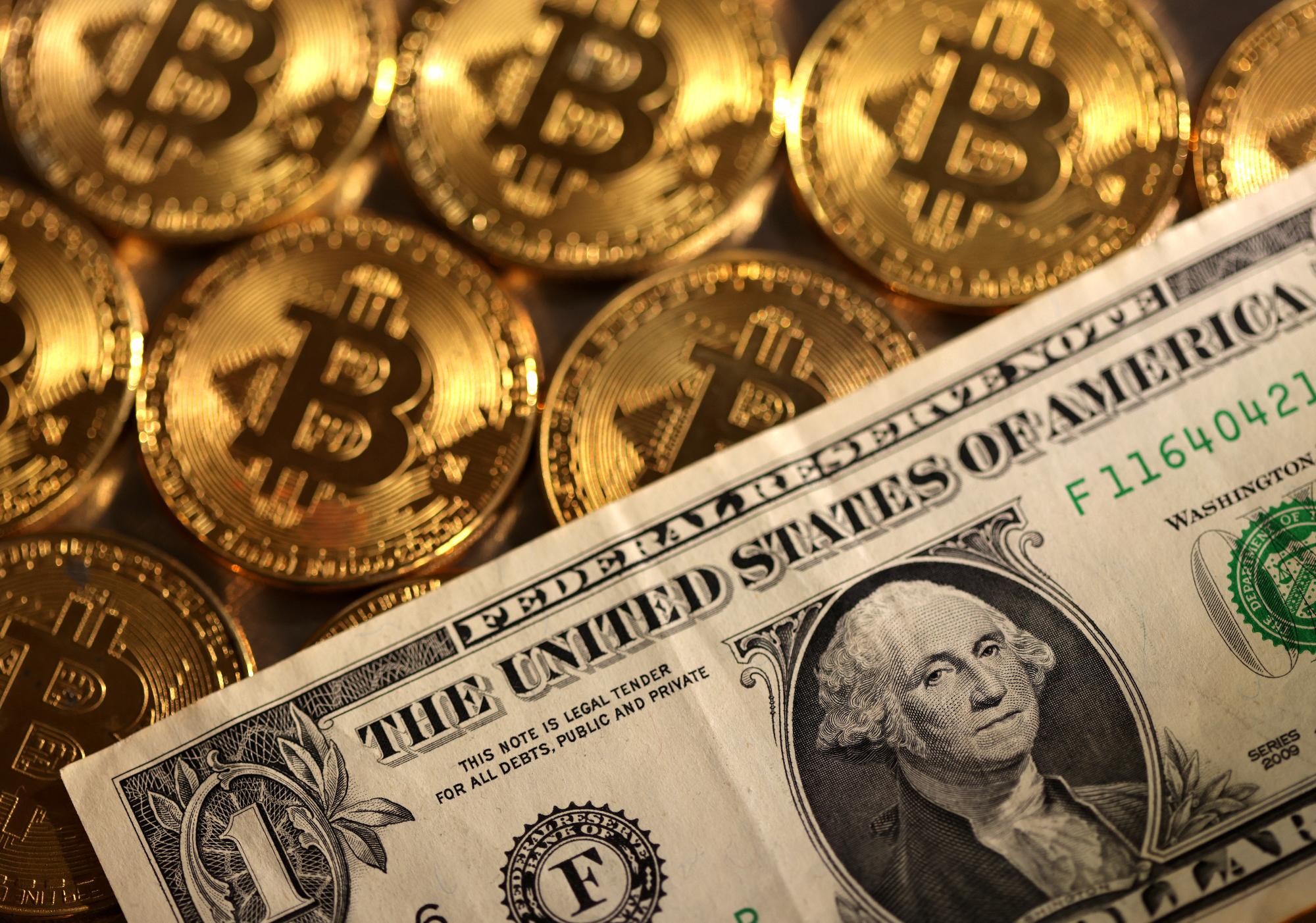
NEW YORK, March 6 (Reuters) - The dollar slipped across the board on Wednesday after Federal Reserve Chair Jerome Powell said continued progress on inflation "is not assured," though the U.S. central bank still expects to reduce its benchmark interest rate later this year. "If the economy evolves broadly as expected, it will likely be appropriate to begin dialing back policy restraint at some point this year," Powell said in remarks prepared for delivery to the House Financial Services Committee. The euro was 0.37% higher against the dollar at $1.0897, after strengthening to $1.09155, its highest since Feb. 2. "Fed Chairman Powell's opening statement to Congress essentially repeated the same main points that he and his colleagues have been hitting for months," Matt Weller, head of market research at StoneX, said. But Powell's words disappointed traders, who in recent weeks had begun to speculate that the Fed would back away from any potential rate cuts in the first half of the year, Weller said. "With Fed Chairman Powell refusing to endorse that possibility, some forward-thinking traders have reversed bullish bets on the greenback from the past couple weeks," he said. Powell will appear before the Senate Banking Committee on Thursday. The dollar index , which measures the currency's strength against a basket of six currencies, was down 0.41% at 103.36. The index had climbed as high as 104.97, up about 3.6% for the year, in mid-February, helped by robust U.S. economic data, but has retreated as recent reports showed some softness. Data on Wednesday showed U.S. private payrolls rose slightly less than expected in February, while wages for workers remaining in their jobs increased at the slowest pace in 2-1/2 years, consistent with a cooling labor market. The Labor Department's more comprehensive and closely watched February employment report is due on Friday. "Job openings and ADP private payroll data keep the path open for Fed rate cuts later this year," Bill Adams, chief economist for Comerica Bank, said in a note, citing the report by Automatic Data Processing. The dollar slipped on Tuesday after data showed U.S. services industry growth slowed last month. Traders also braced for the ECB's rate decision on Thursday with the central bank expected to leave its benchmark interest rate at a record 4%, putting the focus on clues about when cuts may begin. "We think they are going to echo their message again and tomorrow is not going to change the outlook," Danske Bank's Mellin said. Elsewhere, sterling edged up 0.25% to $1.2738 as traders digested Britain's latest fiscal plans, possibly the last budget before an election expected later in the year. British finance Minister Jeremy Hunt offered no surprises in his latest statement, announcing a two percentage point cut to National Insurance Contributions (NICs), while freezing fuel and alcohol duty. Bitcoin was up 5.76% at $66,963, rebounding from Tuesday's sharp swoon after it hit a new high. The cryptocurrency's recent price rise has been fueled by investors pouring money into U.S. spot exchange-traded crypto products and the prospect that global interest rates may fall. Against the yen , the dollar was 0.45% lower at 149.38 yen on reports that some Bank of Japan board members think it would be appropriate to lift rates from below zero at the March meeting. Analysts are mostly expecting the BoJ to exit negative rates at the April meeting if Japan's spring wage negotiations result in solid pay hikes. The U.S. dollar weakened 0.57% against its Canadian counterpart after the Bank of Canada kept its key overnight rate steady at 5% on Wednesday as expected and said it was still too early to consider a cut, given persistent underlying inflation. The Australian dollar brushed off gross domestic product growth of a mere 0.2% in the fourth quarter, reinforcing the case for rate cuts. The currency was last up 0.94% at $0.6565. https://www.reuters.com/markets/currencies/dollar-steady-ahead-powell-testimony-bitcoin-takes-breather-2024-03-06/
2024-03-06 00:45
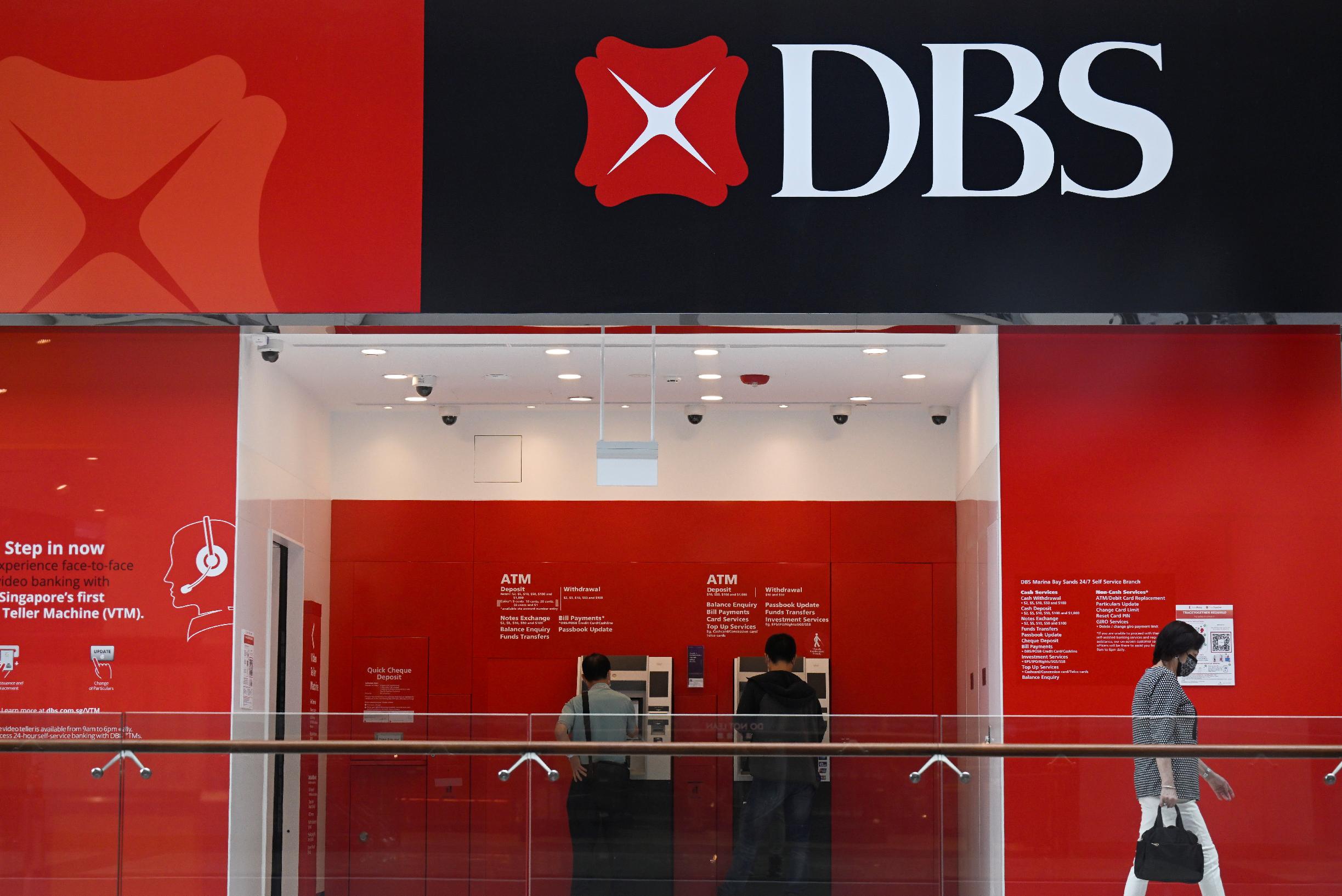
SINGAPORE, March 6 (Reuters) - Singapore's biggest bank DBS Group (DBSM.SI) , opens new tab has grown its sustainable financing commitments, net of repayments, by 37.3% to 70 billion Singapore dollars ($52.10 billion) as of end-December, from S$51 billion in 2022, it said on Wednesday. DBS, which is also Southeast Asia's biggest bank by assets, reduced its thermal coal exposure by 18.2% to S$1.8 billion last year from S$2.2 billion in 2022, according to the bank. The lender has also updated its coal policy to align with regional taxonomies on the managed phase out of coal, Chief Sustainability Officer Helge Muenkel said. "We're massively reducing thermal coal exposure, but we want to go beyond that," Muenkel said in a media briefing ahead of the launch of DBS' sustainability report. "We want to support a just transition by facilitating the early shutdown of coal power plants." ($1 = 1.3435 Singapore dollars) https://www.reuters.com/sustainability/sustainable-finance-reporting/singaporean-bank-dbs-grows-sustainable-financing-by-37-521-bln-2023-2024-03-06/
2024-03-06 00:40
Q4 GDP data highlights demand-impact of elevated rates Frail outcome reinforces bets for rate cuts in 2H Growth driven by net trade, government spending Treasurer Chalmers say balance of risks shifting SYDNEY, March 6 (Reuters) - Australia's economy grew at a snail's pace in the December quarter as a punishing squeeze on household incomes brought consumer spending to a standstill, reinforcing market bets that the next move in interest rates will be down. The slowdown confirmed high borrowing costs were working all too well to curb demand, prompting treasurer Jim Chalmers to declare that the balance of risks in the economy is shifting from inflation to growth. Data from the Australian Bureau of Statistics on Wednesday showed real gross domestic product (GDP) rose 0.2% in the fourth quarter, under forecasts of 0.3%. That compared with a upwardly revised 0.3% expansion in the prior quarter. Annual growth slowed to 1.5%, down from 2.1% the previous quarter and the lowest since early 2021, when the economy was emerging from a pandemic-driven recession. In a telling sign of the softness in domestic demand, household spending did not add to economic growth at all in the fourth quarter, as a 0.7% rise in spending on essentials was offset by a 0.9% fall in discretionary spending. ABS data showed households are spending more on electricity, rent, food and health while cutting back on hotels, cafes and restaurants as well as things like new vehicle purchases and clothing and footwear. "Australian consumers are suffering from higher interest rates and cost of living pressures, while the rate of housing investment remains in the doldrums," said Deloitte Access Economics partner Stephen Smith. "There is simply not enough demand in the Australian economy to justify the RBA's claim about 'homegrown' inflation... Monetary and fiscal policy need to pivot away from containing inflation to stimulating economic growth." 'NEED TO RESPOND' The RBA has raised interest rates by a whopping 425 basis points since May 2022 to tame inflation, and has not ruled out another rise due to persistently high services price pressures, even as headline inflation has retreated to two-year lows. The central bank had expected the economy to slow to an annual 1.5% by the end of the last year and to 1.3% by mid 2024. Australia is not alone in facing pressure on growth. Globally, economic growth has slowed in response to elevated interest rates, fanning rate cut expectations later in the year. Both Japan and Britain slipped into a recession in the second half of last year, while the euro zone economy has also stalled. Growth in Australia has been supported by record immigration, but on a per capita basis, GDP fell 0.3% for the December quarter, shrinking for three straight quarters in the longest declining streak since 1982. While the household saving ratio did rebound to 3.2%, it was still subdued after sitting at 1.9% in the previous quarter. Net trade was a big driver of growth, with a pull-back in imports - thanks to Australians spending less money overseas - adding 0.7 percentage points to fourth-quarter GDP growth. "Addressing inflation is still our primary concern, but these numbers show that the balance of risks in our economy are shifting from inflation to growth," said Treasurer Jim Chalmers at a briefing. "If you look at these quarterly figures, if you look at the way inflation is coming off in welcome and encouraging ways, we need to respond to that," said Chalmers, who is expected to unveil the government's budget in May. Analysts expect the economy will continue to slow down in the months ahead before picking up in the second half of the year. Markets are pricing the first rate cut from the RBA to come in August. "That means 2024 will be a tale of two halves. The first defined by lingering cost-of-living pressures and the second half by relief in the form of tax and rate cuts," said Harry Murphy Cruise, Economist, Moody’s Analytics. https://www.reuters.com/world/asia-pacific/australia-economy-grows-meagre-02-q4-spending-sputters-2024-03-06/

2024-03-06 00:15
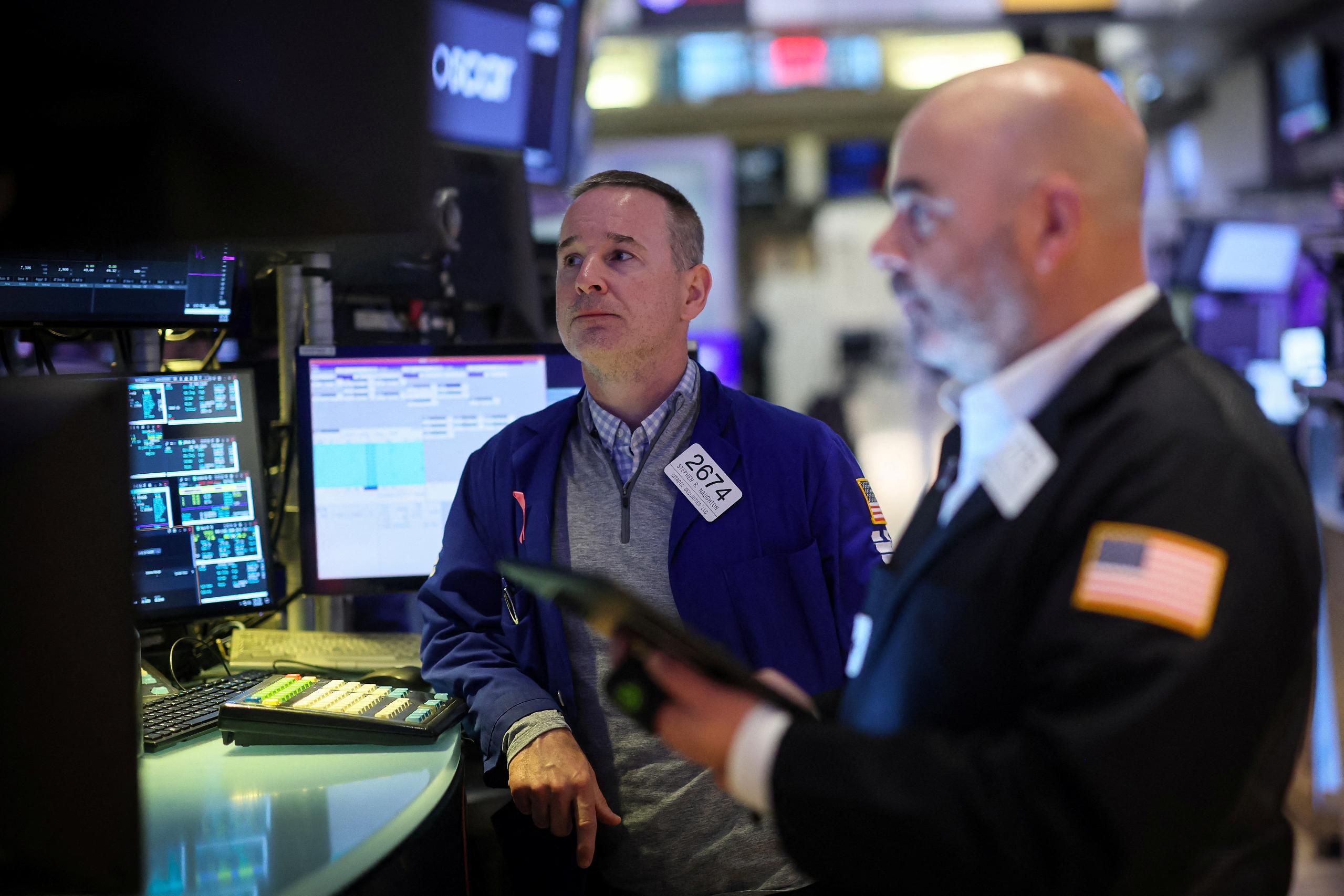
US services sector cools in February, ISM survey shows Target forecasts FY comparable sales above estimates Apple drops after China iPhone sales plunge Indexes down: Dow 1.04%, S&P 1.02%, Nasdaq 1.65% March 5 (Reuters) - Wall Street three major indexes all retreated more than 1% on Tuesday, with weakness in megacap growth companies such as Apple Inc and the chip sector weighing most on the Nasdaq ahead of this week's crop of economic data and remarks from Federal Reserve Chair Jerome Powell. Tuesday's economic data was a mixed bag showing slower U.S. services industry growth in February as employment declined while a measure of new orders grew to a six-month high, signaling underlying strength in the sector. The Purchasing Managers Index report on Tuesday confirmed continued economic growth despite 525 basis points worth of interest rate hikes from the Fed since March 2022. Another survey showed new orders for U.S.-manufactured goods dropped more than expected in January. Some strategists saw the technology (.SPLRCT) , opens new tab sell-off on Tuesday as the result of profit taking for a sector which had recently rallied after rising 56% in 2023. "Maybe some people are taking chips off the table, taking some profits in the high flying areas, in conjunction with what is probably justified nerves before Powell speaks and before we get the big slew of labor market data," said Kevin Gordon, senior investment strategist at Charles Schwab. Two reports helped to create a risk-off tone, said Craig Fehr, head of investment strategy at Edward Jones in St. Louis. Apple (AAPL.O) , opens new tab shares finished down 2.8% after a research report showed iPhone sales in China fell 24% year-on-year in the first six weeks of 2024 as Apple faced increased competition from domestic rivals such as Huawei (HWT.UL). Also the chip sector was battered after Bloomberg News reported that Advanced Micro Devices hit a roadblock in its efforts to sell an artificial intelligence chip tailored for the Chinese market as Washington cracks down on advanced technology exports to Beijing. Chip rivals fell in sympathy with the Philadelphia semiconductor index (.SOX) , opens new tab, which closed down 2%. Fehr also attributed some of Tuesday's weakness to recent rallies. The benchmark S&P 500 (.SPX) , opens new tab had hit a fresh intraday record high on Monday before closing slightly lower. "It's reasonable and even healthy to take some pit stops along the way. This market is, to a degree, stopping for a breather after what's been a very sharp run higher," he said. The Dow Jones Industrial Average (.DJI) , opens new tab fell 404.64 points, or 1.04%, to 38,585.19. The S&P 500 (.SPX) , opens new tab lost 52.3 points, or 1.02%, at 5,078.65 and the Nasdaq Composite (.IXIC) , opens new tab dropped 267.92 points, or 1.65%, to 15,939.59. Eight of the 11 major S&P 500 industry indexes declined, with technology ending down 1.2% and consumer discretionary (.SPLRCD) , opens new tab falling 1.3%. Energy (.SPNY) , opens new tab, up 0.7%, was the biggest gainer followed by consumer staples (.SPLRCS) , opens new tab, which rose 0.3%. Along with Powell's testimony before lawmakers on Wednesday and Thursday, investors are also anxiously awaiting more clues about interest rate policy from economic data, including the crucial non-farm payrolls report, due out on Friday. The majority of traders see the first rate cut this year in June, as per CME Group's FedWatch tool. Among megacap technology stocks, Tesla (TSLA.O) , opens new tab shares sank 3.9% after its European Gigafactory near Berlin halted production following a suspected arson attack. On the bright side, Target (TGT.N) , opens new tab shares rallied 12% after the retailer forecast annual comparable sales largely above estimates, betting on same-day services, product launches and a new membership program to boost spending. Microstrategy (MSTR.O) , opens new tab shares tumbled 21% after the bitcoin development company announced a private offering for $600 million in convertible senior notes, with proceeds to be used to buy bitcoin. Declining issues outnumbered advancers on the NYSE by a 1.40-to-1 ratio; on Nasdaq, a 1.76-to-1 ratio favored decliners. The S&P 500 posted 50 new 52-week highs and eight new lows; the Nasdaq Composite recorded 93 new highs and 113 new lows. On U.S. exchanges 13.22 billion shares changed hands compared with the 11.99 billion average for the last 20 sessions. https://www.reuters.com/markets/us/futures-ease-ahead-economic-data-megacap-growth-stocks-slide-2024-03-05/
2024-03-06 00:05
GENEVA, March 5 (Reuters) - The El Nino weather pattern has begun to weaken but will continue to fuel above average temperatures across the globe, the World Meteorological Organization (WMO) said on Tuesday. El Nino is a naturally occurring weather phenomenon associated with a disruption of wind patterns that means warmer ocean surface temperatures in the eastern and central Pacific. El Nino, which occurs on average every two to seven years, typically lasts nine to 12 months and can provoke extreme weather phenomena such as wildfires, tropical cyclones and prolonged droughts. WMO spokesperson Claire Nullis said El Nino had peaked in December and would go down as one of the five strongest in history. "It's now gradually weakening, but obviously it will continue to impact the global climate in the coming months," she told reporters in Geneva. "We do expect above normal temperatures in the coming months, between March and May, and overall in most land areas." In separate comments, WMO Secretary-General Celeste Saulo said El Nino had partly contributed to recent temperature records. "Every month since June 2023 has set a new monthly temperature record – and 2023 was by far the warmest year on record," Saulo said in a statement. "El Nino has contributed to these record temperatures, but heat-trapping greenhouse gases are unequivocally the main culprit." The WMO said there was about a 60% chance of El Nino persisting from March to May and a 80% chance of neutral conditions, neither El Nino nor La Nina, in April to June. There is a chance of La Nina - a weather pattern characterised by unusually cold temperatures in the Pacific Ocean - developing later in the year, but the odds remain uncertain, the WMO said. https://www.reuters.com/business/environment/el-nino-weakens-will-keep-temperatures-high-un-weather-agency-says-2024-03-05/