2024-03-06 00:02
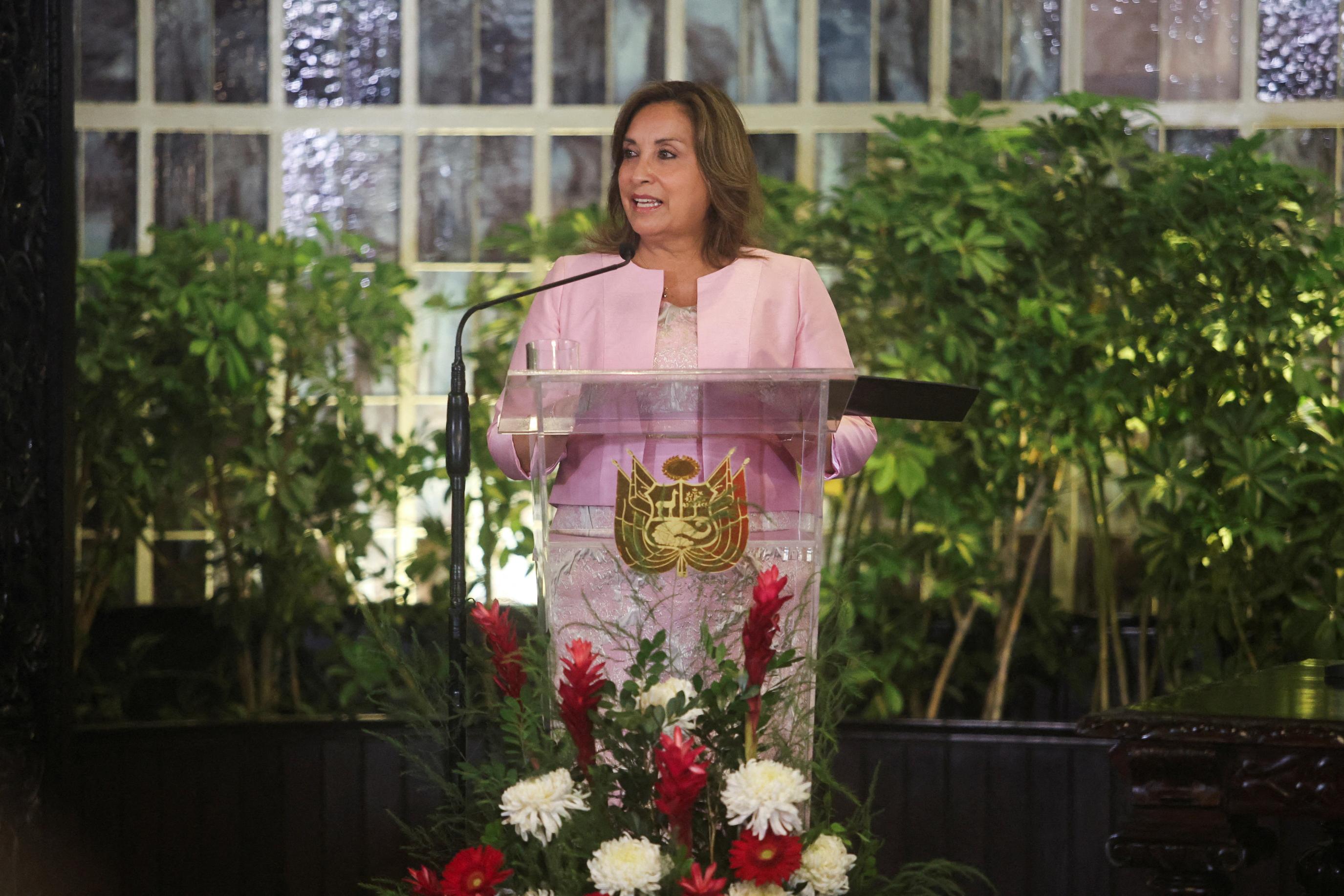
LIMA, March 5 (Reuters) - Peru's President Dina Boluarte will make changes to her cabinet, Foreign Minister Javier Gonzalez-Olaechea said on Tuesday, as speculation swirled in local media that her prime minister could soon depart her government. The cabinet shuffle will be part of a "relaunch of the government's general policy," Gonzalez-Olaechea said during an event at the foreign ministry. His comments follow the publication of an audio clip in local media over the weekend purporting to be of Prime Minister Alberto Otarola attempting to improperly influence government contracts. Otarola has not commented specifically on media reports about his possible exit, but on social media on Sunday denied any irregular contracting and on Monday denied committing any illegal act. Any resignation by Otarola would require the other 18 cabinet members to also resign, according to Peruvian law. Boluarte would have the choice to reinstate each cabinet member or swap them out for a new minister. The president last shuffled her cabinet last month, swapping out four ministers, including those heading the economy and mining, as the Andean nation works to lift its shaky economy out of a recession. https://www.reuters.com/world/americas/perus-president-boluarte-make-changes-cabinet-says-minister-2024-03-06/
2024-03-06 00:00
LONDON, March 5 (Reuters) - An Indonesian nickel producer has for the first time ever applied to have its metal listed as a good delivery brand on the London Metal Exchange (LME). Indonesia has rapidly emerged as the new powerhouse of global nickel production but until now has not produced the metal in the high-purity form traded on either the LME or the Shanghai Futures Exchange. That will change if PT CNGR Ding Xing New Energy gets the official nod for its "DX-zwdx" brand of full-plate nickel cathode. It is likely to do so since the LME is fast-tracking new nickel listings as part of its recovery plan after the market meltdown in 2022. The policy appears to be paying off for the exchange with stocks and trading volumes rising. For many other nickel producers, however, it marks an ominous moment in the transformation of Indonesia's growing production dominance into exchange pricing power. The reaction is building in the form of growing calls for a premium "green" nickel contract. STOCKS BOOSTER Ding Xing New Energy has the capacity to produce 50,000 metric tons a year of Class I refined nickel having mastered the technology of converting Indonesia's relatively low-grade ore into pure metal form. Many others, mostly Chinese operators, are now building out similar new processing capacity in both Indonesia and China. The LME has already approved four new Chinese brands with another application pending. They bring a collective 91,600 metric tons of annual Class I metal capacity. Rebuilding stocks liquidity is part of the LME's pathway to restoring confidence in its nickel contract after the suspension of trading two years ago. LME registered stocks have been trending upwards since the start of the year, hitting a near two-year high of 73,992 tons at the end of last week. The volume of Chinese metal in LME storage rose from zero in August to 7,884 tons at the end of January. Rising inventory has been accompanied by greater trading activity on the LME contract. Volumes surged by 74% year-on-year over January and February. Open interest is also creeping back up towards levels seen before the market suspension. The previous price divergence between Class I nickel and Class II products such as ferronickel has been closing as refiners like Ding Xing convert surplus in the Class II segment of the market into exchange-traded form. But will the LME contract become a market defined by Indonesian metal, or in the case of the newly-listed Chinese brands, metal derived from Indonesian mines? PRICING POWER Indonesia's mined nickel production has jumped from under 800,000 tons in 2020 to 2.03 million tonnes in 2023, when it accounted for 55% of global output. What happens in Indonesia already shapes nickel's pricing landscape. LME three-month nickel is on a bit of a roll right now, up by over 7% on the start of the year at a current $17,590 per ton. Underpinning the rally is Indonesia's backlog of new mine licence approvals, a bureaucratic logjam that threatens to curb smelter production. But the price bounce comes after a year of sliding prices, which was also down to Indonesia's supply surge. Indonesian officials do not hide their ambition to convert that market influence into explicit pricing power. A price of around $18,000 per ton is about right , opens new tab for Indonesia, according to Septian Hario Seto, deputy coordinating minister for the mining sector. It's high enough to allow most local producers to make a healthy margin but low enough to keep nickel in the electric vehicle battery chemistry mix. That price, however, isn't right for many non-Indonesian producers. The last few months have brought a slew of closures and writedowns in the face of low prices. Class II producers have to date borne the brunt of Indonesian oversupply and have been particularly hard hit. FRACTURING THE MARKET Australian iron ore magnate Andrew Forrest is the latest industry figure to call on the LME to introduce a "green" premium contract to complement its existing product. Forrest's Wyloo Metals will be shuttering its Australian nickel operations in May to low prices. A "green" contract would be a way of differentiating Australian nickel from Indonesian nickel, which is cheaper but comes with a higher carbon footprint due to the processing route from ore to metal. The LME today issued a notice to members saying that it has no current plans either to launch a new parallel contract or to change the specifications of the existing one. It would risk fracturing the London market again just as it is showing signs of recovery. Moreover, "the LME believes the market for 'green' nickel is not yet large enough to support vibrant trading in a dedicated green futures contract." A GREEN NICKEL MARKET? This cuts to the heart of the "green" premium debate. Producers carrying the extra costs of tight environmental compliance should not be put out of business by those with lower thresholds. There is a strong case that such metal should be priced at a premium. But there can be no premium if buyers aren't prepared to pay one for "clean" metal, a choice that ends up with the ultimate buyer of a new electric vehicle. Some big consumer brands pay up extra for low-carbon aluminium. Austrian copper producer Brixlegg charges a green premium , opens new tab on its recycled low-carbon metal. But these are still outliers in the global aluminium and copper markets and nickel is some way behind the broader "green" premium debate. Is there a market for green nickel? If there is, the LME thinks "it is most effectively conducted through digital spot trading platforms" such as LME partner Metalshub. Metalshub has been operating a physical procurement metals trading platform since 2016 and already calculates a weekly European Duty Paid Nickel Briquette Premium. The company will start reporting monthly on the number of transactions and market value of its Class I nickel trade, including a subset of brands with a registered carbon footprint lower than 20 tons of CO2 per tonne of metal. The idea is that if there are enough transactions, Metalshub could calculate a "green" nickel index, which could then be the basis of a futures product. It all depends, though, on how many buyers are prepared to pay up for low-carbon, high-ESG nickel. The opinions expressed here are those of the author, a columnist for Reuters. https://www.reuters.com/markets/commodities/nickel-producers-fear-growing-indonesian-pricing-power-2024-03-05/

2024-03-05 22:42
March 5 (Reuters) - The U.S. Food and Drug Administration (FDA) has cleared the use of Dexcom's (DXCM.O) , opens new tab device, making it the first continuous glucose monitor to be available over the counter, the health regulator said on Tuesday. Dexcom's shares rose 2.2% in extended trading. The device, known as Stelo, is intended for use in patients 18 years and older who do not use insulin, such as those with diabetes treating their condition with oral medications or those without diabetes who want to better understand how diet and exercise may impact blood sugar levels. Dexcom's Stelo is not for individuals with problematic hypoglycemia or low blood sugar as it is not designed to alert the user about this potentially dangerous condition, the FDA said. The device uses a wearable sensor, paired with an application on the user's smartphone or other smart device to continuously measure blood glucose levels. Stelo will be available for purchase online without a prescription at a competitive price starting in summer 2024, the company said, adding that it plans to share additional pricing details then. https://www.reuters.com/business/healthcare-pharmaceuticals/us-fda-clears-use-first-over-the-counter-continuous-glucose-monitor-2024-03-05/

2024-03-05 21:48
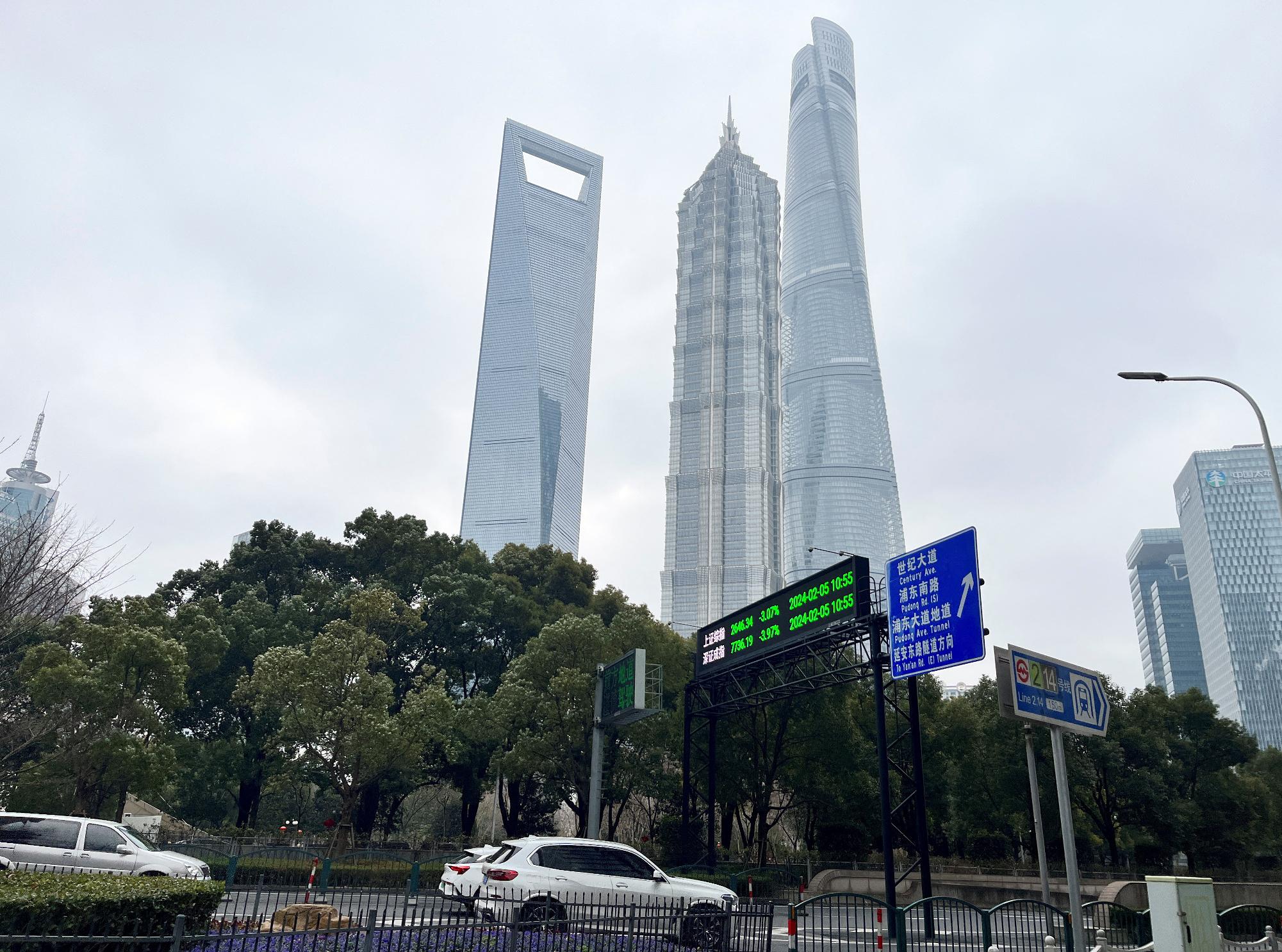
March 6 (Reuters) - A look at the day ahead in Asian markets. Maybe some of the recent exuberance was of the irrational variety. The selloff across risk assets on Tuesday will almost certainly put Asian markets on the defensive on Wednesday: Asian stocks had their worst day since January, the Nasdaq lost 1.7%, and bitcoin slumped 9% after briefly touching a new high. The regional calendar includes South Korean inflation and Australia's fourth-quarter GDP, while China's annual National People's Congress continues into its second day. But Wednesday's tone will likely be set by Tuesday's global market moves. The 'risk off' nature of Tuesday's trading was underscored by the fall in Treasury yields , opens new tab to one-month lows and gold rising for a fifth day to an all-time high of $2,141 per ounce. There were several drivers behind the selloff, including weak U.S. service sector figures, caution ahead of Fed Chair Jerome Powell's Congressional testimony on Wednesday, and a suspected arson attack at Tesla's Gigafactory in Berlin. Perhaps most alarming, however, was the report by research firm Counterpoint that Apple's iPhone sales in China fell 24% year-on-year in the first six weeks of this year, during which time domestic rival Huawei saw unit sales rise by 64%. This could fan fears of a slowdown in demand for the U.S. company, whose revenue forecast for the current quarter was $6 billion below Wall Street expectations. China, Hong Kong and Taiwan account for around a fifth of Apple's total sales. It is also a reminder of the trade tensions between the United States and China, which could intensify further if Donald Trump gets the keys to White House again and follows through on his pledge to slap huge tariffs on Chinese goods. Investors will have noted official reports in China that Beijing is targeting annual GDP growth this year of around 5% and aims to increase defence spending by 7.2%. Staying in China, struggling property developer China Vanke said it has funding in place to repay $630 million in dollar notes due next week, amid more selling pressure on its bonds as concern mounts over its liquidity. China's No.2 property developer by sales said the repayment process was "orderly". But again, this is just a reminder of the deep hole China's property sector is in. Yet Chinese stocks rose for a fifth day - the CSI 300 index of blue chips is now up 13 out of the last 15 days - and the 10-year Chinese government bond yields slid to a new all-time low. According to Reuters polls, data on Wednesday should show Australia's GDP grew at a 1.4% annual pace in the final quarter of last year, compared with 2.1% in the prior quarter, while annual inflation in South Korea inched up to 2.9% in February from 2.8%. Here are key developments that could provide more direction to markets on Wednesday: - China National People's Congress - Australia GDP (Q4) - South Korea inflation (February) (This story has been refiled to clarify events mentioned happened on Tuesday, not Wednesday, in paragraph 1) https://www.reuters.com/markets/asia/global-markets-view-asia-graphic-pix-2024-03-05/
2024-03-05 21:09
HOUSTON, March 5 (Reuters) - A possible reimposition of U.S. oil sanctions on Venezuela next month would stagnate the OPEC-member country's crude output, wiping out the small gains it has achieved in recent years, analysts said on Tuesday. Washington said in January it will allow the expiry of a temporary license it granted last year to Venezuela as part of negotiations for a fair presidential election if the government does not allow an internationally observed election with participation of a candidate chosen by the opposition. The U.S., which first imposed oil sanctions on Venezuela in 2019, in October granted the license that has allowed state oil company PDVSA to resume crude exports to some of its established customers, ease price discounts and slowly boost oil output to 783,000 barrels per day (bpd) last year, compared with 569,000 bpd in 2020. Production is expected to barely grow through 2026, declining from then on if oil sanctions are fully restored, said Francisco Monaldi, an expert on Latin American energy policy with Rice University's Baker Institute. If the temporary license is extended or granted again at least partially, that would fuel a larger increase, driving output to slightly above 1 million bpd from 2025 on, according to a forecast by consultancy Rystad Energy shown by Monaldi at a conference organized by Harvard University. "There is still room for a scenario where U.S. license 44, granted in October, is renewed at least partially if (Venezuelan President Nicolas) Maduro does the bare minimum to meet the electoral conditions set as part of the Barbados agreement," Monaldi said. It remains unclear what will happen with other authorizations granted by Washington since 2022, including to producers Chevron (CVX.N) , opens new tab, Eni (ENI.MI) , opens new tab, Repsol (REP.MC) , opens new tab and Maurel & Prom (MAUP.PA) , opens new tab. If those individual licenses remain, production might still decline but not collapse, Monaldi said. Maduro and the opposition last year signed a pact in Barbados setting conditions for a presidential election later this year. They included international observation, the withdrawal of legal bans to opposition candidates and guarantees for a transparent process. Maduro has failed to progress on most. Chevron's Vice President of Midstream Colin Parfitt told Reuters on Tuesday risks related to the license in Venezuela remain. However, the company plans to continue producing Venezuelan oil and exporting to the U.S. "as long as we have the license." Chevron does not have long-term incentives to invest in Venezuela under the current license, Parfitt added, so any production increase will remain limited by that. https://www.reuters.com/business/energy/return-us-oil-sanctions-would-clip-venezuelas-output-gains-2024-03-05/

2024-03-05 20:11
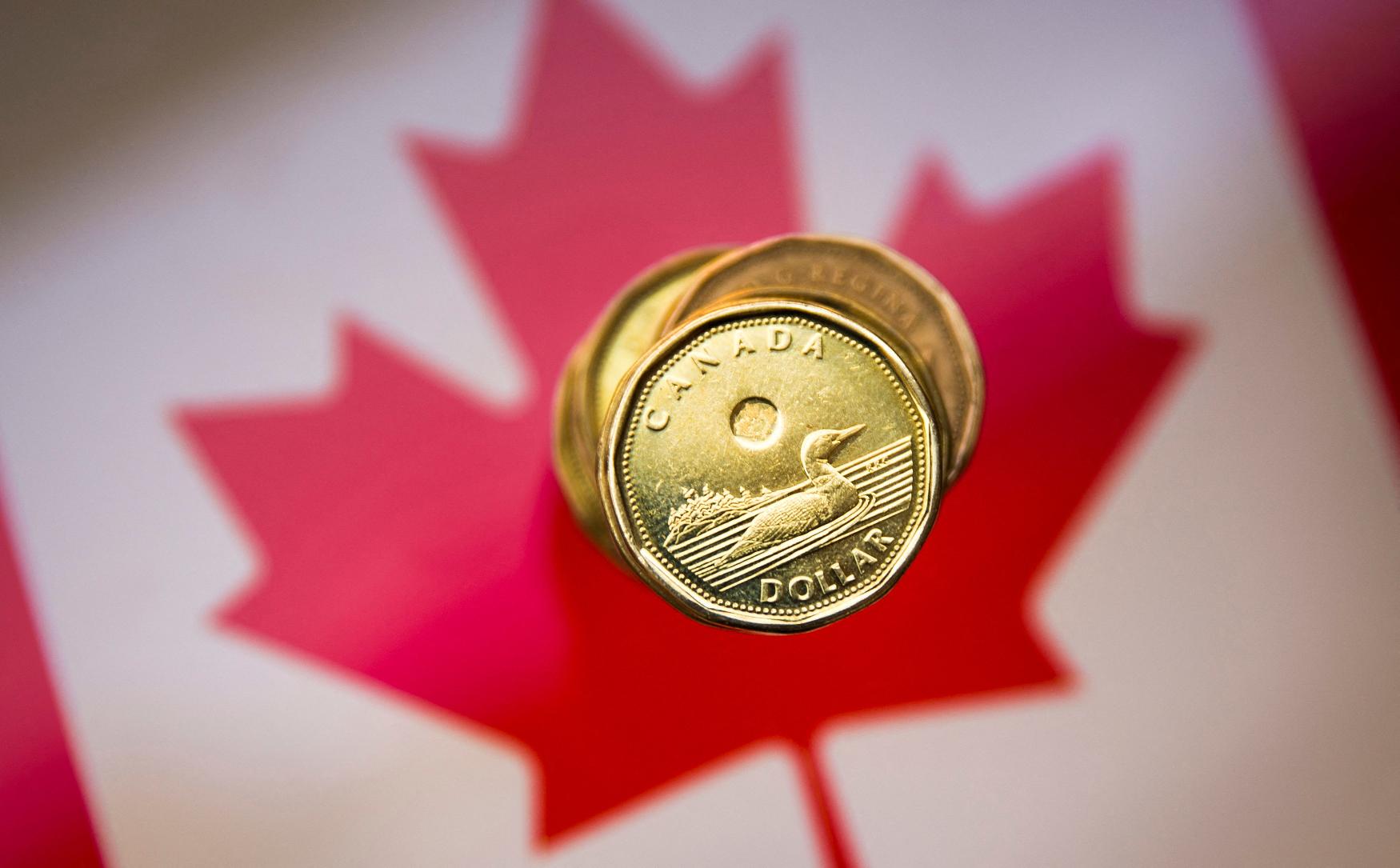
Canadian dollar falls 0.1% against the greenback Services PMI remains in contraction in February Price of U.S. oil settles 0.8% lower 10-year yield hits a one-month low TORONTO, March 5 (Reuters) - The Canadian dollar weakened against its U.S. counterpart on Tuesday as stock markets fell, but the move was limited ahead of a Bank of Canada interest rate decision this week. The loonie was trading 0.1% lower at 1.3585 to the U.S. dollar, or 73.61 U.S. cents, after trading in a range of 1.3556 to 1.3505. The currency has weakened 2.5% since the beginning of the year as the U.S. dollar notched broad-based gains against a basket of major currencies. "I find that the Canadian dollar is highly correlated to the S&P 500 and U.S. stocks are getting hit pretty hard today," Marc Chandler, chief market strategist at Bannockburn Global Forex LLC, said. Wall Street's major indexes fell, with weakness in megacap growth stocks such as Apple and Tesla weighing on the Nasdaq, while the price of oil, one of Canada's major exports, settled 0.8% lower at $78.15 a barrel. The Canadian services sector remained in contraction in February but the pace of decline eased as the prospect of interest rate cuts boosted firms' optimism in the outlook for the economy, S&P Global Canada services PMI data showed. Investors expect the BoC to leave its benchmark interest rate on hold at a 22-year high of 5% on Wednesday but to then begin an easing cycle in April or June. Still, the Canadian central bank is likely next month to raise its estimate of the neutral interest rate, a key signpost for the level that rates are headed over time, analysts say. Canadian government bond yields moved lower across the curve, tracking moves in U.S. Treasuries. The 10-year was down 8.3 basis points at 3.367% after touching its lowest intraday level since Feb. 2 at 3.337%. https://www.reuters.com/markets/currencies/canadian-dollar-edges-lower-wall-street-slides-2024-03-05/