2024-02-29 19:45
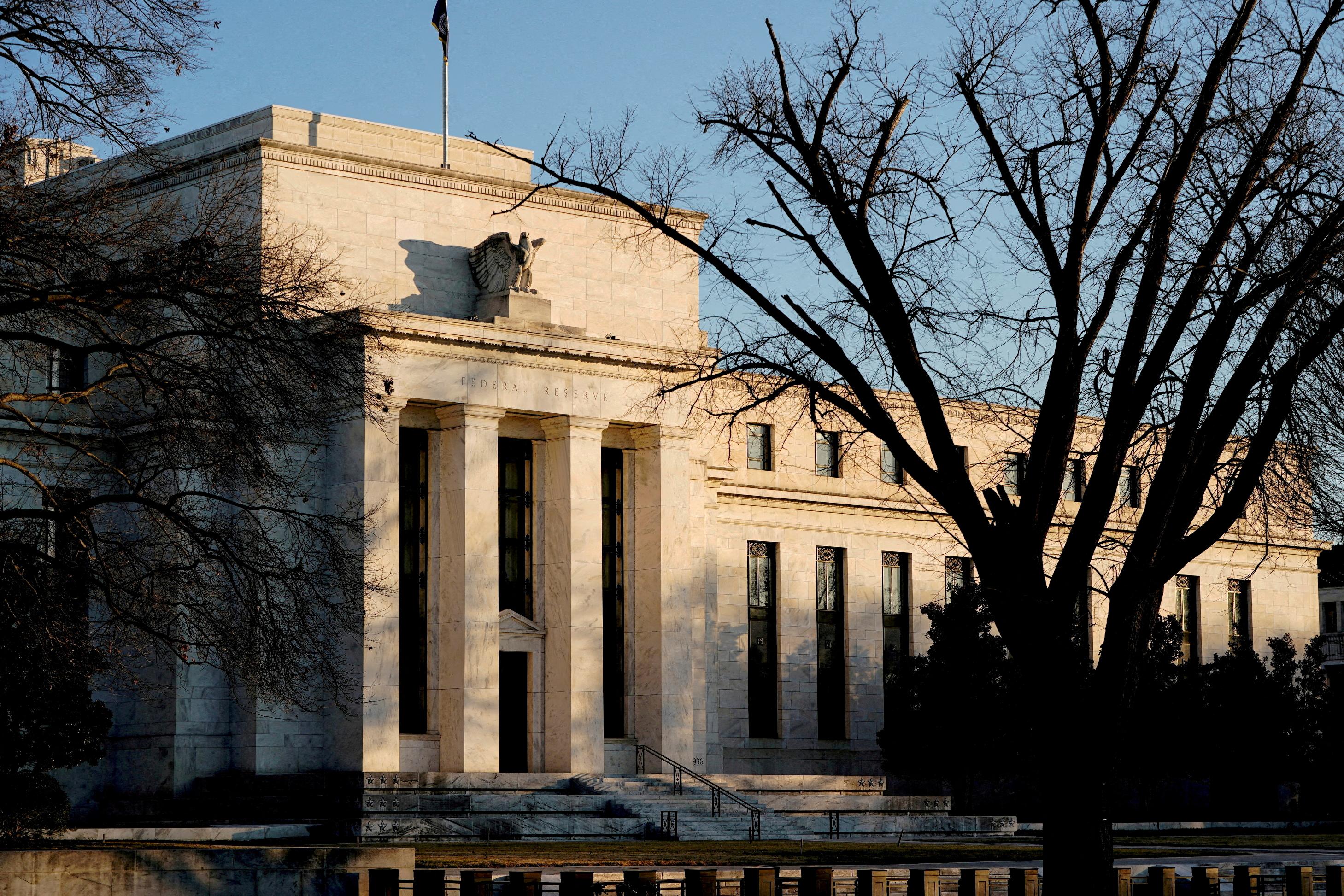
LISBON, Feb 29 (Reuters) - Portugal's largest utility EDP (EDP.LS) , opens new tab reported on Thursday a 40% jump in 2023 net profit, driven by higher hydroelectric production in Iberia and more earnings from its Brazilian business, but still missed expectations due to one-off losses. EDP-Energias de Portugal netted 950 million euros ($1.03 billion), while analysts polled by LSEG had expected, on average, a profit of 1.2 billion euros. Profit reported earlier by its wind and solar unit EDP Renovaveis (EDPR.LS) , opens new tab plunged 50% to 309 million euros as revenues fell. Earnings before interest, taxes, depreciation and amortisation (EBITDA) increased 11% to around 5 billion euros, in line with estimates. EDP said in a statement that non-recurring losses, such as impairments linked to a thermal power plant in Brazil and wind energy projects in Colombia, increased 40% to 952 million euros in 2023. Excluding one-offs, net income would have reached 1.3 billion euros, it said, "supported by the hydro production recovery in Portugal to levels in line with historical average after an extreme drought in 2022, and an increase in results from Brazil". EDP last August acquired full ownership of EDP Brasil, in which it previously held a 56% stake. The company said it would propose a dividend of 0.195 euros per share for 2023, up from 0.19 euros paid the previous year. ($1 = 0.9258 euros) https://www.reuters.com/business/energy/edps-2023-profit-rises-40-misses-forecasts-due-one-offs-2024-02-29/

2024-02-29 19:35
MADRID, Feb 29 (Reuters) - Spain's BBVA (BBVA.MC) , opens new tab will set up a new global finance unit focused on clean technologies and innovation as part of its plans to expand into sustainable business, the lender's Chairman Carlos Torres said on Thursday. He told a financial forum on sustainability that a team of around 20 bankers based in New York, London and Madrid would be created to offer loans and advice. He did not specify how much the bank would invest in the new team. "At BBVA, we are big believers in innovation as a driver to achieve decarbonization," Torres said. "Not only we invest in the funds, we are growing our structure finance team to advise and lend clients on clean tech," he said. Growing public pressure for action on climate change has spurred promises by countries and companies worldwide to contribute to the effort. In 2021, BBVA set intermediate targets to decarbonise its portfolio in several CO2-intensive industries and decided to stop financing companies engaging in coal-related activities by 2040. It has also pledged to achieve net-zero emissions by 2050, both in direct emissions and indirect emission. In 2022, BBVA raised its sustainable finance target to 300 billion euros through 2025 from a previous goal of 200 billion euros ($216.14 billion) following a global energy market crisis and mounting pressure on financial institutions to stop funding fossil fuel industries. ($1 = 0.9253 euros) https://www.reuters.com/sustainability/sustainable-finance-reporting/bbva-set-up-new-global-finance-unit-clean-technologies-2024-02-29/
2024-02-29 19:29
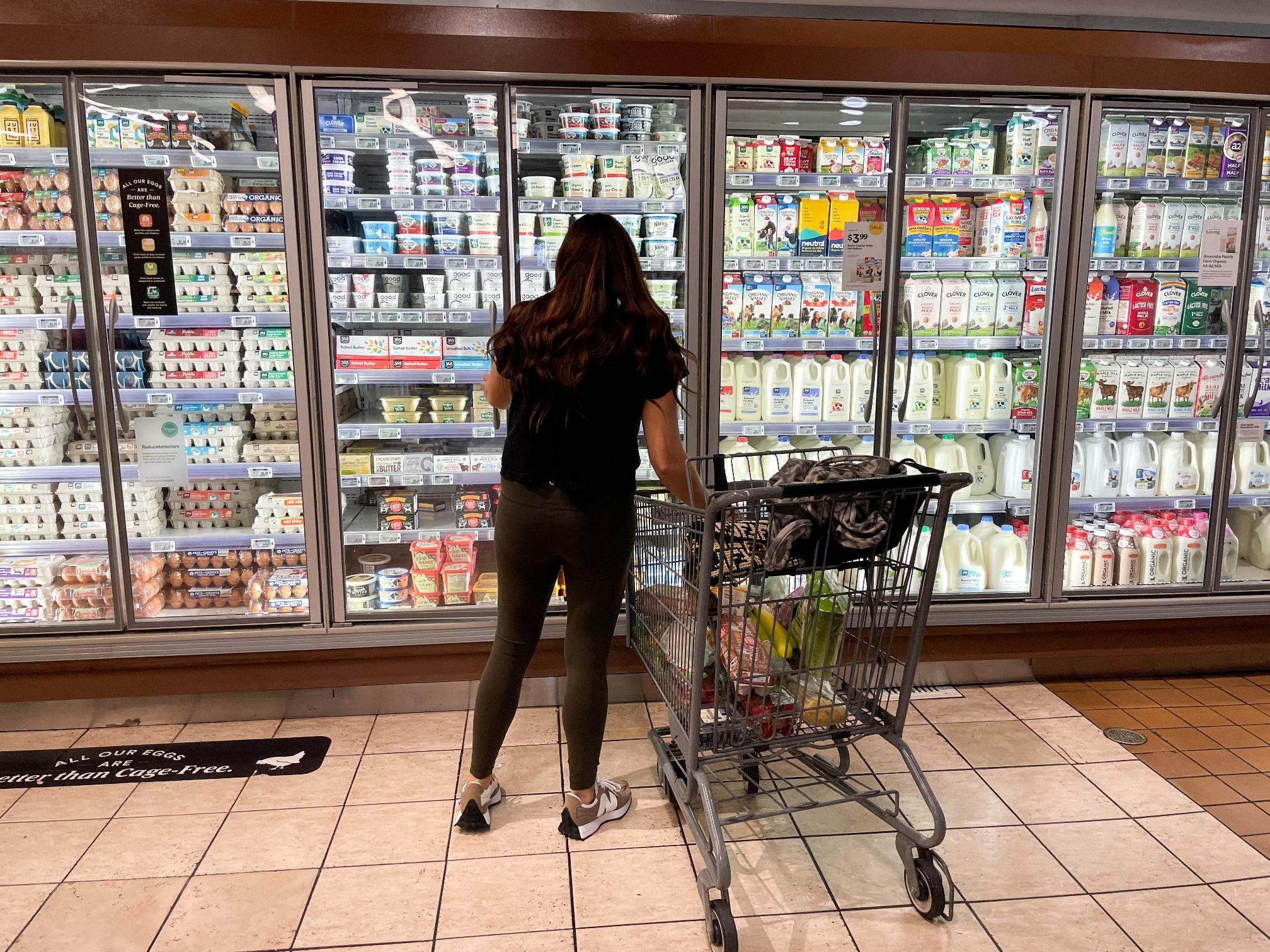
PCE price index increases 0.3% in January Core PCE price index rises 0.4%; up 2.8% year-on-year Consumer spending gains 0.2%; personal income jumps 1.0% Weekly jobless claims increase 13,000 to 215,000 WASHINGTON, Feb 29 (Reuters) - U.S. prices accelerated in January amid a surge in the costs of services like housing and finance, but the annual increase in inflation was the smallest in three years, keeping a mid-year interest rate cut from the Federal Reserve on the table. The report from the Commerce Department on Thursday also showed consumer spending slowing last month, restrained by decreases in outlays on goods, including motor vehicles, furniture and other long-lasting household equipment. The inflation and consumer spending readings were in line with economists' expectations. But with the costs of services increasing by the most in 12 months, likely as businesses raised prices at the start of the year, the timing of the first Fed rate cut remains uncertain. Most economists do not expect the price increases to repeat in February. Services, which also include healthcare, restaurants, hotels and motels as well as recreation, are at the heart of the U.S. central bank's fight against inflation. Policymakers have said they are in no rush to start lowering borrowing costs. "The economy is not going off the rails and the inflation scare in January seems unlikely to continue, so Fed officials are still likely to consider a first interest rate cut when they meet in June," said Christopher Rupkey, chief economist at FWDBONDS. The personal consumption expenditures (PCE) price index rose 0.3% last month, the Commerce Department's Bureau of Economic Analysis said. Data for December was revised lower to show the PCE price index gaining 0.1% instead of the previously reported 0.2%. Goods prices fell 0.2% as the cost of energy dropped 1.4%, offsetting a 0.5% rise in food prices. There were also decreases in the prices of motor vehicles and parts, clothing and footwear. But recreational goods and vehicles cost more, as did furnishings and household equipment. In the 12 months through January, PCE inflation rose 2.4%. That was the smallest year-on-year increase since February 2021 and followed a 2.6% advance in December. The monthly data mirrored rises last month in consumer and producer prices, which were also attributed to increases at the start of the year. Economists believe the model used by the government to strip out seasonal fluctuations from the data is probably not fully incorporating these price hikes. Excluding the volatile food and energy components, the PCE price index increased 0.4% last month. That was the largest monthly rise since last February and followed a downwardly revised 0.1% gain in December. The so-called core PCE price index was previously reported to have climbed 0.2% in December. Services prices jumped 0.6%, the most since last January, after climbing 0.3% in December. They were boosted by a 0.6% rise in the cost of housing and utilities. The cost of financial services and insurance surged 1.3%, likely reflecting higher share prices. Prices for services at restaurants, bars, hotels and motels rose, as did those for recreation and healthcare. Core inflation increased 2.8% on a year-on-year basis in January, the smallest advance since March 2021, after rising 2.9% in December. The Fed tracks the PCE price measures for its 2% inflation target. Monthly inflation readings of 0.2% over time are necessary to bring inflation back to target. Stocks on Wall Street were trading mostly higher, while the dollar fell against a basket of currencies. U.S. Treasury prices rose. CONSUMER SPENDING COOLS PCE services inflation excluding energy and housing shot up 0.6% last month, the most since March 2022, after rising 0.3% in December. The so-called super core inflation increased 3.5% on a year-on-year basis in January after rising 3.3% in December. The super core inflation has risen at a 4.1% annualized rate in the past three months. Policymakers are watching the super core measure to assess progress in their battle against inflation. Financial markets have pushed back expectations for a rate cut to June from May. Since March 2022, the U.S. central bank has raised its policy rate by 525 basis points to the current 5.25%-5.50% range. With inflation picking up, price-sensitive consumers slowed their spending last month. Consumer spending, which accounts for more than two-thirds of U.S. economic activity, rose 0.2% after increasing 0.7% in December. When adjusted for inflation, spending fell 0.1% after rising 0.6% in December. This suggests that consumer spending moderated early in the first quarter after helping to power economic growth in the fourth quarter of 2023. Spending remains supported by a still-tight labor market, though there are signs it is taking a bit longer for people who are unemployed to find new jobs. A separate report from the Labor Department on Thursday showed initial claims for state unemployment benefits increased 13,000 to a seasonally adjusted 215,000 for the week ended Feb 24. The number of people receiving benefits after an initial week of aid, a proxy for hiring, increased 45,000 to 1.905 million during the week ended Feb. 17. The so-called continuing claims data covered the period during which the government surveyed households for February's unemployment rate. Continuing claims rose between the January and February survey weeks, suggesting the unemployment rate could rise this month from 3.7% in January. A Conference Board survey on Tuesday showed consumers less upbeat about the jobs market in February. For now, the labor market is supporting wages, which rose 0.4% in January, contributing to the 1.0% jump in personal income. That was the largest increase in a year and followed a 0.3% gain in December. Income was boosted by a 3.2% cost-of-living adjustment for Social Security recipients and a special dividend paid by Costco Wholesale Corp. But a sharp increase in taxes combined with inflation left income at the disposal of households unchanged after a 0.3% rise in December. With income outpacing spending, the saving rate rose to 3.8% from 3.7% in December. "Consumer spending will continue to gradually increase over the course of 2024, although at a slower pace than in 2023 as job and wage gains soften," said Gus Faucher, chief economist at PNC Financial. "The economic expansion should continue throughout this year and into next." https://www.reuters.com/markets/us/us-inflation-increases-line-with-expectations-january-2024-02-29/
2024-02-29 19:22
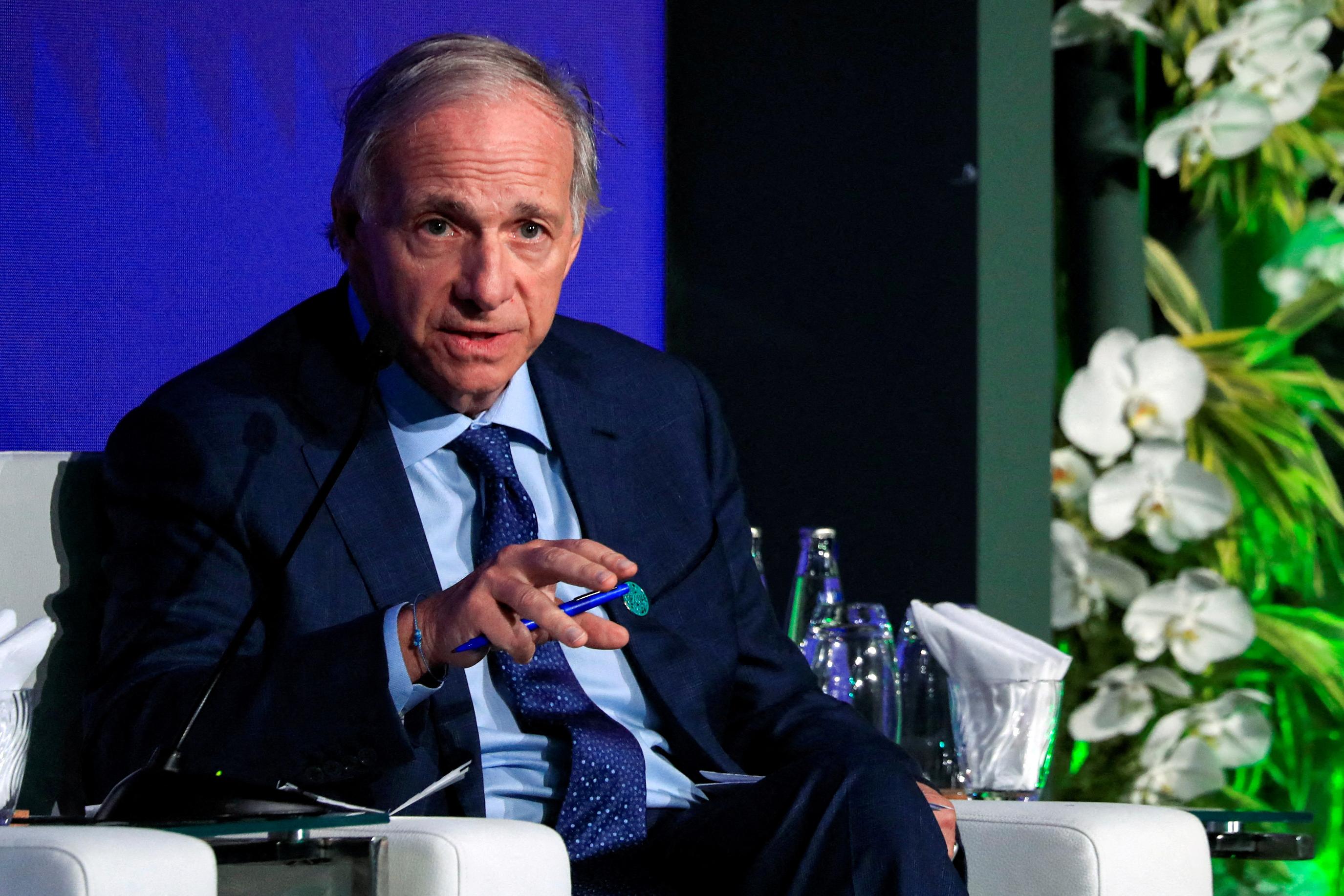
NEW YORK, Feb 29 (Reuters) - Billionaire Ray Dalio, founder of hedge fund Bridgewater Associates, said the Magnificent Seven stocks are a "bit frothy but not in a full-on bubble," with Alphabet (GOOGL.O) , opens new tab and Meta Platforms (META.O) , opens new tab still "somewhat cheap" and Tesla (TSLA.O) , opens new tab "somewhat expensive." Dalio made the comments in an analysis , opens new tab of the U.S. stock market he posted on LinkedIn on Thursday aimed to determine if there is a price bubble amid a persistent stocks rally. The Magnificent Seven group - comprised of Google-parent Alphabet, Facebook-parent Meta, Amazon.com (AMZN.O) , opens new tab, Nvidia (NVDA.O) , opens new tab, Microsoft (MSFT.O) , opens new tab, Apple (AAPL.O) , opens new tab and Tesla - has rallied over 80% since January last year. Dalio concluded that the U.S. stock market as a whole "doesn't look very bubbly," taking into consideration a proprietary formula which includes items such as current prices, new buyers, bullish sentiment and leverage. "These levels are not consistent with past bubbles," the chief investment officer mentor wrote. "Our readings suggest that, while equities may have rallied meaningfully, we’re unlikely to be in a bubble." The Magnificent Seven's market capitalization has mostly grown in line with earnings, he wrote. Still, Dalio said his confidence for the Magnificent Seven is lower because there is uncertainty about the impact artificial intelligence will have. https://www.reuters.com/markets/us/bridgewater-founder-dalio-calls-magnificent-seven-bit-frothy-2024-02-29/
2024-02-29 18:43
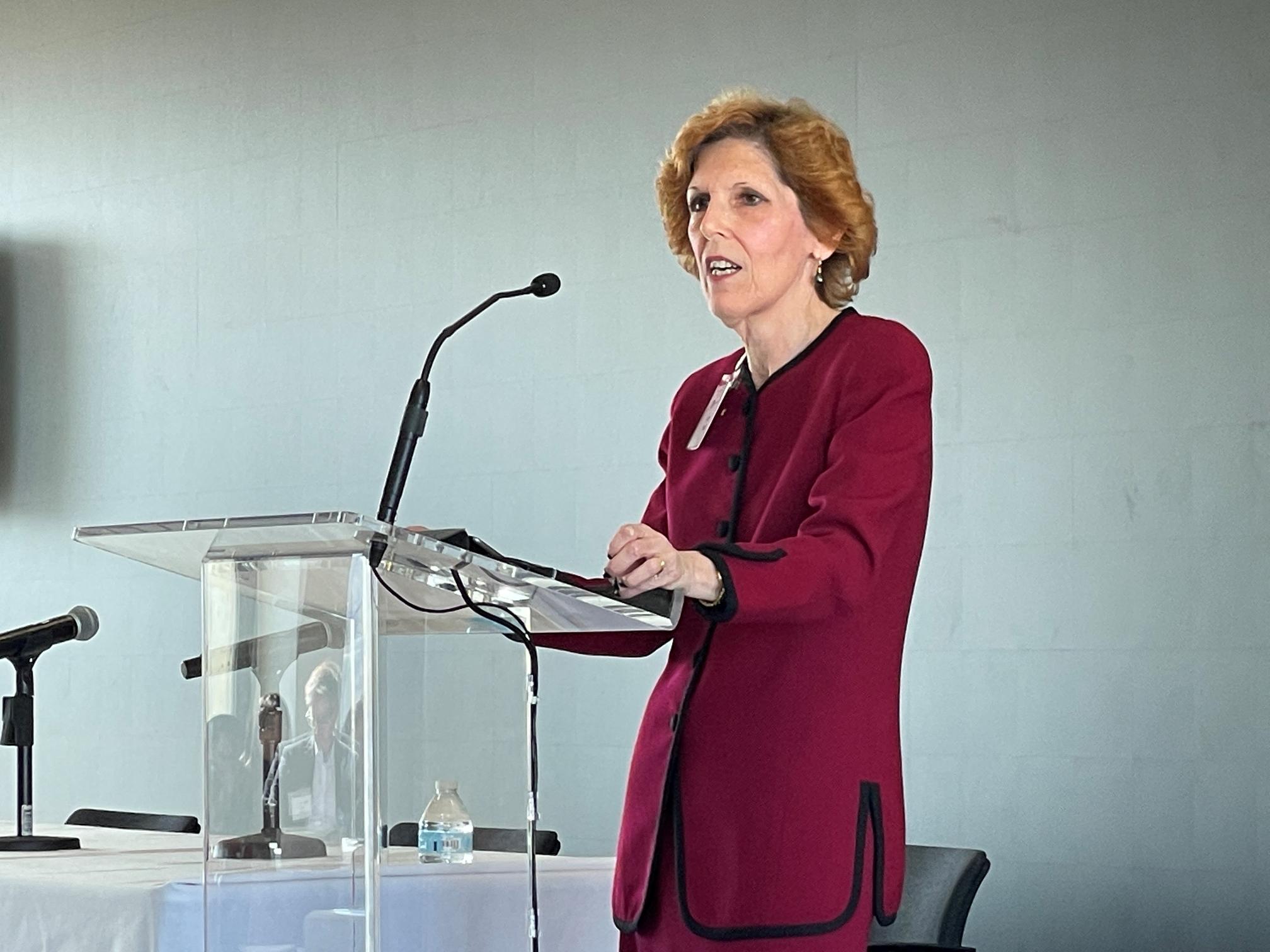
NEW YORK, Feb 29 (Reuters) - Federal Reserve Bank of Cleveland President Loretta Mester said Thursday she favors taking more concrete steps to make sure banks are ready to use a central bank liquidity facility aimed at helping the financial institutions in times of stress. Speaking at an event at Columbia University, Mester, as part of remarks that looked broadly at the financial system and how regulators can bolster its safety, flagged some potential reforms of the Discount Window, the Fed’s long-standing tool to provide banks fast liquidity. Mester said while the Fed has been encouraging banks to make sure they have needed liquidity agreements and collateral in place to access the Discount Window, and have tested the ability to tap the facility, doing all of this should potentially be required. “Testing at this time is not mandatory, but I support requiring such testing as part of sound liquidity management,” Mester said in her prepared remarks. “It is also worth considering requiring banks to pre-position collateral at the window in proportion to their short-term runnable funding, including uninsured deposits, so they would be ready to borrow at the discount window should that funding start to run.” Mester’s prepared remarks did not address monetary policy or the economic outlook. The Discount Window has long faced challenges and many banks shy away from using it because they fear tapping it will signal to other financial institutions they are in trouble. The Fed has tried to overcome this stigma but has struggled to do so. When banks ran into stress a year ago, the Fed augmented its ability to provide lifelines to banks with a new lending tool called the Bank Term Funding Program. The facility, which shuts down in March, has been heavily used, while the Discount Window has, outside of a burst of lending, been largely on the sidelines. Mester also said possible changes that could curtail how banks can borrow from the Federal Home Loan Banks could curtail a key liquidity source and drive banks toward more risky funding sources, which in turn increases the risk of liquidity troubles in times of stress. "This increases the need for banks to be prepared to use the discount window as a source of contingency funding," the official said. https://www.reuters.com/markets/us/feds-mester-said-banks-discount-window-access-needs-tweaks-2024-02-29/
2024-02-29 18:17
Feb 29 (Reuters) - Chicago Federal Reserve Bank President Austan Goolsbee on Thursday said he believes last year's improvements in the supply of goods and labor set the stage for further declines in U.S. inflation this year, a signal he remains on board for interest-rate cuts later this year. "Rates are pretty restrictive," Goolsbee said in an event sponsored by Princeton University. "The question is, how long to remain this restrictive." Goolsbee did not give an answer to that question. But if inflation continues to come down, he said, the Fed's policy rate, now at 5.25%-5.5%, will become increasingly restrictive in "real" terms even if it is held steady. "Eventually," he added, that could hurt the labor market, which has so far stayed strong despite the Fed's aggressive rate hikes in 2022-2023. Goolsbee said he feels there is still scope for the U.S. economy this year to continue on what he has dubbed the "golden path" of falling inflation alongside a robust labor market and economic growth, a historically unusual pattern. Repairs to the pandemic-damaged supply chain and a boost in immigration that lifted U.S. labor force participation helped push inflation down substantially last year, and some analysts have said they think those positive developments have run their course. Goolsbee disagreed. Research suggests that even if the labor supply does not continue to improve as it did last year, the lagged effect of that increase in pushing down inflation is likely still ahead, he said. "I still feel like there is supply benefit coming through the system on both the supply chain, and the impact of labor supply," Goolsbee said, adding he would be "careful" about extrapolating from a government report showing inflation accelerated in January. He repeated that he finds it a "puzzle" why housing inflation has not improved more than it has, given the decline in rents, and is watching that data closely. https://www.reuters.com/markets/us/feds-goolsbee-policy-restrictive-more-disinflation-likely-2024-02-29/