2024-02-29 06:04
Feb 29 (Reuters) - Impala Platinum (IMPJ.J) , opens new tab may consider closing some loss-making mining shafts in South Africa if metal prices deteriorate further and efforts to restructure some operations don't improve its margins, CEO Nico Muller said. The Johannesburg-based platinum-group metals producer scrapped an interim dividend and postponed spending on various projects to save about 10 billion rand ($519.48 million) following a 78% slump in half-year profit. Impala said it was restructuring its Canadian palladium operations, whose life has been shortened to two to four years from 7 years, and will postpone planned spending at various projects in South Africa and units in Zimbabwe. About 3% of the company's workforce of 69,936 left the company due to natural attrition since June last year and further job reductions may be considered if metal prices don't improve, Muller said. The decisions to mothball loss-making operations could be made within the next six months, the CEO said. If ongoing restructuring and cost cuts isn't sufficient "you have got no option but to consider either (placing mines on) care and maintenance or suspension of operations," Muller said. Prices of platinum, mostly used by automakers to curb toxic emissions from petroleum-powered engines, have fallen. South African producers attribute the slump in demand to weaker economic growth in China as well as destocking by manufacturing who build up stocks during Russia's invasion of Ukraine. Impala's South African peers Anglo American Platinum (AMSJ.J) , opens new tab said it plans to cut about 3,700 jobs and has also halted spending on projects after its profit last year plunged by 71%. Sibanye Stillwater (SSWJ.J) , opens new tab, which already cut some jobs at its platinum mines, said its 2023 income may plunge by 91%. The price of palladium declined by 37% last year after surging to more than $3,400 an ounce after Russia's invasion of Ukraine. Rhodium, which soared to almost $30,000 an ounce in 2021, is trading at around $4,000 an ounce. Impala said most of savings over the next five years would come from projects that are being postponed at its Zimplats and Mimosa units in Zimbabwe, Marula and Styldrift operations in South Africa. During previous cycles of lower prices, platinum mining CEOs have been slow to make decisions to cut spending and reduce output, Muller said. This time around loss-making operations would require that the company take some rapid responses, he said. "I don't think that we've got the luxury of taking two years to make these decisions,"Muller said. ($1 = 19.2367 rand) ($1 = 19.2500 rand) https://www.reuters.com/markets/commodities/platinum-giant-impala-restructures-palladium-mines-cuts-spending-profit-slumps-2024-02-29/

2024-02-29 05:59
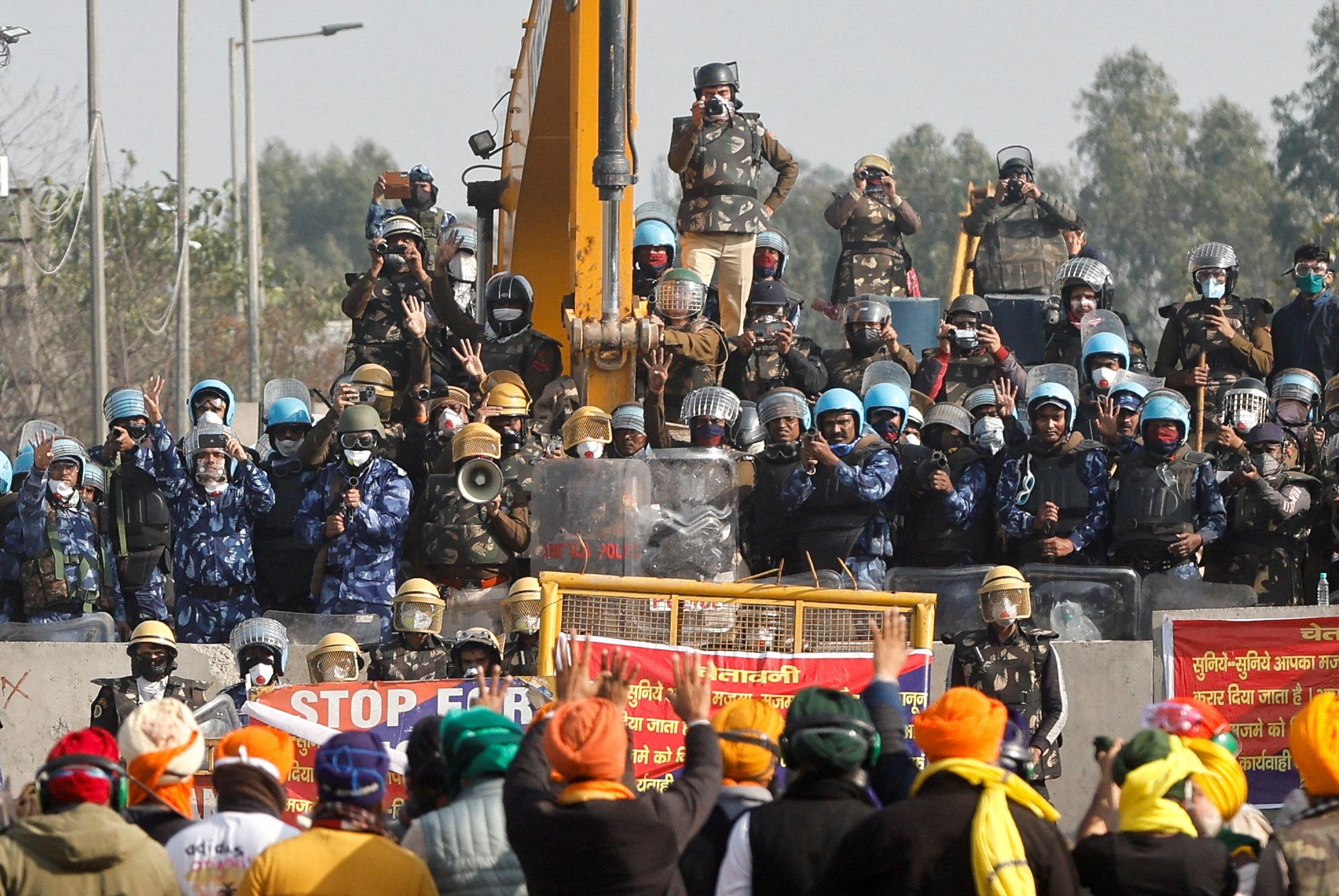
Farmers seek legal guarantee for minimum purchase price Series of export curbs, cheaper imports hit farm income Sluggish farm exports, rising debt indicate deepening crisis Modi likely to get rare third term despite farm protests SHAMBHU, India, Feb 29 (Reuters) - When India's powerful Prime Minister Narendra Modi agreed in 2021 to repeal three farm laws aimed at overhauling the antiquated agriculture sector, he seemed to have won over farmers who had been protesting for over 12 months. But just over two years later, farmers are on the warpath again in the politically sensitive north of the world's most populous nation, seeking legal guarantees for a minimum purchase price for all crops. The protest comes just months before a general election due by May. Although the farmers' protest is confined to the breadbasket state of Punjab for now, their complaints of falling incomes resonate more widely, highlighting a perception in India's huge rural hinterland that Modi and the ruling Bharatiya Janata Party (BJP) have done too little to support the farming community and raise living standards. Over 40% of India's 1.4 billion people are dependent on agriculture and many say they have suffered economically under Modi at the expense of their urban counterparts. While pollsters say Modi's image as a strong no-nonsense leader and his muscular brand of majoritarian Hindu nationalism will almost certainly give him a rare third term in office, the discontent of farmers will be a headache for years to come. "Since India has failed to move people out of agriculture, unlike most Asian countries, income levels have dropped, and that is why the anger is spilling over," said Uday Chandra, assistant professor of government at Georgetown University in Qatar. "The current protest will not harm the BJP in elections, but Modi has a really serious issue to deal with in his next term in office." The protest began earlier this month with hundreds of farmers in Punjab setting out to take their campaign to the capital, Delhi. They were blocked by police and paramilitary troops at Shambhu, at the border with neighbouring Haryana state, about 200 km (125 miles) from the capital. Authorities set up concrete and barbed wire barricades and laid out rows of metal spikes on the highway to block the farmers' caravan of tractors and trucks. Clashes between farmers and security forces with repeated cane charges and tear gas grenades dropped by drones have played on television screens for several days. The farmers say at least one protester has died in the clashes while dozens have been injured on both sides. "Modi has failed to keep his promises, and I am not going back to my fields until our demands are accepted," said Satpal Singh, a farmer from Punjab, wearing a green turban and standing next to his tractor near the Shambhu border. Singh and other farmers say Modi has ignored a 2016 promise to double their incomes by 2022. Instead, a series of export curbs on wheat, sugar, onion and most rice grades - designed to keep consumer prices under control - has deprived them of access to global markets and more remunerative prices. READY FOR THE LONG HAUL India's beleaguered opposition parties, searching for a narrative to counter Modi and dent his carefully cultivated strong-man image, have rallied behind the protesting farmers. Before the march began, Singh, also a member of the opposition Congress party's farmers' wing, pooled 600,000 rupees ($7,240) from his fellow growers to buy medicine and gas masks, anticipating they would have to brave tear gas shells from the security forces. The farmers have converted their tractors and trailers into makeshift homes by covering them with tents and tarpaulin sheets and set up community kitchens that are supplied with vegetables and wheat flour from nearby villages. "We have not been able to defeat Modi, but we have created some disruption for the right reason," said Sukhpal Khaira, a farmer and a senior leader of the Congress in Punjab. Farmers and opposition leaders say they expect the protest to spread beyond Punjab, just like the 2020/21 movement, believing it would take the shine off Modi's popularity. The government has held several rounds of talks hoping to placate the farmers, but so far to no avail. Voters know that Modi's government is committed to helping the poor, and it is making every effort to address farmers' concerns, said Shehzad Poonawalla, a national spokesperson for the BJP. CRISIS IN THE COUNTRYSIDE Although the protest is mainly confined to Punjab, farmers from other parts of the country have also cited falling incomes, exacerbated by export curbs, and cheaper imports as signs of a deepening crisis in the countryside. "Just before harvesting, the government banned onion exports, and prices crashed to 8 rupees a kg from 40 rupees. How do we recover our production costs?" asked farmer Jagannath Ghorpade, who had planted the crop on a two-acre plot in Nashik, in the west of the country. A sharp reduction in an import tax on edible oils, to 5.5%from 30% in 2021, has led to record vegetable oil imports, has dampened local prices of oilseeds such as soybean and rapeseed, other farmers in western India have said. Currently the government offers minimum purchase prices only for wheat and rice but here too, there have only been relatively modest increases, said Devinder Sharma, an independent farm and food policy expert. During the ten years of Modi's rule, government-fixed minimum purchase prices for rice and wheat rose 67% and 63% versus 138% and 122% over the previous decade, government data showed. The farm sector, which accounts for around 15% of India's $3.7 trillion economy, has grown at an average of around 3.5% a year in the last nine years, compared to over 6% growth in manufacturing and services. Farm lending has gone up by three times during the last nine years to nearly 20 trillion rupees, according to the central bank. More than half of India's 93 million farm households are in deep debt, with an average of a 74,121 rupees loan for each of the households, according to government estimates. The pace of growth in real rural wages was around 1% in 2023 after contracting nearly 3% in the previous two years, according to ICRA, the Indian arm of rating agency Moody's, while average salaries in urban areas have been going up by nearly 10% a year. "The disparity between urban and rural India has widened in recent years, and that imbalance will only get wider if the government does not address the crisis in agriculture," said Arun Kumar, a former economics professor at Delhi's Jawaharlal Nehru University. "India's policymakers will have to work on a series of measures to ensure that farming becomes viable and rural incomes go up." https://www.reuters.com/world/india/indias-farmer-protest-fuels-opposition-hopes-denting-modis-appeal-2024-02-29/
2024-02-29 05:51
Draft heads to cabinet for approval next month, minister says Misuse of cannabis seen having negative impact on children Industry is projected to be worth $1.2 bln by next year BANGKOK, Feb 29 (Reuters) - Thailand will ban recreational use of marijuana by the end of this year but continue to allow its use for medical purposes, the health minister told Reuters in an interview. After Thailand became the first country in Southeast Asia to free up medicinal use in 2018, and then recreational use in 2022, tens of thousands of cannabis shops have sprung up in an industry projected to be worth up to $1.2 billion by next year. Critics say piecemeal rules were rushed out and adopted within a week of decriminalisation, and the government has drafted a new law to regulate cannabis use that is expected to take effect by year-end. The draft bill will go to cabinet for approval next month before heading to parliament to be passed before the end of the year, Health Minister Cholnan Srikaew said. "Without the law to regulate cannabis it will be misused," Cholnan said on Wednesday, referring to recreational use. "The misuse of cannabis has a negative impact on Thai children," he added. "In the long run it could lead to other drugs." The previous government had failed to push legislation through parliament before the general election of last May, leaving Thailand without an umbrella law to regulate its use. Cannabis shops that operate illegally will not be allow to continue, while home-grown cannabis will also be discouraged, added Cholnan, who put the number of legally registered shops at 20,000. "In the new law, cannabis will be a controlled plant, so growing it would require permission," he said. "We will support (cannabis cultivation) for the medical and health industry." The draft law specifies a fine of up to 60,000 baht ($1,700) for recreational use, while those selling cannabis for such use and participating in advertisement or marketing of buds, resin, extract or smoking devices face jail terms of up to a year, or a fine of up to 100,000 baht ($2,800) or both. It also toughens punishment for cannabis farming without a licence, with jail terms ranging from one to three years and fines from 20,000 baht ($560) to 300,000 baht ($8,000). Import, export, cultivation and commercial use of cannabis will also require permits now, the minister added. The government, recognising the economic benefit of the cannabis industry, would give businesses time to adjust to the new regulation, Cholnan said. Such shops could operate until their licences expire and convert to legal cannabis clinics if they follow the new rules, Cholnan said, adding that the new regulation would have no impact on tourism. https://www.reuters.com/world/asia-pacific/thailand-ban-recreational-cannabis-use-by-year-end-says-health-minister-2024-02-29/

2024-02-29 05:41
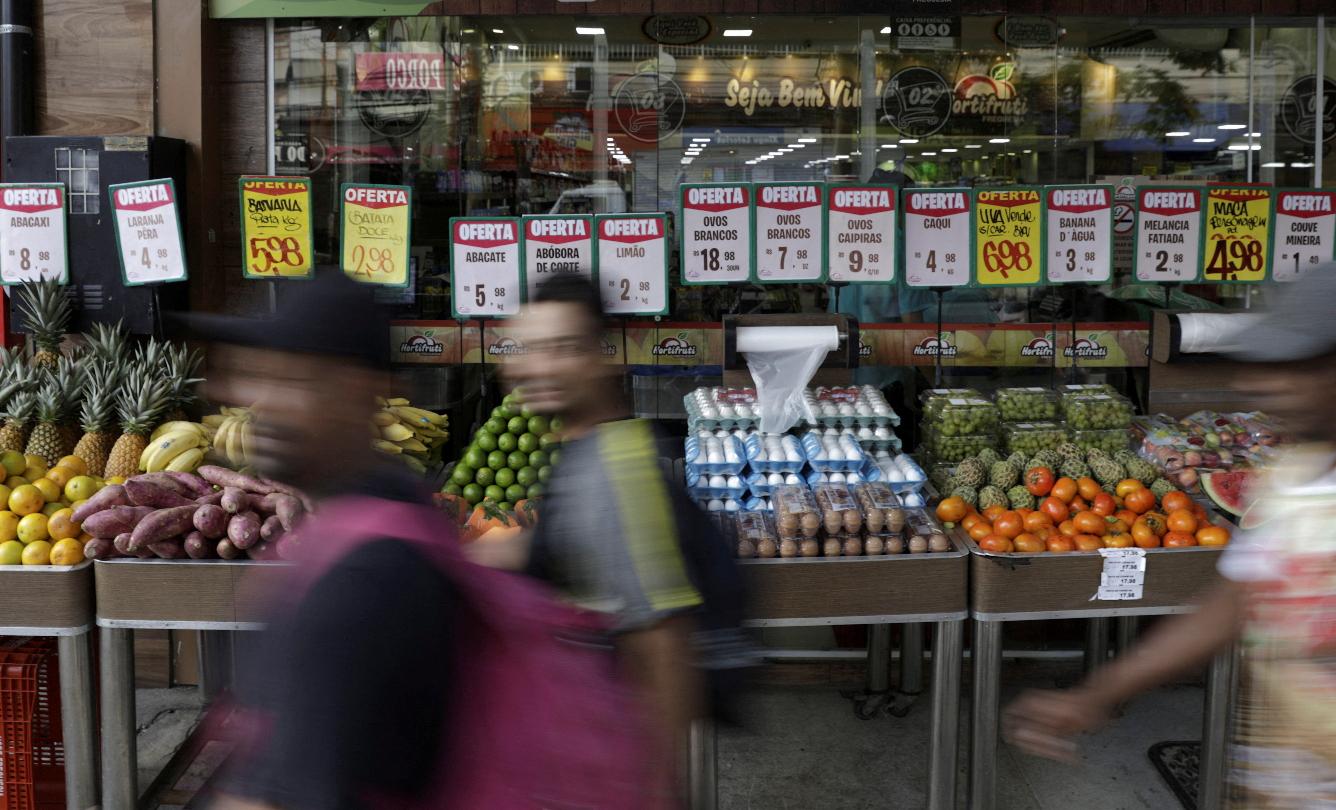
A look at the day ahead in European and global markets from Kevin Buckland European investors are due for a super-sized helping of inflation data, with a side of bitcoin, on a day when Asian equities offered few trading cues and currencies were stable - with the notable exception of the Japanese yen. The menu includes CPI figures from across the German states, France and Spain, ahead of euro area figures due on Friday. In between is the main course: the U.S. Federal Reserve's preferred measure of consumer prices, the PCE deflator. Rates bets were on the move on Thursday, but not for Europe or the U.S., where over the first two months of this year, traders have already aggressively paired back expectations on how soon interest rate cuts will come. Instead, Bank of Japan board member Hajime Takata turbo-charged the yen with a speech expounding the need to overhaul ultra-easy stimulus settings, sending the currency soaring some 0.7% to push through the closely watched 150 level for the first time in more than a week. Most other markets were content to sit tight ahead of the key data, with a modicum of calm even returning to bitcoin after its three-day, 24% rocket ride to a more than two-year peak at $63,933. Japanese and Chinese equities went opposite directions, with the Nikkei continuing to cool following its surge to an all-time high, while the CSI 300 bounced back from the prior day's losses to again sit close to three-month highs ahead of the annual session of the National People's Congress next week, when growth targets will be set and a stimulus path charted. In another Asian development that might interest global investors in Thailand's tourist industry, the country plans to this year roll back trailblazing legislation from 2022 that made recreational marijuana legal. Key developments that could influence markets on Thursday: -German states, France, Spain CPI (Feb) -France, Switzerland, Sweden GDP -U.S. PCE deflator (Jan) https://www.reuters.com/markets/europe/global-markets-view-europe-2024-02-29/
2024-02-29 04:43
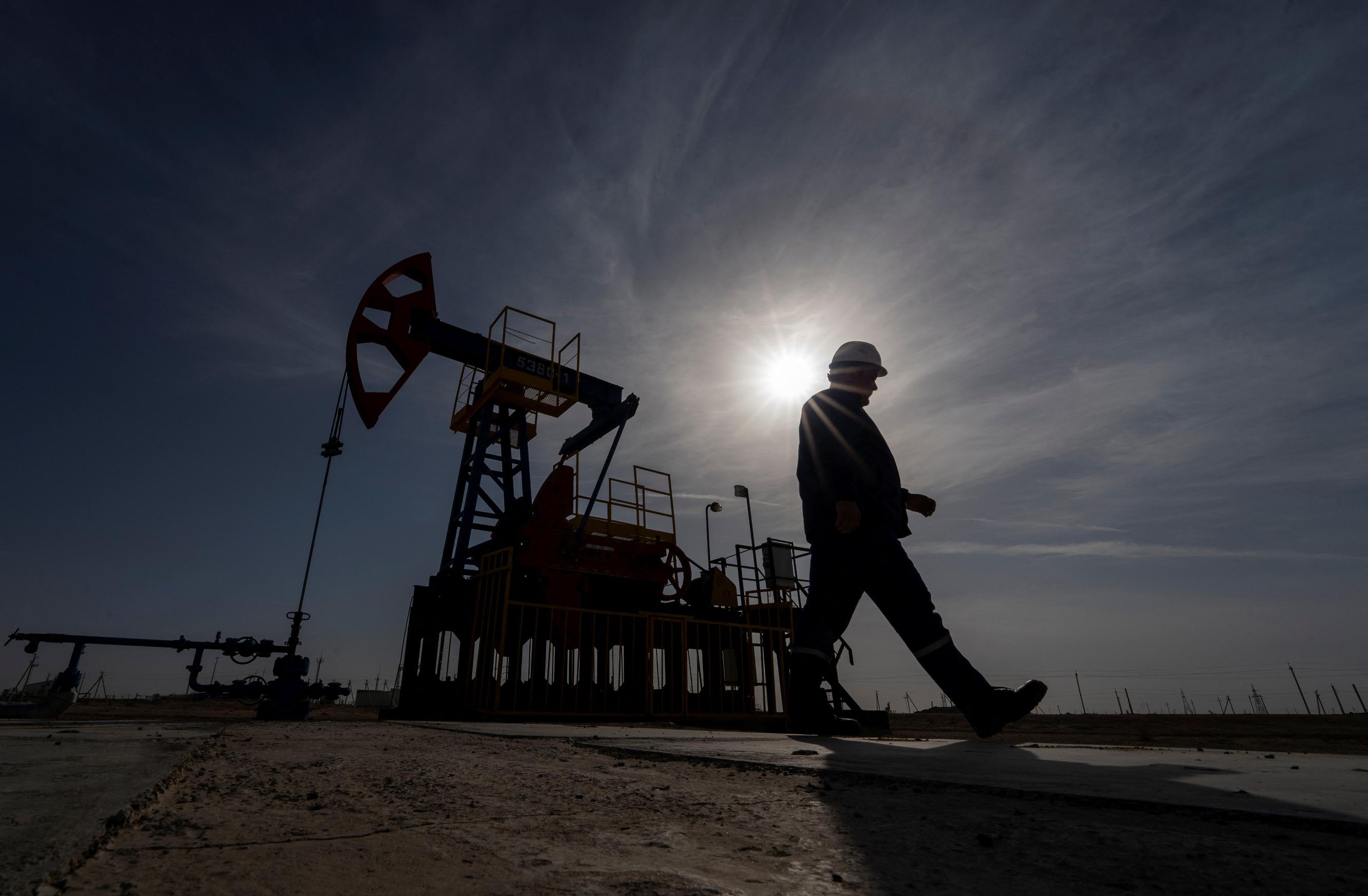
Biden says deadly incident will complicate Gaza ceasefire US inflation increases in line with expectations in January Reuters survey: OPEC Feb. oil output likely rose by 90,000 bpd POLL-Oil prices expected to remain tethered near $80 a barrel NEW YORK, Feb 29 (Reuters) - Oil prices edged lower on Thursday as U.S. inflation data implied a softening of the world's biggest economy that could weaken crude demand, with rising OPEC production also weighing on prices. Brent futures for April delivery settled at $83.62 a barrel, down 6 cents. U.S. crude settled at $78.26 a barrel, losing 28 cents. The Federal Reserve's preferred inflation gauge, the U.S. personal consumption expenditures (PCE) index, showed January inflation in line with economists' expectations, keeping a June interest rate cut on the table. "The economic data, which is mixed, is helping to argue for interest rate cuts for the Fed, which is supportive of oil demand," said John Kilduff, partner with Again Capital LLC. "At the same time, those cuts are going to come because the economy is slowing and that impacts oil demand." Reports on consumer and producer prices earlier in February signalled sticky inflation and a guarded approach from Fed policymakers, which prompted investors to push back expectations of rate cuts to June from March. Euro zone inflation dipped further this month, strengthening the case for the European Central Bank to start easing interest rates later this year, data from some of the region's biggest economies showed. High interest rates have served many major Western economies to curb inflation, potentially reducing economic growth and oil demand. On the supply side, crude inventories in the U.S., the world's top producer, have risen for a fifth consecutive week, increasing by 4.2 million barrels, official data showed on Wednesday, exceeding forecasts of a 2.7 million-barrel build. . An extension to voluntary oil output cuts from the OPEC+ producer group was also on the table. "With the demand outlook remaining uncertain, we think OPEC will extend the current supply agreement to the end of the second quarter," ANZ analysts said in a note. A Reuters survey showed the Organization of the Petroleum Exporting Countries (OPEC) pumped 26.42 million barrels per day (bpd) this month, up 90,000 bpd from January, the survey found. Libyan output rose month-on-month by 150,000 bpd. Meanwhile, global benchmark Brent has hovered comfortably above the $80 mark for three weeks, with the Middle East conflict having only a modest impact on crude flows. However, the conflict shows few signs of abating, with both Israel and Hamas playing down prospects for a truce in their war in Gaza. Qatari mediators have said the most contentious issues remain unresolved. President Joe Biden said the U.S. was checking reports of Israeli troops firing on people waiting for food aid in Gaza and that he believed the deadly incident will complicate talks on a ceasefire. A Reuters survey of 40 economists and analysts forecast an average price of $81.13 a barrel for the front-month contract this year. https://www.reuters.com/business/energy/oil-prices-ease-us-crude-stock-build-fuels-demand-fears-2024-02-29/
2024-02-29 02:48
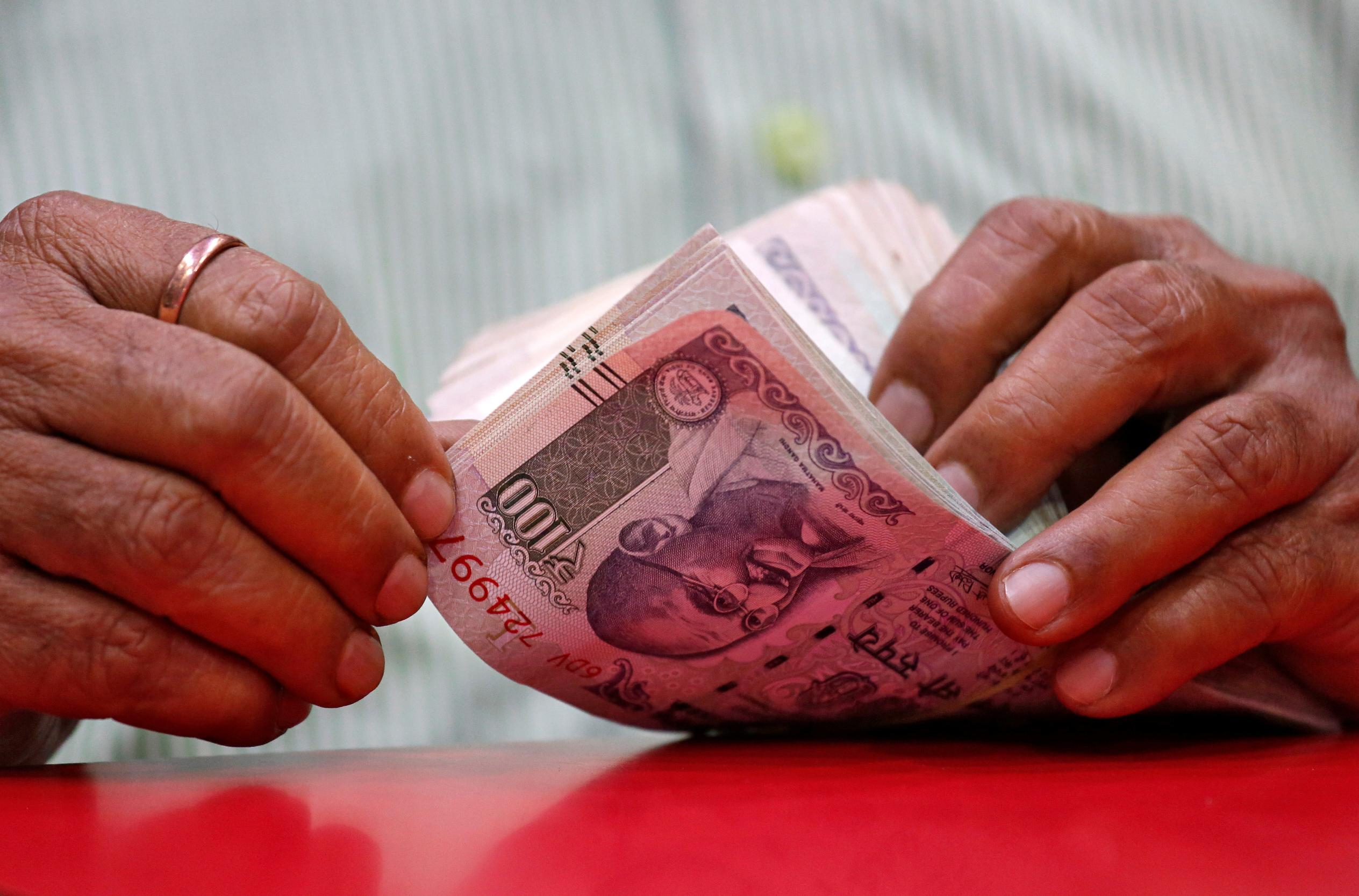
MUMBAI, Feb 29 (Reuters) - The Indian rupee is expected to have a quiet day on Thursday, as traders await a U.S. inflation reading that will be important in guiding expectations on when the Federal Reserve will cut interest rates. Non-deliverable forwards indicate the rupee will open marginally higher to the U.S. dollar from 82.9225 in the previous session. The rupee's intraday range in each of the last three sessions has been less than six paisa. It "will again be a nothing kind of a day without any direction", a FX trader at a bank said. While the Reserve Bank of India "has made it abundantly obvious" that it does not want rupee to appreciate much, the only "prevalent" trade is to sell USD/INR on upticks, he said. The central bank has likely been mopping up inflows over the last few days, particularly late in the session, according to traders. Volumes in the last few minutes have been much higher than usual. Asian currencies were mixed while the dollar index was little changed in the lead up to the U.S. core personal consumption expenditures inflation print. The data will draw extra interest following the higher U.S. January consumer inflation reading. Morgan Stanley is forecasting core PCE inflation for January at 0.43% month-on-month against 0.17% in December and headline at 0.36% versus 0.17%. "A data release in line with our forecast would put the 3-month annualized pace in core PCE at 2.7% in January after 1.5% in Dec-23," it said in a note. "The acceleration is consistent with our expectation of a bumpy inflation path ahead, which should make the Fed delay a first cut to June." Investors have already fully priced out a Fed rate cut in March and see only a small possibility of a reduction in May. Odds of a June rate cut are at near 50%. KEY INDICATORS: ** One-month non-deliverable rupee forward at 82.99 ** Dollar index at 103.90 ** Brent crude futures at $83.62 ** Ten-year U.S. note yield at 4.28% ** As per NSDL data, foreign investors bought $284 million of Indian shares on Feb. 27 ** NSDL data shows foreign investors bought $142 million of Indian bonds on Feb. 27 https://www.reuters.com/markets/currencies/rupee-awaits-key-us-inflation-data-bias-upside-2024-02-29/