2024-02-28 20:44
Feb 28 (Reuters) - Coinbase Global (COIN.O) , opens new tab said on Wednesday that all services on its website have been restored after an issue earlier in the day caused some users to see zero balance across their accounts. "Very few customers may still see an inaccurate balance on their account. Our team is working on resolving this display issue for these users," the crypto exchange added in a post on social media platform X. Earlier in the day, Coinbase assured customers that it was seeing an improvement in trading and their funds were safe. The outage comes after bitcoin hit $60,000 on Wednesday for the first time in more than two years, as a flurry of capital into new U.S. spot bitcoin exchange-traded products fuelled a price rally in February. Traders have poured into bitcoin ahead of April's halving event - a process designed to slow the release of the cryptocurrency. Coinbase CEO Brian Armstrong said , opens new tab in a separate post on X that the crypto exchange was dealing with a large surge in traffic. At their peak on Wednesday afternoon, user reports of issues had crossed more than 9,000, according to Downdetector. As of 1213 GMT on Thursday, the reports of issues dropped to nearly 28. https://www.reuters.com/technology/coinbase-says-its-investigating-issue-accounts-showing-zero-balance-2024-02-28/

2024-02-28 20:44
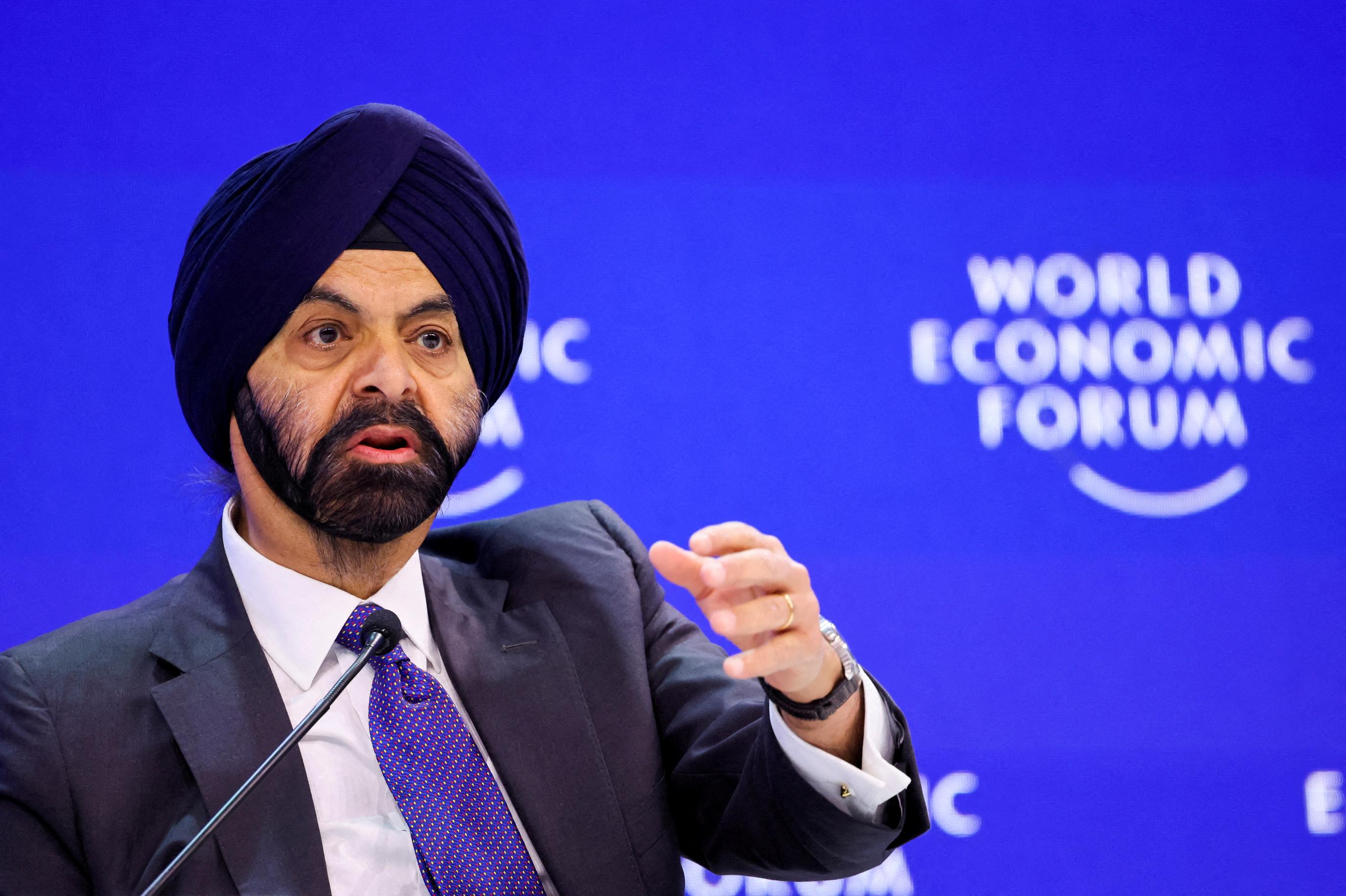
WASHINGTON, Feb 28 (Reuters) - The World Bank Group said on Wednesday it would consolidate its loan and investment guarantee structure as part of its goal to triple its annual guarantees to $20 billion by 2030 to boost private renewable energy investments in developing countries. The reforms, announced on the sidelines of a G20 finance leaders meeting in Sao Paulo, Brazil, would move all of the guarantee experts from across the World Bank's business units into a single platform. The bank said the changes, to start on July 1, would provide "a seamless experience for clients and easier access to the full suite of guarantees" and speed approvals. World Bank President Ajay Banga said the $20 billion annual guarantee target over the next five to six years was a somewhat arbitrary figure meant to show ambition to expand these products. "Our ambition is to go in quantum number from where we are today," Banga told a news briefing, adding that capital adequacy would need to be reviewed. "So don't think of this as a cap that is imposed by the bank," Banga said. "If you want to get to three times where we are today, the quicker we get there, the better we do it, the happier we'll be, and the more ambitious we'll be about the next step." The World Bank Group currently provides guarantees on about $6.8 billion worth of loans and investment contracts annually across its business units, including the Multilateral Investment Guarantee Agency (MIGA), the private-sector International Finance Corp and its main International Bank for Reconstruction and Development lending arm. The guarantees include credit enhancements, insurance for political risks, commercial risks such as breach of contract, currency restrictions and other impediments to private investment in developing countries. Expanding these guarantees is a key component of the bank's efforts to stretch its balance sheet and boost lending by more than $150 billion over 10 years to help fight climate change and other global crises. The changes announced on Wednesday are the first tangible results from a group of private-sector investment executives assembled last year by World Bank President Ajay Banga, dubbed the Private Sector Investment Lab, to develop ideas to draw more private capital to clean energy and other investments in developing countries. The World Bank said the plan called for simplifying guarantee products into a single comprehensive menu that would allow clients to easily identify and select the instrument best suiting their needs. A new common approach would standardize guarantee reviews, replacing a patchwork of different processes, rules and standards that now "holds back their potential and impedes client access," the bank said. Mark Carney, U.N. climate envoy and asset management executive who chairs the Private Sector Investment Lab, said he expected clean energy projects to take the "lion's share" of the World Bank guarantees, but heavy industry de-carbonization projects also could become customers in emerging market and developing countries. "Political risk is often a deal breaker for energy infrastructure investments, Carney said. "And the private sector just can't manage that on its own." https://www.reuters.com/business/finance/world-bank-streamline-loan-investment-guarantees-with-20-bln-annual-goal-2024-02-28/
2024-02-28 20:38
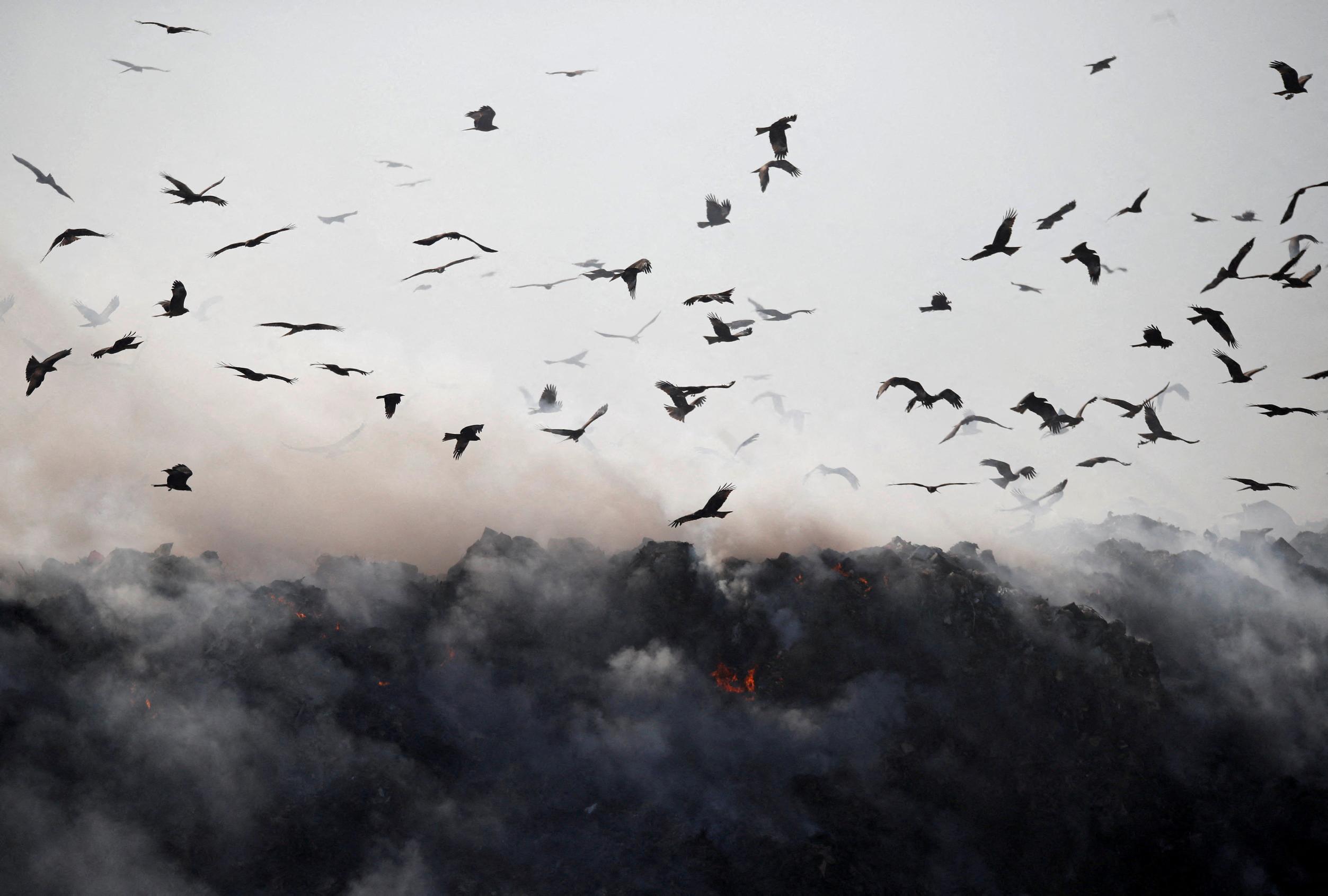
NAIROBI, Feb 28 (Reuters) - Waste produced by the public will surge by 2050, causing hundreds of billions of dollars of damage through biodiversity loss, climate change and deadly pollution, the United Nations Environment Programme (UNEP) said in a report on Wednesday. The report said unless urgent measures were taken global waste generation would soar, driven largely by fast-growing economies, including in Asia and sub-Saharan Africa where many countries are already struggling to manage current production levels. UNEP projected the cost at $640 billion annually by the middle of the century, representing a more than 75% increase compared to 2020, when the world produced an estimated 2.1 billion tonnes of municipal solid waste, which excludes industrial waste. Of the total, $443 billion would be externalities, including biodiversity loss, climate-altering gases produced by the breakdown of organic waste and pollution that contributes to between 400,000 and 1 million deaths per year, the report said. The report, released during this week's U.N. Environment Assembly in Kenya, warned humanity has "moved backwards" over the past decade, "generating more waste, more pollution and more greenhouse gas (GHG) emissions." Waste prevention measures and improved waste management could reduce those costs, but there are significant barriers to change, such as weak enforcement mechanisms, the report said. A treaty to address plastics pollution, which does not biodegrade and can cause serious health impacts, is being negotiated, with a fourth round of talks scheduled for April. UNEP Executive Director Inger Andersen said she was hopeful the treaty could be concluded by the end of this year despite differences between environmentalists and fossil fuel producers over how much the deal should focus on curbing plastics production versus promoting recycling and re-use. "There is an interest, and especially among the countries that are producing raw polymer, but as I keep telling them, this is not an anti-plastic treaty," Andersen told Reuters, noting there would still be a need for plastics in vehicles and medical equipment. "I hope that there will not be delegations that would commit to obstruction but rather that we can find a way forward that actually takes into account the fact that we are drowning in plastic." https://www.reuters.com/business/environment/harmful-waste-generation-set-jump-un-warns-2024-02-28/
2024-02-28 20:31
TEHRAN, Feb 28 (Reuters) - Russian Deputy Minister Alexander Novak said on Wednesday that Russia is not considering a ban on diesel exports, and that a ban on gasoline exports may be lifted at any moment if the market becomes saturated. During a visit to Iran, the Kremlin point man for Russia's energy sector said: "The situation on the domestic petroleum products market is stable. This measure is preventive, that is, today we do not have a shortage. We look forward and ensure the balance of supply and demand for the future." "This is a completely normal situation. When the market is saturated and there is a surplus, measures will naturally be taken to lift the export ban." Russia on Tuesday ordered a six-month ban on gasoline exports from March 1 to keep prices stable amid rising demand from consumers and farmers and to allow for maintenance of refineries in the world's second largest oil exporter. The ban has resulted in a 5.7% decline in gasoline wholesale prices in Russia's domestic market in the two days to Wednesday, two traders said and Reuters calculations showed. Diesel prices, however, also fell 3.7% in the two days. Gasoline prices have increased by 22.4% and diesel has risen by 14.9% from the beginning of the year, according to Reuters calculations based on the St. Petersburg exchange (SPIMEX) data. Domestic fuel prices are sensitive for motorists and farmers in the world's biggest wheat exporter ahead of a March 15-17 presidential election, while some Russian refineries have been hit by Ukrainian drone attacks in recent months. Novak also said that current Russian oil production was around 9.5 million barrels per day, and the country's oil and gas condensate production was expected between 520 million-530 million tons in 2024. He said it was too early to talk about possible extension of voluntary oil supply cuts made by OPEC+ countries to Q2 or until the end of 2024. Reuters reported on Tuesday that the Organization of the Petroleum Exporting Countries and allies was considering extending voluntary cuts totalling about 2.2 million barrels per day (bpd) agreed for the first quarter this year. During Novak's visit to Tehran, Iranian Oil Minister Javad Owji said Russian companies are ready to participate in petrochemical production projects in Iran. The two major oil producing countries have drawn closer since Russia ordered tens of thousands of troops into Ukraine in February 2022. https://www.reuters.com/markets/commodities/russias-novak-rules-out-diesel-export-ban-2024-02-28/

2024-02-28 20:20
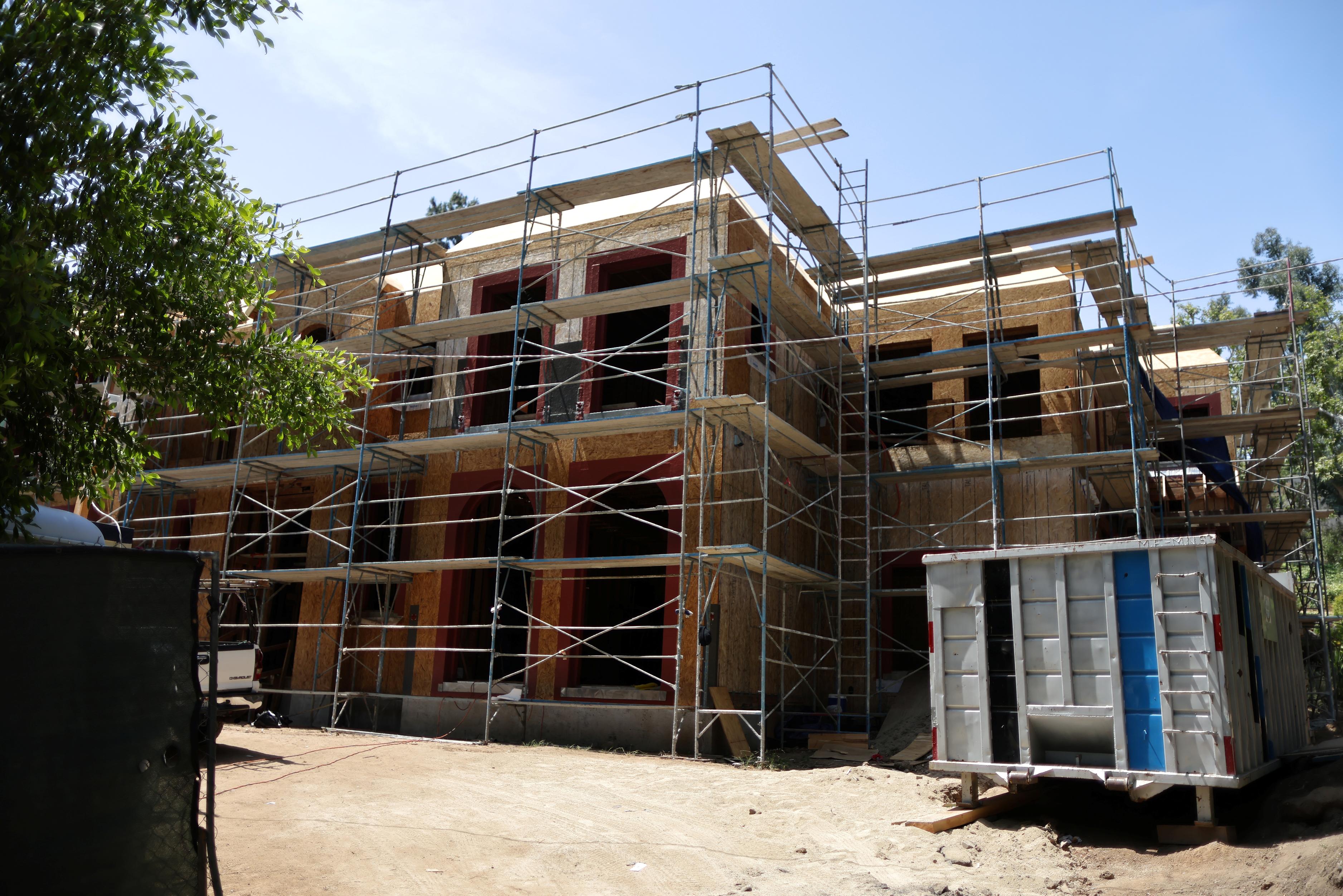
WASHINGTON, Feb 28 (Reuters) - U.S. Federal Reserve officials say they are confident housing inflation will finally cool in coming months, a key and long-awaited component of their effort to control overall price increases and secure their turn to interest rate cuts. The real challenge on that front, however, may be just over the horizon when a pipeline of new apartments starts to run dry while the stock of single-family homes remains short, a recipe for future price pressure in a category accounting for about a third of the Consumer Price Index. Though their 2% inflation target uses an index that is less sensitive to shelter costs, Fed officials still see housing and rent dynamics as an important, unresolved part of their inflation battle, one that could highlight one of the inherent tensions in today's tight-credit policy stance. Fed officials acknowledge the difficulty of finding a rate setting that keeps overall demand in check without choking off the supply of new homes and apartments, but some argue that policymakers already have leaned against the economy too hard. "You think you can snap your fingers and housing can be created...The reality is that is not the case," said Jay Lybik, national director of multifamily analytics for real estate data firm CoStar. After a surge of building boosted apartment supply, CoStar's data signals new unit volumes in sharp decline by early next year, falling to perhaps 50,000 or 60,000 per month versus the estimated 100,000 needed to keep pace with demand. "We risk a real acceleration in terms of rents that will make things worse come 2025 and 2026," Lybik said. 'LONGER-RUN PROBLEMS' Housing affordability concerns intensified during the pandemic, with median home prices jumping 50% from its onset through the end of 2022 - though they have since eased - and apartment construction tilted towards higher-end units. Members of Congress , opens new tab have called on the Fed to cut rates both to bring down mortgage costs for consumers and encourage construction; states are toying with rent-control measures and programs to boost supply. The issues are far bigger than the Fed. "We have longer-run problems with the availability of housing," Fed Chair Jerome Powell said at a press conference , opens new tab following the central bank's January meeting. "There hasn't been enough housing built," Powell said, but "these are not things that we have any tools to address." Housing markets vary widely across the country, shaped by local zoning rules, politics and land prices. Still, financing costs heavily influenced by the Fed are key to the investment decisions being made today that will determine future housing supply. For the Fed's immediate purposes, a coming "disinflation" in overall shelter costs seems almost certain as the record pandemic-era jump in rents and home prices fades into the past, but nonetheless essential to gaining the necessary confidence in declining inflation to begin rate cuts. After rapid rate hikes beginning in March 2022, the policy rate has been held at 5.25%-to-5.50% since July. 'BUILT-IN' INFLATIONARY PRESSURE While inflation has fallen from 40-year highs, recent progress has been "bumpy" Fed officials acknowledge, with shelter inflation in particular remaining higher for longer than anticipated. A surprise jump in CPI last month was largely driven by shelter costs still rising by 6% year-over-year versus 4% typically seen before the pandemic when overall inflation was near or below the Fed's target. Rent measures assembled in closer to real time aiming to capture current market prices instead of the slow-moving averages in official data indicate price increases have been slowing. For example, an index from online real estate firm Zillow closely watched by Fed officials was rising at a 3.4% annual rate as of January. "We know it's coming," Arben Skivjani, deputy chief economist for property management and analytics firm RealPage, said of housing inflation's decline in a recent National Association for Business Economics presentation. After rising nearly 16% annually in early 2022, asking rents have shown virtually no increase since last summer, RealPage data shows. Supply constraints, though, may risk secularly faster inflation. "We have not built enough homes, we've not built enough shelter for at least a decade...You're short supply of a good that everybody still wants," Mark Fleming, chief economist at title and settlement company First American, said at an NABE discussion of housing inflation. "What's going to happen to the price?...Long run, there's definitely built-in inflationary pressure." MISSING 'PUZZLE PIECE' Shelter inflation peaked at an 8.32% annual rate in March 2023, the fastest since the early 1980s. The median home price surged nearly 50% from $322,000 in 2020's second quarter as the pandemic began to a peak of $479,000 at the end of 2022, Census data shows, the fastest run-up since the early 1960s. The median price has since edged back to $417,000, a side effect of Fed rate hikes that at one point pushed the average interest rate on a 30-year home mortgage to nearly 8%, the highest in a quarter century. But some indexes of more recent home sales show prices rising again, leaving Fed officials hunting for data on home sales and construction to show evidence that demand and supply might move toward better balance. New Cleveland Fed research , opens new tab on the stark supply-demand imbalance that has powered pandemic-era home price appreciation is one example of the focus on it. Chicago Fed President Austan Goolsbee called housing a missing "puzzle piece" in the Fed's hope for broadly lower inflation, while Richmond Fed President Thomas Barkin has made analysis of building patterns in his district, comparing communities able to keep pace in new home construction with those that are constrained, a staple of his recent speeches. EY Chief Economist Gregory Daco said shelter inflation's near-term path was clear. It is headed down, and could over the next couple of months make a substantial contribution to lower headline inflation, a fact he argues is so clear he feels "increasingly frustrated" by the Fed's reluctance to act on it. Next year, he said, is another story. "Rent inflation has slowed quite tremendously. That has yet to appear fully" in the data the Fed watches most closely, he said. "Fast forward another six to 12 months...and it may actually move the other direction...That's where the lack of supply comes in." (This story has been corrected to change the description of First American in paragraph 17) https://www.reuters.com/world/us/supply-still-matters-why-us-housing-inflation-relief-may-be-short-lived-2024-02-28/
2024-02-28 20:18
WARSAW, Feb 28 (Reuters) - Polish Prime Minister Donald Tusk will meet protesting farmers' leaders on Thursday as demonstrations continued across the country, he said on Wednesday. Ukrainian officials held lengthy talks with their Polish counterparts to tackle the border disruptions triggered by the protests. Ukraine said there had been no question of closing the joint border. Farmers across Europe have been protesting against constraints placed on them by EU regulations meant to tackle climate change, as well as rising costs and what they say is unfair competition from outside the EU, particularly Ukraine. On Tuesday, thousands of Polish farmers took to the streets of Warsaw. "I have convened an agricultural summit in Warsaw for tomorrow ... I will meet with the leaders of all protesting groups," Tusk told a news conference. "We have a very important problem. We are the most pro-Ukrainian nation when it comes to aid, but we have the biggest problems in Europe resulting from the war." He said an EU proposal to limit the amount of food products arriving from Ukraine was unacceptable and that Poland wanted the reference amount to be set at levels from before Russia's invasion of Ukraine in 2022. Tusk said he was ready to take tough decisions. "I do not hide the fact that we are talking to Ukraine about temporarily closing the border," he said. Ukraine's Deputy Prime Minister, Oleksandr Kubrakov, said border closures were not under discussion. "Ukraine is not going to close its borders with Poland. No one from the Ukrainian side is negotiating about this," Kubrakov wrote on X, formerly Twitter. "Our people are fighting for their existence in a war with the Russian aggressor. For us, a stable border is a matter of survival." Ukraine, he said, had proposed constructive solutions and taken steps to ease border tensions. "We expect appropriate decisions from the Polish government to ensure that the situation does not reach a deadlock," he added. Ukrainian Trade Representative Taras Kachka, writing on Facebook, said officials from the two sides had held four hours of intense discussions. "We found common ground and are working on constructive decisions to keep the border open, taking into account the interests of Polish farmers and Ukraine," he wrote. "It is not simple but it is possible." https://www.reuters.com/world/europe/polish-pm-tusk-says-he-will-meet-protesting-farmers-thursday-2024-02-28/