2024-01-16 06:49
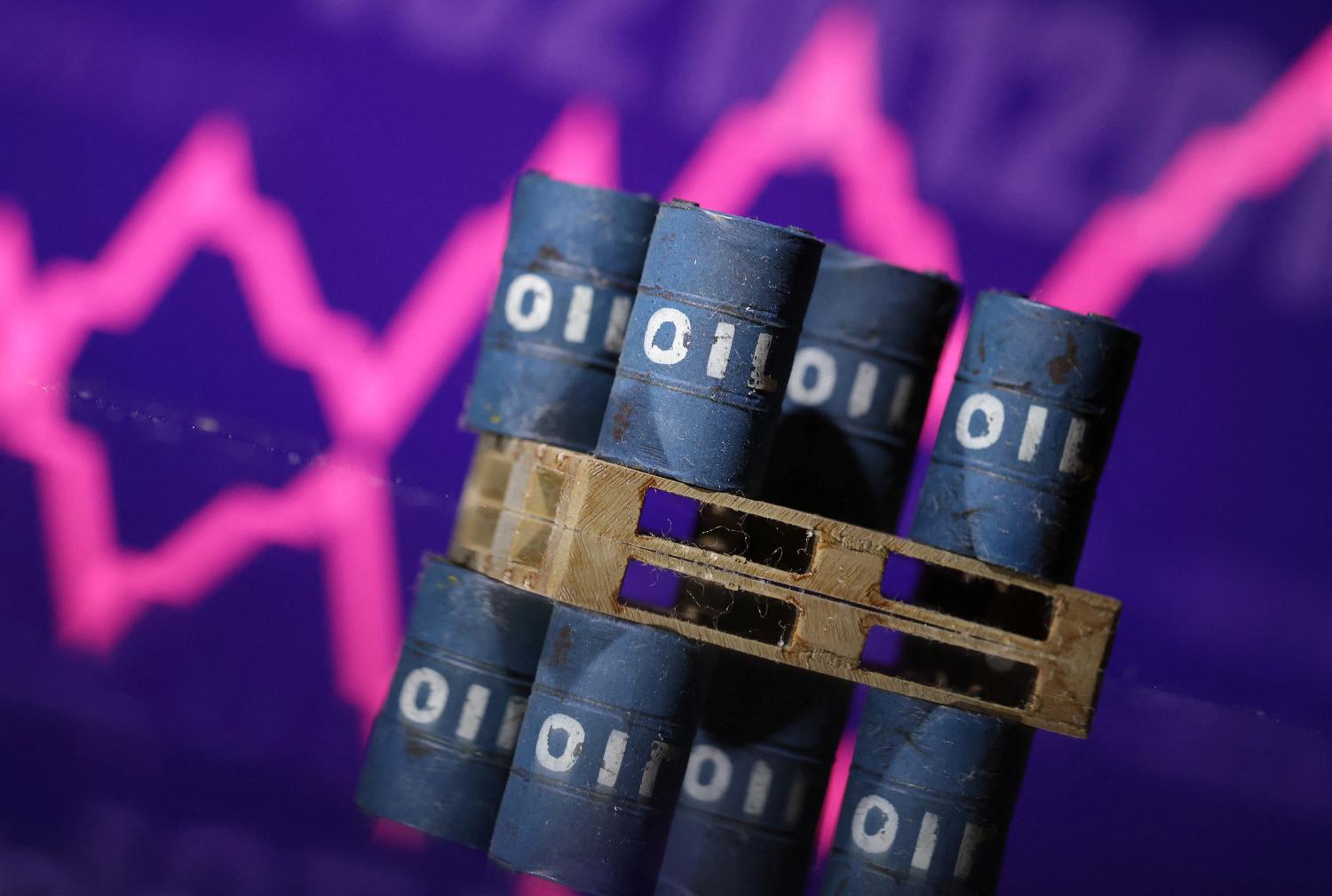
https://www.reuters.com/business/energy/oil-ticks-up-middle-east-crisis-escalates-tankers-divert-2024-01-16/
2024-01-16 06:37
https://www.reuters.com/markets/commodities/gold-frail-dollar-yields-strength-dim-shine-2024-01-16/

2024-01-16 06:37
https://www.reuters.com/markets/currencies/dollar-advances-traders-weigh-rate-cut-expectations-eyes-data-2024-01-16/
2024-01-16 06:23
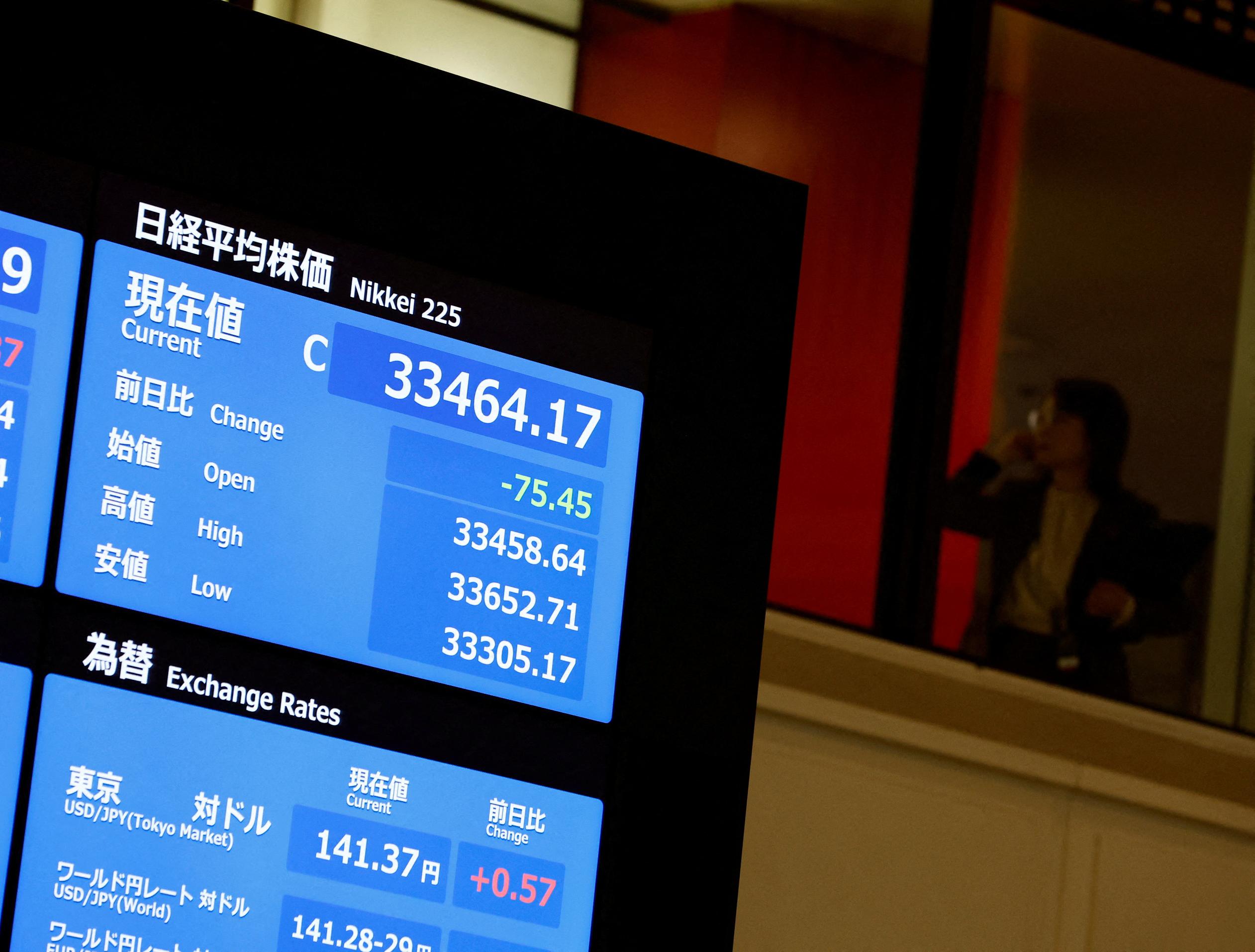
https://www.reuters.com/markets/global-markets-wrapup-1-2024-01-16/
2024-01-16 06:23
LONDON, Jan 16 (Reuters) - Solid-state batteries hold the promise of more energy storage, longer driving ranges and faster charging for next-generation electric vehicles. Yet despite decades of research and billions of dollars invested, their future still looks elusive. Here are some of the companies developing these kind of batteries. EV market leader Tesla (TSLA.O), an industry outlier, has not detailed any solid-state development plans. U.S. startup QuantumScape (QS.N), which has deals with six automakers including Volkswagen , has developed a semi-solid state cell with no anode that uses lithium metal, a ceramic separator and liquid electrolyte. The company says it could boost an EV's driving range from 350 miles to 400-500 miles, an increase of 14%-43%. The expected range increase is down from earlier estimates of 50%-80%. QuantumScape shipped its first prototype samples in late 2022, which VW said showed the battery could drive more than 500,000 miles without any noticeable loss of range and had a fast charging time to 80% capacity in 15 minutes. France's Blue Solutions (BOLL.PA) is already selling solid state batteries for buses with a charging time of four hours, but is developing a new product for cars that uses a polymer electrolyte and ultra-thin lithium metal anode, aiming to have a charging time of less than 20 minutes and enabling a range increase of about 30% to nearly 1,000 km. The company says it aims to build a gigafactory for its new batteries by 2029 and has signed a joint development agreement with BMW (BMWG.DE). Toyota (7203.T), the world's biggest automaker, said in June it had achieved a breakthrough in solid-state technology that addressed durability problems. It said it planned commercialisation in 2027-2028 of a battery with a range of 1,000 km and a charging time of 10 minutes. ProLogium Technology of Taiwan said that by the end of 2023 it aimed to ship prototype samples of its semi-solid-state batteries that enable a near doubling of the energy densities of the packs. The firm, which has a cooperation deal with Mercedes-Benz (MBGn.DE), Stellantis (STLAM.MI) and TotalEnergies (TTEF.PA), is building a gigafactory in Taiwan and plans one in France. Chinese EV maker Nio (9866.HK) has commercialized 150 kilowatt hour (kWh) semi-solid-state batteries for its EVs, manufactured by Beijing Welion New Energy, which have a range of up to 1,000 km. Nio sells EVs in China and Europe and operates a battery-swapping service for its vehicles. Ganfeng LiEnergy, a subsidiary of Ganfeng Lithium (002460.SZ), is producing semi-solid-state batteries that power EVs produced by China's Seres, such as the Seres 5 SUV which has a range of 530 km, with a fast charge time of 50 minutes. China's CATL (300750.SZ), one of the world's biggest battery producers, last year unveiled a condensed matter battery, a type of semi-solid-state battery it said could supply enough energy to power electric passenger aircraft. It had said it could start mass production of the batteries for EVs later in 2023, though hasn't provided an update on this. U.S. startup Solid Power (SLDP.O) delivered test cells of its semi-solid state battery with a sulfide-based solid electrolyte and a high-content silicon anode to BMW late last year. It is also in the early stages of developing a battery with a lithium metal anode. Ford (F.N), BMW, Hyundai (005380.KS) and SK Innovation have invested in the company. Another American player, Factorial Energy, delivered prototype samples of its semi-solid state battery to automaker partners last year for testing. The startup, which aims for a battery range of 600 miles, has agreements with Mercedes-Benz, Stellantis and Hyundai. South Korea's LG Energy Solution (373220.KS) said last year it aimed to develop polymer-based and sulfide-based solid state batteries by 2026 and 2030 respectively. South Korea's SK On, the battery unit of energy group SK Innovation (096770.KS), is developing two types of solid-state cells - high-molecular-oxide composite batteries and sulfide-based batteries - aiming to produce prototypes by 2026 and commercialize them by 2028. South Korea's Samsung SDI (006400.KS) is developing a solid-state battery without an anode and launched production of prototypes last year ahead of expected mass production in 2027. Honda (7267.T) plans to launch a solid-state battery test line in 2024, aiming to use the batteries in models in the latter part of this decade. It also invested in SES AI (SES.N) to jointly develop semi-solid state batteries. Nissan (7201.T) plans to launch an EV a pure solid-state battery developed in-house by its fiscal year 2028. https://www.reuters.com/technology/solid-state-ev-giants-chase-holy-grail-batteries-2024-01-16/
2024-01-16 06:22
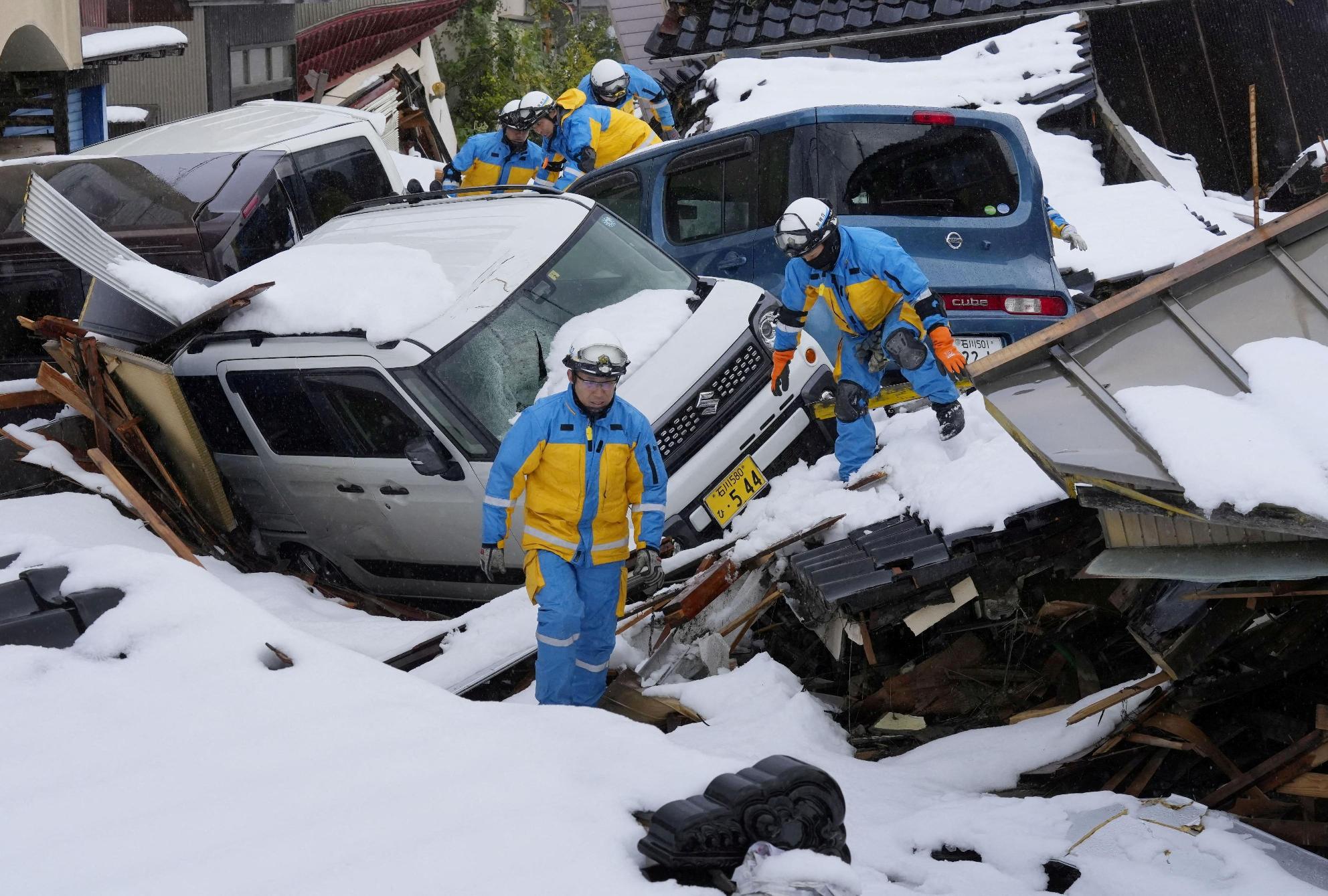
TOKYO, Jan 16 (Reuters) - The United States will deploy two military helicopters in Japan to the earthquake-hit Noto peninsula on the country's west coast to aid relief efforts in communities cut off by the disaster, the U.S. Ambassador to Japan said on Tuesday. "Two Blackhawk helicopters will supplement Japan's fleet assisting to move supplies and personnel," U.S. Ambassador to Japan Rahm Emanuel said on social media platform X, formerly known as Twitter. The U.S. aircraft will begin relief operations on Wednesday, Japan's Minister of Defense Minoru Kihara said at a press briefing. The powerful Jan. 1 quake destroyed roads linking the isolated peninsula to the rest of Japan and with evacuations by sea difficult, some vulnerable people can only be moved by air, a source with knowledge of the plan said earlier. The scale of the U.S. assistance could expand over the coming days, the source added, asking to remain anonymous because they are not authorised to speak to the media. More than 220 people are confirmed to have died in the quake that destroyed thousands of homes, vital infrastructure and knocked out power in the area. Relief efforts have been hampered by strong aftershocks that could trigger fresh landslides and further damage weakened structures. Authorities have been warning survivors, many of whom are living in evacuation centres, to guard against freezing temperatures with heavy snow hitting the area in recent days. The quake is Japan's deadliest since 2016 when quakes in the southwestern region of Kumamoto claimed 276 lives. U.S. forces, which provided aid for that disaster and in 2011 helped survivors of the quake that killed nearly 20,000 people and triggered the Fukushima nuclear disaster, have been stationed in Japan since World War II, marking the country's biggest military presence abroad. https://www.reuters.com/world/asia-pacific/us-military-japan-deploy-earthquake-hit-area-sources-2024-01-16/