2024-01-15 17:29
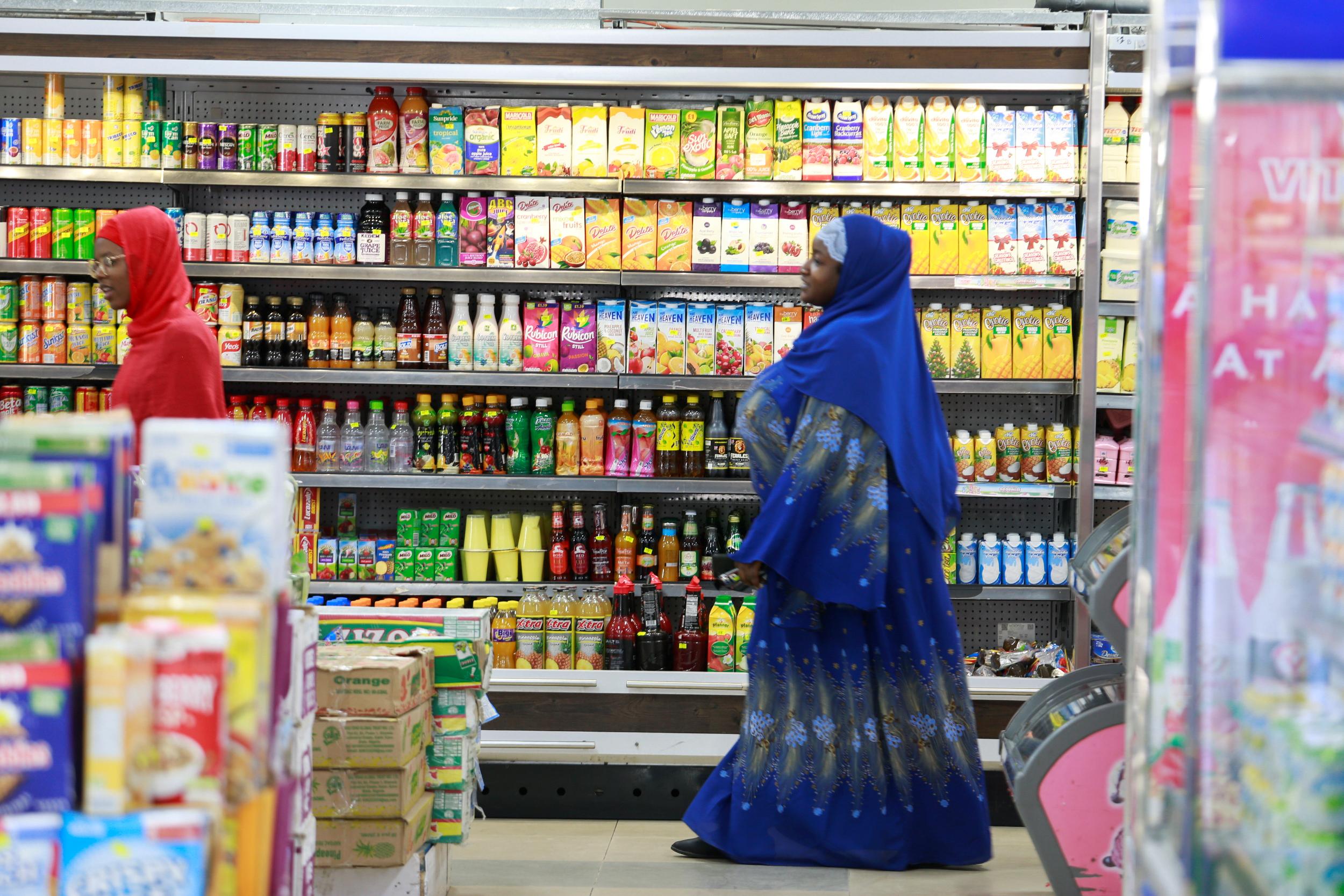
ABUJA, Jan 15 (Reuters) - Nigeria's inflation rate rose to its highest in more than 27 years in December as food prices surged, exacerbating a cost-of-living crisis and piling more pressure on the central bank to raise interest rates. Consumer inflation rose for the 12th straight month in December to 28.92% year on year from November's 28.20%, the National Bureau of Statistics said on Monday. Inflation in Africa's biggest economy and most populous nation has not climbed this high since mid-1996. The food inflation rate, which accounts for the bulk of Nigeria's inflation basket, rose to 33.93% in December from 32.84% a month earlier. The statistics office said prices rose for a broad range of food items including bread and cereals, oil, fish, meat, fruit and eggs. Analysts say higher fuel prices and a weaker naira currency have also stoked price pressures. David Omojomolo, Africa economist at Capital Economics, said "inflationary pressures are only likely to build from here," citing second-round effects from the removal of a fuel subsidy last year and naira weakness. He predicted that inflation would breach 30% by the end of the first quarter and said it was unlikely to peak until the middle of 2024. President Bola Tinubu last May embarked on Nigeria's boldest reforms in decades by scrapping a costly but popular fuel subsidy and devaluing the currency to try to revive economic growth. But growth is yet to pick up while inflation has worsened. Central Bank of Nigeria (CBN) Governor Olayemi Cardoso is yet to hold a rate-setting meeting since taking office in September. "At the next meeting, we think that the CBN will need to raise rates by 400 basis points, to 22.75%, to show that it is taking the inflation fight more seriously," Capital Economics' Omojomolo said in a research note. "There's a clear risk, though, the CBN underwhelms again. Doing so would undermine much of the momentum and optimism around the policy shift that President Tinubu started last year." https://www.reuters.com/world/africa/nigerias-inflation-rises-more-than-27-year-high-december-2024-01-15/
2024-01-15 17:14
OTTAWA, Jan 15 (Reuters) - Canadian firms say their order books declined as interest rates crimped consumer spending, and they see inflation easing despite increased concerns over wages for the next year, the central bank said on Monday in a quarterly survey. Some 38% of businesses expect a recession over the next year, according to the survey, which was conducted by the Bank of Canada (BoC) at the end of the fourth quarter. That was up from a third in the previous survey. Sixty-one percent of consumers expected a recession, compared with 55% in the previous survey. Businesses reported a decline in their order books compared with a year earlier, and more firms expect wages to increase over the coming year than in the previous quarter. Still, many businesses see sales volumes increasing over the next 12 months. The business outlook indicator turned slightly more positive in the final quarter of 2023, rising to -3.15 from -3.45, as expectations for input and output prices eased. "Overall, businesses and consumers are feeling the pain of higher interest rates and are responding accordingly," said Royce Mendes, head of macro strategy at Desjardins Group. "Consumers are curtailing spending and businesses, seeing falling sales, are tapping the brakes on hiring." Thirty-nine percent of businesses said their sales volumes had declined over the past year. They attributed the decline to slowing growth, the impact of higher interest rates and inflation. The Canadian central bank raised its key policy rate to a 22-year high of 5% last year and has left it at that level since July. Annual inflation was 3.1% in November, down from a 2022 peak of more than 8%, but has remained above the BoC's 2% target since March 2021. The central bank's next interest rate announcement is on Jan. 24, when it is expected to keep its key policy rate on hold. Money markets and economists expect it to start cutting rates in the first half of 2024. "Firms' pricing behavior is slowly returning to normal," the survey said. "Still, wage growth on average is expected to be higher than normal over the next 12 months, often related to cost-of-living adjustments." In December, the average hourly wage growth for permanent employees accelerated at its fastest year-on-year pace in almost three years. ABOVE-TARGET INFLATION Fifty-four percent of businesses expect inflation to run higher than 3% over the next two years, and 42% see it below 3%. Twenty-seven percent predict it will take longer than four years for inflation to return to 2%, up from 18% in the previous quarter. The Bank of Canada had previously forecast inflation should hit 2% by the end of 2025, but Governor Tiff Macklem - making his last public appearance of 2023 - told reporters it should be closer to the target by the end of this year. "Short-term inflation expectations are slowly trending downward," the survey said. However, businesses still expect inflation to remain elevated because of wage growth and the prices of commodities, food and housing. A separate BoC survey showed that consumers do not expect further interest rate increases over the next year. Consumer expectations for future inflation eased, as did their perception of current inflation. "Consumers perceive inflation to have decreased, and their expectations for price growth for some key goods such as food and gas have moderated," the consumer survey said. https://www.reuters.com/markets/rates-bonds/canadian-firms-orders-fall-inflation-seen-easing-central-bank-survey-shows-2024-01-15/

2024-01-15 17:14
By Steve Scherer and David Ljunggren OTTAWA, Jan 15 (Reuters) - Canadian firms expect sales to slow as interest rates crimp consumer spending and they see inflation easing despite increased concerns over wages, the central bank said on Monday in a fourth quarter survey. Some 38% of businesses expect a recession over the next year, up from a third in the previous Bank of Canada survey, and 61% of consumers see a recession, compared with 55% previously. Businesses reported a decline in their order books compared with a year earlier, and more firms expect wages to increase over the coming year than the previous quarter. The business outlook indicator turned slightly more positive in the final quarter of 2023, rising to -3.15 from -3.45, as expectations for input and output prices eased. "Firms' pricing behavior is slowly returning to normal," the survey said. "Still, wage growth on average is expected to be higher than normal over the next 12 months, often related to cost-of-living adjustments." In December, the average hourly wage growth for permanent employees accelerated at its fastest year-on-year pace in almost three years. The Bank of Canada raised rates to a 22-year high of 5% last year and has left them on hold since July. Inflation was 3.1% in November, down from a 2022 peak of more than 8%, but has remained above the bank's 2% target since March 2021. The bank's next announcement is on Jan. 24, when it is expected to keep its key policy rate on hold. Money markets and economists expect the bank to start cutting rates in the first half of 2024. Thirty-nine percent of businesses said their sales volumes had declined over the past year. They attributed the decline to slowing growth, the impact of higher interest rates and inflation. Fifty-four percent of businesses expect inflation to run higher than 3% over the next two years, and 42% see it below 3%. Twenty-seven percent predict it will take longer than four years for inflation to return to 2%, up from 18% the previous quarter. The Bank of Canada had previously forecast inflation should hit 2% by end-2025 but Governor Tiff Macklem - making his last public appearance of 2023 - told reporters it should be closer to target by the end of this year. "Short-term inflation expectations are slowly trending downward," the survey said. However, businesses still expect inflation to remain elevated because of wage growth and the prices of commodities, food and housing. A separate Bank of Canada survey showed that consumers do not expect further interest-rate increases over the next year. Consumer expectations for future inflation eased, as did their perception of current inflation. "Consumers perceive inflation to have decreased, and their expectations for price growth for some key goods such as food and gas have moderated," the consumer survey said. ((Reuters Ottawa bureau, [email protected])) Keywords: CANADA CENBANK/ https://www.reuters.com/markets/rates-bonds/canadian-firms-see-rates-hitting-sales-inflation-easing-central-bank-survey-2024-01-15/

2024-01-15 16:26
Jan 15 (Reuters) - The combined fortunes of the world's five richest men have more than doubled to $869 billion since 2020 while five billion people have been made poorer, anti-poverty group Oxfam said. An Oxfam report, which comes as business elites gather this week for the annual World Economic Forum (WEF) meeting in Davos, found that a billionaire is now either running, or is the main shareholder of, 7 out of 10 of the world's biggest companies. Oxfam called on Monday for governments to rein in corporate power by breaking up monopolies; instituting taxes on excess profit and wealth; and promoting alternatives to shareholder control such as forms of employee ownership. It estimated that 148 top corporations made $1.8 trillion in profits, 52 percent up on 3-year average, allowing hefty pay-outs to shareholders even as millions of workers faced a cost of living crisis as inflation led to wage cuts in real terms. "This inequality is no accident; the billionaire class is ensuring corporations deliver more wealth to them at the expense of everyone else," said Oxfam International interim Executive Director Amitabh Behar. The Davos events were launched to champion "stakeholder capitalism", which the WEF says defines a corporation as being not just about maximising profits but fulfilling "human and societal aspirations as part of the broader social system". Oxfam said its report, based on data sources ranging from the International Labour Organization and World Bank to the Forbes annual rich list, showed such aspirations were far from being fulfilled. "What we know for sure is that today's extreme system of shareholder capitalism, which puts ever-increasing returns to rich shareholders above all other objectives, is driving inequality," said Max Lawson, its Head of Inequality Policy. The inflation-adjusted surge in wealth of the top five billionaires was driven by strong gains in the assets of Tesla CEO Elon Musk, LVMH chief Bernard Arnault, Amazon's Jeff Bezos, Oracle co-founder Larry Ellison and investor Warren Buffett. Meanwhile nearly 800 million workers saw their wages over the past two years fail to keep up with inflation, resulting on average in the equivalent of 25 days of lost annual income per worker, according to Oxfam's analysis. Of the world's 1,600 largest corporations, just 0.4% of them have publicly committed to paying workers a living wage and to supporting a living wage in their value chains, the study found. https://www.reuters.com/business/davos-crowd-gathers-governments-urged-rein-billionaire-class-2024-01-15/

2024-01-15 15:48
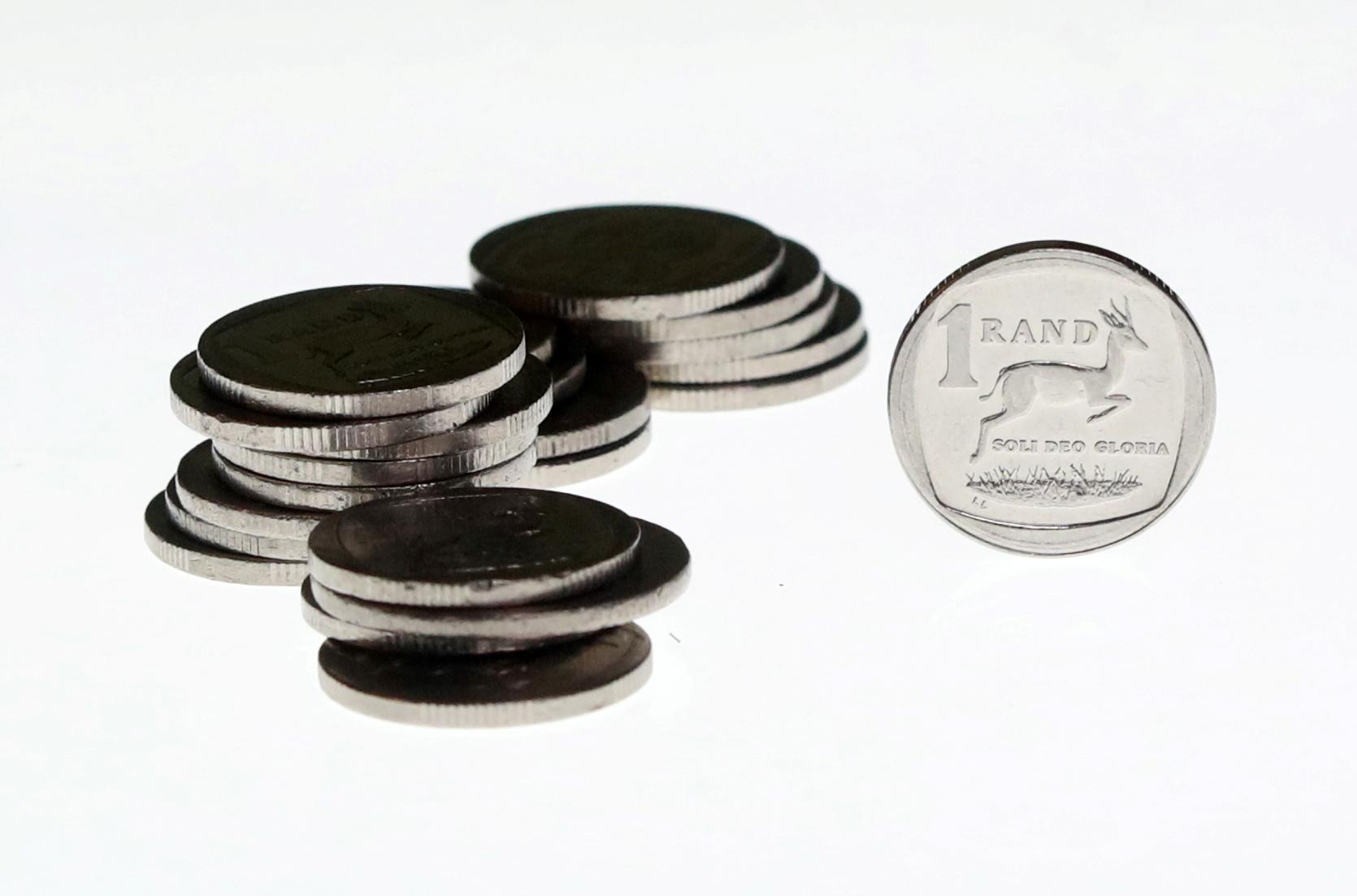
JOHANNESBURG, Jan 15 (Reuters) - South Africa's rand weakened as the U.S. dollar firmed on Monday, but it was trading in a narrow range with no major local economic data releases to drive direction. At 1527 GMT, the rand traded at 18.6950 against the dollar , 0.3% weaker than its previous close. The dollar was last up about 0.1% against a basket of global currencies. South Africa will release November retail sales figures (ZARET=ECI) and gold and mining production data (ZAGLD=ECI), (ZAMNG=ECI) later this week, providing more clues about the health of the economy. Global focus is now on the annual World Economic Forum, which kicked off in Davos on Monday with participants expected to discuss current economic and geopolitical bottlenecks. On the Johannesburg Stock Exchange, the Top-40 index (.JTOPI) closed down about 0.9%. South Africa's benchmark 2030 government bond was weaker, the yield up 5 basis points to 9.725%. https://www.reuters.com/markets/currencies/south-african-rand-weakens-against-stronger-dollar-2024-01-15/
2024-01-15 13:10
https://www.reuters.com/markets/us/goldman-sachs-raises-2024-gdp-growth-forecast-23-2024-01-15/