2024-01-12 11:16
Jan 12 (Reuters) - U.S. investors trimmed positions in equity funds and rolled into safer money market funds in the week leading to Jan. 10, exercising caution ahead of a U.S. inflation report and earnings from major lenders. They sold U.S. equity funds worth a net $11.55 billion, the most in a week since June 21, 2023, while purchasing money market funds worth about $4.6 billion. U.S. large cap funds saw significant withdrawals, amounting to about $8.82 billion, the biggest since mid-March 2023. Investors also sold mid-, small- and multi-cap funds of about $1.38 billion, $828 million and $306 million, respectively on a net basis. Investors, however, added about $682 million to U.S. sectoral equity funds. They purchased materials, healthcare and financials sector funds of $568 million, $496 million and $313 million, respectively, but withdrew a net $543 million out of consumer discretionary. U.S. bond funds drew about $4.9 billion as net buying extended into a third successive week. General domestic taxable fixed income funds attracted a significant $5.23 billion, the most since at least April 2020. U.S. short/intermediate investment-grade, and high-yield funds also received $869 million and $491 million, respectively, but short/intermediate government and treasury funds saw $2.79 billion worth of outflows. https://www.reuters.com/markets/us/weekly-outflows-us-equity-funds-rise-caution-ahead-data-2024-01-12/

2024-01-12 11:08
RIO DE JANEIRO, Jan 12 (Reuters) - Brazil's seaside city of Rio de Janeiro, famed for its crowded beaches and lush surrounding hills, is sending drones buzzing into the air to disperse seeds, part of a high-tech push that seeks to speed up local reforestation efforts. The green initiative, a partnership between Rio's city hall and startup Morfo, launched last Friday and is being used to seed local native species in hard-to-reach areas that would be more difficult using traditional methods. Eligible areas in one of the most-visited cities of the Americas are selected after an analysis of soil and native species. Computers powered by artificial intelligence (AI) then define the specific targets and number of seeds to be dropped, according to a statement from the local government. A single drone is capable of dispersing 180 seed capsules per minute, or 100 times faster than utilizing human hands to spread seeds in a more traditional reforestation program. Sowing via drones assisted by AI also eliminates the need for months of nurturing seedlings, as well as transporting them to the area designated for planting, the statement added. https://www.reuters.com/world/americas/brazil-drones-take-flight-rio-high-tech-reforestation-push-2024-01-12/

2024-01-12 11:06
A look at the day ahead in U.S. and global markets from Mike Dolan Much like the slightly peculiar debt market nonchalance after December's sticky inflation readout, world markets have remained calm and oil steady after U.S. and UK air strikes in Yemen aimed at protecting Red Sea shipping routes. While the moves stoke fears of an escalation in the latest Middle East conflict, concrete action to secure disrupted shipping is equally seen as a positive for those worried about a prolonged hiatus in goods deliveries and higher transport costs. Either way, oil markets were pretty sanguine on developments overnight - with U.S. crude prices only up about 2%, stuck in the same range seen for the past month and still down 6% year-on-year. Gold prices popped by even less. Whether re-routed shipping stokes price rises in other goods is an open question, but it has not filtered through to wider market sentiment yet. Even the slightly hot U.S. consumer price inflation report for December was batted away quite quickly on Thursday. U.S. annual headline and core inflation rates were a smidgen higher than forecast, even though the latter did indeed drop below 4% for the first time since May 2021. Far from sowing seeds of caution in markets, Federal Reserve rate cut bets actually went up a gear. More than 150 basis points of cuts this year are back fully priced into futures curves, the odds on a March cut went up, and two-year Treasury yields dived to their lowest this year at 4.24%. The rates retreat buoyed Wall St stocks (.SPX), which closed only marginally in the red, and knocked back the dollar (.DXY) a bit. Futures are flat ahead of Friday's open. With weekly jobless updates also sparky, it was less than clear why markets reacted to an irksome CPI that way. While not yet chiming with market easing bets, Fed officials didn't seem bothered enough by the CPI readout to change their existing tone and some economists, such as Deutsche Bank, reckoned an outsize spur to CPI from shelter prices is less of an issue for Fed-favoured PCE inflation measures. "When we have weeks or months of data to come, I don't like tying our hands," Chicago Fed boss Austan Goolsbee told Reuters. "We don't make decisions about March, June and whatever, in January." Whatever the real reason for the market take, they get a second view of inflation pressures later on Friday as a likely more subdued U.S. producer price report for December is released. And whatever price pressures are still evident in U.S. and other western economies, there's none at all in China - consumer prices there declined for a third month in December while factory-gate prices extended their prolonged deflationary slide with a surprisingly large annual drop. With the Taiwan election also due on Saturday, China's stock markets remained in the dour mood (.CSI300) they've been in for months and ended the week in the red. The contrast with Japan's roaring Nikkei (.N225), which added another 1.5% on Friday and has now surged more than 6% so far this year to its highest since 1990, could hardly be starker. Back on Wall St, the fourth quarter earnings season hoves into view on Friday. U.S. banking giants are expected to report lower profits for the fourth quarter after they set money aside to cover souring loans while also paying more to depositors. The largest banks' net interest income probably fell on average 10% in the fourth quarter, Goldman Sachs analysts said. An estimated 15% decline in trading revenue will also weigh on earnings, they said. But perhaps of most interest to wider markets is the level of loan loss provisioning that's starting to emerge. Key diary items that may provide direction to U.S. markets later on Thursday: * U.S. Dec producer price inflation report * Minneapolis Federal Reserve President Neel Kashkari speaks * U.S. Corporate earnings: JPMorgan, Citi, Bank of America, Wells Fargo, Bank of New York Mellon, BlackRock, UnitedHealth, Delta Airlines https://www.reuters.com/markets/us/global-markets-view-usa-2024-01-12/
2024-01-12 10:55
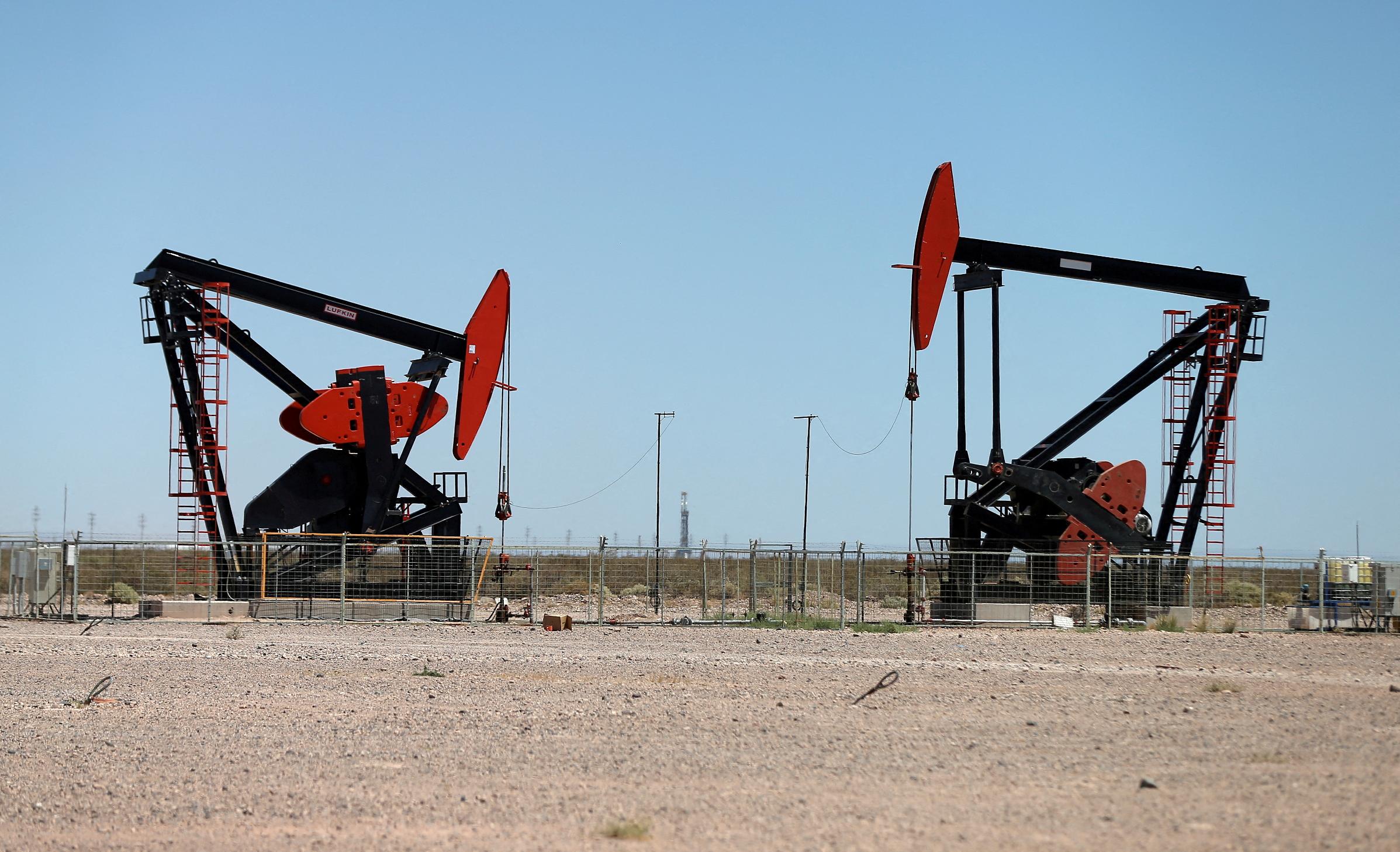
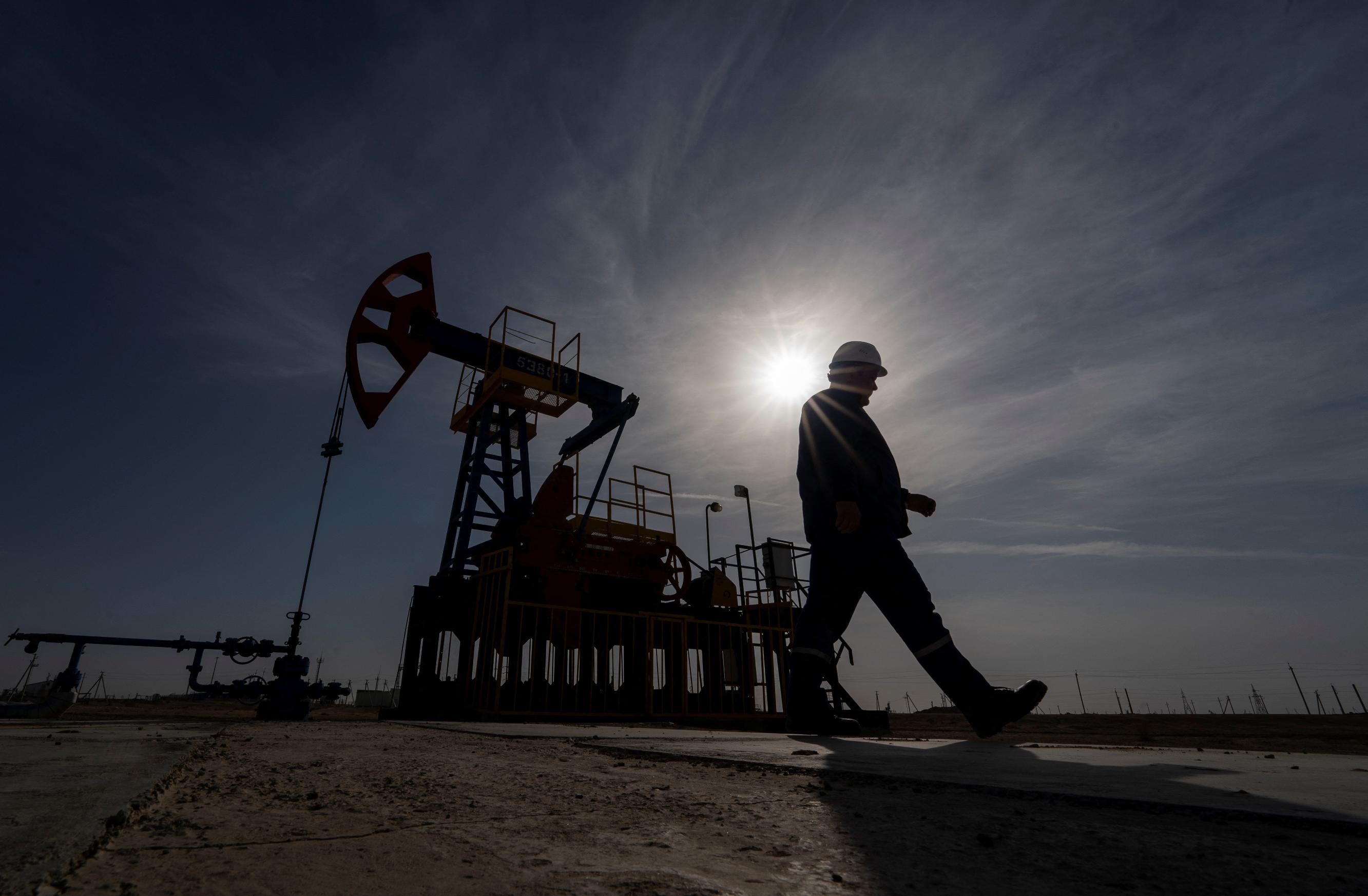
MOSCOW, Jan 12 (Reuters) - Bulgaria is replacing Russian oil imports with crude from Kazakhstan, Iraq and Tunisia in January, according to traders and LSEG data. Bulgaria has a waiver from a European Union embargo that allows it to continue seaborne imports of Russian oil in 2024. But the country has restricted exports of all refined products produced from Russian crude from this month, which makes it almost impossible for its sole refinery to run on Russian oil, and has decided to stop all Russian crude imports from March. Bulgaria purchases oil to feed its Burgas refinery, which has a capacity of 190,000 barrels per day (bpd) and is operated by Russia's Lukoil. Bulgaria was the fourth largest buyer of seaborne Russian oil in 2023, purchasing over 100,000 bpd. But this month, no oil from Russia is set to reach Burgas port. As Lukoil is no longer able to supply the Burgas refinery with its own Urals oil, it has to use oil from elsewhere, raising costs at the plant. The profitability of the plant is also affected by a 60% tax imposed by Bulgaria's government on the refinery's profits. So far in January, Burgas is set to receive two 70,000 metric ton cargoes of Kazakhstan's KEBCO crude, one 76,000 ton cargo of Basrah Light, one 50,000 ton cargo of CPC Blend, and 33,000 tons of oil from Tunisia, according to LSEG data. KEBCO, a Kazakh grade exported from Russian ports with the same quality as Urals, is the most likely replacement for Russian oil in Bulgaria, traders said, adding its supply is limited and its price is significantly higher than for Urals. Burgas is designed to process Urals oil and currently can only run on sour grades, which is difficult and pricey in the EU, traders said. "The market of sour barrels in Europe is tight due to no availability of Urals and Kurdish oil," one of traders said. Oil exports from Iraq's Kurdistan region have been suspended since last spring. Lukoil has said it is reviewing its strategy with regards to assets in Bulgaria and would consider selling them. Lukoil and Bulgaria's Ministry of Economy and Industry didn't reply to requests for comment for this story. https://www.reuters.com/markets/commodities/bulgaria-replacing-russian-crude-with-oil-kazakhstan-iraq-tunisia-2024-01-12/
2024-01-12 10:52
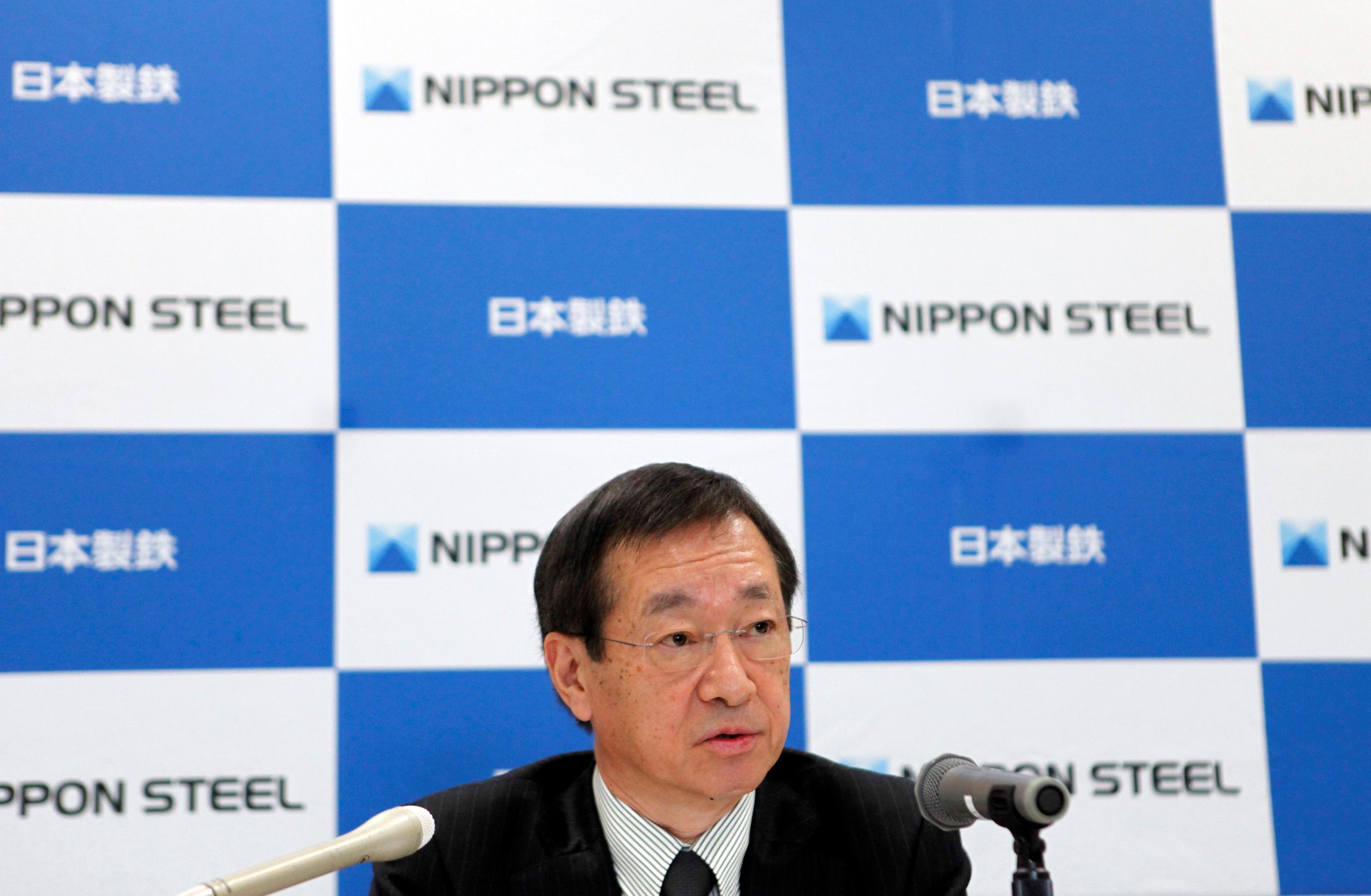
TOKYO, Jan 12 (Reuters) - Nippon Steel (5401.T) said on Friday President Eiji Hashimoto will become CEO and chairman effective April 1, remaining at the helm as the top Japanese steelmaker aims to complete a deal to take over U.S. Steel (X.N). Executive Vice President Tadashi Imai and head of Nippon Steel's initiative to decarbonise the steel-making process, will take the president and chief operating officer (COO) posts, the company said in a statement. Hashimoto last month struck a $14.9 billion deal to acquire the iconic U.S. steelmaker but faces a tough road ahead as the United Steelworkers union and some lawmakers have criticised the acquisition. The White House has also pledged "serious scrutiny" of the deal. In order for him to stay on top of the deal among other planned investments, Nippon Steel reinstated CEO and COO titles which do not exist under the current structure. "To maintain management continuity, I will keep management responsibility as CEO for the time being," Hashimoto told a news conference. Asked about the outlook for the U.S. Steel deal, Hashimoto reiterated that he believed the deal would go through as it provided benefits to the United States, such as a hefty investment and advanced technology that Nippon Steel has. "We'll be able to complete the deal if we carefully deal with various issues, together with U.S. Steel," he said. Since taking the current job in 2019, Hashimoto has undertaken drastic restructuring, including the closure of several domestic mills, while changing the negotiation formula with its key industry customers such as Toyota Motor (7203.T) so that it can swiftly pass on rising material costs to their product prices. Overseas, Hashimoto made a flurry of major investments, buying two Thai steelmakers and taking a 20% stake in Canadian miner Teck Resources' (TECKb.TO) coking coal unit. https://www.reuters.com/markets/commodities/nippon-steel-president-hashimoto-remain-drivers-seat-amid-us-steel-deal-2024-01-12/
2024-01-12 10:52
LONDON, Jan 12 (Reuters) - The United States and Britain carried out strikes from the air and sea against Houthi military targets in Yemen in response to the movement's attacks on ships in the Red Sea. The Houthis have been targeting vessels in the southern Red Sea and the Bab al-Mandab Strait in attacks the Iran-aligned group says aim to support the Palestinians as Israel and Hamas wage war. WHAT ARE THE RECENT HOUTHI ATTACKS AND INTERNATIONAL RESPONSES? * Jan. 11: Houthis fired an anti-ship ballistic missile into international shipping lanes in the Gulf of Aden but the attack did not cause injuries nor damage, the U.S. military said. It was the 27th such Houthi attack since Nov. 19, the U.S. said. * Jan. 9: U.S. and British naval forces shot down 21 Houthi drones and missiles. U.S. President Joe Biden said they had directly targeted American ships. The Houthis said it was in part retaliation for a New Year's Eve incident when U.S. helicopters sank three Houthi boats, killing fighters who were attempting to board a commercial vessel. * Jan. 6: Six small craft approached a merchant vessel about 50 miles from the Yemeni city of Mocha before leaving the area, the British maritime agency (UKMTO) said. A drone launched from Yemen was shot down in self-defence by a U.S. ship in the southern Red Sea, the U.S. Central Command said. * Jan. 3: Houthis say they had "targeted" a container ship bound for Israel. * Jan. 2: Houthi militants fired two anti-ship ballistic missiles into the southern Red Sea though no damage was reported, the U.S. Central Command said. Multiple commercial ships in the area reported the impact of the missiles on the surrounding water. * Dec. 31 - Houthis say that 10 of their naval personnel were dead and missing after three of their boats were attacked by U.S. forces in the Red Sea. Houthi naval forces had carried out a missile attack on the Maersk Hangzhou container vessel after its crew refused to heed warning calls, a Houthi spokesman said. * Dec. 28: The United States said it shot down one drone and one anti-ship ballistic missile in the southern Red Sea fired by Houthis in the 22nd attempted attack on international shipping since Oct. 19. * Dec. 26: Houthis claim responsibility for a missile attack on a container ship in the Red Sea and for an attempt to attack Israel with drones. MSC Mediterranean Shipping said there were no injuries to its crew from the attack on its ship, the United VIII, en route from Saudi Arabia to Pakistan. * Dec. 23: The United States shot down four drones headed towards a U.S. destroyer in the southern Red Sea and launched from Houthi-controlled areas of Yemen, U.S. Central Command said. The Norwegian-flagged, -owned and -operated chemical/oil tanker Blaamanen reported a near miss in a Houthi drone attack, while a Gabon-owned, Indian-flagged crude oil tanker reported being hit by an attack. * Dec. 18: The M/V Swan Atlantic is attacked in the southern Red Sea by multiple projectiles launched from Houthi-held territory, U.S officials said. * Dec. 16: The U.S. Central Command says its guided missile destroyer USS Carney shot down 14 drones launched by Houthis over the Red Sea. * Dec. 15: A projectile launched from Houthi-controlled Yemen strikes the Liberia-flagged, German-owned Al Jasrah ship, causing a fire but no injuries, a U.S. defence official says. Maersk denies a Houthi claim that the militia carried out a drone strike on a Maersk vessel sailing towards Israel, but says the tanker was targeted by a missile. * Dec. 12: A Houthi spokesman said the group targeted Norwegian commercial tanker STRINDA. The attack took place about 60 miles (111 km) north of the Bab al-Mandab Strait, a U.S. official said. * Dec. 9: Houthis said they would target all ships heading to Israel, regardless of their nationality, and warned all international shipping companies against dealing with Israeli ports. * Dec. 3: U.S. military said three commercial vessels came under attack in international waters in the southern Red Sea, as Houthis claimed drone and missile attacks on two Israeli vessels in the area. * Nov. 19: Israel said Houthis seized a British-owned and Japanese-operated cargo ship in the southern Red Sea. WHAT IS BAB AL-MANDAB? * The Bab al-Mandab Strait, or the Gate of Tears, named for its perilous navigation, is the outlet of the Red Sea between Yemen, on the Arabian Peninsula, and Djibouti and Eritrea on the African coast. * It is one of the world's most important routes for global seaborne commodity shipments, particularly crude oil and fuel from the Gulf bound for the Mediterranean via the Suez Canal or SUMED pipeline, as well as commodities bound for Asia, including Russian oil. * Bab al-Mandab was the site of a naval blockade of Israel by Egypt in the 1973 Yom Kippur War. * Bab al-Mandab is 18 miles wide at its narrowest point, making tanker traffic difficult and limited to two channels for inbound and outbound shipments, divided by the island of Perim. * Around 7.80 million barrels per day (bpd) of crude and fuel shipments transited the strait in the first 11 months of 2023, up from 6.60 million bpd throughout 2022, according to oil analytics firm Vortexa. On average, Vortexa tracked 27 tankers carrying crude or fuel each day in 2023, up from 20 last year. https://www.reuters.com/world/middle-east/houthi-attacks-shipping-red-sea-persist-us-allies-strike-back-2024-01-12/