2024-01-11 13:31
WARSAW, Jan 11 (Reuters) - Poland's Constitutional Tribunal ruled on Thursday that bringing the central bank governor Adam Glapinski before the State Tribunal requires a qualified majority of votes in parliament. This will make it harder for the new pro-European coalition, which only holds a simple majority, to make good on its campaign pledge to bring the governor to justice for what it said were actions that compromised the central bank's independence. Critics, including current Prime Minister Donald Tusk, argued during the campaign that Glapinski pursued monetary policy that aimed to help the previous government in the run-up to the Oct. 15 election. Glapinski has dismissed such accusations and has provided robust and often lengthy defences of his record during monthly press conferences. Once in power, Tusk, has also toned down his rhetoric, saying he would not do anything that would destabilise the central bank. The Tribunal is among institutions critics say became politicised during nationalist Law and Justice (PiS) party's time in power and judges appointed then could hamper the new government's efforts to undo some of the changes PiS introduced or hold those it accuses of wrongdoing to account. Poland's new government has made judicial reform a top priority as it seeks to unblock billions of euros in European Union funds frozen over rule-of-law concerns. The Tribunal also ruled that suspending the central bank governor in his duties by simple majority of votes was unconstitutional. "This rules out bringing the governor (to court) and suspending him in his duties ... by a majority lower than 3/5 of members of parliament," the Tribunal said in a justification of its verdict. The central bank has warned that putting Glapinski, whose ties to PiS leader Jaroslaw Kaczynski go back decades, before a tribunal would damage the economy. https://www.reuters.com/world/europe/polish-court-sets-higher-bar-bringing-cbank-governor-before-state-tribunal-2024-01-11/

2024-01-11 13:21
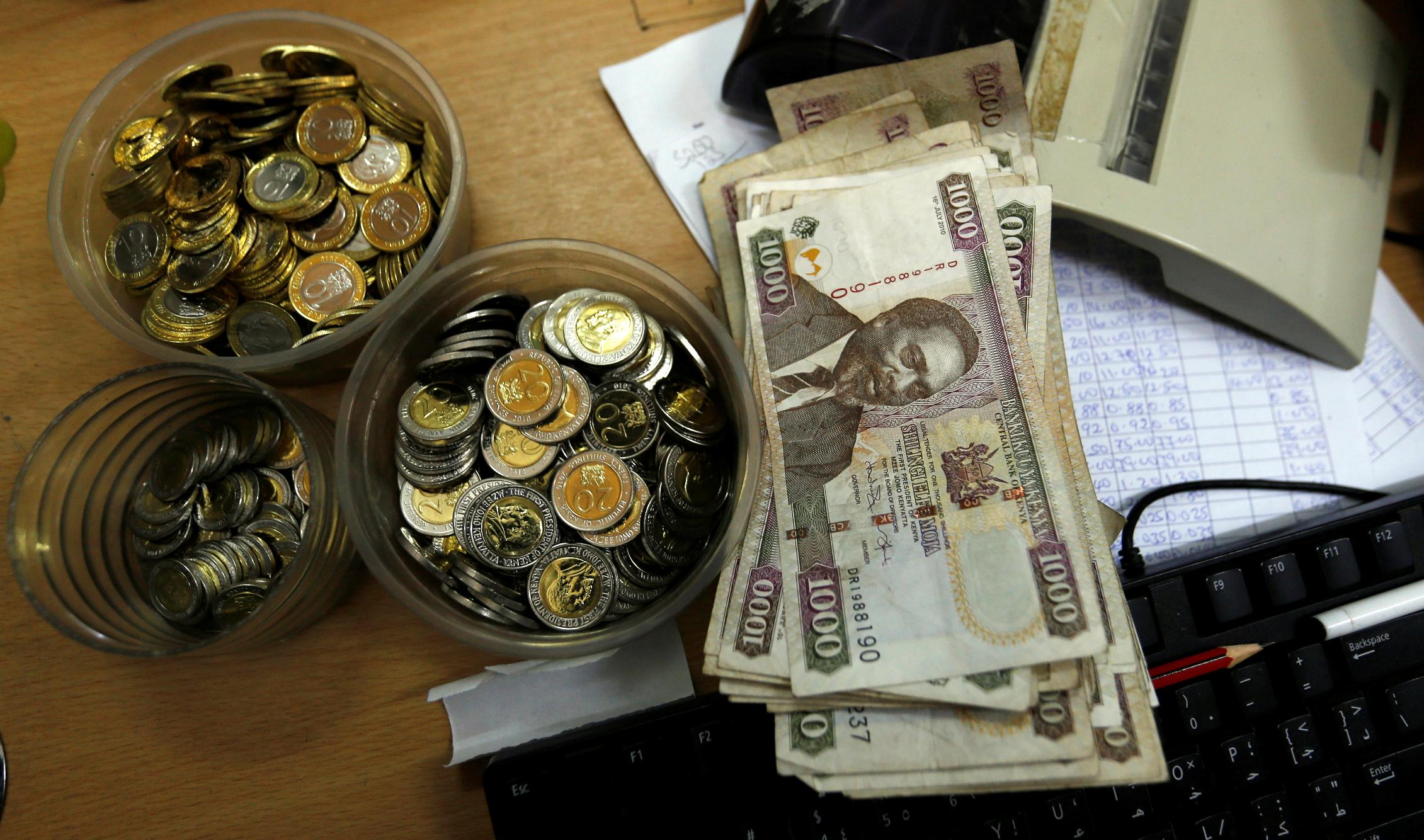
NAIROBI, Jan 11 (Reuters) - Kenya's shilling, Ghana's cedi and Zambia's kwacha are seen weakening against the dollar in the coming week, while Uganda's shilling and Nigeria's naira are expected to hold steady, traders said on Thursday. KENYA Kenya's shilling is expected to weaken due to increased demand for dollars from all sectors of the economy and low inflows. Commercial banks quoted the shilling at 159.00/160 per dollar, from last Thursday's closing rate of 157.00/158.00. The current level is an all-time low, LSEG data showed. "There is a pile-up in (dollar) demand from across all sectors. We still see the (weakening) trend continuing," a trader at one commercial bank said. The trader said the demand was especially high from importers ordering goods from China before their counterparts closed for the week-long Lunar New Year holiday break. GHANA Ghana's cedi is expected to come under pressure due to increased demand from the manufacturing and energy sectors amid low dollar supplies, traders said. LSEG data showed the cedi trading at 11.9200 to the dollar on Thursday, compared to 11.9000 at last Thursday's close. "The bulk of the demand has been from the manufacturing sector. We expect to see some marginal pressure on the cedi in the coming week as demand continues to tick up," said Sedem Dornoo, a senior trader Absa Bank Ghana. Head of Trading at Stanbic Bank Ghana, Chris Nettey, said positive statements from the International Monetary Fund regarding talks between Ghana and its official bilateral creditors about debt restructuring "should give some support to the cedi in the coming sessions". UGANDA The Ugandan shilling is expected to hold steady as pending mid-month tax payments force firms to trim back their demand for dollars. Commercial banks quoted the shilling at 3,795/3,805, compared with last Thursday's close of 3,805/3,815. "Corporates will be preparing to clear their mid-month tax obligations which normally softens their demand for dollars," said a trader at one commercial bank. He said the shilling was likely to trade mostly around 3,800 against the dollar in the coming days. NIGERIA Nigeria's naira is likely to trade around its current level on the official market, but occasionally drop close to levels on the parallel market in thin trading, traders said. The naira was quoted at 791 to the dollar on the official market on Thursday. This compares with around 1,260 naira on the parallel market . On Monday, the Central Bank of Nigeria (CBN) said it recently paid $61.64 million of foreign exchange backlog owed to foreign airlines, bringing the outstanding forex forwards it has paid in the last three months to $2 billion. "The news from the CBN on the recent forex backlog payment was timely. It has helped to set the tone very early in the year and I think this will help to boost market confidence," one trader said. ZAMBIA The kwacha is expected to remain under pressure against the dollar as the market continues to witness high hard currency demand and low inflows. On Thursday, the currency of Africa's second-largest copper producer was trading at 26.05 per dollar, from 25.75 a week ago. "The local currency is expected to follow a downward trajectory given that current market trends hold," Access Bank (ACCESS.GH) said in a note on Thursday. https://www.reuters.com/markets/currencies/africa-fx-kenya-ghana-zambia-currencies-seen-under-pressure-2024-01-11/
2024-01-11 11:54
Jan 11 (Reuters) - Chesapeake Energy (CHK.O) said on Thursday it would buy smaller rival Southwestern Energy (SWN.N) in an all-stock transaction valued at $7.4 billion, a deal that would enable the second-largest U.S. natural gas producer to take the top spot. The move extends a recent spate of multi-billion deals in the U.S. energy sector including Exxon Mobil's (XOM.N) $60-billion Pioneer Natural Resources (PXD.N) offer and Chevron's (CVX.N) $53-billion agreement for Hess (HES.N), as companies seek lucrative acreage to rebuild depleting assets. Chesapeake has offered $6.69 per Southwestern share held, representing a discount of about 3% to the stock's last close, according to Reuters calculation. Southwestern's shares fell 5.8% in premarket trading. The stock had gained 7.7% since the Wall Street Journal reported on the deal talks last week. U.S. natural gas prices are expected to tick higher from a jump in exports, analysts have said, after a gloomy 2023 due to record production, ample inventories and a mild winter. The 40% plunge in prices in 2023 from a year earlier also weighed on profits at natural gas producers. Southwestern reported third-quarter net income that was a tenth of its year-earlier earnings. The Southwestern bid is the biggest in Chesapeake's efforts to add heft to a pivot to natural gas assets since emerging from bankruptcy in 2021. Last year, it beefed up its position in the gas-rich shale plays of the U.S. northeast with its $2.5 billion buyout of Chief E&D. Oklahoma City-based Chesapeake exited Eagle Ford basin last year in multiple sales for total proceeds of more than $3.5 billion to focus on the gas-rich Marcellus and Haynesville shale formations. Most of Southwestern's production is in Appalachia's shale formations and the Haynesville basin in Louisiana. Combining these acreage the pro forma company has current net production of about 7.9 billion cubic feet equivalent per day (Bcfepd), the companies said. If the merger goes through, the combined firm would overtake EQT Corp (EQT.N) as the largest independent natural gas-focused exploration and production company in the U.S. by market value and output The deal is expected to close in the second quarter. Chesapeake shareholders will own about 60% of the combined company and Southwestern investors the rest. https://www.reuters.com/markets/deals/chesapeake-buy-southwestern-energy-74-billion-deal-2024-01-11/
2024-01-11 11:42
ISLAMABAD, Jan 11 (Reuters) - Pakistan has seized a batch of contaminated propylene glycol solvent that was labelled as manufactured by Dow Chemical, Thailand, the nation's drug regulatory authority said on Thursday. Dow Chemical, Thailand did not respond to a request for a comment. The move comes as authorities have identified toxic propylene glycol used in cough syrups as a possible reason for the deaths of more than 300 children in Indonesia, Gambia and Uzbekistan since 2022. The World Health Organization has linked the deaths outside Indonesia to cough syrups made in India. "The Regulatory field force has taken possession of a contaminated batch of Propylene Glycol and is investigating the entire supply chain of this batch," Pakistan's drug authority said in an alert, ordering the recall from local and export markets of any products manufactured from the same batch of propylene glycol. "The batch was labelled as manufactured by Dow Chemical, Thailand," it said. "On analysis of a sample by the Central Drug Laboratory in Karachi, an unacceptable level of Ethylene Glycol was found," which can lead to serious health risks, the drug authority said. It said the Ethylene Glycol's ingestion can "affect the central nervous system, and heart, and can cause kidney damage, which can be fatal." It was not clear whether any amount of the imported chemical was used in local cough syrup. The drug authority has directed that finished products manufactured from any other batch of propylene glycol from Dow Chemical Thailand to be put on hold. https://www.reuters.com/world/asia-pacific/pakistan-seizes-poisonous-solvent-used-cough-syrup-2024-01-11/

2024-01-11 11:34
"Drastic action" needed to keep site afloat, minister says ArcelorMittal rejected state-backed rescue plan Steel plant vital for underdeveloped southern Italy ROME, Jan 11 (Reuters) - Italy's government could put the former Ilva steel plant under special administration, Industry Minister Adolfo Urso told Reuters on Thursday, after its main shareholder ArcelorMittal (MT.LU) rejected a state-backed plan to keep the site afloat. ArcelorMittal, the world's second-largest steelmaker, took control of Acciaierie d'Italia (ADI) formerly known as Ilva in 2018. It currently owns 62% of ADI, while public investment agency Invitalia has the remaining 38%. Bogged down by an increase in energy prices and a drop in rolled steel coil prices, the steel plant has long been short of cash and has accumulated a huge debt pile with suppliers, including energy giant Eni (ENI.MI). "It is an option," Urso told Reuters when asked if the government was considering the appointment of special commissioners to run the site. He did not rule out Rome injecting fresh resources into ADI despite ArcelorMittal dragging its feet. ADI directly employs 8,200 people at a huge steelworks in the southern city of Taranto and unions are urging the government to safeguard jobs. The case risks ending in court with both the government and ArcelorMittal accusing each other of failing to respect their commitments. The government this week proposed that Invitalia inject 320 million euros ($351 million) into ADI and then raise its stake to 66%, as part of a broader plan to strengthen the company's capital. ArcelorMittal, however, refused to offer guarantees that it would provide further investments even as a minority shareholder, sinking the proposal. In an earlier parliamentary debate, Urso said "drastic action" was needed for the former Ilva steel plant, which the right-wing government of Giorgia Meloni deems as crucial for steel supply. "Nothing that was planned has been realised. None of the commitments made have been fulfilled with regard to employment levels and industrial revitalisation," Urso told lawmakers. A source close to ArcelorMittal said the group was ready to back the government's plan provided it would continue to have similar governance powers to Invitalia. But Urso rejected such option, making reference to possible violations of European rules against state aid. A meeting between workers representatives and ministers on the issue is scheduled to take place at 1800 GMT. ($1 = 0.9123 euros) https://www.reuters.com/markets/commodities/italy-plans-drastic-action-relaunch-former-ilva-steel-plant-2024-01-11/

2024-01-11 11:27
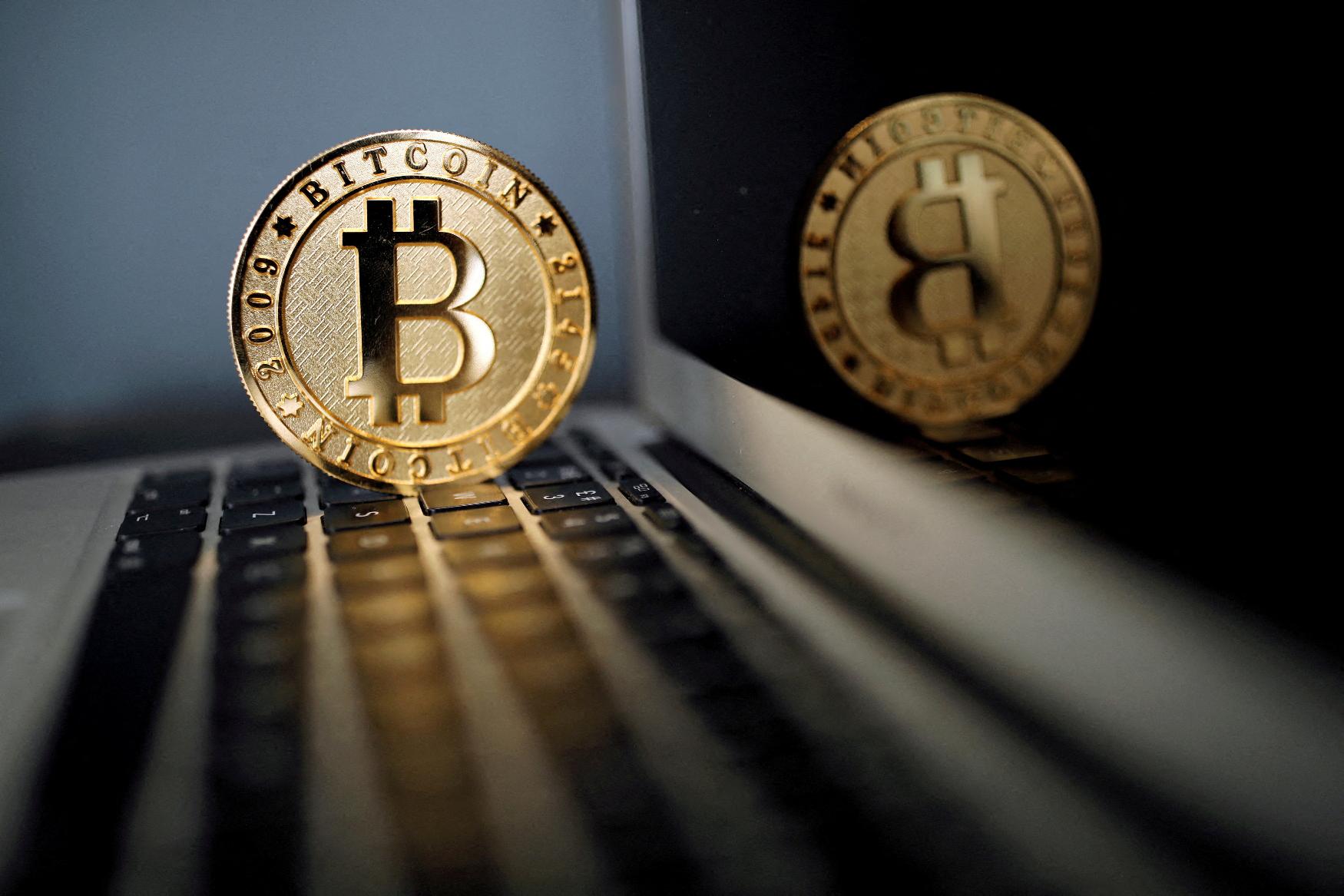
Jan 11 (Reuters) - Crypto enthusiasts hailed the approval of U.S. bitcoin exchange-traded funds as the birth of a new asset class, but broadening acceptance of the famously turbulent cryptocurrency beyond its true believers could prove challenging. A decade in the making, the ETFs offer investors access to spot bitcoin prices, avoiding the risks associated with holding bitcoin directly in a digital wallet, ranging from hacking to fraudulent behavior by crypto exchanges. Estimates of likely first-year inflows vary widely, from $5 billion to $100 billion. Some market participants have compared the products to the SPDR Gold Shares ETF , which gave a much broader range of investors access to the precious metal when it launched in 2004 and pulled in more than $1 billion in its first three trading days. Many of the 11 approved ETFs are expected to start trading on Thursday morning. Cathie Wood, founder of Ark Investments, called it "a truly new asset class.” One of the ETFs approved by the Securities and Exchange Commission was designed by Ark in tandem with 21Shares, a digital assets investment firm that already operates a crypto ETF in Britain. "We're not thinking about profit maximization as much as enabling more and more people to access what we think is a new asset class," said Wood, who made her name creating actively managed ETFs that bet on so-called disruptive technologies ranging from electric vehicles to bitcoin trading. Whether the new ETFs earn bitcoin a place at the table alongside more traditional asset classes such as stocks, bonds and commodities could well depend on how successful Wood and other issuers - including BlackRock, Fidelity and Van Eck - are in helping the broader investment community overcome its wariness about the risk factors that take up dozens of pages in each ETF's regulatory filings. Bitcoin's short history has seen several dizzying rallies followed by wrenching drops amid periods of decline sometimes dubbed "crypto winter." Scandals such as the implosion of crypto exchange FTX in 2022 have also added to investors’ wariness, though proponents have said some of the risk could be mitigated through ETFs, which are listed on tightly-regulated stock exchanges. That volatility has heightened their appeal as primarily speculative investments, although they were originally created as an alternative to fiat currencies established by and backed by a governments. Bitcoin, which came into existence in 2008, has a far shorter track record than other asset classes that have spawned wildly successful ETFs, such as gold. That makes it difficult for investors to determine how it will trade over multiple economic cycles. Jeff Schwartz, president of Markov Processes International, a fintech firm that advises wealth and asset managers, drew a parallel between bitcoin and emerging markets and commodities, two asset classes that gained traction in investors’ portfolios in the 1990s and early 2000s. Those "were asset classes far better understood by most investors than bitcoin is," Schwartz said. Nevertheless, "allocations were capped at a very low level (at the time), out of prudence." Many expect the bulk of the investment community to follow suit and make only tentative forays into bitcoin ETFs. But even small allocations among a wide pool of investors could add up to billions in inflows: Standard Chartered analysts this week said the ETFs could draw $50 billion to $100 billion this year alone, potentially driving the price of bitcoin as high as $100,000. "Despite the interest in the crypto market, investors won't allocate a significant share of their portfolio in cryptos,” said Ruslan Lienkha, chief of markets at fintech platform YouHodler. But "even a small percentage of a portfolio specifically of institutional investors can boost crypto market capitalization." Allocating 1% or 2% of a portfolio to spot bitcoin ETFs "shouldn't create too many issues or too much risk" for many investors, said Sandy Kaul, head of digital assets and industry advisory services at Franklin Templeton. She added investors are hungry for something new as "they're worried about real estate, unsure about bonds and stocks." Proponents of bitcoin as an asset class also point to another much-touted property: its finite supply. The supply of 21 million bitcoins is expected to be fully mined by 2140, in theory making bitcoin resistant to inflation, a property that some investors also attribute to gold. "Bitcoin is a truly non-inflationary asset," analysts at Invesco, one of the firms that received ETF approval on Wednesday, said in a report last year. Investment views about Bitcoin are often centered around this idea of scarcity. Still, it might take a lot of convincing to change the mind of skeptics such as Robert Arnott, founder and chairman of asset manager and consultancy Research Affiliates. "Bitcoin isn't an asset; it's not even like currency," said Arnott, who has studied the evolution of asset allocation and views bitcoin as closer to investments such as art and fine wine rather than stocks and bonds. "I view it as a speculative vehicle," he said. "There's nothing wrong with speculative vehicles" as long as investors understand what they are getting into, Arnott added. https://www.reuters.com/technology/spot-bitcoin-etfs-may-face-uphill-battle-widen-tokens-appeal-2024-01-11/