2024-01-09 05:05
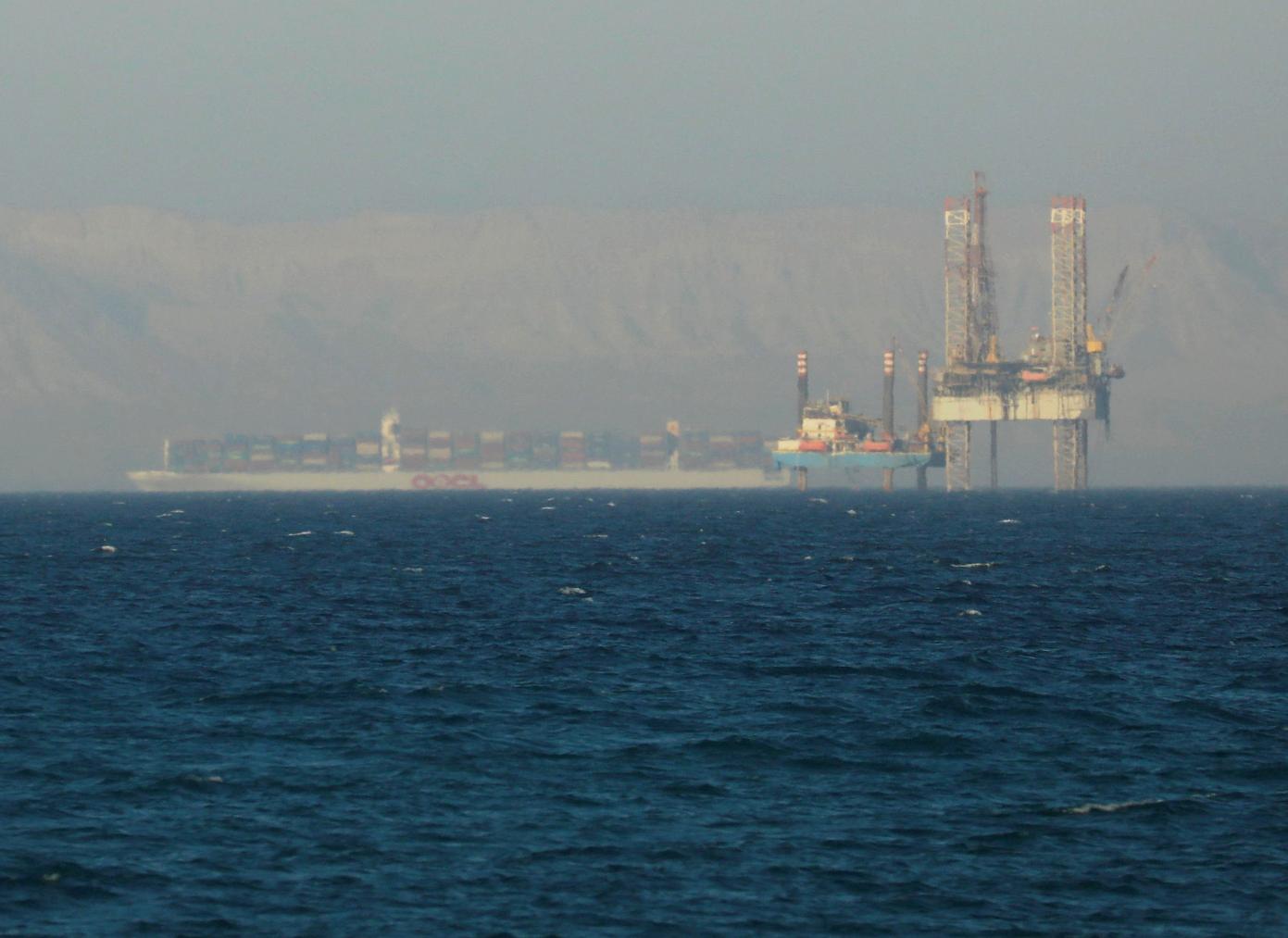
HOUSTON, Jan 9 (Reuters) - Oil and fuel tanker traffic in the Red Sea was stable in December, even though many container ships have rerouted due to attacks by Iran-aligned Houthi militants, a Reuters analysis of vessel tracking data showed. The attacks have driven up shipping costs sharply along with insurance premiums, but have had less impact than feared on oil flows, with shippers continuing to use the key East-West passage. The Houthis, who have said they are targeting Israel-bound vessels, have largely attacked non-petroleum goods shipments. The added costs have not made a big difference to most shippers so far because the Red Sea remains much more affordable than sending cargo around Africa. But the situation bears watching with some oil companies like BP and Equinor diverting cargoes to the longer route. Also, increased shipping costs are likely to boost exports of U.S. crude to some European buyers, experts said. "We haven't really seen the interruption to tanker traffic that everyone was expecting," said Michelle Wiese Bockmann, a shipping analyst at Lloyd's List. A daily average of 76 tankers carrying oil and fuel were in the south Red Sea and Gulf of Aden in December, the area close to Yemen that has seen attacks. That was only two fewer than November's average and just three below the average for the first 11 months of 2023, according to data from ship tracking service MariTrace. Rival tracking service Kpler tracked 236 ships on average daily across all of Red Sea and Gulf of Aden in December, slightly above the 230 daily average in November. The additional cost of sailing around the Cape of Good Hope off Africa rather than via the Red Sea would make voyages to deliver oil less profitable, she said. "So, you're going to try and go through", she said. Since the beginning of December, chartering rates have roughly doubled according to data from ship analytics firm Marhelm. It cost as much as $85,000 a day to ship oil on Suezmax tankers, which can carry as much as 1 million barrels. Aframax vessels, which can move 750,000 barrels, cost $75,000 a day. Tanker traffic in the south Red Sea region briefly dipped between Dec. 18 and Dec. 22 when the Houthi group intensified attacks on vessels, averaging 66 tankers, but movements resumed after, according to MariTrace. Container ship traffic in the area has fallen more sharply, down 28% in December from November, with steep declines in the second half of the month as attacks mounted, according to MariTrace. "STILL TAKING THE RISK" Several oil majors, refiners and trading houses have continued to use the Red Sea route, according to an analysis of LSEG data. "Shippers and their customers really want to avoid a schedule disruption. So they are still taking the risk," said Calvin Froedge, founder of Marhelm. He noted that many oil tankers transiting the Red Sea were carrying Russian crude to India, which the Houthis have no interest in attacking. The Chevron-chartered Delta Poseidon traversed the Suez Canal and Red Sea at the end of December en route to Singapore, according to LSEG's ship tracker. The Sanmar Sarod, chartered by Indian refiner Reliance, also crossed the Red Sea in late December to deliver gasoline components to the United States, data showed. Chevron "will continue to actively assess the safety of routes in the Red Sea and throughout the Middle East and make decisions based on the latest developments," a spokesperson said. Reliance did not respond to a request for a comment. Other tankers, chartered by trading house Gunvor's unit Clearlake, Indian refiner Bharat Petroleum and Saudi Arabia's Aramco Trading Company, have all navigated the route in recent weeks. The companies either declined to comment or did not reply to requests for comments. Using the Red Sea can some 3,700 nautical miles off a trip from Singapore to Gibraltar. SHIFTING FLOWS Some companies such as BP and Equinor have paused all transits through the Red Sea and rerouted their vessels in the region. Since the second half of December, at least 32 tankers have diverted or transited via the Cape of Good Hope, instead of using the Suez Canal, according to ship tracking service Vortexa. The tankers that are diverting are mostly those chartered by companies who announced a pause on Red Sea movement, or those operated by US and Israel-linked entities, Vortexa added. Fuel oil traders and bunkering sources in Asia said they were still monitoring Red Sea developments, though the East of Suez remains amply supplied for now so the current diversions are unlikely to boost prices. East-to-west disruptions have mainly impacted European imports of diesel and jet fuel so far, Kpler data suggest. Meanwhile West to East diversions have impacted some European fuel oil and gasoline shipments to the Middle East, Asia-Pacific and East Africa, Kpler data shows. Tensions there have also prompted more oil buyers to look to the U.S and likely played a role in the record 2.3 million barrels per day of crude exports to Europe in December, Matt smith, an analyst at ship tracking firm Kpler said. "Ongoing uncertainty in the Red Sea is likely spurring on some modicum of European buying (of U.S. crude)," Smith said. https://www.reuters.com/markets/commodities/oil-tankers-continue-red-sea-movements-despite-houthi-attacks-2024-01-09/
2024-01-09 04:46
Hapag-Lloyd to continue avoiding Red Sea/Suez Canal Libya's 300,000 bpd of supply still offline US crude inventories seen down last week - poll API shows U.S. crude stocks fell last week NEW YORK, Jan 9 (Reuters) - Oil prices climbed around 2% on Tuesday as the Middle East crisis and a Libyan supply outage pared the previous day's heavy losses. Brent crude futures settled $1.47, or 1.9%, higher at $77.59 a barrel, while U.S. West Texas Intermediate crude (WTI) ended $1.47, or 2.1%, higher at $72.24. Prices drew support from the closure of Libya's 300,000 barrels per day (bpd) Sharara oilfield, one of its largest, which has been a frequent target for local and broader political protests, and Middle East tensions. The Israeli military has said its fight against Hamas will continue through 2024, stoking concerns the conflict could escalate into a regional crisis that disrupts oil supplies. Meanwhile, some major shipping companies are still avoiding the Red Sea following attacks by Iran-aligned Houthi militants in response to Israel's war against Hamas. However, the impact on oil tanker movements has been less than expected, according to a Reuters analysis. "The more attractive alternative for (oil tankers) right now is to make a dash for the United States, where crude oil is cheaper than Brent," said Bob Yawger, director of energy futures at Mizuho. Brent and WTI posted 3% and 4% losses respectively on Monday after sharp cuts to Saudi Arabia's official selling prices (OSP), prompting both supply and demand concerns. Oil futures also were also supported on Tuesday after Saudi Arabia emphasized its desire to support efforts to stabilize oil markets and following reports that Russia curbed its crude oil production level in December, said Price Futures Group analyst Phil Flynn. "It's an early sign of compliance by Russia," he said. Russia is part of the OPEC+ group of oil producers that has agreed to cut production by around 2.2 million bpd. In the U.S., crude production will hit record highs over the next two years but grow at a slower rate, the Energy Information Administration (EIA) said, as efficiency gains offset a decline in rig activity. Output will rise by 290,000 bpd to a record 13.21 million bpd this year. Crude stocks fell by 5.2 million barrels in the week ended Jan. 5, according to market sources citing American Petroleum Institute figures on Tuesday. Government data on stockpiles is due Wednesday. Core U.S. inflation data on Thursday will also be in the spotlight. https://www.reuters.com/business/energy/oil-prices-steady-markets-debate-middle-east-crisis-opec-supply-2024-01-09/
2024-01-09 04:24
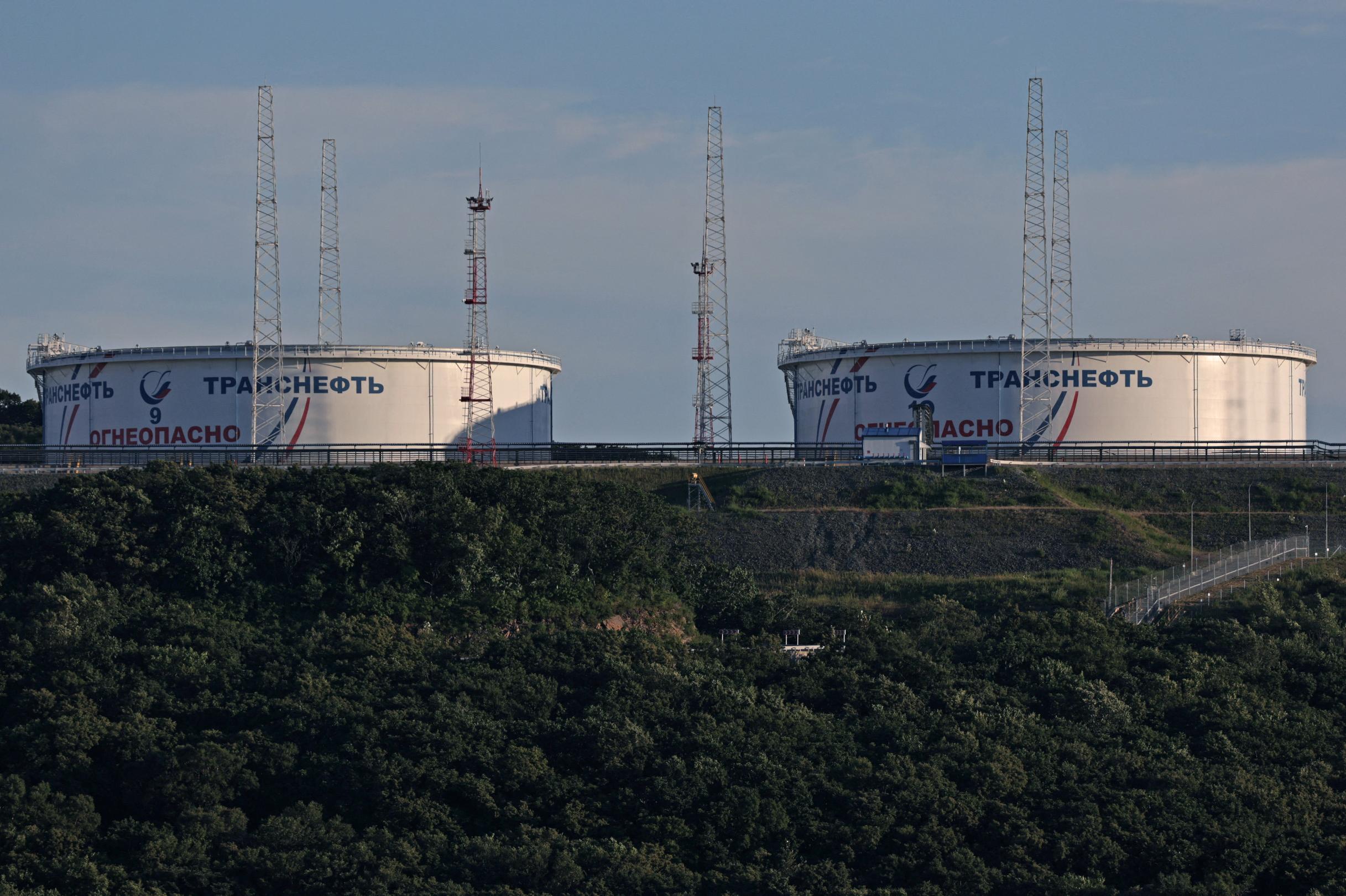
LAUNCESTON, Australia, Jan 9 (Reuters) - Saudi Aramco's decision to cut the price of its crude for Asian customers shows just how difficult it is for the world's largest oil exporter to walk the line between maintaining market share and restraining output enough to bolster prices. Saudi Aramco (2222.SE) said on Sunday that it will lower the official selling prices (OSPs) of its crude grades by $2 a barrel to Asian refiners for February-loading cargoes from January levels. This takes the OSP for Aramco's benchmark Arab Light grade to a premium of $1.50 a barrel to the Oman/Dubai average for February, down from $3.50 for January shipments. It was the biggest cut in the OSPs in 13 months, and likely came in response to Asian refiners, who buy the bulk of Aramco's exports, calling for more competitive Saudi prices against oil from both other Middle East suppliers, as well as from those in the Americas and Africa. The question for refiners is whether the lower OSPs will be enough to tempt them to take full contracted volumes from Aramco, or even try to boost their allocations. Even with the lower OSPs, Saudi crudes may still be more expensive for Asian refiners compared to similar grades from other exporters. Saudi crude for Asia is priced against the Oman/Dubai average, which consists of the two regional benchmarks. Oman futures ended on Monday at $77.83 a barrel, while cash Dubai was $77.90, giving an average price of about $77.87. With the February OSP at a premium of $1.50 a barrel, this means Asian refiners face paying about $79.37 for February-loading Arab Light cargoes, assuming current pricing is maintained. Nigerian Bonny Light crude , which has a similar gravity to Arab Light, ended on Monday at $77.32 a barrel, while another similar African crude, Angola's Cabinda was at $77.22. This means that the African crudes are likely to prove more competitive than Arab Light for Asian refiners, even if the shipment costs are slightly higher given the longer sea voyage. Aramco's second-largest export grade, Arab Extra Light, competes with lighter crudes such as Brent and West Texas Intermediate (WTI). The OSP for Arab Extra Light was set at a premium of $1.55 a barrel to the Oman/Dubai average for February-loading cargoes. WTI futures ended at $70.77 a barrel on Monday, while Brent contracts finished at $76.12. This means that currently both WTI and Brent will be more competitive for Asian refiners than Aramco's Arab Extra Light grade. Of course, price isn't the only determinant of Aramco's exports, there is also the important factor of the security of the Saudi giant being a reliable, long-term supplier with a proven track record. The bulk of Aramco's crude is sold under term contracts, which do offer some flexibility to both parties as to the volumes supplied or sought. This means that Asia's importing countries can vary the volumes they buy from Aramco, and China's recent imports show how this can happen. CHINA IMPORTS China, the world's biggest oil importer, landed 1.38 million barrels per day (bpd) of Saudi crude in December, down from 1.70 million bpd in November and the lowest since July, according to data compiled by LSEG Oil Research. In contrast, China's imports from the United States were 430,000 bpd in December, up from 220,000 bpd in November and the highest since June, while those from Brazil were 840,000 bpd, up from 810,000 bpd in November and a third straight monthly gain. Aramco's move to lower its OSPs does fit the market view that the company is attempting to make its crude more competitive in its key Asian markets. It may be over-egging the pudding to suggest that Aramco is signalling it will defend market share and that further output cuts are now off the table. Saudi energy policy, such as production levels, are set by the Ministry, while Aramco works within the policy prescriptions to try and deliver the most revenue and strong customer relations. The output cuts agreed by Saudi Arabia as part of its commitments within the OPEC+ group provide Aramco with its policy framework, but the OSP decisions reflect Aramco's reading of the market conditions. The opinions expressed here are those of the author, a columnist for Reuters. https://www.reuters.com/markets/commodities/saudi-arabia-tries-thread-needle-between-crude-output-prices-russell-2024-01-09/

2024-01-09 03:19
Jan 9 (Reuters) - U.S. aluminum producer Alcoa (AA.N) said on Tuesday it planned to stop production in 2024 at its loss-making Kwinana Alumina Refinery in Western Australia because of challenging market conditions and the facility's age. Production at the facility which first started in 1963 will cease in the third quarter of this year, when Alcoa will cut its employees to roughly 250, from around 800 currently. In the third quarter of 2025, the workforce will shrink again to 50. The plant, jointly owned with Alumina Ltd (AWC.AX) will continue to be "actively managed," according to Alcoa. Alcoa Executive Vice President Matt Reed said the decision reflected the 60-year-old plant's age, scale and cost to operate as well as current market conditions. “Today’s curtailment decision comes only after thorough and careful deliberation, and we acknowledge that this action will impact workers, business partners, and the community,” Reed said.” Western Australia Premier Roger Cook and Federal Resources Minister Madeleine King said the decision was "disappointing." Cook said the state government would help the roughly 800 employees and 250 contractors affected look for new work or retrain. “Today will be a difficult day for workers in my local community of Kwinana," Cook said. “My government will step up to provide supports for local workers to retrain, reskill and look for new career opportunities in the local area." The plant's associated port facilities and Alcoa's Pinjarra and Wagerup refineries in Western Australia are unaffected by the shutdown. Co-owner Alumina said in a statement it fully supported the decision and the Pinjarra and Wagerup facilities were in the first quartile globally for alumina refining costs and emissions. Alcoa said the refinery recorded a net loss of roughly $130 million last year. The closure is expected to save $70 million annually starting in the third quarter of 2024. https://www.reuters.com/markets/commodities/alcoa-close-production-western-australia-refinery-cut-800-jobs-2024-01-09/
2024-01-09 03:02
MUMBAI, Jan 9 (Reuters) - The Indian rupee is expected to open higher on Tuesday, following the dollar's retreat on rising bets of a U.S. rate cut and a proposal to include eligible Indian bonds in the Bloomberg Emerging Market Local Currency Index. Non-deliverable forwards indicate the rupee will open at around 83.06-83.08 to the U.S. dollar compared with 83.1375 in the previous session. Late on Monday, Bloomberg Index Services proposed including eligible Indian bonds in its emerging market local currency index from September. This follows JPMorgan's decision to include India in its emerging market debt index in June. Asian currencies were mostly higher and the dollar index was down to 102.12. The New York Fed's latest Survey of Consumer Expectations showed that projection of inflation over the short run fell to the lowest in nearly three years, supporting expectations of rate cuts and denting demand for the dollar. The pause in the dollar's rally is "more important in the context of the rupee's open" than Bloomberg's proposal, said a forex trader. "Right now it is just a proposal and that means any inflows related to it will be months down the line," he said. The rupee's uptick at open "will likely face decent opposition like yesterday", he said. The rupee reached a high of 83.0450 on Monday before running into hedging orders by importers, according to traders. The focus this week is on U.S. inflation data, which, ANZ expects rose 0.2% month-on-month in December. The data, due Thursday, comes amid high expectations of a U.S. rate cut as soon as March. "We are less optimistic and believe the Fed will be patient, wanting greater certainty before starting a cutting cycle," ANZ said. KEY INDICATORS: ** One-month non-deliverable rupee forward at 83.14; onshore one-month forward premium at 9.5 paise ** Dollar index down at 102.12 ** Brent crude futures up 0.4% at $76.4 per barrel ** Ten-year U.S. note yield at 4.02% ** As per NSDL data, foreign investors bought a net $212.7mln worth of Indian shares on Jan. 5 ** NSDL data shows foreign investors bought a net $200.2mln worth of Indian bonds on Jan. 5 https://www.reuters.com/markets/currencies/rupee-gain-dollars-retreat-indian-bonds-likely-inclusion-index-2024-01-09/
2024-01-09 01:34
Jan 8 (Reuters) - Hewlett Packard Enterprise (HPE.N) is in talks to buy Juniper Networks (JNPR.N) in a deal valuing the network gear maker at about $13 billion, a person familiar with the matter told Reuters on Monday. A deal between the two companies could be announced as early as this week, the source said. Shares of Hewlett Packard fell 7.7%, while Juniper jumped 21% in extended trading. The deal would help bolster the nearly 100-year-old technology company's artificial intelligence (AI) offerings, according to a WSJ report earlier in the day. Hewlett Packard declined to comment on the WSJ report, while Juniper Networks did not immediately respond to a Reuters request for comment. Last year, server maker HPE said it was rolling out a cloud computing service designed to power AI systems similar to ChatGPT. Juniper's high-performance network and service offerings include routing, switching, Wireless Fidelity (Wi-Fi), network security, AI-enabled enterprise networking operations (AIOps), and software-defined networking (SDN) technologies. https://www.reuters.com/markets/deals/hewlett-packard-enterprise-nears-13-bln-deal-buy-juniper-networks-wsj-2024-01-08/