2024-01-05 17:24
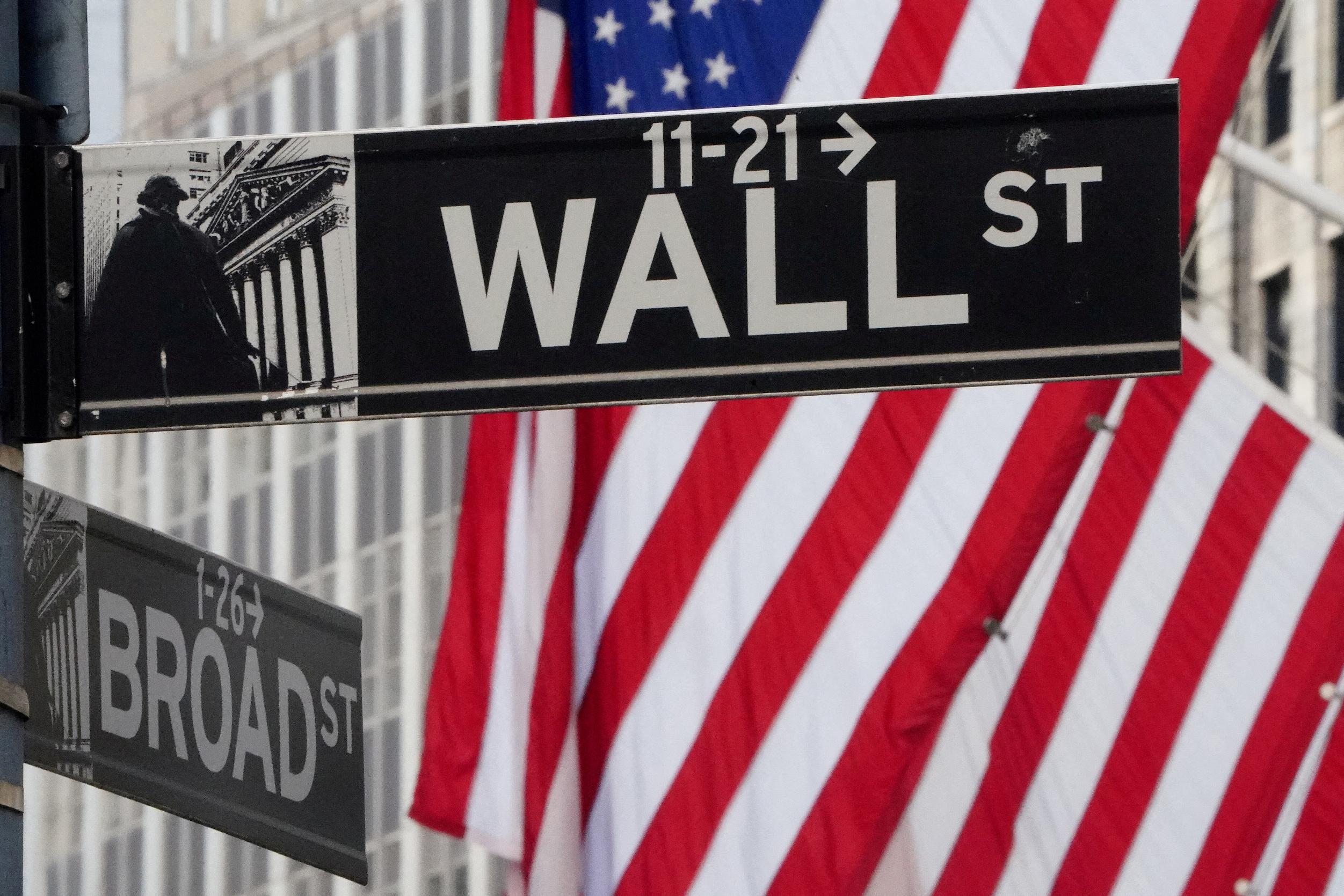
NEW YORK, Jan 5 (Reuters) - Investors are losing their taste for chasing U.S. stock gains in the options market and are eying downside protection as the S&P 500's rally wobbles at the start of 2024. The S&P 500 (.SPX) fell 1.7% in the first three trading days of the year, its worst stumble out of the gate since 2016. That comes after a surge in which the S&P 500 rose 11% during a dizzying fourth-quarter rally. The index gained 24% in 2023. Many believe a pullback is par for the course after such sharp gains. The most widely followed gauge of downside protection - the Cboe Volatility Index (.VIX) - is trading within 2 points of a four-year low hit late last year, a sign that investors remain sanguine. As of midday on Friday, the S&P was up around 0.3%, possibly on track to snap its four-day losing streak. Nevertheless, other barometers show investors may be expecting more speed bumps in the near term. One measure of two-month S&P 500 skew - an options market gauge for the relative demand for upside call contracts versus downside put contracts - has crept up to its highest level since late October, though it is still near a multiyear low hit last month. The tech-focused Nasdaq Composite (.IXIC) and the Russell 2000 (.RUT) index of small-cap stocks show similar upticks in skew measures. Calls convey the right to buy shares at a fixed price in the future and are favored by investors looking to place relatively inexpensive bets on stock price gains. Steve Sosnick, chief strategist at Interactive Brokers, said the recent stumble in stocks has prompted investors to take a more balanced approach to risk following a rally in which many market participants chased the gains in equities. "We were euphoric into the end of the year," he said. "It wasn't just a modest end-of-the-year rally ... this was ferocious, buy everything, pay any price, stuff," Sosnick said, noting robust activity in upside call options in December. Some U.S. data has bolstered the case for a cautious outlook. U.S. employers hired more workers than expected in December while raising wages at a solid clip, Friday's report showed, casting some doubt on financial market expectations that the Federal Reserve would start cutting interest rates in March. That data was counterbalanced by a report showing the U.S. services sector slowed considerably in December, a survey showed on Friday. A further test could come next week, when the U.S. is set to release its highly awaited consumer price report and earnings season kicks off. December's rush into upside calls may be one reason skew measures slipped to historic lows last month, as many were fearful of “missing out” on the rally in the final weeks of the year, said Christopher Jacobson, a strategist at Susquehanna Financial Group. With the rally running into turbulence at the start of the year, investors have been less inclined to bet on upside, helping skew measures rebound, Jacobson said. https://www.reuters.com/markets/us/investors-trim-upside-options-bets-euphoric-us-stock-rally-stalls-2024-01-05/
2024-01-05 16:03
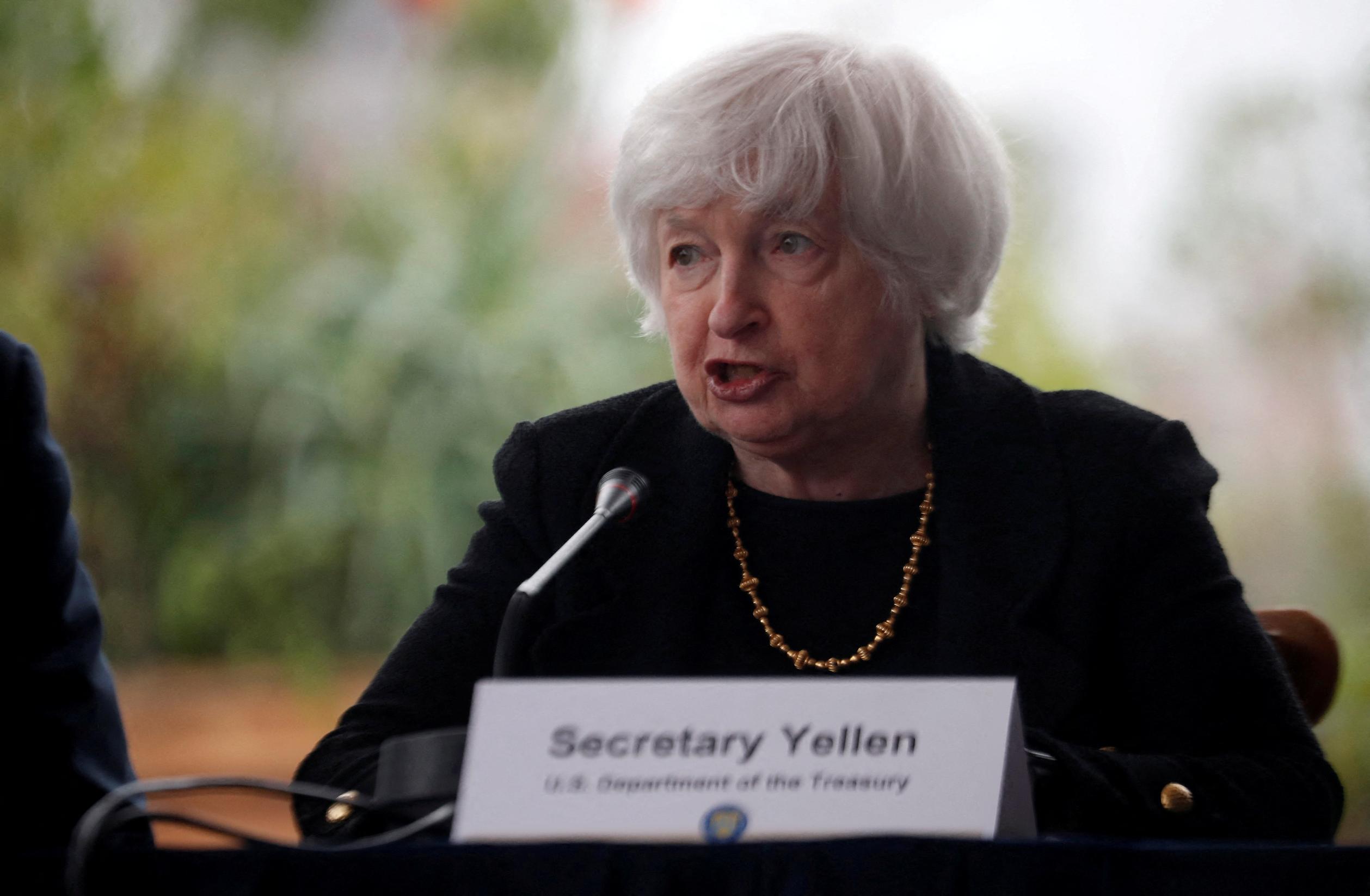
WASHINGTON, Jan 5 (Reuters) - U.S. Treasury Secretary Janet Yellen said on Friday that a "soft landing" in the U.S. economy was now underway and a sustained period of low inflation and rising wages was needed for Americans "to feel good about their future prospects." Yellen told CNN in an interview after solid December job growth data that consumer spending patterns suggest confidence in the economy. "What we're seeing now I think we can describe as a soft landing and my hope is that it will continue," Yellen said. https://www.reuters.com/markets/us/yellen-says-us-soft-landing-underway-low-inflation-wage-growth-spur-confidence-2024-01-05/
2024-01-05 16:01
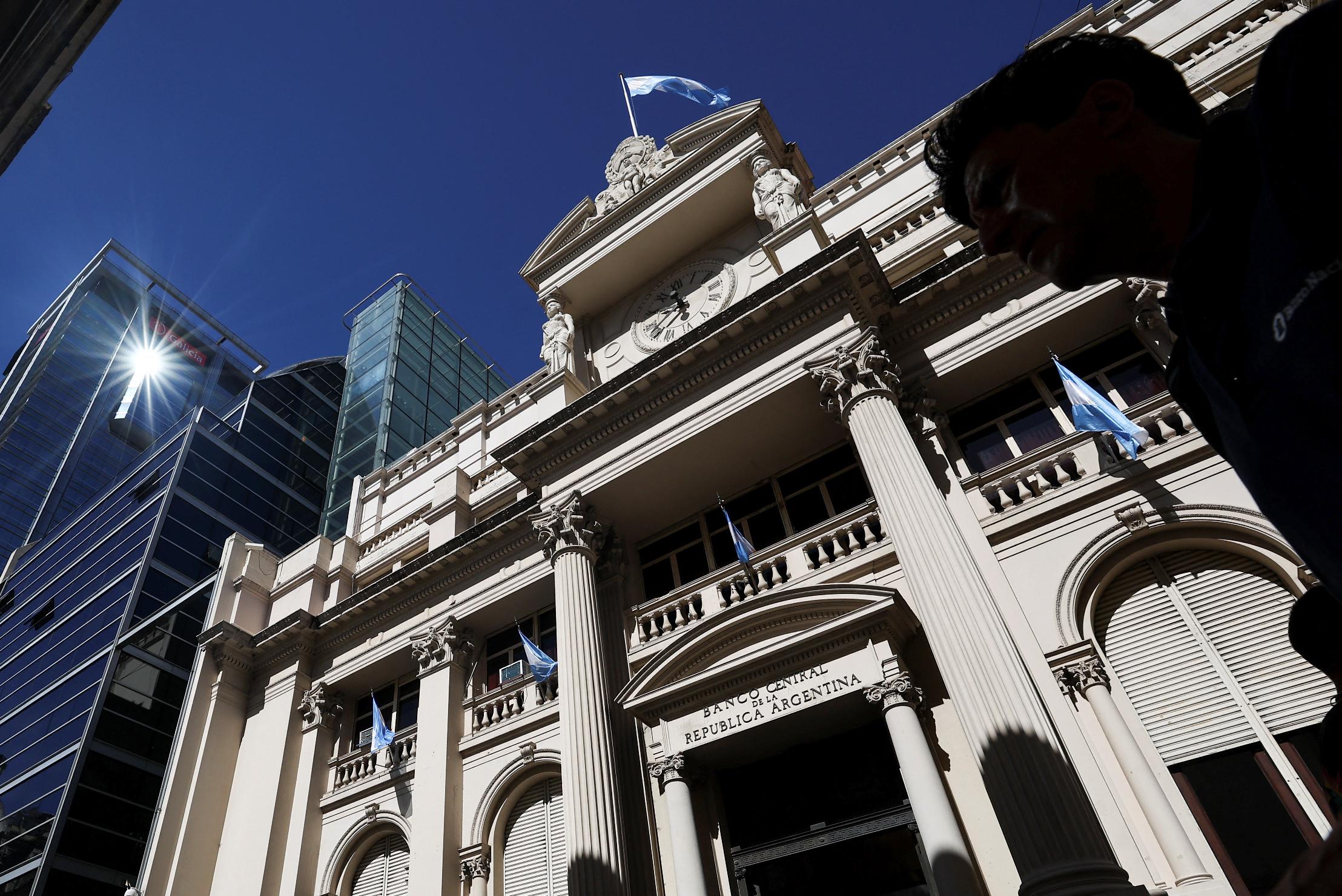
BUENOS AIRES, Jan 5 (Reuters) - Argentina's cash-strapped government will raise $3.2 billion in hard currency in order to meet debt repayments via an issuance of 10-year bills to the central bank, according to a decree in the official gazette on Friday. The new administration of libertarian president Javier Milei is battling against the country's worst economic crises in two decades, including inflation racing towards 200%, a lack of foreign currency reserves and rising poverty. It faces looming debt payments with creditors, including the International Monetary Fund (IMF), with which it is looking to hammer out an agreement and release funds as part of a delayed review of the South American country's $44 billion IMF program. Argentina's government is set to meet a delegation from the IMF on Friday and over the weekend, which could eventually unlock some $3 billion. However, the debt raising suggests it needs a quicker injection of funds, despite campaign pledges by Milei to curtail central bank financing of the Treasury. "Governments change, non-transferable bills stay the same. There is no magic bullet, no panacea," said local economist Gabriel Caamaño, adding that it remained unclear when the seventh IMF program review would be unblocked. "Because of this we have to keep damaging the central bank's balance sheet to avoid default." Presidential spokesman Manuel Adorni said in a daily press conference that the debt issuance aimed to allow the government "to meet maturities with private creditors," but added that the move would not damage the central bank's position. While the central bank has built up gross foreign currency reserves since Milei took office in December, analysts estimate that net reserves remain some $8 billion in negative territory. The major grains producing nation, which has struggled with cyclical economic crises for years, recently paid some $920 million to the IMF and faces an upcoming capital payment to the fund for about $1.95 billion in mid-January. https://www.reuters.com/world/americas/argentina-government-raise-32-bln-via-debt-sale-central-bank-2024-01-05/
2024-01-05 15:02
WASHINGTON, Jan 5 (Reuters) - The U.S. services sector slowed considerably in December, with a measure of employment dropping to the lowest level in nearly 3-1/2 years, a survey showed on Friday. The Institute for Supply Management (ISM) said that its non-manufacturing PMI fell to 50.6 last month, the lowest reading since May, from 52.7 in November. A reading above 50 indicates growth in the services industry, which accounts for more than two-thirds of the economy. Economists polled by Reuters had forecast the index little changed at 52.6. Demand for services initially surged as Americans resumed normal lives after COVID-19 lockdowns. But momentum has ebbed, with spending swinging back to goods. Spending on goods far outpaced outlays on services in the third quarter. A measure of new orders received by services businesses dropped to 52.8 last month from 55.5 in November. Export order growth also slowed considerably. Services inflation remained elevated, with a measure of prices paid for inputs by businesses slipping to 57.4 from 58.3 in the prior month. Nonetheless, inflation has been cooling, with prices as measured by the personal consumption expenditures price index falling on a monthly basis in November for the first time in more than 3-1/2 years. That, together with easing labor market conditions, has lead financial markets to expect that the Federal Reserve will start cutting interest rates as soon as March. The U.S. central bank held rates steady last month and policymakers signaled in new economic projections that the historic monetary policy tightening engineered over the last two years is at an end and lower borrowing costs are coming in 2024. Since March 2022, the Fed has hiked its policy rate by 525 basis points to the current 5.25%-5.50% range. The ISM survey's measure of services sector employment plunged to 43.3 last month, the lowest level since July 2020 when the economy was reeling from the first wave of the pandemic. The index was at 50.7 in November. However, earlier on Friday, the Labor Departments payrolls report for December said U.S. employers hired more workers than expected while raising wages at a solid clip. Back in November, the ISM noted that companies reported losing employees "due to normal attrition and are having issues backfilling these positions." Companies also said "the labor market remains very competitive," and reported "trying to get to full staff levels." https://www.reuters.com/markets/us/us-service-sector-slows-december-employment-plummets-ism-survey-2024-01-05/

2024-01-05 14:20
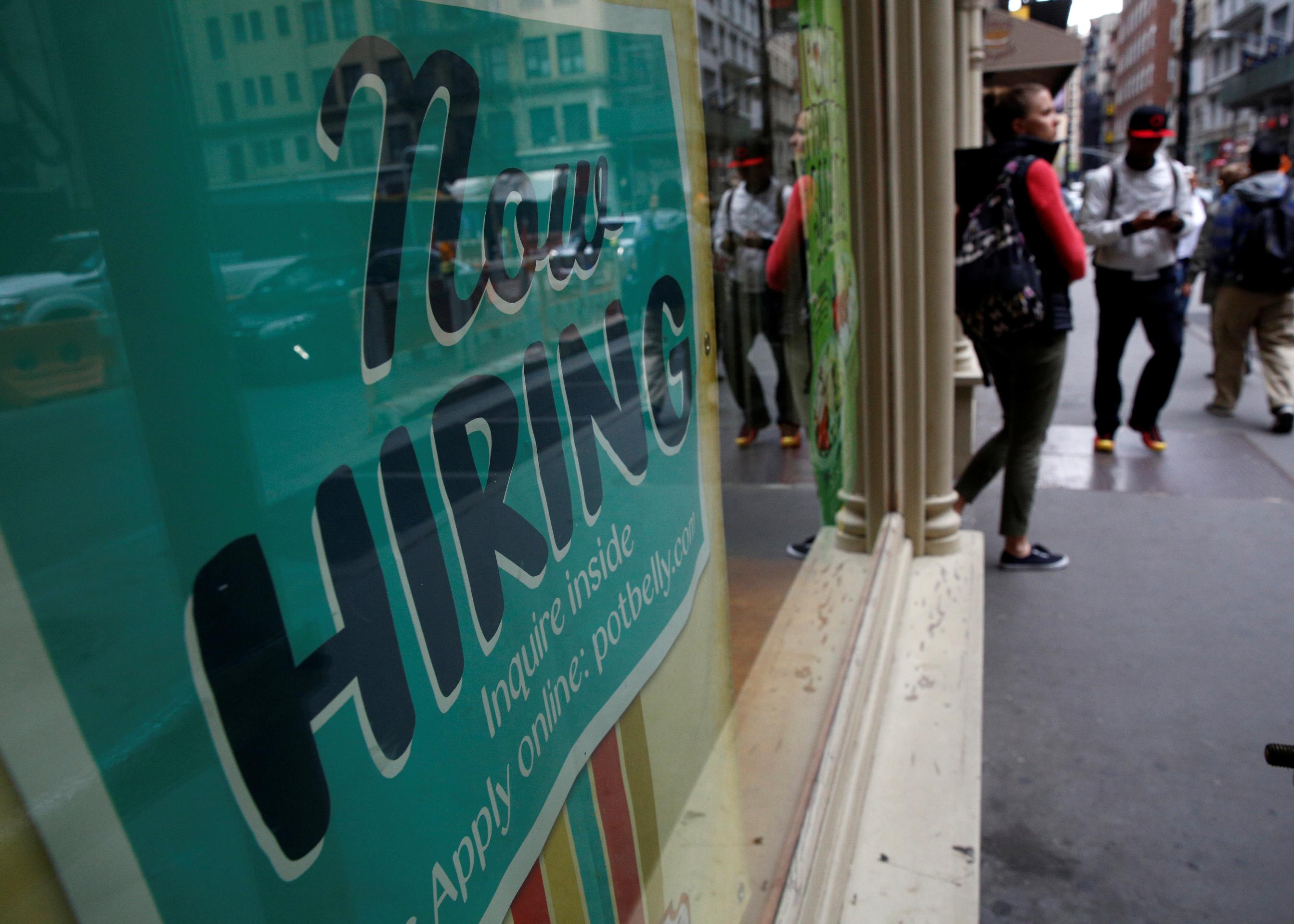
NEW YORK, Jan 5 (Reuters) - U.S. employers hired more workers than expected in December while raising wages at a solid clip, casting some doubt on financial market expectations that the Federal Reserve would start cutting interest rates in March. Nonfarm payrolls increased by 216,000 jobs last month, the Labor Department said in its closely watched employment report on Friday. Data for November was revised lower to show payrolls rising 173,000 instead of 199,000. The unemployment rate was unchanged at 3.7%. read more MARKET REACTION: STOCKS: U.S. stock futures (.SPX) initially deepened a loss then steadied and were last off 0.11% BONDS: U.S. Treasury 10-year yield rose to 4.063% after the report. Two-year yields rose to 4.435% FOREX: The dollar index rallied at first then pared to about where it started with a 0.24% gain FUTURES: contracts that settle to the Fed's policy rate indicated traders see only about a 50% chance of a rate reduction in March, versus the nearly 65% chance seen before the stronger-than-expected jobs data. COMMENTS: QUINCY KROSBY, CHIEF GLOBAL STRATEGIST FOR LPL FINANCIAL, CHARLOTTE, NC (emailed note) “Despite two months of downward revisions in the payroll numbers, this report suggests that with the unemployment rate remaining at 3.7% and hourly wages continuing to surprise to the upside, the economic backdrop is solid and provides a strong cushion for continued consumer spending. The probability of an interest rate cut at the March 20 Fed meeting, which had been over 80% just a couple of weeks ago, has dropped precipitously to below 60% following this morning's payroll print.” TIM GHRISKEY, SENIOR PORTFOLIO STRATEGIST, INGALLS & SNYDER, NEW YORK “It's a very favorable jobs report. Non-farm private payrolls, the core measure of employment, was well above expectations, and there was a downward revision to the prior period, but it's still a very strong number for the month of December. "It shows that despite higher interest rates, the economy continues to percolate along, and it's a very favorable environment for businesses... It should help the jobs picture more when the Fed does reduce rates. "We've had a bit of a correction here (in stocks), which is not totally unexpected given how strong the markets were in 2023 and even going into the end of the year. There's some straight-forward profit-taking in the first week of the new year, and I wouldn't expect this to last long." JAMIE COX, MANAGING PARTNER FOR HARRIS FINANCIAL GROUP, RICHMOND, VIRGINIA “Give me a solid labor market with disinflation all day long--a strong, employed consumer trumps all. If your recession call is predicated on job losses, this report isn't for you.” ADAM BUTTON, CHIEF CURRENCY ANALYST, FOREXLIVE, TORONTO “It’s obviously a strong report… The market’s sniffed out a strong jobs report over the past couple of days, so maybe the reaction isn’t as strong as it could have been. In terms of the data itself, the revisions take a bit of the shine off the headline number….It is more of a mixed bag than it looks at first blush.” “Overall, I think the market is a bit ahead of itself here, but you look out at pricing, we’ve taken March (rate cut expectations) down to maybe 55% from 68%, and that sounds about right. I call March about a 50/50 meeting, and I wonder if we don’t stick around there for a little while as the data rolls in.” “Inflation numbers will look really good by about June, but asking for that in March is aggressive. If the numbers start to turn I think the Fed isn’t going to hesitate, I think they’ve indicated that now, but this one jobs report - is this a game changer or not? I don’t think it’s a game changer.” “The headline came in a little rich, unemployment a little low, wages a little hot, but when you dig a little bit deeper in the numbers, it’s not as one sided as it first appears, especially the participation and the revisions.” LINDSAY ROSNER, HEAD OF FIXED INCOME MULTI SECTOR INVESTING, GOLDMAN SACHS ASSET MANAGEMENT, NEW YORK “With a mild winter (so far) and jobs numbers typically bolstered by seasonal hiring, we anticipated a strong and better-than-consensus number and here it is. This number does question the confidence of the market around the March cut. We've got three inflation prints between now and the March meeting. Every number counts.” ANDREW PATTERSON, SENIOR INTERNATIONAL ECONOMIST, VANGUARD "Today's report speaks to the bumpy road ahead for the Fed's journey back to 2% inflation. Strong headline job growth and wage growth above 4% combined with Fed communications, including the minutes, emphasizing the need to remain higher for longer decrease the likelihood of preemptive rate cuts. The decision of when to first cut policy rates remains one for the second half of the year in our view." SAMEER SAMANA, SENIOR GLOBAL MARKET STRATEGIST AT WELLS FARGO INVESTMENT INSTITUTE, CHARLOTTE, NORTH CAROLINA "The part that probably has markets worried the most is that unemployment fell and wages accelerated. Those two things by themselves are pretty troubling. In order to bring inflation down we need those numbers to cool off faster. That's where much of the market reaction will center, on those two numbers." "The tricky part isn't so much what the Fed anticipated, which was three cuts for next year. It's what the markets had priced in, which is closer to six or seven." "Even the Fed's got to be thinking that if we're going to do three cuts it can't be in the first part of the year ... this number doesn't suggest the Fed should be in any hurry to cut rates any time soon. The wage number was the most troublesome because it suggests inflation may not go away quietly." "Coming on the heels of a hotter-than-anticipated November payrolls report, which included faster-than-expected wage growth, this may be the start of a worrisome trend." BRIAN JACOBSEN, CHIEF ECONOMIST, ANNEX WEALTH MANAGEMENT, MENOMONEE FALLS, WISCONSIN “It’s the season for returning gifts and the market is doing the same thing. The rally after St. Powell delivered gifts is being taken back. There is a lot of superficial strength in this labor market report. The December numbers were stronger than expected, but there were some significant back month revisions. The gains are mostly in the acyclical sectors like government and health care. The more cyclical sectors are struggling to tread water. The stronger than expected wage gains is probably the most important feature of this report. When combined with a reduction in the aggregate weekly hours worked, the total payroll cost increases were relatively small. Goods-producing industries only had payroll costs increase 0.2%. It was the service-providing information sector that had a big 3.0% gain, but that was because their hours rose 2.2%.” MICHAEL JAMES, MANAGING DIRECTOR OF EQUITY TRADING, WEDBUSH SECURITIES, LOS ANGELES “The jobs number was a little hotter than bulls were hoping to see. That's why you're seeing yields ticking higher and that's going to likely be a further headwind for equities in general.” “(Rate cut bets) are only going to get further scaled back, given this jobs report.” PETER CARDILLO, CHIEF MARKET ECONOMIST, SPARTAN CAPITAL SECURITIES, NEW YORK “The topline payrolls number was higher than expectations, but real problem is wage growth coming in hotter than expected.” “The drop in participation could explain why the unemployment rate was unchanged.” “There might be some seasonal factors attached to this, but nevertheless it's a game changer in the debate of over the Fed, in the sense that the hope of them lowering rates in the first quarter is likely to fade and the market may now begin to price (rate cuts) at a later date.” “What does it mean for the economy? Well, there’s a bit of an acceleration here, so that points to the possibility of a soft landing.” https://www.reuters.com/markets/us/view-healthy-us-december-payrolls-gain-complicates-fed-pivot-timing-2024-01-05/
2024-01-05 13:50
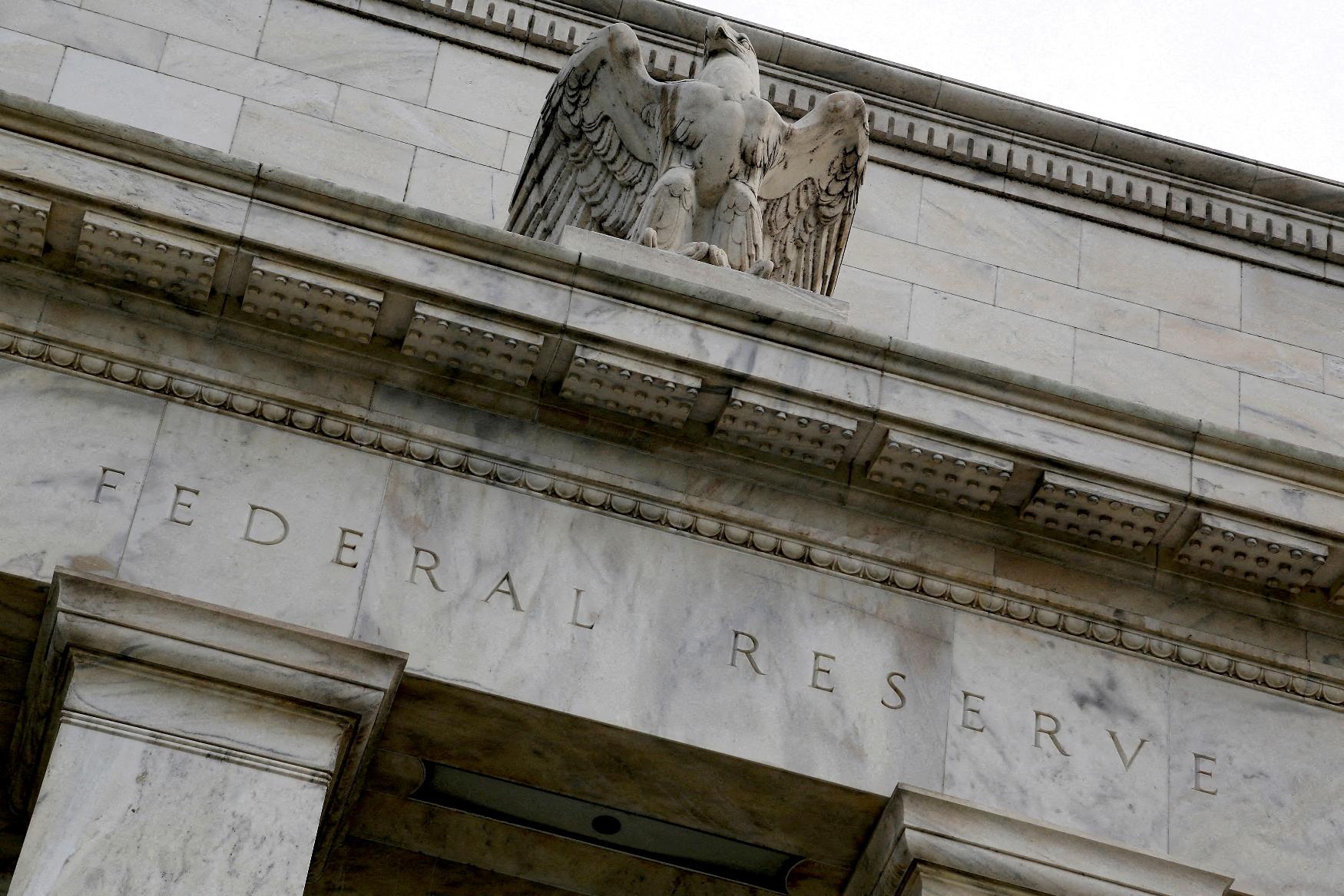
Jan 5 (Reuters) - Traders on Friday tempered expectations for the Federal Reserve to start cutting interest rates in March after the U.S. government's monthly labor market report showed employers added more workers in December than economists had anticipated. Futures contracts that settle to the Fed's policy rate indicated traders see only about a 50% chance of a rate reduction in March, versus the nearly 65% chance seen before the stronger-than-expected jobs data. Traders also pared their view of how far the Fed will cut rates this year, and now expect the policy rate, currently in the 5.25%-5.5% range, to end the year just above 4%. They earlier had priced in a year-end policy rate below 4%. https://www.reuters.com/markets/us/traders-pare-bets-march-start-fed-rate-cuts-after-strong-jobs-data-2024-01-05/