2024-01-05 03:39
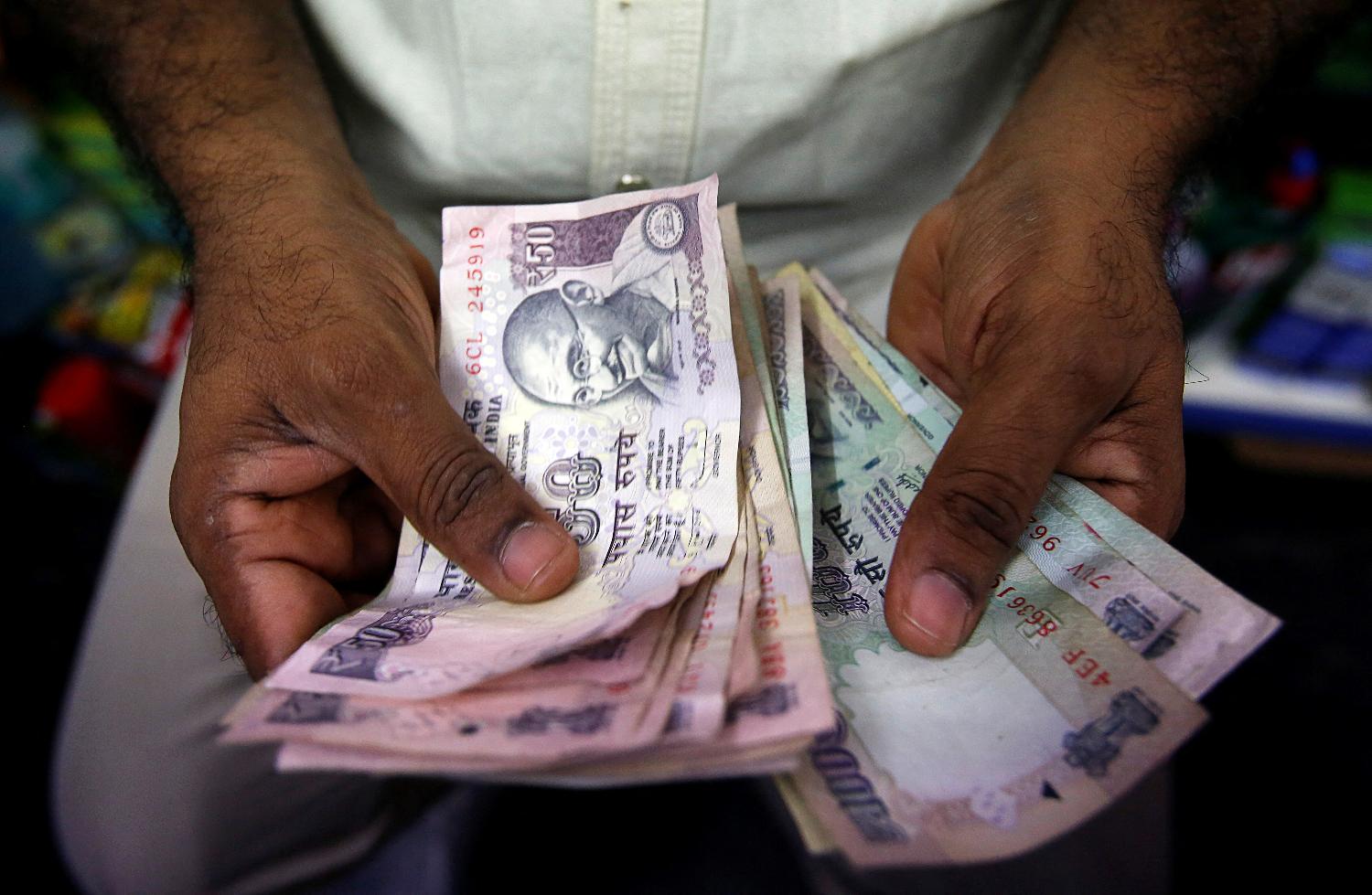
NEW DELHI, Jan 5 (Reuters) - India plans to halve the amount of equity investment to $1.8 billion for 2023/24 to help fund three state oil refiners' green energy projects, four government and industry sources said, as the federal government seeks to curb its fiscal deficit. Asia's third largest economy, facing an over 40% shortfall in collecting revenues from stake sales in state-run companies, is prioritising spending to try to limit its fiscal deficit to 5.9% of GDP for this fiscal year to the end of March. State-run Bharat Petroleum Corp and Hindustan Petroleum Corp (HPCL.NS) aim to end net carbon emissions from their operations by 2040, and Indian Oil Corp (IOC.NS) has set a target for 2046. To help the companies reach the goals, 300 billion rupees ($3.61 billion) in equity support was announced in the budget for this fiscal year. But an industry and a government official said the funds will be provided in a staggered manner and the government will give 150-billion-rupee equity support in 2023/24. As the refiners' financial position is sound and they do not require 300 billion rupees for capex this year, the government has lowered the amount, one of the sources said. All the sources with direct knowledge of the matter spoke on condition of anonymity because the details have yet to be approved by the federal cabinet. India's oil ministry, the finance ministry and oil companies did not respond to Reuters' emails seeking comments. Two industry sources said BPCL and IOC will halve the size of their planned rights issues to 90 billion rupees and 110 billion rupees, respectively. The refiners do not need funds immediately for energy transition projects, and their capex will only increase significantly after two-to-three years, one of the two industry sources said. A second government source said Oil and Natural Gas Corp (ONGC.NS), the parent firm of HPCL, will enhance government's stake in it by 1%-1.5% through the preferential issue of shares. The details of government's plan to halve its equity stake, the reduced size of IOC and BPCL's planned rights issue, and the preferential issue by ONGC have not been reported previously. The government cannot directly inject funds into HPCL, as in 2018 it sold its entire 51.1% stake in the company to ONGC. The government has considered various options to fund HPCL including a rights issue by ONGC. Two industry sources said the government has asked oil companies to launch rights and preferential issues by mid-March to complete the process before next fiscal begins on April 1. ($1 = 83.2160 Indian rupees) https://www.reuters.com/markets/commodities/india-set-halve-oil-refiners-fy24-energy-transition-equity-support-2024-01-05/

2024-01-05 03:05
NEW DELHI, Jan 4 (Reuters) - India paid an average of $85.42 per barrel for Russian oil in November, the highest since the Group of Seven (G7) advanced economies imposed a price cap of $60 per barrel to cut Moscow's revenue, preliminary government data shows. India paid 1.4% more for Russian oil in November compared to $84.20 per barrel in October, Reuters calculations based on government data show. The data also showed declining discounts for Russian oil narrowed the price gap with India's second largest oil supplier Iraq in November. India paid an average $85.73 per barrel for supplies from Iraq and $93.32/barrel for Saudi oil, the data showed. Since the imposition of the price cap in December 2022, India has mostly paid above the $60 ceiling for Russian oil that had still proved cheaper than the similar grades from elsewhere. June was an exception when prices were lower. Indian refiners buy Russian oil on delivered basis from from ports in Greece, South Korea and Spain, as well as directly from Russia. Sales from Russian ports at more than $60/barrel led to the U.S. placing sanctions on some ships and vessel operators. Washington also tightened rules including toughened scrutiny by banks and service providers to ensure that cargoes do not breach the $60 per barrel price cap. Subsequently, some ships carrying Russian oil for India were diverted in November and December, denting India's intake of Russian oil in December. Sources had said ships with Russian oil were diverted due to payment problems. However, India's oil minister Hardeep Singh Puri on Wednesday said that the decline in India's import of Russian oil was because of unattractive prices and not because of payment issues. https://www.reuters.com/markets/commodities/russian-november-oil-price-india-hit-12-mth-high-2024-01-04/

2024-01-05 02:58
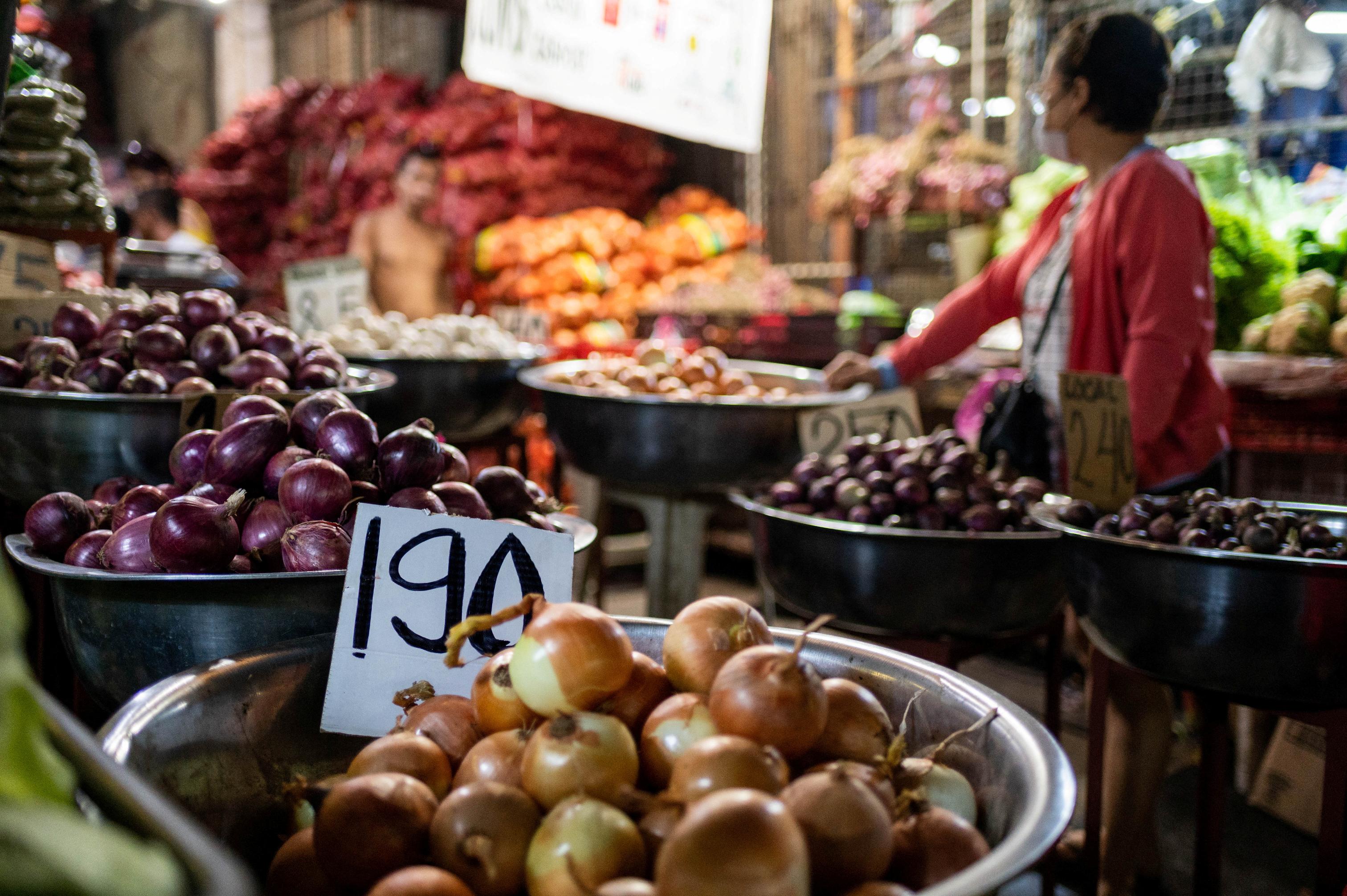
Central bank stands ready to take appropriate action as needed Easing inflation driven by food, utility prices BSP has sufficiently tightened rates - economist MANILA, Jan 5 (Reuters) - Philippine inflation slowed to its weakest in nearly two years in December but full-year readings remained outside the central bank's target zone, diminishing chances of near-term rate cuts. The central bank did not waver on Friday from its stance in early December that policy settings would stay "sufficiently tight", underscoring concerns about inflation despite a slowdown in the pace of price gains. The consumer price index in December rose 3.9% from a year earlier compared with 4.1% in November, the statistics agency said on Friday, the slowest since February 2022 and the third straight month that inflation has eased. That brought the 2023 average inflation rate to 6.0%, still way outside the central bank's 2%-4% target. "The Monetary Board deems it necessary to keep monetary policy settings sufficiently tight until a sustained downtrend in inflation becomes evident," the Bangko Sentral ng Pilipinas (BSP) said in a statement following the data. "The BSP will continue to monitor inflation expectations and second-round effects and take appropriate action as needed to bring inflation back to the target," it added. Economists in a Reuters poll had forecast annual inflation of 4.0% in December, within the central bank's 3.6% to 4.4% projection for the month. Core inflation, which strips out volatile food and energy prices, was at 4.4% in December versus 4.7% in the previous month. Among the main contributors to slower inflation was a decline in food inflation to 5.5% in December from 5.8% in November, the statistics agency said. The central bank kept its benchmark interest rate (PHCBIR=ECI) steady at 6.5% for a second straight meeting in December, after a series of rate increases to rein in inflation, including an off-cycle hike in October. It meets for the first time this year on Feb. 15. "We think that the BSP has sufficiently tightened despite additional supply side risks," said Domini Velasquez, chief economist at China Banking Corp in Manila. "However, even if the BSP stands pat, which is the likely scenario, we think that the central bank will not be in a hurry to cut rates due to the risks," added Velasquez, who has penciled in rate cuts by the second half of 2024. https://www.reuters.com/markets/asia/philippine-inflation-near-2-year-low-rates-likely-stay-elevated-2024-01-05/
2024-01-05 02:52
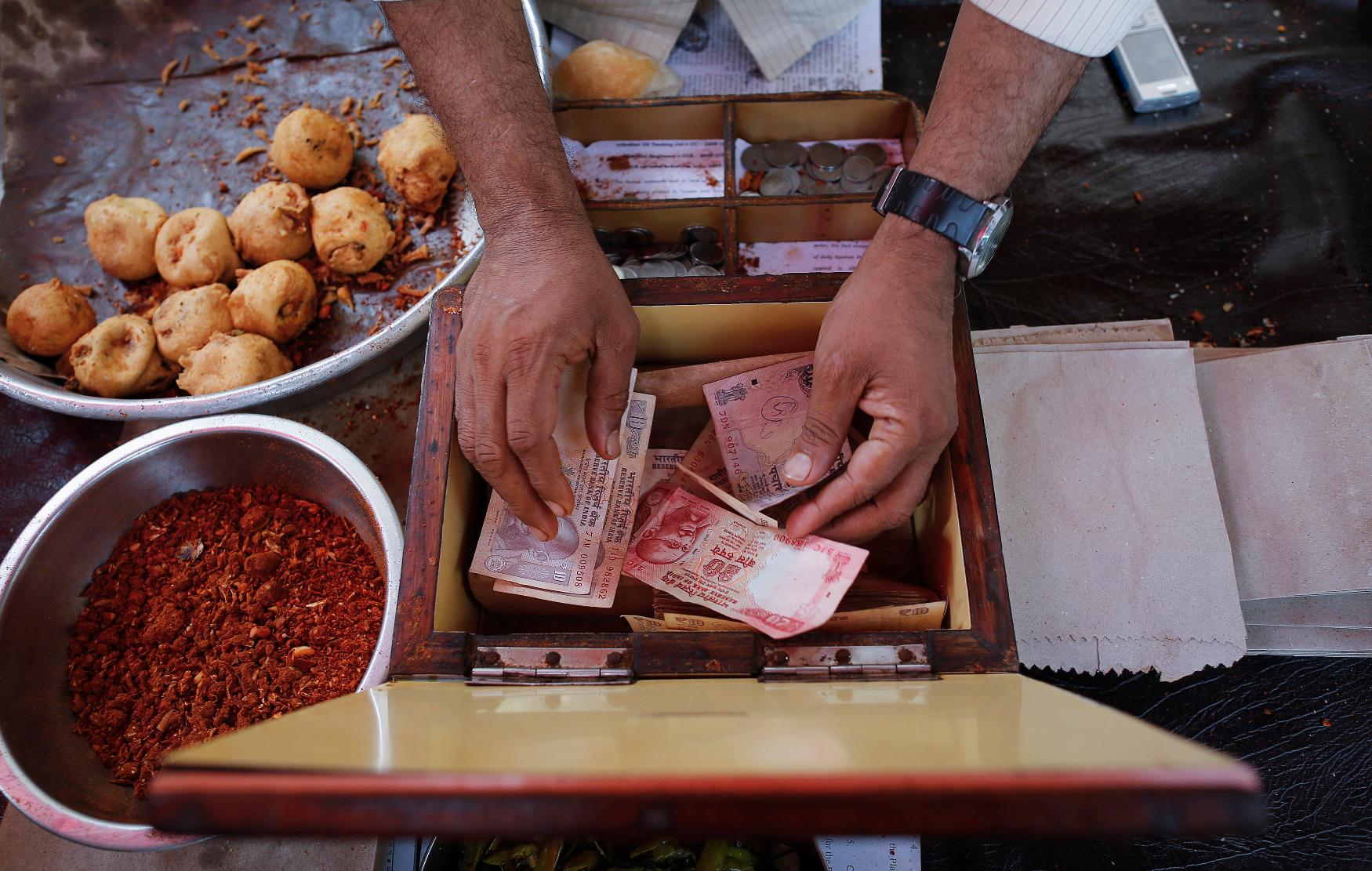
MUMBAI, Jan 5 (Reuters) - The Indian rupee is likely to open little changed on Friday, with traders keeping an eye on the uptick in U.S. bond yields following better-than-expected jobs data. Non-deliverable forwards indicate the rupee will open at around 83.24-83.25 against the U.S. dollar, compared with its close of 83.23 in the previous session. The 10-year Treasury yield rose 9 basis points (bps) to 3.99% on Thursday after data showed U.S. initial jobless claims fell more than expected to 202,000 last week. Further, data showed that U.S. private employers hired more workers than expected in December. Expectations that the Federal Reserve will keep rates unchanged at its March policy meeting rose to 34%, from 29% on Jan. 3, according to CME Group's FedWatch tool. Just about a few back this was at less than 10%. Moreover, investors are pricing in 140 bps of rate cuts this year. At one point in late December, this was at 160 bps. The two labour data points come ahead of the closely scrutinized U.S. non-farm payrolls data. The report due later in the day is expected to show 170,000 job additions last month. The rupee may face a bit of pressure amid "a dollar-long bias with the market now expecting a higher print on the non-farm payrolls data," a foreign exchange trader at a private bank said. "From the level front, the rupee continues to struggle with the same old range," said Dilip Parmar, a foreign exchange research analyst at HDFC Securities. KEY INDICATORS: ** One-month non-deliverable rupee forward at 83.36; onshore one-month forward premium at 9.50 paise ** Dollar index at 102.34 ** Brent crude futures up 0.5% at $78 per barrel ** Ten-year U.S. note yield at 4% ** As per NSDL data, foreign investors sold a net $68.6mln worth of Indian shares on Jan. 3 ** NSDL data shows foreign investors bought a net $104.1mln worth of Indian bonds on Jan. 3 https://www.reuters.com/markets/currencies/rupee-gauges-more-moderation-fed-rate-cut-bets-awaits-us-jobs-report-2024-01-05/
2024-01-05 02:16
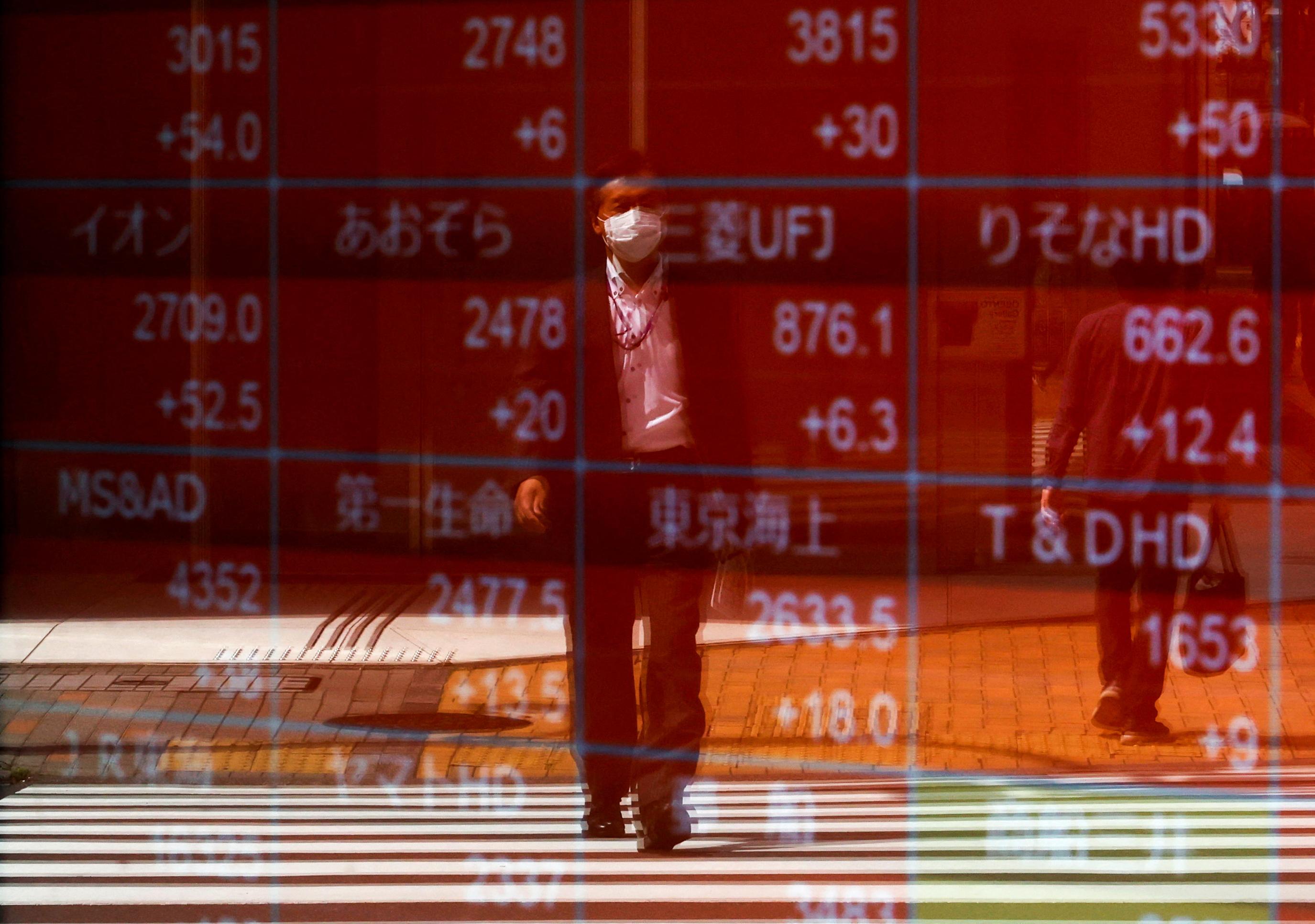
Mixed U.S. data spurs topsy-turvy trading Dollar heads to best weekly gain since July Treasury yields end near three-week highs Crude prices gain on Middle East tensions NEW YORK/LONDON Jan 5 (Reuters) - Bond prices slid and a gauge of global equity performance closed a tad higher in choppy trading on Friday after a surprisingly strong U.S. labor report increased the odds that the Federal Reserve can engineer a "soft landing" for the economy. U.S. employers hired more workers than expected last month while raising wages at a solid clip, leading markets to initially dial back bets the Fed would start cutting interest rates in March. But a weak report from the Institute for Supply Management (ISM) that showed service sector employment plunged to 43.3 in December to the lowest level since July 2020 lifted the rate cut outlook a bit, before settling little changed. The ISM non-manufacturing Purchasing Managers Index fell to 50.6 last month from 52.7 in November. A reading above 50 indicates expansion and one below that number shows contraction. The ISM report was weaker than expected, but there is some volatility associated with it, said Russell Price, chief economist at Ameriprise Financial Services in Troy, Michigan. "That's another sign that the economy is moderating. But again, that's good that it's moderating down to a sustainable pace," Price said. "It supports the case that the Fed is doing a good job of raising the odds of the soft landing." Futures traders on Friday saw a 66.4% chance of the Fed in March starting to lower its benchmark overnight interest rate from the current 5.25% to 5.50% range, according to the CME Group's FedWatch Tool. That's one-tenth of percentage point higher than Wednesday. Stocks on Wall Street rebounded after an initial decline, lifting MSCI's broadest index of world stocks (.MIWD00000PUS) 0.16%. Prices for Treasuries, which move inversely to their yield, rebounded at first, too, but later declined. The U.S. unemployment report was "a sizable positive surprise that indicated the domestic economy continues to do well and expand," said Tim Ghriskey, senior portfolio strategist at Ingalls & Snyder in New York. "At least for now, it reversed the profit-taking that the market has experienced during this first week of the year." The Fed is hoping to drive inflation back down to its 2% target without triggering a recession or a sharp rise in unemployment, a scenario dubbed the "soft landing" by policymakers and financial markets. The yield on the benchmark 10-year note rose 6 basis points to 4.051%. On the week, the 10-year's yield rose 13.1 basis points, the largest weekly gain since mid-October. The dollar index , a measure of the U.S. currency against six peers, rose 0.04% and the euro was fell 0.05% to $1.0937. In Europe, the pan-regional STOXX 600 index (.STOXX) closed down 0.27% while on Wall Street, the three main U.S. indices posted weekly losses for the first time in 10 weeks. The Dow Jones Industrial Average (.DJI) rose 0.07%, the S&P 500 (.SPX) gained 0.18% and the Nasdaq Composite (.IXIC) added 0.09%. The blistering rally for equity markets at the end of 2023 was based on expectations that the Fed, alongside significant easing by the European Central Bank, would cut rates six times this year. The monthly nonfarm payrolls report showed the U.S. economy added 216,000 new jobs in December. Economists polled by Reuters had expected a gain of 170,000. The jobless rate held steady at 3.7%, down from most forecasters' expectations for it to rise, prompting concerns that the Fed's long battle to tame inflation may have further to run. However, future labor demand is very soft and every other piece of the unemployment report is pointing in a downward direction, said Joseph LaVorgna, chief U.S. economist at SMBC Nikko Securities in New York. The number of private wage and salary workers has declined, overall aggregate hours, a proxy for GDP, haven't grown for three months in a row, and temporary employment has been down for 11 straight months, he said. "You take the headline numbers, which are a little bit better than expected, and people are drawing the incorrect conclusion that the report is strong," LaVorgna said. Euro zone inflation data on Friday showed prices in the currency bloc rose 2.9% on a year-on-year basis in December, up from 2.4% in November and potentially creating less urgency for the ECB to start cutting borrowing costs from record highs. Elswhere in financial markets, Japan's Nikkei (.N225) added 0.3% as exporters got a boost from a weaker yen. A deadly New Year's Day earthquake in Japan has also forced wagers for the ultra-dovish Bank of Japan to tighten monetary policy this month off the table. Oil prices rose as U.S. Secretary of State Antony Blinken began a weeklong sweep through the Middle East in an attempt to contain regional tensions as the Israel-Hamas conflict rages. U.S. crude futures rose $1.62 to settle at $73.81 a barrel and Brent futures settled up $1.17 at $78.76. U.S. gold futures held steady after swinging up and down a percentage point on the mixed U.S. economic data. But non-interest-bearing bullion eyed its first weekly decline in four on an overall stronger dollar and higher Treasury yields. CME gold futures settled mostly unchanged at $2,049.80 an ounce. https://www.reuters.com/markets/global-markets-wrapup-1-2024-01-05/
2024-01-05 02:08
BENGALURU, Jan 5 (Reuters) - The Indian rupee will trade in a tight range against the dollar this year as the Reserve Bank of India continues intervening to manage the exchange rate despite aggressive market bets for U.S. interest rate cuts, a Reuters poll of FX strategists showed. The U.S. dollar index (.DXY) lost over 6% between early October and late December on speculation the U.S. Federal Reserve will slash rates this year starting in March. But the rupee hardly moved thanks to heavy use by the RBI of its $600 billion-plus reserves to maintain the value of the currency. The rupee lost just 0.6% last year despite rampant dollar strength on Fed rate rises and traded in its narrowest range in over two decades, a trend currency experts say is likely to continue in 2024. Median forecasts in the Jan. 3-4 poll of 42 analysts showed the rupee would trade around the current level of 83.23/$ at end-January and strengthen a tad to 83.00/$ by end-March. "We are not expecting a sharper appreciation because the RBI will continue to absorb a large part of this to keep the rupee relatively stable," said Sakshi Gupta, principal economist at HDFC Bank. Still, expectations the Fed could ease rates more aggressively this year than the RBI have prompted analysts to predict modest gains for the rupee in the latter half of 2024. The currency was forecast to gain around 0.5% from Wednesday's level to 82.83/$ in six months and about 0.9% to 82.50/$ in a year, barely changed from last month's forecasts. Predictions were in a tight range, between 80.00/$ and 85.00/$ over the coming 12 months. Ranges for 12-month forecasts have narrowed significantly over the past few months, with the standard deviation in Reuters rupee polls currently near the lowest in at least a decade, suggesting analysts expect the RBI to continue intervening. The International Monetary Fund recently revised India's exchange rate regime to a "stabilised arrangement" from "floating" due to the regular use of its hefty foreign currency reserves (INFXR=ECI) which currently stand at over $620 billion. "The RBI has been de facto pegging the currency. If we knew their rationale for doing so, it would be easier to guess whether it would continue, but we don't," said Robert Carnell, regional head of research, Asia Pacific at ING. "Though the RBI still seems to have decent FX reserves so there is no obvious impediment to this experiment continuing." (For other stories from the January Reuters foreign exchange poll:) https://www.reuters.com/markets/currencies/constant-rbi-intervention-keep-rupee-tight-range-through-2024-2024-01-05/