2023-12-20 11:04
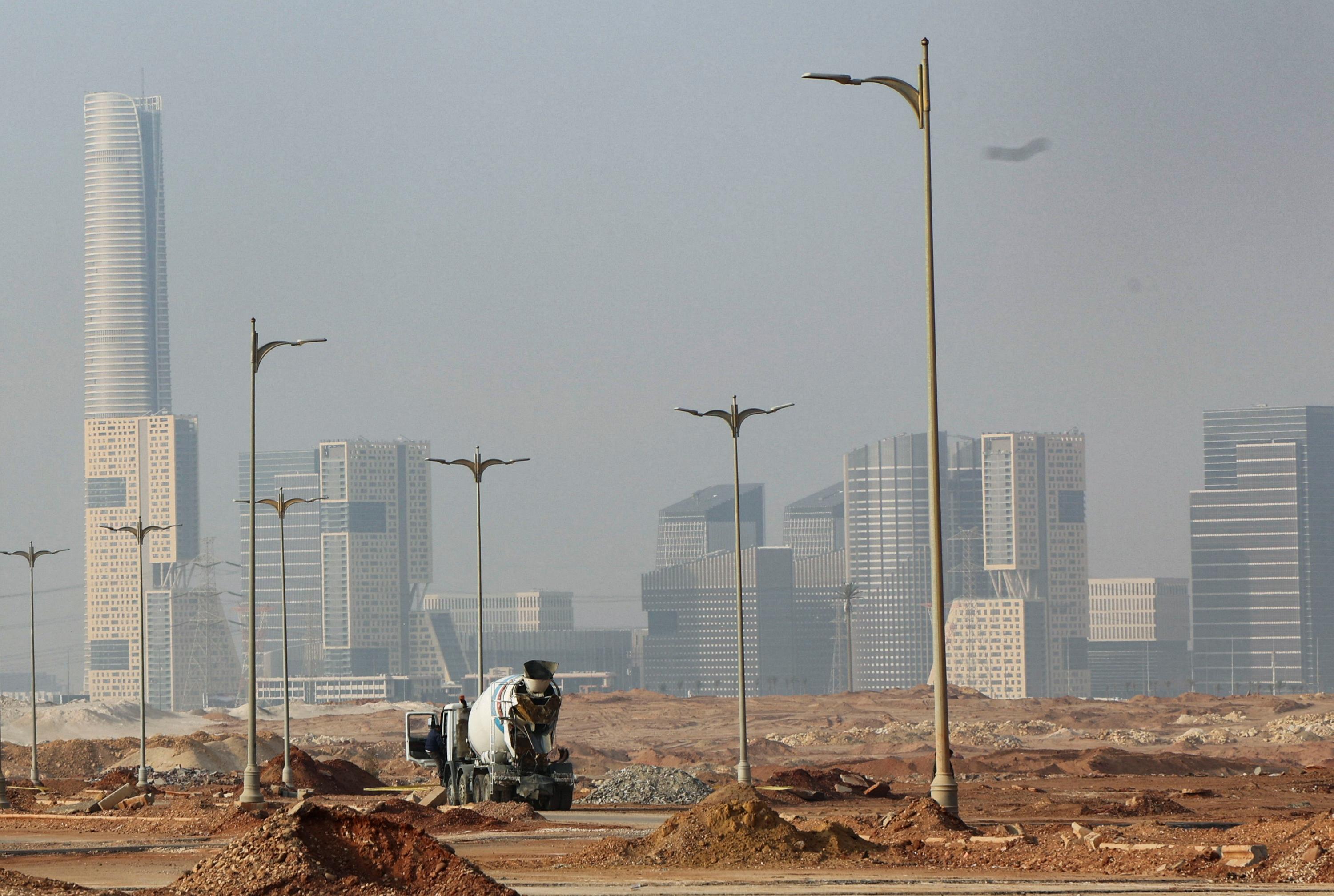
Dec 20 (Reuters) - The Biden administration on Wednesday will hold an auction of oil and gas leases in the Gulf of Mexico following several delays due to litigation over the drilling industry's impact on an endangered species of whale. The sale will likely be the last opportunity for oil and gas companies to bid on Gulf of Mexico acreage until 2025, according to the administration's five year schedule, which includes a historically low number of planned lease auctions. The sale of more than 72.7 million acres on the Outer Continental Shelf includes 6 million acres that Interior Department officials had tried to withdraw months ago to protect the habitat of the Rice's whale. A federal judge ordered that the sale be expanded after oil and gas companies sued. The U.S. Bureau of Ocean Energy Management (BOEM) will open and announce bids on an online broadcast beginning at 9:00 a.m. in New Orleans (1500 GMT). About 2.4% of the acreage offered received bids from a total of 20 companies, according to a document of pre-sale statistics posted on BOEM's web site. More than three-quarters of the tracts that received bids were in water more than 800 meters (2,625 feet) deep. President Joe Biden has sought to limit new oil and gas leasing as part of his climate change agenda, but a new federal law made offshore wind leasing contingent on offering oil and gas drilling rights. The Biden administration sees offshore wind development as important to decarbonizing the U.S. power sector. The sale comes days after the United States and nearly 200 other nations agreed to begin reducing consumption of fossil fuels to avert the worst impacts of climate change. https://www.reuters.com/business/energy/us-hold-gulf-mexico-oil-auction-after-string-delays-2023-12-20/
2023-12-20 11:00
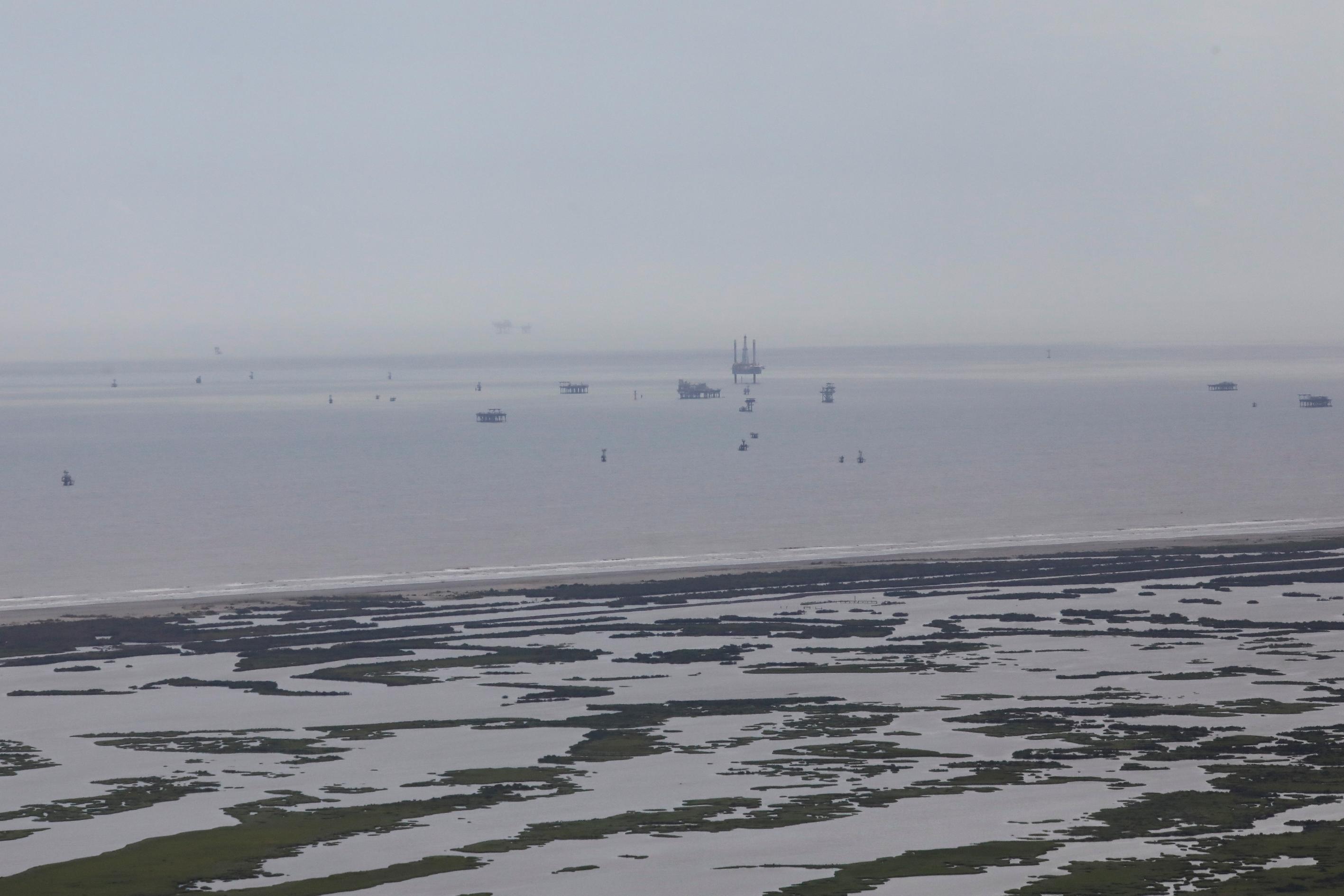
LONDON, Dec 20 (Reuters) - Like medieval King Canute's unsuccessful attempt to command the incoming tide to stop, central banks' attempts to push back against swelling interest rate cut bets seem forlorn. But like the story of the old Anglo-Norse monarch, there's more to these old yarns than meets the eye. For many, the apocryphal tale of Canute ordering the tide to stop just illustrates foolish overconfidence in regal power. Yet chroniclers insist the wily king was in fact just showing his courtiers the limits of his earthly majesty in the face of overarching forces of god and nature. Stretching the analogy at bit, a similar nuance for central banks is important looking ahead to 2024. After acknowledging the interest rate cycle had turned, many Federal Reserve and other central bank officials now feel compelled to stop the tide from coming in too fast - scrambling to warn markets not to overstep the mark. On the face of it, that seems a bit futile - at least trying to frustrate long-maturity bond yields from pricing what many will reasonably see as a full cyclical downswing in rates over the years ahead. The Fed and others officials could prod and poke futures and short rates pricing by protesting against the now-assumed rate cut timings - but stopping a dash for 10-or 30-year coupons is a different matter altogether and largely outside its control as it hinges more on how the economy unfolds. Yet, the Fed will surely have known last Wednesday exactly what changed projections for next year would unleash. And with armies of researchers and market liaison staff - it will also know that rhetorical pushback on economically sensitive long rates won't cut it once an easing cycle is started. After all, markets were already priced for 100 basis points of cuts when the standing Fed forecasts still had a median 'dot' pointing to one more hike this year. The fact they're now pricing up to 150bps of cuts next year when the Fed policymaker average has shifted to cuts of 75bps is not greatly surprising. So, much like Canute, the Fed - and its counterparts in continental Europe where inflation is already back near target - may just be playing a game of optics while acknowledging the direction of travel in markets is both a little beyond their control now and possibly what they wanted anyway. Perhaps. ECB board member Isabel Schnabel's dramatic switch from hawk to dove earlier this month is case in point - and any attempt at stanching the market flow after that switch may just seem mischievous. Publicly at least, central bankers often want to distance themselves from markets altogether - preferring to see price shifts as a force of nature as changeable as the wind, or indeed the tide. "One of the things I've learned is I don't control markets and so they're going to do what they're going to do," Richmond Fed President Thomas Barkin opined on Tuesday. And even though the Fed will insist it's "data dependent" from here, Barkin seemed pretty comfortable with the state of play and what the Fed was indicating. NEW 'RESTRICTIVE' MANTRA What's more, the 'higher for longer' mantra prevalent at most top central banks for so long has shifted subtly too - to "more restrictive for longer". "It will be important for monetary policy to be restrictive for an extended period," Bank of England Deputy Governor Sarah Breeden said on Wednesday. But of course "restrictive" is not strictly where rates are now. If rates above the Fed's unchanged long-term neutral rate of 2.5% are technically bearing down on the economy, then that leaves a lot of potential easing while remaining 'restrictive'. Even matching the markets' slightly caffeinated 150bps would leave policy rates at a historically bruising 4.0%. What's more, further disinflation only lifts the real policy rate from here as the economy slows, requiring some offset just to keep real rates where they are. And in the end, the Fed has no interest in triggering recession if inflation is contained - its dual mandate actually dictates otherwise. San Francisco Fed chief Mary Daly made that point crystal clear this week in an interview with the Wall Street Journal, pithily dismissing any suggestion of some scorched earth monetary policy. "We don't give people price stability but take away jobs," she said. So what then of the market thinking that Chicago Fed boss Austan Goolsbee this week claimed to be "confused" by - the relentless tide itself? In some respects, central banks allowing markets to ease credit conditions into the coming slowdown, while appearing to talk tough, could be seen as an impressive attempt at fine tuning the fabled 'soft landing'. With the full force of past policy rate hikes yet to hit with its traditional lag, bond market easing now could balance the ship. For all the official comments attempting to halt the rush, money markets still imply - give or take 10bps or so - some 150bps of easing from the Fed and ECB next year and about 120bps from the BoE. Bank of America's final global fund manager survey of the year perhaps gave a better picture of the cresting waves. Almost 90% of asset managers expect rates to be lower this time next year, 80% expect inflation will be lower and a record 62% see bond yields lower. And just as significantly, more funds saw global recession as the biggest tail risk to the year's benign 'soft landing' consensus than saw sticky inflation or hawkish central banks as a threat. In less than two months, benchmark 10-year Treasury yields have dropped 113bps, British gilt yields have dropped 112bps and German bund equivalents have lost 95bps. And yet, all three borrowing rates are only roughly where they were 12 months ago - and at least twice where they were 12 months before that. There may be some way to go yet before high tide is reached and not a great deal that will stand in its way. The opinions expressed here are those of the author, a columnist for Reuters https://www.reuters.com/markets/central-banks-king-canute-rate-tide-mike-dolan-2023-12-20/
2023-12-20 10:55
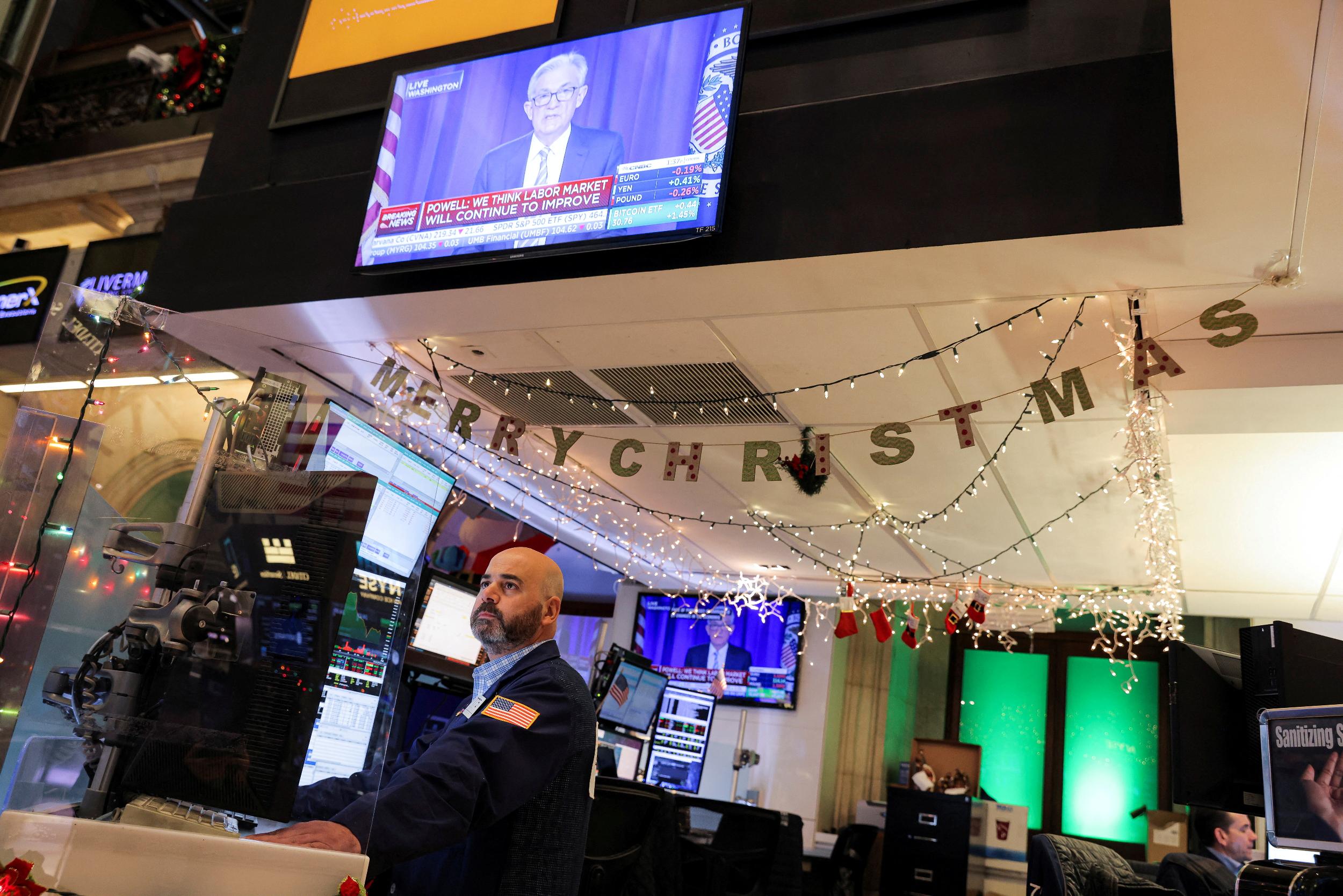
FRANKFURT, Dec 20 (Reuters) - BASF (BASFn.DE) appointed company veteran Markus Kamieth on Wednesday to become CEO next year, amid an organisational overhaul of the chemicals giant, grappling with falling earnings and sluggish economic growth in its European home markets. In a statement, the German company said Kamieth would replace CEO Martin Brudermueller in April, with the latter having previously been appointed to become non-executive chairman of carmaker Mercedes-Benz (MBGn.DE) . Chief technology officer Melanie Maas-Brunner would not renew her current contract beyond Jan. 31, BASF added. The board had considered both Kamieth and Maas-Brunner for the top job, sources familiar with the matter have told Reuters, though media reports had described Kamieth as frontrunner. "A few months ago, I made the decision not to extend my board contract and to pursue a new professional direction," Maas-Brunner said on the website LinkedIn. The choice of CEO is in keeping with a BASF history of recruiting top executives from its own ranks. The transition comes after BASF renewed its commitment to build a 10-billion-euro ($11-billion) chemical complex in southern China to tap into faster growth there and cut what it has called disproportionate reliance on subdued European home markets. Sources have told Reuters that both Kamieth and Maas-Brunner have supported BASF's investment focus on China, which runs counter to German government efforts to persuade companies to reduce their dependence on the country. Arne Rautenberg, portfolio manager at mutual funds firm Union Investment, said the CEO pick had been overdue and Kamieth would have to tackle considerable challenges. In October, BASF had mapped out further cost cuts in Europe, scaled-back investments and earnings projections, citing an "extremely uncertain" global economic outlook. In addition, BASF is preparing to convert its agriculture, battery materials and coatings businesses into autonomous units. Among BASF's major growth initiatives, the China investment is rivalled only by a push to build a global manufacturing network of battery materials to cater to the fast-growing electric vehicles industry. "BASF must transform itself to achieve regional cost leadership in basic chemicals and global leadership in specialty chemicals," said Union's Rautenberg. https://www.reuters.com/business/basf-says-company-veteran-kamieth-become-ceo-2023-12-20/
2023-12-20 10:41
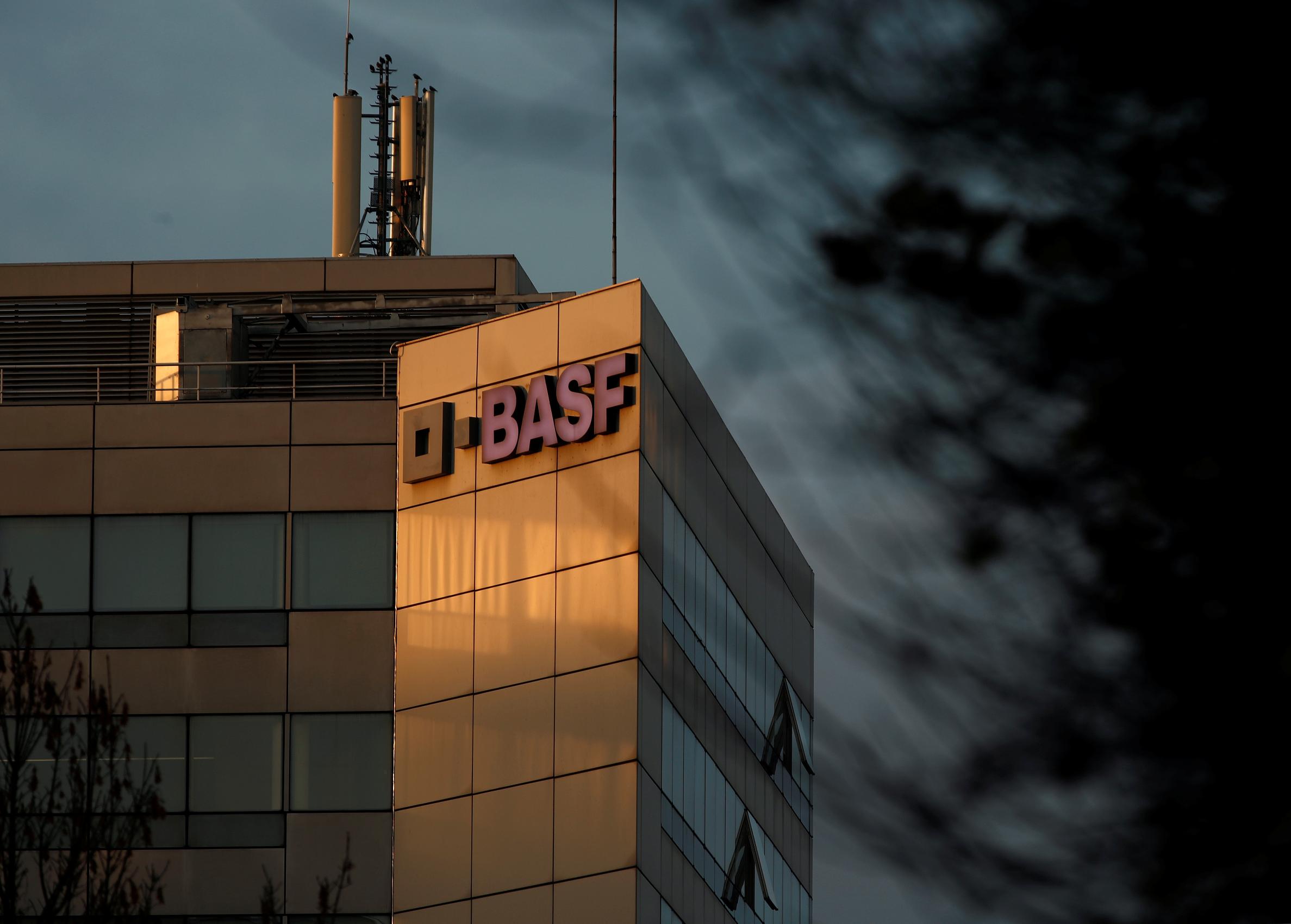
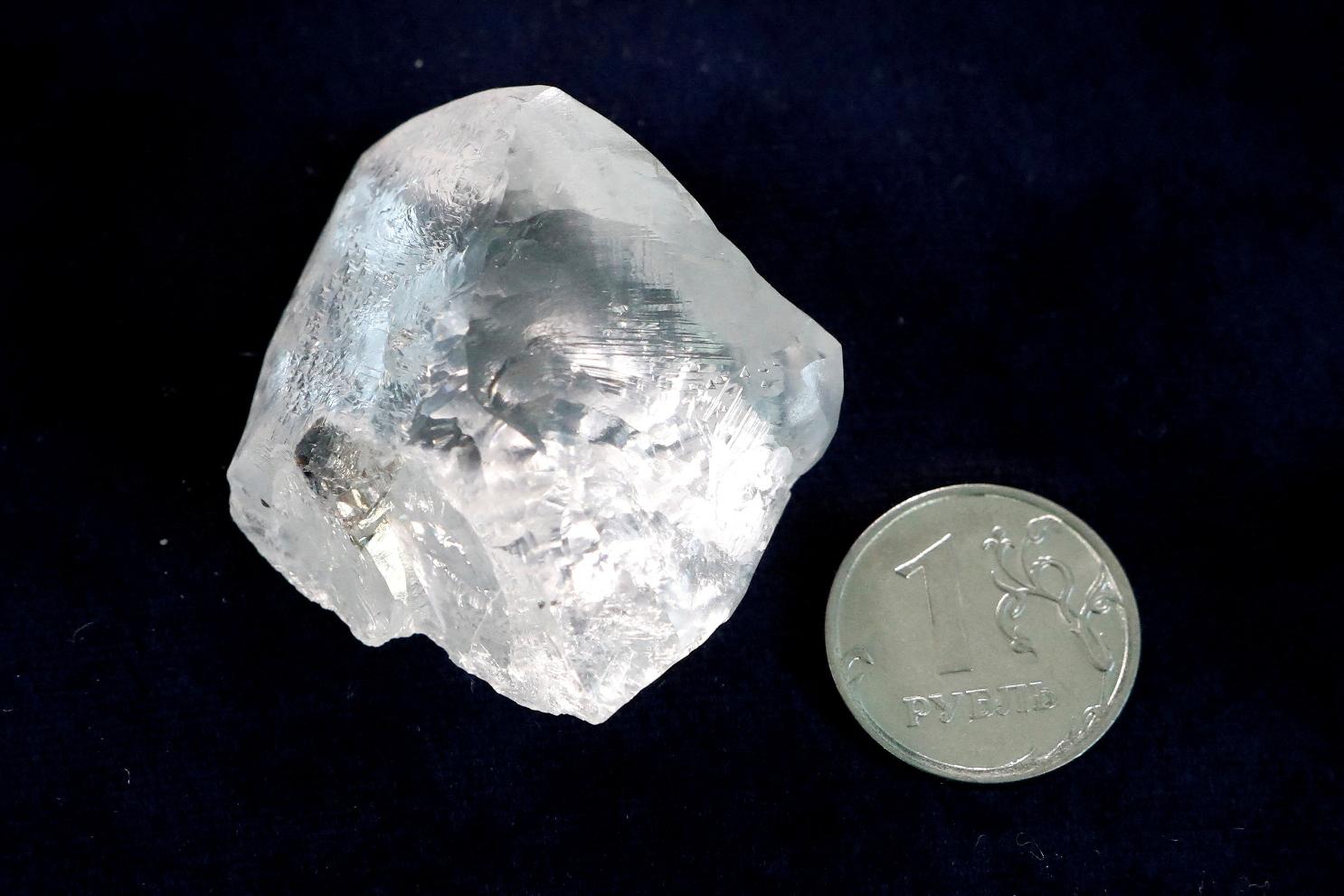
NEW DELHI, Dec 20 (Reuters) - India has urged the Group of Seven (G7) countries to delay an incoming ban on Russian diamonds because the rules to trace the origins of gems remain unclear, two sources aware of the matter said. India, home to 90% of the world's diamond cutting and polishing industry, is critical to the implementation of the ban. New Delhi has also sought more clarity in its talks with G7 leaders, said the sources, who did not wish to be identified because they are not authorised to talk to the media. Earlier this month, G7 nations announced a direct ban on Russian diamonds starting Jan. 1, followed by phased-in restrictions on indirect imports of Russian gems from around March 1. A new system to trace the origin of the gems will be introduced in September. Russia is the world's biggest producer of rough diamonds by volume. New restrictions on the trade of Russian gems are part of the bloc's broader measures designed to limit Moscow's revenues that aid and fund its invasion of Ukraine. "The timeline to start restrictions on indirect imports from Russia in three-four months is impractical, as the rules on how the origin for a gem will be traced are not clear," one of the sources said. India has also expressed its reservations over G7's new "traceability-based verification and certification" system, which may require sharing of data about Indian businesses, the first source said. Some data might be sensitive and businesses might not be comfortable with sharing such information, he said. The federal trade ministry, which is involved in talks with G7 on proposed restrictions, did not immediately respond to a request for comment. India mostly processes smaller Russian diamonds, and that's why the country expects minimal trade disruption, a government official said earlier this month. Still, the proposed ban would impact the diamond supply chain, industry officials say. India's diamond sector already faces weaker demand. The country's polished diamond exports fell 29% to $10 billion during the first seven months of the current fiscal year that began in April. It exported polished diamonds worth more than $22 billion last fiscal year that ended on March 31. The industry, based mainly in the western state of Gujarat, employs millions of people across small and medium firms. https://www.reuters.com/markets/commodities/india-urges-g7-delay-ban-russian-diamonds-rules-lack-clarity-sources-2023-12-20/
2023-12-20 10:38
ATHENS, Dec 20 (Reuters) - Greece has advised commercial vessels sailing in the Red Sea and the Gulf of Aden to avoid Yemeni waters, keep only the necessary crew on the bridge and follow alerts issued by maritime authorities to avoid attacks in the area. Greek ship-owners control about 20% of the world's commercial vessels in terms of carrying capacity. A shipping ministry advisory was issued on Saturday, as recent attacks by the Iran-aligned Houthi militant group on vessels have forced leading shipping companies to reroute via the cape of Good Hope to avoid the Suez Canal, the shortest shipping route between Europe and Asia. According to a document seen by Reuters, vessels should also conduct fire drills for regular checks of their safety equipment before they reach Yemeni shores, and are advised to sail through the southern Red Sea and the Bab-el-Mandeb Strait at night. The Houthis, who control much of Yemen, say the shipping attacks are a response to Israel's military campaign in the Hamas-ruled Gaza Strip and have said they will continue until Israel stops the offensive. The attacks have started to take a toll on global trade and prompted the United States to launch a multinational operation to safeguard commerce in the Red Sea. Greece is in talks with European Union and U.S. officials and stands ready to participate in any international initiative for maritime security, government officials said on Wednesday, citing Greek Shipping Minister Christos Stylianides. https://www.reuters.com/world/middle-east/greece-advises-vessels-avoid-yemeni-waters-after-red-sea-attacks-2023-12-20/

2023-12-20 10:12
Dollar buys 50 Egyptian pounds on parallel market Devaluation likely to come in steps- Morgan Stanley IMF cites importance of inflation targeting Egypt has looked to new sources of support in Asia CAIRO, Dec 20 (Reuters) - A steady deterioration of the economy puts Egypt under pressure to take long-awaited measures following a presidential election, foremost among them a currency devaluation and a hike in interest rates, along with faster state asset sales. Analysts believe the government postponed painful steps until after Abdel Fattah al-Sisi swept to a third six-year term in a Dec. 10-12 vote that saw no serious challengers and was overshadowed by the war in Gaza. The focus now turns to how to deal with an overvalued currency, near-record inflation and massive debt, both domestic and foreign. "There are a lot of big choices for the government to make, but a credible currency is key for a meaningful economic recovery," said Simon Williams of HSBC. A dollar that fetched 29 Egyptian pounds on the black market a year ago now buys more than 50 pounds, compared to an official rate of 30.85 pounds. Foreign exchange forward prices that predict where the pound will be in late January put it at 35 to the dollar while those that look a year ahead have it at nearly 50. Exchange rate uncertainty has led Egyptians abroad to withhold sending earnings home, wreaking havoc to a top source of foreign exchange. Remittances plunged by nearly $10 billion over a year to $22 billion in the 12 months to end-June 2023. "Remittances are about sentiment, not the level. Egyptians have to be persuaded that the currency is now stable. They have to have confidence in its value. If that happens remittances can turn around relatively quickly," Williams said. Authorities have implemented three sharp devaluations of the currency since early 2022, but each time have reverted to fixing the rate despite pledges to the International Monetary Fund to shift to a permanently flexible system. "We think a step adjustment is more likely in the short term, rather than a transition to a floating arrangement," Morgan Stanley Research said in a note. DEBT BURDEN A $3 billion financial package reached with the IMF a year ago faltered after Egypt failed to let its currency float freely or make progress on the sale of state assets. The IMF has delayed disbursements of about $700 million due in 2023. Yet the IMF this month said it was in talks to expand the package due to economic risk from the Israel-Hamas conflict, and has appeared to shift its emphasis from the exchange rate to inflation targeting. "Our focus is to have the economy function as well as possible. In that sense, yes, we prioritise fighting inflation and then of course we would look at the exchange rate in that context," IMF Managing Director Kristalina Georgieva told Sky News on Dec. 3. IMF spokesperson Julie Kozack later said Egypt's programme included the need to tighten monetary and fiscal policy, together with a flexible exchange rate system, "to gradually move to an inflation targeting regime". The impact of the Gaza crisis on tourism and attacks on Red Sea ships, deterring some from navigating through the Suez Canal, have created new threats to currency flows. Egypt in 2022/23 earned $13.6 billion from tourism and $8.8 billion from Suez Canal fees, according to central bank data. Egypt needs the currency to repay its medium- and long-term public foreign debt, which jumped by $8.4 billion in the six months to July 1 to $189.7 billion. At least $42.26 billion of foreign debt repayments are due in 2024. In January, the IMF estimated Egypt's financing gap over 46 months at $17 billion. ASSET SALES Egypt also needs to clear a backlog of goods at ports, pay arrears to foreign oil companies and let companies send funds owed to their overseas offices -- as well as meet pent-up demand for imports. It has traditionally leant on its wealthy Gulf allies for support, but none has made any announcements of major aid in recent months. The government has instead turned to multilateral finance organisations and a widening range of friendly states, raising funds this year from Japan, China, India and the UAE. It is also counting on raising cash from state asset sales, where progress in recent years has often stalled but some analysts now see a shift. "Egypt has made considerable progress in sales of state-owned assets, attracted historically high levels of net FDI inflows, and has met its fiscal targets in (2022-23) despite higher government spending due to the surge in inflation and borrowing costs," Morgan Stanley wrote. https://www.reuters.com/world/africa/egypt-faces-painful-choices-after-sisis-re-election-2023-12-20/