2023-12-15 17:43
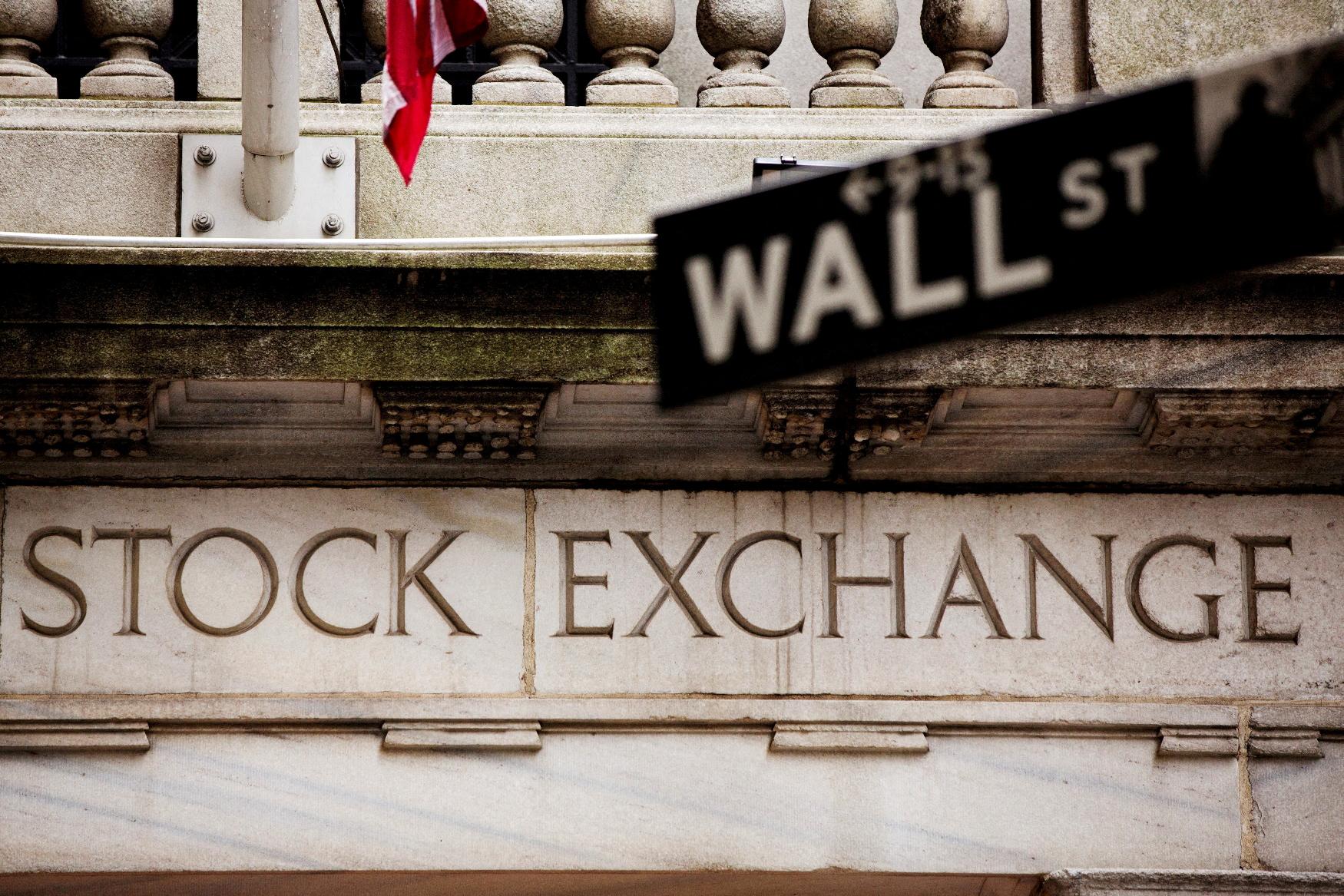
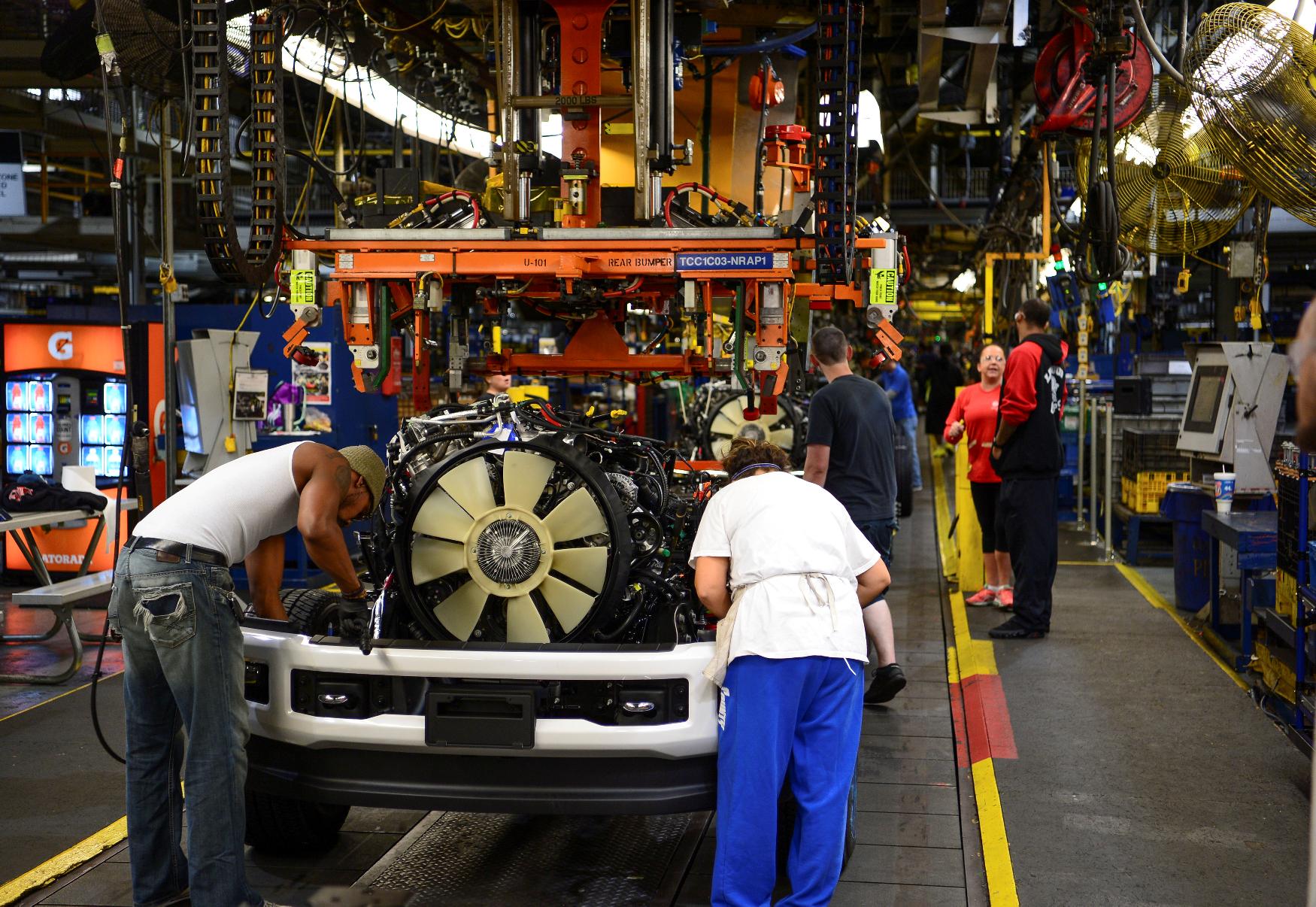
Manufacturing production rises 0.3% in November Business activity picks up in December WASHINGTON, Dec 15 (Reuters) - Production at U.S. factories rose in November, lifted by a rebound in motor vehicle output following the end of strikes, but activity was weaker elsewhere as manufacturing grapples with higher borrowing costs and softening demand. Despite the manufacturing sector's mixed fortunes, the economy continued to expand as the year ended. A survey on Friday showed business activity picked up in December amid rising orders and demand for workers in the services industry. "The broader economy keeps growing, but industrial production peaked way back in September 2022," said Christopher Rupkey, chief economist at FWDBONDS in New York. "Manufacturing continues to limp along and is unlikely to provide the fuel for economic growth in the near term." Manufacturing output rose 0.3% in November, the Federal Reserve said. Data for October was revised lower to show production at factories falling 0.8% instead of by the previously reported 0.7%. Economists polled by Reuters had forecast factory output would rebound 0.4%. Excluding motor vehicles and parts, manufacturing output slipped 0.2%. Overall production at factories decreased 0.8% on a year-on-year basis in November. Manufacturing, which accounts for 10.2% of the economy, continues to be hamstrung by higher interest rates. Despite an easing in financial conditions and prospects of rate cuts next year, a rapid improvement in factory output is not expected amid signs that businesses are throttling back on inventory accumulation in anticipation of softer demand. A survey from the Institute for Supply Management this month found that manufacturers viewed customer inventories as having increased "toward the upper end of 'about-right' territory" in November. The ISM's manufacturing PMI has remained in contraction territory for 13 straight months, the longest such stretch since the August 2000-January 2002 period. The Fed held interest rates steady on Wednesday and signaled in new economic projections that the historic tightening of monetary policy engineered over the last two years is at an end and lower borrowing costs are coming in 2024. The lackluster outlook for manufacturing was reinforced on Friday by the New York Fed's Empire State survey, which showed factory activity in the region sinking deeper into recession. The survey's general business conditions plunged 24 points to -14.5 this month, with new orders and employment measures stuck in negative territory. Manufacturers in the region were not overly optimistic that business conditions would improve over the next six months. Stocks on Wall Street were mixed. The dollar rose against a basket of currencies. U.S. Treasury prices were unchanged. BUSINESS ACTIVITY RISES A third report, from S&P Global, showed its flash manufacturing PMI falling to 48.2 in December amid shrinking orders from 49.4 in November. But the survey's flash services sector PMI rose to 51.3 from 50.8 with new orders, employment and input prices sub-components all rising. That lifted the S&P Global's flash Composite PMI Output Index, which tracks the manufacturing and services sectors, to a five-month high of 51.0 from 50.7 in November. Sentiment surveys, such as the ISM and Empire State, however, likely overstate the weakness in manufacturing. The report from the Fed showed pockets of strength. Motor vehicle and parts output rebounded 7.1% last month, recouping the bulk of the 9.9% decline in October, after the end of the United Auto Workers' 1-1/2-months long strikes against Detroit's "Big Three" automakers. Motor vehicle production was expected to accelerate as plants returned to full capacity. "Auto suppliers, who were negatively impacted by the latest strike and had to lay off workers, are requiring time to return operations to pre-strike levels," said Bernard Yaros, a lead U.S. economist at Oxford Economics. "We should see further gains in motor vehicle and parts output in the near term." There were solid increases in production of computer and electronic products and aerospace and miscellaneous transportation equipment, which, together with output of motor vehicles and parts, helped boost durable manufacturing by 1.2%. Output of high technology goods like computers, communications equipment and semiconductors and related components have soared this year, driven by the Biden administration's efforts to bring production back to the United States. Production of nondurable goods fell 0.5% amid steep drops in the output of textiles as well as apparel and leather. Mining output rose 0.3% after falling 1.1% in October. Utilities production slipped 0.4% following a 1.4% plunge. Overall industrial production was up 0.2% in November after decreasing 0.9% in October. Capacity utilization for the industrial sector, a measure of how fully firms are using their resources, edged up one-tenth of a percentage point to 78.8% in November. The operating rate for the manufacturing sector rose to 77.2% from 77.0% in the prior month. "Some stabilization in demand at lower levels, easing interest rates as the Fed cuts rates next year, as well as onshoring of supply networks and infrastructure spending may be supportive of factory activity in 2024," said Rubeela Farooqi, chief U.S. economist at High Frequency Economics in White Plains, New York. https://www.reuters.com/markets/us/us-manufacturing-output-rises-november-2023-12-15/

2023-12-15 16:07
Dec 15 (Reuters) - The Congressional Budget Office projects U.S. economic growth to slow to 1.5% in 2024, with the unemployment rate seen rising to 4.4% next year from what it estimates will be a 3.9% average this quarter. The updated projections from the nonpartisan budget referee agency on Friday also included a substantial upward revision to expected GDP growth this year to 2.5%, from 0.9% seen in July. CBO said the growth slowdown expected for next year, and a reduction in its previous projection for 2025 growth to 2.2% from 2.4% seen in July, was due to slower-than-projected growth in consumer spending, investment and exports. Higher expected immigration, it said, mitigated what would have been a bigger downward reduction in those contributors to growth. Projected immigration will also help boost the labor force, it said. The CBO now projects the personal consumption expenditures price index - the measure the Federal Reserve targets at 2% - to fall to 2.1% next year, from an estimated 2.9% this year, due to improvements in supply. In July it had estimated 2024 inflation by that measure at 2.6%. Core PCE, which excludes food and energy, was projected at 2.4% next year, down from 3.4% in 2023. The CBO report did not update federal budget forecast data. https://www.reuters.com/markets/us/cbo-projects-15-us-gdp-growth-2024-44-jobless-rate-2023-12-15/

2023-12-15 14:48
WASHINGTON, Dec 15(Reuters) - U.S. business activity picked up in December amid rising orders and demand for workers, which could further help to allay fears of a sharp slowdown in economic growth in the fourth quarter. S&P Global said on Friday that its flash U.S. Composite PMI Output Index, which tracks the manufacturing and services sectors, increased to a five-month high of 51.0 this month from 50.7 in November. A reading above 50 indicates expansion in the private sector. All the improvement came from the services sector, with manufacturing activity declining further. The survey followed upbeat news on the labor market in November. The holiday shopping season also got off to a strong start, with retail sales outperforming expectations in November, data showed on Thursday. The run of better-than-expected data prompted the Atlanta Federal Reserve to boost its gross domestic product growth estimate to a 2.6% annualized rate from a 1.2% pace. The economy accelerated at a 5.2% rate in the third quarter. "The early PMI data indicate that the U.S. economy picked up a little momentum in December," said Chris Williamson, chief business economist at S&P Global Market Intelligence. "Looser financial conditions have helped boost demand ... and have also helped lift future output expectations higher." Economists do not expect a recession next year. The Federal Reserve held interest rates steady on Wednesday and signaled in new economic projections that the historic tightening of monetary policy engineered over the last two years is at an end and lower borrowing costs are coming in 2024. The S&P Global survey's measure of new orders received by private businesses increased to 51.1 this month from 50.6 in November. Its gauge of private sector employment climbed to 51.6 from 50.1. But with demand perking up, inflation crept higher. A measure of prices paid by businesses for inputs increased to 57.7 from 55.8 last month. Relative to last year, businesses are, however, not having great success passing on the increased costs to consumers. Manufacturing continued to struggle, with the survey's flash manufacturing PMI falling to 48.2 this month amid declining orders from 49.4 in November. Its flash services sector PMI rose to 51.3 from 50.8 last month. The new orders, employment and input prices sub-components all rose. https://www.reuters.com/markets/us/us-business-activity-picks-up-december-sp-global-survey-2023-12-15/
2023-12-15 14:41
LONDON, Dec 15 (Reuters) - Feverish speculation about future interest rate cuts has further loosened global financial conditions, storing up risks for euphoric stock and bond markets if central banks view the easy funding environment as a reason to hold borrowing costs high. Global financial conditions, viewed as a leading indicator of economic performance, are now at their most accommodative since early August, a widely followed index produced by Goldman Sachs showed on Friday. The index, which broadly tracks corporate borrowing costs and how easily companies can tap stock markets for funding, remains close to its levels of March 2022. That was just before the U.S. Federal Reserve, the European Central Bank and other big central banks embarked on aggressive monetary tightening campaigns to bring inflation under control. Goldman's U.S. version of this index shows conditions are at their most accommodative since July 26. The easing in financial market conditions reflects the pricing in of hefty interest rate cuts next year, undoing some of the recent monetary tightening by central banks that could in turn encourage policymakers to keep borrowing costs elevated longer than markets anticipate. "You've got a lot (of monetary loosening) priced in, you're already getting easier financial conditions," TS Lombard global head of macro Dario Perkins said. If central banks "do not validate these moves, if they don't cut interest rates and they just sort of ignore it, then financial conditions are going to tighten again." Global stocks (.MIWO00000PUS) have advanced almost 4% this month after rising more than 9% in November in a rally fueled by rate cut bets. The Dow Jones Industrial Average on Thursday notched its second straight record high close (.DJIA), European stocks are near their highest levels in almost two years (.STOXX) and Asia-Pacific shares outside Japan on Friday hit four-month peaks (.MIAPJ0000PUS). After Fed officials projected on Wednesday that the world's most influential central bank would lower the key funds rate by 75 basis points (bps) this year from a current 22-year high, markets ramped up rate cut bets and now price in almost 150 bps of cuts . Similarly deep cuts are expected from the European Central Bank, which on Thursday attempted to rebuff this speculation. Money markets also price in roughly 150 bps worth of European Central Bank rate cuts next year, up from around 135 bps on Wednesday, despite the ECB having on Thursday attempted to rebuff this speculation. "We may be in a situation where financial conditions have eased in such a rapid and significant way that this could materially affect future growth and inflation," Rabobank strategists said in a note. Emmanuel Cau, Barclays head of European equity strategy, said "many investors" among hundreds he had met with recently had "struggled to see central banks cutting rates as much as expected." "Chasing the (stocks) rally at current levels is difficult," he said. https://www.reuters.com/markets/global-markets-financial-conditions-2023-12-15/

2023-12-15 13:54
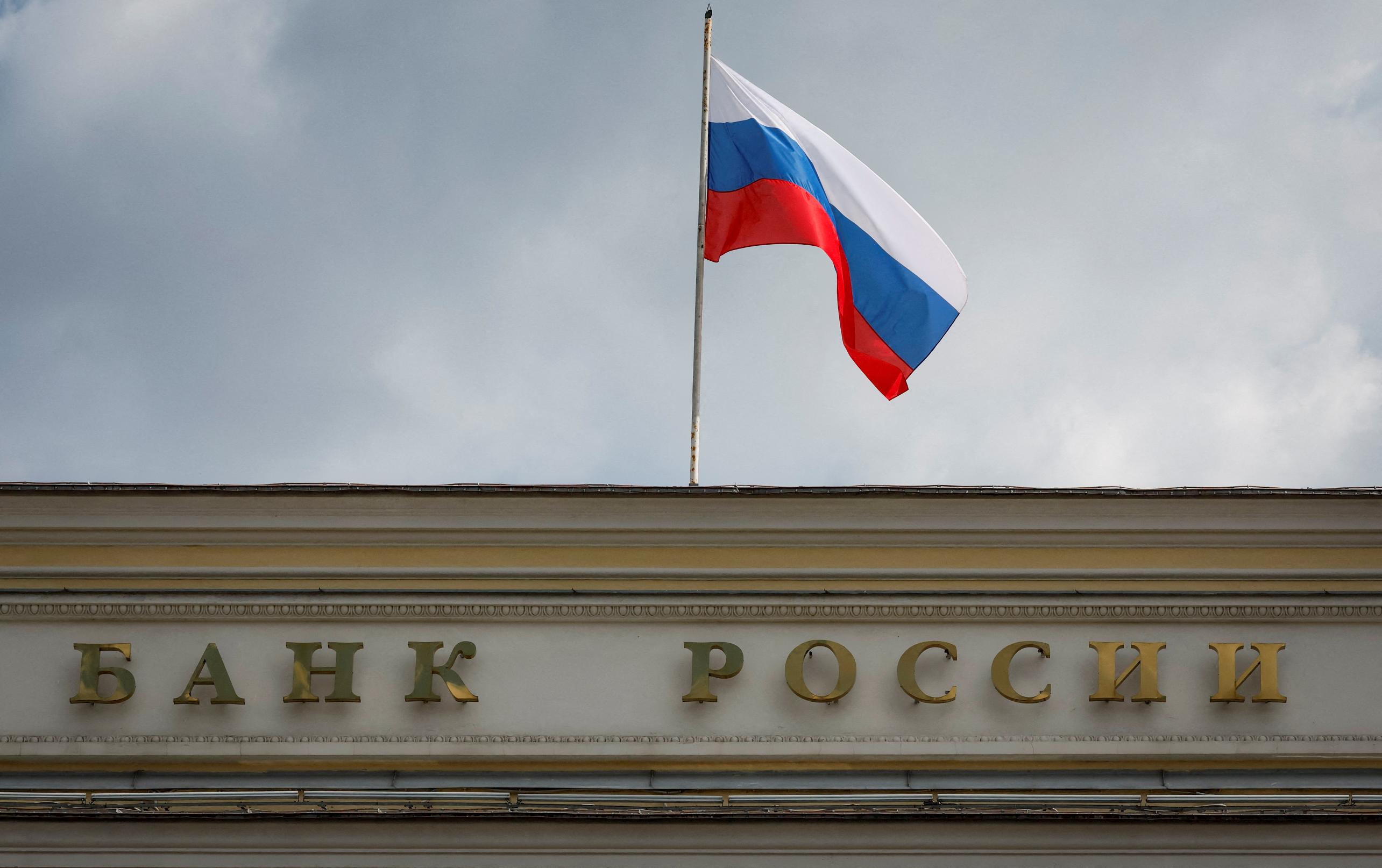
Central bank hikes rates by 100 bps to 16% Governor Nabiullina says end of hiking cycle is near Analysts split on whether another increase is coming Next rate-setting meeting scheduled for Feb. 16 MOSCOW, Dec 15 (Reuters) - Russia's central bank raised its key interest rate by 100 basis points to 16% on Friday, hiking borrowing costs for the fifth consecutive meeting in response to stubborn inflation, and suggested that its tightening cycle was now close to completion. The bank has raised rates by 850 basis points since July, including an emergency hike in August after the Kremlin called for tighter monetary policy when the rouble tumbled past 100 to the dollar. It has since recovered to just over 90. The bank said pro-inflationary risks over the medium-term horizon remained substantial and warned that stabilising inflation near its 4% target would require high rates for a long time. Higher-than-expected government spending would also raise inflation risks, it said. Friday's decision was in line with a Reuters poll of analysts. Governor Elvira Nabiullina said the 100-basis-point hike and a rate hold were the only options substantially considered, but there were "isolated proposals" for a sharper increase. "Based on our baseline scenario ... we are close to the end of the rate hike cycle, but in many ways everything will depend on the situation," Nabiullina said. The central bank's tightening cycle began this summer when inflationary pressure from a tight labour market, strong consumer demand and the government's budget deficit was compounded by the falling rouble. The bank said labour market conditions were the key supply-side constraint on the Russian economy, which it said was still suffering from significant labour shortages, especially in manufacturing. But economic growth is set to outperform previous forecasts and exceed 3% this year, the bank said, driven by domestic demand propelled by rising lending and wages. Russia's economic rebound is a welcome boost to President Vladimir Putin as he runs for re-election in March, with numerous economic challenges on his plate. Moscow's success in evading a Western oil price cap makes those challenges far more surmountable. Sanctions and a global economic slowdown are the main external risks, as is Russia's lingering dependence on oil and gas revenues, Nabiullina said. END OF TIGHTENING CYCLE? Analysts were divided on the bank's future moves. "We still think more tightening is to come as inflation pressures build further," said Liam Peach, senior emerging markets economist at Capital Economics, who said he expected another hike to 17% next year. JP Morgan's Anatoliy Shal said this was likely the last step in the tightening cycle, with current policy already sufficiently, if not overly, restrictive, and he expected rates to be cut to around 10% by end-2024. Russia had gradually reversed an emergency hike to 20% which it made in February 2022 after Moscow sent its troops into Ukraine, prompting sweeping Western sanctions. It cut rates to as low as 7.5% earlier this year. Putin on Thursday said annual inflation could approach 8% this year, well above the central bank's 4% target. He even issued a rare apology when a pensioner complained to him about the price of eggs. The central bank reiterated its expectation that inflation would end the year at the upper end of its 7-7.5% forecast range. "Inflation expectations have remained high for many years in a row," Nabiullina said. "This really worries us." Next year, the bank expects year-end inflation at 4-4.5%, although Nabiullina admitted that the risk of inflation being higher was far greater than it falling below target. The first rate-setting meeting of next year is scheduled for Feb. 16, when the bank will update its forecasts. https://www.reuters.com/markets/rates-bonds/russia-nears-end-rate-rise-cycle-with-hike-16-2023-12-15/
2023-12-15 13:39
Dec 15 (Reuters) - U.S. equity funds attracted net inflows in the week through Dec. 13 amid a rally on Wall Street despite caution ahead of the Federal Reserve's upcoming monetary policy announcement. Investors accumulated a net $1.98 billion worth of U.S. equity funds during the week, resuming inflows after two successive weeks of net selling. The S&P 500 (.SPX) experienced a breakout last Friday, reaching a 20-month closing high of 4604.37 following a robust U.S. jobs report that bolstered optimism for the economy's soft landing. The index further climbed to a 23-month high of 4738.57 this week as the Fed kept interest rates unchanged and signalled a potential end to its stringent monetary policy. During the week, U.S. equity value funds attracted about $2 billion, marking a third straight week of net buying. Meanwhile, growth funds experienced $376 million in net selling, the smallest outflow in four weeks. Tech and consumer discretionary sector funds were particularly sought after, with net inflows of $1.88 billion and $971 million, respectively. Conversely, health care and metals & mining sectors faced net outflows of $681 million and $645 million respectively. Meanwhile, investors sold a net $4.41 billion worth of U.S. bond funds, extending net selling into a third successive week. Investors withdrew $3.68 billion out of U.S. taxable bond funds and $524 million out of municipal bond funds. High yield funds still remained in demand for a sixth consecutive week, drawing a net $763 million worth of inflows. Investors also poured $1.15 billion into general domestic taxable fixed income funds. U.S. money market funds, on the other hand, recorded their first weekly outflow in eight weeks, totalling $16.68 billion in net selling. https://www.reuters.com/markets/us/us-equity-funds-rebound-with-net-inflows-amid-market-rally-2023-12-15/