2023-12-14 20:06
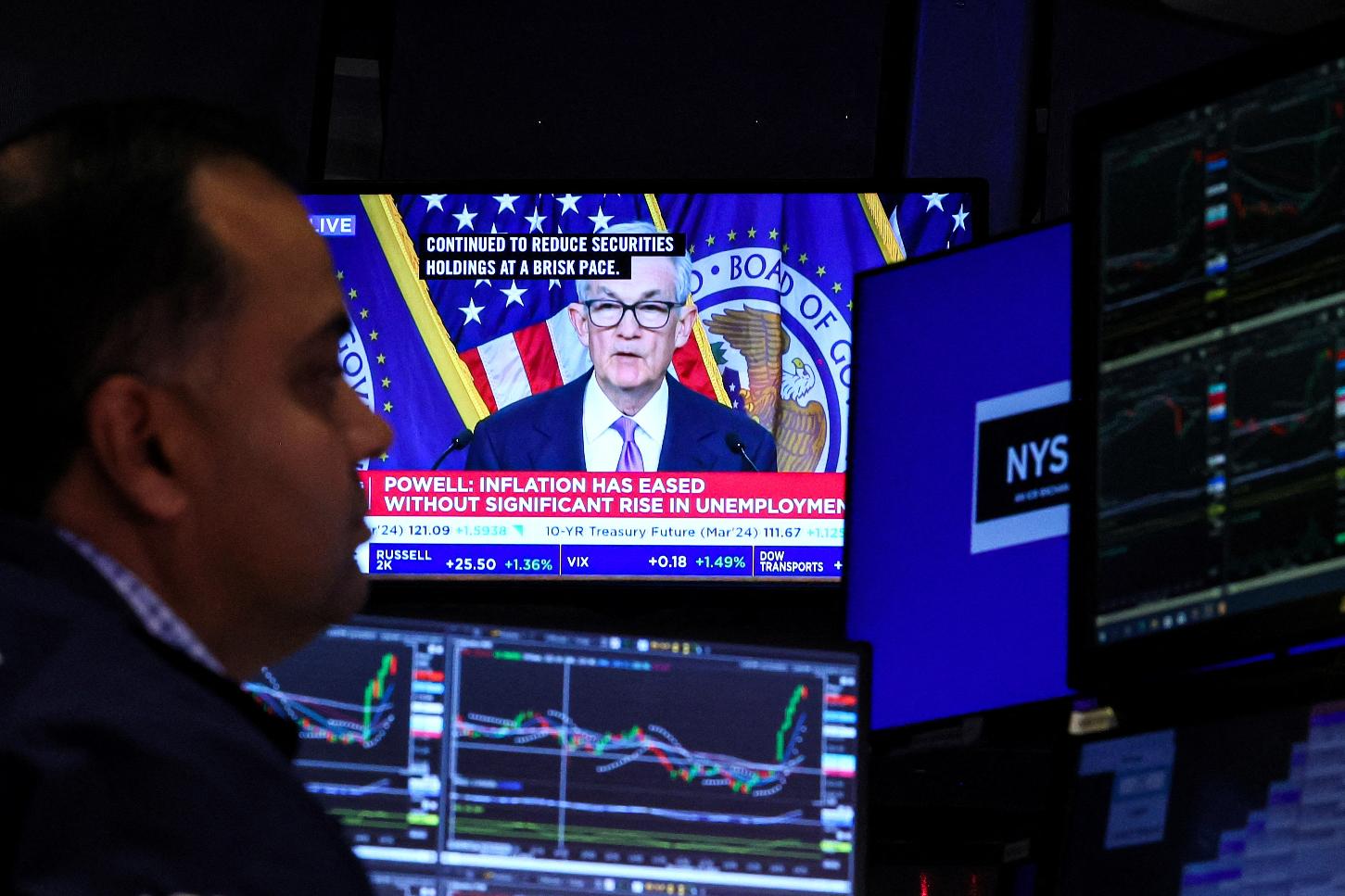
MEXICO CITY, Dec 14 (Reuters) - The Bank of Mexico's five-member board unanimously held the key interest rate at 11.25% for a sixth straight monetary policy meeting on Thursday, as expected, saying progress on slowing inflation had been made even as the outlook remained challenging. Banxico, as the bank is known, repeated previous guidance that it would need to maintain the benchmark rate at its current level "for some time" in order to bring inflation to its 3% target, plus or minus one percentage point. Thursday's statement "retained its hawkish bias," Capital Economics' Deputy Chief Emerging Markets Economist Jason Tuvey said in a note. "The likelihood that Banxico will begin an easing cycle at the next meeting in February has diminished but, regardless of the exact timing of the first cut, the bigger picture is that interest rates are likely to come down slowly," Tuvey said. A discussion of rate cuts is expected to start in the first quarter of the new year, after multiple members of Banxico's board proposed doing so at its November meeting. Banxico's decision to hold the key rate steady came a day after the U.S. Federal Reserve left interest rates unchanged, with Fed chief Jerome Powell saying a historic monetary policy tightening cycle was likely over. Compared to Latin American peers, Banxico's board has been reluctant to signal the start of a rates-cutting cycle, even as regional neighbors Brazil and Chile cut rates in the face of easing inflation. The central bank, which began a rate hiking cycle in June 2021, has held the key rate at its current level since its last increase in March. Mexico's inflation outlook "remains complicated" but "progress on disinflation has been made," the Mexican central bank said, keeping a prior forecast that inflation would converge to target in the second quarter of 2025. Annual headline inflation in Mexico, Latin America's second-largest economy, slowed to its lowest level since February 2021 in October, hitting 4.26%, before ticking up in November to 4.32%. The closely watched core index, however, considered a better gauge on price trends because it strips out some volatile products, eased in November to 5.30%. https://www.reuters.com/markets/rates-bonds/bank-mexico-holds-key-interest-rate-1125-sixth-straight-time-2023-12-14/

2023-12-14 20:04
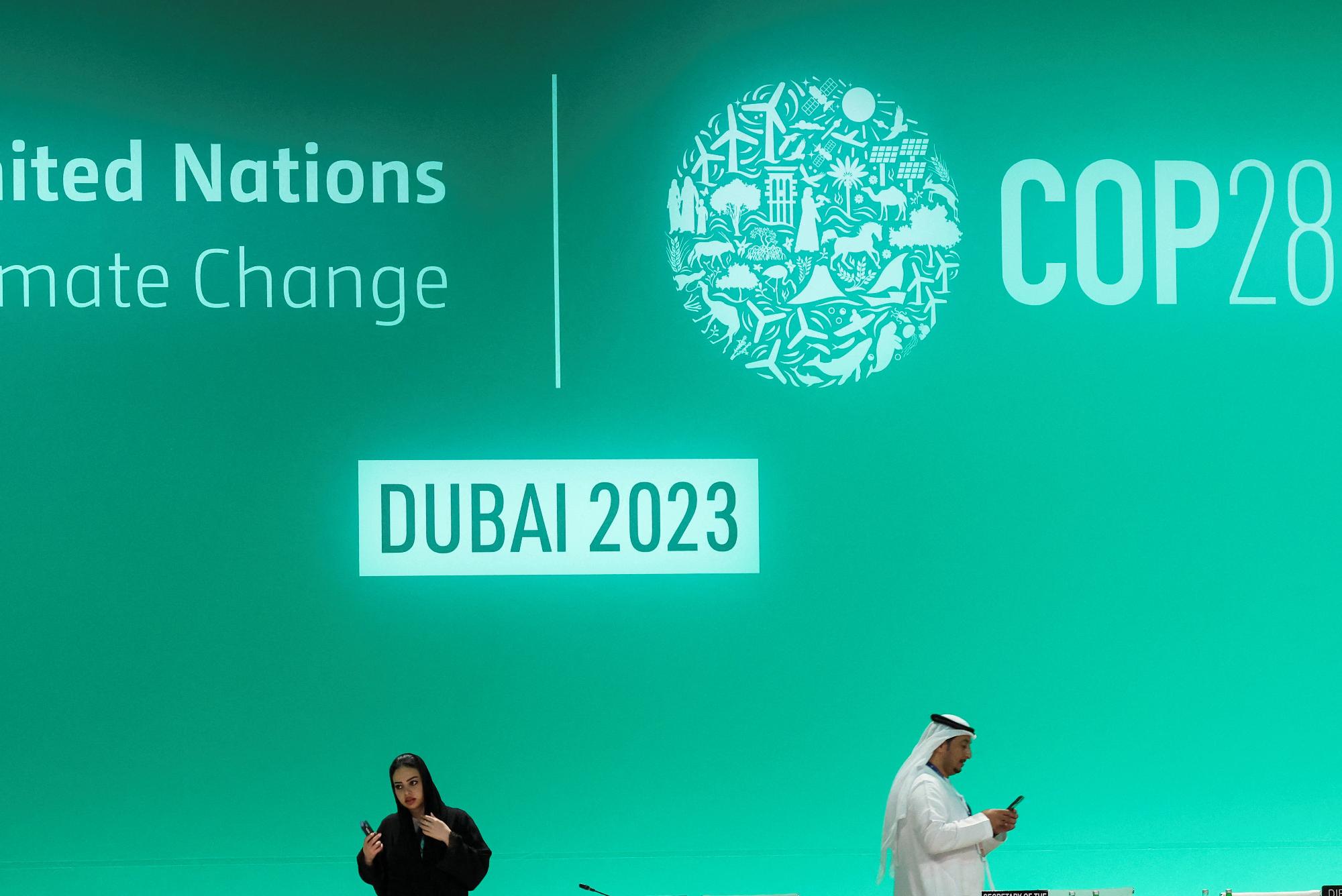
Dec 14 (Reuters) - Nations struck a historic deal on Wednesday at the COP28 climate summit in Dubai to transition the global economy away from fossil fuels. But some delegations and environmental groups say it contains major loopholes that could keep oil, gas, and coal flowing indefinitely. CARBON CAPTURE One of them is the inclusion of a phrase calling for accelerated deployment of carbon capture. Carbon capture is a technology that would theoretically allow users of oil gas and coal to keep their emissions from reaching the atmosphere by capturing them at the source, and storing them permanently underground. Lots of people are skeptical about carbon capture. It is expensive and has yet to be proven at the scale needed to impact climate change. And environmental groups call it a false flag that justifies continued drilling. On the other hand, if it ever did manage to get off the ground, it would allow for ongoing production and consumption of fossil fuels, presumably without a climate impact. That does not sit well with some countries – especially those most vulnerable to the impacts of warming. "We are being asked to endorse technologies that could result in actions that undermine our efforts," said Anne Rasmussen, lead negotiator of the Alliance of Small Island States. The pact also pushes for the acceleration of low-carbon hydrogen - which typically means hydrogen produced by electrolyzing water in a process powered by clean-energy sources like solar and wind. Practically none of this is made today because it is so expensive. TRANSITIONAL FUELS The deal also includes the line that the summit "recognizes that transitional fuels can play a role in facilitating the energy transition while ensuring energy security." What are transitional fuels? Well, they are fossil fuels. US Special Climate Envoy John Kerry said at a press conference on Wednesday that his definition of transitional fuels is natural gas, produced in such a way that its greenhouse gas emissions are captured during production. He said that all the provisions of the COP28 deal have to be in line with the international target of limiting global warming to 1.5 C above pre-industrial times. "That means they're going to play either a limited role or temporary role, while you're largely phasing out fossil fuels in the system over a period of time," he said. Environmentalists do not like it. They are worried that language like this will encourage ongoing investment in oil and gas development. Gas has been a tricky topic since Russia’s invasion of Ukraine last year, because the Ukraine War has triggered a massive increase in European imports of U.S. liquefied natural gas. SORRY, WHICH SYSTEMS? Another area of concern raised by observers is a clause calling upon parties to transition away from fossil fuels "in energy systems" – as opposed to across the entire economy. This, says the International Pollutants Elimination Network, sends a signal that other energy-intensive sectors like plastics and petrochemicals production can continue to rely on fossil fuels. Negotiations around a separate treaty on plastic pollution are split around whether countries should tackle pollution from the production side of the plastics’ life cycle, drawing opposition from countries like Saudi Arabia. Norway’s foreign minister, Espen Barth Eide, told Reuters that the deal means "there might be a small space for a major fossil fuels, but that will be in the hard-to-abate sectors." https://www.reuters.com/business/environment/what-are-loopholes-cop28-climate-deal-2023-12-14/
2023-12-14 19:58
DUBAI, Dec 14 (Reuters) - The COP28 climate summit in Dubai started with all the ingredients for spectacular failure: It proposed an end to the fossil-fuel era at a conference situated in Arab oil country amid overt opposition from the powerful oil-producer group OPEC. Landing a pact that all 196 countries could live with took deft maneuvering by the conference host, the United Arab Emirates, along with back-channel diplomacy from the United States' and China's top climate envoys, sources told Reuters. The COP28’s UAE presidency employed a strategy during the two-week summit of issuing deliberately provocative drafts for a deal designed to force negotiators to reveal the outer limits of their positions and find common ground, according to the sources. The top envoys from the world's biggest climate polluters, the United States and China - relying on a personal relationship two decades in the making - together found the right words to describe the world's move away from oil, gas and coal and persuaded OPEC leaders to come along. The details of the UAE's strategy and the role of the U.S. and China in securing the deal have not previously been reported. At the end of the conference, which spilled into overtime and was marked by moments of near-crisis, negotiators emerged with an accord that called for "transitioning" away from fossil fuels, marking the first time in history countries expressed a unified desire to end the oil age. In a concession to oil producers, including OPEC members and their allies, the deal also provided an option for cleansing existing oil, gas and coal of their climate impact using technologies like carbon capture and sequestration, in which the greenhouse gas is kept from the atmosphere. U.S. Special Climate Envoy John Kerry called the deal a victory for multilateralism, and the UAE's COP28 President Sultan Al Jaber called it "historic." Some delegates, including the Alliance of Small Island States, bemoaned the accord's loopholes for continued fossil-fuel use, but ultimately did not stand in its way. LOW TO HIGH Ahead of the conference, Al Jaber – who also runs the UAE's state oil company ADNOC – was pilloried by environmental activists as an untrustworthy host for a climate negotiation. But he did not want to oversee a failed conference. Before the summit, his office issued press releases pumping up an EU- and U.S.-led declaration by nations to triple renewable energy capacity by 2030, and a U.S.-China cooperation agreement in California in November. Scores of countries had come to Dubai pressing for language in a final deal to "phase out" fossil fuels entirely, an option to which the Organization of the Petroleum Exporting Countries was particularly opposed. OPEC, which controls 80% of the world's oil reserves, made that clear in a Dec. 6 letter to its members and allies rallying them to block an agreement targeting fossil fuels. The letter sparked worries that the summit was doomed to fail. "I think there were times in the last 48 hours where some of us had thought, 'this could fail,'" Kerry told reporters after the deal was clinched. A former lead negotiator for Saudi Arabia, Mohammad Al Sabban, told Reuters early on in the conference that he shared that view: "I want you to know, that COP28 will fail to achieve any meaningful decisions by the end of the Conference next week," he said in an email. Faced with entrenched positions, and with time running short, Al Jaber employed his provocative strategy to shake things up. On Dec. 11, his office released a draft deal text that outlined a "menu" of options countries could - not should - take to combat climate change, ranging from using carbon capture to reducing fossil-fuel use, or cutting fossil-fuel subsidies. There was no mention of a "phase out." The reaction in the corridors of the summit was outrage. Small island nations called it a death sentence, the European Union called it insufficient, and climate NGOs dubbed it catastrophic. That was the desired effect. "Everybody saw immediately this was a menu rather than a directional text," said a source with direct knowledge of the presidency's strategy. "And that fleshed out people's real positions and their red lines in a very public way ... It then became clear where people really stood. People were being polite up to that point!" The UAE host then organized a majlis, the Arabic term for a sitting room, in which negotiators sat in a circle facing one another and took turns outlining their positions - a unique tactic that laid bare the broad demand to address fossil fuels. The COP28 presidency took meetings into the early-morning hours of subsequent days of the conference, and held off on releasing an updated draft deal until early on Dec. 13, a day after the summit's scheduled end. "The idea was to use the clock to your advantage to squeeze the best deal and put the pressure back on the parties," the source said. ONLY WORDS The outrage sparked by the draft deal made clear that COP28 would succeed only if its final accord addressed the future of fossil fuels in a meaningful way. But the term "phase out" remained a red line. Beijing, Riyadh and others would never accept it because it had become politically charged, delegates told Reuters. "Very often in a negotiation, parties are too hunkered-down in their respective positions," said Singapore Environment Minister Grace Fu, who was involved in the negotiations. "And words like 'phase out' became a problem." Sources told Reuters that Kerry and his Chinese counterpart, Xie Zhenhua, mulled a workaround: Use different words that mean essentially the same thing. Xie and Kerry, who enjoy a warm rapport after two decades working on climate change together, already had a road map in their recent climate cooperation agreement reached at Sunnylands in California in November. That deal did not use phrases like "phasing out" but instead called for the accelerated substitution of fossil fuels with renewable energy sources. To some extent, that language described what was already happening around the world, with governments enacting policies to transition to a greener economy. With the two top players in agreement, it was then a matter of getting OPEC on board, and a number of meetings ensued. "Ultimately, Kerry, China and the Saudis played a constructive role at the eleventh hour when it was clear there were no other options on the table," the source said. Delegates said the inclusion of carbon capture in the final accord appeared to be a concession to Saudi and the broader OPEC group, which had long argued emissions could be cut without targeting specific fuels. Saudi Arabia's energy minister, Prince Abdulaziz bin Salman, said after the deal that Riyadh supported the accord because it leaves countries to decide for themselves on suitable pathways to cleaner sources of energy. The source familiar with the negotiations said the final flurry of diplomacy ensured the deal would pass: "I would say that doing the right thing became the only option left." https://www.reuters.com/business/environment/how-world-agreed-move-away-fossil-fuels-cop28-2023-12-14/

2023-12-14 19:53
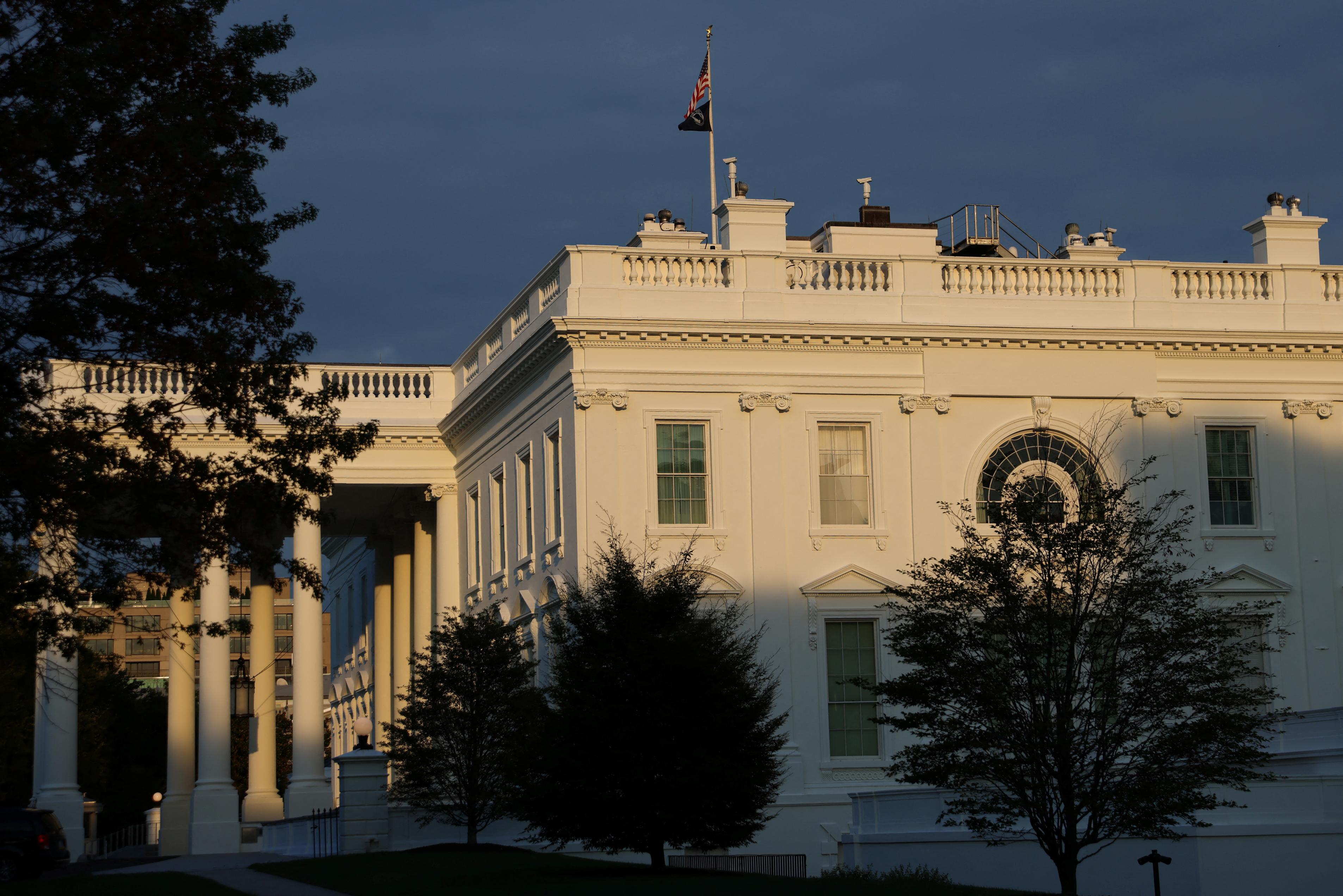
WASHINGTON, Dec 14 (Reuters) - U.S. federal employees should rent electric vehicles and opt for rail trips when feasible on government travel to sharply reduce emissions, the White House said on Thursday. In 2022, U.S. government employees spent $2.8 billion on official travel, taking more than 2.8 million flights, 2.3 million vehicle rentals and 33,000 rail trips. Federal travel accounts for 1.8% of federal greenhouse gas emissions, the White House said. "The federal government will save taxpayers money, reduce emissions, strengthen our growing electric vehicle industry and create good-paying union jobs," said White House Council on Environmental Quality chair Brenda Mallory. Biden in December 2021 issued an executive order directing the government to stop purchasing gas-powered vehicles by 2035 and said all light-duty federal acquisitions by 2027 should be electric or plug-in hybrid vehicles (PHEV). The White House said on Friday the federal government has acquired over 14,000 zero emission vehicles and installed 5,500 charging ports to date. General Services Administration Robin Carnahan said 19% of vehicles it purchased for government fleets this year are EVs -- up from 1% in 2021. "We're making steady progress. The U.S. government owns more than 650,000 vehicles and purchases about 50,000 annually. Federal employees in a directive on Thursday were told to rent EVs on official travel when costs are less or equal to comparable gas-powered vehicles and charging is accessible. They must use rail for trips less than 250 miles (402 km)when cost-effective and feasible rather airplane. It also directs federal employees to avoid taking private vehicles for official travel. Government employees should also opt for electric vehicle Lyft (LYFT.O), Uber (UBER.N) or taxi rides if available and increasing public transit use. The memo also said the Biden administration plans to develop a sustainable aviation strategic plan including requiring airlines to submit information on fuel and operational efficiency initiatives, including sustainable aviation fuel investments. The federal government spent $1.66 billion on flights and $4.2 million on rail trips last year. Biden in 2021 set a goal, backed by automakers, seeking 50% of all new vehicles by 2030 to be EVs. https://www.reuters.com/world/us/white-house-asks-employees-travel-by-train-evs-when-possible-2023-12-14/
2023-12-14 18:35
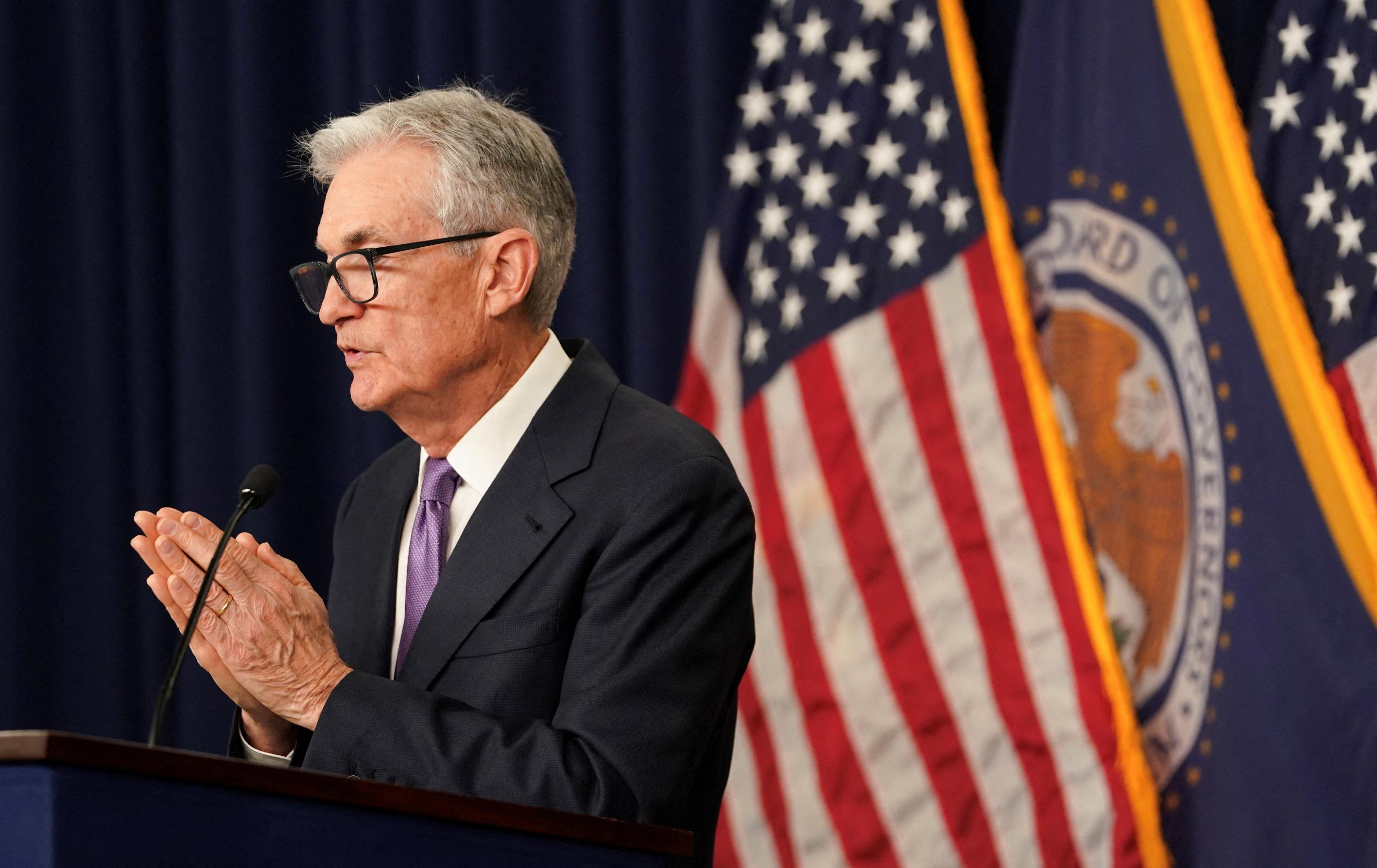
Dec 14 (Reuters) - The Federal Reserve's signal on Wednesday that its interest rate hiking campaign is over triggered a drop in bond yields and a rash of market bets on U.S. rate cuts next year, marking a sharp shift in pricing that is rare outside of financial panics. Economic data on Thursday showing stronger-than-expected retail sales in November and a smaller-than-anticipated rise in weekly jobless claims had traders paring a bit of their earlier enthusiasm for Fed policy easing next year. But even after the data, rate futures markets remain solidly priced for a March start to a round of rate reductions that would push the Fed's benchmark rate, now in the 5.25%-5.50% range, to the 3.75%-4.00% range by the end of next year. That's twice the 75-basis-points of rate cuts Fed policymakers themselves penciled in for 2024 in projections released by the U.S. central bank on Wednesday. But to some analysts, the abrupt market moves - with bond yields plunging and stock prices soaring - following the central bank's policy meeting this week and Fed Chair Jerome Powell's acknowledgement that rate-cut discussions were coming into view were not necessarily overdone - or even outside of what the Fed itself may be aiming for. "The Fed is moving aggressively to ease financial conditions," analysts at Citi wrote. "Chair Powell and his colleagues' objective is to prevent a gathering slowdown from developing into a recession." "Once the market thinks the Fed is done, bonds and stocks BOTH rally, regardless if a recession is ahead or not," Piper Sandler analysts wrote. The yield on the 10-year Treasury note fell below 4% for the first time in four months, nearly fully reversing the rise that followed what now appears to have been the Fed's final rate hike, in July. Fed policymakers had cited that increase and other tightening of financial conditions as one reason why they could hold policy steady. https://www.reuters.com/markets/us/fed-seen-pivoting-interest-rate-cuts-march-perhaps-earlier-2023-12-14/
2023-12-14 18:19
Dec 14 (Reuters) - Shares in U.S. banks were rallying strongly on Thursday after the Federal Reserve signaled potential interest rate cuts in 2024 with the sector returning to its highest level since early March just before a crisis that put some banks out of business. Wells Fargo and BofA Global Research analysts raised price targets across the banking sector in wake of the Fed's dovish pivot on Wednesday The S&P 500 bank index (.SPXBK), up 4.4% and climbing sharply for a second session in a row, hit its highest level since March 6. This as the KBW Regional Banking index (.KRX) was also rising more than 4%. The Fed left interest rates unchanged after its meeting on Wednesday and its Chair Jerome Powell said the central bank's monetary policy tightening was likely over with inflation falling faster than expected and that talk of rate cuts was coming into view." While higher interest rates boost lenders' profits to an extent they can also result in weakening of loan demand and pressure for banks to raise deposit rates they pay customers. In March three medium-sized banks collapsed under pressure from rising interest rates and as customers moved their deposits to seek stability as well as higher returns. On Thursday some of the biggest percentage gainers in the S&P 500 bank index were regional banks Zions Bancorp (ZION.O) up 10.0%, Regions Financial (RF.N) up 9.0% and Citizens Financial (CFG.N), adding 8.8%. Bigger banks were rising also but at a slower pace with JPMorgan Chase (JPM.N) up 2.1%, Citigroup (C.N) up 3.8%, and Wells Fargo (WFC.N) adding 5.1%. BofA Global Research analyst Ebrahim Poonawala said in a research note issued early on Thursday that the KBW Bank index (.BKX) was still trading at a 50% discount to the S&P 500 even after outperforming the benchmark since its October lows. The KBW index was last up 5.4% on the day. While investors had already been revisiting their exposure to banks in recent weeks, according to Poonawala, the move in interest rates "on the back of Fed messaging has the potential to drive further FOMO (fear of missing out)." Rick Meckler, partner at Cherry Lane Investments, a family investment office in New Vernon, New Jersey, pointed to the potential economic boost from rate cuts with a strong economy as "a key to bank profitability." Rallying stock and bond markets will also boost large banks segments including wealth management, capital markets and credit according to Meckler, who also noted that banks are among underperforming sectors "playing catch-up" in the market. https://www.reuters.com/markets/us/bank-stocks-rally-pre-crisis-levels-after-fed-meeting-2023-12-14/