2023-12-11 19:37
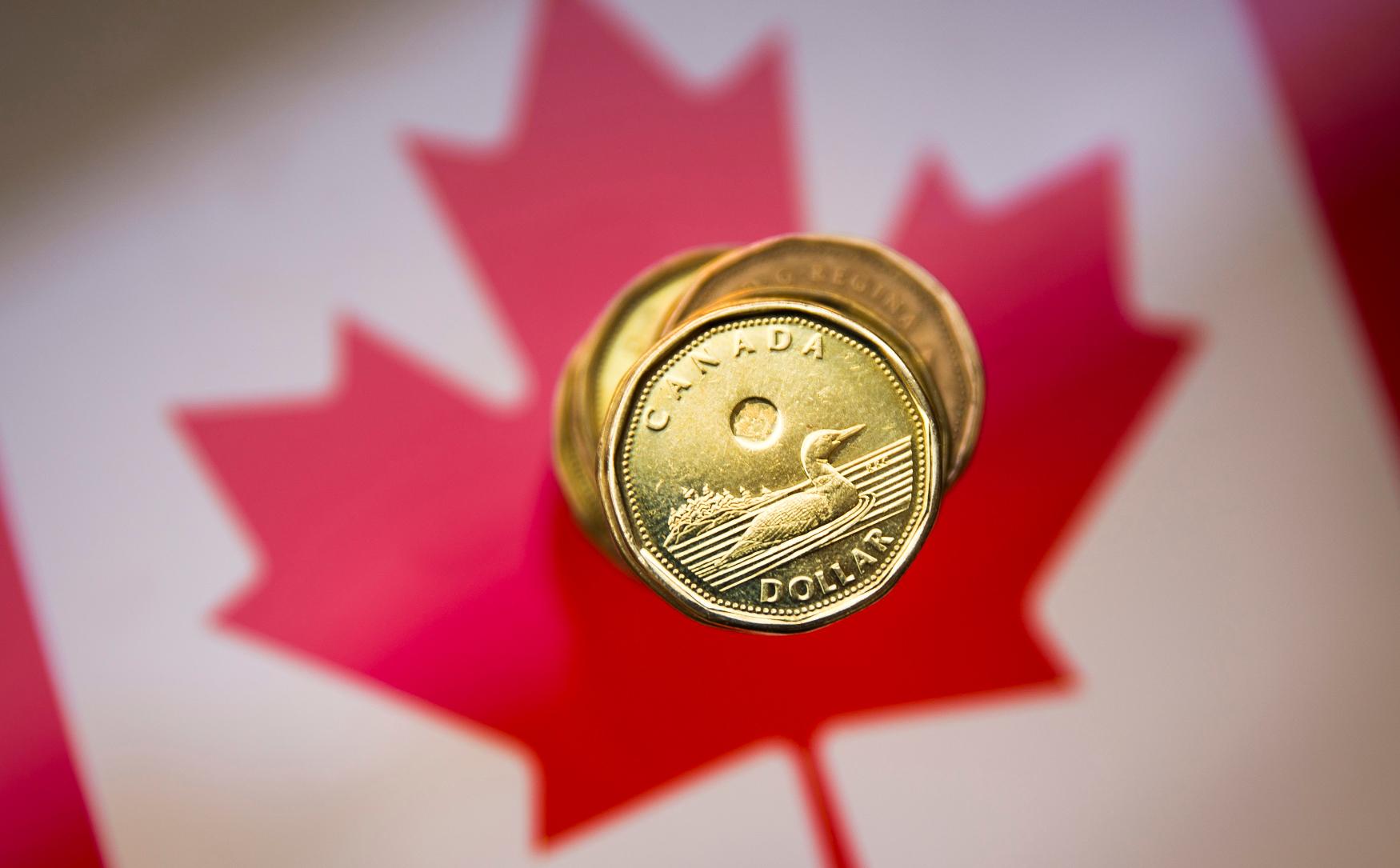
Canadian dollar gains 0.2% against the greenback Trades in a range of 1.3551 to 1.3604 Price of U.S. oil increases 0.4% Canadian bond yields rise across the curve TORONTO, Dec 11 (Reuters) - The Canadian dollar edged higher against its U.S. counterpart on Monday as oil prices rose and investors bet that the Federal Reserve would not raise interest rates at a meeting this week. The loonie was trading 0.2% higher at 1.3565 to the greenback, or 73.72 U.S. cents, after moving in a range of 1.3551 to 1.3604. Financial markets were subdued ahead of U.S. consumer price index data due on Tuesday and the Fed on Wednesday, both of which will test investor optimism about interest rates easing next year. "Economists are expecting the Fed to keep rates on hold and (then) in early to mid 2024 start to cut interest rates," Darren Richardson, chief operating officer at Richardson International Currency Exchange, said in a note. "Lower (interest) rates typically increase risk appetite and create a weaker USD." Canada is a major producer of commodities, including oil, so the loonie tends to be sensitive to shifts in risk appetite. The price of oil rose but persistent worries around crude oversupply heading into next year remain. U.S. crude prices were up 0.4% at $71.54 a barrel. Speculators have cut their bearish bets on the Canadian dollar, data from the U.S. Commodity Futures Trading Commission showed on Friday. As of Dec. 5, net long positions had decreased to 57,848 contracts from 63,242 in the prior week. Canadian government bond yields increased across the curve. The 10-year was up 5.1 basis points at 3.426%, extending its rebound from a five-month low last Wednesday at 3.264%. The gap between the Canadian 10-year yield and its U.S. equivalent narrowed by 4.7 basis points to 82.8 basis points in favor of the U.S. note. https://www.reuters.com/markets/currencies/canadian-dollar-rises-investors-weigh-fed-rate-outlook-2023-12-11/
2023-12-11 19:37
MOSCOW, Dec 11 (Reuters) - Russian Deputy Prime Minister Alexander Novak, President Vladimir Putin's top oil and gas point man, will head a Russian delegation to China for participation in an inter governmental commission on energy, the government said on Monday. It said without elaboration that the delegation of up to 20 officials will visit China on Dec. 12-16. China has become one of Russia's main trade partner and together with India buys a bulk of Russian oil exports, which Moscow has redirected from Europe following sanctions imposed on Russia after the start of the conflict in Ukraine in February 2022. Russia also seeks to boost its natural gas supplies to China to around 100 billion cubic metres (bcm) per year by 2030 from more than 22 bcm expected to be shipped via the Power of Siberia 1 pipeline this year. Moscow has been engaged for painstaking talks with China over the Power of Siberia 2 pipeline, designed to carry Russian natural gas from northern Siberia - a source base for dwindling deliveries to Europe - to China via Mongolia. https://www.reuters.com/world/russian-deputy-pm-novak-visit-china-this-week-2023-12-11/

2023-12-11 19:26
SAO PAULO, Dec 11 (Reuters) - Brazil will resume electricity imports from its neighbor Venezuela after more than four years of hiatus, Brazil's energy and mines ministry and energy firm Ambar said on Monday. The move is expected to reduce energy costs for consumers in the Brazilian state of Roraima, which is the country's only state not connected to the national grid. The Brazilian government late last month authorized Ambar, an energy trading company controlled by the J&F group, to import electricity generated by the Guri hydroelectric plant in Venezuela in a process that should begin soon, according to Ambar. The authorization is valid until January of next year. Brazil stopped buying energy from its neighbor in 2019 after relations between the countries deteriorated under Brazil's former President Jair Bolsonaro. Since then, the state has used electricity from costly diesel-fired plants. "Ambar is offering the energy at an average cost 50% lower than the price currently paid by consumers to supply the state of Roraima," the company said in a statement. https://www.reuters.com/business/energy/brazil-resume-electricity-imports-venezuela-after-four-years-2023-12-11/
2023-12-11 19:11
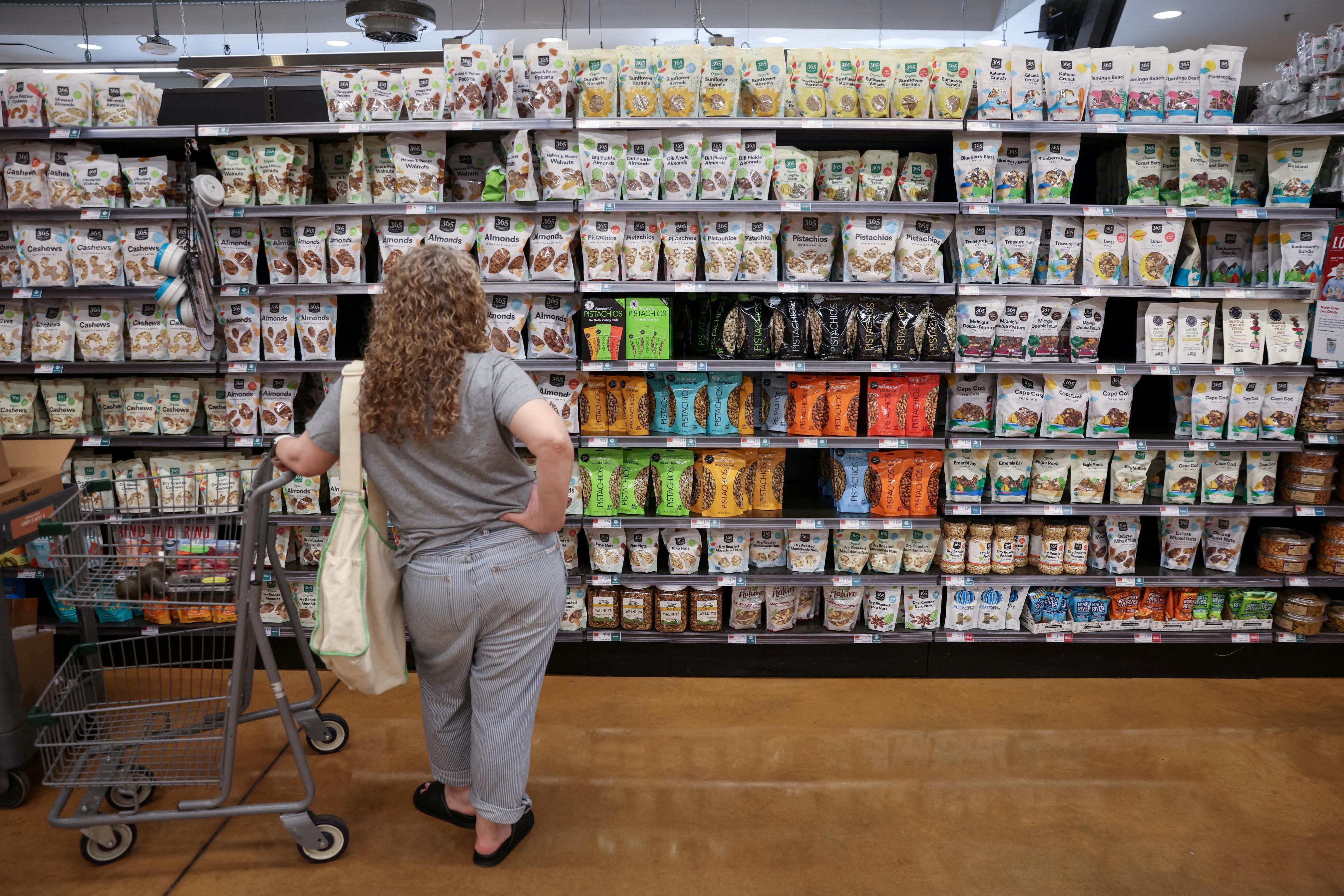
WASHINGTON, Dec 11 (Reuters) - Whether it's the "collective trauma" cited by the American Psychological Association (APA) or the bad "vibes" noted by internet analysts, there has been a clear break between the U.S. economy's performance and public attitudes about it, according to new research from the Chicago Federal Reserve. Researchers at the regional Fed bank studied measures of consumer and business sentiment and found a schism occurred in the spring of 2020 when the onset of the coronavirus pandemic posed mortal risk to the entire country and reordered the economy in ways that are still not fully understood. Jacob S. Herbstman, a research assistant at the Chicago Fed, and Scott A. Brave, a senior economist at the bank, found the post-pandemic years have seen "a decline in the average level of optimism" for any given set of economic outcomes - a mood shortfall that could influence the country's economy as well as its politics. "Historically, a tight link existed between consumer and small business sentiment in the U.S. and economic conditions" with measures like the unemployment rate and income able to explain much of the variation in household and business surveys conducted by the University of Michigan, the National Federation of Independent Business, and the Conference Board, they wrote. "That link appears to have been severed after the pandemic recession," an explanation for why a sub-4% unemployment rate and wage gains that are outpacing inflation have not registered more deeply with the public. The researchers don't pinpoint a reason for the shift, though their top culprits are the price level - not so much the rate of inflation but the fact that prices remain higher than they were - or the possibility that lower rates of unemployment have come to be expected as the norm. The shock of the pandemic could itself play a role, and U.S. central bank officials have been closely attuned in the aftermath of the crisis to how expectations about the economy and particularly inflation have performed. 'MAJOR STRESSOR' Attitudes about the economy can influence economic behavior, something the Fed was particularly worried about last year when rising prices and broad talk of recession sparked concerns about the country talking itself into a downturn - a moment economics commentator Kyla Scanlon dubbed the "vibecession," and which Robert Shiller, a Nobel Prize winner in economics, connected to his theories about the power of economic narratives. The ill feelings may cut even deeper than that. In its Stress in America 2023 report last month, the APA said the country was "recovering from collective trauma" that may be rooted in the pandemic but has sources far beyond it, including economic ones. "The COVID-19 pandemic, global conflicts, racism and racial injustice, inflation, and climate-related disasters are all weighing on the collective consciousness of Americans," the group said. Survey responses showed about two-thirds of respondents cited health, money and the economy as top day-to-day sources of stress. It also showed big jumps since 2019, before the pandemic, in the share of people citing the economy as a "major stressor." About half of those aged 18 to 44, for example, saw the economy that way before the pandemic, versus more than 70% now. With their prime earning years still to come, along with important decisions about education, family formation and home purchases, members of that age group are important to the macroeconomy, while the competition to motivate and earn the support of younger voters is seen as critical to the outcome of the presidential election next November. That leaves less than a year for the economic mood to shift if, as the Fed expects, inflation continues to fall, but alongside weaker wage and job growth. Recent reports on sentiment have shown an improvement, in fact. The outlook for inflation has gotten better, and the University of Michigan's preliminary reading of consumer sentiment in December jumped by the most in about two and a half years. "Consumer sentiment soared 13% in December, erasing all declines from the previous four months, primarily on the basis of improvements in the expected trajectory of inflation," Joanne Hsu, the director of the University of Michigan's Surveys of Consumers, said in a statement accompanying the data on Friday. https://www.reuters.com/markets/us/us-publics-downbeat-view-economy-is-real-chicago-fed-research-shows-2023-12-11/
2023-12-11 18:34
NEW YORK, Dec 11 (Reuters) - The Biden administration expects the Treasury to release guidance by the end of this week on whether to make it easier for sustainable aviation fuel made from corn-based ethanol to qualify for subsidies, multiple sources familiar with the administration's thinking told Reuters. For months the administration has been divided over this issue, as it faces a strong lobbying push from stakeholders in the U.S. Farm Belt, a key political constituency ahead of next year's presidential election. Corn-based ethanol producers see sustainable aviation fuel (SAF) as one of the only routes to grow their industry amid rising sales of electric vehicles. They also argue that the U.S. needs to use ready technology to quickly reduce carbon dioxide emissions. Meanwhile, environmental groups say clearing land to grow crops for fuel is counterproductive to curbing global warming. It is unclear what the administration's guidance will say. The White House and Treasury Department declined to comment for this story. Reuters reported in September that the Biden administration would likely delay a decision until December. The guidance was expected in September. In late November, Agriculture Secretary Tom Vilsack told Reuters he was confident ethanol will become an SAF feedstock, when asked. "They (U.S. Treasury) will provide some direction and guidance, and I think the actual rules and regulations and so forth may take a little bit longer," he said. The billions of dollars of subsidies the ethanol industry hopes to have access to are part of last year's Inflation Reduction Act (IRA), President Joe Biden's signature climate law. SAF producers seeking tax credits must demonstrate with an approved scientific model that their fuel generates 50% less greenhouse gas emissions over its lifecycle than petroleum fuel. Midwest ethanol producers have asked the administration to adopt the Department of Energy's Greenhouse Gases, Regulated Emissions and Energy Use in Technologies (GREET), which would enable ethanol-based SAF to qualify, while environmentalists want standards that would favor inputs like used cooking oil and animal fat. https://www.reuters.com/world/us/biden-administration-release-aviation-fuel-subsidy-guidance-by-end-week-sources-2023-12-11/

2023-12-11 17:07
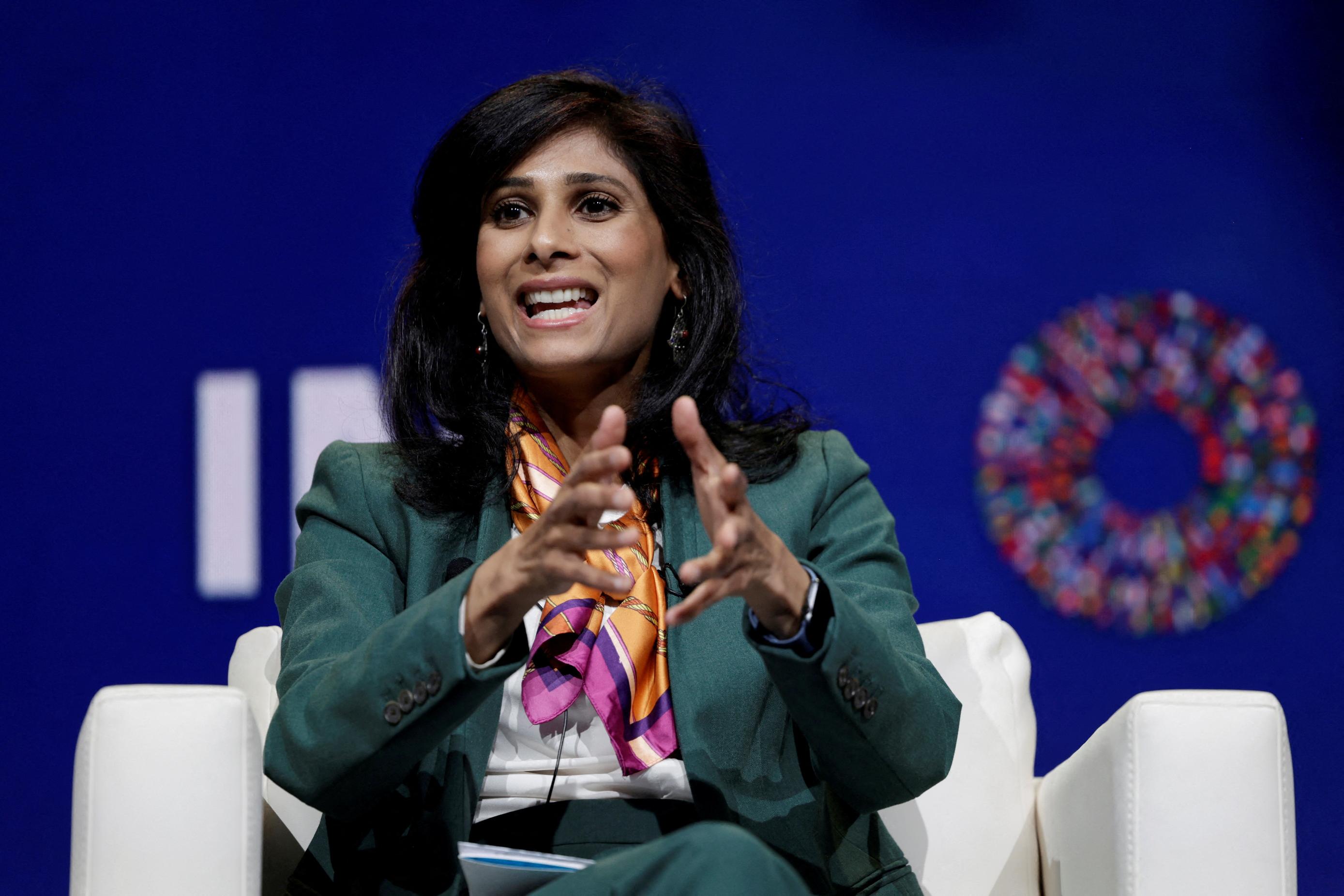
WASHINGTON, Dec 11 (Reuters) - The International Monetary Fund's No. 2 official on Monday warned that fragmentation in the global economy and clear shifts in underlying bilateral trade could trigger a "new Cold War" given the conflict in Ukraine and U.S.-China tensions. IMF First Deputy Managing Director Gita Gopinath told the International Economic Association in Medellin, Colombia, that losses could reach 2.5% to 7% of global gross domestic product if the world economy fragmented into two blocs, seen as predominantly the U.S. and Europe in the West and China and Russia in the East. "While there are no signs of broad-based retreat from globalization, fault lines are emerging as geoeconomic fragmentation is increasingly a reality," she said. "If fragmentation deepens, we could find ourselves in a new Cold War." The impact of the COVID-19 pandemic, which gummed up the transport of goods, particularly from China, as well as the effect of Russia's invasion of Ukraine, which caused a spike in energy and commodities prices, have caused governments to shift their focus to protecting themselves by producing more domestically or "friend-shoring" to other countries with which they share more stable relationships. After years of increasing trade tensions and rising tariffs, China is no longer the largest U.S. trading partner, with Mexico having assumed that role. China's share of US imports fell to 13 percent in the first half of 2023 from 22 percent in 2018. Around 3,000 trade-restrictive measures were imposed last year around the world - nearly three times the number imposed in 2019. Such fragmentation has potential serious consequences that could outweigh greater domestic economic resiliency and security, Gopinath said. "If not properly managed, the costs could easily overwhelm these benefits, and potentially reverse nearly three decades of peace, integration, and growth that helped lift billions out of poverty," she added. Gopinath noted that global fragmentation would make it difficult to meet common challenges like climate change and she called on countries to implement "pragmatic" approaches that preserve the benefits of free trade as much as possible. A "green corridor" agreement could guarantee the international flow of minerals critical for the clean energy transition, she said, while similar agreements for essential food commodities and medical supplies could ensure minimum cross-border flows in an increasingly uncertain world. "Such agreements would safeguard the global goals of averting climate change devastation, food insecurity and pandemic-related humanitarian disaster," Gopinath said. She said any restriction of imports on national security grounds should be narrow and that countries should assess whether there is truly a lack of suppliers from less risky regions, particularly for widely used technologies such as semi-conductors, before deciding to bring production home. https://www.reuters.com/markets/imfs-gopinath-warns-fragmentation-global-economy-could-cut-gdp-by-7-2023-12-11/