2023-12-11 11:49
WINNIPEG, Manitoba, Dec 11 (Reuters) - Coastal GasLink, a Canadian natural gas pipeline partnership operated by TC Energy (TRP.TO), is seeking C$1.2 billion ($737 million) from one of its main contractors for construction delays and may be liable for a similar amount if an arbitrator rules against it, court documents showed ahead of a hearing this month. Construction of C$14.5 billion Coastal GasLink (CGL), which TC began planning in 2012, finished in October at more than double its original budget. Private equity firm KKR & Co (KKR.N) and Alberta pension manager AIMco jointly own 65% of the limited partnership and TC owns the remaining 35%. The dispute over the project that will supply Canada's first liquefied natural gas export facility around 2025 highlights the extreme difficulties operators face in building Canadian pipelines. The Canadian government-owned Trans Mountain pipeline expansion, which aims to boost oil exports, has also faced delays and soaring costs. The 670-km (416-mile) CGL through British Columbia's Rocky Mountains to the Pacific coast was delayed by mudslides, a six-month pandemic work stoppage, sometimes violent protests and steep terrain that forced TC to use ski lifts to transport pipe. CGL also terminated contractor Pacific Atlantic Pipeline Construction's (PAPC) contract last year alleging poor performance and is claiming C$1.2-billion for the cost of finding new contractors, Blaine Trout, TC's vice-president in charge of CGL, said in court on Nov. 17. The two parties have gone to court in Alberta with CGL arguing it is legally entitled to draw on a C$117-million letter of credit, issued by HSBC (HSBA.L) to CGL as a performance guarantee for PAPC. The Alberta court case comes ahead of the two parties facing off in International Chamber of Commerce arbitration in November 2024 over whether PAPC defaulted on its contract or was wrongfully terminated. On Oct. 19, an Alberta court granted an injunction request from PAPC and its parent company, Italian contractor Bonatti, forcing CGL to withdraw its call on the letter of credit, pending the Dec. 19 hearing. The letter of credit expires in early 2024. TC said in a statement that the cost of PAPC's alleged failure to perform significantly exceeds the amount of the letter of credit. "Coastal GasLink is committed to enforcing its contractual rights and is actively pursuing cost recoveries as it is entitled to," TC Energy said. PAPC alleges its work was undermined by CGL's thousands of design changes during construction and protests that CGL could not control. Greg Cano, PAPC's chief operations officer, told Reuters that TC tried to force PAPC to accelerate construction, which would have required the contractor to almost double its staffing and equipment on site, without paying for the extra cost. Cano, who previously worked for TC, said he has never seen such a dispute in his 45 years building pipelines. POSSIBLE INSOLVENCY If the Alberta judge allows CGL to call the letter of credit, financial losses to PAPC and Bonatti could snowball, the companies said in court. They may be unable to pay the cost of arbitration, complete current projects or bid on others, resulting in PAPC's possible insolvency, said Bonatti CEO Andrea Colombo, in an affidavit. PAPC is seeking up to C$1 billion in its arbitration proceeding. KKR and AIMco referred requests for comment to TC. CGL will likely provide little financial return to TC after impairments, TC's chief financial officer said in November. TC does not expect current or potential legal proceedings to have a material impact, according to its 2022 annual report. ($1 = 1.3577 Canadian dollars) https://www.reuters.com/business/energy/tc-energys-coastal-gaslink-seeks-c12-billion-pipeline-contractor-over-delays-2023-12-11/

2023-12-11 11:35
DUBAI, Dec 11 (Reuters) - U.N. Secretary-General Antonio Guterres said on Monday one key to success of the COP28 climate summit was for nations to reach agreement on the need to "phase out" fossil fuels, albeit with countries possibly moving at different rates. "The COP covers many aspects and it depends on the global balance but a central aspect, in my opinion, of the success of the COP will be for the COP to reach a consensus on the need to phase out fossil fuels," he told reporters. "That doesn't mean that all countries must phase out fossil fuels at the same time." https://www.reuters.com/business/environment/phasing-out-fossil-fuels-is-key-cop28-success-says-uns-guterres-2023-12-11/
2023-12-11 11:34
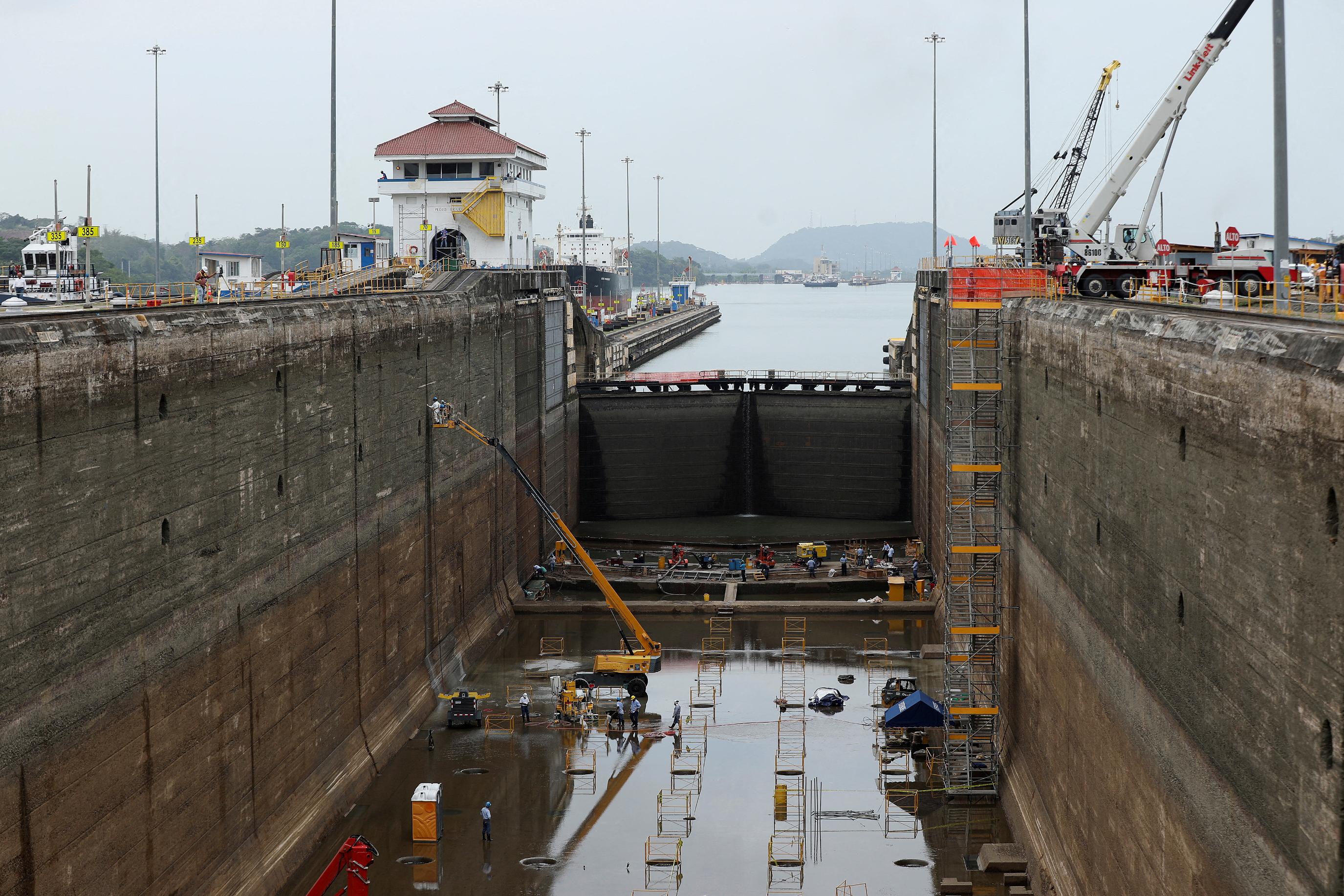
Dec 11 (Reuters) - Bulk grain shippers hauling crops from the U.S. Gulf Coast export hub to Asia are sailing longer routes and paying higher freight costs to avoid vessel congestion and record-high transit fees in the drought-hit Panama Canal, traders and analysts said. The shipping snarl through one of the world's main maritime trade routes comes at the peak season for U.S. crop exports, and the higher costs are threatening to dent demand for U.S. corn and soy suppliers that have already ceded market share to Brazil in recent years. Ships moving crops have faced wait times of up to three weeks to pass through the canal as container vessels and others that sail on more regular schedules are scooping up the few transit slots available. The restrictions could continue to impede grain shipments well into 2024 when the region's wet season may begin to recharge reservoirs and normalize shipping in April or May, analysts said. "It's causing quite a disruption both in expense and delay," said Jay O'Neil, proprietor of HJ O'Neil Commodity Consulting, adding that the disruption is unlike any he's seen in his 50 years of monitoring global shipping. The Panama Canal Authority restricted vessel transits this autumn as a severe drought limited supplies of water needed to operate its lock system. The Authority did not respond to request for comment on grain shipment delays. Only 22 daily transits are currently allowed, down from around 35 in normal conditions. By February, transits will shrink further to 18 a day. Grain ships are often at the back of the line as they usually seek transit slots only a few days before arriving, while others like cruise and container ships book months in advance. The Authority also offers the rare available slots to its top customers first, none of which are bulk grain haulers, O'Neil said. Any scheduled slots that come available are auctioned off, but demand is exceptionally high. Some slots have gone for $1 million or more, untenable costs for the traditionally thin-margin grain trading business. "The grain trades and the bulk carrier segment are going to be the last customers to go through the Panama Canal. I would not rely on the Panama Canal any time soon," said Mark Thompson, senior trader at Olam Agri. Wait times for bulk grain vessels ballooned from around five to seven days in October to around 20 days by late November, O'Neil said, prompting more grain carriers to reroute. Options include sailing south around South America or Africa, or transiting the Suez Canal. But those longer routes can add up to two weeks to shipping times, elevating costs for fuel, crews and freight leases. The benchmark Baltic Dry Index (.BADI), considered a benchmark for bulk grain freight, spiked to a 1-1/2 year peak on Dec. 4, more than doubling from a month earlier. While grain prices have fallen from 2020 peaks, higher freight costs will be passed on to grain and oilseed importers who buy for human food and livestock feed. "Commercial companies have been finding ways to navigate around the problem. But undoubtedly it costs the end-user more money," said Dan Basse, president of Chicago-based consultancy AgResource Co. In the second half of October, only five U.S. Gulf grain vessels bound for east Asia transited the Panama Canal, while 33 sailed east to use the Suez Canal instead, according to a U.S. Department of Agriculture (USDA) report. In the same period last year, 34 vessels used the Panama Canal while only seven used the Suez. Some U.S. exporters have also been rerouting crop shipments to Asia to load from Pacific Northwest ports instead. But that, too, comes at a higher cost as those facilities source grain mostly via rail as opposed to the cheaper barge-delivered loads supplying Gulf Coast exporters. Only 56.8% of all U.S. corn exports in October were shipped from Gulf Coast ports this year, down from 64.9% in October 2022 and 72.1% in October 2021, according to USDA weekly export inspections data. https://www.reuters.com/markets/commodities/panama-canal-drought-delay-grain-ships-well-into-2024-2023-12-11/
2023-12-11 11:30
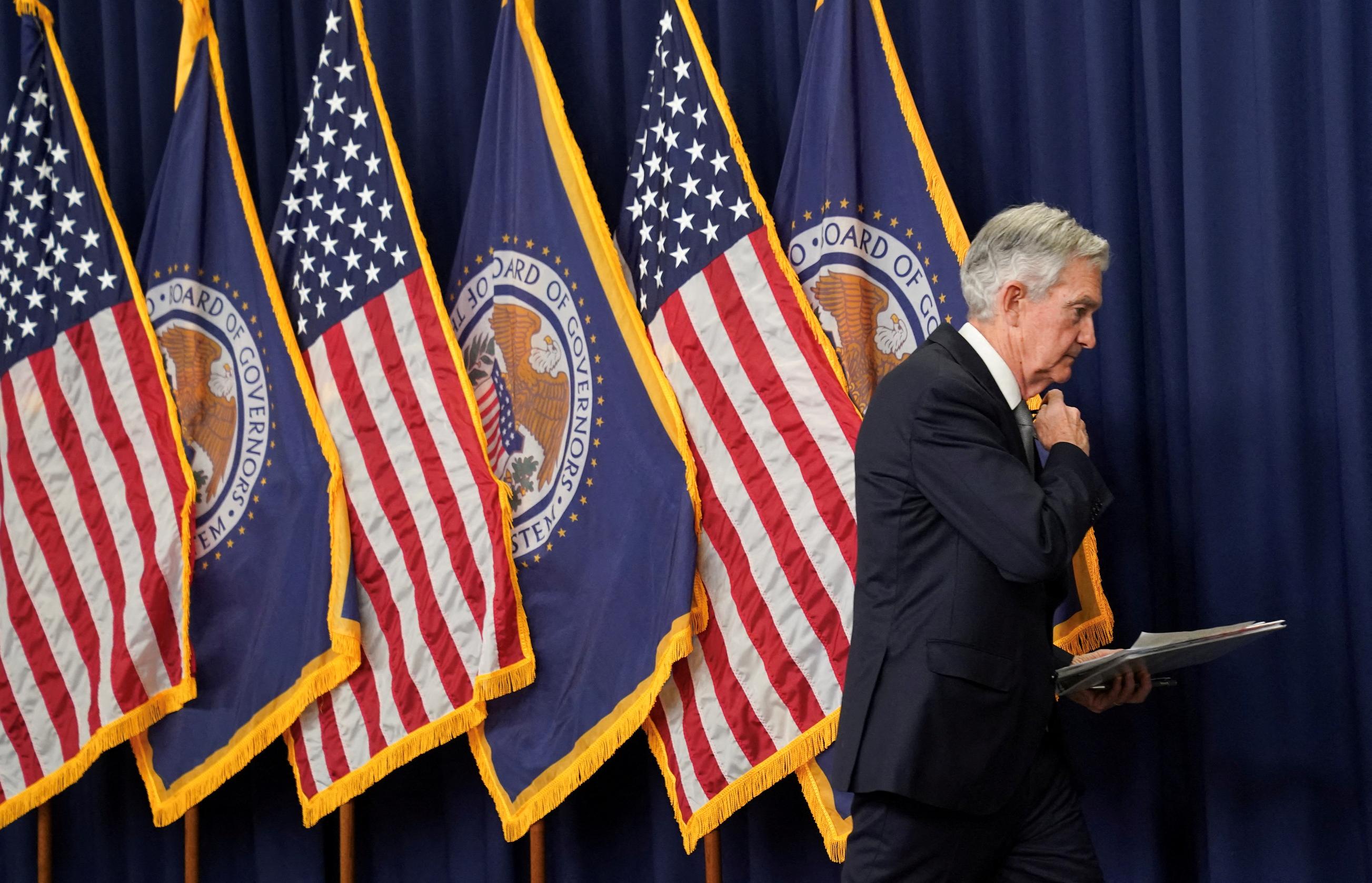
WASHINGTON, Dec 11 (Reuters) - As victory celebrations go, the Federal Reserve's announcement of a quarter point interest rate cut in July of 1995 was hardly ostentatious. "As a result of the monetary tightening initiated in early 1994, inflationary pressures have receded enough to accommodate a modest adjustment in monetary conditions," the Fed, then led by Alan Greenspan, said as it began to loosen its grip on the economy after nipping incipient inflation and with such good timing that the unemployment rate continued what would become an eight-year decline. Job and economic growth that had been ebbing into a possible recessionary spiral both picked up. It is a moment Fed Chair Jerome Powell and his colleagues want to emulate, offering a case study of a “soft landing” from price pressures. For Powell to complete the journey from allowing inflation to erupt on his watch to navigating it back to the central bank's 2% target without a recession, he will need to see the cycle through to that first rate cut. Conjecture over the timing is now in full swing. Investors bet it will start no later than May, while new projections from Fed officials on Wednesday after a two-day policy meeting are expected to show rates lower by the end of 2024 but without any detail on the timing of when cuts will start. Policymakers will likely remain skittish about declaring victory over inflation even though economic data increasingly resemble the conditions Greenspan faced in 1995, with inflation seemingly set to slow, overbuilt inventories posing a drag on future investment, a likely tightening of government spending, and consumer spending expected to wane. Back then that begged the question of why the Fed's rate should remain as high as it was, at 6%. It's a query current Fed officials will likely remain reluctant to answer for now, particularly after a strong November jobs report. The December meeting "is more likely to be a last hurrah for policy caution," Evercore ISI Vice Chair Krishna Guha wrote ahead of the Fed meeting. "We expect little specificity" around what will guide policymakers toward the timing and extent of rate cuts. PRICES, JOBS, CONSUMPTION, CREDIT If 1995 is a guide, the case may hinge on how the job market, credit, consumer spending and inflation itself all behave over the next few months. The Greenspan Fed as that year evolved became confident it had laid the groundwork for continued "disinflation" since economic growth was below potential and seemed poised to slow. The Powell Fed may be approaching the same spot. Blow-out third-quarter economic growth was driven by consumption and investment figures not expected to be repeated, with overstocked inventories likely to drag on output in coming months. Consumer spending is also seen ebbing, in part as higher interest rates slow consumer credit. Companies may also face tighter credit. All of that should feed into diminished job and wage growth, and steadily slowing inflation. Consumer prices in October, indeed, did not increase at all. What will foretell the pivot is Wall Street's new obsession. Citi analysts argued recently that the job market "will become increasingly important for the outlook for rate cuts," with continued strength in hiring a reason to leave the current policy rate unchanged in the 5.25% to 5.5% range. The unemployment rate fell in November to 3.7% from 3.9%, and three-month average job gains remain above 200,000, higher than the 183,000 in the 10 years before the pandemic. Bank of America U.S. Economist Michael Gapen said he thought the cue will come from the inflation numbers. Rate cuts come into view, he said, once the Fed's targeted inflation measure, the Personal Consumption Expenditures Price Index, falls "clearly below three" on an annual basis, with the trend over three- and six-month time frames perhaps at 2.5% or lower. "That would give you further confidence that inflation is slowing," he said last month. In Powell's latest comments he noted PCE had in fact hit 2.5% in recent months, while Fed Governor Christopher Waller noted separately that a continued steady decline in inflation for "three months, four months, five months" would justify rate reductions under many standard rate-setting rules. If that progress stalls, however, rate cuts would be pushed further out, and any sign of inflation resurgence likely met with renewed discussion of further rate increases. RISKS, NOT SHOCKS Any cuts to come are also likely to lack any firm promises about future reductions. The Fed probably won't, as Waller noted, be trying to mount an economic rescue, instead aiming to keep policy in line with falling inflation. It would be managing the risk, in other words, of restraining the economy more than needed to finish its inflation fight, instead of trying to open the monetary taps as happens in response to the sort of shocks that can bring on recession fast. The meltdown of tech stocks in 2000, for example, prompted the Fed to chop nearly 5 percentage points from its roughly 6.5% federal funds rate from January to December 2001. From September 2007 to December 2008 the Fed cut rates in similarly aggressive fashion in response to a housing market crash and financial crisis. Greenspan's rate cut in July 1995, by contrast, wasn't followed by another reduction until that December, and again in January. Rates stayed steady from there until March 1997, when they were increased. It was part of the "Great Moderation," an era when inflation become anchored after the volatile spikes of the 1970s and 1980s, and both growth and employment remained strong through much of the decade. Powell has often cited similar periods of long expansion as the best operating case, where the gains of low unemployment spread to the less well-off, and households can make steady progress. In his last public comments before the December meeting, Powell said the coming period was one for the Fed to move "carefully" as the one-sided risk of inflation came into more balance with the risk of the Fed going too far. "The risks of under- and over-tightening are becoming more balanced," Powell said. "We don't need to be in a rush now...We're getting what we wanted to get." https://www.reuters.com/markets/us/powell-may-hope-replay-fed-circa-1995-even-he-shuns-victory-2023-12-11/
2023-12-11 11:23
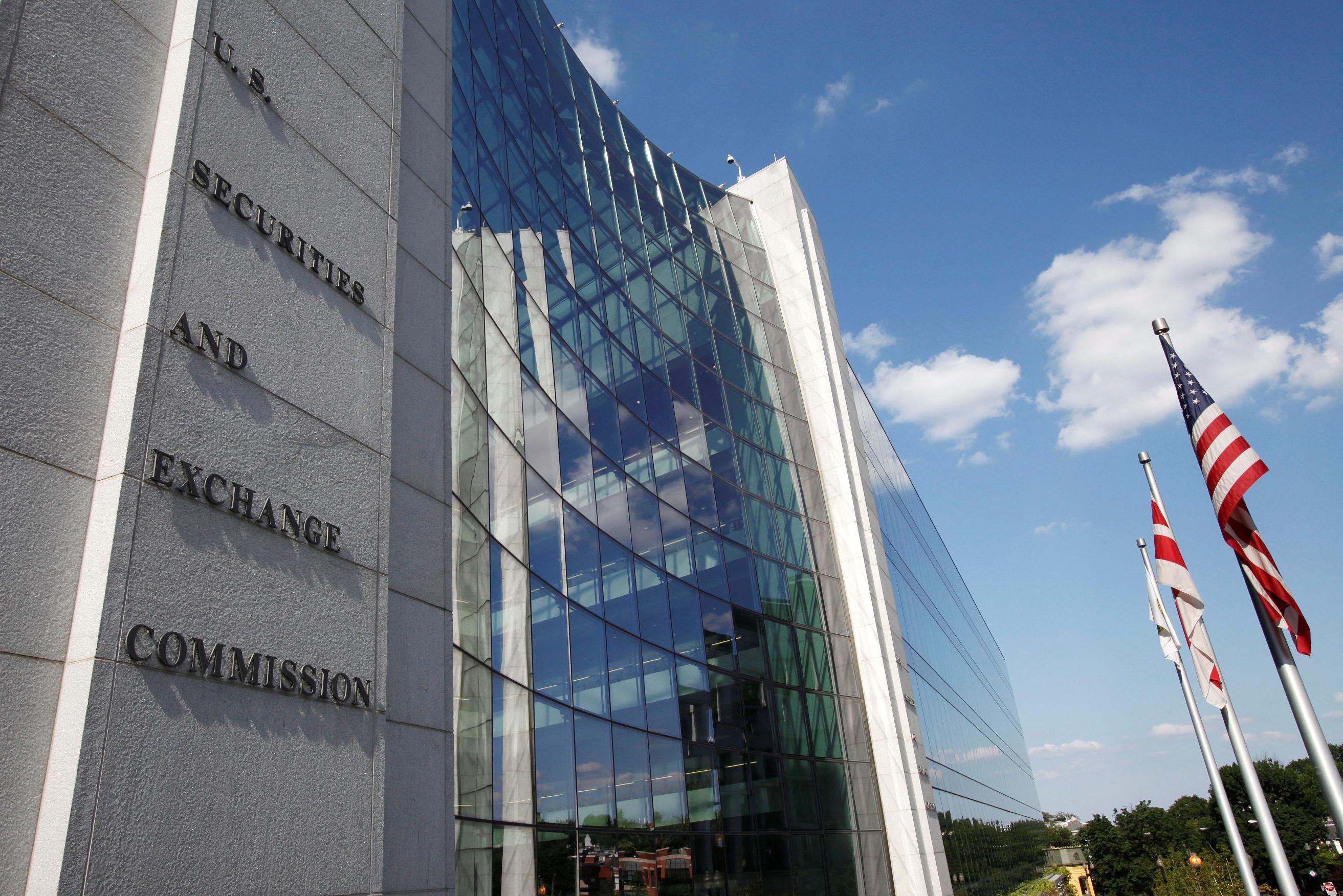
NEW YORK, Dec 11 (Reuters) - Asset managers, insurers and pension funds are pushing to soften a proposed rule aimed at enhancing U.S. Treasury market stability which could require them to register as broker dealers, subjecting them to tougher rules, industry sources and documents show. They are hopeful the U.S. Securities and Exchange Commission (SEC) will compromise when finalizing the rule, first proposed in March 2022, following conversations with agency staff in recent months, according to two people familiar with the talks. The rule aims to increase SEC oversight of the $25 trillion Treasury market by requiring firms that trade lots of U.S. government bonds, mainly proprietary traders, to register as broker-dealers, subjecting them to capital, liquidity and other rules. These firms have become critical sources of liquidity, but are currently subject to scant oversight, the SEC said. The SEC flagged that as many as 46 firms could be affected, but investors say the number will be much larger, partly because the rule as drafted inadvertently captures pensions and some other institutional investors, according to industry comment letters and the sources. One added that the SEC has been receptive to feedback and that the industry expects it will exempt pension funds when finalizing the rule, which is expected in early 2024 based on typical SEC rule timelines. The proposal has drawn criticism from a range of investors including BlackRock Inc (BLK.N), T. Rowe Price(TROW.O), Teacher Retirement System of Texas (TRS) and Two Sigma. They have warned the rule will not work as intended and could actually drain liquidity by making it costlier for investors to participate. "The SEC's dealer proposal jeopardizes the resilience of U.S. Treasury markets ... causing many alternative asset managers and their funds to curtail their participation in the Treasury markets," said Bryan Corbett, CEO of industry group the Managed Funds Association said in an email to Reuters. An SEC spokesperson said in an email that the agency "benefits from robust engagement from the public and will review all comments," but declined to comment on potential changes. The agency has recently made significant changes to other contentious draft rules following industry complaints, including on private fund disclosures, money market funds pricing, and activist investor disclosures. But the changes don't always satisfy firms and in some cases came as unpleasant surprises. In September, private equity and hedge fund groups, some of which are also lobbying against the Treasury market rule, sued the SEC over the private fund rules, saying changes to the final version would hurt investors and exceeded the SEC's authority. That is one of several lawsuits the SEC is facing as financial firms grow bolder about suing regulators, with others brought by Citadel Securities and the U.S. Chamber of Commerce this year. Stephen Hall, legal director at Better Markets, a Washington non-profit that advocates for financial reforms, said industry claims the rule could hurt liquidity are purely "speculative." MARKET DISRUPTION The broker dealer rule is sensitive for the SEC, given the global importance of the Treasury market, one of the people said. The rule is part of a series of reforms that aim to boost Treasury market resilience following liquidity crunches. In March 2020, for example, liquidity all but evaporated as COVID-19 pandemic fears gripped investors, while in 2014 the market experienced wild price gyrations for no obvious reason. Another SEC rule, due to be finalized this week, would require more firms to secure their Treasury trades with margin. The SEC says poor oversight of proprietary trading firms has made it harder for regulators to see into the market. Under the proposed rule, anyone trading more than $25 billion in each of four out of the last six calendar months would be a dealer. The industry says the threshold is far too low and will lead some firms to back out of Treasuries to stay beneath it. The American Council of Life Insurers (ACLI) wrote that its members could end up disposing of long-term bonds to stay under the threshold, while BlackRock said markets "may become less liquid due to lower participation." It could have implications beyond the Treasury market, some firms say. As a broker-dealer, money managers would lose certain protections afforded to investors, while hedge funds would be barred from participating in initial public offerings, they say. Two Sigma warned the SEC in its letter that the rule could "remove significant sources of liquidity" from the equity market too. While Better Markets' Hall said it was possible the rule could cause some Treasury market liquidity providers to pull back, but by enhancing market integrity it was "just as likely to cause other market participants to increase their liquidity-providing activities." https://www.reuters.com/markets/us/wall-street-hopes-relief-treasury-dealer-rule-after-pushback-2023-12-11/
2023-12-11 11:19
Dec 11 (Reuters) - Since 1994 when the Federal Reserve first began issuing a statement announcing actions taken at each monetary policy meeting, it has initiated new interest-rate cutting cycles or has returned to rate cuts after a prolonged pause in rate changes on about 10 occasions. Following is a list of those pivotal moments along with the key phrases from each policy statement: July 1995: With inflation contained, the Fed lowered the fed funds rate to 5.75% from 6.0%, where it had been since February 1995. "As a result of the monetary tightening initiated in early 1994, inflationary pressures have receded enough to accommodate a modest adjustment in monetary conditions." December 1995: Confident still that inflation was subdued after five months with the funds rate at 5.75%, the Fed lowered it by 25 basis points and would do so again at its next meeting in January. "Since the last easing of monetary policy in July, inflation has been somewhat more favorable than anticipated, and this result along with an associated moderation in inflation expectations warrants a modest easing in monetary conditions." September 1998: After a year-and-a-half with the funds rate at 5.50%, the Fed in a risk-management move lowered it by 25 basis points, the first of three consecutive reductions that would bring the rate down to 4.75%. "The action was taken to cushion the effects on prospective economic growth in the United States of increasing weakness in foreign economies and of less accommodative financial conditions domestically." January 2001: A year after the dot-com stock market bubble burst, economic activity was weakening, and the Fed cut the funds rate to 6.0% from 6.5%, where it had been since May 2000. "These actions were taken in light of further weakening of sales and production, and in the context of lower consumer confidence, tight conditions in some segments of financial markets, and high energy prices sapping household and business purchasing power." November 2002: After 11 months with the funds rate at 1.75%, then a record low, the Fed cut it to 1.25% to aid a sluggish recovery from the recession the year before. "(T)he Committee believes that today's additional monetary easing should prove helpful as the economy works its way through this current soft spot." June 2003: Now worried - for perhaps the first time ever - that inflation was too low, the Fed lowered the funds rate to 1%, another record low, from 1.25%, where it had been for seven months. "... the probability, though minor, of an unwelcome substantial fall in inflation exceeds that of a pickup in inflation from its already low level." September 2007: A credit crunch had developed and threatened to derail the economy, prompting the Fed to cut the funds rate to 4.75% from 5.25% where it had been for a year. "...the tightening of credit conditions has the potential to intensify the housing correction and to restrain economic growth more generally. Today’s action is intended to help forestall some of the adverse effects on the broader economy that might otherwise arise from the disruptions in financial markets and to promote moderate growth over time." October 2008: The crunch had mushroomed into a global credit crisis following the collapse of Lehman Brothers. In an intermeeting action coordinated with other central banks, the Fed cut the funds rate by 50 basis points to 1.50% from 2.0%, where it had been for six months. It would cut it again later in the month to 1.0% and then again in December to near zero, where it would remain for seven years. "Since the Committee's last meeting, labor market conditions have deteriorated, and the available data indicate that consumer spending, business investment, and industrial production have declined. Financial markets remain quite strained and credit conditions tight. Overall, the outlook for economic activity has weakened further." July 2019: Seven months after ending its tightening cycle in December 2018, the Fed decided risk management warranted lowering the funds rate range by 25 basis points to between 2% and 2.25%. It would do the same at its coming two meetings. "In light of the implications of global developments for the economic outlook as well as muted inflation pressures, the Committee decided to lower the target range for the federal funds rate to 2 to 2-1/4 percent." March 2020: The COVID-19 pandemic was about to force a wholesale shutdown of the economy that would quickly throw more than 20 million people of out work. The Fed cut the funds rate by 50 basis points to between 1.0% and 1.25%. Less than two weeks later it slashed it back to near zero, where it remained until March 2022. "The fundamentals of the U.S. economy remain strong. However, the coronavirus poses evolving risks to economic activity. In light of these risks and in support of achieving its maximum employment and price stability goals, the Federal Open Market Committee decided today to lower the target range for the federal funds rate by 1/2 percentage point, to 1 to 1-1/4 percent." https://www.reuters.com/markets/us/key-moments-fed-easing-history-since-1994-2023-12-11/