2023-12-08 04:06
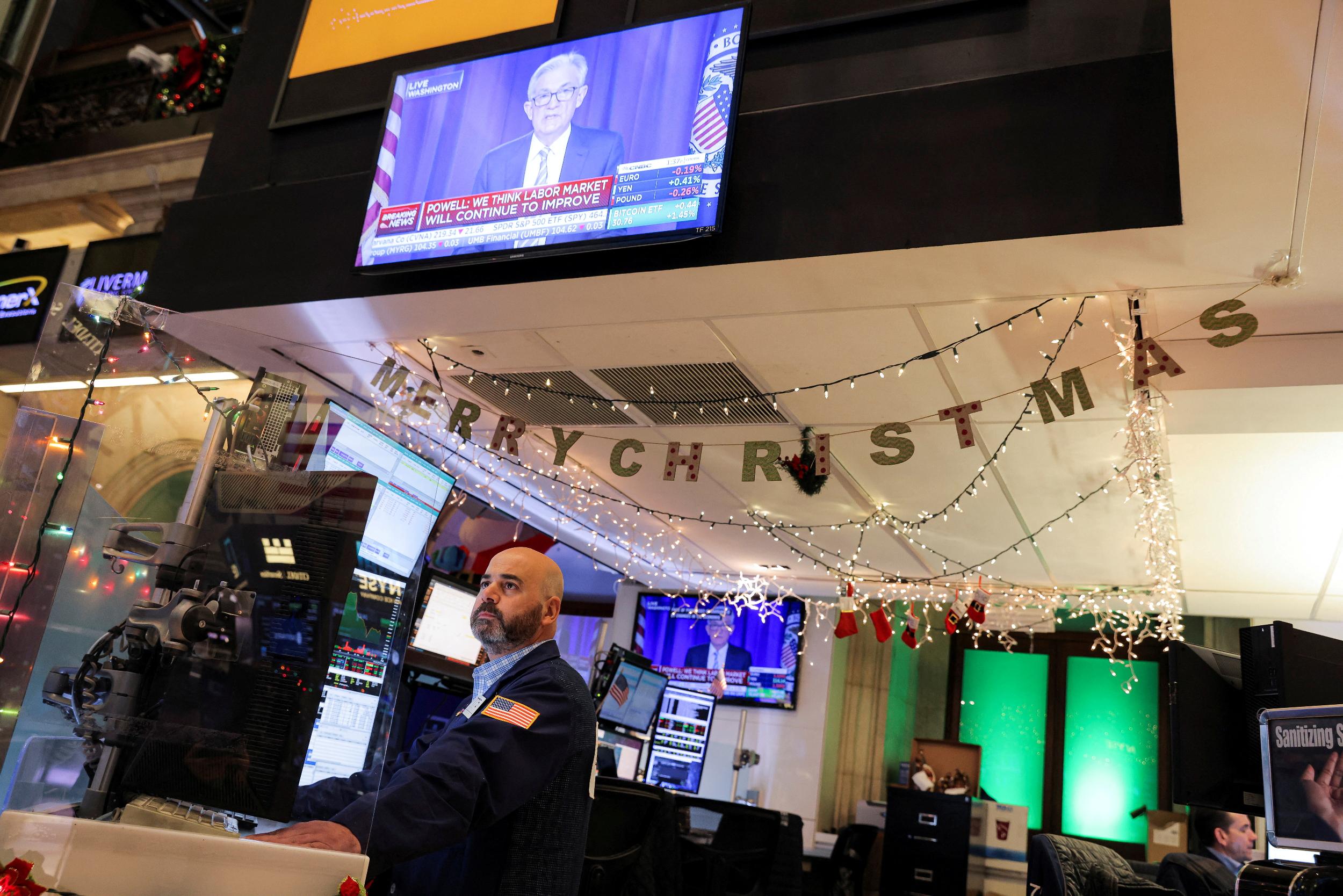
Longest weekly Brent, WTI losing streak since 2018 Benchmarks post first daily gain in six sessions US jobs growth eases some fuel demand concerns Saudi, Russia call for all OPEC+ members to join supply cuts BENGALURU, Dec 8 (Reuters) - Oil prices rose more than 2% on Friday after U.S. data supported expectations of demand growth, but both benchmarks fell for a seventh straight week, their longest streak of weekly declines in half a decade, on lingering oversupply concerns. Brent crude futures settled at $75.84 a barrel, up$1.79, or 2.4%, while U.S. West Texas Intermediate crude futures settled at $71.23, up $1.89, or 2.7%. For the week, both benchmarks lost 3.8%, after hitting their lowest since late June on Thursday, a sign that many traders believe the market is oversupplied. Also fuelling the market's downturn, Chinese customs data showed its crude oil imports in November fell 9% from a year earlier as high inventory levels, weak economic indicators and slowing orders from independent refiners weakened demand. However, Friday's gains, the first in six sessions, could be a sign that the market has found a floor for now after falling for six straight sessions, said Phil Flynn, analyst at Price Futures Group. "Look to step in with caution but the lows should be in," he said. U.S. Labor Department data released showed stronger-than-expected job growth, signs of underlying labor market strength that should support fuel demand in the biggest oil market. That followed government data on Wednesday showing U.S. gasoline demand last week lagged the 10-year seasonal average by 2.5% and gasoline stocks rose by 5.4 million barrels, more than quintuple forecasts, leading to gasoline prices to plummet. Like crude, U.S. RBOB gasoline futures on Friday rebounded about 3% from two-year lows on Thursday. "Wednesday's Energy Information Administration (EIA) report which spurred concern of soft demand on a significant increase in gasoline inventories, may not be as concerning in the wake of the strong jobs report," said Rob Haworth, senior investment strategy director at U.S. Bank Asset Management. Offering more support to the demand enthusiasm, data showed U.S. consumer sentiment perked up much more than expected in December. Meanwhile, Saudi Arabia and Russia, the world's two biggest oil exporters, on Thursday called for all OPEC+ members to join an agreement on output cuts just days after a fractious meeting of the producers' club. The Organization of the Petroleum Exporting Countries and its allies last week agreed to a combined 2.2 million barrels per day (bpd) in output cuts for the first quarter of next year. The market has been concerned, however, that some members may not adhere to their commitments. https://www.reuters.com/business/energy/oil-prices-head-weekly-decline-signs-weakened-asian-demand-2023-12-08/

2023-12-08 03:48
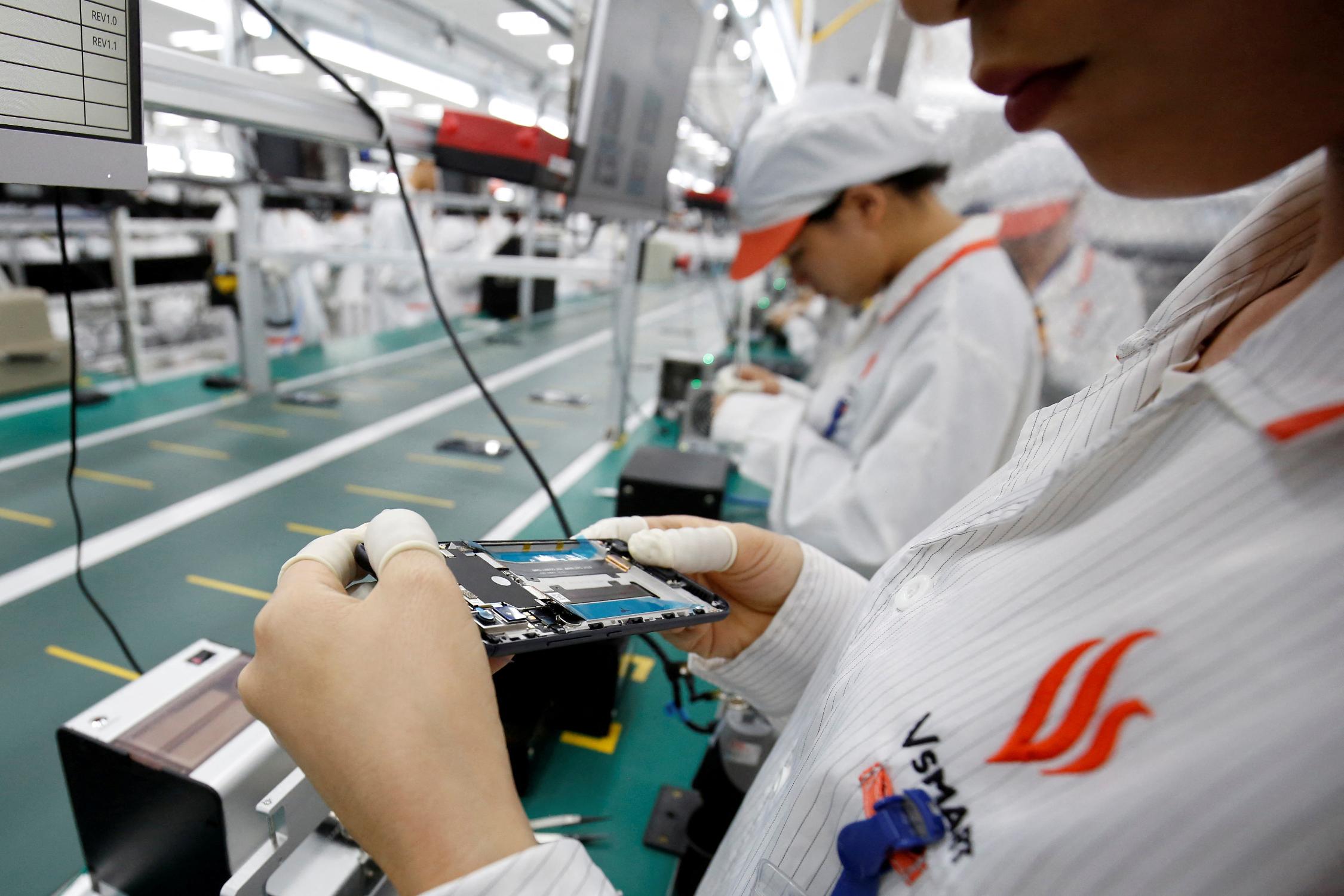
Xi's visit to follow Biden's in September China (with HK) is top investor in Vietnam this year U.S. investment, trade have so far dropped in 2023 HANOI, Dec 8 (Reuters) - Chinese investments in Vietnam have boomed this year in contrast to a slowdown in U.S. spending and trade, official data show, as the world's two largest economies vie for influence in the strategic Southeast Asian country. The manufacturing hub stretching along the South China Sea is increasingly a key assembling link in global supply chains that often rely on Chinese components and U.S. consumers. U.S. President Joe Biden achieved an upgrade of diplomatic relations with the former foe in a visit to Hanoi in September, after a year of intense diplomatic efforts to elevate the United States to the same tier as China in Vietnam's ranking. China's President Xi Jinping will travel to Vietnam next week with the aim of further deepening ties. He may agree to declare that the two countries share a common destiny, diplomats said, which could be interpreted in Beijing as a formal upgrade of diplomatic relations. It is unclear which symbolic upgrade carries more weight, but in economic terms China appears to have had the upper hand so far, partly as a consequence of U.S. trade policy. Tensions between Washington and Beijing and various U.S.-led sanctions on China in recent years have encouraged Chinese investment in Vietnam. Registered investment from China and Hong Kong combined rose to $8.2 billion in the first 11 months of this year, according to Vietnam's official statistics, twice as much as in the same period last year when China had pandemic restrictions, making them the biggest investors in Vietnam. U.S. registered investment instead has fallen to $0.5 billion this year from $0.7 billion in 2022, making it the 10th largest investor after Pacific offshore centre Samoa and the Netherlands. Bilateral trade also dropped, as U.S. consumers grappled with a cost-of-living crisis this year and no tariff cuts were agreed during Biden's visit. Exports from Vietnam to the United States plunged 15% to $79.25 billion in the first 10 months of the year, Vietnam data show, and U.S. imports fell as well. In the same period Vietnam's exports to China increased by 5% to nearly $50 billion, although imports fell as Vietnam largely buys from Beijing components that are assembled for export to Western countries. Despite strong economic exchanges, relations with China are complicated by disputes over boundaries in the South China Sea. Anti-Chinese sentiment is also common among Vietnamese people, and it leads to frequent protests, including one in 2018 against the creation of special economic zones that could have benefitted Chinese companies. DE-RISKING The U.S. diplomatic upgrade came with the White House's pledges of more investments and easier trade. "Despite the fanfare during Biden's visit we have not seen so far a lot materialise," said Zachary Abuza, professor on Southeast Asian politics at the National War College in Washington DC, noting foreign businesses face significant challenges when investing in Vietnam. Several Vietnam-based business consultants signalled an increase in U.S. investors' interest and noted that investment decisions take time to be made. The parallel boom in Chinese investment, which excluding Hong Kong has nearly doubled this year above pre-pandemic levels to $3.9 billion, is partly explained by companies' de-risking strategies amid U.S.-China trade tensions, said Kyle Freeman, partner at business consultancy Dezan Shira. China's slowdown has also been a factor on investment decisions, said Chad Ovel, partner at Vietnam-focused private equity firm Mekong Capital. "(The) poor short to moderate-term macro outlook in China is motivating Chinese to find investment opportunities outside of their own country." https://www.reuters.com/business/chinas-investments-vietnam-boom-xi-visits-hanoi-us-spending-down-2023-12-08/
2023-12-08 03:01
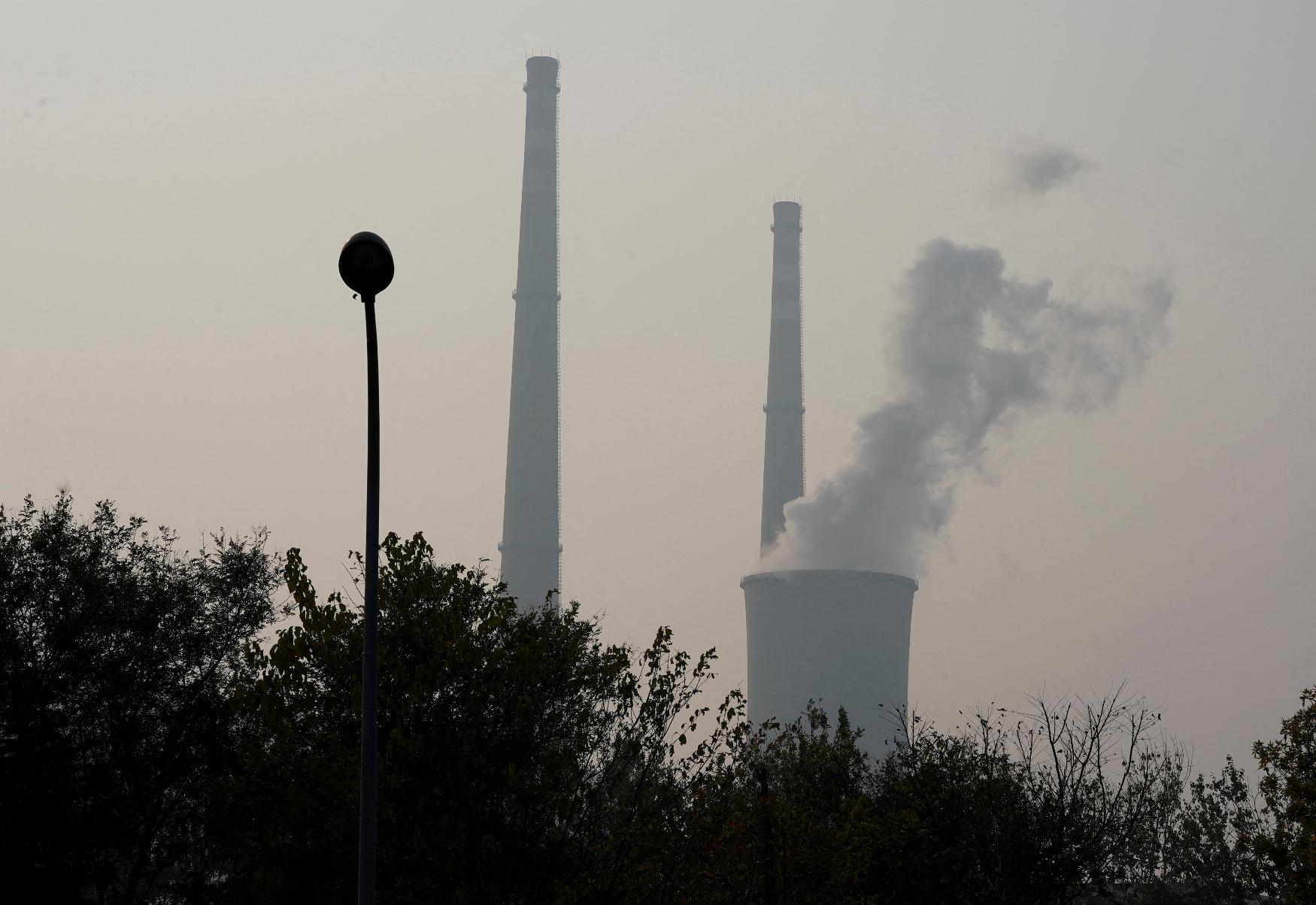
BEIJING, Dec 7 (Reuters) - China will "strictly and reasonably" control total coal use and curb high-emissions projects to improve air quality, China's state council said in an action plan released on Thursday. By 2025, China wants to cut the density of hazardous airborne particles known as PM2.5 by 10% compared with 2020, and keep the number of days with severe pollution to less than 1%, according to the plan. Other proposed measures include development of new and clean energy, increasing natural gas production and curbing projects that lead to high energy consumption and high emissions. The plan sets a target to reduce coal consumption in the Beijing-Tianjin-Hebei region and surrounding areas by about 10% from 2020 levels by 2025. A 5% reduction is targeted for the Yangtze River Delta region. Coal use in northern China's Shanxi and Shaanxi province will be cut over the same period. Captive coal-fired generators that provide electricity to single factories or industrial complexes will not be permitted in general and only those that contribute to the overall safety of grid operation will be considered, the statement said. Inefficient, small-scale coal-fired boilers will also be mothballed, it said. The government also called for the consumption of energy from alternative or renewable sources to account for about 20% of total consumption by 2025. China will as well promote the use of electric vehicles to reduce carbon emissions, with fast-charging stations at no less than 80% of highway service areas in key regions - including Beijing, Tianjin and Shanghai - by 2025 and no less than 60% in other regions. The government called for increasing freight cargo transport by rail and water by about 10% and 12%, respectively, by 2025 versus 2020 to cut down on higher-polluting road transport. Railway should account for 90% of long-haul coal transport around key mining hubs in the northern and northwestern regions by 2025, the also document said, without giving a comparison. The world's second-largest economy plans to expand funding for clean heating in the northern region and increase credit and financing support for upgrading traditional industries, it said. Chinese cities have grappled with high air pollution readings in recent months despite authorities' efforts to improve air quality in recent years. https://www.reuters.com/world/china/china-issues-action-plan-improve-air-quality-2023-12-07/
2023-12-08 02:29
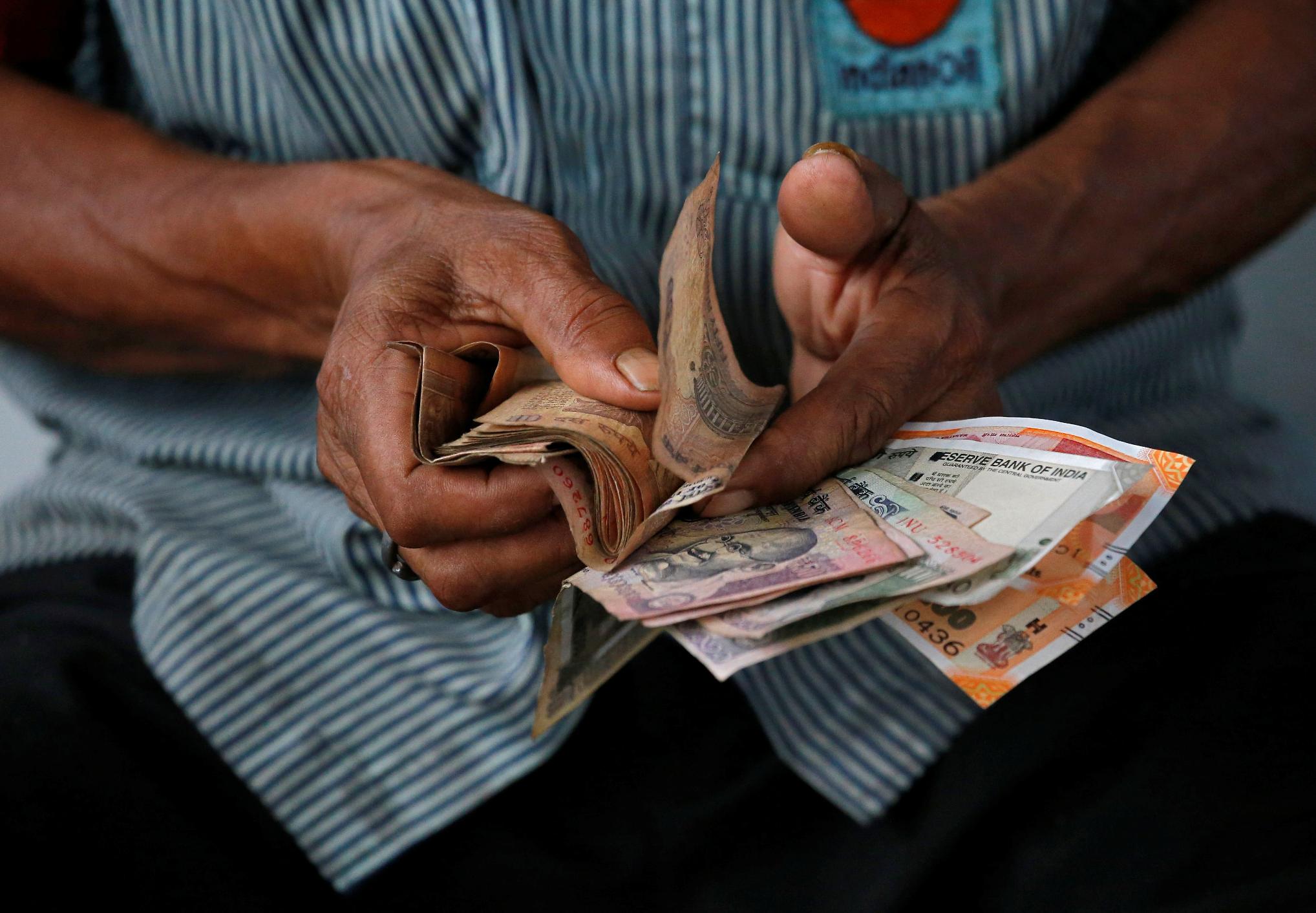
MUMBAI, Dec 8 (Reuters) - The Indian rupee is likely to open little changed on Friday ahead of the Reserve Bank of India's monetary policy decision, even as the dollar index dipped, pressured by a rally in the Japanese yen. Non-deliverable forwards indicate the rupee will open at around 83.34-83.35 to the U.S. dollar compared, barely changed compared to its close at 83.3525 in the previous session. The dollar index fell 0.4% overnight and edged lower in Asia to 103.56. The rupee's Asian peers were mostly rangebound except for the Korean won, which was rose 1.4%. The Japanese yen extended its gains from Thursday and was up 0.4% amid expectations that the end to Japan's ultra-low interest rates is nearing. A softer dollar should aid the rupee slightly on Friday but the local unit is likely to hover in a "very narrow range," heading into the RBI's monetary policy decision, a foreign exchange trader at a private bank said. The Indian central bank is widely expected to keep policy rates unchanged. "We expect status quo on rates, whilst retaining the hawkish ‘withdrawal of accommodation’ stance," DBS Bank stated in a Friday note. "Despite a resumption in strong inflows ... rupee has been kept on the weaker end of the spectrum, reflecting the authorities’ strong intervention presence." Overseas investors have bought $3.2 billion worth of Indian equities in December so far, pushing the month's tally to the highest since July. The 10-year U.S. Treasury yield ticked up in Asia after falling to 4.12% in New York overnight, its lowest level in 3 months, ahead of closely watched labour market data due in the U.S. later on Friday. While the U.S. unemployment rate likely remained unchanged at 3.9% in November, non-farm payrolls are expected to have risen to 180,000 up from up 150,000 in October, according to Reuters' polls. KEY INDICATORS: ** One-month non-deliverable rupee forward at 83.40; onshore one-month forward premium at 7 paise ** Dollar index down at 103.57 ** Brent crude futures up 1.4% at $75.1 per barrel ** Ten-year U.S. note yield at 4.17% ** As per NSDL data, foreign investors bought a net $24mln worth of Indian shares on Dec. 6 ** NSDL data shows foreign investors sold a net $143.4mln worth of Indian bonds on Dec. 6 https://www.reuters.com/markets/currencies/rupee-keep-narrow-range-ahead-cenbank-policy-decision-2023-12-08/
2023-12-08 00:19
Investors cheer Alphabet's new AI model Advanced Micro Devices climbs after AI-chip market forecast Weekly jobless claims lower than expected Indexes: S&P 500 +0.80%, Nasdaq +1.37%, Dow +0.18% Dec 7 (Reuters) - The Nasdaq ended sharply higher on Thursday after Alphabet and Advanced Micro Devices sparked a megacap rally on fresh optimism about artificial intelligence. Shares of Alphabet (GOOGL.O) jumped 5.3% as analysts cheered the launch of the Google-parent's newest AI model, while AMD soared nearly 10% after the company estimated the potential market for its data center AI chips could reach $45 billion this year. Other heavyweight tech-related stocks also gained, with Nvidia (NVDA.O) and Meta Platforms (META.O) rising over 2%, Amazon (AMZN.O) up 1.6% and Apple (AAPL.O) 1% higher. The Philadelphia semiconductor index (.SOX) jumped 2.8%, increasing its 2023 gain to 48%, much of that fueled by bets about the future of AI. "Today it's an AMD-Google rally. There's a contagion effect across the market. Everyone wants to get on the bandwagon," said Jay Hatfield, CEO of Infrastructure Capital Management in New York. "We're kind of in this weird market, a tag-team market, where one day tech leads, and then the next day value and the broad market lead." The S&P 500 (.SPX) has steadily climbed since the end of October on expectations the Federal Reserve has finished its campaign of interest rate hikes and that it could begin cutting rates in March. The S&P 500 climbed 0.80% to end the session at 4,585.59 points, with 1.8 stocks in the index gaining for each one that fell. The most traded stock in the S&P 500 was Tesla , with $25.7 billion worth of shares changing hands during the session. The shares rose 1.37%. The Nasdaq Composite (.IXIC) jumped 1.37% to 14,339.99 points, while Dow Jones Industrial Average (.DJI) rose 0.18% to 36,117.57 points. Volume on U.S. exchanges was relatively heavy, with 11.2 billion shares traded, compared to an average of 10.8 billion shares over the previous 20 sessions. Traders have almost fully priced in the likelihood of the Fed keeping rates unchanged at its meeting next week. Data on Thursday showed the number of Americans filing new claims for unemployment benefits increased less than expected last week to a seasonally adjusted 220,000 for the week. A Labor Department jobs report due on Friday could hint at how quickly the U.S. economy is softening and may sway expectations about when the Fed is likely to begin cutting rates. Non-farm payrolls are expected to have increased by 180,000 jobs last month after rising by 150,000 in October. Interest rate futures imply a nearly 64% chance of a rate cut as soon as March, according to the CME Group's FedWatch tool. Limiting gains in the Dow, shares of Merck (MRK.N) fell 1.7% after the drugmaker's immunotherapy combination failed in a lung cancer study. https://www.reuters.com/markets/us/futures-listless-traders-await-payrolls-data-policy-cues-2023-12-07/
2023-12-07 23:59
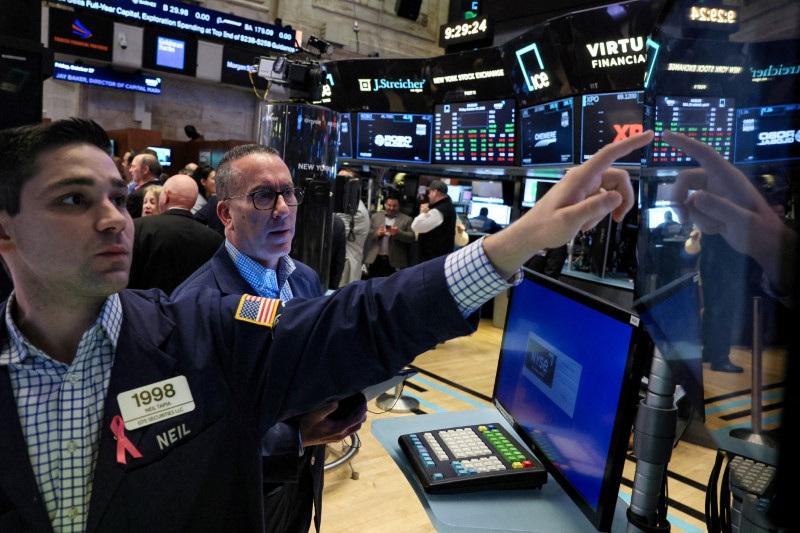
NEW YORK, Dec 7 (Reuters) - A U.S. market rally in equities and bonds in November led global hedge funds to post their best monthly performance since January, although it caused losses to bearish macro strategies, data provider Hedge Fund Research (HFR) said on Thursday. Overall, the hedge fund industry posted gains of 2.2% in November and is up 4.35% in the year, HFR said. "Hedge fund performance jumped in November as economic data showed a welcome decline in inflation, resulting in falling bond yields, and surging equity and cryptocurrency markets, as investors positioned for the conclusion of the Federal Reserve interest rate increasing cycle," the data provider said in a statement. Equity hedge funds led the industry performance among all four strategies tracked by HFR and rose 4.1% in November. Still, they lagged the S&P 500 (.SPX), which had its biggest monthly rise in over a year last month, up 8.9%. Event-driven hedge funds, which bet on merger activity and activist campaigns, rose 3.6% last month. They are the year's best-performing category, with gains of 6.4%. Relative value hedge funds, which explore asset price dispersion, rose 1.5% in the month, with 5.6% in gains in the year. Surprised by the markets rally, macro hedge funds were the sole strategy to post losses in November, down 1.6% in the month and 1.8% year-to-date. "Macro strategies declined in November as interest rates and commodities fell while risk tolerance increased," said HFR. Computer-driven or systematic trading strategies focused on macro trends led the losses. https://www.reuters.com/markets/us/hedge-funds-gain-22-november-boosted-by-markets-rally-2023-12-07/