2023-12-07 18:14
NEW YORK, Dec 7 (Reuters) - Mercon Coffee Group, one of the world's largest coffee traders, has filed for bankruptcy protection in the U.S. due to what it defined as "exceptionally challenging operating environment," according to a document seen by Reuters. Mercon, which has operations in all the major producing regions including Brazil, Vietnam and Central America, said in a letter sent to clients that problems in recent years such as the logistical disruption during the pandemic, frost and drought in Brazil, price volatility, and rising interest rates all combined to hurt the company's financial situation. In the letter, signed by Mercon's Chief Executive Oscar Sevilla, the company said lenders have elected "not to extend credit agreements, resulting in extremely tight working capital conditions." Court documents from the U.S. Bankruptcy Court for the Southern District of New York show Mercon and its affiliates in several countries have a total debt of $363 million. Among the largest creditors are several banks in the countries where Mercon operates, but also trade companies in Brazil, Central America and the United States. Rumors of financial problems at the coffee trader, which has sales operations in Europe, Asia and the United States, circulated among some market participants in the last hours. The comments followed news from Nicaragua that the country's largest coffee exporter, CISA Exportadora, had closed doors. CISA was a subsidiary of Mercon. In a statement, Nicaragua's government said it was aware of CISA's suspension of operations and bankruptcy, which it added was "not just occurring in Nicaragua" and was "foreign" to the country's current economic situation. The government said it was working with the coffee sector, as well as with foreign countries, to ensure the sale and export of Nicaraguan coffee. "We are doing everything in accordance with our laws and constitution that we need to do to ensure that CISA Exportadora meets its business and financial commitments," it said. One broker, who asked not to be named due to the sensitivity of the issue, told Reuters that Mercon was in a difficult financial situation after failing to extend credit lines for its trading operations, particularly with Dutch bank Rabobank. Rabobank confirmed Mercon was a client, but declined to comment further on the situation. Mercon said in the letter that it will work with clients to "ensure a seamless process concerning open contracts." A Mercon source said the company had stocks and will continue to operate under bankruptcy protection, moving coffee from its warehouses and shipping it to buyers. https://www.reuters.com/business/coffee-trader-mercon-files-bankruptcy-protection-2023-12-07/

2023-12-07 18:00
Dec 7 (Reuters) - Expectations that the Federal Reserve will ease monetary policy in the early months of 2024 are fueling a searing year-end rebound in U.S. government bonds. Some investors believe those rate cut hopes are misplaced. The yield on the benchmark U.S. 10-year Treasury, which moves inversely to prices, was recently at around 4.15%, down 87 basis points from a 16-year high reached in October. Last month's 52-point drop in yields was the biggest monthly decline since 2011. Driving the moves are bets that falling inflation will push the Fed to begin cutting rates as early as March 2024 - a much more dovish timeline than investors had expected just a few months ago. Overall, investors are pricing in 126 basis points in rate cuts for next year. The decline in Treasury yields has fueled a multi-asset rally that has lifted everything from bitcoin - which has surged to its highest level since April 2022 - to Cathie Wood’s Ark Innovation ETF, a bastion of speculative stocks that rose 31.4% in November alone. Yet some investors believe Treasuries have rallied too quickly and expectations for Fed cuts may be premature. One reason: the Fed’s determination not to ease monetary policy too soon and invite a 1970s-style inflationary rebound. Some also worry the rallies in stocks and bonds may have loosened financial conditions, making it easier for inflation to heat back up. “The market is getting ahead of itself and running with the more optimistic inflation story … and ignoring that there’s some probability of a scenario where the Fed has to be more aggressive and step in,” said Tony Rodriguez, head of fixed income strategy at Nuveen. U.S. employment data due out on Friday could be one catalyst for yields’ short term trajectory, investors said, with a strong number potentially bolstering the case for rates remaining at current levels for longer. Fed Chairman Jerome Powell has pledged not to cut rates before inflation is convincingly on its way to 2%, citing the experience of Fed officials in the 1970s who loosened policy prematurely. That allowed higher inflation to become more embedded, forcing their successors to impose such strict monetary medicine that it pushed the economy into recession. George Bory, chief investment strategist for fixed income at Allspring Global Investments, believes investors are underestimating policymakers' determination not to repeat those mistakes. His firm has become more neutral in its bond positioning after the recent rally, which has gone “too far, too fast,” Bory said. "In my opinion, the Fed has not given the all clear,” he said. The Fed will pencil in its rate expectations for next year and beyond at its next monetary policy meeting, which concludes on Dec. 13. Policymakers are expected to leave rates unchanged this month. Greg Whiteley, a portfolio manager at DoubleLine Group, said the market has misread the Fed - and been wrongfooted on Treasury yields - several times in the last few years. Wary of a yield rebound, he is currently "skeptical of any part of the yield curve." “This has turned into a real mania in my view because I don’t think a Fed pivot is imminent,” he said. “The market has done this a half dozen times since the pandemic and it will be wrong again.” Another concern is that loosening financial conditions - factors that reflect the availability of funding in an economy - could set the stage for a rebound in consumer prices, said Sameer Samana, senior global market strategist at Wells Fargo Investment Institute. The Goldman Sachs Financial Conditions Index has fallen about 100 points from its late October peak. "The Fed has been talking about higher for longer and clearly the market has undone some of that,” Samana said. To be sure, plenty of investors believe Treasuries have further upside. Emily Roland, co-chief investment strategist at John Hancock Investment Management, believes a continuing softening of the labor market driving both inflation and Treasury yields lower. History suggests that 10-year yields fall by an average of 0.9% in the six months following the last rate hike of the cycle, according to John Hancock data. While that would put the 10-year yield below 3% by January - a move Roland believes is unlikely - the data suggests there is more room for yields to fall, she said. "The move has been very swift so we wouldn't be surprised to see some consolidation but ultimately we see bond yields moving lower into next year," Roland said. https://www.reuters.com/markets/us/after-blistering-rally-some-investors-say-treasuries-have-bounced-too-quickly-2023-12-07/
2023-12-07 17:12
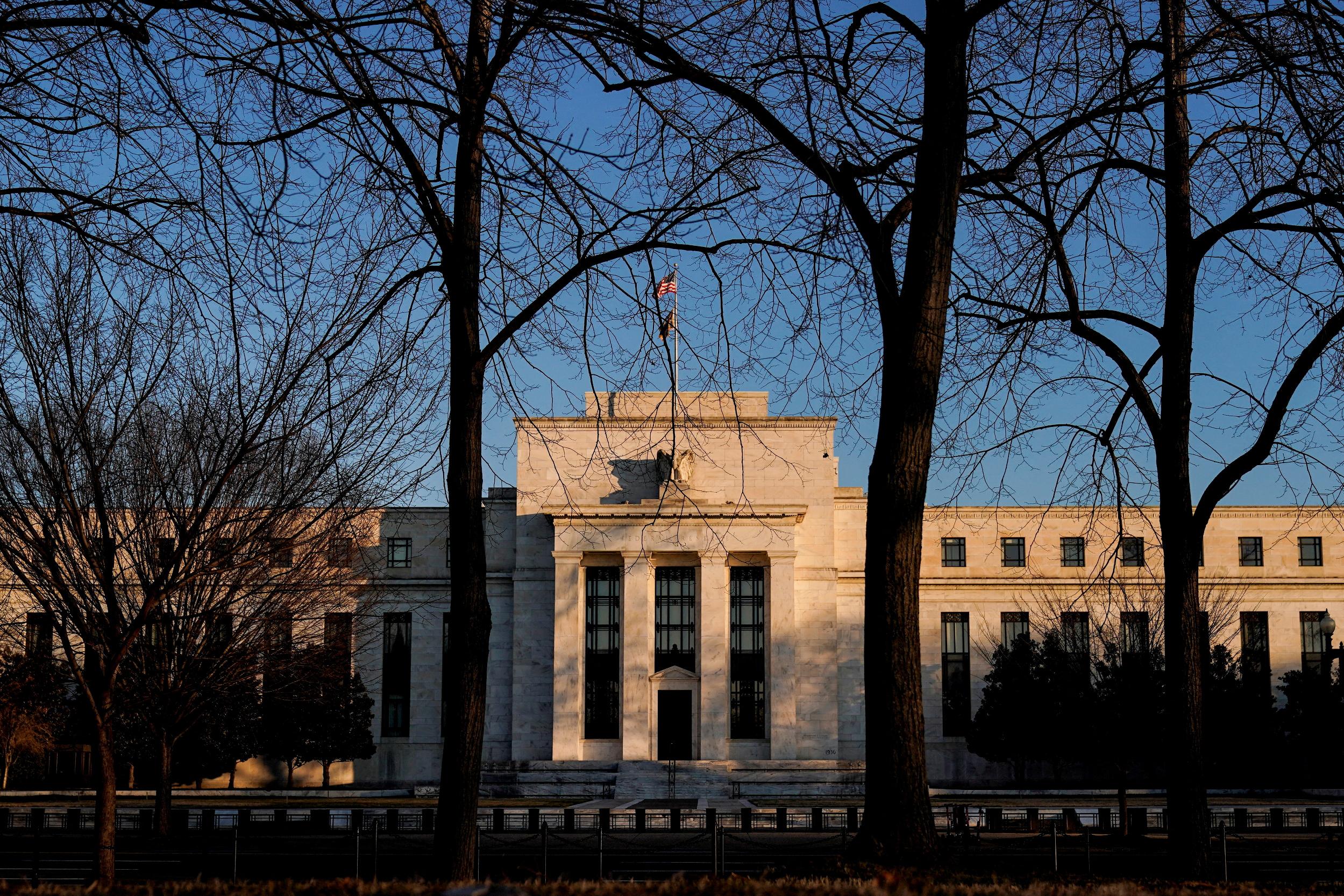
Dec 7 (Reuters) - Interest rates on the most common type of U.S. home loan fell for a sixth straight week to the lowest in almost four months on the back of a bond market rally that has driven down yields on the securities used to set mortgage costs, data out Thursday showed. Mortgage finance giant Freddie Mac said the average rate on a 30-year fixed rate mortgage fell to 7.03% as of Thursday from 7.22% the week before. That is the lowest since mid-August. Since hitting their highest levels in more than two decades in October near 8%, mortgage rates have tumbled as bond markets have rallied on expectations the Federal Reserve is done with its aggressive tightening campaign to rein in inflation. https://www.reuters.com/markets/us/us-mortgage-rates-fall-nearly-4-month-low-freddie-mac-2023-12-07/

2023-12-07 17:07
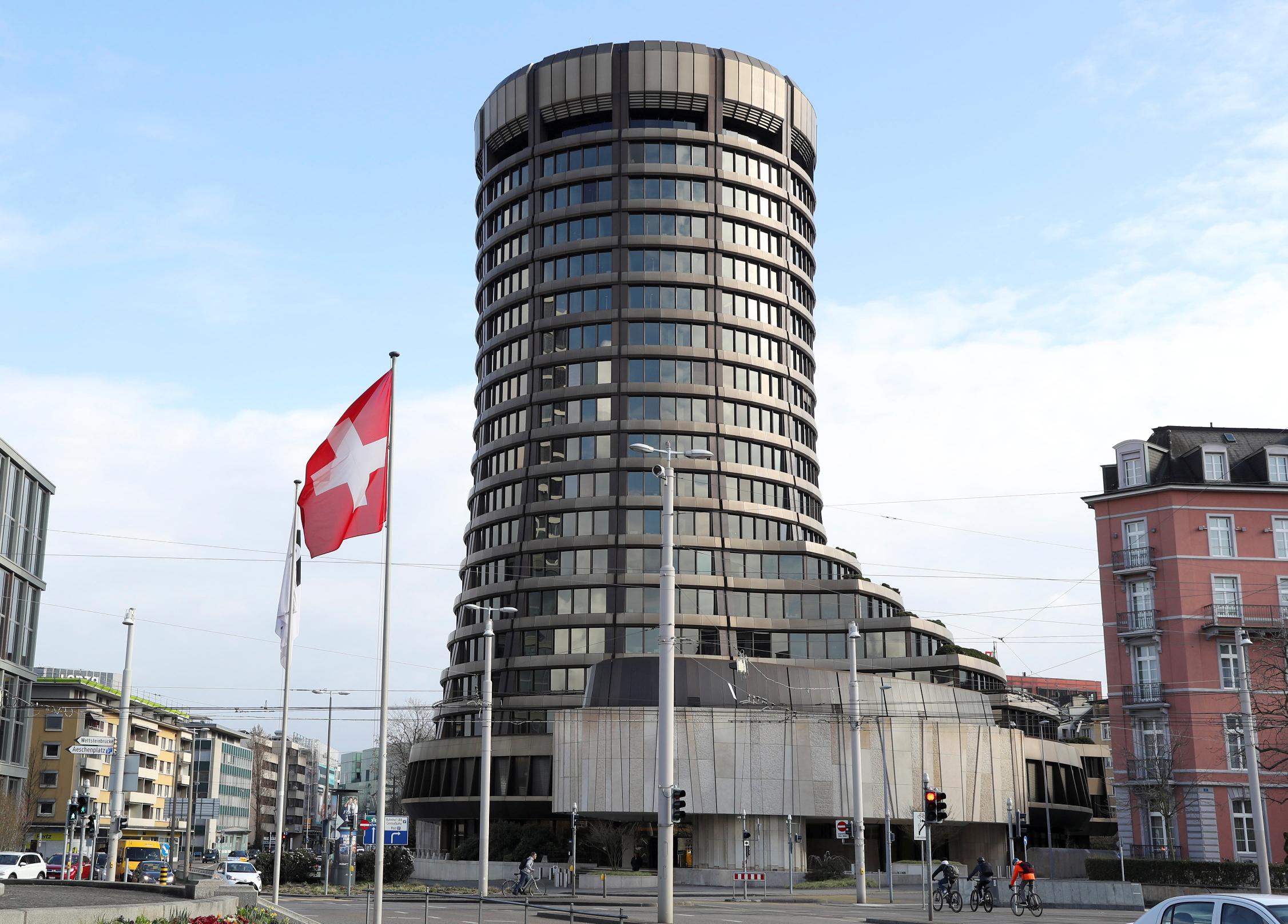
LONDON, Dec 7 (Reuters) - Global banking regulators on Thursday said they would consult on potential revisions to how banks should set aside capital to cover risks from stablecoins, and crack down on "unacceptable behaviours" by some global banks. The Basel Committee said it had taken stock of its standards for how banks should treat exposures to cryptoassets that it published a year ago. Stablecoins are typically backed by a currency and which receive a less onerous capital treatment under Basel's rules than unbacked cryptoassets like bitcoin, but some stablecoins turned out to be less stable than touted. Basel said it would consult later this month on "potential targeted revisions" to the criteria it had set out for "Group 1b" stablecoins that claim to have a stabilisation mechanism. Basel had said last year it would further study if there are tests that can reliably identify low-risk stablecoins, which could be added to criteria needed for inclusion in Group 1b. "The Committee will also consult on various technical amendments to help promote a consistent understanding of the standard," it said in a statement. Cryptoassets that use so-called permissionless blockchains create risks that cannot be sufficiently mitigated at present, and therefore the committee agreed to retain the existing treatment for them. The committee reviewed the risks from banks providing cryptoasset custody services, which it will continue to monitor to see if "any additional work may be needed". The committee will consult next year on policy options to stop "window dressing" by globally systemic banks, a form of "regulatory arbitrage behaviour" that seeks to temporarily reduce banks' perceived risk profile at certain reporting times. Global regulators slot global banks into different "buckets" based on risks based on data reported to regulators which determines how much extra capital they must hold. "Such behaviour undermines the intended policy objectives of the Committee’s standards and risks disrupting the operations of financial markets," it said. https://www.reuters.com/business/finance/global-regulators-review-bank-capital-rules-stablecoin-exposure-2023-12-07/
2023-12-07 17:00
Dec 7 (Reuters) - Real estate investment trusts (REITs) that own and manage apartments are expected to see a bump in their revenue from a rise in renewed leases and rental deals as fewer Americans chase their dreams of buying a new home due to higher borrowing costs. That may come as a relief to the sector, which has struggled with lower rates for fresh leases this year as a supply glut following the pandemic has driven down rents while increasing the cost of attracting fresh tenants. REITs have been able to charge 3-5% higher rates for tenants looking to renew their leases and that figure has remained steady for a while. Contrast that with a less than 1% hike in new lease rates, which in some markets have also turned negative, given the competition to boost the occupancy rate. "Enticing people to take a vacant unit can be a relatively expensive proposition, particularly during uncertain times," Wedbush Securities analyst Richard Anderson said, adding this could prompt them to cut rents or offer concessions for new tenants if turnover remained high. However, with home ownership becoming unaffordable for most Americans because of rising mortgage rates, turnover rates have slowed at most big REITs. The pace of average overall turnover rate slowed to 48.8% in the third quarter from a typical 52.5% for the top seven REITs, including AvalonBay Communities (AVB.N) and Mid America Apartments (MAA.N), BMO Capital Markets' John Kim said. REITs in the United States derive their income by renting out properties that they buy and manage while distributing the bulk of their taxable profit as dividends to shareholders, making them an attractive investment option for people seeking steady returns. However, they have lost some of their allure after year-on-year rent growth in the United States started falling from a double-digit rate by mid-2022 due to increased supply from a cheap-debt-fuelled boom in construction of multifamily apartments for rent or lease in the last two years. The S&P 500 Equity Real Estate Investment Trusts Sub Index (.SPLRCREC) is up just 2.03% this year, compared with an 18.95% gain in the broader S&P 500 index (.SPX). Major REITs have also seen their shares suffer in 2023, with Mid America Apartments shedding 19% while Equity Residential (EQR.N) gained a meagre 1.24%. Still, rising home prices are starting to turn the tide in their favor. The average mortgage payment was 52% higher than the average cost-to-rent each month in the third quarter, according to real-estate intelligence provider CBRE Group. The number of people moving out specifically to buy a home - usually 15% of the total - has dropped to well below 10% for most of the biggest multi-family REITs, Wedbush's Anderson said. Backing Anderson's view, Camden Property Trust (CPT.N) CEO Richard Campo said, "The percentage of Camden residents moving out to purchase a home is currently at one of the lowest levels we have seen in our 30-year operating history." With REITs experiencing a snapback from an era of high rent growth, more renewals also save on costs, especially with turnover expenses having more than doubled since March 2020, according to data analytics firm RealPage. "You also see a revenue benefit from not having the unit vacant for some period of time between residents," Janney Montgomery Scott analyst Robert Stevenson said. "So they have a vested interest in keeping existing residents." https://www.reuters.com/markets/us/apartment-reits-see-silver-lining-high-mortgage-rates-force-tenants-stay-put-2023-12-07/

2023-12-07 16:59
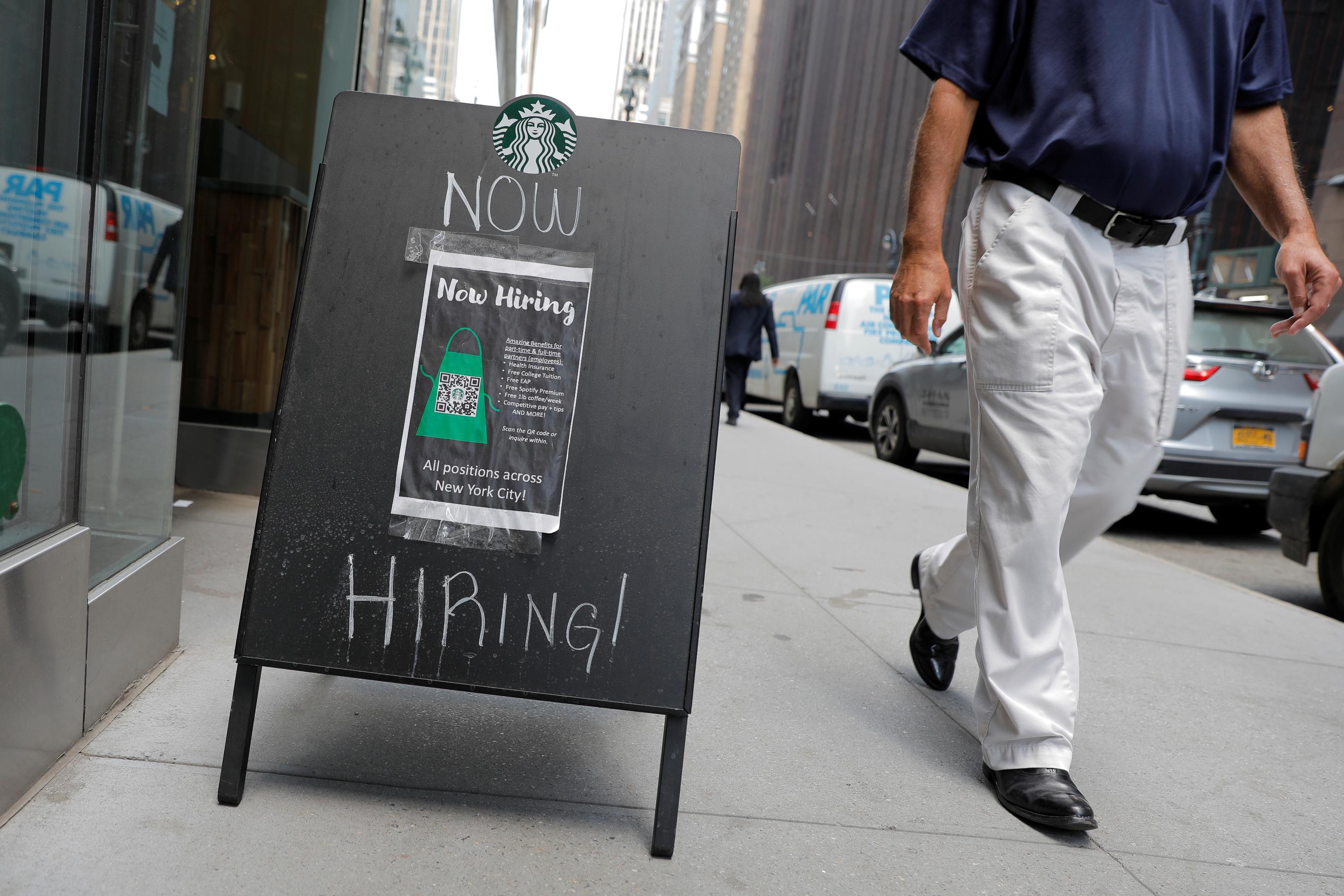
Weekly jobless claims increase 1,000 to 220,000 Continuing claims drop 64,000 to 1.861 million WASHINGTON, Dec 7 (Reuters) - The number of Americans filing new claims for unemployment benefits increased moderately last week, suggesting that the labor market was gradually losing momentum as higher borrowing costs curb demand in the broader economy. The weekly jobless claims report from the Labor Department on Thursday also showed unemployment rolls declining in late November after the so-called continuing claims hit a two-year high in the middle of the month. While the mixed report supported economists' views that the Federal Reserve was likely done raising interest rates this cycle, it suggested that financial market expectations of a cut as early as the first quarter were premature. "There is no cumulative deterioration yet in the labor market that has caused previous Fed chairs to pivot quickly from rate hikes to rate cuts to support the economy," said Christopher Rupkey, chief economist at FWDBONDS in New York. "The data will keep the Fed on the sidelines watching carefully with the risks of doing too much or too little roughly balanced." Initial claims for state unemployment benefits rose 1,000 to a seasonally adjusted 220,000 for the week ended Dec. 2, the Labor Department said on Thursday. Economists polled by Reuters had forecast 222,000 claims for the latest week. Claims data are volatile around this time of the year because of holidays, making it harder to get a clear signal on the labor market. The volatility is likely to persist into early January. Unadjusted claims increased 93,761 to 293,511 last week. Claims in California surged 14,057 while filings in New York soared 9,343. Texas reported a 7,698 jump in claims and applications increased 6,481 in Georgia. Nearly a dozen other states, including Illinois, Indiana, Pennsylvania and Oregon reported an increase in claims above 2,000. "Looking past the noise, initial claims remain at a level that is consistent with relatively low layoffs," said Nancy Vanden Houten, lead U.S. economist at Oxford Economics. A separate report from global outplacement firm Challenger, Gray & Christmas on Thursday showed U.S.-based employers announced 45,510 job cuts in November, up 24% from October. But planned layoffs dropped 41% compared to a year ago. The government reported this week that there were 1.34 job openings for every unemployed person in October, the lowest since August 2021. Slowing economic activity was highlighted by a third report on Thursday from the Commerce Department's Census Bureau showing wholesale inventories declining 0.4% in October, instead of falling 0.2% as estimated last month. Economists expect business inventories to subtract from gross domestic product in the fourth quarter. Private inventory investment contributed 1.40 percentage points to the economy's 5.2% annualized growth pace in the third quarter. Growth estimates for the October-December quarter are below a 2% rate. Stocks on Wall Street were trading higher. The dollar fell against a basket of currencies. U.S. Treasury yields rose. FED LIKELY ON HOLD With the labor market not falling off the rails, most economists are not predicting a recession. Loosening labor market conditions together with subsiding inflation have led financial markets to conclude that the Fed's monetary policy tightening campaign is over. Financial markets are anticipating a rate cut as soon as the first quarter of 2024, according to CME Group's FedWatch Tool. The U.S. central bank is expected to leave rates unchanged next Wednesday. Since March 2022, the Fed has raised its policy rate by 525 basis points to the current 5.25%-5.50% range. The number of people receiving benefits after an initial week of aid, a proxy for hiring, dropped 64,000 to 1.861 million during the week ending Nov. 25, the claims report showed. Continuing claims jumped to a two-year high in the prior week. They have mostly increased since mid-September, blamed largely on difficulties adjusting the data for seasonal fluctuations after an unprecedented surge in filings for benefits early in the COVID-19 pandemic. Economists at Goldman Sachs have estimated that seasonal distortions accounted for the 203,000 increase in continuing claims since early September, and expected them to raise the level by an additional 125,000 by next March. "The jobs market has softened a little more than recent initial claims readings might suggest, but the surge in continuing claims since Labor Day vastly overstates the deterioration," said Lou Crandall, chief economist at Wrightson ICAP in New York. "The sustained increase in the reported number of beneficiaries reflects seasonal adjustment distortions that will be smoothed out in future revisions." The claims data have no bearing on November's employment report scheduled to be released on Friday as they fall outside the survey period. Nonfarm payrolls are estimated to have increased by 180,000 jobs in November, according to a Reuters survey of economists, boosted by the return of 25,300 United Auto Workers union members as well as 16,000 actors after strikes ended. The economy created 150,000 jobs in October. The unemployment rate is forecast unchanged at 3.9%. https://www.reuters.com/markets/us/us-weekly-jobless-claims-increase-slightly-2023-12-07/