2023-12-06 10:05
BENGALURU, Dec 6 (Reuters) - The Indian rupee will trade in a tight range against the dollar in the year ahead, according to FX strategists in a Reuters poll who reckon it will be at least six months before the Reserve Bank of India (RBI) stops intervening heavily in markets. After firming for most of this year, the dollar has recently lost momentum as markets bet the U.S. Federal Reserve will begin cutting interest rates next year, helping most emerging market currencies to regain some lost ground. But the rupee, which hit a record low of 83.42 to the dollar on Nov. 10, has not benefitted from the weakening greenback and remained nearly flat through November despite the economy growing at a stellar 7.6% last quarter, far ahead of its peers. That stability was mostly due to the RBI's regular interventions to reduce the currency's volatility. The rupee was expected to trade at 83.30 by the end of this month and 83.23 in three months, close to levels the currency was trading at on Wednesday, median forecasts in the Dec. 4-6 Reuters poll of 39 FX strategists showed. Nearly one-third of analysts, 12 of 37, expected the currency to touch a new record low by the end of this month. The rupee is then forecast to gain only about 0.6% to 82.80 in 12 months. "RBI's active two-sided FX intervention has reduced rupee volatility considerably. It is likely for such a scale of intervention to continue over fiscal year 2025," said Vivek Kumar, economist at QuantEco. A majority of strategists, 14 of 23, who answered an additional question said the RBI's interventions would not decrease substantially for at least six months, with 11 of those not expecting it to ease in the foreseeable future. Two expected it to reduce its interventions in one to three months while seven said three to six months. But with fed fund futures pricing in the Fed to start easing policy rates as soon as March, some analysts say the rupee could gain moderately against a weakening dollar. "Once the market has decided the Fed has concluded its hiking cycle and is ready for pivoting, it is impetus enough to benefit all currencies, particularly the rupee," said Dhiraj Nim, FX strategist at ANZ. "I think interest rate differentials matter more for flows when the changes in them are driven by U.S. interest rates." (For other stories from the December Reuters foreign exchange poll:) https://www.reuters.com/world/india/rbis-heavy-hand-keep-indian-rupee-tight-range-some-time-2023-12-06/

2023-12-06 09:58
MUMBAI, Dec 6 (Reuters) - India's overnight index swap market is signalling that the country's central bank will not rush to cut interest rates even if the U.S. Federal Reserve starts bringing down rates early next year. The odds of the Fed's first rate cut coming in March have risen to 63%, while the Reserve Bank of India is expected to hold rates until the middle of next year. This has reflected in India's OIS rates. The one-year OIS , considered the clearest indicator of short-term moves in rates, has dropped only about 20 basis points (bps) over the last six weeks to 6.82%, while the 10-year U.S. yield has plunged by over 75 bps. Similarly, the five-year OIS rate has fallen by only about 30 bps, to 6.45%. "I have not tweaked my India rate-cut expectations even with the change in market pricing for Fed rates," said Michael Wan, senior currency analyst, global markets research at Singapore-based MUFG Bank. "I would say the RBI's focus is still very much on domestic inflation, growth and macro dynamics." And even after rate cuts start, market participants expect them to be shallow given the country's strong economic growth -- of 7.6% in July-September -- and as the RBI tries to anchor inflation close to its medium-term target. For these reasons, says Wan, MUFG expects the central bank to start cutting rates only in July-September, with the 2024 total amounting to just 50 bps worth of cuts. The Fed, meanwhile, is expected to cut rates by 125 bps over 2024. While both the RBI and the Fed are due to announce policy in the next few days, their tones could differ as inflation concerns resurface in India. After two months of declines, India's retail inflation is expected to top 6% in November, breaching the RBI's tolerance limit and staying well above its medium-term target of 4%. That will repeat in December as well, estimates Vijay Sharma, a senior executive vice president at primary dealership PNB Gilts. "So there is no scope for the RBI to hint at any dovishness, and even swap markets have not changed their rate cut bets." https://www.reuters.com/world/india/india-swap-market-signals-cenbank-will-differ-feds-rate-cut-path-2023-12-06/
2023-12-06 06:59
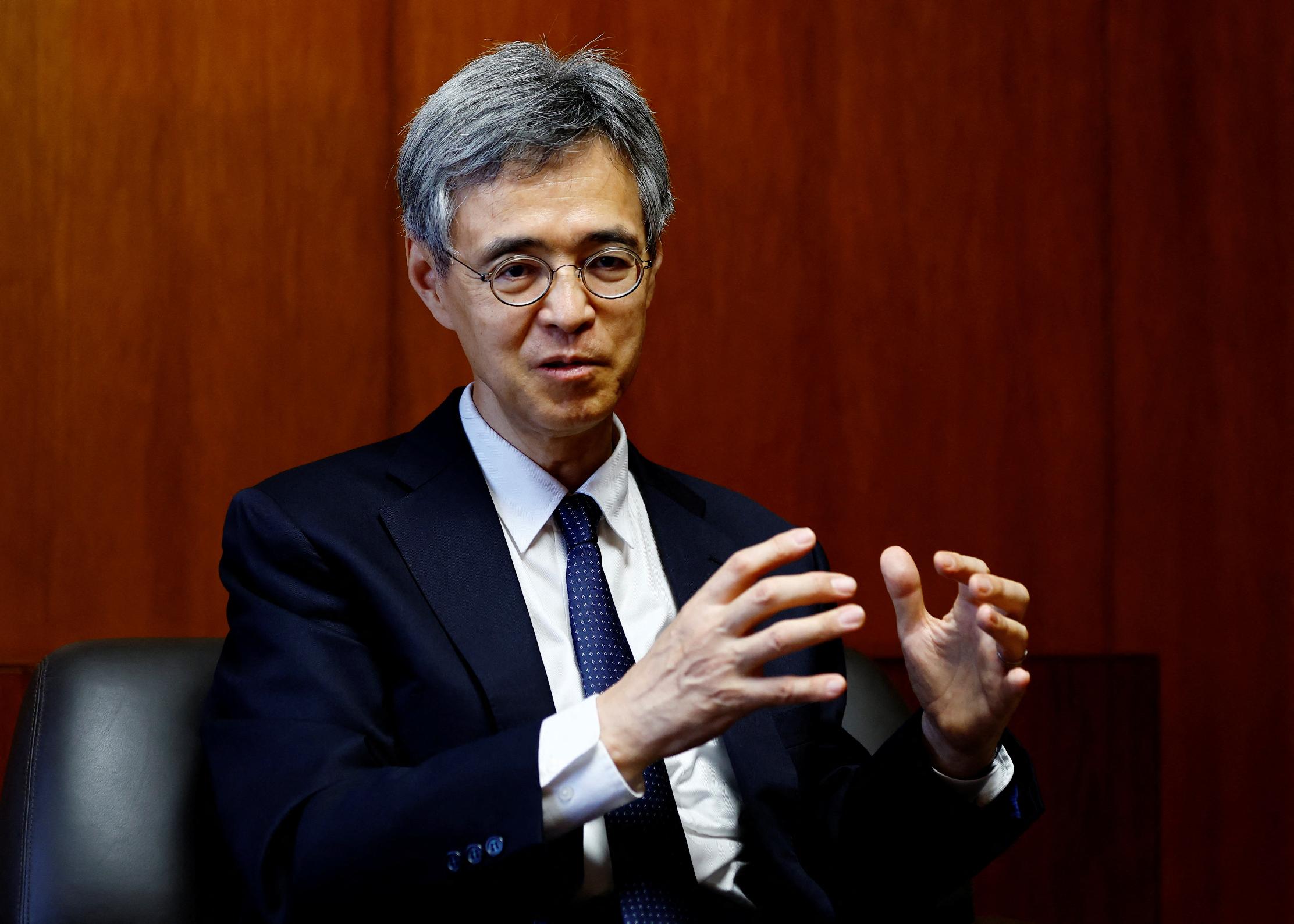
Firms' price, wage-setting behaviour changing - Himino BOJ must carefully time, design exit from easy policy - Himino BOJ will look at wage, prices, capex and consumption At some point, BOJ must make call amid batch of mixed signals TOKYO/Oita, Japan, Dec 6 (Reuters) - Bank of Japan Deputy Governor Ryozo Himino said an exit from ultra-loose monetary policy, if done properly, will reap benefits for the economy, signalling that an end to decades of super-low interest rates may be nearing. While signs from various data remain patchy, Japan is making "solid progress" in shifting firms away from practices that kept price and wage growth subdued, Himino said in a speech on Wednesday to business leaders in the southern city of Oita. "The BOJ should carefully monitor the evolution of wages and prices, judge the timing of the exit, and design its process," he said, adding that Japan's banking system was resilient enough to weather any stress that could emerge during the transition. "If this is done properly, we could achieve a positive outcome from the exit because a wide range of households and firms would benefit" from rising wages and prices, he said. The remarks by Himino, a former top bank regulator and currently one of the BOJ's two deputy governors, underscore a growing conviction within the bank that conditions for phasing out years of massive stimulus are gradually falling into place. Himino said the BOJ will maintain its ultra-loose policy settings, consisting of a negative short-term interest rate and bond yield control, until sustained achievement of its 2% inflation target came into sight. Aside from wage and price moves, the BOJ will scrutinise overseas developments, as well as the strength of domestic consumption and capital expenditure, in deciding when to exit, he said. But he refrained from making predictions on when exactly the BOJ could end negative rates or bond yield control, stressing he had no pre-set schedule or sequence in mind for the exit. "We'll look at various factors, but there's never a moment when you see a green light flash for all of them. There's also never a moment where the lights all turn red," Himino told reporters after the meeting with Oita business leaders. "In reality, you have to make a call at some point amid a mixed batch of signals," he said on the timing for phasing out stimulus. The BOJ is pursuing a negative interest rate policy, which assesses a 0.1% charge on a pool of excess reserves, and is guiding long-term rates around zero to encourage growth. Japanese inflation has exceeded the BOJ's 2% target for more than a year, leading many market players to expect the bank will pull short-term interest rates out of negative territory sometime next year. But many policymakers say they want to see more evidence that prices are being driven by stronger domestic demand, not external forces such as high global oil prices. https://www.reuters.com/markets/asia/boj-must-carefully-time-design-exit-low-rates-deputy-gov-himino-2023-12-06/
2023-12-06 06:37
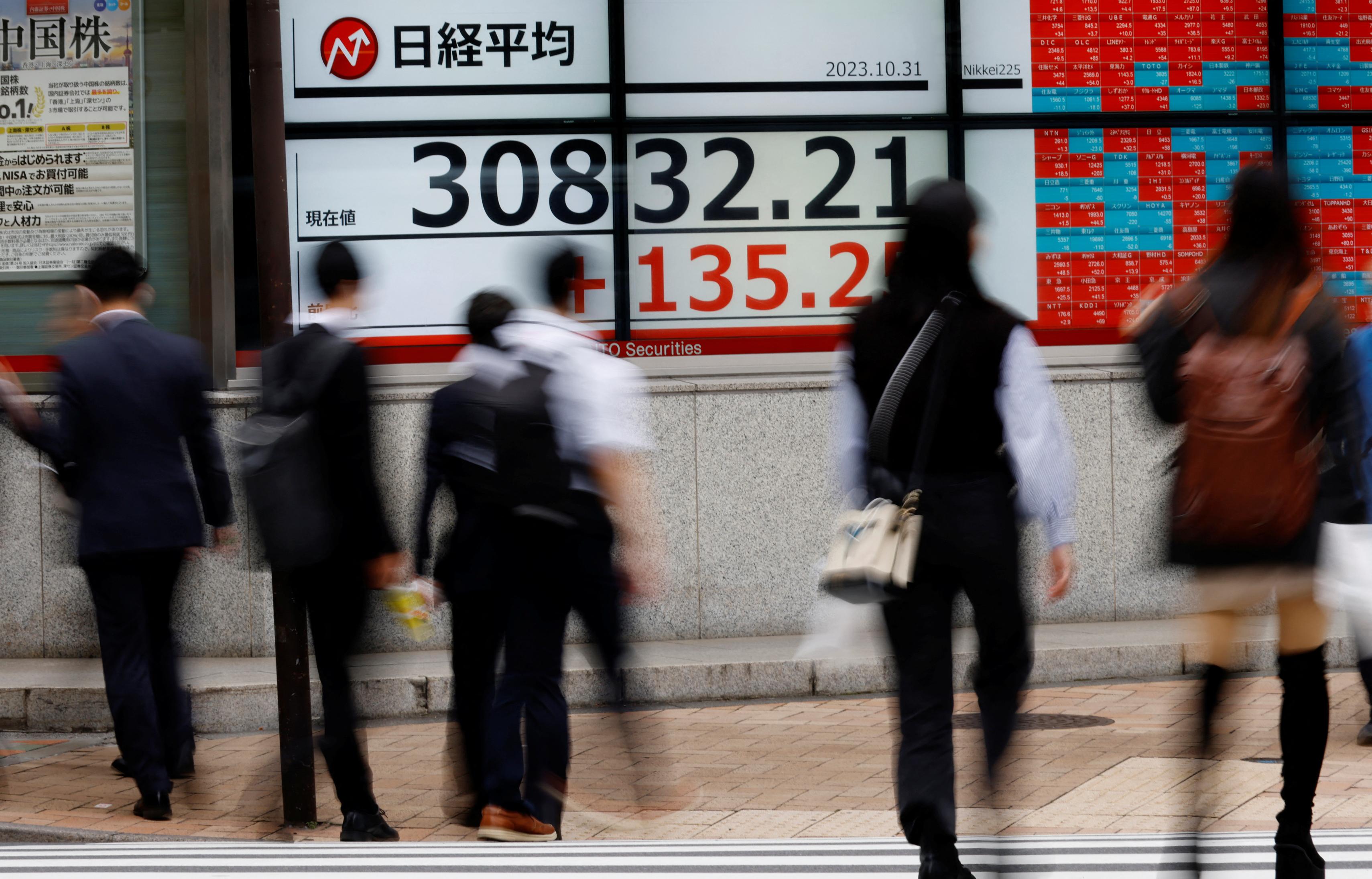
NEW YORK, Dec 6 (Reuters) - A gauge of global equities slipped on Wednesday and was poised for a third straight decline, while longer-dated U.S. Treasury yields fell after economic data kept intact expectations the Federal Reserve has leeway to cut rates next year. U.S. private payrolls rose by 103,000 jobs last month, the ADP National Employment Report showed on Wednesday, below the 130,000 estimate of economists polled by Reuters. Data for October was revised lower to show 106,000 jobs added instead of 113,000 as previously reported. Other data showed U.S. worker productivity grew faster than initially thought in the third quarter, putting more downward pressure on labor costs, which could contribute to lower inflation should the trend remain intact. "Right now, it's consistent with the overall trajectory of softening job growth, and so far that's not problematic because the economy is still humming along," said Bill Merz, head of capital markets research at U.S. Bank Wealth Management in Minneapolis. "What would be concerning is if that trend persists for too long, and it turns into large job losses." On Wall Street, the S&P 500 dipped, giving up earlier gains, as a steep drop in energy (.SPNY) stocks outweighed gains in utilities (.SPLRCU) and industrials (.SPLRCI) stocks. The Dow Jones Industrial Average (.DJI) fell 70.13 points, or 0.19% , to 36,054.43, the S&P 500 (.SPX) lost 17.84 points, or 0.39 %, to 4,549.34 and the Nasdaq Composite (.IXIC) lost 83.20 points, or 0.58 %, to 14,146.71. Softening economic data and recent comments from Federal Reserve officials, including Chair Jerome Powell, have heightened expectations that the U.S. central bank has ended its interest rate hiking cycle and will begin to cut rates as soon as March. Expectations for a U.S. rate cut of at least 25 basis points (bps) in March are about 60%, according to CME's FedWatch Tool, up from slightly more than 50% a week ago. The Fed's next policy meeting is on Dec. 12-13. In addition to the Fed, expectations have risen for rate cuts in other global economies, with markets currently pricing in a 70% chance of cut by the European Central Bank (ECB) in March. However, the Bank of Canada on Wednesday held its key overnight rate at 5% and left the door open to another hike, saying it was still concerned about inflation while acknowledging an economic slowdown and a general easing of prices. The ADP report was the latest in a string of data this week on the U.S. labor market, culminating on Friday with the government's payrolls report. The ADP, however, is historically not a very reliable predictor of the government's data. On Tuesday, a report on job openings fell to its lowest level since early 2021, while a separate measure of activity showed the U.S. services sector picked up, although new orders were flat. The yield on the benchmark U.S. 10-year Treasury note fell 5 basis points to 4.119% after hitting a fresh three-month low of 4.106%, suggesting the bond market is anticipating a weak jobs report on Friday. The two-year U.S. Treasury yield, which typically moves in step with interest rate expectations, was up 3 basis point to 4.603%. European stocks closed higher as investors largely think interest rates have peaked, with Germany's benchmark DAX index hitting a fresh record. The pan-European STOXX 600 index (.STOXX) gained 0.52% and MSCI's gauge of stocks across the globe (.MIWD00000PUS) lost 0.10% and was on pace for its longest streak of declines since late October. The dollar index was up 0.21% at 104.17 after earlier hitting a two-week high of 104.23 while the euro was down 0.31% to $1.0762. Brent crude futures tumbled 3.76% to settle at $74.30 a barrel, while U.S. crude settled at $69.38, down 4.07% on the day after falling to their lowest level since June, as a larger-than-expected rise in U.S. gasoline inventories exacerbated worries about fuel demand. https://www.reuters.com/markets/global-markets-wrapup-1-2023-12-06/
2023-12-06 06:31
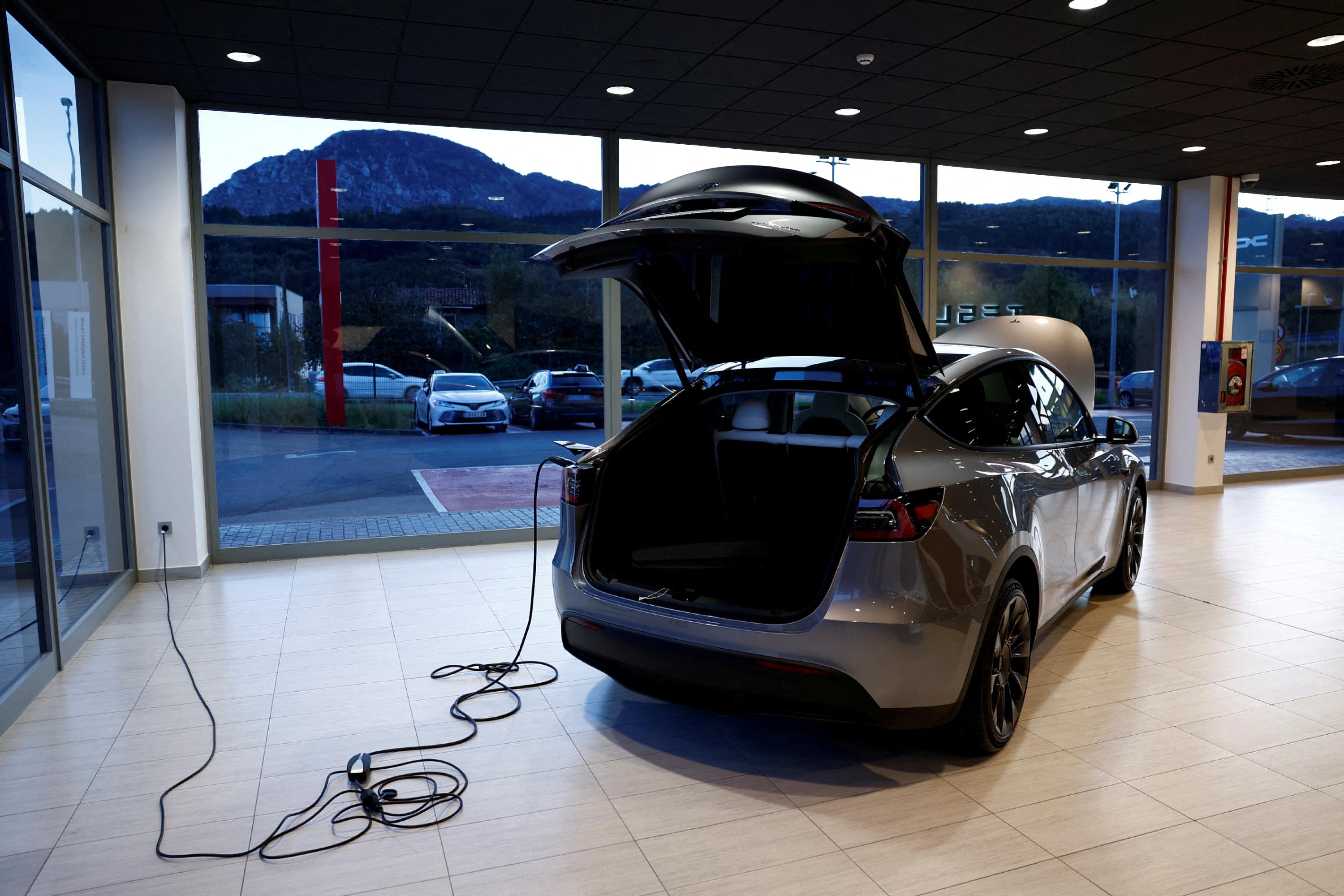
Dec 6 (Reuters) - There is plenty of hand-wringing on display at the COP28 climate conference in Dubai about the slow pace of reducing the consumption of fossil fuels to fight climate change. But one positive that delegates can point to is the growing fleet of electric vehicles worldwide that is already making a surprisingly big dent in demand. Growing sales of electric vehicles in recent years have led forecasters to speed their projections for when global oil use will peak, as public subsidies and improved technology help consumers overcome the sometimes eye-popping sticker prices for battery-powered cars, according to industry experts. The Paris-based International Energy Agency (IEA), a grouping of 29 industrialized nations, expects world oil consumption to hit its zenith at the end of this decade at 103 million barrels per day, after making regular adjustments from its 2017 forecast of a nearly 105 million bpd peak in 2040. "The game-changer has been the policy support for the shift to electrification quite substantially reducing oil demand from transportation sector, which has been the key driver of global oil demand growth," said Apostolos Petropoulos, an energy modeler at the IEA. Oil giant BP (BP.L) has pushed forward its global peak oil demand projections, while the governments of both the United States and China - the world's two biggest oil users - have ratcheted back their domestic consumption forecasts. Transportation is responsible for about 60% of world oil demand, with the United States alone accounting for around 10%, according to the IEA. That share should fall, as the IEA expects EVs will have erased some 5 million barrels per day of world oil demand by 2030. Global EV sales now make up about 13% of all vehicle sales and are likely to rise to between 40%-45% of the market by the end of the decade, according to the IEA. That is thanks to a blend of increasingly stringent efficiency standards and subsidies introduced by various governments about the world since the 2015 Paris Agreement to hold global warming to within 1.5 degrees Celsius (2.7 degrees Fahrenheit) above pre-industrial temperatures. The latest subsidy measures include the U.S. Inflation Reduction Act's $7,500 tax credit for purchasing a new EV, passed last year and intended to help offset high sticker prices. While those numbers are big, the IEA has said EV sales would need to be even higher – on the order of 70% of the market by 2030 - to keep to the Paris Agreement target for limiting warming. Whether sales can scale those heights is uncertain. EV makers including General Motors (GM.N), Ford (F.N) and Stellantis (STLAM.MI) in recent weeks have delayed or scrapped plans to accelerate production amid rising labor costs and signs that higher interest rates are slowing growth in the United States. In the longer term, though, falling costs for EV batteries have some researchers feeling optimistic. CHEAPER IN CHINA The rate of future EV adoption is going to depend heavily on EV pricing and the availability of charging stations, according to industry experts. China has the advantage on both counts. The average electric vehicle in China cost 31,165 euros ($33,964) in mid-2023, according to UK research firm JATO Dynamics. The cheapest EV in China was 8% less expensive than the cheapest gasoline-powered equivalent car, JATO found. That is thanks to massive government subsidies and easy availability of rare earths that are crucial in EV production. EVs have about a quarter of the market in China, and the country is expected to lead global growth. In the United States, by contrast, the average price for an EV is more than $53,000, according to automotive research company Kelley Blue Book, around $5,000 more than a gasoline-powered car. The United States also lags well behind China in total number of public charging stations. An industry-funded white paper released in October by the Electrification Institute noted that the United States has about 52,000 public charging stations, Europe about 400,000 and China about 1.2 million. Even so, EVs are expected to grow to up to 50% of new U.S. car registrations by 2030, according to the IEA, as drivers are drawn to the improving technology, falling prices and the prospect of sidestepping volatile prices at gas pumps. "Change on the political side could delay the transition," said the IEA's Petropoulos, referring to concerns among some EV makers that next year's U.S. election could usher in a new set of policies. "But ultimately the transition is happening now." ___ For daily comprehensive coverage on COP28 in your inbox, sign up for the Reuters Sustainable Switch newsletter here. ($1 = 0.9176 euros) https://www.reuters.com/business/autos-transportation/how-electric-vehicles-are-accelerating-end-oil-age-2023-12-06/
2023-12-06 06:26
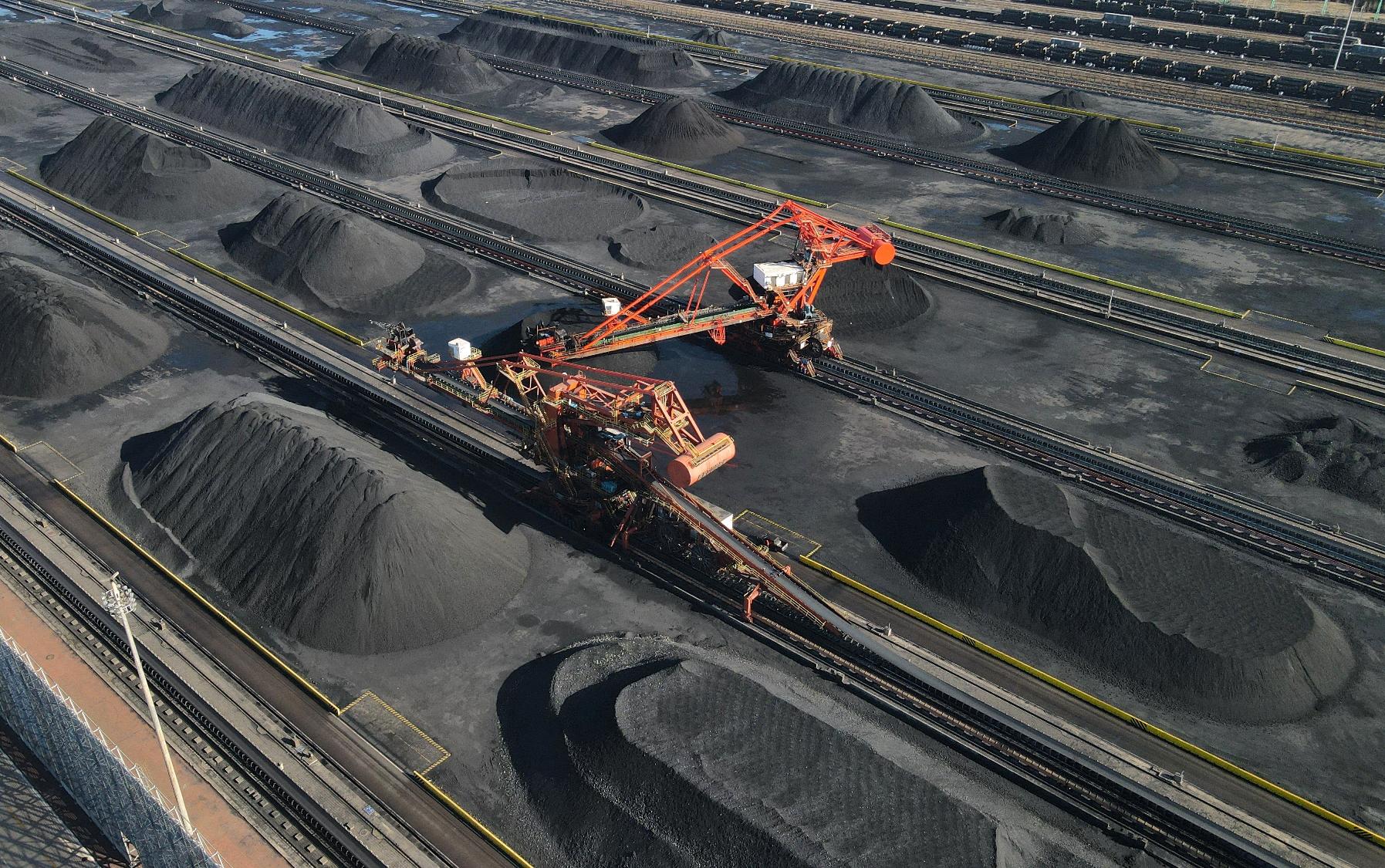
BEIJING, Dec 6 (Reuters) - China will establish a back-up coal production system by 2027 to stabilise prices and secure coal supply, the state planner said on Wednesday, even as it aims to start phasing down coal use in the second half of this decade. Draft rules for the new system did not give details on exactly how the reserve would work, but said the aim was to have 300 million metric tons of "dispatchable" annual coal production by 2030, equivalent to 7% of its 2022 production. China is the world's top coal consumer and producer. Last year it produced a record 4.5 billion metric tons. Beijing set a goal in 2021 to have coal reserves equivalent to 15% of its annual consumption stocked at mines, ports, power plants and some designated storage areas. The new system will build on these stockpiles by ensuring that a certain amount of production capacity is ready to be mined when needed. Mines with at least 3 million tons of production capacity a year can apply to be included, said the National Development and Reform Commssion (NDRC). They must be able to dispatch output when the government deems spot prices to have exceeded a "reasonable" range or when supplies are tight. The move comes as China continues to worry about energy security after a crippling domestic coal and power shortage in 2021 and a European energy crisis last year stoked by Russia's war on Ukraine, which sent prices of natural gas soaring. That has prompted Beijing to boost mining of coal and accelerate approvals for new coal power plants, even though it has previously pledged to reduce coal use in the five-year plan beginning in 2026. The new production reserve is designed to "reduce volatility in short term markets, and also provide a lever to punish speculators or price manipulators", said David Fishman of Shanghai-based energy consultancy the Lantau Group. China launched probes into soaring coal prices during the 2021 power shortage. Prices on NDRC's Bohai Rim Thermal Coal Price Index jumped from 526 yuan per ton in May 2020 to a peak of 848 yuan per ton in October 2021. However, prices have been relatively steady this year, hovering between 715 yuan and 734 yuan per ton. The draft rules are open for public comment until Jan. 6, 2024. https://www.reuters.com/markets/commodities/chinas-state-planner-issues-draft-rules-coal-production-reserve-system-2023-12-06/