2023-12-05 21:05
Dec 6 (Reuters) - Air New Zealand (AIR.NZ) said on Wednesday it had ordered one of U.S.-based BETA Technologies' all-electric five-seat ALIA planes as its first next-generation aircraft as part of a longer-term plan to lower carbon emissions on short domestic flights. The New Zealand flag carrier has a firm order for one ALIA and options for two more, as well as rights for another 20 aircraft, it said in a statement. As part of a larger goal of net-zero emissions by 2050, Air New Zealand wants to conduct a zero-emissions commercial demonstrator flight by 2026. It would then start replacing its 50-seat De Havilland Canada Dash 8 Q300 turboprops that fly short domestic routes, with lower-emissions aircraft from 2030. Seeking to lower its climate footprint, the global aviation industry is relying on the development of sustainable aviation fuel and next-generation aircraft that use electric, hybrid and hydrogen propulsion technologies. "This purchase marks a new chapter for the airline," Air New Zealand CEO Greg Foran said of the ALIA in a statement. The aircraft will initially operate a cargo-only service in partnership with New Zealand Post, the airline said. It would start by flying routes of about 150 km (93 miles) with the 12 m (39 feet) long ALIA, which weighs three metric tons and can fly up to 270 km per hour. The fixed-wing plane can fit five passengers and one pilot in a passenger configuration, according to BETA's website. The planemaker said in March it was pursuing U.S. Federal Aviation Administration certification of the aircraft, which flew more than 480 km in one flight during testing. BETA is a privately-held company founded in 2017 and based in the U.S. state of Vermont. Air New Zealand has also been working with Eviation, VoltAero and Cranfield Aerospace on developing next-generation aircraft. https://www.reuters.com/sustainability/air-new-zealand-buys-all-electric-alia-plane-step-toward-lowering-emissions-2023-12-05/

2023-12-05 20:56
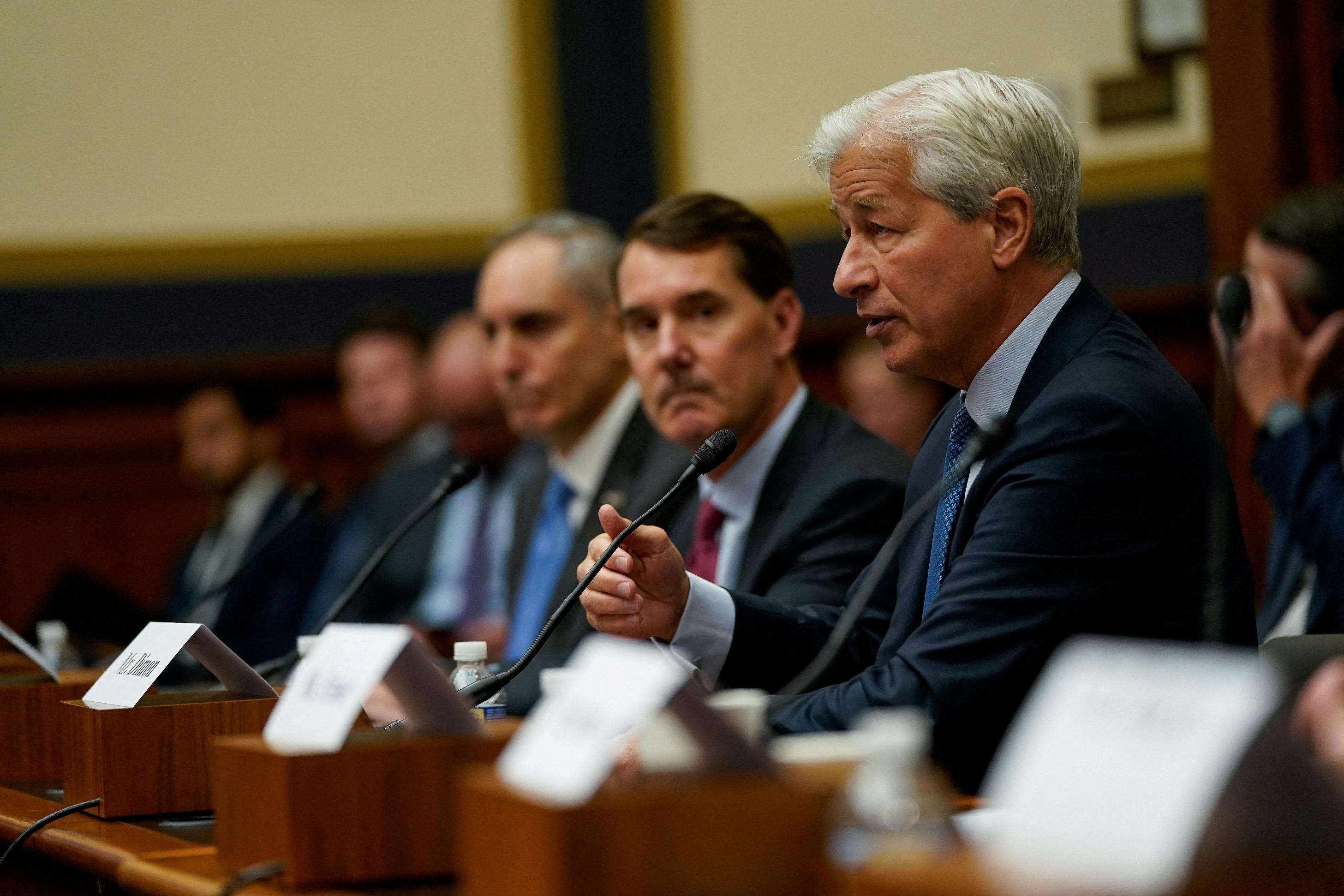
WASHINGTON, Dec 6 (Reuters) - The top bosses of JPMorgan (JPM.N), Morgan Stanley (MS.N), Goldman Sachs (GS.N) and other major banks warned on Wednesday that capital hikes and other new rules will hurt lending and the economy during a Senate hearing that was otherwise sedate compared with recent years. The industry has been waging a fierce campaign to kill the "Basel endgame" proposal, which overhauls how banks must calculate their loss-absorbing capital, and as regulators roll out fair lending and fee cap regulations, among other rules. The CEOs hoped to use the hearing as an opportunity to convince moderate Democratic senators that the Basel rule, which is being led by the Federal Reserve, could stifle lending, hurting small businesses and consumers. It quickly became a battle of narratives, with many Democrats casting skepticism on the industry's complaints and accusing them of over-emphasizing the risks, while Republicans and the CEOs stressed the potential adverse impact on a range of products and services, from green lending, commodities hedging, and pension plan services, to Treasury market liquidity. "If enacted as drafted, this proposal will fundamentally alter the U.S. economy in ways that the Federal Reserve has not studied or contemplated," Jamie Dimon, CEO of the country's largest lender JPMorgan, said in his prepared testimony. "A lot of loans become unprofitable," Dimon said later, citing solar, wind, and community lending. Still, the hearing, which has become an annual Washington event, was far less contentious than in previous years, with moments of levity and humor. Even Democratic Senator Elizabeth Warren, who in the past has skewered Wall Street bosses on issues including payment fraud and overdraft fees, took a soft line. The other CEOs appearing were: Bank of America's (BAC.N) Brian Moynihan, Wells Fargo's (WFC.N) Charles Scharf, Goldman Sachs' David Solomon, Morgan Stanley's James Gorman, State Street's (STT.N) Ronald O'Hanley, and BNY Mellon's (BK.N) Robin Vince. Gorman emphatically criticized Basel as "wholly unnecessary" and later as making "no sense" for an industry already awash in cash and subject to a slew of strict regulations. Senator Sherrod Brown, the Ohio Democrat who chairs the Committee, criticized the banks for aggressively lobbying against the rules, including with multiple public advertising campaigns. Banks have overstated the adverse potential impact of the rules in a bid to preserve their profit margins, he added. When pressed by Brown as to whether all the banks could meet the extra capital required by Basel, all eight indicated they could. "What your banks want is to maximize quarterly profits, the cost of everything and everyone else be damned," Brown told the CEOs. Regulators say capital hikes are necessary to protect the banking system from unforeseen shocks, especially following the collapse of Silicon Valley Bank and two other lenders earlier this year. "The big bank CEOs complained about capital requirements, just like they did with Dodd-Frank protections," Brown wrote in a statement after the hearing. "Strong rules, like capital requirements, protect workers, taxpayers, and our economy by preventing big banks from taking on too much risk without the capital necessary to prevent financial crises and bailouts." The Wall Street bosses were supported by the committee's Republicans who generally oppose tight regulations. Senator Tim Scott, the panel's top Republican, echoed bank concerns, saying the proposed rules could have a "devastating impact" on small businesses. Senator Mike Rounds, a Republican from South Dakota, asked the CEOs if the regulations could hurt homebuyers, farmers, and small business owners, prompting all eight to raise their hands. NO FIREWORKS Other issues covered included cannabis banking, fair lending, payments, mortgages, and artificial intelligence and cryptocurrency regulations. Big bank CEOs have been appearing before Congress for several years after the 2007-2009 financial crisis and subsequent scandals thrust the industry into Washington's crosshairs. While they rarely result in legislation, hearings have led banks to make changes. In 2021, Dimon was drawn into a fiery exchange with Warren about overdraft fees, while last year she grilled him over fraud on bank payment network Zelle. Big banks subsequently reduced overdraft fees and expanded Zelle fraud protections. This year, however, there were no fireworks. Instead of attacking the CEOs, Warren enlisted them in her bid to crackdown on the cryptocurrency industry. She is pushing a bill that would extend existing bank anti-money laundering rules to the crypto industry. When asked if the CEOs supported the aim of her bill, they all enthusiastically said they did. "I'm not usually holding hands with the CEOs of multi-billion dollar banks, but this is a matter of national security. Terrorists, drug traffickers and rogue nations should be barred from using crypto for their dangerous activities," she said. https://www.reuters.com/markets/us/wall-street-bank-bosses-warn-lawmakers-over-new-regulations-2023-12-05/
2023-12-05 20:40
Dec 5 (Reuters) - Allete Inc (ALE.N), a U.S. power utility and renewable energy developer that has a market value of about $5.2 billion, including debt, is exploring a sale of the company, people familiar with the matter said on Tuesday. Allete is working with JPMorgan Chase & Co (JPM.N) on a sale process that has attracted suitors that include infrastructure funds and buyout firms, the sources said, cautioning that no deal is certain and asking not to be identified because the matter is confidential. Allete and JPMorgan did not immediately respond to requests for comment. Allete shares jumped 9% on the news to $61.22 in afternoon trading in New York on Tuesday, giving the company a market capitalization of about $3.5 billion. Allete also had net debt of about $1.7 billion as of the end of September. Headquartered in Duluth, Minnesota, Allete has 150,000 electricity customers in northern Minnesota and 15,000 electricity customers, 13,000 natural gas customers and 10,000 water customers in northwestern Wisconsin. It also operates wind, solar, coal-fired, biomass and hydroelectric power generation assets across the Upper Midwest. Prior to the news of the potential company sale, Allete's shares had lost 14% of their value this year, underperforming a 12% drop in the S&P Utilities index (.SPLRCU), as the company's pivot to renewable energy production weighed on its profitability. The company plans to invest around $3.3 billion in clean energy initiatives and transmission projects by 2027, it said in an investor presentation last month. Allete reported operating income of $36 million in the third quarter of 2023, little changed from the $33.4 million it posted a year ago. Its operating expenses came in at $348.8 million, little changed from the $354.9 million it posted a year ago. https://www.reuters.com/business/energy/us-power-utility-allete-explores-sale-sources-say-2023-12-05/
2023-12-05 20:00
LONDON, Dec 5 (Reuters) - Commodity trader Trafigura used shipping receipts from nickel trades to boost profits by lending them to companies not involved in the transaction to raise financing, Indian businessman Prateek Gupta alleged in a court document. Swiss-based Trafigura filed a lawsuit against Gupta in February, alleging systematic fraud involving nickel cargoes by seven companies or corporate defendants that Gupta controlled. Gupta on Tuesday asked a London court to lift a worldwide freezing order on his personal and business assets because Trafigura had failed to disclose full information. In a court document made public at the hearing, Gupta produced WhatsApp exchanges and emails with Trafigura staff that he alleges are proof that he was not alone in the operation to switch high- and low-value metals. Gupta also alleged that Trafigura used a shipping receipt or bill of lading for "arbitrage trading" and in at least one case Trafigura "sold the bill of lading to two parties, one being the relevant corporate defendant and the other being a separate third party". Trafigura declined to comment. Gupta said while he discovered one instance of selling a bill of lading to two parties, he believed it was a wider activity by the commodity trader. "I consider this is one of the reasons why Trafigura wished to enter into the arrangement in the first place," Gupta said, referring to his allegation that Trafigura devised the scheme to substitute low-value metals for pure nickel. Typically three original bills of lading are issued for metal cargo. One for the shipper, one for the seller and one for the bank that finances the cargo and ultimate owner. "Some forms of arbitrage trading are legitimate," Gupta said in the document. He added that arbitrage trading can also describe trading bills of lading to inflate account books despite no real trades, or to inflate earning margins by lending bills of lading so third parties can raise finance through, for example, bill discounting. Bill discounting typically involves a company selling invoices it is owed to a financing company at a discount to get the cash more quickly than the invoice period, which can sometimes be many months. Gupta cited WhatsApp messages from a Trafigura employee saying a bill of lading "got erroneously used for arb deals". "We became aware... that Trafigura was engaging in these practices because a third party to whom Trafigura loaned a bill of lading which had already been sold to one of the corporate defendants approached its bank for financing and that bank happened to be one of the banks utilised by UD Group with whom we had a good relationship." UD Group is headquartered in United Arab Emirates. https://www.reuters.com/markets/commodities/trafigura-lent-nickel-receipts-uninvolved-firms-gupta-says-court-document-2023-12-05/

2023-12-05 19:27
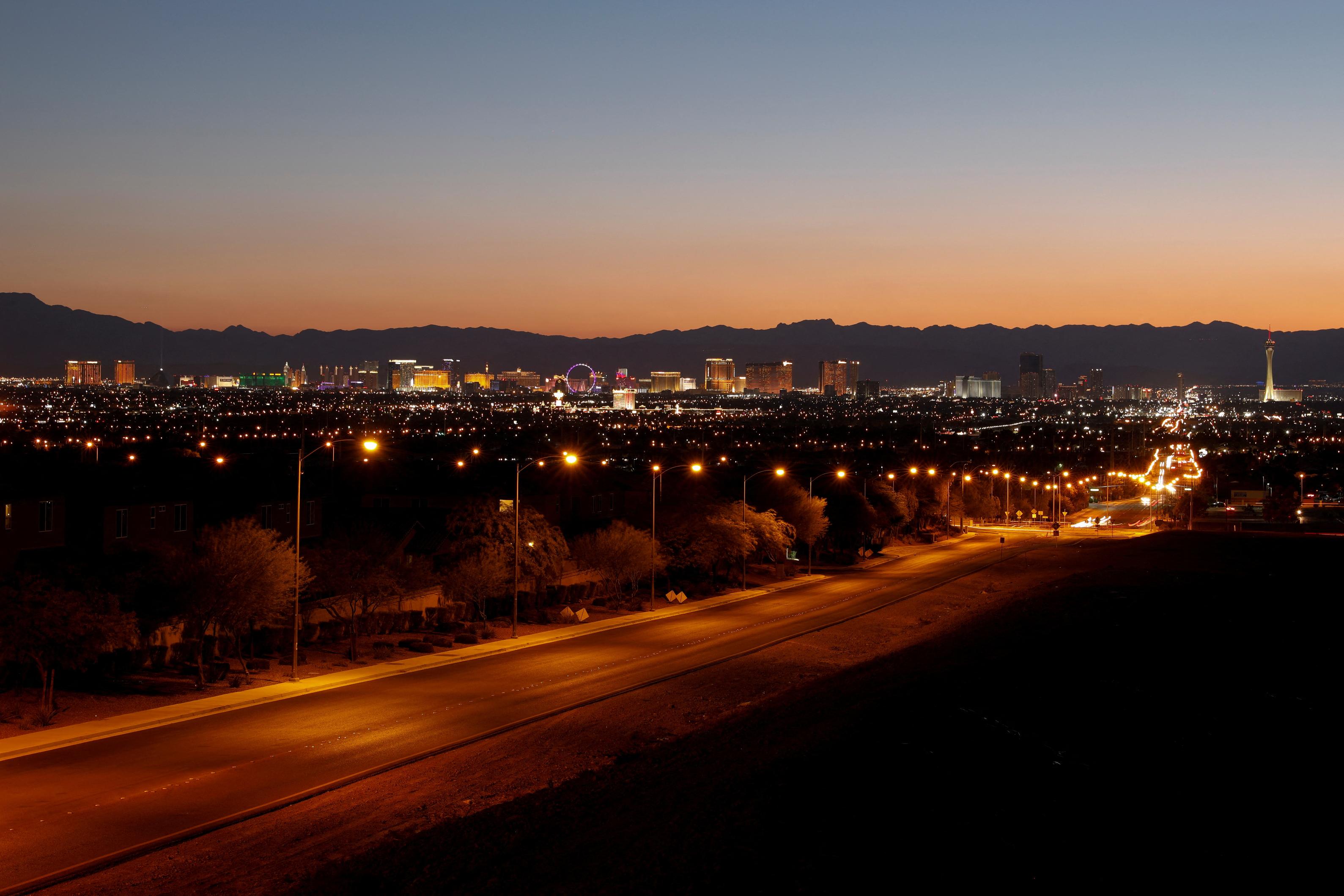
WASHINGTON, Dec 5 (Reuters) - The U.S. Transportation Department is awarding $3 billion to a $12 billion Las Vegas to Southern California high-speed rail project that aims to be completed before the 2028 Los Angeles Olympics, according to a senator. "This historic high-speed rail project will be a game changer for Nevada’s tourism economy and transportation," said Senator Jacky Rosen, a Nevada Democrat, in a statement Tuesday, who has pushed for the project. The 218-mile (350 kilometers) "Brightline West" project is expected to have speeds of at least 186 miles per hour, resulting in a proposed trip time of 2 hours and 10 minutes. A formal announcement of the project funded by the $1 trillion 2021 infrastructure law is planned for Friday. A total of $8.2 billion in rail awards are to be announced on Friday by the White House. According to a document seen by Reuters, the Federal Railroad Administration said the project "will provide a competitive transportation mode compared to traveling by automobile on Interstate 15" and allow for connections to the Los Angeles Metro area via commuter rail. Brightline West estimates it will remove 3 million cars from I-15 annually. Wes Edens, founder and chairman of Brightline, called the award "a historic moment that will serve as a foundation for a new industry, and a remarkable project that will serve as the blueprint for how we can repeat this model throughout the country." Separately, a new passenger rail route between Raleigh, North Carolina, and Richmond, Virginia, is set to receive a $1 billion grant, Senator Thom Tillis said Tuesday, adding it will better connect North Carolina to Washington. Congress approved $66 billion for the country's rail infrastructure, as part of the 2021 $1 trillion infrastructure bill, with Amtrak receiving $22 billion and $36 billion allocated for competitive grants. In October, California Governor Gavin Newsom asked Biden for a new $3 billion federal grant for the state's planned high-speed rail project to connect Los Angeles and San Francisco that would allow the state to complete an initial 119-mile segment. Last month, the Transportation Department awarded $3.8 billion to help build a long-delayed new railway tunnel between New York City and New Jersey. In total, FRA said in November it was awarding $16.4 billion to 25 projects along the Northeast Corridor (NEC). In total, the federal government is funding more than $11 billion of the $17.2 billion Hudson Tunnel Project costs that will repair an existing tunnel and build a new one. https://www.reuters.com/world/us/us-award-3-billion-las-vegas-high-speed-rail-project-2023-12-05/
2023-12-05 19:22
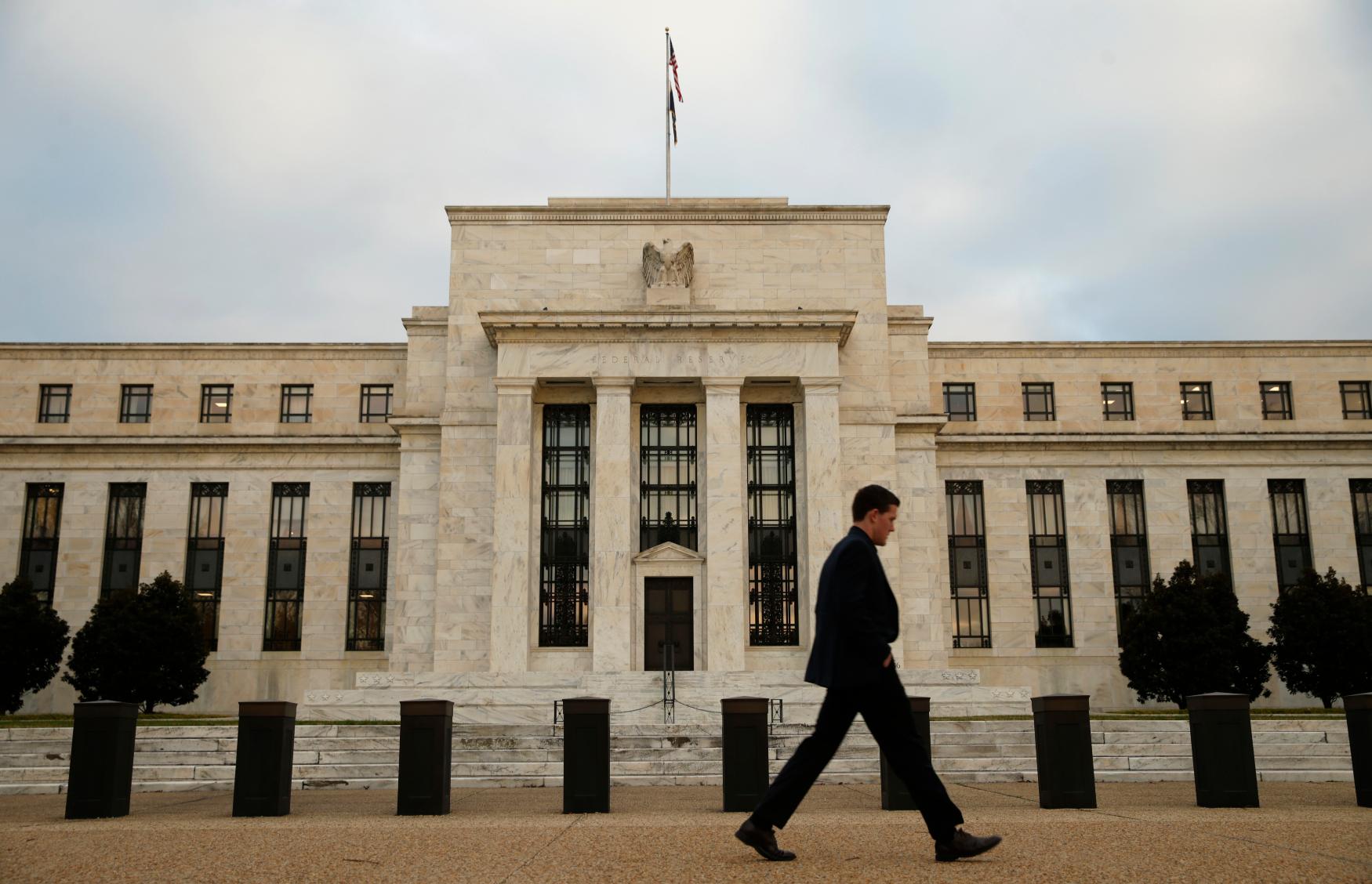
WASHINGTON, Dec 5 (Reuters) - After their meeting five weeks ago, U.S. Federal Reserve officials nodded to higher Treasury bond yields as something that could slow the economy and help their inflation fight - if they persisted. They have been declining steadily since, with the yield on the 10-year Treasury falling from more than 4.9% when the Fed ended its meeting on Nov. 1 to below 4.2% on Tuesday. Stocks have rallied, too, with the S&P 500 up nearly 8% since then, also a potential headache for central bankers who want financial conditions to remain tight to keep a brake on economic activity and pull inflation lower. Far from accepting the Fed's outlook that rates will remain at the current 5.25%-5.5% range for an extended time, investors instead have pulled expectations for an initial rate cut into March with some even betting on January. A full 1.25 percentage points of easing is seen through 2024. As of September, U.S. central bankers said they did anticipate cutting rates next year, but at that time they were eyeing an end-of-2024 rate of 5.0%-5.25%, just a quarter point below where they are now. Whether the market's outlook is driven by a dim view of the economy, a sanguine view of inflation or other factors, the Fed may well push back against it next week. "How do you offset it? Sound hawkish. Defend the plateau" on rates that Fed officials insist is needed to return inflation to their 2% target, said Vincent Reinhart, Dreyfus & Mellon chief economist. Policymakers are expected to hold their benchmark rate steady for the third straight meeting at their two-day gathering on Dec. 12-13. But they also have been adamant that they are not declaring the inflation fight over, will keep the option for more rate increases on the table, and, in any event, expect to maintain the current rate well into next year. Their stern language, however, has seemed more and more out of sync with how inflation and the economy are evolving. AN 'OLD PLAYBOOK' The pace of price increases in October was 3% by the measure the Fed uses for its target, and Chair Jerome Powell noted last week that over the last few months that was down to around 2.5% - a level some economist have penciled in as close enough to the Fed's 2% target for the central bank to start contemplating rate reductions. Job openings data released Wednesday also confirmed the Fed's hope that the U.S. labor market could find more balance between the pandemic era's frantic scramble for workers and a more normal pace of hiring and wage growth. Hiring and quits rates have now edged back around where they were before the pandemic, while the ratio of open jobs to the number of job seekers fell in October to around 1.3:1, also close to where it was before the health crisis. The relationship between the number of job openings and the unemployment rate, meanwhile, is also now close to what would be considered a "normally" tight labor market. "While the number of job openings declined, hiring remained largely unchanged, a sign that the labor market isn’t falling off a cliff," said Nick Bunker, research director at Indeed Hiring Lab. "A decline in openings without a spike in layoffs represents a relatively painless rebalancing between labor supply and labor demand ... It is no longer a moderating labor market. It is a market that has moderated." New data on jobs and the unemployment rate are due Friday. In a Reuters poll of economists, the median expected 180,000 jobs created in November, roughly the pre-pandemic monthly average, with the unemployment rate steady at 3.9%. Though the data for a "soft landing" may be falling into place, BlackRock chief investment strategist Wei Li on a conference call Tuesday said the market's big rate-cut expectations were "overdone." The U.S., she said, was facing an "intrinsically inflationary" environment of a tight labor market, loose fiscal policy, and the transition to a less carbon-reliant economy. That will require the Fed to keep rates higher than in the past. "Markets seem to be applying an old playbook," she said, calling the current market outlook "really aggressive ... Something would have to go seriously wrong." https://www.reuters.com/markets/us/markets-outpacing-fed-may-be-christmas-season-scolding-2023-12-05/