
2023-12-05 06:21
Draft COP28 text includes fossil fuel phase out Text adds other options, include no phase out deal Fossil fuel CO2 emissions hit record high in 2023 DUBAI, Dec 5 (Reuters) - Countries at the United Nations' COP28 climate conference are considering calling for a phase-out of fossil fuels as part of the summit's final deal, according to a draft negotiating text seen on Tuesday. Research published on Tuesday showed global carbon dioxide emissions from burning fossil fuels are set to hit a record high this year, exacerbating climate change and fuelling more destructive extreme weather. A draft of what could be the final agreement from COP28, published by the U.N. climate body, kicks off negotiations around what is considered the summit's defining issue: whether countries will agree to eventually end the use of fossil fuels. The draft text includes three options, which delegates from nearly 200 countries will now consider. The first option in the draft is listed as "an orderly and just phase-out of fossil fuels". In U.N. parlance, the word "just" suggests wealthy nations with a long history of fossil fuel burning would phase out faster than poorer countries that are developing their resources now. The second option calls for "accelerating efforts towards phasing out unabated fossil fuels". A third option would be to avoid mentioning a fossil fuel phase-out. The United States, the 27 countries of the European Union and climate-vulnerable small island states are pushing for a fossil fuel phase-out to drive the deep CO2 emissions reductions scientists say are needed this decade to avert disastrous climate change. "We're not talking about turning the tap off overnight," German Climate Envoy Jennifer Morgan said. "What you're seeing here is a real battle about what energy system of the future we are going to build together." Major oil and gas producers including Saudi Arabia and Russia have resisted past proposals for a phase-out. Russia's energy ministry and Saudi Arabia's government communications office did not respond to requests for comment on their positions. On Monday, United Arab Emirates' COP28 President Sultan Al-Jaber on insisted that he respected the science of climate change, and said a fossil fuel phase out was "inevitable". "I have said over and over that the phase down and the phase out of fossil fuels is inevitable, that it is essential," Jaber, who is also CEO of state-owned oil firm ADNOC, told reporters. FOSSIL FUEL EMISSIONS RISING The Global Carbon Budget report, published on Tuesday said that CO2 emissions from coal, oil and gas are still rising, driven by India and China. Countries are expected to emit a total 36.8 billion metric tons of CO2 from fossil fuels in 2023, a 1.1% increase from last year, the report by scientists from more than 90 institutions including the University of Exeter concluded. The world's overall emissions for this year, which reached a record high last year, have plateaued in 2023 due to a slightly better use of land, including a decline in deforestation. Emissions including land use are set to total 40.9 billion tons this year. China's fossil fuel emissions rose after it lifted COVID-19 restrictions, while India's rise was a result of power demand growing faster than its renewable energy capacity, leaving fossil fuels to make up the shortfall. The year's emissions trajectory pulls the world further away from preventing global warming exceeding 1.5 degrees Celsius above pre-industrial times. "It now looks inevitable we will overshoot the 1.5C target of the Paris Agreement," said Exeter Professor Pierre Friedlingstein, who led the research. "Leaders meeting at COP28 will have to agree rapid cuts in fossil fuel emissions even to keep the 2C target alive," he said. For daily comprehensive coverage on COP28 in your inbox, sign up for the Reuters Sustainable Switch newsletter here. https://www.reuters.com/business/environment/fossil-fuel-phase-out-put-table-cop28-climate-talks-2023-12-05/
2023-12-05 06:20
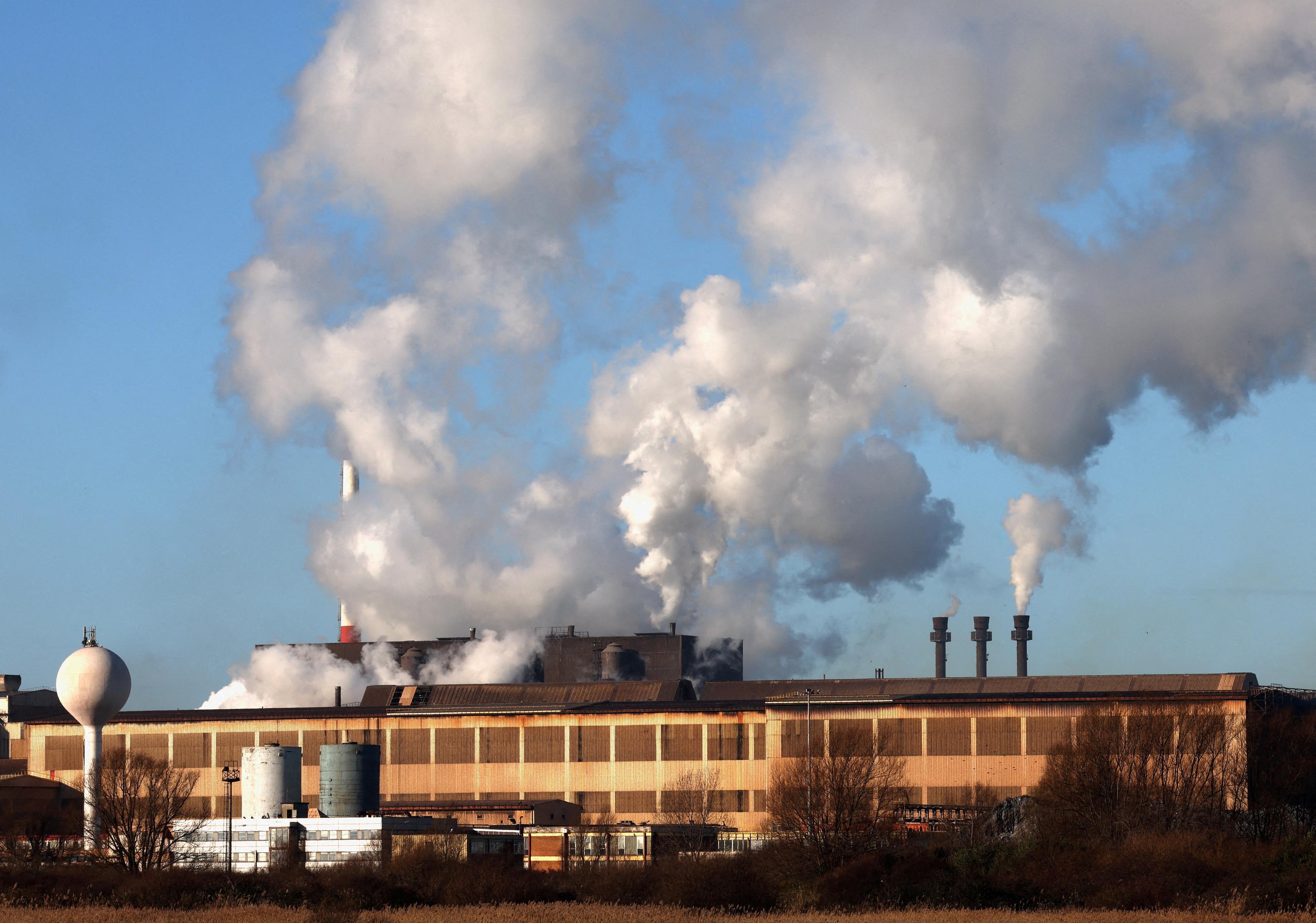
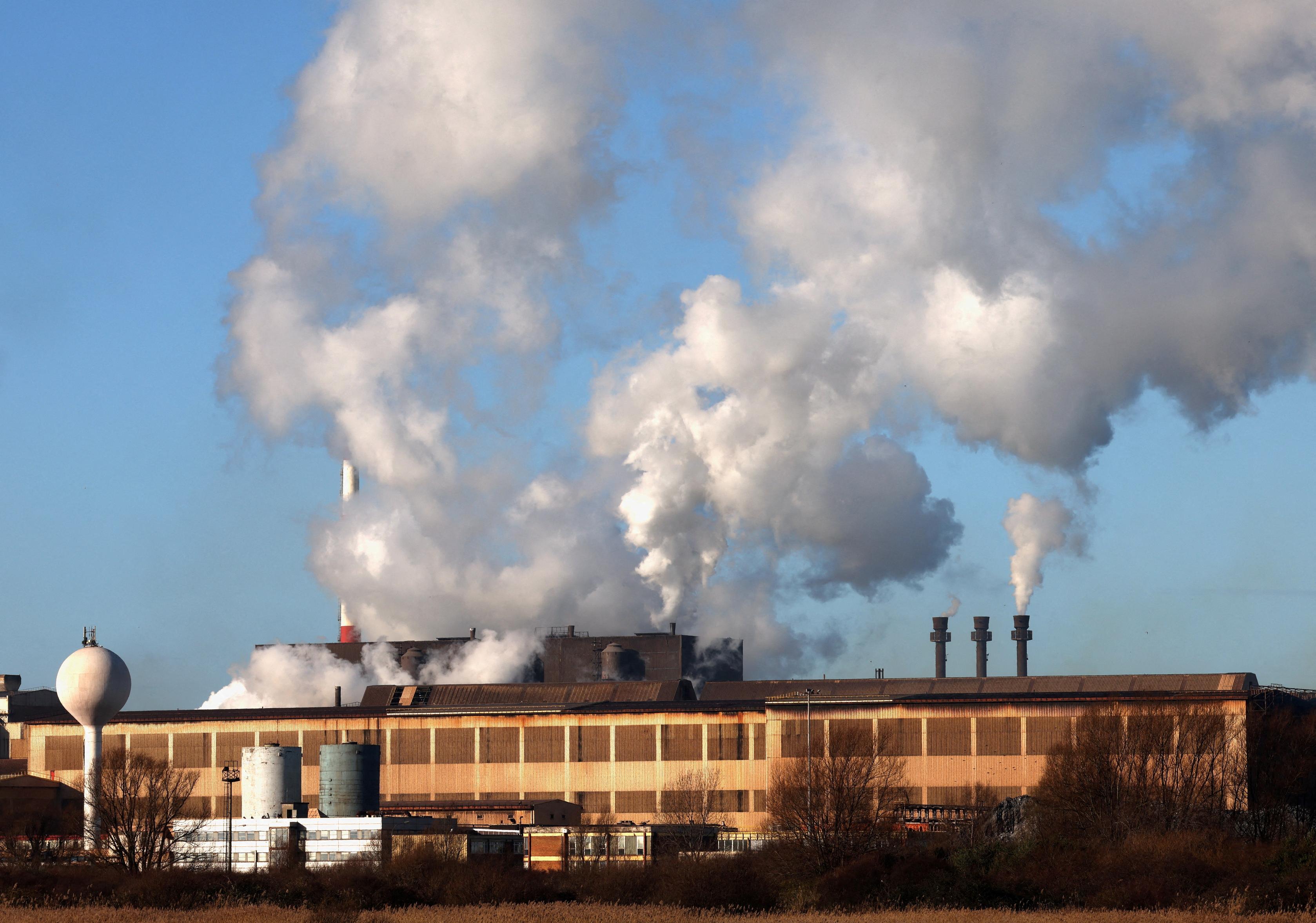
DUBAI, Dec 5 (Reuters) - Global carbon dioxide emissions from burning fossil fuels are set to hit a record high this year, exacerbating climate change and fuelling more destructive extreme weather, scientists said. The Global Carbon Budget report, published on Tuesday during the COP28 climate summit, said that overall CO2 emissions, which reached a record high last year, have plateaued in 2023 due to a slight drop from uses of land like deforestation. Countries are expected to emit a total 36.8 billion metric tons of CO2 from fossil fuels in 2023, a 1.1% increase from last year, the report by scientists from more than 90 institutions including the University of Exeter concluded. When land use emissions are included, global CO2 emissions are set to total 40.9 billion tons this year. Emissions from coal, oil and gas all rose, driven by India and China. The Chinese rise was caused by its economy reopening after COVID-19 lockdowns, while India's was a result of power demand growing faster than the country's renewable energy capacity, leaving fossil fuels to make up the shortfall. The year's emissions trajectory pulls the world further away from preventing global warming exceeding 1.5 degrees Celsius above pre-industrial times. "It now looks inevitable we will overshoot the 1.5C target of the Paris Agreement," said Exeter's Professor Pierre Friedlingstein, who led the research. Countries agreed in the 2015 Paris Agreement to keep warming well below 2C and to aim for 1.5C. Scientists have said more than 1.5C will unleash more severe and irreversible impacts including fatal heat, catastrophic floods, and the death of coral reefs. "Leaders meeting at COP28 will have to agree rapid cuts in fossil fuel emissions even to keep the 2C target alive," Friedlingstein said. The IPCC, the U.N.'s climate science panel, has said world emissions must plummet 43% by 2030, to stick to the 1.5C limit. Instead, emissions have charged higher in recent years. The COVID-19 pandemic caused a brief blip in that trend, but emissions are now back up to 1.4% above pre-COVID levels. Researchers from the Helsinki-based Centre for Research on Energy and Clean Air (CREA) said last month China's greenhouse emissions could start going into "structural decline" as early as next year due to record-high renewable energy installations. China produces 31% of global fossil fuel CO2 emissions. The new report cited some bright spots, with emissions in the U.S. and European Union both falling, driven in part by coal plants being retired. Overall, 26 countries representing 28% of the world's emissions are now in a downward trend. Most are in Europe, the researchers said. https://www.reuters.com/business/environment/global-co2-emissions-fossil-fuels-hit-record-high-2023-report-2023-12-05/
2023-12-05 06:12
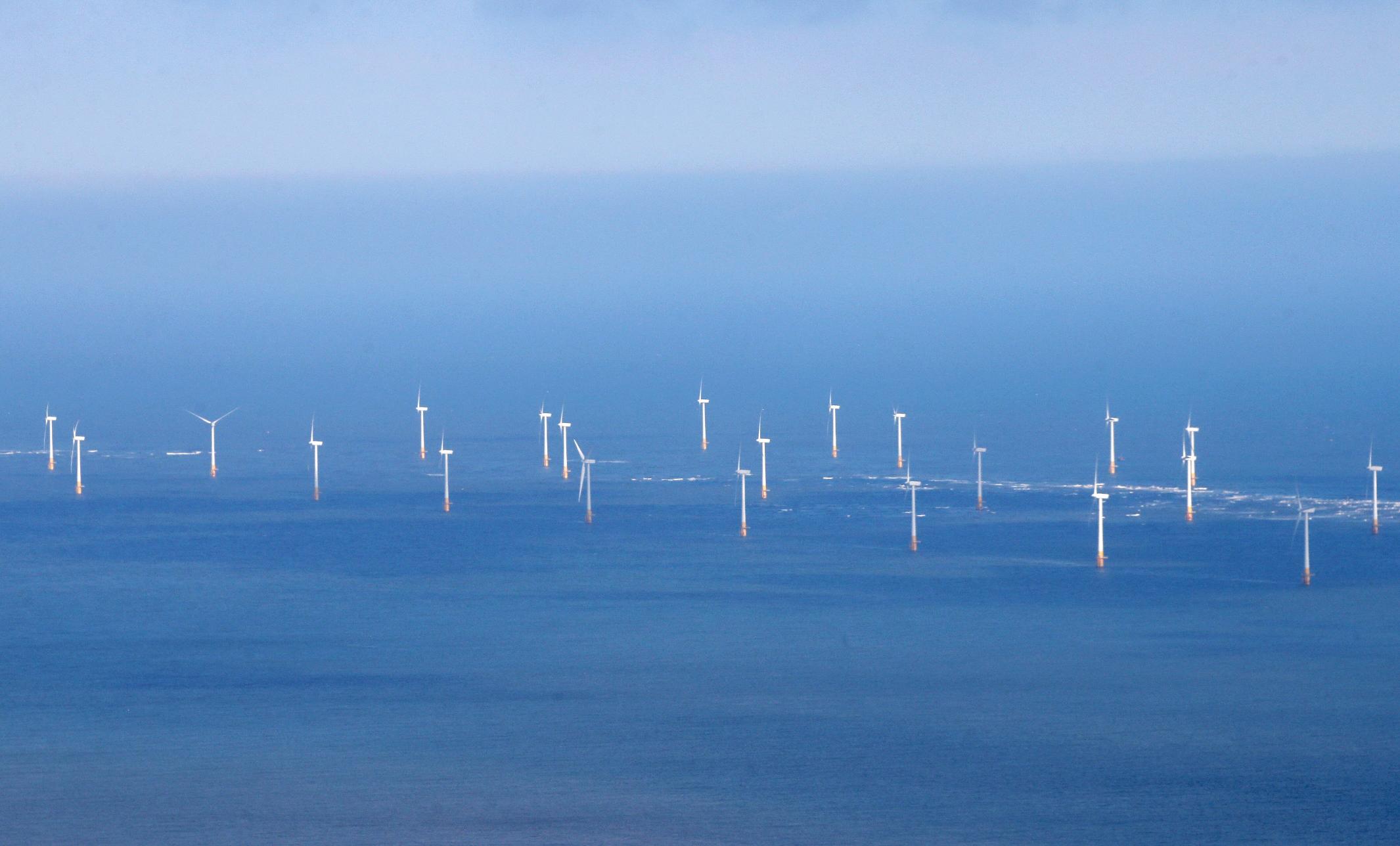
LONDON, Dec 5 (Reuters) - Governments have decided to pay up to revive offshore wind farm developments after rising costs put at risk multiple projects that are needed to help them cut emissions and reach climate targets. Many countries are relying on a huge and rapid build-out of offshore wind farms which have high upfront costs but over the longer term can provide cheaper energy than fossil fuel plants. But some countries' wind power capacity targets started to look unrealistic this year after developers cancelled projects in the U.S. and Britain because soaring costs made them unprofitable. Investors told Reuters governments have since shown willingness to pay higher prices, helping to restore confidence in the future of the industry. "The reality is governments are starting to react and are accepting that to keep their offshore wind programmes on track - which are important for the economy, energy security, decarbonisation targets and jobs - its worth paying a bit more,” said Jonathan Cole, CEO of project developer Corio Generation. Corio, along with TotalEnergies and Rise Light and Power in October were successful in an auction held by New York State for their Attentive Energy One 1.4 gigawatt (GW) offshore wind project, part of a wider procurement of 6.4 GW of renewable capacity, enough to power around 2.6 million homes. Data from the New York State Energy Research and Development Authority (NYSERDA), which runs the state's renewable auctions, said the average strike price, or contract offered in the auction result, announced in October, was around 28% higher than the earlier auctions held in 2018 and 2020 and equated to a nominal weighted average strike price of $145.07 per megawatt hour. Corio's Cole said the higher price was based on the realities of the market currently. In Britain, the world's second largest offshore wind market behind China, developers can bid for government-backed price guarantees for the electricity produced, called Contracts for Difference (CfDs). If wholesale prices are lower than the so-called strike price agreed in the CfD, the government makes up the difference, giving project developers long-term revenue certainty. If prices are higher, the developer pays back the difference to the UK government. Britain's last auction in September failed to attract any offshore wind projects, with developers saying the guaranteed price on offer was too low. Since then, the government has said it would offer contracts with a price 66% higher at the next auction due to be held in 2024. Keith Anderson, CEO of Iberdrola-owned (IBE.MC) Scottish Power, said the increase showed Britain’s government had listened to industry concerns and such a move would be likely to prevent the kind of write-downs that some companies have had to make for U.S. projects. In Britain, before companies can bid in CfD auctions they must already have met certain criteria. As a result, Anderson said companies could have sunk 500 million pounds ($631.15 million) into projects before even getting to the auction stage. Without enough incentive "you run the risk of companies having to write off projects, you run the risk of supply chain contracts being cancelled, then the supply chain loses confidence and you run the risk of investors losing confidence," Anderson said. Analysts at Aurora Energy Research said the higher British contract price would mean that for a generic project, developers could generate returns of up to 13.9% compared with returns of just 4% achievable under the terms offered in the failed auction. "Crucially ... it is becoming economic for projects to build at such prices," said Marc Hedin Head of Research, UK & Ireland at Aurora. He said that even with the higher UK strike price the cost of offshore wind broadly remains cheaper than efficient new gas plants. UPFRONT COSTS Offshore wind projects do have high upfront costs. Orsted's (ORSTED.CO) 3 GW Hornsea 3 project, planned off the coast of Britain, is expected to cost around 8 billion pounds. Yet once the projects are built, they have no fuel costs and over the longer term provide a cheaper alternative to fossil fuels. "In the longer-term we see countries with more wind and solar will have cheaper wholesale electricity prices than those relying more on fossil fuels," said LSEG analyst Nathalie Gerl. Despite the uncertainty created by the recent setbacks, investor appetite for offshore wind is strong. Britain's Octopus launched a dedicated fund with Japan's Tokyo Gas (9531.T) to invest 3 billion pounds ($3.7 billion) in offshore wind projects by 2030. Germany's RWE said it would raise its offshore wind capacity from 3.3 GW currently to 10 GW by the end of the decade. On Friday the company announced plans to develop a new 3 GW British offshore wind farm with the UAE’s clean energy developer, Masdar. Governments too, it seems, recognise that it makes sense to stick with the technology as one of the fastest ways to rapidly scale up their renewable power and meet climate targets. Soeren Lassen, head of offshore wind Research at WoodMac said more than 50 GW of offshore wind tenders globally are planned for 2024. "It's just a question of the policymakers making them attractive enough and for the industry to seize those opportunities," he said. ($1 = 0.7922 pounds) https://www.reuters.com/business/energy/governments-take-action-keep-offshore-wind-projects-track-2023-12-05/
2023-12-05 06:09
Schnabel says demand-driven system suits euro area Sees balance sheet at more than three times pre-crisis levels FRANKFURT, Dec 5 (Reuters) - The European Central Bank should keep a leaner balance sheet and have banks borrow from it when they need cash, ECB board member Isabel Schnabel told Reuters, just as the debate heats up on how central banks should operate in a world of revived inflation. With the era of low inflation and zero interest rates now seemingly over, the ECB has to decide how it wants to supply euro zone banks with liquidity in the coming years - by lending to them or by buying bonds from them. Schnabel defended the case she first outlined in March for a system in which banks choose how much to borrow from the ECB. Her board colleague Philip Lane has meanwhile argued that the ECB should supply lenders with at least some of that cash via bond purchases or longer-term loans. She said her "demand-driven" approach fitted the euro zone, whose 20 countries vary in economic strength and have separate banking systems. "A demand-driven system is well-suited for a heterogeneous currency union that may be prone to fragmentation," Schnabel said, referencing her March speech. "Such a system also likely limits the size of the central bank balance sheet." She conceded, however, that "it could make sense to have a mix of different tools", suggesting policymakers may be looking for a compromise in this complex yet crucial debate for the euro zone financial system. Schnabel argued that in this case longer-term loans are better than asset purchases because they reach deeper into the banking sector, while cash from bond purchases tends to concentrate around a limited number of larger entities. Policymakers from cash-rich northern euro zone countries are likely to back Schnabel's view while those in the bloc's south, which relies on the ECB's bond purchases to a greater extent, are more likely to be in Lane's camp. For now, however, the ECB will be mopping up cash it pumped into the banking system over the last decade as it tried to stimulate inflation and activity. A discussion paper published by top staff in Lane's directorate said the ECB should more than halve its stock of bonds to 1.5 trillion euros ($1.63 trillion) by mid-2026 before resuming purchases to underpin banks' lending to the economy. The authors found that banks extend more credit when they have these "non-borrowed reserves" than when they have to tap the central bank, and that owning too many bonds would be preferable for the ECB to getting rid of all them. Schnabel expressed a preference for letting banks choose, saying: "This would mean the size would not be determined by us, which is a good thing, because we don't know precisely what the demand is." She nevertheless estimated that the ECB's balance sheet, currently 7 trillion euros, would remain at a minimum "around three times as large as before the global financial crisis", when it just exceeded 1 trillion euros, as a result of so-called autonomous factors. These include demand for banknotes and government deposits. But the debate mattered only "far out in the future", Schnabel said, because the ECB would have to shrink its balance sheet under all circumstances and it would end up "much smaller" than its current size. Policymakers are arguing the merits of two systems, one in which the ECB provides ample reserves to keep a "floor" under the money-market rate, like the U.S. Federal Reserve, and another where it lends to banks at a "ceiling" rate, like the Bank of England. A proponent of the latter option, Schnabel said any new auction of longer-term loans "would have to be offered at market rates" rather than at a subsidised rate as in the past decade, when such loans have been a mainstay of bank funding. ($1 = 0.9195 euros) https://www.reuters.com/markets/europe/ecbs-schnabel-defends-smaller-balance-sheet-debate-heats-up-2023-12-05/

2023-12-05 05:58
SYDNEY, Dec 5 (Reuters) - Investors want Origin Energy (ORG.AX) to consider hiving off its gas assets or raising its green energy deployment target, among other ideas, to make Australia's largest energy retailer more valuable after the collapse of a Brookfield-led takeover bid. Origin Energy would return to "business as usual" and dust off its old strategy of building 4 gigawatts to 5 gigawatts of renewable power by 2030, chairman Scott Perkins said on Monday after opposition from pension giant AustralianSuper sunk the $10.6 billion bid from Brookfield and EIG. Some investors said this plan was insufficient to maintain market share, pointing to Brookfield's more ambitious strategy. The Canadian-based asset manager had committed to 14 GW over a decade and pitched its bid as a way to accelerate decarbonisation at Australia's second-largest power producer. "The old transition plan is not good enough. They need to be at the level that Brookfield was aiming at," said Jamie Hannah, deputy head of investments and capital markets at VanEck, which owns a 0.3% stake in Origin and voted for the deal. "They should be speaking straight to AustralianSuper. They blocked the deal ... if they really want to help the energy market in Australia they can now." Major Australian pension funds, including the A$300 billion AustralianSuper, said last week they are willing to spend big on energy transition but first want a series of policy reforms to make the sector more attractive to investors. AustralianSuper welcomed the bid's failure on Monday and said the fund was open to providing Origin Energy capital for the transition. The fund declined to comment further. A capital recycling partnership with AustralianSuper or another pension fund where Origin built projects and then sold stakes after completion could allow 15 GW worth of projects over the next decade if combined with a dividend reinvestment plan underwritten by a big fund, according to Tim Buckley, a director at think tank Climate Energy Finance. But fund manager Allan Gray, which owns roughly 3% of Origin and voted for the deal, cautioned against an aggressive target that might encourage green, but mediocre, investments. Instead the board should consider splitting off its stake in Australia Pacific LNG, according to managing director Simon Mawhinney. "The target can't be a number of gigawatts brought to market, there needs to be a return hurdle and that needs to be front and centre," he said. Under the deal terms, Origin Energy would have been split and consortium partner EIG would have taken control of Origin's gas business. Macquarie analyst Ian Myles last month also proposed the APLNG split alongside a big increase in the dividend payout policy. https://www.reuters.com/business/energy/investors-want-origin-energy-consider-green-push-asset-sale-post-takeover-2023-12-05/

2023-12-05 05:56
DUBAI, Dec 5 (Reuters - None of the world's major oil and gas-producing countries have plans to eventually stop drilling for those fuels, despite many having pledged to reach net zero emissions, according to data shared with Reuters on Tuesday. The Net Zero Tracker, an independent data consortium including Oxford University, said its findings laid bare the gap between the targets countries have set to avoid disastrous levels of climate change and their real-world plans to continue producing CO2-emitting energy. "This proliferation of 'net zero' ambition without the commitment towards fossil fuel phase-out highlights the need for entities to determine how these targets will be achieved," said research co-author Natasha Lutz from the University of Oxford. Governments at the U.N.'s COP28 climate summit in Dubai are debating whether to agree for the first time to phase out CO2-emitting fossil fuels, the main cause of climate change. The data shared with Reuters showed 69 of the world's oil producing countries, including Saudi Arabia, the United States, Russia, China and COP28 host the United Arab Emirates, have pledged to reach net zero emissions. But only three minor producers - Denmark, Spain and France - have set out plans to eventually stop drilling, the researchers said. Denmark and Spain are also alone among gas producers in planning a production phase-out. Countries with a net zero emissions target but no plans to rein in production include the UAE, which has faced heavy criticism from climate campaigners and some European and U.S. lawmakers for its appointment of state-owned oil company ADNOC's CEO, Sultan al-Jaber, as president of the COP28 talks. ADNOC plans to expand oil production capacity and grow its gas output. Jim Skea, chair of U.N.'s climate science panel, said on Monday that, by 2050, global oil use must drop by 60% and gas use by 45%, if the world is to avoid temperatures increasing above 1.5 degrees Celsius - the threshold beyond which climate change would unleash more disastrous and irreversible impacts. In this scenario, by 2050, Skea told the COP28 summit, "Fossil fuel use is greatly reduced," adding CO2-emitting coal use is completely phased out. https://www.reuters.com/sustainability/worlds-major-oil-producers-spurn-fossil-fuel-phase-out-net-zero-push-research-2023-12-05/


