
2023-12-05 03:02
November CPI slowest since March 2022 Slower increases in vegetable costs, faster rice inflation Year-to-date inflation at 6.2%, above cbank's 2%-4% target MANILA, Dec 5(Reuters) - The Philippine central bank said on Tuesday it was necessary to keep monetary policy settings "sufficiently tight" and it was ready to take further action, highlighting its wariness of inflation despite a slowdown in the pace of increases. The consumer price index climbed 4.1% in November, the lowest rate of growth since March 2022 and less than the 4.3% forecast in a Reuters poll. Inflation was 4.9% in October. The data from the Philippine Statistics Authority also showed food inflation at 5.8% in November, the slowest annual rise since May 2022. Though rice prices increased to 15.8% from 13.2%, there were declines in the cost of vegetables. "The Monetary Board deems it necessary to keep monetary policy settings sufficiently tight until a sustained downtrend in inflation becomes evident," the Bangko Sentral ng Pilipinas said in a statement. Average inflation for the year to date was 6.2%, still far above the central bank's 2%-4% target for the year. The central bank said it is prepared to take appropriate action as needed to bring inflation back to its target range, adding that the balance of risks in the inflation outlook still leans significantly towards the upside. Core inflation, which strips out volatile food and energy costs, was at 4.7% in November versus 5.3% the previous month. The central bank, which meets for the last time this year on Dec. 14, kept interest rates steady at 6.5% at its meeting in November, after an off-cycle 25-basis point hike on Oct. 26 amid worries that inflation could spiral out of control. https://www.reuters.com/markets/asia/philippines-annual-inflation-41-november-2023-12-05/

2023-12-05 00:22
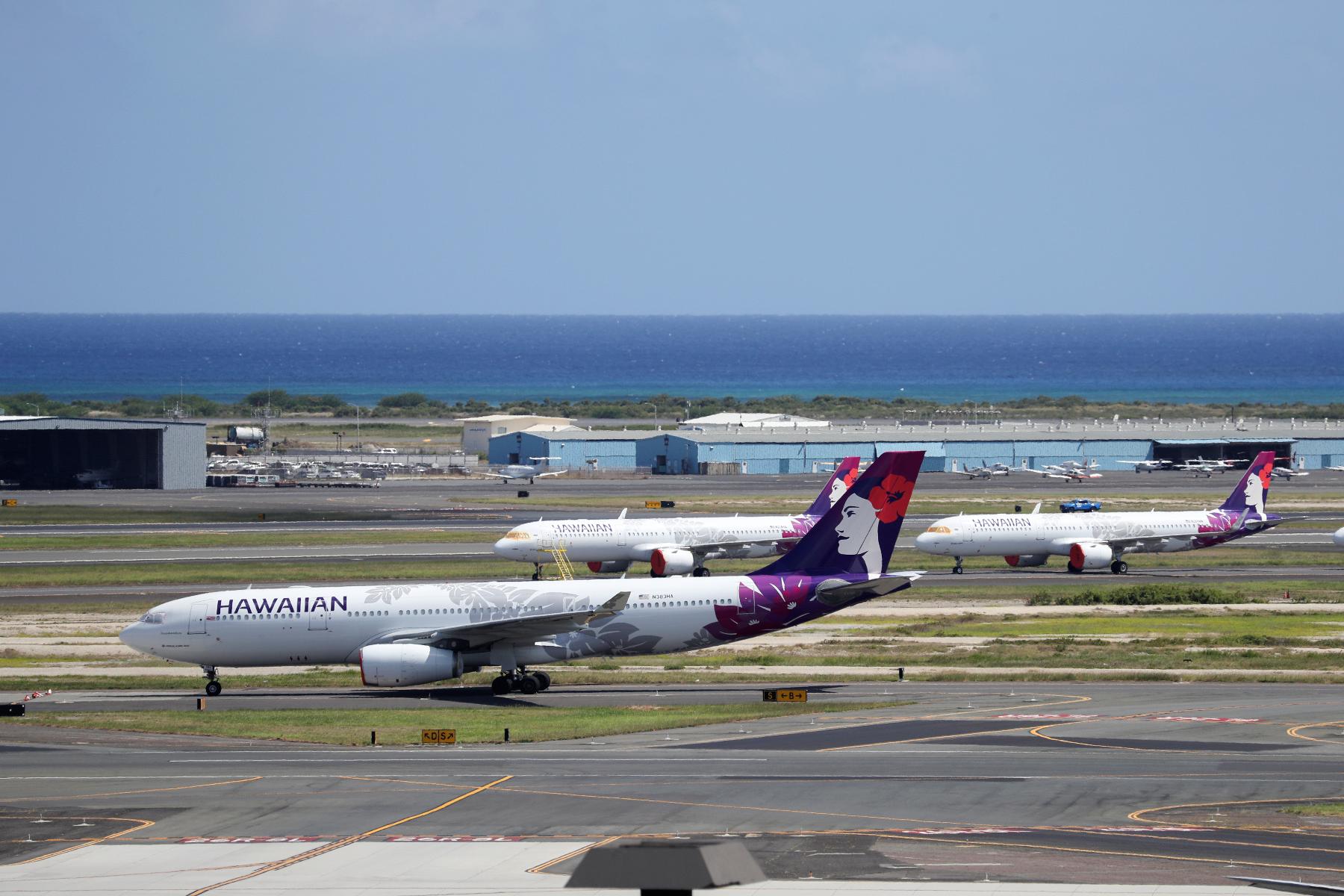
Dec 4 (Reuters) - Shares of Hawaiian Holdings (HA.O), the parent of Hawaiian Airlines, nearly tripled on Monday after Alaska Air Group (ALK.N) agreed to acquire it for $1.9 billion, including debt. Hawaiian shares were trading at $13.40 in morning trade, below Alaska's offer price of $18 per share made public on Sunday, with some analysts saying regulatory approval was far from certain. The company's shares had taken a beating in recent months due to the impact of the Maui wildfires, high fuel costs and jet engine recall issues at some of its Airbus SE (AIR.PA) planes. Its shares have fallen 52.6% so far this year. Hawaiian presently has a negative price-to-earnings (PE) ratio of 1.5, reflecting losses, compared to a positive forward 12 months PE ratio of 8.2 for Alaska Air, according to LSEG. Alaska and Hawaiian said on Sunday the deal, valued at $929.4 million on an equity basis, will expand their networks and offer more choices to passengers. "This transaction makes good common sense for both airlines," TD Cowen analyst Helane Becker wrote in a note. The deal will enable Alaska to grow in the lucrative Asia Pacific market, while Hawaiian customers can travel non-stop to the U.S. mainland, Becker added. "The high premium of the deal is justified by the extensive network synergies the combined entity would be able to achieve, with minimal further investment," said Craig Jenks, president of New York-based aviation consultancy Airline/Aircraft Projects, in reference to the 270% premium. However, regulatory resistance to the merger is a possibility. Under a hawkish Biden administration, the U.S. Justice Department had filed a lawsuit in March to stop JetBlue from buying Spirit Airlines (SAVE.N), saying the planned merger "would put travel out of reach for many cost-conscious travelers". JetBlue shares pared losses from premarket to trade flat, while Spirit shares were up 6.5% on Monday. Shares of Seattle-based Alaska Air were down 17.6%. https://www.reuters.com/business/aerospace-defense/hawaiian-airlines-parent-surges-19-bln-buyout-deal-with-alaska-air-2023-12-04/
2023-12-04 23:25
ACCRA, Dec 4 (Reuters) - Ghanaian independent power producer Sunon Asogli indefinitely suspended operations at its 560 MW gas-fired power plant on Monday, citing unpaid government debt and what it called unproductive engagements to find a solution. "This is our last resort. The accumulating unpaid bills have significantly impacted our operational capacities, making it unsustainable to continue without addressing these financial challenges," it said in a statement. The state-run Electricity Company of Ghana did not immediately respond to a request for comment. The government has been seeking a debt deal with independent power producers (IPP) as it grapples with its worst economic crisis in a generation, characterised by double-digit inflation and ballooning public debt. In July, the IPPs reached an interim deal with the Electricity Company of Ghana over arrears owed to them. However, they warned that if the debt issue remains unresolved they would shut down without any further notice. It was not immediately clear what impact the sudden loss of Sunon Asogli power would have on national supply to households and businesses. https://www.reuters.com/world/africa/ghanas-sunon-asogli-suspends-power-supply-over-unpaid-government-debt-2023-12-04/
2023-12-04 23:24
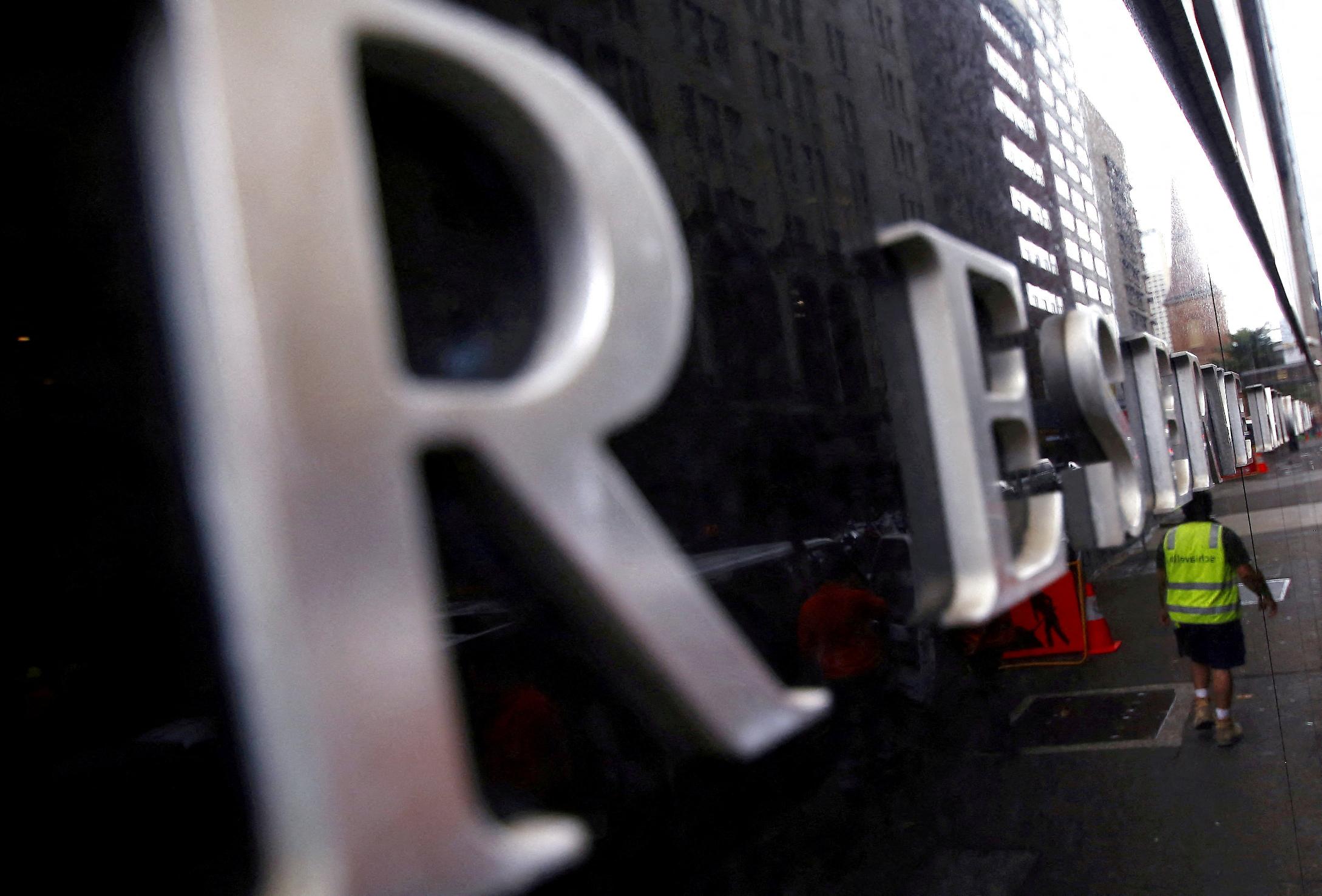
Dec 5 (Reuters) - A look at the day ahead in Asian markets. An interest rate decision from Australia and key inflation readings from Japan and South Korea are the big market events for the Asia Pacific region on Tuesday, with investor sentiment cooled by Monday's selloff across U.S. stocks and bonds. Currencies will probably be most sensitive to the data and the Reserve Bank of Australia's guidance, while stocks could struggle to make much headway given the broad-based weakness across global equities on Monday. The relative weakness of Asian equities since the pandemic, magnified by China's even more notable underperformance, has been quite something. But international investors appear to be in no rush to get back in en masse. The RBA, meanwhile, is expected to keep its cash rate on hold at a 12-year high of 4.35%, according to 28 of 30 analysts polled by Reuters. The other two are going for a 25 basis point hike. Assuming the RBA does stand pat, Governor Michele Bowman's guidance will carry even greater weight. She has generally been more hawkish than her predecessor Philip Lowe, whom she replaced in September. The Aussie dollar spiked to a fresh four-month high of $0.6690 on Monday before closing the day lower. The Japanese yen, meanwhile, will be sensitive to the latest Tokyo inflation figures. Core consumer inflation in Japan's capital likely grew in November but at slower pace than the month before, in a sign that price pressures may be easing. The annual rate of inflation is expected to have eased to 2.4% from 2.7% - breathing room for the Bank of Japan, and maybe more selling pressure on the yen. The U.S. dollar rose 0.5% on Monday against a basket of major currencies, supported by a rebound in U.S. bond yields as traders took some profits on last week's sharp rally in fixed income, especially at the short end of the curve. The slump in bond yields last month weighed heavily on the dollar, which appears to have forced the hand of hedge funds and speculators - their long dollar position worth $10 billion only a couple of weeks ago has been almost fully unwound. If speculators go short dollars from here, Asian currencies could benefit. The relative U.S. interest rate outlook right now fits the weaker dollar narrative - futures markets have the Fed cutting rates next year more than any major or emerging market central bank. But will the Fed cut rates by 125 to 150 basis points next year? Maybe, but it does sound quite aggressive. And even if the Fed does go that far, other central banks are sure to lower their policy rates more than markets are currently predicting. Here are key developments that could provide more direction to markets on Tuesday: - Australia interest rate decision - Japan - Tokyo inflation (November) - South Korea inflation (November) https://www.reuters.com/markets/asia/global-markets-view-asia-pix-2023-12-04/
2023-12-04 22:52
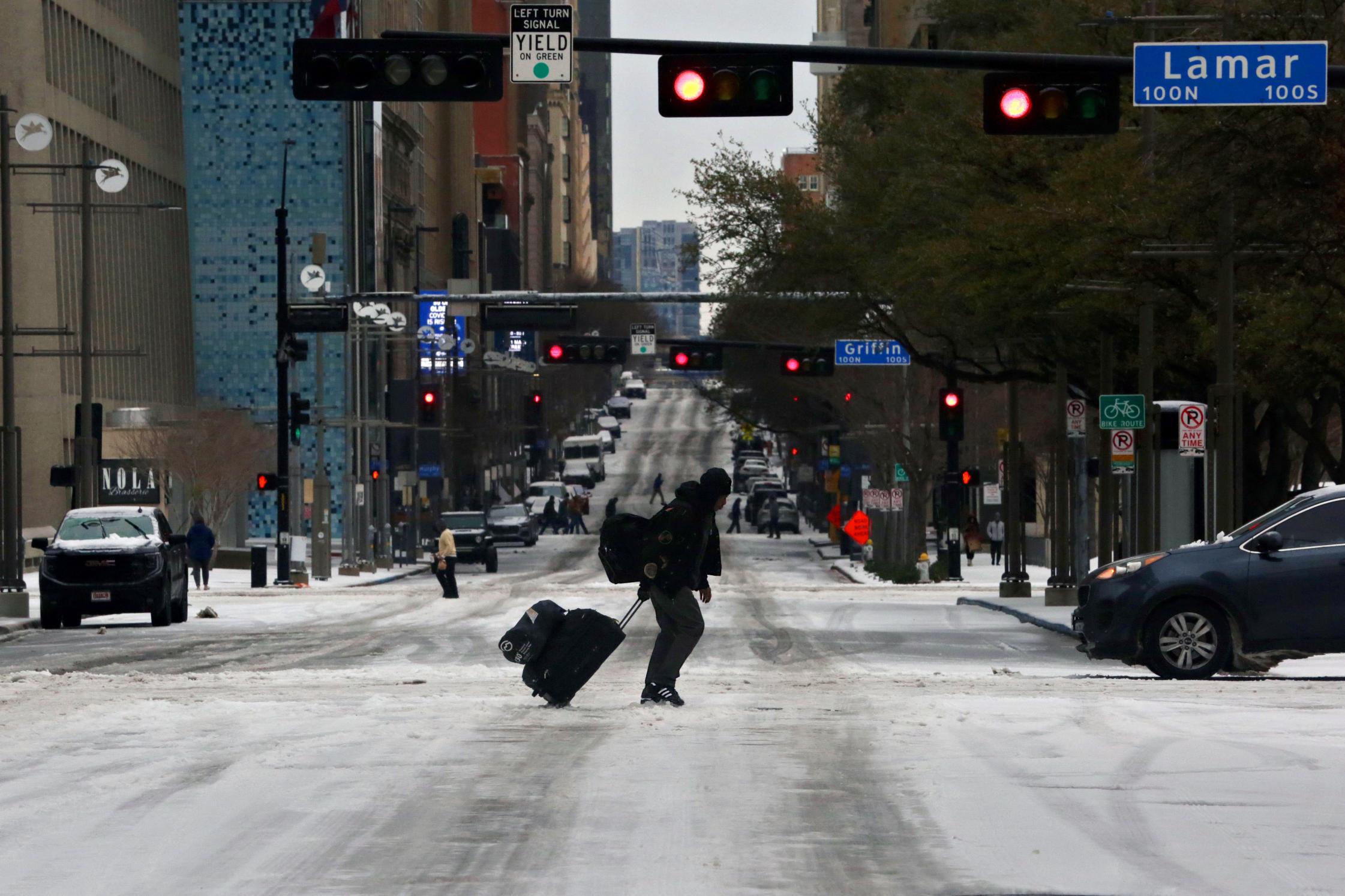
Dec 4 (Reuters) - The Electric Reliability Council of Texas (ERCOT) said on Monday that inspectors will be deployed to examine electric generation units and transmission facilities to strengthen efforts to prepare for the approaching winter season. "The winter preparedness efforts made by market participants, reinforced by ERCOT weatherization inspections, continue to strengthen the reliability and resiliency of the ERCOT grid,” said ERCOT President and CEO Pablo Vegas. More than half of the U.S. and parts of Canada, home to around 180 million people, could fall short of electricity this winter owing to a lack of natural gas infrastructure, the North American Electric Reliability Corp (NERC) warned last month. The Texas grid operator has been concerned about extreme weather after Winter Storm Elliott in February 2021 left millions without power for days as ERCOT fought to prevent a grid collapse due to the suspension of an unusually high amount of generation. Elliott brought sub-freezing temperatures and extreme weather warnings to roughly two-thirds of the U.S., prompting generators to add more power to the grid, while power prices in Texas spiked to $3,700 per megawatt hour. The grid operator announced earlier this month that it had canceled the procurement of an extra 3,000 megawatts (MW) of winter power reserves after receiving bids for only 11.1 MW of capacity. https://www.reuters.com/business/energy/texas-grid-ercot-strengthens-efforts-upcoming-winter-season-2023-12-04/
2023-12-04 22:38
WINNIPEG, Manitoba, Dec 4 (Reuters) - One of Canada's first projects to produce emissions-free hydrogen with wind energy has delayed its start by one year because operator World Energy GH2's European customers need more time to develop special infrastructure to handle the product, the company said. The delays illustrate the difficulties companies face in introducing a nascent product to replace high-emitting forms of fuel for transport, industry and homes. Half a dozen companies are advancing projects in the gusty Atlantic provinces of Newfoundland and Labrador and Nova Scotia to harness winds to power production of Canada's first exports of emissions-free hydrogen. Canada signed a non-binding agreement in 2022 to ship green hydrogen to Germany starting in 2025. But World Energy GH2, an affiliate of Boston-based renewable fuels producer World Energy, won't make that timeline, managing director Sean Leet told Reuters. "The offtakers are not going to be ready to accept product within 2025, actually not until 2027," Leet said, referring to buyers who would pre-purchase some of the project's hydrogen. The challenges for prospective buyers involve developing new technology to ship, further process and transport the hydrogen by pipeline at its last destination, Leet said. World Energy GH2 now hopes to start production in late 2026, he said. It requires approval from Newfoundland's environmental department and strong pre-purchase interest to attract financing before starting production. Those buyer commitments hinge on the Canadian government finalising details of a tax credit for up to 40% of the capital cost of building hydrogen plants, Leet said. The company intends to build three onshore wind farms in Newfoundland to power production of 250,000 metric tons per year of hydrogen, at a total cost of $12 billion. Advocacy group EnviroWatch NL, however, questions the efficiency of building wind turbines in Canada to produce hydrogen that will ultimately generate power for Europe thousands of kilometers away. EverWind Fuels is on track to start production in Nova Scotia in 2025, said CEO Trent Vichie. Its plant, a converted fuel storage facility, would eventually produce 1 million metric tons annually of ammonia, a compound that is a practical form of transporting hydrogen. EverWind, which declined to disclose the project's capital budget, expects to strike firm buyer agreements in the first half of 2024, a spokesperson said, and has memorandums of understanding to sell hydrogen to German power companies Uniper (UN01.DE) and E.ON (EON.UL). The Canadian government agreed in November to loan EverWind $125 million to build its project, which still requires provincial approval of its wind farms. EverWind's hydrogen plant has already received environmental approval. Germany-based ABO Wind (AB9.DE) is applying for permits and land for a Newfoundland onshore wind farm that will provide electricity to produce hydrogen for Braya Renewable Fuels' refinery as early as 2027, Robin Reese, director of development for ABO Wind Canada said. Newfoundland selected EverWind, World Energy GH2, ABO and Exploits Valley Renewable Energy Corp in August to proceed with their wind-hydrogen projects on government land. U.S.-based Pattern Energy plans to secure European buying agreements in mid-2024 and start construction in 2025 for its wind-hydrogen project on private land in Newfoundland, Canada country head Frank Davis said. https://www.reuters.com/sustainability/climate-energy/canadian-wind-hydrogen-project-delayed-one-year-race-first-european-exports-2023-12-04/


