2023-12-04 20:06
Dollar, U.S. 10-year Treasury yields higher Traders trim bets for first rate cut in March Gold eyes biggest daily drop in 10 months Dec 4 (Reuters) - Gold fell more than 2% after hitting an all-time high on Monday, but zero-yield bullion's retreat halted above $2,000 an ounce after traders trimmed bets for the first rate cut by the U.S. Federal Reserve in early 2024. Spot gold slipped 2.1% to $2,026.69 per ounce by 2:31 p.m. ET (1931 GMT). Prices swung in a wide $115 range but were finally headed for their worst day since February. U.S. gold futures settled down 2.3% at $2,042.20. Early in the Asian session, gold hit a fresh record high of $2,135.4 on growing confidence about a rate cut following Fed Chair Jerome Powell's comments on Friday. "Despite the fact that we are closer to a Federal Reserve pivot, it may be premature to see these prices being sustained... this market is getting a little tired," said Bart Melek, head of commodity strategies at TD Securities. "We're going to need more catalysts, and they will come in the form of weak economic data." The Fed appears on track to end the year with interest rate hikes as a thing of the past, but with a coming challenge over when and how to signal a turn to rate cuts. Pressuring gold, the dollar index rose 0.5%, making bullion more expensive for other currency holders. U.S. 10-year Treasury yields also ticked higher. Traders saw a 57% chance for a rate cut by March, down from 63% on Friday, CME's FedWatch Tool showed. Lower rates reduce the opportunity cost of holding bullion. Data last week pointed out to cooling inflationary pressures and a gradually easing labour market reinforcing the notion of an early rate cut. Traders are awaiting Friday's release of U.S. non-farm payrolls data, which could help further gauge the interest rate outlook. Silver slipped 3.6% to $24.50 per ounce, set for its worst day in two months after hitting a seven-month peak earlier in the session. Palladium fell 1.7% to $917.31, and platinum dipped 2.8% to $972.67. https://www.reuters.com/markets/commodities/gold-retreats-record-peak-dollar-bounces-back-2023-12-04/

2023-12-04 20:02
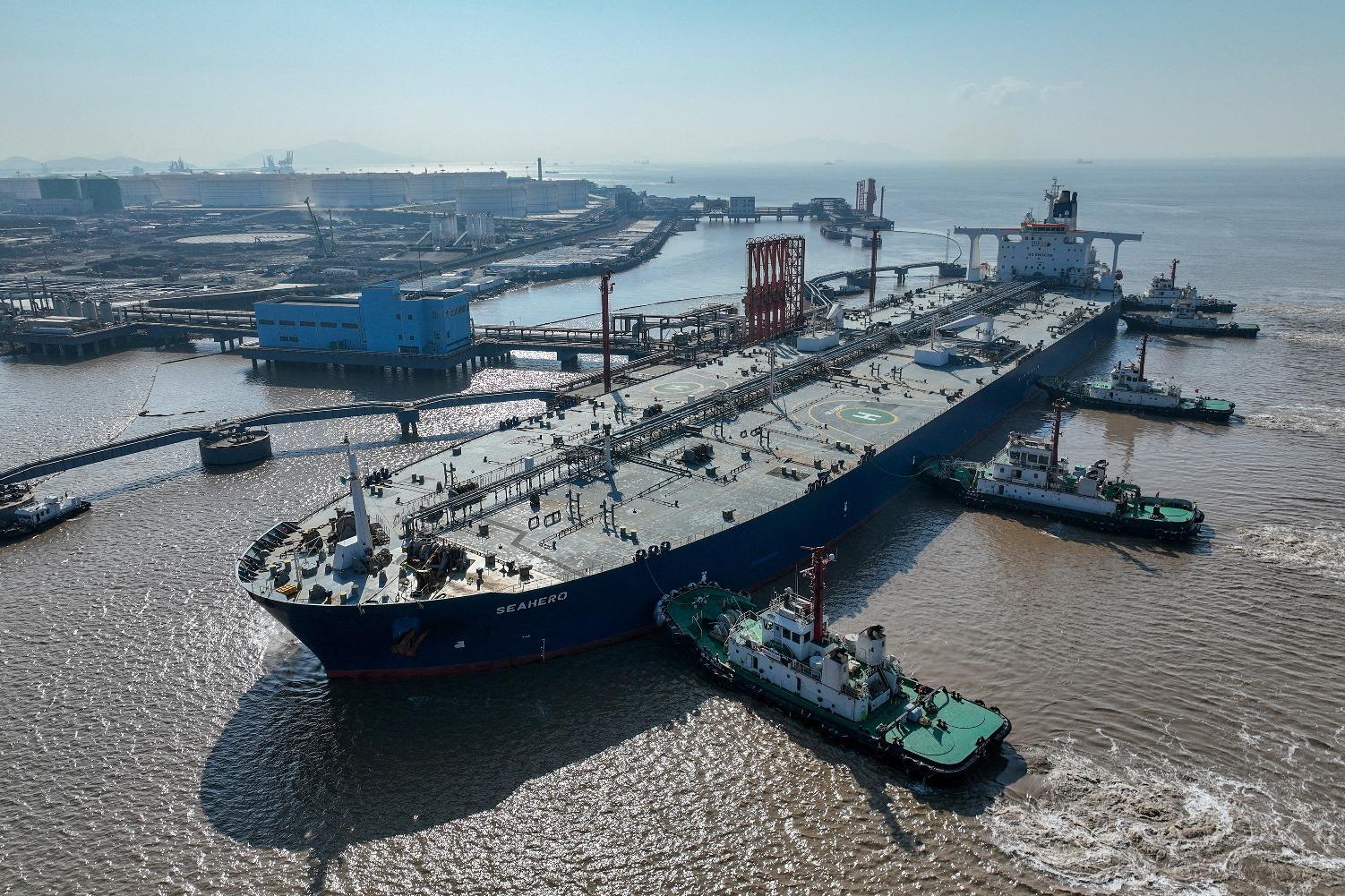
HOUSTON, Dec 4 (Reuters) - Oil prices fell on Monday on concern about a drop in demand and on continued uncertainty about the depth and duration of OPEC+ supply cuts. Brent crude futures settled down 85 cents, or 1.08%, at $78.03 a barrel. U.S. West Texas Intermediate crude futures finished down $1.03, or 1.39%, at $73.04. Monday's fall adds to a 2% decline last week after the supply cuts announced on Thursday by the Organization of the Petroleum Exporting Countries (OPEC) and allies including Russia, together known as OPEC+. "The market has decided (OPEC+ production plans) are not going to have that much of an impact. It's more style over substance," said Andrew Lipow, president of Lipow Oil Associates, said about crude traders on Monday. Saudi Arabia's energy minister Prince Abdulaziz bin Salman said in a televised interview with Bloomberg on Monday that he expected OPEC and its allies to bring about the 2.2 million in crude oil production cuts announced last week. "I honestly believe that the delivery of the 2.2 will happen," Bin Salman said. "I honestly believe that will continue to happen (and the) 2 million will overcome even the huge inventory build that usually happens in the first quarter." OPEC+ last week announced production cuts that are voluntary in nature, raising doubts about whether or not producers would fully implement them. Investors were also unsure about how the cuts would be measured. Traders over the past five months have waited to see if cuts in production as well as predicted changes in demand would come to fruition, said Zane Curry, vice president of markets and research for Mobius Risk Group. "We've become Missouri, the Show-Me state," Curry said. Surveys on Friday showed global manufacturing activity remained weak in November on soft demand, with euro zone factory activity contracting, while there were mixed signs on the strength of China's economy. "The OPEC+ 'deal' last week was unconvincing to say the least," said Craig Erlam, analyst at brokerage OANDA. "And with markets seemingly anticipating more of an economic slowdown next year, the announcement simply doesn't go far enough." Elsewhere, Western countries have stepped up efforts to enforce the $60 a barrel price cap on seaborne shipments of Russian oil imposed to punish Moscow for its war in Ukraine. Washington on Friday imposed additional sanctions on three entities and three oil tankers. https://www.reuters.com/markets/commodities/oil-climbs-mideast-tension-back-focus-2023-12-04/
2023-12-04 19:52
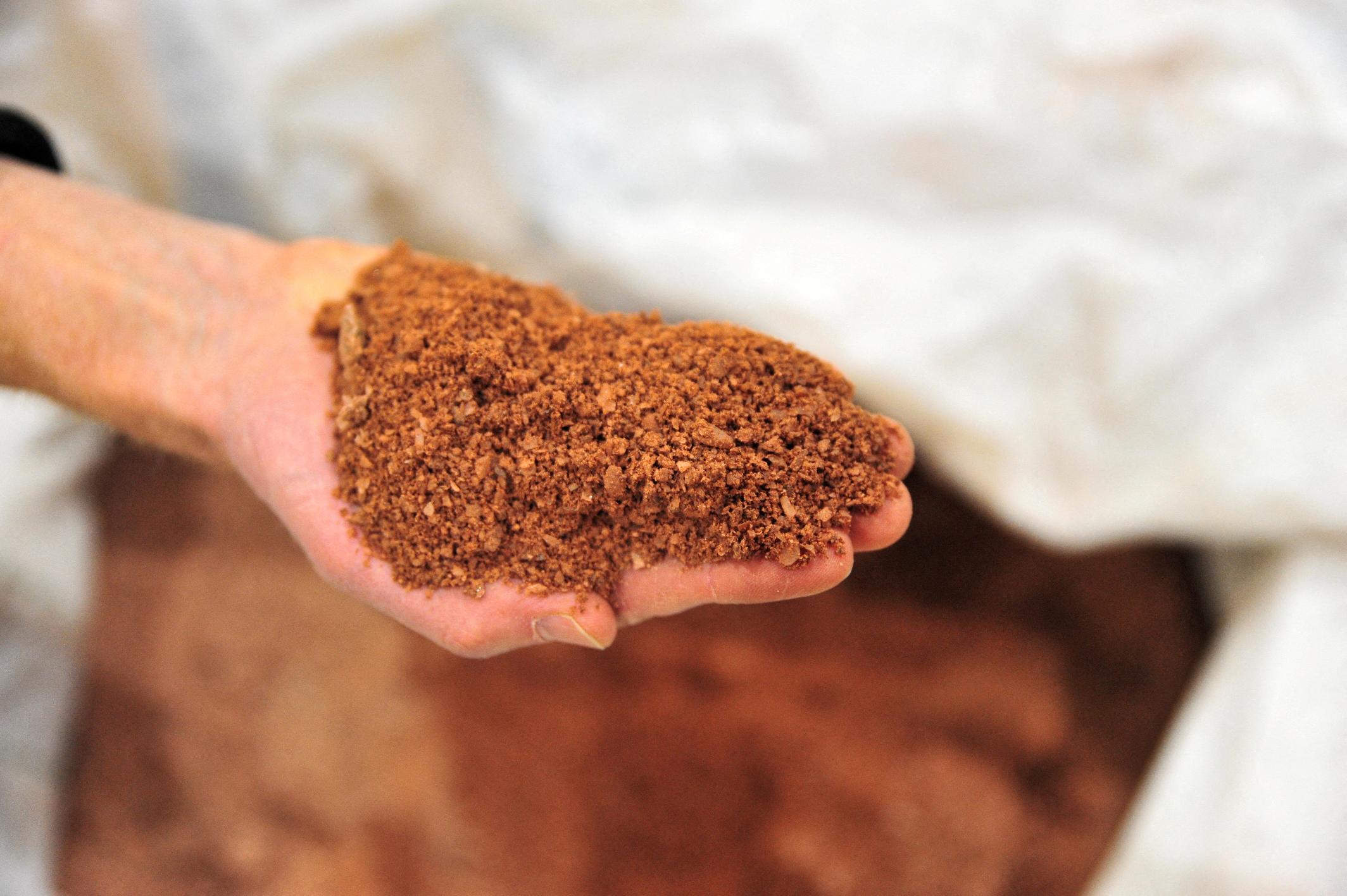
ALEXANDRIA, Louisiana, Dec 4 (Reuters) - Start-up tech firms are racing to transform the way rare earths are refined for the clean energy transition, a push aimed at turbocharging the West's expansion into the niche sector that underpins billions of electronic devices. The existing standard to refine these strategic minerals, known as solvent extraction, is an expensive and dirty process that China has spent the past 30 years mastering. MP Materials (MP.N), Lynas Rare Earths (LYC.AX) and other Western rare earths companies have struggled at times to deploy it due to technical complexities and pollution concerns. Rare earths are a group of 17 metals used to make magnets that turn power into motion for electric vehicles, cell phones and other electronics. While U.S. scientists helped develop solvent extraction for rare earths in the 1950s, radioactive waste from the process gradually made it unpopular in the United States. China began to rapidly expand in the industry starting during the 1980s and now controls 87% of global rare earths refining capacity, according to the International Energy Agency. That prowess has helped propel the country's economy to the second-largest in the world. Emerging Western rivals now offer the tantalizing prospect of processing the minerals in faster, cleaner and cheaper ways, if they can successfully launch. "The existing rare earths refining process is a nightmare," said Isabel Barton, a mining and geological engineering professor at the University of Arizona. "That's why there are so many companies promising new methods, because we need new ones." Interviews with nearly two dozen industry consultants, academics and executives show that if one or more of these novel processing technologies succeed as hoped by 2025, they could slash reliance on Chinese rare earths technology and its toxic by-products while also bolstering plans by Western firms to charge premium prices for the strategic minerals. While none have launched commercially - and some industry consultants and analysts question whether they will be able to do so soon - a cadre of firms are pushing forward with aggressive development plans. On a former U.S. Air Force base in Louisiana, Ucore Rare Metals (UCU.V) aims to process rare earths by mid-2025 using a technology known as RapidSX that it says is at least three times faster than solvent extraction, produces no hazardous chemical waste and requires only a third of the physical space. "Our goal is to re-establish a North American rare earths supply chain," Michael Schrider, Ucore's chief operating officer, said during a visit to the site. Formed in 2006, Ucore initially planned to mine a rare earths deposit in Alaska. But the company changed tack in 2022 to focus on refining, not mining, a pivot born from what two executives said they saw as a flaw in the West's strategy to weaken China's minerals dominance by trying to master both steps simultaneously. Ucore, which has been testing its process with Pentagon funding, is in talks now with 17 mining companies to buy lightly processed supplies of rare earths known as concentrate, ship them to the Port of New Orleans, then truck them to a 80,800-square foot warehouse that will be outfitted with the RapidSX technology beginning in January. Rare earths miners increasingly say they are content to focus on digging up rock - rather than compounding their operations with the added step of processing. "Mining companies should focus on finding new deposits," said Luisa Moreno, president of Defense Metals (DEFN.V), which aims to open a rare earths mine in British Columbia within four years and is interested in licensing Ucore's technology. "You probably should let refining be handled by others that specialize in that." Rainbow Rare Earths (RBWR.L) plans by 2026 to deploy rare earths refining technology in South Africa developed by its Florida-based partner K-Technologies that uses a process known as continuous ion exchange, used by some lithium producers. Startup Aether is developing nanotechnology that programs proteins to selectively bind with and extract rare earths from ore deposits. In Norway, privately-held REETec says its proprietary refining process emits 90% less carbon dioxide than solvent extraction and should be operational by late 2024. And privately-held Phoenix Tailings earlier this year began refining small amounts of rare earths in Massachusetts using a process that it says is free of emissions and waste. "There are technologies that can be developed that are far better than solvent extraction," said Robert Fox, a scientist at the U.S. Department of Energy's Idaho National Laboratory. The lab last month agreed to research new refining techniques for privately-held U.S. Critical Materials, which is developing a rare earths deposit. SKEPTICISM Despite the hunger for new refining techniques, industry consultants warned that manufacturers may be expecting too much and too soon from this so-far unproven group of nascent technologies, especially given the world's aggressive electrification targets. Ucore's technology, for example, has never worked at commercial scale and is not expected to gain patent protection until next year, a timeline that industry consultants flagged as a cause for concern given strong rivalries for intellectual property. "The time horizon needed to develop all these new refining technologies will be longer than many expect," said Frank Fannon, a minerals industry consultant and former U.S. assistant secretary of state. Talks of production within a few years "creates a false sense of security for policymakers." Yet the need for alternatives is rising, especially in the wake of Beijing's decision earlier this year to curb exports of germanium, graphite and other metals. That has sparked concerns that rare earths could be next. Fannon and several U.S. politicians have called for Western governments to create central rare earths processing hubs, a plan already being pursued by Canada. In Saskatchewan, government scientists are working to launch their own rare earths processing technology after attempts to buy Chinese technology sputtered in 2020. "We looked at existing technologies and said, 'There's a better way of doing this,'" said Mike Crabtree, CEO of the Saskatchewan Research Council (SRC), which is funded by the provincial government. "We wanted to put our own spin on it." Using artificial intelligence, the company designed processing equipment it believes is more efficient than Chinese rivals. Rather than needing up to 100 people to run, as with traditional solvent extraction, the SRC estimates that only four people will be needed to run its plant, which it hopes to open by the end of 2024. While the SRC's goal is to spur mining across Canada, Crabtree said he is open to licensing the technology for use anywhere in the world. "This entire sector as a whole needs to grow outside of China in order to support the energy transition," he said. Crabtree and the SRC expect their facility to cost more to build than Chinese rivals but less to operate, a function of their desire to make processing equipment that has no waste and recycles acid and other key chemicals. And while MP Materials and others have struggled to tailor their processing equipment to specific geological deposits, SRC, Ucore and others say they believe their new refining processes will be able to process the critical minerals from multiple locations across the globe. "These new sources for rare earths are going to be paramount if we're going to reach global net zero targets," said Steve Schoffstall of the Sprott Energy Transition Materials ETF (SETM.O), which holds shares in several rare earths companies. Shares of Ucore rose more than 6% on Monday in Canadian trading after the Reuters story, while shares traded over-the-counter in the United States gained nearly 8%. - For daily comprehensive coverage of COP28 in your inbox, sign up for the Reuters Sustainable Switch newsletter here. https://www.reuters.com/sustainability/climate-energy/western-start-ups-seek-break-chinas-grip-rare-earths-refining-2023-12-04/
2023-12-04 19:51
LONDON, Dec 4 (Reuters) - War risk insurance premiums edged up for Red Sea voyages after three vessels were attacked in the area on Sunday and fears grow over worsening perils for commercial shipping, maritime and insurance sources said on Monday. The incidents are the latest in a series of attacks in Middle Eastern waters since a brutal war between Israel and the Palestinian Islamist group Hamas broke out on Oct. 7. The three commercial vessels came under attack in international waters in the southern Red Sea, the U.S. military said on Sunday. Yemen's Iran-backed Houthi group claimed drone and missile attacks on what it said were two Israeli vessels in the area. "It has now become clear the Houthis will attack anything at sea with links to Israel or Israelis, regardless of how feeble the links may be, and regardless of the potential for collateral damage to non-Israelis, for example crew members," Jakob Larsen, head of maritime safety & security with shipping association BIMCO, told Reuters. Israeli military spokesperson Rear Admiral Daniel Hagari said the two ships cited by the Houthis had no connection to Israel. U.S. Central Command said the three vessels were connected to 14 separate nations. Larsen said the industry would welcome a strengthened naval presence in the area. "Faced with a threat from military formations such as the Houthis, merchant ships rely on protection from naval units," he said. "There is little a merchant ship can do to protect itself against weapons of war. Re-routing away from the area is a valid consideration, especially for ships at heightened risk." LONGER ROUTES Israeli container line Zim said last week it was diverting some of its vessels away from the area, meaning longer journey times, as a temporary measure. The London insurance market has listed the southern Red Sea among its high risk areas and ships need to notify their insurers when sailing through such areas and also pay an additional premium typically for a seven-day cover period. Insurance industry sources said that war risk premiums had stayed firm on Monday at between 0.05% to 0.1% of the value of a ship, from around 0.03% estimated last week before the attacks. This translates into tens of thousands of dollars of additional costs for a seven-day voyage. Transportation costs in this region are expected to rise further, said Corey Ranslem, CEO of British maritime risk advisory and security company Dryad Global. "The escalation in insurance premiums will contribute to higher costs," he said. "Additionally, the increase in perceived risk may lead to a significant number of vessels opting to by-pass the region altogether, preferring longer routes such as circumnavigating the Horn of Africa." The U.S. military said on Sunday it would "consider all appropriate responses in full co-ordination with its international allies and partners". Ships sailing under the Bahamas flag registry have been among the vessels hit in the various attacks. The Bahamas delegation told an already scheduled assembly session of the U.N. shipping agency in London on Monday that what was emerging was a "deliberate attack on international shipping" in a critical region. "Whether you are directly involved in this aspect, all of us eventually pay for it - every nation that depends on international shipping," the Bahamas delegation said. In January, shipping associations scaled back risk assessments in the Indian Ocean, which the Rea Sea leads into, after Somali piracy was brought under control. https://www.reuters.com/world/middle-east/war-risk-insurance-rates-edge-up-after-surge-red-sea-ship-attacks-2023-12-04/

2023-12-04 19:50
Dec 4 (Reuters) - Eight people were taken to the hospital for treatment on Monday after a toxic gas leak at Altivia Chemicals' plant in La Porte, Texas, local officials said. An update on their condition was not immediately available. The city canceled a shelter-in-place order in the afternoon that had affected several nearby industrial plants, officials said. The La Porte Office of Emergency Management (LPOEM) said the Fire Department and Harris County Pollution Control confirmed there were no "detectable amounts of immediately hazardous products" near or downwind the facility. Officials had cautioned residents to shelter in place due to a phosgene gas leak at Altivia, a chemical manufacturer and transporter that develops phosgene derivatives for pharmaceuticals and the agriculture industry. "This happens quite frequently, we aren’t surprised," said Ana Parras, executive co-director at Texas Environmental Justice Advocacy Services. "What they are producing is chemicals for plastic production, and there has been a rise in incidents" at Texas chemical plants. "Eight people were transported from Altivia due to exposure, and all were stable at the time of leaving the facility," said Harris County Judge Lina Hidalgo in a social media post on X, formerly known as Twitter. An Altivia representative did not immediately reply to requests for comment. Phosgene is a colorless gas with a suffocating odor like musty hay that is used in the manufacture of other chemicals, pesticides and pharmaceuticals, according to the U.S. Centers for Disease Control and Prevention. Exposure to phosgene gas may cause vomiting, breathing difficulty, chest pain and, in its liquid form, frostbite. Halliburton's (HAL.N) Multi-Chem Bayport site, Stepan's (SCL.N) Pasadena facility, and three other sites belonging to Kuraray America, Evonik (EVKn.DE) and NCTI lifted orders to shelter in place, according to community alerts. https://www.reuters.com/world/us/laporte-texas-issues-shelter-place-after-altivia-plant-leaks-toxic-gas-2023-12-04/
2023-12-04 19:50
Severe flooding in several East African countries Hundreds of thousands forced from homes since October Deaths in Kenya, Somalia and Tanzania Climate change causing more extreme weather events DAR ES SALAAM, Dec 4 (Reuters) - The death toll from floods in northern Tanzania following torrential rains this weekend has risen to 63, the prime minister said on Monday, adding to hundreds of other deaths caused by extreme weather in East Africa since seasonal rains began in October. Prime Minister Kassim Majaliwa said in comments broadcast on television that the number of injured stood at 116 people. Landslides had destroyed half of one village he visited, he said. "We are here in front of bodies of our fellows. We have lost 63 loved ones. Of the total fellows we lost, 23 are men and 40 are women," he said during an event to bid farewell to the bodies of those who had died in Hanang district, northern Tanzania. "My fellow Tanzanians, this is a tragedy," he said. Earlier on Monday, President Samia Suluhu Hassan had put the number of dead at 57 and those injured and receiving treatment at 85. Zuhura Yunus, a spokesperson for her office, said the floods and landslides had affected 1,150 households, or 5,600 people, with 750 acres of farmland destroyed. Severe flooding caused by the El Nino and Indian Ocean Dipole weather phenomena has forced hundreds of thousands from their homes in Kenya, Somalia, Ethiopia and Tanzania since the rains began. The flooding comes on the back of the worst drought to hit the region in 40 years. Dry soils are less able to absorb water, increasing the risk of flash-flooding. Yunus said Hassan would shorten her trip to the COP28 climate talks in the United Arab Emirates to oversee the response to the incident. "Despite all the challenges rescue work is facing from damaged roads and mud and logs filling the roads, the government is doing its best to deal with that," Yunus said. Queen Sendiga, commissioner of the Northern Manyara region, told reporters late on Sunday that authorities were still searching for bodies trapped in the mud. Around 100 houses in the village of Katesh, Hanang district, were swallowed by a landslide, Sendiga said, adding that they did not know the whereabouts of people from 28 households. Television footage showed streets turned into fast-flowing rivers of mud carrying debris past flooded houses. Climate change is causing more intense and more frequent extreme weather events, according to climate scientists. In response, African leaders are pushing for new global taxes and changes to international financial institutions to help fund climate change action. In neighbouring Kenya, where floods have so far killed at least 154 people, the banks of the Voi River in the country's south burst on Monday, the Kenya Red Cross said. https://www.reuters.com/world/africa/tanzania-flood-landslide-death-toll-rises-over-50-2023-12-04/