2023-12-04 05:04
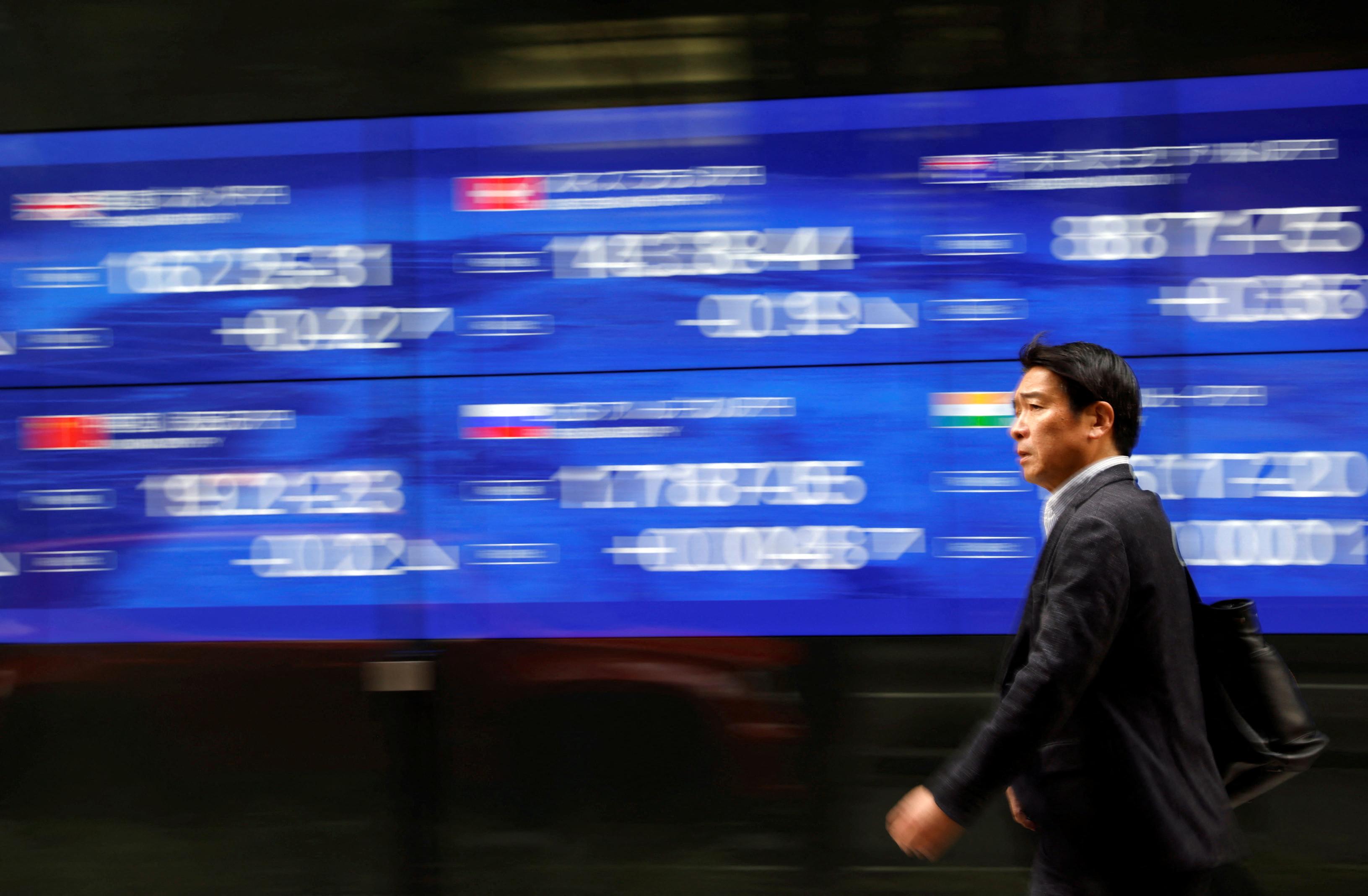
MUMBAI, Dec 4 (Reuters) - The Indian rupee is likely to open stronger on Monday, aided by a drop in U.S. Treasury yields following comments from Federal Reserve Chair Jerome Powell and on the back of state election victories for India's ruling party. Non-deliverable forwards indicate the rupee will open at around 83.23-83.24 to the U.S. dollar compared with its close at 83.2875 on Friday. "With state election results in favour of the central ruling party, rupee should open higher... however dip-buying interest (on USD/INR) may emerge near 83.20," a foreign exchange trader at a private bank said. Prime Minister Narendra Modi's Bharatiya Janata Party won the elections in three of the five Indian states that had recently gone to the polls. The elections results, "are likely positive for equity inflows, and as such reduces some pressure for INR depreciation in the near-term," MUFG Bank said in a note on Monday. U.S. Treasury yields dropped on Friday after comments from Fed Chair Jerome Powell signalled optimism that the central bank's current policy rate may be adequate to complete the job of combating inflation. "Having come so far so quickly, the (Federal Open Market Committee) is moving forward carefully, as the risks of under- and over-tightening are becoming more balanced," Powell said. The 10-year U.S. Treasury yield inched up in Asia after falling to a low of 4.19% on Friday, its weakest level since early September. Fed futures are pricing in a 60% chance of a rate cut at the Fed's March meeting, up from 21% over a week ago, according to the CME's FedWatch tool. Most Asian currencies edged higher and the dollar index was up slightly at 103.28. Over the week, investors will keep an eye on U.S. economic data for further cues on Fed policy while awaiting the Reserve Bank of India's policy decision on Friday. KEY INDICATORS: ** One-month non-deliverable rupee forward at 83.29; onshore one-month forward premium at 5.75 paise ** Dollar index up at 103.28 ** Brent crude futures down 0.7% at $78.3 per barrel ** Ten-year U.S. note yield at 4.25% ** As per NSDL data, foreign investors bought a net $1.17 bln worth of Indian shares on Nov. 30 ** NSDL data shows foreign investors sold a net $10.9 mln worth of Indian bonds on Nov. 30 https://www.reuters.com/world/india/india-rupee-rise-drop-us-yields-state-poll-outcome-2023-12-04/
2023-12-04 04:38
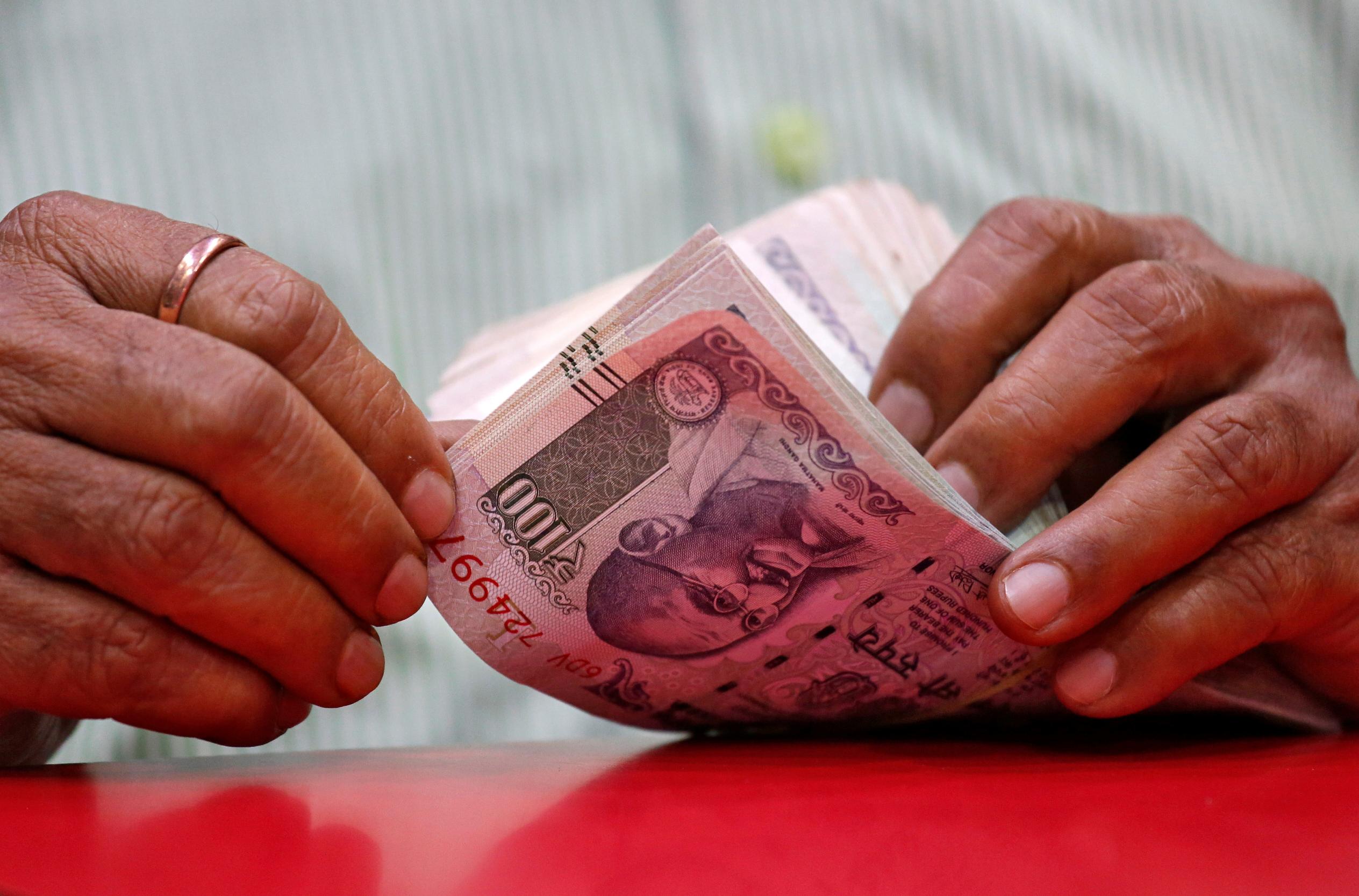
LAUNCESTON, Australia, Dec 4 (Reuters) - The two main spot prices for iron ore diverged last week, with Singapore-traded contracts gaining but China's domestic futures posting a decline. The two benchmarks generally move in tandem, but can de-couple, especially when Beijing expresses displeasure over price gains for the key steel raw material, as has happened in recent weeks. But the increase in the Singapore Exchange contracts show that Beijing may be pushing on a rope insofar as it can browbeat domestic investors for a while, but will struggle to contain international prices, especially if there are fundamental reasons supporting higher iron ore prices. The front-month Singapore contract ended at $132.60 a metric ton on Dec. 1, up 1% for the week and the highest close in 18 months. The front-month futures on the Dalian Commodity Exchange ended last week at 969 yuan ($135.71) a metric ton, down 0.8% for the week, the first weekly loss after seven straight gains. While modest, the decline in the Dalian contracts shows some nervousness among China's domestic traders in the face of several measures aimed at curbing iron ore's rally. The exchange said on Nov. 30 that it will continue to strengthen its supervision of iron ore futures to maintain what it termed the safe and stable operation of the market. This move came after China's state planner said on Nov. 24 it will boost supervision of iron ore at ports and guard against hoarding and speculation. The National Development and Reform Commission also said it will tighten supervision of spot and futures markets in response to a "continuous and rapid" rise in the price of iron ore. Dalian futures have been in a sustained uptrend since the close of 587.5 yuan a metric ton on May 25, having gained 65% since what is so far the weakest closing price in 2023. The rally may seem to be at odds with the weakness in China's key property sector, which has been battling weak prices and a liquidity issues among major developers. However, some confidence has been creeping back into the iron ore market amid efforts to boost the sector, and some signs of improvement, with China's new home prices rising slightly in November for a third monthly gain. But despite the travails of the property sector, China's iron ore imports have been relatively robust so far in 2023. RISING IMPORTS In the first 10 months of the year official customs data show imports of 975.84 million metric tons, an increase of 4.64% over the same period in 2022. Arrivals are also likely to have been strong in November, with commodity analysts Kpler tracking imports of 103.82 million metric tons, while LSEG data is less bullish at 96.72 million. Overall, it's likely that November imports will end up more or less the same as October's customs figure of 99.39 million metric tons. A further bullish factor is the level of inventories at China's ports, with data from consultants SteelHome showing stockpiles were 110.7 million metric tons in the week to Dec. 1. This was up from 108.5 million metric tons the prior week, but it's worth noting that inventories are well below usual levels for this time of year, and are only slightly higher than the seven-year low of 105.15 million, recorded for the week to Oct. 20. In the same week last year iron ore stockpiles were 137.5 million metric tons and were 155.4 million in the same week on 2021. The depleted level of inventories suggests that iron ore imports may remain at robust levels in coming months, especially if steel mills and traders gain more confidence that the worst is over for the property sector. Overall, both fundamentals and sentiment have shifted in favour of iron ore in recent weeks, and the only thing standing against higher prices, or at least a maintenance of recent gains, is stronger moves by Beijing. History suggests that the authorities can cool iron ore prices, but only for a relatively short period, especially if the market conditions are supportive for stronger prices. The opinions expressed here are those of the author, a columnist for Reuters. https://www.reuters.com/markets/commodities/iron-ore-benchmarks-diverge-china-tries-cool-prices-russell-2023-12-04/

2023-12-03 23:36
NEW DELHI/HOUSTON/SINGAPORE, Dec 1 (Reuters) - Indian refiners have resumed Venezuelan oil purchases through intermediaries, with Reliance (RELI.NS) set to meet executives from state firm PDVSA next week to discuss direct sales following the easing of U.S. sanctions on the South American country, people familiar with the matter said. Trade resumed between the OPEC producer and the second largest destination for its oil after Washington in October temporarily lifted sanctions banning Venezuelan oil exports, prompting a flurry of spot sales of crude and fuel through middlemen and traders, mostly to China. But Venezuela's oil output has been volatile, limiting what it can offer for export. India last imported Venezuelan crude in 2020. Access to Venezuela's heavy oil could cap import costs for India, which has become a major Russian oil buyer, and further reduce its reliance on the Middle East. Three Indian refiners have bought some 4 million barrels of Venezuelan crude for February delivery at between $7.50 and $8 per barrel below dated Brent on a delivered ex-ship basis, five trade sources said. Of those, trading house Vitol sold 1.5 million barrels to Indian Oil Corp (IOC.NS) and 500,000 barrels to HPCL-Mittal Energy (HMEL), a joint venture between state-run Hindustan Petroleum Corp (HPCL.NS) and Mittal Energy Investment, they added. Reliance had previously received an offer for a prompt cargo at $16 a barrel below dated Brent on a free-on-board basis, another source said, but it was unclear if the deal had gone through. The South American country is producing some 850,000 barrels per day (bpd) of crude with a target of soon reaching 1 million bpd, Venezuela's deputy oil minister said last month, a goal it has repeatedly missed. Reliance once was PDVSA's second-largest crude customer and in turn an important supplier of fuel to Venezuela. "The Reliance team has already scheduled meetings with PDVSA executives in Caracas," one of the people said, adding that the discussions are expected to include crude sales to India and fuel imports for Venezuela. PDVSA, Reliance, IOC, HPCL-Mittal Energy and Vitol did not immediately respond to requests for comment. The Venezuelan firm is separately negotiating crude sales to PetroChina (601857.SS), but no deal has been signed. ON THEIR WAY No cargoes have reached India yet, but some vessels finished loading in late November, so are expected to be authorized to depart in December, according to tanker tracking data and shipping schedules. Taking cargoes largely will depend on the buyers' ability to charter tankers that agree to load at Venezuelan ports, where delays and quality issues are common, and their willingness to pay upfront, as demanded by PDVSA, some of the sources said. PDVSA's use of trading houses and intermediaries to negotiate oil sales to Asian refiners is creating confusion, some buyers have said. Customers including China's independent refiners have recently held off on making new purchases as they struggle to agree on prices. https://www.reuters.com/world/india/india-resumes-imports-venezuelan-oil-reliance-seeks-direct-deal-2023-12-01/

2023-12-03 23:10
Bitcoin and ether hit 2023 highs Interest rate cut bets and ETF approval optimism driving gains Increasing institutional engagement adding to Bitcoin ascent, says investor LONDON/SINGAPORE/NEW YORK, Dec 4 (Reuters) - Bitcoin rose on Monday, briefly surpassing $42,000 to reach a 20-month high, in a new surge of momentum fueled by U.S. interest rate cut expectations and traders betting that American regulators will soon approve exchange-traded spot bitcoin funds. The world's biggest cryptocurrency rose to $42,162, its highest since April 2022, seemingly casting off the gloom that had settled over crypto markets following the collapse of FTX and other crypto-business failures last year. It was up 8.27% at $42,005 as of 20:00 GMT. Bitcoin's gains lifted the shares of cryptocurrency-related companies, as well as exchange-traded funds (ETFs) listed in the United States. Coinbase (COIN.O) jumped 7% and Microstrategy (MSTR.O) gained 6.3%, while bitcoin miners such as Riot Platforms (RIOT.O), Marathon Digital (MARA.O) and CleanSpark (CLSK.O) rose between 7% and 13%. Last week, Microstrategy (MSTR.O) disclosed it bought an additional $593 million in bitcoin during November. The ProShares Bitcoin Strategy ETF , which tracks bitcoin futures, rose 7.5%, while the ProShares Short Bitcoin Strategy ETF that allows traders to bet on a fall in bitcoin futures dropped 7.5%. Bitcoin's "remarkable ascent" can be attributed to a "confluence of factors" that were buoying sentiment, Luuk Strijers, chief commercial officer of crypto derivatives exchange Deribit, wrote in a note on Monday. He cited widespread optimism that the U.S. securities regulator may soon approve a spot bitcoin ETF, which would throw open the bitcoin market to millions more investors. Abating inflation would lead central banks to begin easing rate hikes, making riskier assets more attractive, he said, and noted a steady increase in institutional engagement. Bitcoin is up by more than 150% so far this year. Riskier investments and other interest-rate sensitive assets, such as gold, have also rallied hard over the last few weeks as markets wager that the U.S. Federal Reserve has finished hiking rates and will start cutting early in 2024. Reports in October that the U.S. Securities and Exchange Commission (SEC) would not appeal a court ruling that the agency had been wrong to reject its spot bitcoin ETF application have also driven bets that an eventual approval is near. SEC Chair Gary Gensler said in October the agency's commissioners would potentially consider as many as 10 bitcoin ETF filings, but could not provide guidance on timing. A spot bitcoin ETF could allow previously wary investors access to crypto via the tightly regulated stock market. Demand is expected to be as much as $3 billion in the first few days of trading, and pull in billions more thereafter. Investors are confident the SEC could approve multiple spot bitcoin ETFs as early as January, based on key public SEC filing and comment deadlines, Matteo Greco, research analyst at digital asset investment firm Fineqia International, wrote in a note. "An approval is expected to bring short-term capital influx from the traditional finance investors." Investors have also welcomed the settlement of a years-long U.S. criminal probe into Binance, the world's largest crypto exchange and a key cog in the worldwide crypto market. The deal, in which Binance founder Changpeng Zhao stepped down after pleading guilty to breaking U.S. anti-money laundering laws, allows the company to continue operating. Ether , the coin linked to the Ethereum blockchain network, rose more than 6% on Monday, hitting $2,274.88. Both bitcoin and ether remain far below their 2021 record highs of $69,000 and $4,868, respectively. https://www.reuters.com/markets/currencies/bitcoin-hits-40000-level-first-time-this-year-2023-12-03/

2023-12-03 22:46
Dec 3 (Reuters) - An attack on an American warship and commercial vessels in the Red Sea on Sunday risks reigniting investor worries about a widening of the war between Israel and Hamas, potentially complicating the outlook for a rally that saw U.S. stocks crest a fresh closing high for the year last week. The Pentagon said it was aware of reports regarding attacks on an American warship and commercial vessels in the Red Sea on Sunday, while Yemen's Houthi group claimed drone and missile attacks on two Israeli vessels in the area. Also on Sunday, a U.S. military official told Reuters the United States carried out a self-defense strike in Iraq against an "imminent threat" at a drone staging site. The developments risk inflaming fears that the Israel-Hamas war could widen into a broader conflict encompassing the U.S. and regional players like Iran. Such worries flared after Hamas’ Oct. 7 attack into southern Israel but subsided in recent weeks. In Asia trade on Monday S&P 500 futures fell 0.2%, Brent crude futures bounced initially, before slipping 0.8% to $78.27 a barrel, while gold hit a record high of $2,111 an ounce. Quincy Krosby, chief global strategist at LPL Financial, said a widening conflict could push some investors to take profits on the recent rally in stocks. The S&P 500 rose nearly 9% in November on signs of easing inflation and hopes the Federal Reserve is done raising interest rates. The index is up almost 20% on the year after notching a 2023 closing high on Friday at 4594.63. “The market is sensitive to any expansion of this conflict,” she said. “I think active managers in any event are more likely to lock in their gains if this is a harbinger of a deeper military conflict that involves the US.” Past spikes in geopolitical tensions have made investors head for popular havens such as gold, Treasuries and the U.S. dollar. Signs of an intensifying Middle East conflict could also boost oil prices, which have slumped in recent weeks. Phil Orlando, chief equity market strategist at Federated Hermes, said rising tensions in the region could send West Texas Intermediate crude prices up to between $80 and $90 per barrel. The developments come as investors eye factors that could sway stocks in coming weeks. A U.S. employment report due on Friday could bolster the case for those arguing that a cooling economy will keep the Fed from raising interest rates further and possibly loosen monetary policy sooner than expected. Other potential catalysts include the Fed’s monetary policy meeting on Dec. 12-13, as well as seasonal factors such as tax-loss selling and the so-called Santa Claus rally. Orlando said a spike in geopolitical tensions could drop the S&P 500 by "one or two hundred points." "There's no question this represents an opportunity for investors to take profits," he said. "However I'm still convinced the index ends the year at 4,600." https://www.reuters.com/markets/us/global-markets-mideast-pix-2023-12-03/
2023-12-03 21:48
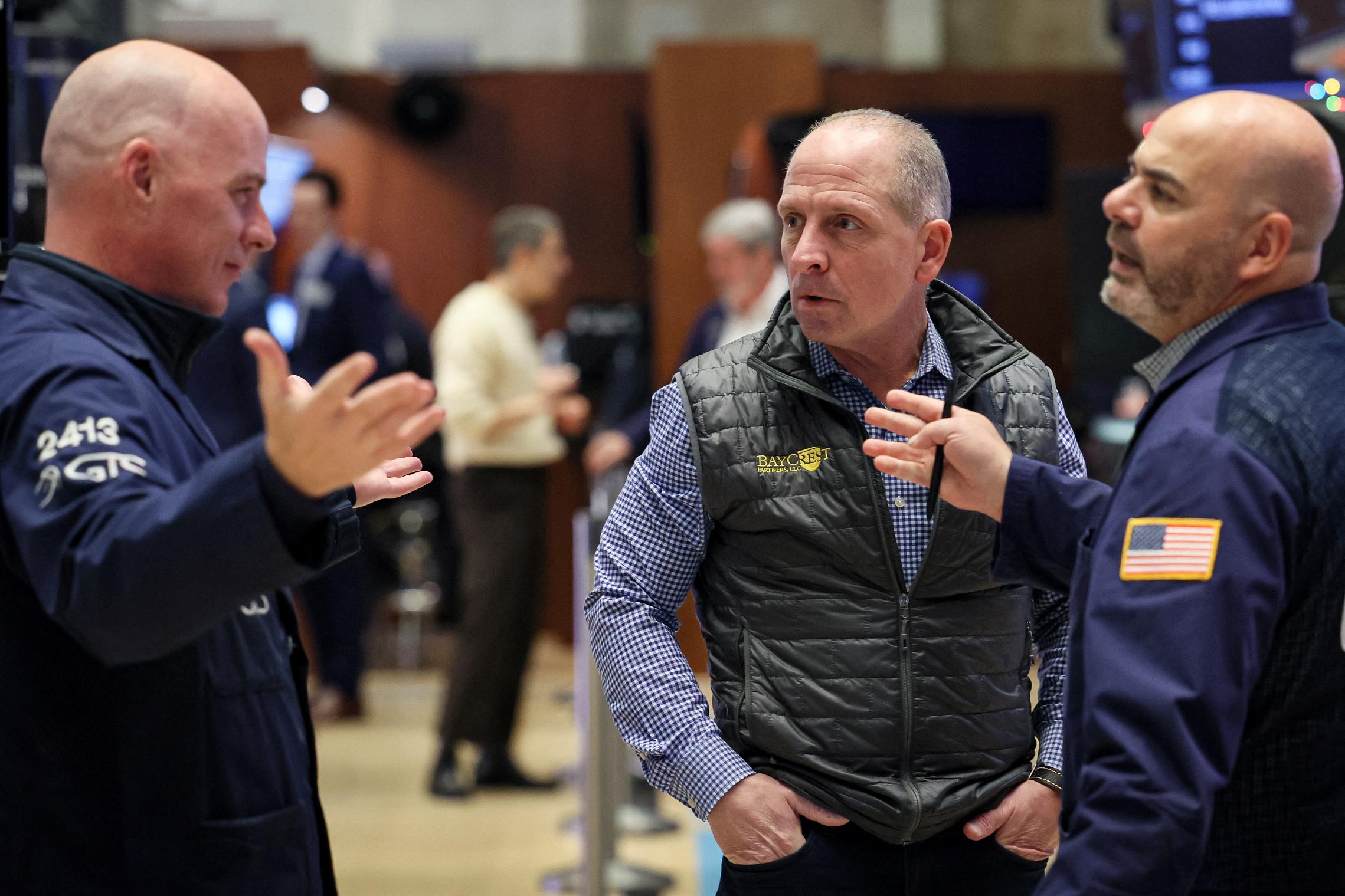
Dec 4 (Reuters) - A look at the day ahead in Asian markets. Asian markets are poised to start the week on the front foot, emboldened by Wall Street's late rally on Friday and plunge in U.S. rate expectations after Fed Chair Jerome Powell gave the clearest signal yet that the Fed is done raising interest rates and could soon move to cut them. The S&P 500's rise to its highest level this year, and continued loosening of financial conditions via the falling dollar and bond yields should pave the way for a positive open for Asian stocks and risk assets on Monday. The dollar shed 3% in November, its biggest monthly fall in a year, and last week fell for a third week in a row. The two-year U.S. Treasury yield slumped 40 basis points last week - its steepest fall since March - and the implied rate on December 2024 'SOFR' futures on Friday fell below 4% for the first time. That packs a powerful punch. Many will argue that the U.S. bond and rates markets have gotten far too carried away, and that the Fed will not ease so quickly and aggressively next year. But Fed policymakers are now in their 'blackout period' ahead of the December 12-13 policy meeting. This means there will be no guidance from officials to take the wind out of investors' sails, certainly not on Monday, when the economic calendar is also very light. There would appear to be room for Asian equities to bounce back - by some measures, the region's underperformance has rarely been this bad in years. The regional calendar highlights on Monday are New Zealand trade data and Australian inventories and corporate profit data, all for the third quarter. Economists polled by Reuters expect New Zealand's terms of trade to fall 1.9% on from the previous quarter, Australian inventories to fall 0.6%, and export volumes to slide 3.8%. The economic and policy calendar for the rest of the week has plenty more potential market-moving moments, including interest rate decisions from Australia and India, inflation figures from South Korea, the Philippines and Thailand, and GDP from Japan, Australia and South Korea. On the policy front, the Reserve Bank of Australia on Tuesday is expected to keep its cash rate on hold at a 12-year high of 4.35%, according to 28 of 30 analysts polled by Reuters. The other two are going for a 25 basis point hike. New Zealand's central bank surprised markets last week with the hawkish rhetoric that accompanied its decision to leave rates on hold, and the RBA could echo a similar message. In stark contrast to the Fed, rates futures markets are barely pricing in any rate cuts from the RBA next year at all. Indeed, the chance of a hike in the coming months is greater than the chance of a cut, current pricing shows. Here are key developments that could provide more direction to markets on Monday: - New Zealand trade (Q3) - Australia inventories, corporate profits (Q3) - South Korea monetary base (November) https://www.reuters.com/markets/asia/global-markets-view-asia-pix-2023-12-03/